
Why Should We Not Compare Nickel Alloy Prices Based on Cost Alone?
Struggling with nickel alloy choices? Many buyers focus on upfront cost, but this often leads to big problems later. This focus overlooks hidden risks and long-term expenses that can cost much more.
Comparing only the initial price of nickel alloys is a mistake. True value comes from long-term performance, reliability, and specific application fit, considering factors like material quality, supplier expertise, and post-purchase support. This approach prevents costly failures and ensures project success.1
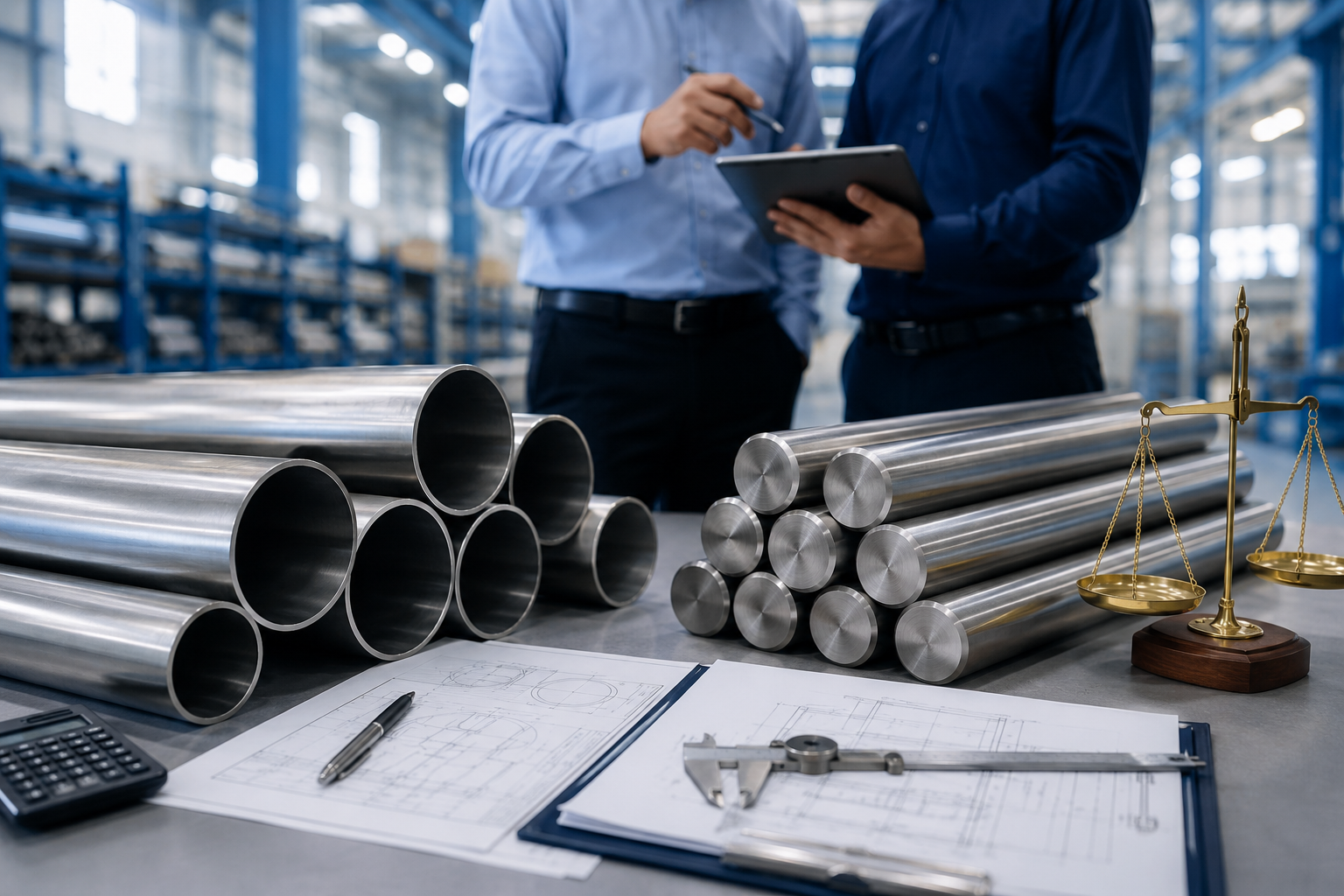
In my 20 years in the nickel alloy industry, I have seen many companies make procurement decisions based purely on the lowest bid. This often leads to regret. Let's look closer at why this approach can be so costly and how a better strategy can save you money and headaches in the long run.
Can a Low Initial Price Hide Much Larger Costs Down the Road?
Are you tempted by the cheapest nickel alloy price? Focusing only on the initial cost can seem smart but often leads to serious problems later. This narrow view ignores unseen costs and risks that can far outweigh any upfront savings.
A lower upfront price for nickel alloys can lead to significantly higher long-term costs due to premature material failure, increased maintenance, unexpected production downtime, or project delays.2 These hidden expenses often result from compromised quality or unsuitable material selection, impacting overall project profitability and safety.3
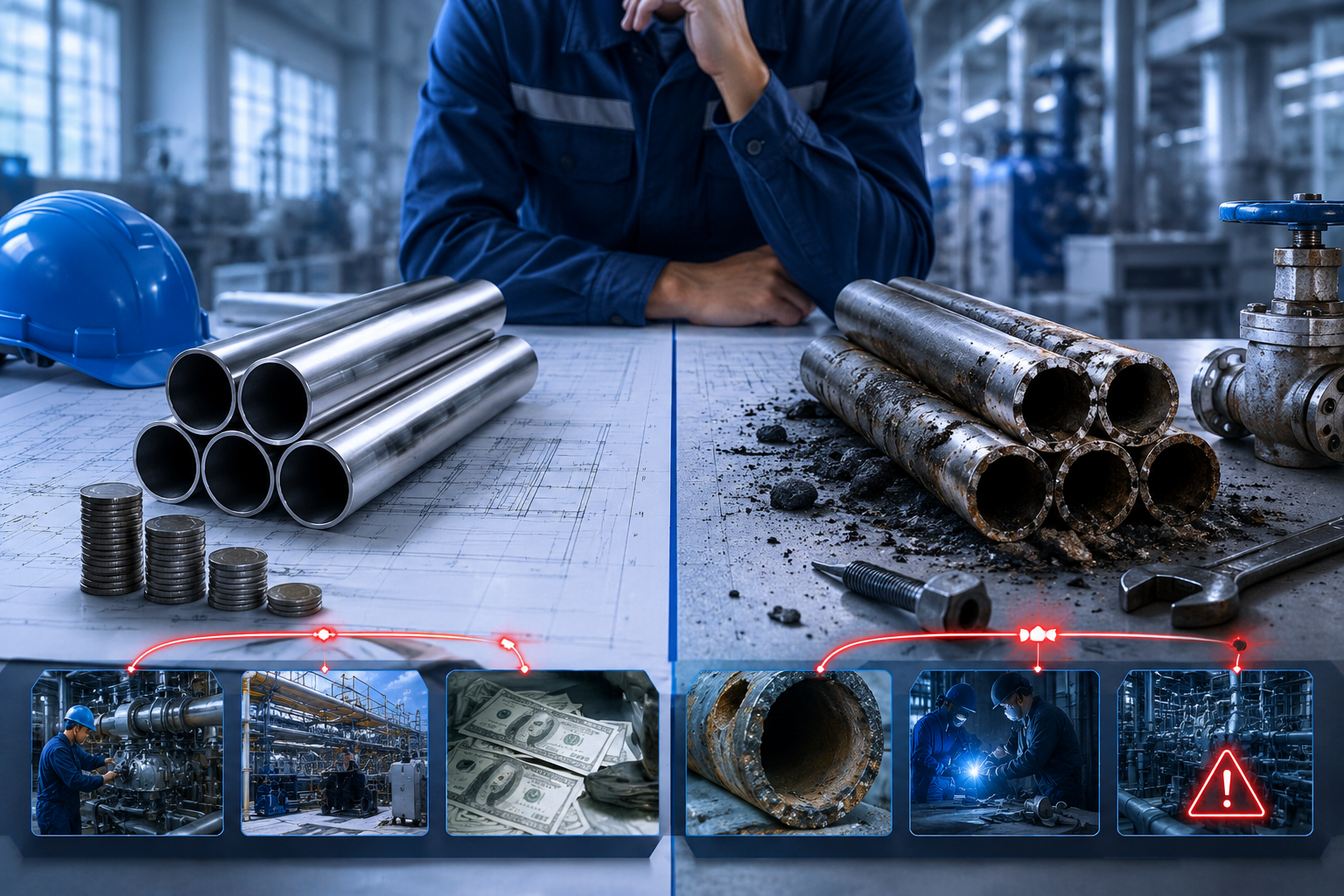
From my experience, a low initial price tag on nickel alloys often signals a compromise somewhere. This compromise might not be obvious at first. However, it can reveal itself in various ways that increase your project's total cost of ownership. I have seen how a few dollars saved per kilogram on material can turn into hundreds of thousands in repair work or lost production. This is because the true cost of a material includes everything from its purchase to its replacement. When a nickel alloy fails earlier than expected, it causes a cascade of problems. You face direct costs for new material and labor to replace it. But you also suffer indirect costs. These include lost revenue from downtime, potential penalty fees for delayed projects, and damage to your company’s reputation. In critical applications, material failure can even cause safety incidents. These can be catastrophic.4
What are the real costs of premature failure?
- Direct Replacement Costs: New material, labor for removal and installation.
- Production Downtime: Lost output, missed deadlines, idle workforce.
- Maintenance Expenses: Increased frequency of inspections and repairs.
- Project Delays: Penalties, extended schedules, budget overruns.
- Safety Risks: Potential for accidents, injuries, regulatory fines.
I have learned that investing in high-quality, appropriately specified nickel alloys from the start is always more cost-effective.5 It ensures longevity, reduces maintenance, and avoids unexpected interruptions.
Should We Prioritize Material Purity Over Its Performance in Specific Jobs?
Do you focus on generic alloy composition when buying? Many buyers think high purity alone guarantees good performance, but this is a common trap.6 Selecting nickel alloy must be about how it performs in its actual working environment.
Nickel alloy selection must prioritize specific mechanical properties, corrosion resistance, and high-temperature performance relevant to the application environment, rather than just generic alloy composition.7 The material's suitability for its intended use, factoring in unique stresses and conditions, is more critical than its general chemical purity.
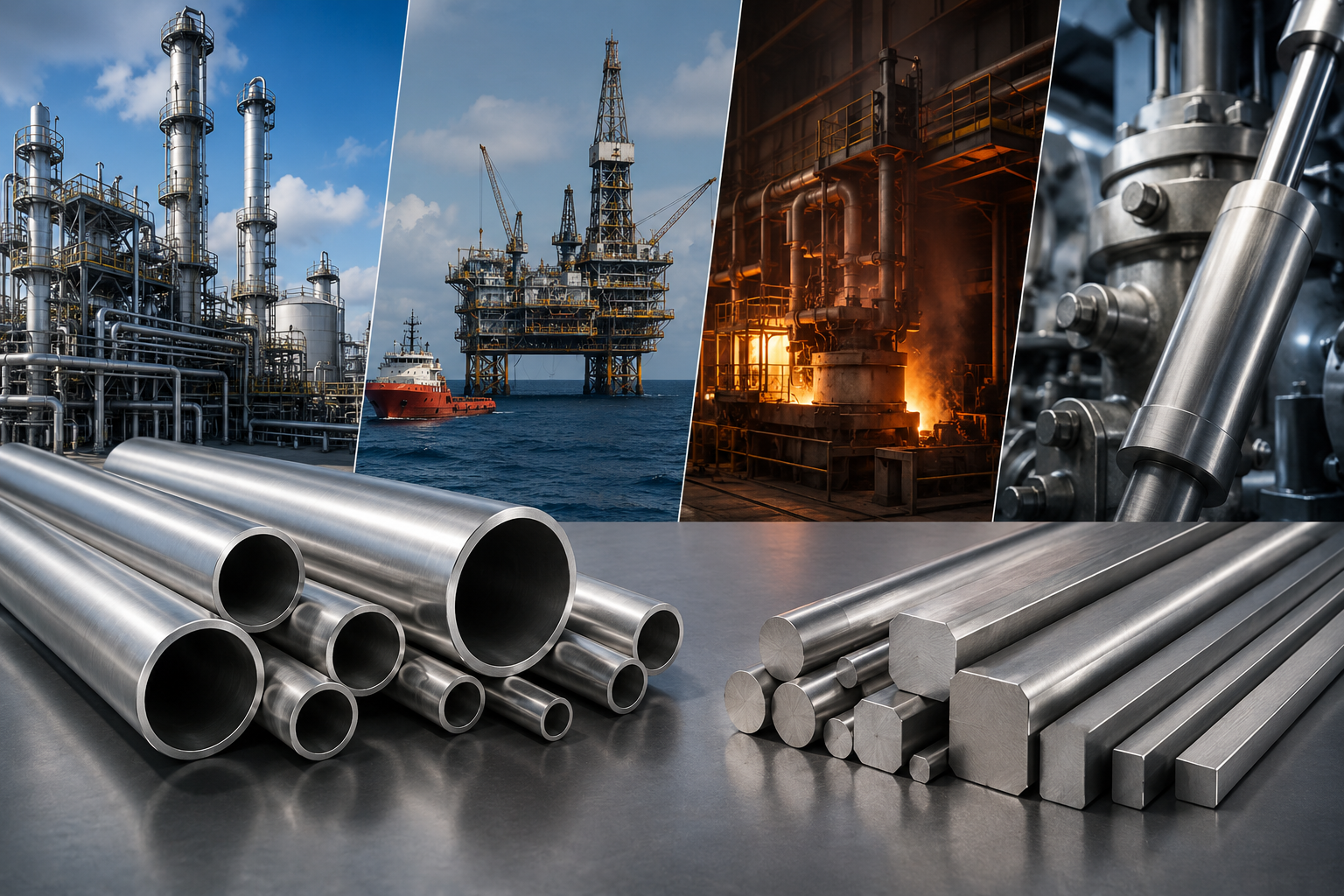
My work has shown me that selecting nickel alloys is not a one-size-fits-all process. A specific alloy might have high purity. But if its mechanical properties or corrosion resistance do not match the demands of your application, it will fail. For example, an alloy for a chemical processing plant needs extreme corrosion resistance against specific acids. An alloy for an aerospace component needs high strength-to-weight ratio and fatigue resistance at elevated temperatures. These are very different requirements. I always advise customers to look at the exact conditions the material will face. This means considering temperature, pressure, corrosive agents, and mechanical stresses. Simply checking the generic composition, like "nickel content," is not enough. The microstructure, heat treatment, and minor alloying elements greatly influence how an alloy performs.8 These factors are often overlooked when buyers only compare data sheets for basic chemical makeup. This is why understanding the application environment is paramount.
What properties matter for specific applications?
| Property | Why it matters | Example Application |
|---|---|---|
| Corrosion Resistance | Prevents degradation from chemicals, seawater, or acids. | Chemical processing, marine engineering |
| High-Temperature Strength | Maintains integrity and strength under extreme heat. | Power generation, aerospace jet engines |
| Mechanical Strength | Withstands tensile, compressive, and shear forces. | Structural components, heavy machinery |
| Fatigue Resistance | Endures repeated stress cycles without cracking. | Aircraft parts, rotating equipment |
| Creep Resistance | Resists permanent deformation under prolonged stress at high temperatures. | Industrial furnaces, heat exchangers |
I always guide buyers to understand their application deeply. We then match the alloy's specific performance characteristics to those demands. This ensures reliability.
Is Traceability, Certification, and Supplier Reliability Truly Essential?
Do you sometimes skip checking traceability or certifications? Some buyers overlook these details, thinking they are just paperwork. But quality control, material traceability, and supplier reliability are not optional extras. They are critical for your project's success.
Quality control, material traceability, adherence to international standards, and credible certifications from a reputable supplier are critical factors that directly impact product reliability and mitigate risks.9 A simple price comparison cannot reveal these aspects, which assure that the material will perform as expected and meet regulatory requirements.
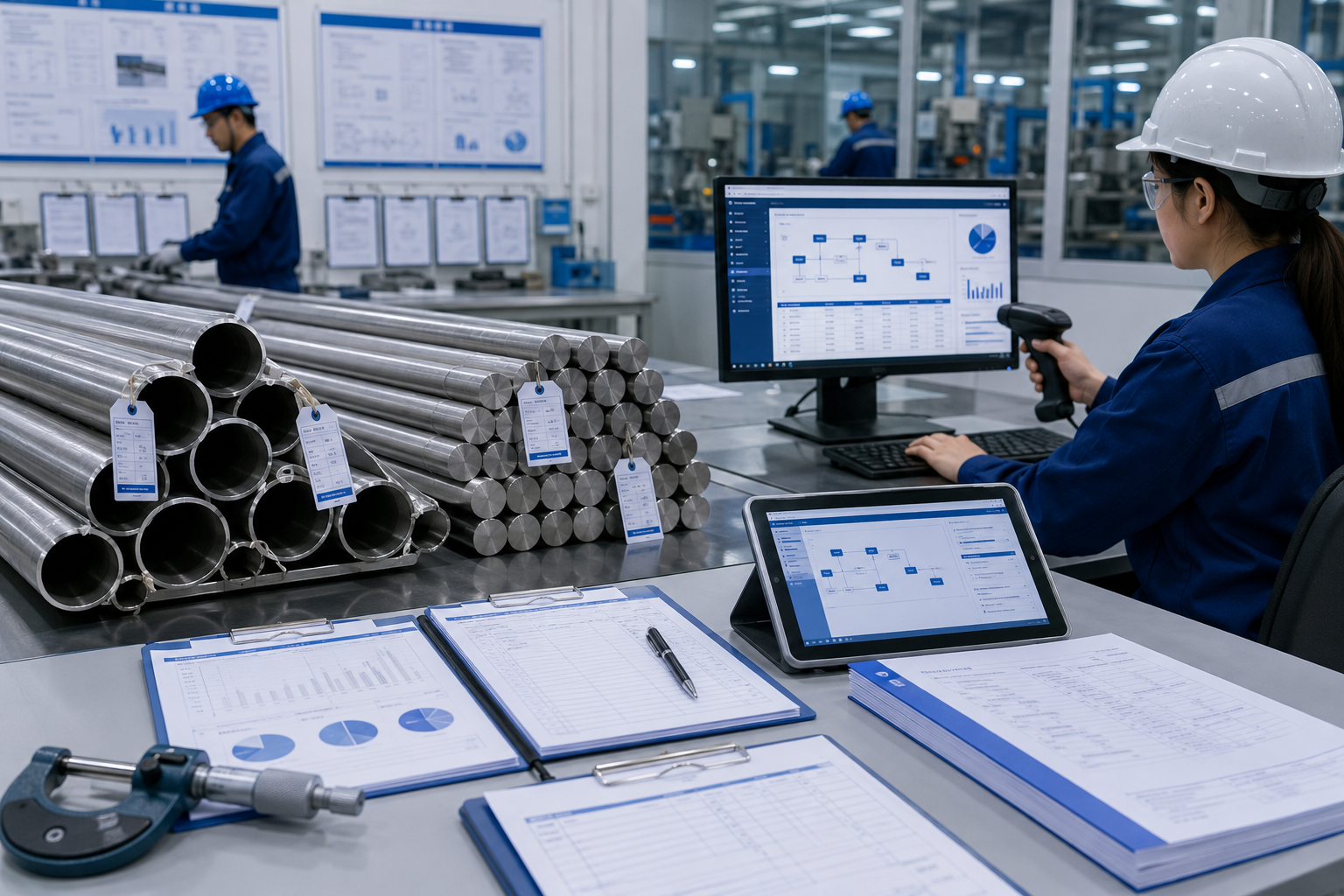
Over my career, I have seen first-hand the problems that arise from poorly documented or uncertified materials. When you buy nickel alloys, you are not just buying metal. You are buying assurance. This assurance comes from a robust quality control system, clear material traceability, and adherence to recognized international standards. I always stress that good quality control means the material has been inspected at every stage of production. Traceability means we can track the material back to its raw form, including all processing steps and test results. This is vital for critical applications. If a problem occurs, full traceability allows for quick identification of the source, limiting impact. Without it, finding the root cause becomes a costly guessing game.10 My company ensures strict quality checks. We hold certifications like ISO, ASME, and ASTM. These are not just badges. They mean we follow rigorous processes. A reliable supplier also offers consistent product quality and on-time delivery. This stability is invaluable for project planning and execution.
Why are these factors non-negotiable?
- Quality Control: Ensures every batch meets specifications and performs reliably.
- Material Traceability: Allows tracking from raw material to final product, crucial for problem-solving and audits.
- International Standards (e.g., ASTM, ASME): Guarantees materials meet globally recognized performance and safety benchmarks.
- Certifications: Provides independent verification of a supplier's quality systems and material properties.
- Supplier Reliability: Ensures consistent supply, quality, and support, reducing project risks.
I have witnessed how these elements provide peace of mind and prevent major project headaches. They are part of the total value package.
Does Expert Support from a Supplier Really Add Value to Complex Projects?
Do you see supplier support as just a sales tactic? Some buyers think they only need material and nothing more. But in complex projects, a supplier's deep expertise in material science and engineering can be priceless. It offers value far beyond the material cost.
A supplier's expertise in material science, engineering support, and problem-solving during selection and customization can prevent costly errors and optimize performance.11 This expert guidance helps buyers choose the right alloy, design custom solutions, and troubleshoot issues, adding significant value beyond the material's purchase price.
In my many years of working with diverse industries, I have often helped customers navigate complex material challenges. My team and I understand that every project has unique demands. Sometimes, standard specifications are not quite enough. This is where a supplier's R&D capabilities and engineering support become critical. We do not just sell products. We offer solutions. For example, a customer might need a nickel alloy for an extremely corrosive environment with fluctuating temperatures. A simple off-the-shelf solution might not suffice. My team can consult on the best alloy choice, suggest modifications, or even develop a custom specification. This might involve recommending a specific heat treatment or advising on fabrication methods to ensure optimal performance. This type of technical collaboration minimizes risks of material failure and optimizes the overall system. It prevents costly reworks, redesigns, and production delays. This kind of expert support often saves clients much more than any small difference in initial material price.12 It is about partnership.
How does expert support benefit your project?
- Material Selection Guidance: Helps identify the precise alloy for complex applications, avoiding misfits.
- Customization Support: Assists in developing bespoke solutions for unique operational demands.
- Problem Solving: Provides technical insights to address performance issues or unexpected challenges.
- Design Optimization: Offers recommendations to enhance material usage and system efficiency.
- Risk Mitigation: Reduces the likelihood of material failure and associated project setbacks.
I believe this level of support transforms a simple transaction into a strategic partnership, ensuring your project's success.
Conclusion
Comparing nickel alloy prices alone is risky. True value comes from long-term performance, reliability, and expert support, not just the initial cost. Focusing on these deeper factors ensures project success and avoids costly failures.
"Hospital Value-Based Purchasing - CMS", For a comprehensive understanding of value-based procurement in industrial settings, emphasizing total cost of ownership over initial price, see [Source]. Evidence role: expert_consensus; source type: research. Supports: the principle that material procurement decisions should consider total cost of ownership and long-term value rather than just initial price.. ↩
"Failure Rate Estimates for Passive Mechanical Components", Studies on industrial procurement and material lifecycle costs often highlight how initial savings can be offset by significant long-term expenses from material failures and associated downtime. See [Source]. Evidence role: general_support; source type: research. Supports: the potential for lower upfront material costs to result in higher long-term expenses due to issues like premature failure and increased maintenance.. Scope note: Specific to nickel alloys, the magnitude of these costs can vary based on application and industry. ↩
"13. Quality Control and Safety During Construction", Research in materials engineering and industrial safety frequently identifies compromised material quality and incorrect material specification as primary drivers of project cost overruns and safety incidents. See [Source]. Evidence role: mechanism; source type: research. Supports: the causal link between compromised material quality or unsuitable selection and negative impacts on project profitability and safety.. ↩
"List of industrial disasters - Wikipedia", Regulatory bodies and industry safety reports document numerous instances where material failures in critical infrastructure or components have resulted in severe accidents and significant safety risks. See [Source]. Evidence role: case_reference; source type: government. Supports: the potential for material failure in critical applications to lead to catastrophic safety incidents.. Scope note: While the principle is general, specific examples related to nickel alloys might be less common in public reports compared to other materials. ↩
"What Is Cost-Benefit Analysis? 4 Step Process", Economic analyses of industrial projects frequently demonstrate that the total cost of ownership is reduced by upfront investment in high-quality, precisely specified materials, mitigating future repair and replacement expenses. See [Source]. Evidence role: general_support; source type: research. Supports: the economic principle that initial investment in high-quality, appropriately specified materials often leads to greater cost-effectiveness over the product lifecycle.. Scope note: The 'always' aspect of the claim is a strong generalization; specific cost-effectiveness depends on the application and market conditions. ↩
"Misconceptions about natural selection - Understanding Evolution", Material science education and industry guides often highlight that while purity is important, it is not the sole determinant of an alloy's performance, and over-reliance on this metric can lead to suboptimal material selection. See [Source]. Evidence role: expert_consensus; source type: education. Supports: the observation that a common misconception among buyers is to equate high material purity directly with optimal performance, overlooking other critical factors.. ↩
"Material Selection Process", Standard engineering practices and material science textbooks emphasize that effective alloy selection is a function of matching specific application demands to an alloy's performance characteristics, not just its chemical makeup. See [Source]. Evidence role: expert_consensus; source type: education. Supports: the fundamental principle in material science that alloy selection should be driven by the specific performance requirements of the application environment, including mechanical, corrosion, and thermal properties, rather than solely by generic composition.. ↩
"Quality, Microstructure and Properties of Metal Alloys (Second ...", Metallurgical science extensively details how these factors dictate an alloy's mechanical strength, corrosion resistance, and other critical properties, often more so than bulk chemical composition alone. See [Source]. Evidence role: mechanism; source type: education. Supports: the scientific principle that an alloy's performance is significantly influenced by its microstructure, heat treatment processes, and the presence of minor alloying elements.. ↩
"Manufacturing Traceability: What It Is & Why It Matters | BradyID.com", Industry bodies and regulatory frameworks consistently highlight these elements as foundational for ensuring material integrity, performance, and safety across various critical applications. See [Source]. Evidence role: expert_consensus; source type: institution. Supports: the critical role of robust quality control, material traceability, and adherence to international standards and certifications in ensuring product reliability and mitigating risks in industrial supply chains.. ↩
"7 Benefits of Traceability in Manufacturing | Optimize Efficiency - 42Q", Supply chain management and quality assurance literature frequently emphasize traceability as a key enabler for rapid response to defects or failures, preventing extensive and costly investigations. See [Source]. Evidence role: general_support; source type: research. Supports: the significant advantages of comprehensive material traceability in facilitating efficient problem identification and root cause analysis, thereby reducing the financial and operational impact of material-related issues.. ↩
"The True Benefits of Supplier Quality | The Productivity Team", Studies on strategic sourcing and supply chain partnerships often demonstrate that collaborative relationships with technically proficient suppliers lead to improved project outcomes and reduced risks. See [Source]. Evidence role: general_support; source type: research. Supports: the value proposition of supplier expertise in material science and engineering support for preventing costly errors and optimizing performance in complex industrial projects.. Scope note: The extent of value added can vary significantly based on the supplier's actual capabilities and the complexity of the project. ↩
"Cost savings associated with electronic specialty consultations", Industry analyses and case studies frequently illustrate how the long-term cost benefits derived from expert material selection and engineering support far exceed the initial premium for such services. See [Source]. Evidence role: general_support; source type: research. Supports: the economic benefit that expert technical support from a supplier can provide, often resulting in cost savings that significantly outweigh any marginal difference in initial material purchase price.. Scope note: Quantifying these savings can be complex and depends heavily on the specific project, the nature of the support, and the alternative choices available. ↩