
What Should Buyers Specify to Reduce Hydrogen-Assisted Cracking in High-Strength Alloy Bars?
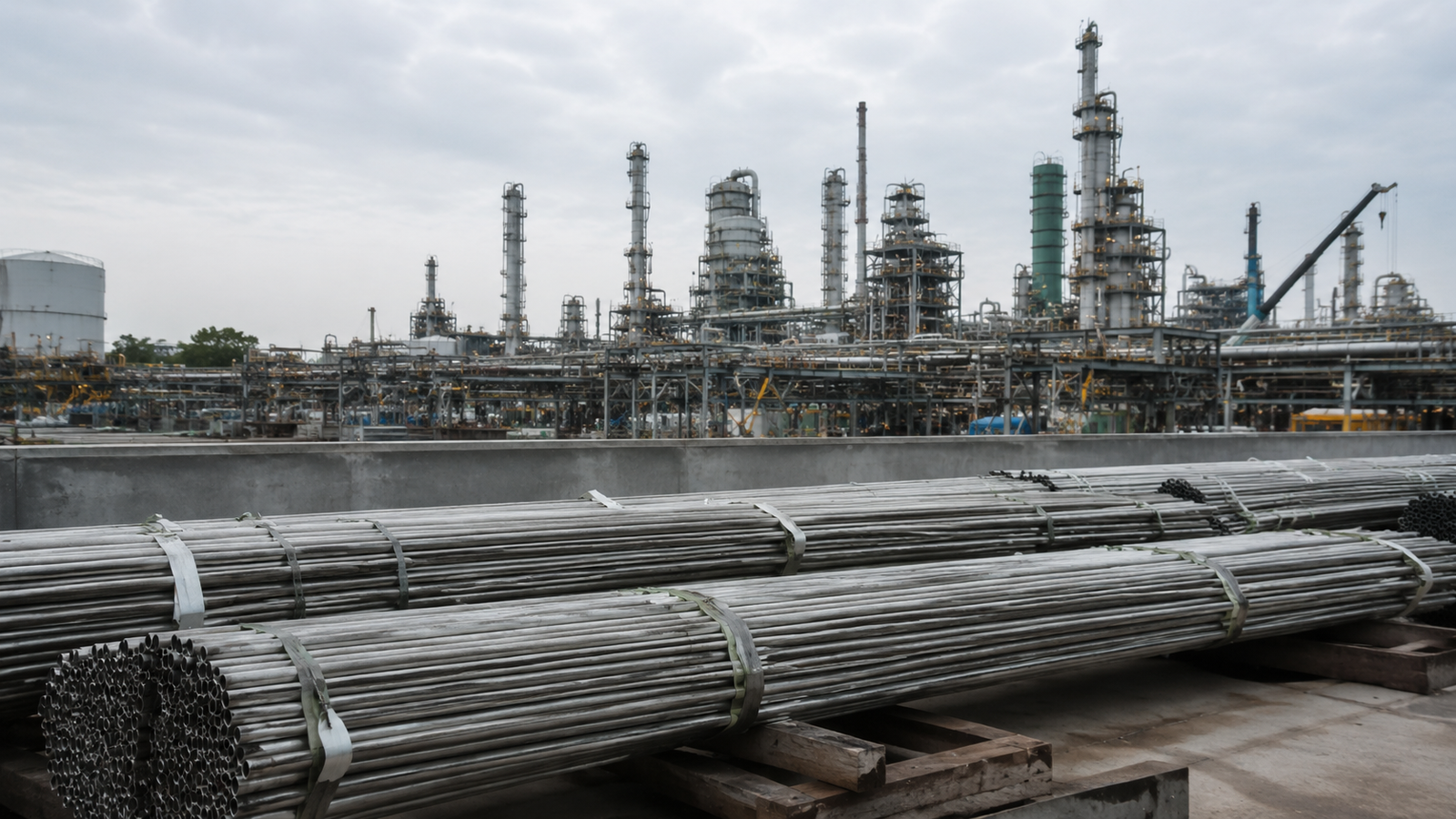
Image credit: Photo by CEphoto, Uwe Aranas, Wikimedia Commons, CC BY-SA 4.0. The image shows hydrogen-induced cracking in steel; nickel and titanium alloys may exhibit different damage morphologies.
Hydrogen-assisted cracking cannot be controlled by specifying high tensile strength alone.
The risk exists when three conditions occur together:
- A susceptible alloy and microstructure
- A source of absorbed hydrogen
- Sufficient tensile stress or stress concentration
Buyers should specify the exact alloy, heat-treatment condition, hardness or strength range, hydrogen-generating manufacturing processes, service environment, hydrogen test method, sampling plan, acceptance criteria, and responsibility for all processing performed after bar delivery.
A standard material certificate is necessary, but it does not qualify the finished component for hydrogen-sensitive service.
Hydrogen-Assisted Cracking Is Not One Material Property
Hydrogen-assisted cracking is a cracking process associated with hydrogen entering a susceptible metal under stress.
Hydrogen may enter the material:
- During melting or heat treatment
- During acid pickling
- During electrocleaning
- During electroplating or coating
- During welding
- From corrosion in acids or water
- From H₂S-containing service
- From excessive cathodic protection
- From high-pressure gaseous hydrogen
The hydrogen source may occur before the bar is delivered or after the bar is machined into a finished component.
This distinction determines which supplier or processor must control the risk.
Do Not Treat All High-Strength Alloys the Same
| Material Family | Main Hydrogen Concern | Procurement Priority |
|---|---|---|
| High-strength quenched and tempered steel | Diffusible hydrogen combined with high hardness and tensile stress | Hardness, coating process, baking, threshold testing and service environment |
| Precipitation-hardened nickel alloy | Environment-, microstructure- and strength-dependent loss of ductility or fracture resistance | Exact alloy, aging condition, notch sensitivity, service hydrogen and representative testing |
| Titanium alloy | Hydrogen absorption and possible hydride formation | Product hydrogen limit, surface processing, reducing environments and cathodic charging |
| Corrosion-resistant solid-solution nickel alloy | Usually lower sensitivity than very high-strength steels, but not immune | Service environment, cold work, welds, stress and hydrogen source |
The term high-strength alloy bar is not a complete material specification.
The purchase order should state the grade, UNS designation, condition, strength range, hardness, dimensions and intended component.
Internal Hydrogen and Environmental Hydrogen Require Different Controls
Internal Hydrogen
Internal hydrogen is introduced during manufacturing or surface processing.
Possible sources include:
- Melting
- Hydrogen-containing furnace atmosphere
- Acid descaling
- Pickling
- Electroplating
- Phosphating
- Cathodic cleaning
- Moist welding consumables
Procurement controls may include:
- Defined melting route where technically required
- Controlled furnace atmosphere
- Approved pickling procedure
- Maximum pickling time
- Rinsing and drying controls
- Qualified plating process
- Qualified hydrogen-relief treatment where applicable
- Hydrogen analysis at a defined production stage
Environmental Hydrogen
Environmental hydrogen enters during service.
Possible sources include:
- High-pressure hydrogen gas
- H₂S-containing oil and gas service
- Acid corrosion
- Seawater with cathodic protection
- Moisture and galvanic coupling
- Hydrogen-generating maintenance chemicals
Low hydrogen content at delivery does not prove resistance to environmental hydrogen uptake during service.
Why Strength and Heat Treatment Must Be Specified
Hydrogen susceptibility can change significantly with:
- Tensile-strength level
- Hardness
- Aging treatment
- Grain size
- Precipitate distribution
- Cold work
- Residual stress
- Notches
- Surface damage
A bar ordered only by alloy grade may be supplied in more than one condition.
For precipitation-hardened nickel alloy bars, the RFQ should identify whether the material is:
- Solution treated
- Solution treated and aged
- Stabilized and aged
- Cold worked
- Intended for subsequent heat treatment after machining
For titanium alloy bars, the RFQ should define:
- Grade
- Annealed or heat-treated condition
- Hydrogen limit
- Oxygen and nitrogen limits
- Final machining or hot-processing route
The strongest available condition is not automatically the safest condition for hydrogen service.
Product Standards Do Not Qualify Hydrogen Service
Relevant bar standards may include:
- ASTM B637-26 for precipitation-hardening and cold-worked nickel alloy bars, forgings and forging stock
- ASTM B348/B348M-25 for titanium and titanium alloy bars and billets
These standards can control requirements such as:
- Chemical composition
- Heat treatment
- Tensile properties
- Hardness
- Stress-rupture properties where applicable
- Dimensions
- Workmanship
- Product certification
They do not automatically establish:
- Resistance to high-pressure hydrogen
- Resistance to H₂S cracking
- Suitability after electroplating
- Safe cathodic-protection limits
- Hydrogen-assisted fatigue life
- Finished-component fracture resistance
Product compliance and service qualification are separate requirements.
Which Hydrogen Tests Apply?
No single hydrogen test is suitable for every alloy and every hydrogen source.
| Procurement Question | Possible Test or Standard | Important Limitation |
|---|---|---|
| How much hydrogen is present in titanium bar? | ASTM E1447-22 | Measures hydrogen content; does not prove cracking resistance |
| Does a plating or coating process introduce harmful hydrogen into steel? | ASTM F519-23 | Intended for steels and process/service-environment evaluation |
| What is the hydrogen embrittlement threshold of a steel? | ASTM F1624-12(2024) | Applies to steel and requires a representative condition |
| Is a metallic material susceptible to gaseous hydrogen embrittlement? | ASTM F1459-06(2024) | Screening method; component design may require additional fracture or fatigue testing |
| How does hydrogen enter and move through the metal? | ASTM G148 | Measures uptake and transport; it is not a stand-alone cracking-acceptance test |
| Is a corrosion-resistant alloy suitable for H₂S oil and gas production? | ISO 15156-3 | Applies to defined upstream H₂S service and addresses cracking rather than general corrosion |
The purchase order should not state only:
“Hydrogen embrittlement test required.”
It should identify:
- Test method
- Specimen geometry
- Material condition
- Hydrogen-charging method
- Environment
- Stress or loading method
- Test duration
- Acceptance criterion
- Sampling frequency
- Responsible approval authority
Hydrogen Content Alone Is Not Enough
Hydrogen analysis can confirm whether the material meets a specified hydrogen limit.
It cannot determine by itself:
- Where hydrogen is trapped
- Whether the hydrogen is diffusible
- Whether hydrides have formed
- How notches affect cracking
- Whether residual stress is excessive
- Whether the service environment continuously supplies hydrogen
- Whether fracture toughness is reduced
A low bulk hydrogen result and a satisfactory room-temperature tensile test can coexist with poor performance in a hydrogen-containing environment.
NIST testing has shown that hydrogen exposure may greatly reduce ductility even when yield and ultimate tensile strengths show little change.
For critical components, environmental mechanical testing may therefore be more informative than chemistry alone.
Surface Processing Must Be Assigned to the Correct Supplier
A bar producer may supply material in a peeled, ground, polished or machined condition.
The finished component may later undergo:
- Acid pickling
- Electroplating
- Coating
- Chemical cleaning
- Welding
- Cathodic protection
- Final heat treatment
These later processes may introduce more hydrogen than the original bar-manufacturing route.
The purchase specification should assign responsibility for:
| Processing Stage | Required Control |
|---|---|
| Bar production | Alloy, heat treatment, hydrogen limit and product testing |
| Machining | Surface damage, overheating and residual stress |
| Pickling | Acid, time, temperature, rinsing and delay before further processing |
| Plating or coating | Qualified bath and hydrogen-embrittlement process control |
| Relief treatment | Material-specific temperature, duration and maximum delay |
| Welding | Consumable moisture, preheat, interpass temperature and final procedure |
| Service protection | Cathodic potential and environmental limits |
A generic post-plating bake should not be copied from high-strength steel specifications into nickel or titanium components without engineering approval.
Sour Service Requires a Separate Qualification Route
H₂S-containing oil and gas environments can cause several forms of cracking, including sulfide stress cracking and hydrogen-related cracking.
For this service, buyers should define:
- H₂S partial pressure
- Total pressure
- Temperature
- pH
- Chloride concentration
- Elemental sulfur
- Applied stress
- Hardness
- Cold work
- Galvanic coupling
- Material condition
ISO 15156-3 provides requirements and recommendations for corrosion-resistant alloys and other alloys in H₂S-containing oil and gas production environments.
Compliance with a general nickel alloy bar standard is not a substitute for sour-service qualification.
What Standard NDT Can and Cannot Detect
Ultrasonic testing can detect specified internal discontinuities in a bar.
It cannot directly detect:
- Dissolved atomic hydrogen
- Future hydrogen uptake
- Hydrogen embrittlement susceptibility
- A crack that has not yet initiated
- Incorrect service-environment assumptions
Hardness, tensile, impact and UT results are useful parts of the acceptance package, but they do not replace hydrogen-specific qualification.
The UT specification should still define:
- Test standard
- Acceptance class
- Scan coverage
- Reference reflector
- Minimum detectable size
- Reporting threshold
- Bar-end treatment
- Untested zones
What Buyers Should Include in the RFQ
| RFQ Category | Required Information |
|---|---|
| Intended component | Shaft, stem, fastener, pin, pressure part or other |
| Service environment | Hydrogen gas, H₂S, acid, seawater, cathodic protection or other |
| Alloy | Exact grade and UNS designation |
| Product standard | ASTM, AMS, ISO, EN or project specification |
| Condition | Solution treated, aged, annealed, cold worked or other |
| Strength | Required tensile and yield range |
| Hardness | Maximum, minimum or permitted range |
| Dimensions | Diameter, length, tolerance and quantity |
| Hydrogen limit | Required value, test method and sampling location |
| Surface processing | Pickling, coating, plating, grinding or machining |
| Relief treatment | Applicable material-specific procedure |
| Service testing | Hydrogen gas, H₂S, plating or charged-specimen test |
| Mechanical testing | Tensile, reduction in area, fracture, fatigue or threshold |
| NDT | UT, surface examination and acceptance class |
| Traceability | Heat number and processing-lot identification |
| Documentation | MTC, heat treatment, hydrogen, NDT and process records |
| Later processing | Identification of the party performing plating, welding or coating |
| Approval authority | Component designer or materials engineer |
A request stating only:
“Need a high-strength nickel alloy bar resistant to hydrogen cracking.”
does not contain enough information for a reliable quotation or material recommendation.
Frequently Asked Questions
Is hydrogen-assisted cracking the same as hydrogen embrittlement?
Hydrogen embrittlement describes degradation caused by hydrogen. Hydrogen-assisted cracking is a cracking manifestation that occurs when hydrogen, susceptible material and tensile stress act together.
Are nickel alloy bars immune to hydrogen cracking?
No. Susceptibility varies widely with alloy family, aging condition, strength, stress, hydrogen source and temperature.
Why is hydrogen especially important for titanium bars?
Titanium can absorb hydrogen and form hydrides under certain conditions. Product hydrogen limits and environmental hydrogen sources must both be reviewed.
Can UT confirm that a bar is free from hydrogen embrittlement?
No. UT detects specified physical discontinuities. It does not measure dissolved hydrogen or future susceptibility.
Does post-plating baking always remove the risk?
No. Its effectiveness depends on material, strength, coating, part thickness, delay time, temperature and duration. It must be part of a qualified process.
Is VIM or VAR always required?
No. These melting routes may be required by a product or aerospace specification, but they should not be added as a generic substitute for service-specific hydrogen qualification.
Is a standard tensile test sufficient?
No. Hydrogen may reduce ductility, fatigue resistance or fracture toughness without causing a similar reduction in reported yield or tensile strength.
What information is most important for quotation?
Provide the exact alloy, condition, dimensions, strength, hydrogen source, surface processing, service environment, test method, NDT and documentation requirements.
Conclusion
Procurement can reduce hydrogen-assisted cracking risk only when it separates three issues:
- Hydrogen already present in the bar
- Hydrogen introduced during later processing
- Hydrogen absorbed during service
A reliable purchase specification should define:
- Exact grade and condition
- Strength and hardness
- Hydrogen-generating processes
- Product hydrogen limits
- Representative environmental testing
- Surface-processing responsibility
- NDT and traceability
- Final engineering approval
A material certificate can confirm that the bar meets the ordered product standard.
It cannot guarantee the performance of a plated, welded, highly stressed or hydrogen-exposed finished component.
For nickel alloy or titanium alloy bar enquiries, buyers should provide the grade, UNS designation, diameter, length, condition, strength, hydrogen limit, testing, UT, documentation and intended processing route.
Emily PIPE can review whether the requested bar grade, dimensions, supplied condition, hydrogen-analysis requirement, inspection and documentation scope are technically manufacturable.
Final hydrogen-service qualification, surface-treatment approval, stress assessment and component design should remain with the purchaser, component manufacturer and responsible materials engineer.