
How to Select Nickel Alloy Tubes for Corrosive Environments?
Corrosive environments can damage industrial systems, leading to costly maintenance, replacement, production downtime, and safety risks. In material procurement, the lowest upfront price does not always represent the lowest overall cost, because total cost of ownership includes both direct and indirect costs across the product life cycle. Picking the wrong material can therefore create much larger risks than the initial purchase cost.
Choosing the right nickel alloy tube for corrosive environments involves understanding the specific application, the type of corrosion present, and the alloy's performance requirements. No single alloy fits every need; instead, material selection should balance performance, cost, and reliability based on detailed environmental and engineering assessment.
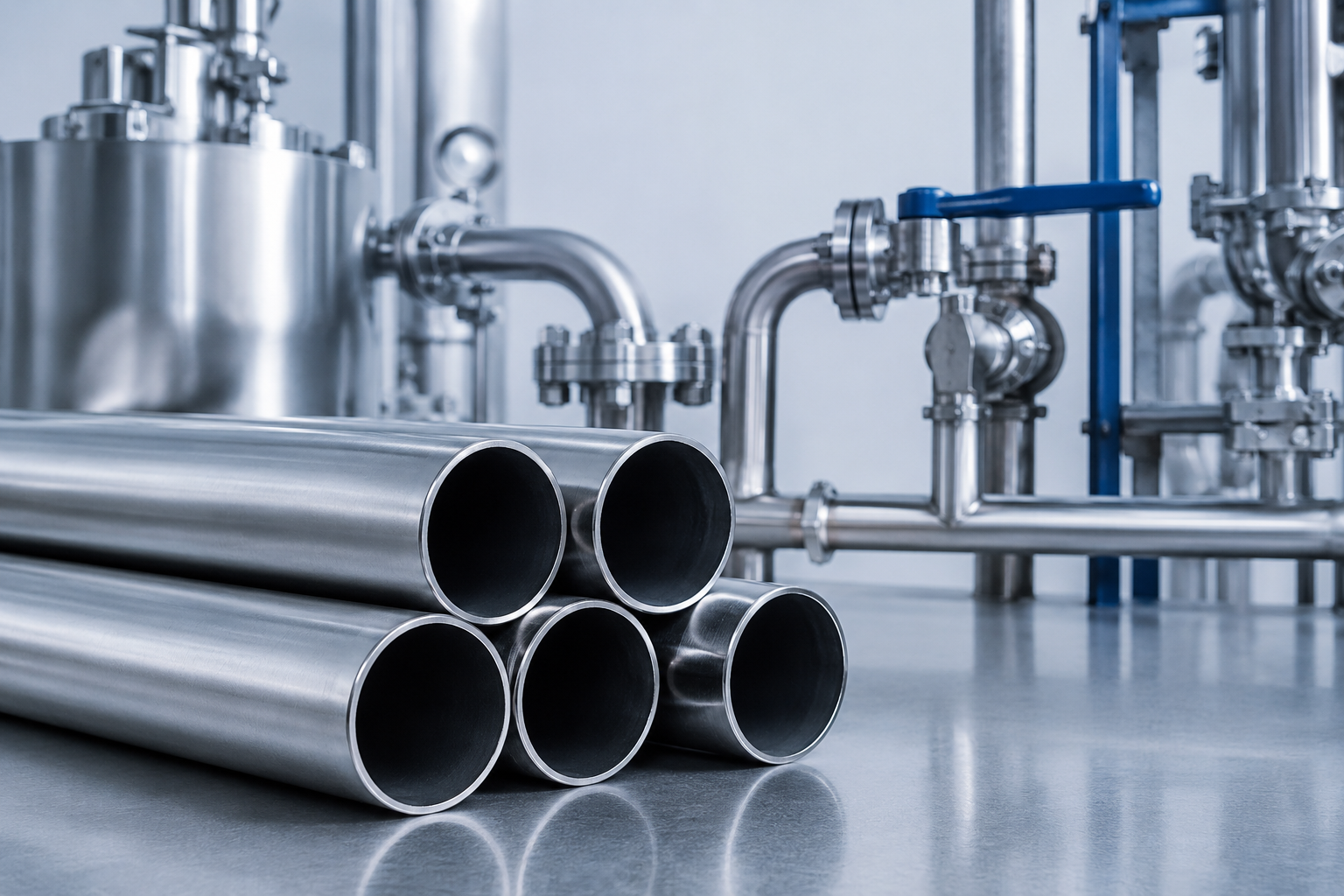
When clients first come to us, they often ask for the “best” nickel alloy. I understand this desire for a simple answer, but my experience tells me it is never that simple. A good material decision must look beyond grade names and basic specifications. It should consider service media, temperature, pressure, chloride level, pH, stress condition, fabrication method, quality documentation, and long-term reliability.
Are All Nickel Alloys the Same for Corrosion Resistance?
Many people think nickel alloys are all just “strong against corrosion.” But this is not true. Different nickel alloy families are designed for different corrosive environments, temperatures, and mechanical demands. Choosing the wrong alloy can lead to premature corrosion, cracking, leakage, downtime, or unnecessary cost.
No, nickel alloys are not all the same for corrosion resistance. Alloy families such as Monel, Inconel, and nickel-chromium-molybdenum alloys such as Inconel 625 offer different strengths in different environments. Matching the alloy to exact operating conditions, such as acid type, chloride concentration, pH, temperature, and stress level, is critical for reliable performance.
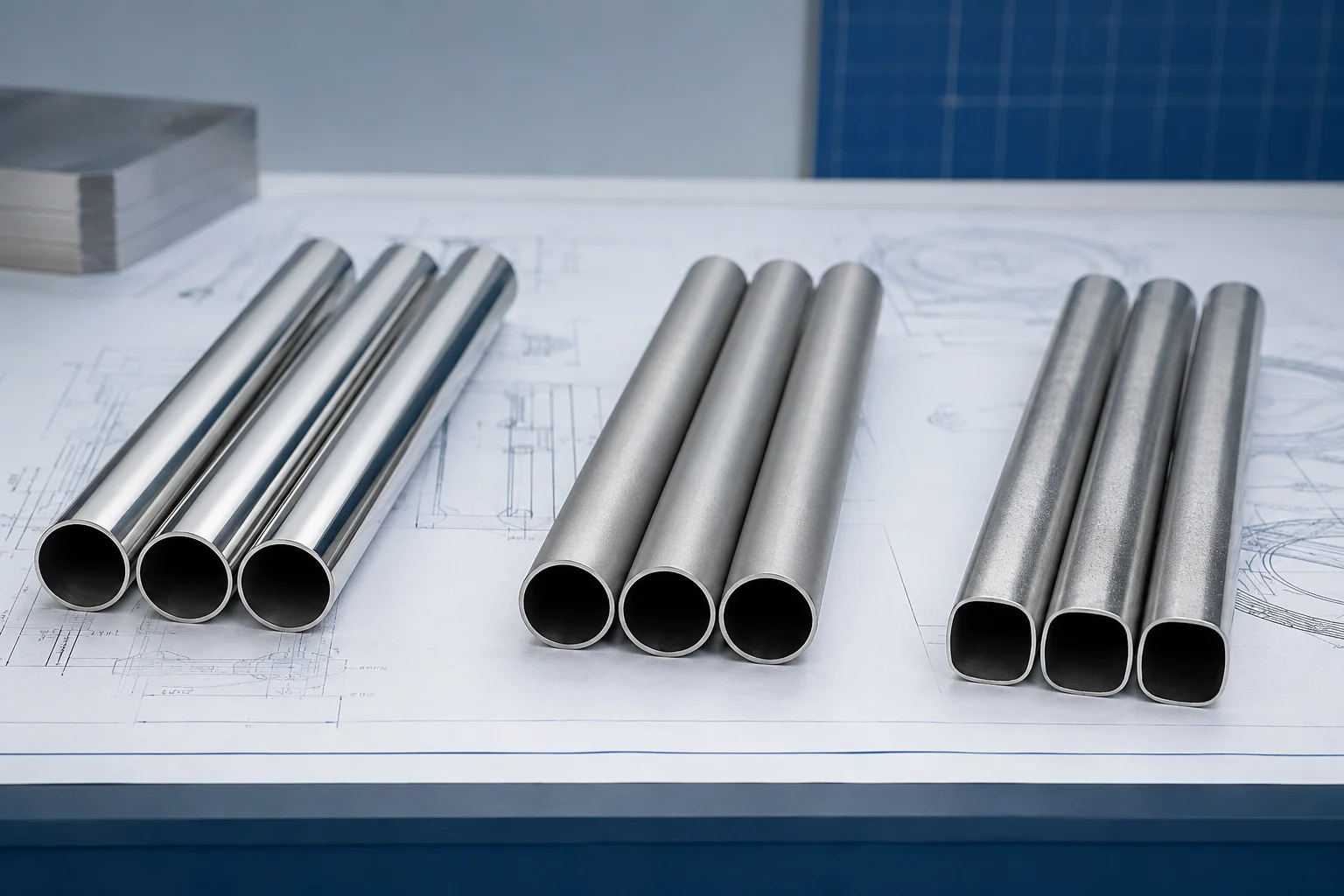
I have seen many projects where a client chose an alloy based on a general recommendation, only to face unexpected issues later. My team and I always stress that there is no “one-size-fits-all” nickel alloy. The real work is understanding the specific corrosion challenges your application faces.
For example, some alloys perform well in reducing acid environments, while others are better suited to oxidizing media or high-temperature oxidation. In high-chloride environments, chromium and molybdenum are important for improving pitting and crevice corrosion resistance. A TMS Superalloys paper on Inconel 625 explains that its high molybdenum content improves resistance to pitting and crevice corrosion, while nickel content contributes to resistance against chloride stress corrosion cracking.
If the main concern is stress corrosion cracking, the alloy’s nickel level, stress condition, heat treatment, and service environment should be reviewed together. If the concern is intergranular corrosion, then sensitization, carbon content, stabilizing elements, welding history, and heat treatment all matter.
Common Corrosion Types and Alloy Strengths
| Corrosion Type | Description | Key Alloy Considerations |
|---|---|---|
| General Corrosion | Uniform attack over the surface. | Alloy family, acid type, concentration, temperature, oxidizing/reducing condition. |
| Pitting Corrosion | Localized attack forming small holes, common in chloride environments. | Higher chromium and molybdenum content can improve pitting resistance. |
| Crevice Corrosion | Localized attack in shielded areas such as gaps, deposits, and gasket zones. | Alloy chemistry, surface condition, design, and cleanliness are important. |
| Stress Corrosion Cracking (SCC) | Cracking caused by tensile stress plus a corrosive environment. | Nickel content, stress level, chloride/H2S environment, and heat treatment must be reviewed. |
| Intergranular Corrosion | Attack along grain boundaries, often related to sensitization. | Low-carbon or stabilized alloys, correct heat treatment, and proper welding procedures help reduce risk. |
When I talk with clients, we review their process conditions carefully. This includes chemicals involved, operating temperature, pressure, chloride level, pH, flow rate, contaminants, cleaning process, and shutdown conditions. These details help us narrow down the right alloy family and specific grade.
Without this detailed analysis, even a “good” alloy can fail prematurely because it was not optimized for that unique environment. Material selection is about precision, not only about choosing a famous alloy name.
How Do I Look Beyond Basic Specs to Ensure Long-Term Reliability?
Many buyers focus mainly on a material data sheet and check basic chemical composition. But composition is only part of the story. Manufacturing process, heat treatment, surface condition, product form, inspection, and documentation can also affect long-term performance.
To ensure long-term reliability of nickel alloy tubes, you must look beyond basic chemical composition. Consider manufacturing method, heat treatment condition, surface finish, applicable standards, traceability, and documents such as Material Test Certificates. These factors help confirm that the supplied material matches the required grade, properties, and application conditions.
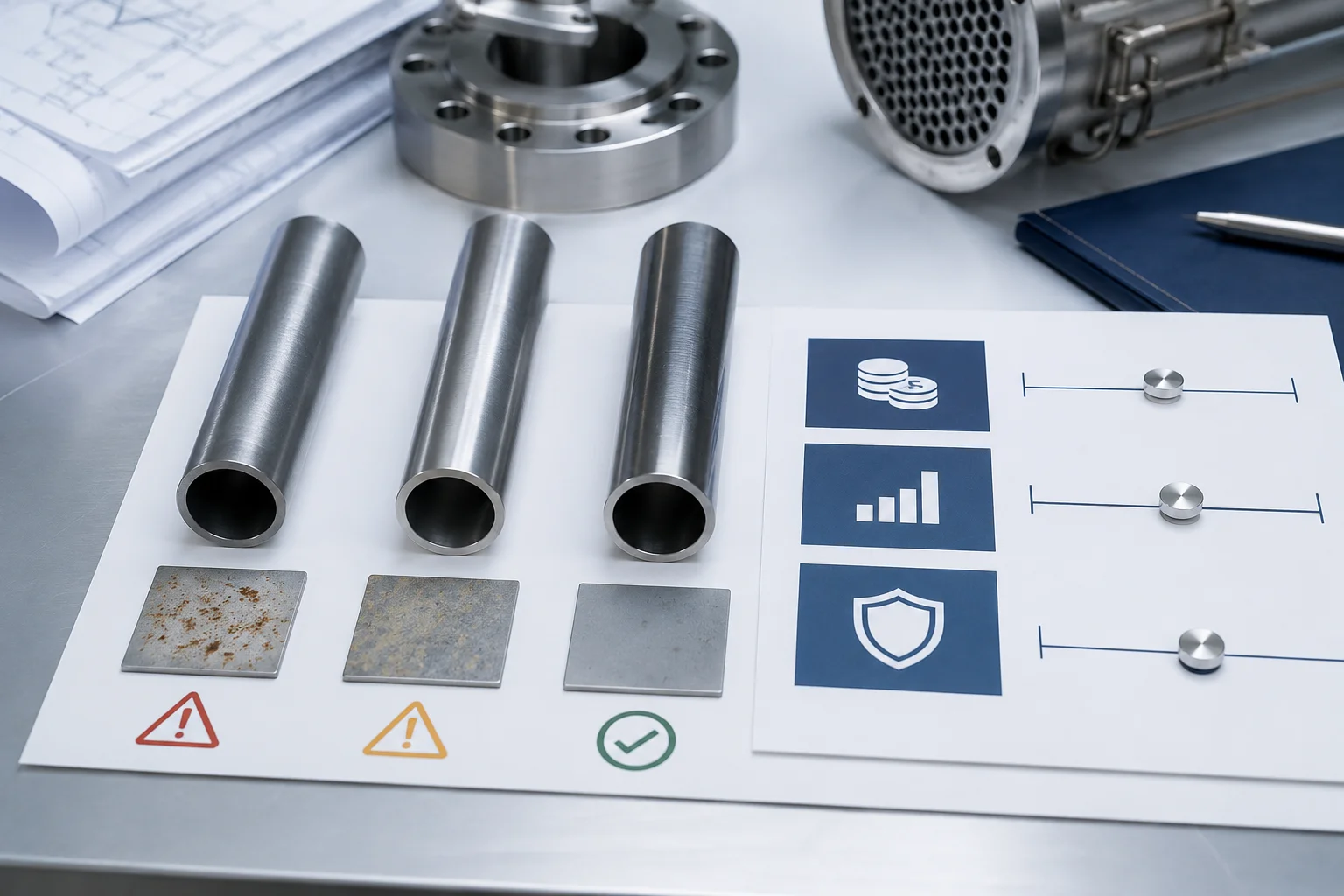
I have seen many clients make decisions based only on nominal composition, thinking that if the chemical grade looks correct, the product must be suitable. But how the alloy is made and processed also matters.
The manufacturing process can influence tube integrity, dimensional control, surface condition, and inspection requirements. For example, a seamless tube avoids weld-seam variables, while a welded tube requires careful review of weld quality, heat-affected zone, welding procedure, and non-destructive testing. A weld or heat-affected zone may have different microstructure and properties from the base metal, so the fabrication route should be matched with the application risk.
Heat treatment is also important. The right heat treatment can optimize mechanical properties and corrosion resistance, while improper heat treatment may increase the risk of sensitization or intergranular attack. In the TMS paper on Alloy 625, improper annealing and sensitization are discussed in relation to intergranular attack. This shows why heat treatment condition should not be ignored.
Surface condition is another key area. Surface roughness, contamination, scale, or embedded particles may influence corrosion behavior, especially where localized corrosion can initiate at surface defects, deposits, or crevices. A published paper on Ni-base superalloy IN 625 also discusses the influence of surface roughness on oxidation behavior, showing why surface preparation should be reviewed in demanding environments.
We also emphasize product and supply chain documentation. A Mill Test Certificate or Material Test Certificate confirms chemical and physical properties and states compliance with relevant standards. However, an MTC alone should not be treated as the whole quality system. For critical projects, buyers should also review heat number traceability, inspection reports, NDT results, dimensional inspection, and third-party inspection when required.
For nickel alloy tubes, standards also matter. For example, ASTM B444 covers UNS N06625 seamless pipe and tube and includes requirements for chemical testing, tensile testing, hydrostatic testing, and nondestructive electric testing. For other nickel alloy tube grades, standards such as ASTM B167 and ASTM B622 may apply depending on alloy family and product form.
Without these critical details, a buyer is making a blind purchase. Long-term reliability is built not only into the alloy chemistry, but also into production control, heat treatment, inspection, documentation, and supplier discipline.
What Common Mistakes Do Buyers Make When Choosing Alloys?
I have helped many clients choose the right materials. Through these discussions, I have noticed several common pitfalls. Avoiding them can save time, cost, and risk.
Buyers commonly make mistakes such as focusing only on initial cost, ignoring the full range of operating conditions, or relying on generic material advice without application-specific review. Others may overlook manufacturing quality, heat treatment, surface condition, traceability, or inspection requirements. A more reliable approach is to consider long-term performance, application conditions, and total lifecycle cost.
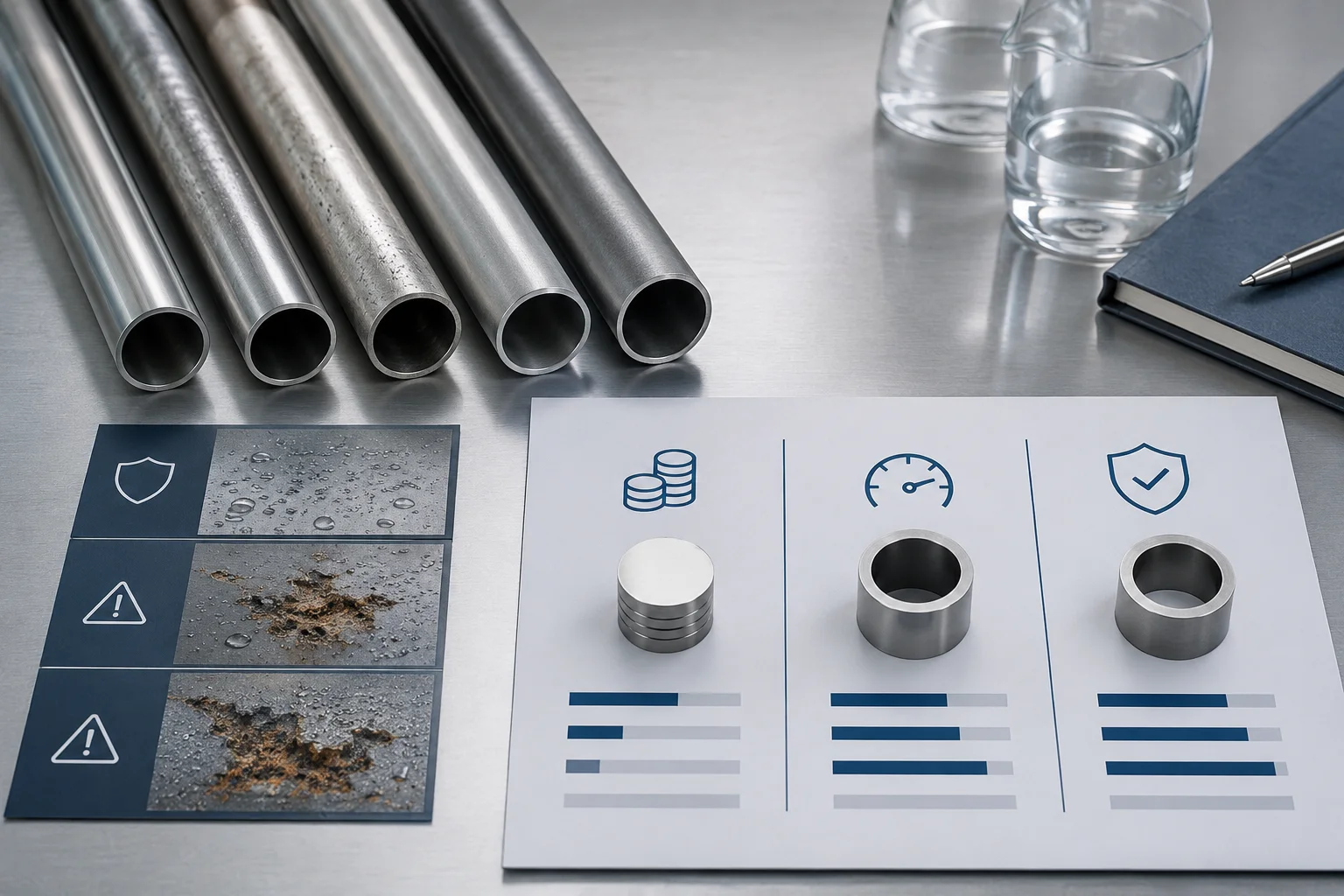
One of the most frequent mistakes I encounter is focusing too much on the upfront cost. Clients sometimes choose a slightly cheaper alloy, believing it is “good enough” without fully understanding the long-term implications. A small saving today can lead to repair cost, production downtime, rework, replacement, or safety risk tomorrow if the material fails.
Another common error is underestimating the complexity of the operating environment. Many buyers provide only a general idea of chemicals and temperature. However, corrosive environments are often dynamic. Temperature can fluctuate, chemical concentration may vary, and unexpected contaminants can appear. Start-up, shutdown, cleaning, and upset conditions may be more aggressive than normal operating conditions.
Common Buyer Mistakes and My Advice
| Common Mistake | My Advice to Clients |
|---|---|
| Only focusing on initial cost. | Consider total lifecycle cost, including maintenance, replacement, downtime, and failure risk. |
| Ignoring dynamic operating conditions. | Provide full operating data: temperature range, pressure, chemical concentration, pH, chloride level, contaminants, and shutdown conditions. |
| Relying on generic material recommendations. | Seek technical advice tailored to the exact application and support the decision with standards, test data, or relevant case experience. |
| Overlooking manufacturing quality and certifications. | Demand MTCs, heat number traceability, inspection reports, and applicable ASTM/ASME/EN standards. |
| Not considering long-term environmental changes. | Plan for future process changes, chemical concentration changes, local regulation changes, or capacity expansion. |
I also see buyers get swayed by marketing claims such as “best for corrosion” without asking for details. The better questions are:
- Best for which corrosion mechanism?
- Under what temperature and concentration?
- What chloride level and pH?
- Is the service oxidizing or reducing?
- Is the tube seamless or welded?
- What heat treatment condition is required?
- What testing and inspection reports can be provided?
- Can the supplier provide traceability by heat number?
My goal is always to help clients ask these hard questions, even to us. This helps identify trustworthy suppliers and avoid those who cannot support their claims with data, documentation, testing, and practical experience.
How Can I Find a Trustworthy Supplier for These Critical Materials?
After understanding the technical details, the next challenge is finding a reliable supplier. This is not just about getting a good price. It is about working with a supplier that can support your project with stable quality, documentation, communication, and after-sales response.
Finding a trustworthy supplier for critical nickel alloy tubes requires more than comparing price lists. You need to evaluate their understanding of your needs, technical expertise, quality management system, traceability control, inspection process, project experience, and after-sales support. A reliable supplier acts as a long-term partner, not only a material seller.
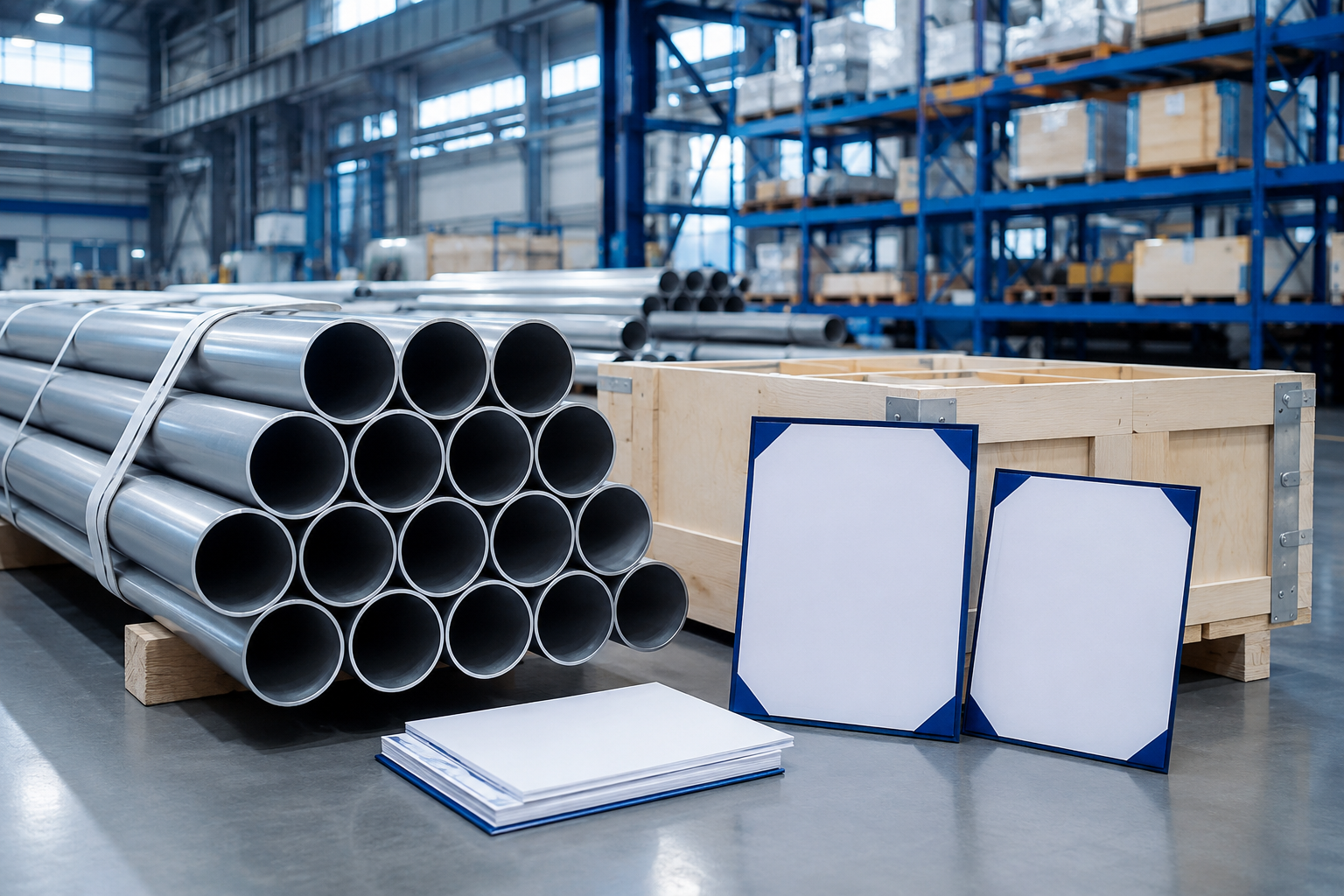
I have spent over two decades in this industry, and I can tell you that a supplier is more than just a seller. They are part of your supply chain and your project risk management.
When evaluating potential partners, I advise clients to look beyond product specifications. First, check whether the supplier understands your application. Do they ask detailed questions about media, temperature, pressure, corrosion mechanism, standards, and inspection requirements? Or do they simply quote standard items without technical discussion?
Second, assess their quality control system. ISO 9001 is a globally recognized quality management standard. It does not certify one individual product directly, but it shows that the supplier has a structured quality management system, documented processes, and continual improvement requirements. This is important for stable production and consistent service.
Third, review traceability. A heat number links the metal product to its batch or heat and helps access records about composition, manufacturing process, and quality assurance. For critical nickel alloy tubes, heat number traceability should match the MTC, product marking, packing list, and inspection documents.
Fourth, review inspection capability. A reliable supplier should be able to discuss chemical analysis, PMI, tensile testing, hardness testing, dimensional inspection, surface inspection, ultrasonic testing, eddy current testing, hydrostatic testing, and third-party inspection when required by the project.
Finally, consider logistics and after-sales support. What happens if there is a quality question after delivery? Can the supplier provide documentation quickly? Can they support technical discussion? Can they manage export packaging and international shipping effectively?
At Emily PIPE, we focus on nickel alloy tubes, nickel alloy bars, titanium alloy tubes, and titanium alloy bars for demanding industrial applications. We support standard and customized specifications according to customer drawings, technical requirements, and application environments. Our goal is not only to supply material, but to help customers reduce sourcing risk through communication, inspection, traceability, and reliable delivery.
Conclusion
Choosing the right nickel alloy tube for corrosive environments requires a detailed review of application conditions, corrosion mechanisms, alloy properties, production process, heat treatment, inspection, documentation, and supplier reliability.
There is no single “best” nickel alloy tube for every corrosive environment. The right choice is the one that matches your actual service conditions, required standards, fabrication needs, budget, and acceptable risk level.
For industrial buyers, the safest approach is to work with a supplier that can explain the material logic, provide proper certificates and traceability, support testing and inspection, and respond professionally throughout the project.