
Is Safe Sourcing of Nickel Alloy Pipes and Bars from China Really Possible?
Are you worried about getting reliable nickel alloy materials from China? Many industrial buyers face concerns about quality, certificates, and trust. I understand these worries completely because I talk to customers who have them every day.
Safe sourcing of nickel alloy pipes and bars from China is possible when you understand material needs, verify supplier systems, and implement robust quality checks. It is not about one "safe" supplier, but about an informed process that matches material characteristics, application demands, and verifiable supplier capabilities.
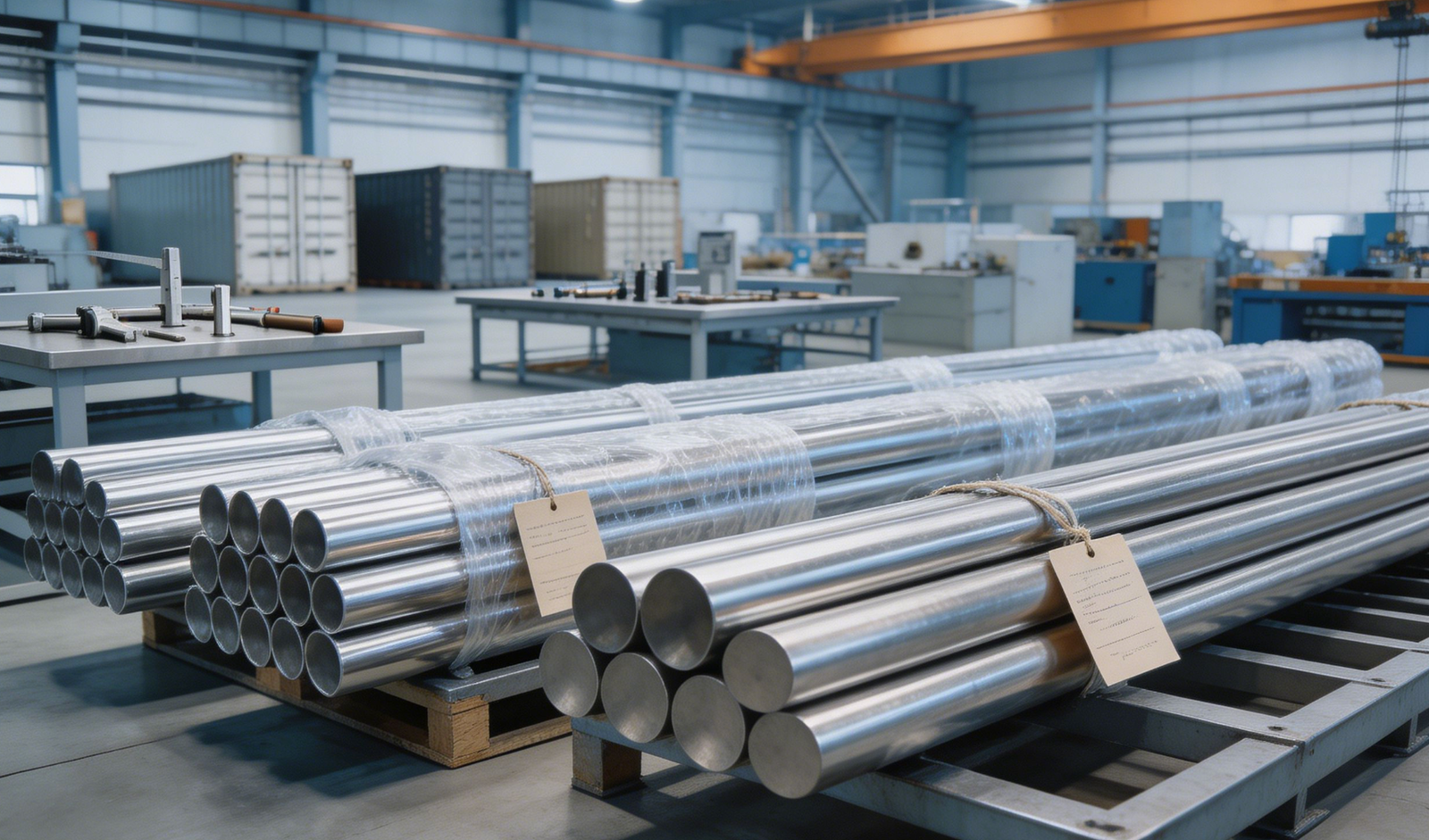
Working in this industry for over 20 years, I have seen many good outcomes and a few challenges. My experience shows that success comes from clear communication, careful checking, and a deep understanding of what you need. Let us look closer at how to make sure your sourcing from China is secure and meets all your project demands.
What Role Do Certificates Play in Sourcing Nickel Alloy Materials from China?
Do you find yourself overwhelmed by all the certificates when buying nickel alloy materials? It is easy to think a pile of papers means guaranteed quality, but sometimes, a certificate is just paper, not proof. This can lead to big problems if you rely on them without checking.
Certificates are crucial for sourcing nickel alloy materials from China because they provide a documented record of material properties, manufacturing processes, and compliance with standards.1 However, they must be understood in context, verified for authenticity, and cross-referenced with your specific application requirements to be truly useful.
Understanding Certification Beyond the Seal
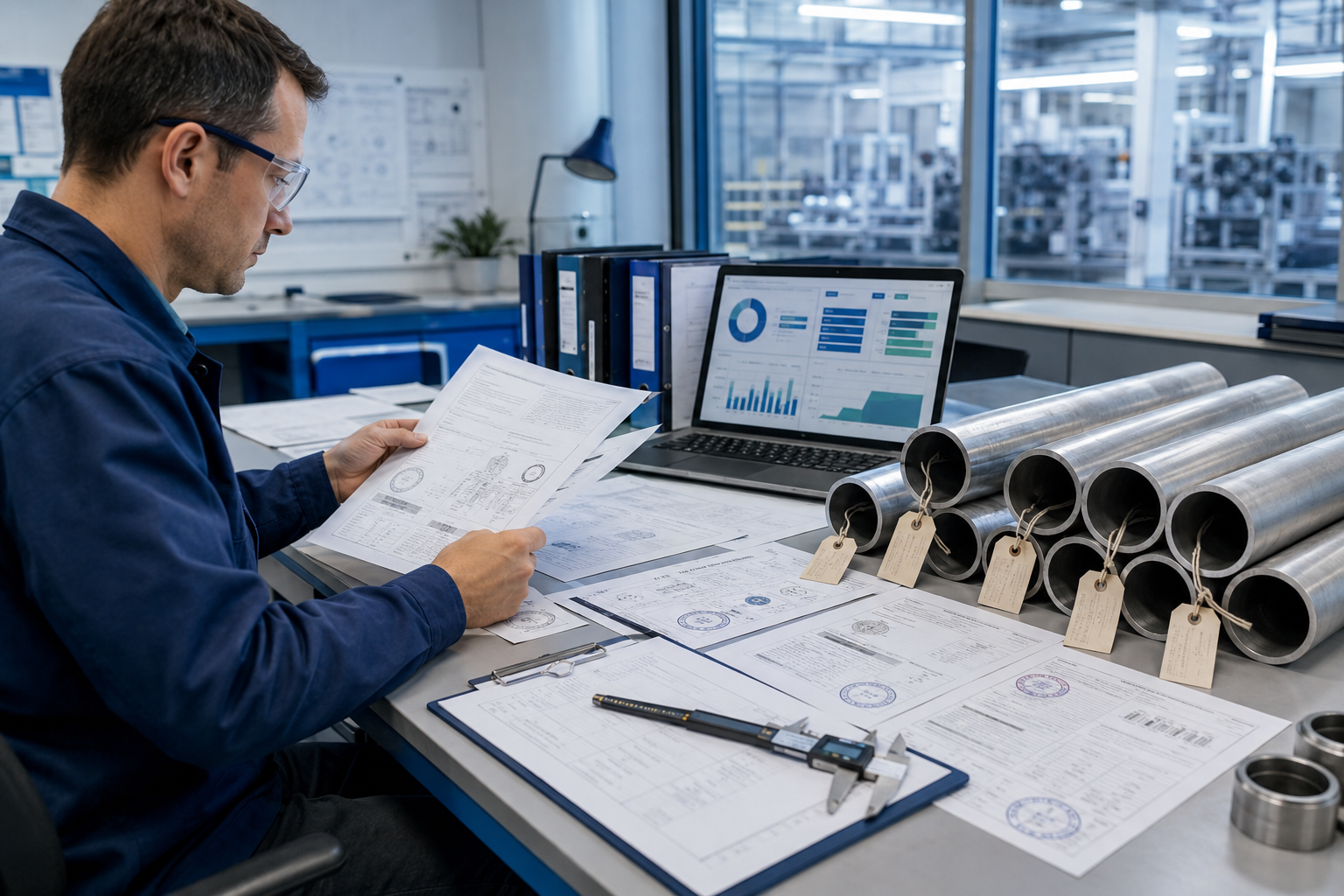
When we talk about certificates, I often hear customers ask, "Do you have the certificate?" My answer is always yes, but then I ask, "Do you know what that certificate really means for your project?" Certificates are vital, but their value comes from understanding their content and how they fit into your overall quality assurance. For example, a Mill Test Certificate (MTC) is a basic document. It lists chemical composition and mechanical properties. But how do you know the data is for your specific batch? This is where deeper investigation comes in. We always provide MTCs, but we also encourage customers to understand the standard referenced, like ASTM B167 for Inconel 600 pipes, and what tests it requires. An MTC confirms that the material was made to a certain standard at the mill. It does not necessarily confirm it still is that way after cutting, processing, or shipping, or that it is flawless.2 This is why we also perform in-house checks and welcome third-party inspections. Understanding the different types of certificates and their specific purposes helps you build a strong quality framework. For instance, a quality management system certificate like ISO 90013 shows a commitment to systematic quality control across the factory, not just for one product. My team helps customers interpret these documents. We explain what each certificate guarantees and what it does not. This is key to setting proper expectations and avoiding misunderstandings later. We make sure that the certificates we provide are not just present, but also correct and relevant to the material and your order. This deep dive into documentation helps bridge the gap between what is stated on paper and what is needed in your application.
| Certificate Type | Purpose | What to Look For | Limitation |
|---|---|---|---|
| Mill Test Certificate | Chemical composition, mechanical properties. | Match heat number, specific standard (e.g., ASTM, ASME). | Only applies to the specific batch at the time of testing. |
| ISO 9001 | Quality management system. | Valid dates, scope of certification, issuing body. | Does not certify individual product quality directly. |
| Third-Party Inspection | Independent verification of specific aspects. | Scope of inspection, detailed findings, inspector name. | Limited to the scope defined in the inspection plan. |
| NACE MR0175/ISO 151564 | Resistance to sulfide stress cracking. | Specific material grade, heat treatment details. | Specific to H2S environments; not a general corrosion spec. |
How Can We Ensure Traceability for Nickel Alloy Pipes and Bars?
Are you concerned about knowing exactly where your nickel alloy materials come from and how they were made? Many buyers struggle to connect the final product with its origin, which can create huge risks if quality issues arise. Without clear traceability, solving problems or proving compliance becomes very hard.
Ensuring traceability for nickel alloy pipes and bars involves documenting every step from raw material sourcing through manufacturing to final delivery. This means linking each item to its unique identifier, such as a heat number, and maintaining clear records that can be audited. This process helps verify material authenticity and quality.5
Building a Bulletproof Traceability Chain
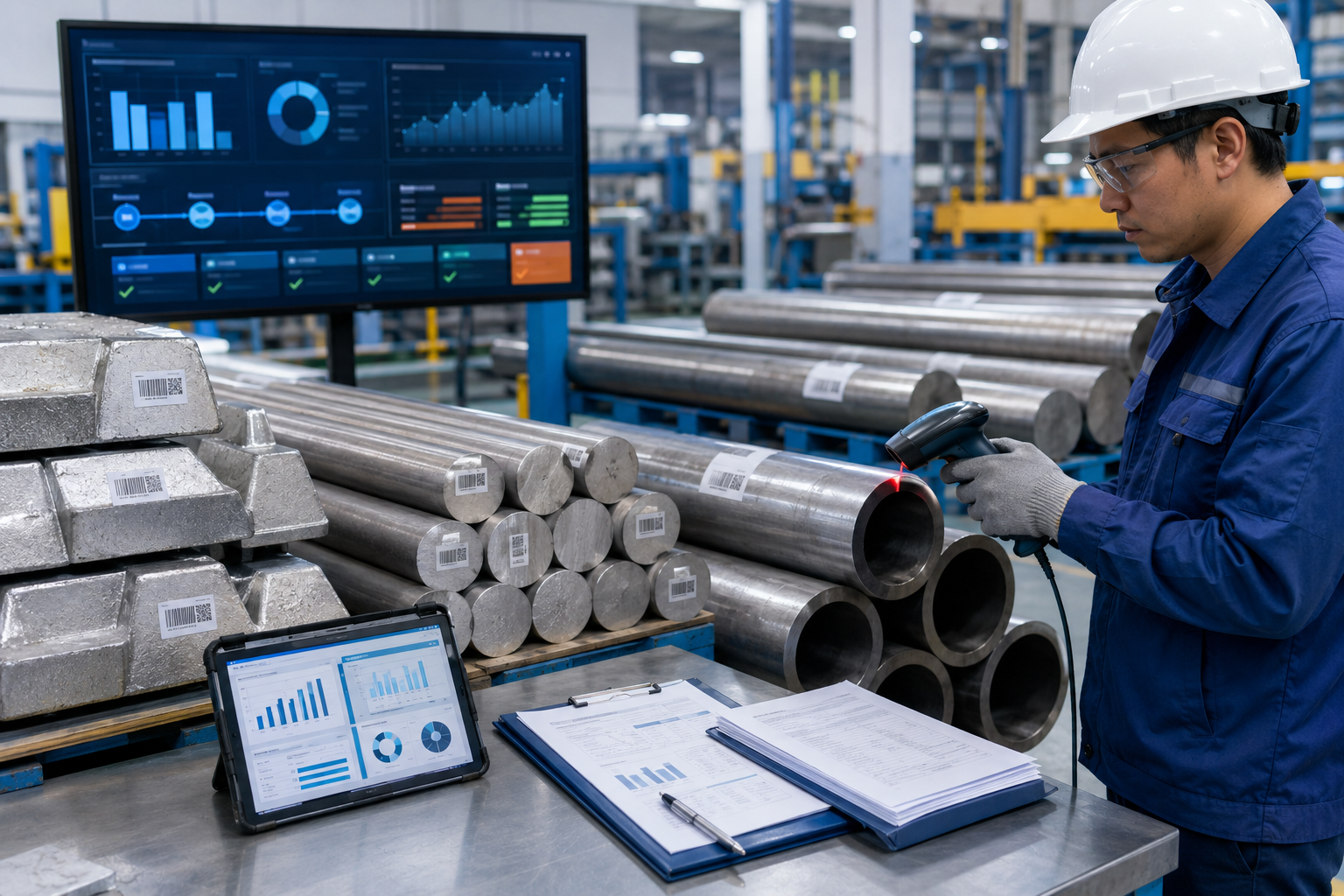
From my experience, traceability is not just a nice-to-have; it is a must-have for critical applications. I have seen situations where a customer needed to prove the exact origin of a pipe in a chemical plant after an incident. Without strong traceability, this would be impossible, leading to costly delays or worse. Our approach starts with the raw material. Each batch of nickel alloy ingot we receive has a unique heat number. We ensure this number stays with the material throughout our process. When the ingot becomes a bar or a pipe, we transfer that heat number onto the product itself, often through stamping or tagging. This ensures that even after cutting or further processing, the original identity remains. Our production records are meticulous, documenting each machine operation, the operators involved, and quality checks at every stage. We use a system that connects the finished product back to its raw material source, processing steps, and even the specific inspection reports. We also provide clear documentation, including Mill Test Certificates (MTCs) that specifically reference the heat number. This MTC is tied to the physical material shipped to you. I encourage our customers to keep these documents and check the heat numbers on the material they receive against the MTC. If you have any doubts, we are always ready to provide additional evidence, like photos of the marking or cross-referencing our internal system. This level of detail is especially important for industries like aerospace or medical devices, where failures can have severe consequences. A good traceability system acts as a material's passport, telling its entire story from birth to its place in your project. We work to make sure this story is complete and true.
| Traceability Element | Description | Why It Matters | Our Approach |
|---|---|---|---|
| Heat Number6 | Unique identifier for a batch of molten metal. | Links the final product to its original chemical composition. | Stamped/etched on material; referenced on all documentation. |
| Lot/Batch Number | Identifier for a group of products processed together. | Helps track materials through various production stages. | Internal tracking system; links to heat number. |
| Production Records | Documentation of manufacturing steps, dates, and equipment. | Verifies adherence to specified processes and timelines. | Detailed records for every order, accessible for audit. |
| Quality Control Reports | Records of inspections, tests, and non-conformances. | Shows material met quality requirements at each stage. | Comprehensive reports provided with each shipment. |
| Shipping Documents | Packing lists, bills of lading, linking material to destination. | Confirms what was shipped and where it went. | Clearly lists item descriptions, quantities, and matching IDs. |
What Testing is Essential for Verifying Nickel Alloy Quality?
Do you ever worry that the nickel alloy material you ordered might not perform as expected under pressure? Relying solely on a supplier's word or a basic certificate can be a huge risk. Imagine a critical component failing because of incorrect material properties – that is a nightmare no one wants.
Essential testing for verifying nickel alloy quality involves a combination of chemical, mechanical, and non-destructive evaluations performed by accredited labs. This ensures the material meets specified standards for composition, strength, and integrity, crucial for high-performance applications where material failure is not an option.7
Beyond the Basic Test: A Deeper Look at Quality Assurance
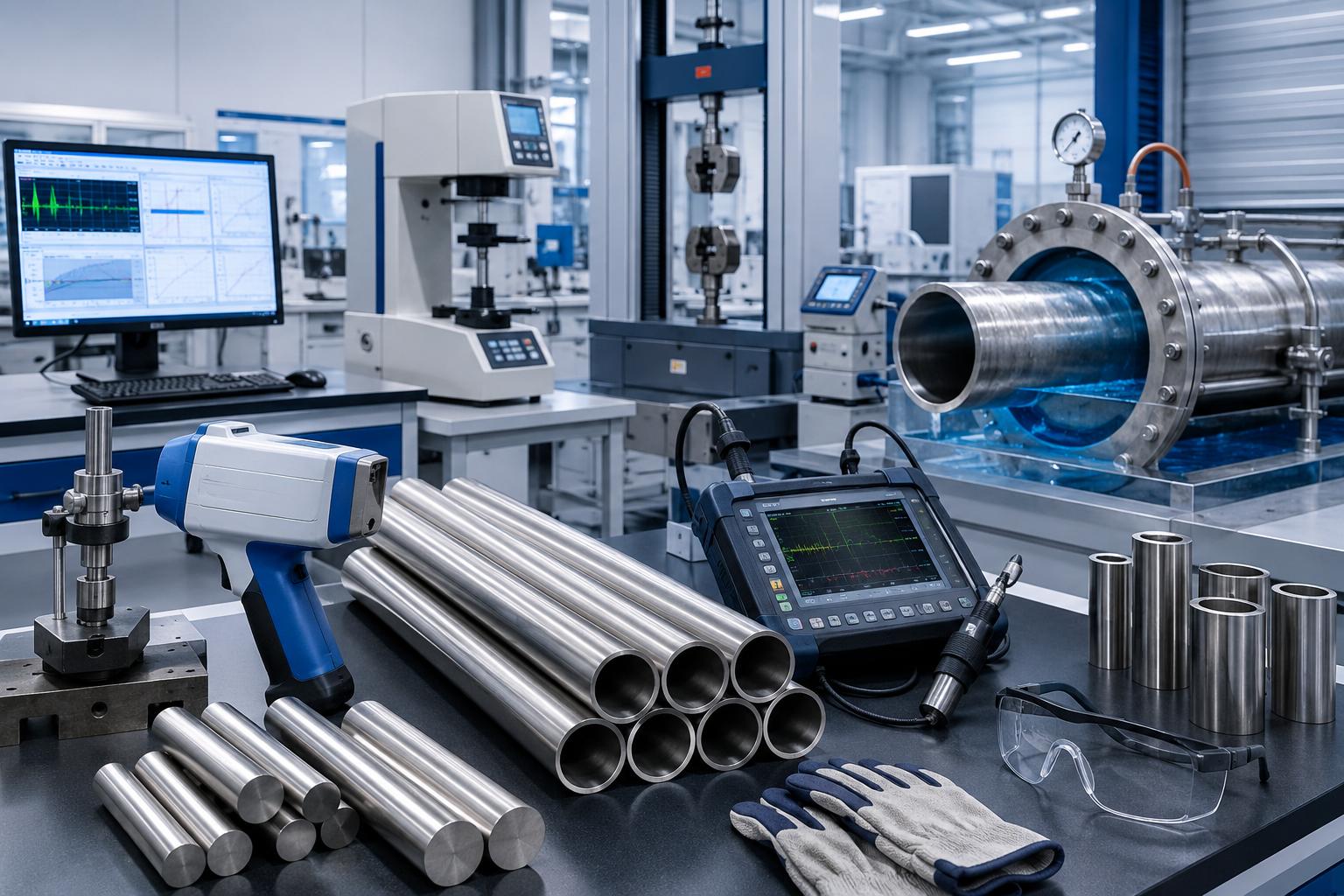
When customers ask me about testing, I always emphasize that testing is not a single event; it is a continuous process. We perform tests at various stages, not just at the end. For nickel alloys, especially in demanding applications like chemical processing or aerospace, basic tests are often not enough. We start with incoming raw material inspection. This includes Positive Material Identification (PMI) to confirm the chemical composition before any processing begins.8 This is our first line of defense against material mix-ups. During manufacturing, we monitor key parameters. After production, each batch undergoes a comprehensive suite of tests. This usually includes chemical analysis (often verified by an independent lab if requested), tensile strength, yield strength, elongation, and hardness tests to ensure mechanical properties meet the standard. For specific applications, we also conduct impact tests (like Charpy V-notch at low temperatures) if the material will be exposed to impact or extremely cold conditions. Corrosion resistance is another critical area. While many nickel alloys are known for this, we offer tests like intergranular corrosion tests (e.g., ASTM A262 for certain stainless grades, or specific tests for nickel alloys) when resistance to particular corrosive media is paramount. For integrity, we use non-destructive tests (NDT). These include ultrasonic testing (UT) to detect internal flaws, eddy current testing (ECT) for surface and near-surface defects, and hydrostatic testing for pipes to check for leaks under pressure. These tests ensure the material is sound inside and out. My team works with customers to define the exact testing protocol based on their project's requirements. We do not just run standard tests; we tailor them. If a customer needs materials for an acidic environment, we suggest specific corrosion tests. If it is for high-pressure systems, then UT and hydrostatic tests become paramount. We also welcome third-party inspections to oversee these tests. This independent verification adds another layer of trust. It assures our customers that the testing is unbiased and the results are accurate. We believe in showing, not just telling, when it comes to material quality.
| Test Type | Purpose | When It's Used | Key Outcome |
|---|---|---|---|
| Chemical Analysis (PMI) | Confirm exact elemental composition. | Raw material receipt, during processing, final product. | Verifies material grade and prevents mix-ups. |
| Tensile Test | Measure strength, yield point, elongation. | Final product verification. | Ensures mechanical performance under tension. |
| Hardness Test | Determine resistance to indentation. | Final product verification. | Indicates material's resistance to deformation. |
| Impact Test (Charpy)9 | Assess toughness at specified temperatures. | Low-temperature applications, shock resistance needed. | Predicts material behavior under sudden loads. |
| Corrosion Test | Evaluate resistance to specific corrosive media. | Chemical processing, marine, harsh environments. | Confirms suitability for corrosive service. |
| Ultrasonic Testing (UT) | Detect internal flaws, voids, and cracks. | Critical components, thick sections. | Ensures internal soundness of the material. |
| Hydrostatic Test | Check for leaks under pressure (for pipes). | Pressure vessel components, pipelines. | Guarantees leak-tightness and structural integrity. |
How Do We Effectively Verify Suppliers of Nickel Alloy Materials in China?
Are you unsure how to truly vet a supplier from China beyond just checking their website? Many buyers struggle to differentiate between good suppliers and those who might cut corners. This can lead to unexpected quality problems, project delays, and financial losses if you choose incorrectly.
Effectively verifying suppliers of nickel alloy materials in China involves a comprehensive process that goes beyond basic checks. It includes assessing their manufacturing capabilities, quality control systems, technical expertise, and financial stability. This deep dive ensures the supplier can consistently meet your specific material and project demands.10
The Art of Supplier Selection: More Than Just Price
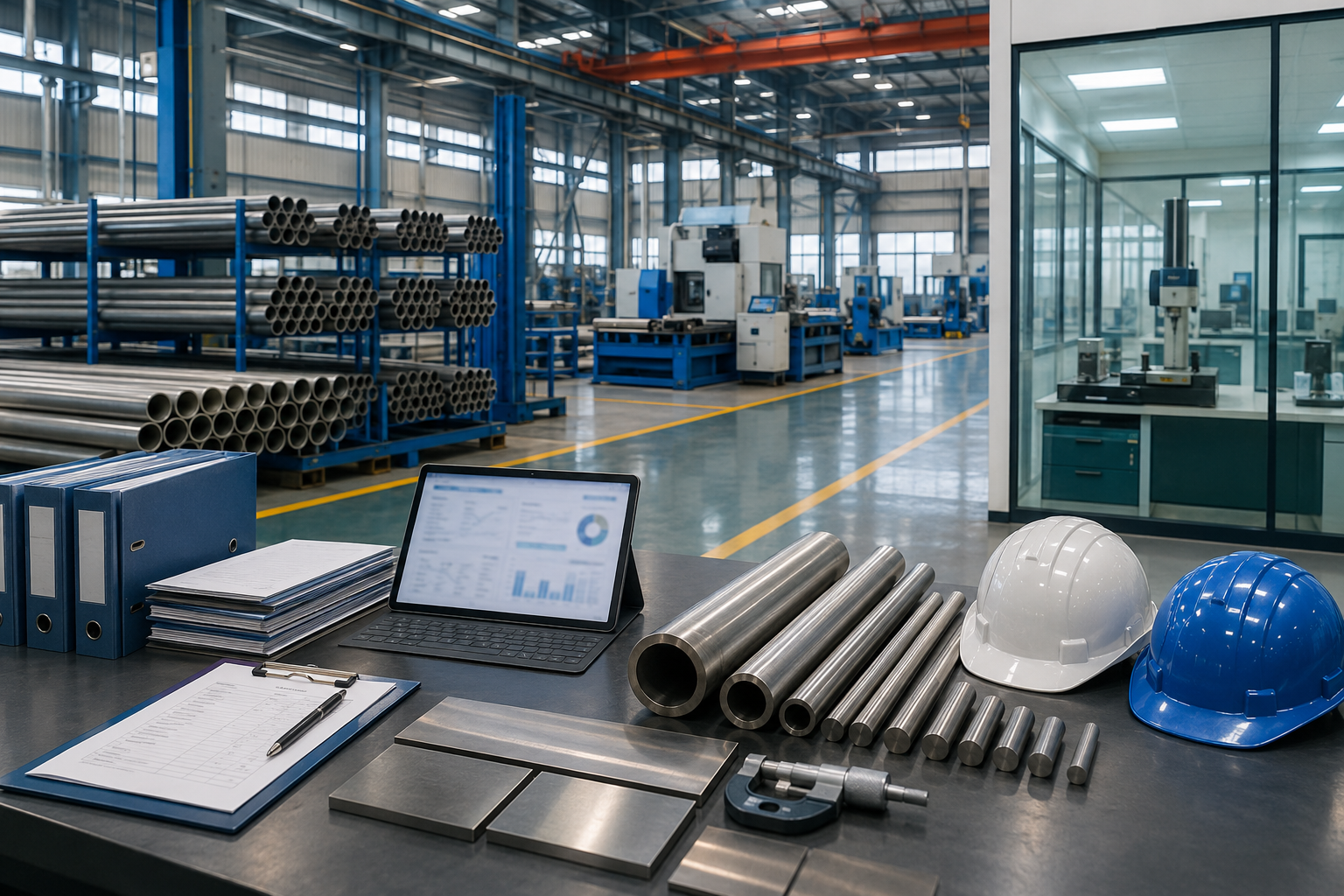
When I consult with new customers, one of the first questions they often ask is, "How do I know I can trust you?" My answer always highlights our process, not just our product. Verifying a supplier, especially for critical materials like nickel alloys, is a multi-layered task. It is much more than looking at a company's business license. First, we encourage factory visits, either in person or through a trusted third party. This allows you to see our production lines, our equipment, and how our team operates. It gives you a feel for our capacity and commitment to quality. During a visit, we would show you our quality control department, our testing equipment, and our material storage facilities. We would also explain our material handling procedures to prevent contamination or damage. Second, we emphasize technical dialogue. We want to understand your application in detail. A good supplier should ask clarifying questions about your operating environment, temperature, pressure, and media. We use this information to recommend the most suitable alloy and specifications. If a supplier just gives you a price without asking about your needs, that is a red flag. This detailed conversation also reveals their technical expertise. Can they discuss international standards like ASTM, ASME, or EN with confidence? Do they understand specific industry requirements like NACE for oil and gas? Third, we openly share our quality management system. This includes our ISO 9001 certification, but also our internal procedures for raw material inspection, in-process control, and final product testing. We can provide examples of our internal inspection reports and non-conformance procedures. We believe in transparency. Finally, we discuss logistics and after-sales support. How do we pack our materials for international shipping? What is our warranty policy? What happens if there is a quality issue? A reliable supplier has clear answers for these questions. We offer solutions for safe packaging to prevent damage during transit and have a robust system for handling any post-delivery concerns. This holistic approach to supplier verification helps build a strong, reliable partnership for your sourcing needs.
| Verification Step | What to Examine | Why It Is Important | Our Practice |
|---|---|---|---|
| Factory Audit11 | Production equipment, QC lab, storage, production flow. | Confirms actual manufacturing capability and quality systems. | Welcome site visits, provide virtual tours, third-party audits. |
| Technical Capability | R&D team, engineering support, understanding of standards. | Ensures supplier can meet complex technical specifications. | Experienced R&D team, professional sales engineers for consultation. |
| Quality System | ISO 9001, internal QC procedures, inspection records. | Verifies systematic approach to quality assurance. | Certified ISO 9001, documented QC processes at every stage. |
| References/History | Past client feedback, project portfolio, years in business. | Shows track record of reliability and customer satisfaction. | 20+ years in industry, long-term global customer relationships. |
| Financial Stability | Company registration, bank references (if relevant). | Reduces risk of supplier going out of business mid-project. | Stable operations, reliable payment terms. |
| Communication | Responsiveness, language proficiency, clarity of information. | Essential for smooth project execution and problem-solving. | Professional sales team, clear communication, timely responses. |
Conclusion
Safe sourcing of nickel alloy pipes and bars from China is not just a hope; it is a reality built on diligent verification. By understanding certificates, ensuring full traceability, conducting essential testing, and thoroughly vetting your supplier, you can secure high-quality materials for your critical projects.
"49 CFR § 661.6 - Certification requirements for procurement of steel ...", https://www.law.cornell.edu/cfr/text/49/661.6. Industry guidelines emphasize the necessity of robust material certification for quality assurance and regulatory compliance in manufacturing and procurement processes. Evidence role: general_support; source type: institution. Supports: the critical role of material certificates in ensuring product quality, compliance, and traceability within global supply chains for industrial materials.. ↩
"Home - MTC", https://www.mtc.gov/. Metallurgical and quality control literature often highlights that MTCs reflect material properties at the point of mill testing, and further processing or handling may alter these characteristics, necessitating additional verification. Evidence role: expert_consensus; source type: education. Supports: the inherent limitations of Mill Test Certificates (MTCs), specifically that they attest to material properties at the time of manufacture but do not guarantee integrity after subsequent processing or handling.. ↩
"ISO 9001 explained", https://www.iso.org/home/insights-news/resources/iso-9001-explained.html. The International Organization for Standardization (ISO) defines ISO 9001 as a standard that sets out the requirements for a quality management system, demonstrating an organization's ability to consistently provide products and services that meet customer and regulatory requirements. Evidence role: definition; source type: institution. Supports: the definition of ISO 9001 as an international standard for quality management systems, indicating a systematic approach to quality assurance within an organization.. ↩
"Sulfide stress cracking - Wikipedia", https://en.wikipedia.org/wiki/Sulfide_stress_cracking. NACE International and ISO publications define NACE MR0175/ISO 15156 as a standard for materials resistant to sulfide stress cracking in sour service, emphasizing its specific environmental application. Evidence role: definition; source type: institution. Supports: the purpose and scope of NACE MR0175/ISO 15156, specifically its application to materials for use in H2S-containing environments to resist sulfide stress cracking.. ↩
"Manufacturing Traceability: What It Is & Why It Matters | BradyID.com", https://www.bradyid.com/intelligent-manufacturing/traceability-in-manufacturing. Supply chain management and quality assurance literature consistently highlight robust traceability as fundamental for verifying material origin, processing history, and quality attributes throughout the product lifecycle. Evidence role: general_support; source type: research. Supports: the definition and critical importance of comprehensive material traceability systems in manufacturing, particularly for high-value or critical components, to ensure authenticity, quality, and regulatory compliance.. ↩
"Heat number - Wikipedia", https://en.wikipedia.org/wiki/Heat_number. Metallurgical glossaries and industry standards define a heat number as a critical identifier that ensures traceability of metal products to their specific melt and chemical analysis. Evidence role: definition; source type: encyclopedia. Supports: the definition of a 'heat number' in metallurgy as a unique identifier for a batch of molten metal, used to link finished products back to their original chemical composition and processing history.. ↩
"The Crucial Role of Material Testing - Breiner Innovative", https://breinerco.com/the-crucial-role-of-material-testing/. Materials science and engineering standards emphasize that rigorous testing protocols are indispensable for verifying the properties and integrity of alloys used in critical applications where failure is unacceptable. Evidence role: general_support; source type: education. Supports: the critical role of comprehensive material testing, including chemical, mechanical, and non-destructive evaluations, in ensuring the quality and reliability of high-performance alloys for demanding applications.. ↩
"Positive material identification - Wikipedia", https://en.wikipedia.org/wiki/Positive_material_identification. Non-destructive testing (NDT) and quality control guidelines frequently cite PMI as an essential technique for ensuring material grade verification and preventing costly errors due to incorrect alloy usage. Evidence role: mechanism; source type: institution. Supports: the function of Positive Material Identification (PMI) as a crucial method for verifying the chemical composition of materials, particularly as a preventative measure against material mix-ups in manufacturing.. ↩
"Charpy impact test - Wikipedia", https://en.wikipedia.org/wiki/Charpy_impact_test. Materials science textbooks and ASTM standards describe the Charpy V-notch impact test as a standard method for evaluating the energy absorption and fracture behavior of materials under impact loading. Evidence role: definition; source type: education. Supports: the purpose of the Charpy impact test in assessing a material's toughness and its ability to withstand sudden loads, especially at specified temperatures for low-temperature applications.. ↩
"Supplier Qualification: Definition, Process, and Guidelines", https://simplerqms.com/supplier-qualification/. Supply chain management literature and international procurement guidelines advocate for multi-faceted supplier qualification, encompassing technical, quality, and financial assessments, particularly for high-risk or specialized components. Evidence role: expert_consensus; source type: research. Supports: the necessity of a comprehensive supplier verification process, extending beyond basic checks, to ensure the reliability and capability of international suppliers for critical materials.. ↩
"How to Conduct a Supplier Audit - QIMA Blog", https://blog.qima.com/supplier-audits/how-to-conduct-a-supplier-audit. Quality management standards and procurement best practices identify factory audits as essential tools for validating a supplier's actual production environment and adherence to quality protocols. Evidence role: definition; source type: institution. Supports: the role of factory audits as a critical component of supplier verification, enabling direct assessment of manufacturing capabilities, quality control systems, and operational processes.. ↩