
Why Should Buyers Confirm Hardness Condition Before Machining Nickel Alloy Bars?
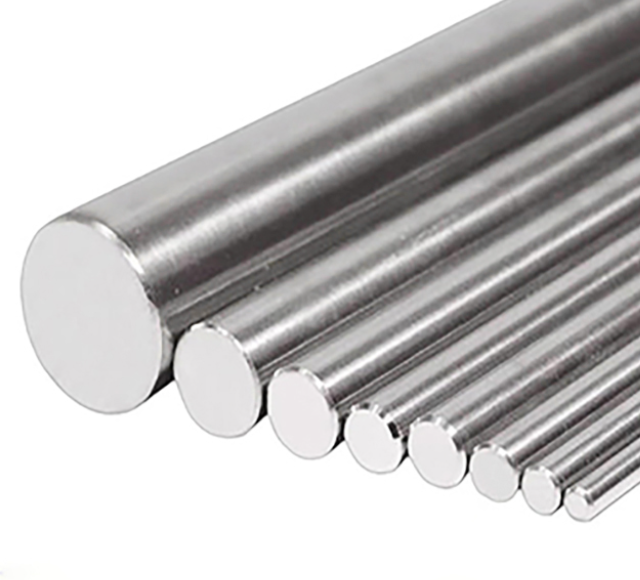
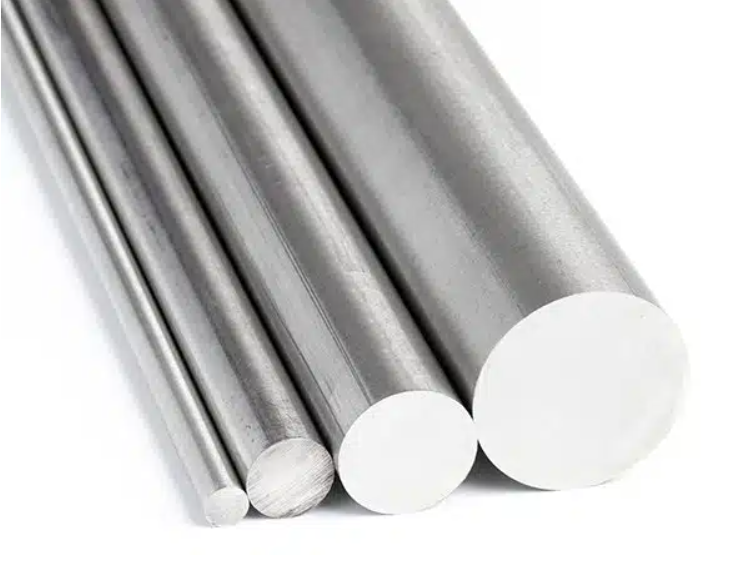
High-strength nickel alloy bars are widely used for CNC machined components in aerospace, chemical processing, oil and gas, marine engineering, power generation, valves, pumps, fasteners, shafts, and high-temperature industrial equipment. These materials are selected because they can offer corrosion resistance, heat resistance, strength, and long-term performance in demanding environments.
However, nickel alloy bars are not always easy to machine. Buyers often confirm alloy grade, diameter, length, price, and certificate, but one important factor is sometimes not checked early enough: the initial hardness condition.
The initial hardness condition of nickel alloy bars can affect machining strategy, tool selection, cutting speed, feed rate, coolant planning, tool life, surface finish, dimensional stability, and final part quality. For high-value nickel alloy components, confirming hardness condition before machining helps reduce the risk of unexpected tool wear, scrap, rework, and project delay.
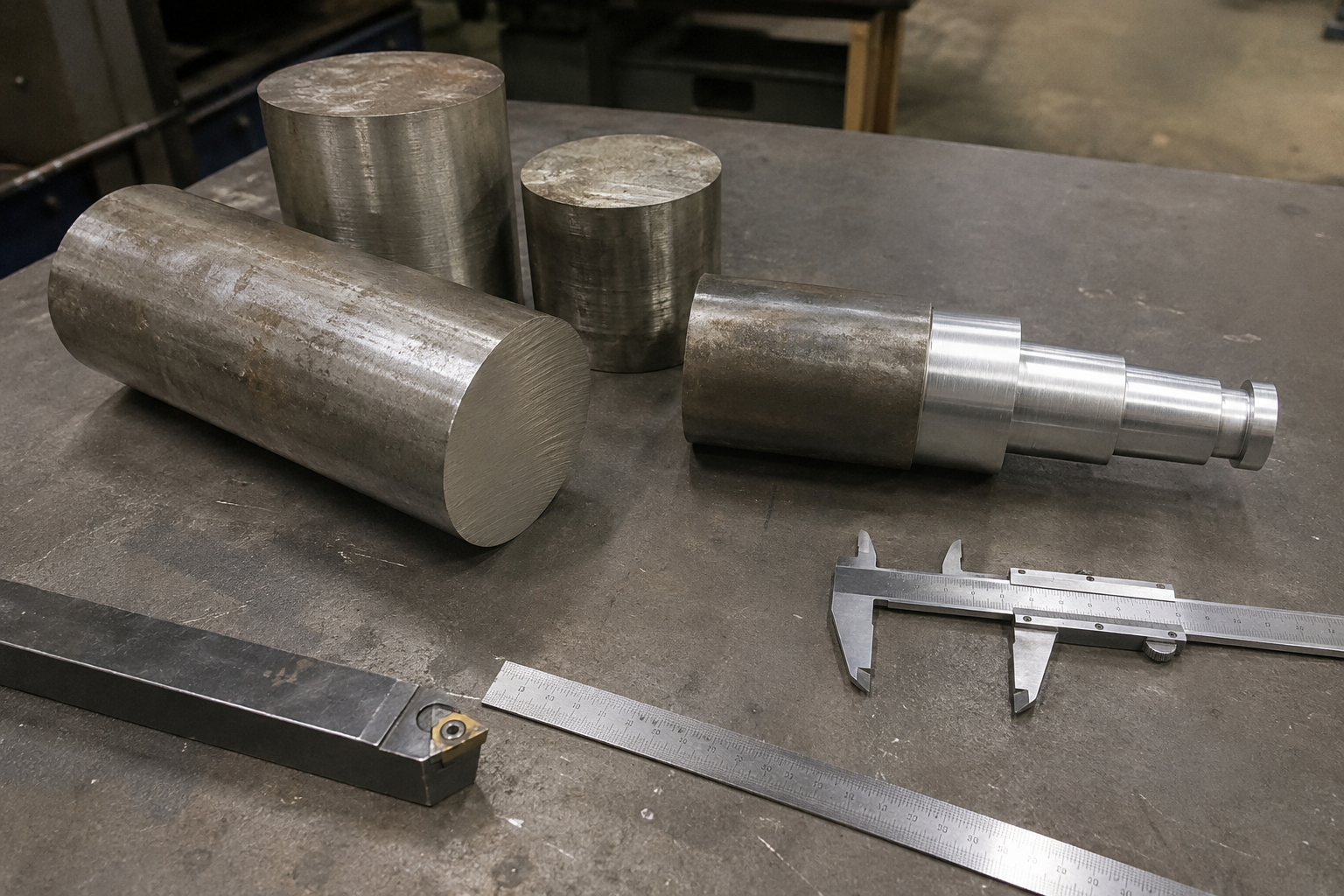
For industrial buyers, the key question is not only “Can you supply nickel alloy bars?” A better question is: Can the material grade, hardness condition, heat treatment condition, certificate, and inspection data support my machining process and final application?
This guide explains why hardness condition matters, how annealed, solution annealed, cold-worked, stress-relieved, and age-hardened nickel alloy bars may behave differently during machining, and what buyers should confirm before placing an order.
Quick Answer: Why Does Hardness Condition Matter Before Machining?
Hardness condition matters because it influences how the cutting tool interacts with the nickel alloy bar. A harder or precipitation-hardened bar may require more careful control of cutting speed, feed rate, depth of cut, tool material, coolant, and machining allowance. A softer or annealed bar may be easier for rough machining, but it can still require good chip control and careful parameter selection because nickel alloys can work harden and generate high cutting temperatures.
Research on nickel-based superalloy machining shows that tool wear can involve abrasive wear, adhesive wear, diffusion wear, oxidation wear, plastic deformation, built-up edge, and chipping. Source: Tool Wear in Nickel-Based Superalloy Machining: An Overview
| Buyer Question | Why It Matters |
|---|---|
| What is the hardness condition? | Hardness affects cutting behavior, tool selection, and machining stability. |
| Is the bar annealed, solution annealed, cold-worked, stress-relieved, or age-hardened? | The same alloy can machine differently in different processing conditions. |
| Is hardness uniform across the bar? | Hardness variation can cause inconsistent tool load and surface finish. |
| Is the heat treatment condition shown on the MTC/MTR? | Buyers need traceability, not only a verbal supplier claim. |
| Will the part be heat treated after machining? | This affects whether the buyer may prefer machining in a softer condition first. |
| Is final strength required before or after machining? | The best supply condition depends on the manufacturing route. |
| Is the final part tolerance tight? | Hardness condition can affect tool wear, distortion, and dimensional control. |
What Does “Initial Hardness Condition” Mean?
Initial hardness condition means the actual hardness and processing state of the nickel alloy bar before the customer starts machining. It is not only a number such as HRC, HB, or HV. It also includes how the bar reached that hardness.
A nickel alloy bar may be supplied in different conditions, such as:
- Annealed
- Solution annealed
- Hot-worked
- Cold-worked
- Stress-relieved
- Age-hardened
- Precipitation-hardened
- Peeled, ground, polished, or centerless ground
- Customer-specific heat-treated condition
ASTM B637 covers hot-worked and cold-worked precipitation-hardenable nickel alloy rod, bar, forgings, and forging stock for moderate or high temperature service. Source: ASTM B637
ASTM B446 covers nickel-chromium-molybdenum-niobium alloy UNS N06625 and related alloys in the form of hot-worked rod and bar and cold-worked rod. Source: ASTM B446
Buyer Takeaway
A hardness number alone is not enough. Buyers should also confirm the bar condition, heat treatment route, hardness testing method, test location, and whether hardness data is actual batch data or only typical material data.
How Does Initial Hardness Change Machining Strategy?
Initial hardness can influence the entire machining plan. It may affect the cutting tool grade, cutting speed, feed rate, depth of cut, coolant strategy, roughing allowance, finishing allowance, and whether machining should be done before or after final heat treatment.
Hardness is important, but it should not be considered alone. Tool material, cutting speed, feed rate, rigidity, coolant, microstructure, grain size, work hardening behavior, and machining allowance can all influence machinability.
Typical Machining Considerations by Condition
| Bar Condition | General Machining Behavior | Buyer Consideration |
|---|---|---|
| Annealed | Usually lower hardness and easier rough machining than hardened condition | Still needs good cutting parameters because nickel alloys can work harden and generate heat. |
| Solution annealed | Often used before further heat treatment or aging | Useful when the buyer plans rough machining first and final strengthening later. |
| Cold-worked | Higher strength and hardness from deformation | May contain residual stress; dimensional stability should be considered during machining. |
| Stress-relieved | Reduced residual stress compared with some cold-worked conditions | May help reduce distortion risk, depending on alloy and processing route. |
| Age-hardened / precipitation-hardened | Higher strength and hardness after heat treatment | May require slower machining, stronger tooling, careful coolant, and more conservative machining plans. |
| Ground / polished bar | Better surface and diameter control | May reduce setup work, but hardness and heat treatment condition still need verification. |
Buyer Takeaway
Before ordering nickel alloy bars, buyers should decide whether they want easier machining first or final strength before machining. For some projects, it may be better to machine in a softer condition and heat treat later. For other projects, the final part must be machined from an already age-hardened bar. The correct choice depends on the drawing, tolerance, heat treatment plan, inspection requirement, and end-use application.
Is Meeting a Hardness Number Enough for Good Machining?
No. Meeting a hardness number is important, but it is not enough by itself. The same hardness value may come from different processing histories, and those different histories can create different machining behavior.
For example:
- A cold-worked bar and an age-hardened bar may show similar hardness values but have different residual stress and microstructure.
- A solution annealed bar and an annealed bar may not respond the same way to cutting or later heat treatment.
- A bar with uneven hardness along its length may create unstable tool load and inconsistent surface finish.
- A single hardness value may not represent the entire bar if testing is limited to one point.
ASTM E18 covers Rockwell hardness and Rockwell superficial hardness testing of metallic materials. Source: ASTM E18
ASTM E10 covers Brinell hardness testing of metallic materials by the Brinell indentation hardness principle. Source: ASTM E10
What Buyers Should Confirm Beyond the Hardness Number
| Item | Why It Matters |
|---|---|
| Hardness scale | HRC, HRB, HB, HV and other scales are not interchangeable without proper conversion. |
| Testing method | Rockwell, Brinell, Vickers, or microhardness testing may be used depending on product and requirement. |
| Testing location | End face, surface, mid-radius, or cross-section location can affect results. |
| Number of test points | More test points may be needed when hardness uniformity is critical. |
| Heat treatment condition | Annealed, solution annealed, aged, stress-relieved, or cold-worked condition changes machining behavior. |
| Hardness range | A narrow hardness range may improve machining predictability. |
| Actual batch result | MTC/MTR data is more useful than a general catalog value. |
| Microstructure / processing history | Cold work, aging, solution treatment, and residual stress can affect cutting response. |
Buyer Takeaway
For critical machining, buyers should ask: “What is the hardness, how was it tested, where was it tested, and what heat treatment condition created that hardness?”
Why Does Heat Treatment Condition Matter?
Nickel alloy bars can obtain strength through different mechanisms. Some alloys are mainly solid-solution strengthened, while others are precipitation hardened. Heat treatment can change hardness, strength, microstructure, residual stress, and machining response.
Nickel-based superalloys can be solution treated and then heat treated to precipitate strengthening phases such as gamma prime. Source: University of Cambridge — Nickel Based Superalloys
Common Heat Treatment-Related Questions
| Question | Why It Matters |
|---|---|
| Is the bar solution annealed? | It may be easier to machine before final aging, depending on the project route. |
| Is the bar age-hardened? | Higher strength and hardness can increase machining difficulty. |
| Is the bar cold-worked? | Cold work may increase strength and hardness, but residual stress should be considered. |
| Is stress relief required? | It may help reduce distortion risk in some machined components. |
| Will the finished part be heat treated later? | Buyers must consider dimensional change, distortion, and final property verification. |
| Does the drawing require final hardness? | Final hardness may need to be tested after all machining and heat treatment steps. |
Buyer Takeaway
Heat treatment condition is not only a metallurgical detail. It can determine whether machining is stable, whether dimensional tolerance can be held, and whether final part properties will meet project requirements.
How Can Hardness Condition Affect Tool Wear?
Hardness condition can affect tool wear because harder or stronger nickel alloy bars generally create higher cutting resistance and more heat at the tool-workpiece interface. Nickel alloys are already difficult to machine because they can work harden, retain heat near the cutting zone, and create severe tool wear mechanisms.
Research on nickel-based superalloy machining shows that abrasive wear and adhesive wear are common, and tool wear can also involve chemical wear, oxidation wear, diffusion wear, plastic deformation, built-up edge, and chipping. Source: Tool Wear in Nickel-Based Superalloy Machining: An Overview
How Hardness Condition Can Influence Tool Wear
| Condition / Issue | Possible Machining Impact |
|---|---|
| Higher hardness | May require more conservative cutting speed, feed, and depth of cut. |
| Age-hardened condition | Can increase tool load and tool wear risk. |
| Cold-worked condition | May introduce higher strength and residual stress. |
| Uneven hardness | May cause inconsistent cutting forces and variable tool wear. |
| Poor coolant control | Can increase heat concentration and accelerate tool wear. |
| Wrong tool grade | May cause chipping, rapid flank wear, or poor surface finish. |
| Too little machining allowance | May force repeated light passes and increase work hardening risk. |
Buyer Takeaway
Do not treat hardness as a paperwork item only. It should be connected with tool grade, cutting parameters, coolant, machining allowance, and production cost.
How Can Hardness Condition Affect Surface Finish and Dimensional Accuracy?
Hardness condition can affect surface finish and dimensional accuracy because it influences cutting forces, chip formation, tool wear, vibration, and material response during removal.
Possible Quality Risks
| Risk | How It Can Happen |
|---|---|
| Poor surface finish | Tool wear, vibration, wrong feed/speed, or unstable chip formation. |
| Chatter marks | Cutting instability or unsuitable parameters for the hardness condition. |
| Dimensional variation | Tool wear and changing cutting forces affect final size. |
| Out-of-tolerance features | Hardness variation or residual stress may affect repeatability. |
| Burr formation | Incorrect tool geometry or dull tools may increase burrs. |
| Rework or extra finishing | Poor surface finish may require polishing, grinding, or re-machining. |
Buyer Takeaway
If the final component requires tight tolerance, sealing surface, smooth finish, thread quality, concentricity, or fatigue-sensitive geometry, hardness condition should be reviewed before machining starts.
Why Can Cold-Worked or Stressed Material Cause Distortion During Machining?
Some nickel alloy bars may contain residual stress from cold working, forming, straightening, heat treatment, or other processing steps. When material is removed during machining, these internal stresses can redistribute and cause the part to move, bend, or distort.
A technical report on machining distortion explains that distortion caused by stress redistribution after material removal can be a primary cause of scrap in precision components. Source: Development of Machining Procedures to Minimize Distortion During Manufacture
When Distortion Risk Is More Important
| Situation | Why Buyers Should Pay Attention |
|---|---|
| Long slender parts | Small movement can create runout or straightness problems. |
| Thin-wall machined parts | Removing material can release stress and change shape. |
| Asymmetric parts | Uneven material removal can increase distortion. |
| Tight tolerance parts | Small movement may cause inspection failure. |
| Cold-worked bars | Residual stress may be higher depending on processing history. |
| Parts requiring final heat treatment | Heat treatment may change dimensions or relieve stress. |
Buyer Takeaway
If the part is thin, long, complex, or precision-machined, buyers should discuss residual stress, stress relief, rough machining, finish machining, and final heat treatment sequence with the supplier and machinist.
Should Buyers Machine in Annealed Condition and Heat Treat Later?
Sometimes, yes. But it depends on the alloy, part geometry, final properties, tolerance, heat treatment availability, and project requirements.
For some precipitation-hardenable nickel alloys, buyers may choose to rough machine in solution annealed condition and then perform age hardening later. This can reduce machining difficulty during roughing. However, it also introduces heat treatment planning, possible dimensional change, final hardness verification, and extra production steps.
Machining Route Options
| Route | Possible Benefit | Buyer Caution |
|---|---|---|
| Machine fully annealed / solution annealed bar first | Easier rough machining and lower tool wear risk | Final heat treatment may cause dimensional change; final inspection is required. |
| Machine age-hardened bar directly | Final strength condition is already achieved | Machining may be slower, tool wear may increase, and surface finish control may be more difficult. |
| Rough machine first, stress relieve, finish machine later | May reduce distortion risk in some components | Requires process planning and added production time. |
| Buy near-net-size bar or precision bar | Reduces material removal | Requires better upfront specification of tolerance, straightness, and surface condition. |
Buyer Takeaway
There is no universal best route. Buyers should decide the machining and heat treatment sequence based on final part drawing, tolerance, hardness, certification, inspection, and application safety.
How Can Buyers Verify Supplier Claims About Hardness?
Supplier claims should be verified through standards, MTC/MTR, heat number traceability, hardness test reports, and inspection records. A general product description is not enough for critical machined parts.
EN 10204 Type 3.1 inspection documents include a statement of compliance with the order and results of specific inspection. The document is validated by the manufacturer’s authorized inspection representative, independent of the manufacturing department. Source: BS EN 10204 Test Certificates
What Buyers Should Check on MTC / MTR
| Certificate Item | What to Confirm |
|---|---|
| Material grade | Alloy 625, Alloy 718, Alloy 825, Alloy C-276, Alloy 400, Nickel 200, etc. |
| UNS number | N06625, N07718, N08825, N10276, N04400, N02200, etc. |
| Standard | ASTM B446, ASTM B637, ASTM B164, AMS, ASME, EN, or customer specification. |
| Heat number | Must match bar marking, packing list, and certificate. |
| Chemical composition | Actual test values should meet the required standard. |
| Mechanical properties | Tensile strength, yield strength, elongation, hardness if required. |
| Heat treatment condition | Annealed, solution annealed, age-hardened, cold-worked, stress-relieved, etc. |
| Hardness test method | Rockwell, Brinell, Vickers, or agreed method. |
| Hardness test location | Surface, end face, cross-section, or agreed test points. |
| Dimensional data | Diameter, length, straightness, roundness, surface condition, and tolerance. |
| Inspection records | PMI, UT, hardness report, dimensional report, or third-party inspection if required. |
Buyer Takeaway
For precision machining projects, buyers should request actual batch data. A supplier’s “typical hardness” or catalog value is not the same as hardness confirmation for the delivered material.
Buyer Checklist: What to Confirm Before Ordering Nickel Alloy Bars for Machining
A clear RFQ helps reduce misunderstanding and helps the supplier recommend a suitable condition.
| RFQ Item | What to Provide |
|---|---|
| Material grade | Alloy 625, Alloy 718, Alloy 825, Alloy C-276, Alloy 400, Nickel 200, etc. |
| UNS number | N06625, N07718, N08825, N10276, N04400, N02200, etc. |
| Standard | ASTM B446, ASTM B637, ASTM B164, AMS, ASME, EN, or customer drawing. |
| Bar type | Round bar, flat bar, forged bar, peeled bar, ground bar, polished bar, custom blank. |
| Initial condition | Annealed, solution annealed, cold-worked, age-hardened, stress-relieved. |
| Hardness requirement | HRC, HB, HV, HRB, hardness range, test method, test location. |
| Size and tolerance | Diameter, length, straightness, roundness, surface finish, machining allowance. |
| Machining process | CNC turning, Swiss machining, grinding, drilling, milling, threading, roughing, finishing. |
| Final component | Shaft, fastener, valve part, pump part, aerospace component, marine part, chemical equipment part. |
| Final property requirement | Final hardness, tensile strength, yield strength, elongation, heat treatment condition. |
| Heat treatment route | Whether heat treatment is required before or after machining. |
| Certificate | EN 10204 3.1, MTC/MTR, heat number traceability. |
| Inspection | Hardness report, dimensional report, PMI, UT, third-party inspection if required. |
| Packing | Surface protection, end protection, separated packing, export wooden case. |
Example RFQ Message
We need Alloy 718 round bars, UNS N07718, per ASTM B637. Diameter 38 mm, length 3000 mm. The bars will be used for CNC machining of high-strength precision components. Please confirm available condition: solution annealed or age-hardened. Please provide hardness range, heat treatment condition, diameter tolerance, straightness, surface condition, EN 10204 3.1 MTC, heat number traceability, hardness test method, dimensional report, lead time, MOQ, and export packing. If the material is supplied in solution annealed condition, please advise whether it is suitable for rough machining before final aging.
This type of RFQ is much clearer than simply asking, “Please quote nickel alloy round bars.”
Common Mistakes When Buying Nickel Alloy Bars for Machining
1. Only Confirming Alloy Grade
Alloy grade is important, but the same grade can be supplied in different hardness and heat treatment conditions. Buyers should confirm the actual condition.
2. Treating Hardness as Only a Certificate Number
Hardness affects machining strategy, tool wear, surface finish, and dimensional stability. It should be reviewed before production.
3. Ignoring Heat Treatment Condition
Annealed, solution annealed, cold-worked, and age-hardened bars may behave differently during machining.
4. Confusing Typical Data With Actual Batch Data
Catalog values are useful for reference, but MTC/MTR and actual inspection records are more important for the delivered batch.
5. Not Sharing the Machining Process
A supplier cannot recommend the best condition if the buyer does not explain whether the material will be turned, ground, drilled, threaded, Swiss machined, or heat treated later.
6. Ignoring Hardness Uniformity
If hardness varies too much along the bar or across the section, machining results may become inconsistent.
7. Not Considering Residual Stress
Cold-worked or heavily processed bars may require more attention to distortion risk, especially for thin, long, or asymmetric components.
8. Choosing the Lowest Price Only
A cheaper bar with unsuitable hardness condition may increase tool wear, scrap, rework, inspection failure, and lead time risk.
FAQ: Nickel Alloy Bar Hardness and Machining
1. Does nickel alloy bar hardness affect CNC machining?
Yes. Hardness can affect cutting speed, tool selection, tool wear, surface finish, dimensional control, and machining stability.
2. Is a lower hardness always better for machining?
Not always. A softer condition may be easier for rough machining, but chip control, work hardening, surface finish, and final heat treatment still need to be considered.
3. Is an age-hardened nickel alloy bar harder to machine?
Often yes. Age-hardened or precipitation-hardened nickel alloy bars usually have higher strength and hardness, which may require slower machining and more careful tool and coolant selection.
4. Why is hardness condition more than just HRC or HB?
Because hardness depends on processing history, heat treatment, cold work, microstructure, and test method. Two bars with similar hardness values may machine differently if their conditions are different.
5. Which standards are common for nickel alloy bars?
ASTM B446 is common for Alloy 625 and related nickel alloy rods and bars. ASTM B637 is common for precipitation-hardening nickel alloy bars, forgings, and forging stock such as Alloy 718.
6. Should buyers request a hardness report?
If hardness is critical for machining or final performance, buyers should request hardness data on the MTC/MTR or a separate hardness inspection report.
7. Can nickel alloy bars be machined before final heat treatment?
In some projects, yes. For precipitation-hardenable alloys, rough machining in a softer condition followed by final heat treatment may be considered. The final choice depends on tolerance, part geometry, heat treatment plan, and final inspection requirement.
8. What should buyers include in an RFQ?
Buyers should include grade, UNS number, standard, size, hardness condition, heat treatment condition, tolerance, surface condition, machining process, final part application, certificate requirement, and inspection requirement.
Conclusion
The initial hardness condition of high-strength nickel alloy bars is not just a small specification detail. It can affect machining strategy, tool life, cutting parameters, coolant planning, surface finish, dimensional stability, residual stress risk, and final part quality.
For buyers, the best approach is to confirm not only the alloy grade and size, but also the actual hardness condition, heat treatment condition, hardness test method, hardness uniformity, MTC/MTR, heat number traceability, and machining process.
Before ordering nickel alloy bars for CNC machining, buyers should share the final application, drawing, machining method, tolerance requirement, heat treatment plan, and certificate requirement with the supplier.
Emily PIPE supplies nickel alloy bars, nickel alloy tubes, titanium alloy bars, and titanium alloy tubes for global industrial applications. If you are preparing a machining project with nickel alloy bars, you can send your material grade, size, standard, hardness requirement, heat treatment condition, drawing, certificate requirement, and application environment for technical review and quotation.