
Inconel 718 vs Ti-6Al-4V: How Are These Alloys Used in Aviation Materials?
Choosing materials for aircraft and aerospace systems is never simple. A wrong material choice may create safety, performance, reliability, or cost risks. Engineers must balance heat resistance, strength, fatigue resistance, weight, corrosion behavior, manufacturability, quality control, and supply reliability.
Inconel 718 is a nickel-based superalloy designed for fatigue and creep resistance at temperatures up to about 700°C, making it useful for demanding aerospace and engine-related applications. Ti-6Al-4V is an alpha-beta titanium alloy known for high specific strength, low density, and corrosion resistance, making it widely used where lightweight structural performance is important. Both materials can be valuable in aerospace, but they are chosen for different roles.
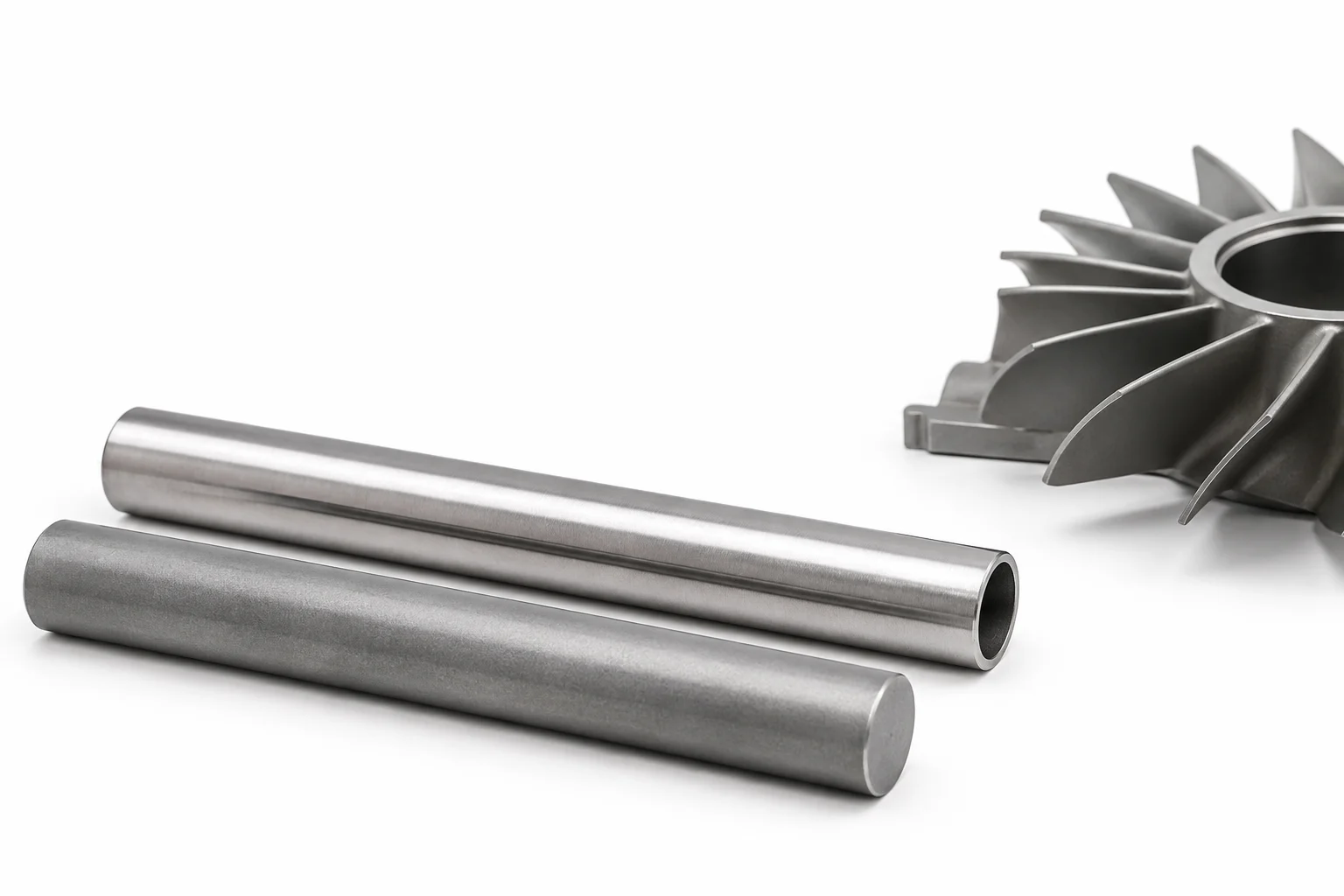
For over two decades, we have supported customers who need high-performance alloy materials for demanding industrial applications. In aerospace and aviation-related projects, material choice is never only about grade name. It is about matching the material to the exact operating condition, required standard, manufacturing route, inspection plan, and traceability requirement.
Why Does Inconel 718 Excel in Jet Engine Hot-Section and High-Stress Components?
Engine-related components may face high temperature, mechanical load, vibration, oxidation, thermal cycling, and long service requirements. Ordinary materials may lose strength or deform under these conditions.
Inconel 718 is widely used in aerospace because it combines high-temperature strength, fatigue resistance, creep resistance, oxidation resistance, and corrosion resistance. A paper on Alloy 718 explains that the alloy is used in aircraft engines as high-pressure turbine disks and must meet demanding requirements for high-temperature yield strength, creep resistance, and oxidation resistance.
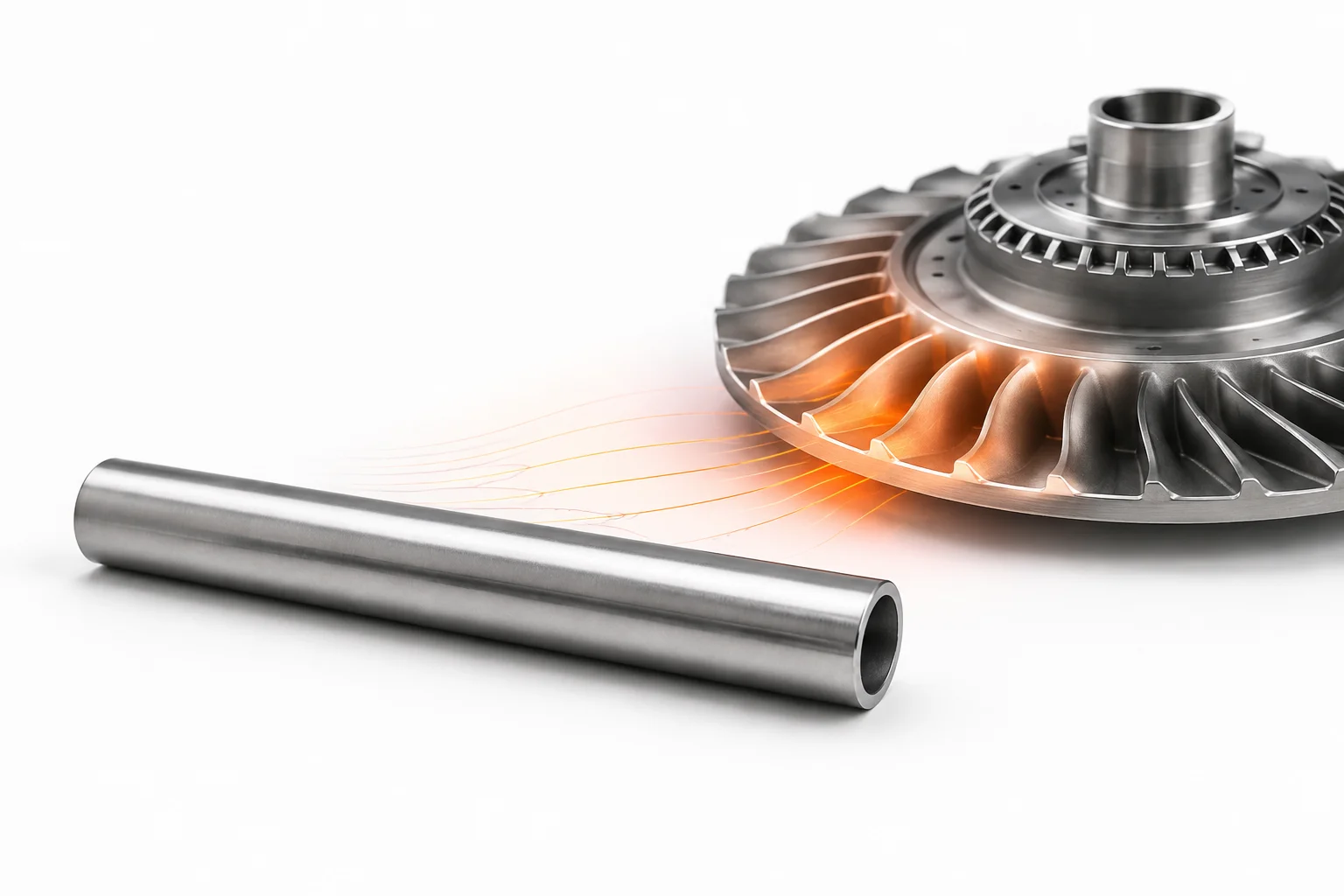
Inconel 718 stands out because it can maintain useful strength at elevated temperatures. Its age-hardening microstructure, including strengthening precipitates such as gamma prime and gamma double prime, helps resist deformation under high temperature and stress.
This matters in aircraft engines because some components operate under both heat and mechanical load. In these conditions, creep resistance is important. Creep is time-dependent permanent deformation under stress at elevated temperature. Inconel 718 is often considered for turbine disks, compressor components, engine fasteners, hot-section hardware, and other aerospace parts where high-temperature strength and reliability are required.
However, it is important not to oversimplify. Inconel 718 is not automatically the right alloy for every jet engine part. The hottest turbine blades may require different superalloys, coatings, or single-crystal materials depending on engine design. Inconel 718 should be selected according to the specific temperature, stress, fatigue, oxidation, and specification requirements.
Key Properties of Inconel 718 for Aerospace Applications
| Property | Benefit for Aviation |
|---|---|
| High-Temperature Strength | Helps maintain structural integrity under elevated temperature. |
| Creep Resistance | Helps reduce permanent deformation risk under heat and sustained stress. |
| Fatigue Resistance | Helps withstand repeated loading and vibration cycles. |
| Oxidation Resistance | Helps resist degradation from hot oxidizing environments. |
| Processability | Can be produced in bars, forgings, sheets, tubes, and other forms depending on specification. |
For aerospace buyers, the key is not only choosing Inconel 718. The buyer must also confirm the required AMS, ASTM, ASME, or customer-specific standard, heat treatment condition, mechanical property target, inspection method, and traceability requirements.
Why Is Ti-6Al-4V Important for Lightweight Aerospace Structures?
Every kilogram matters in aircraft design. Lower weight can support fuel efficiency, payload capacity, range, and performance. But weight reduction cannot come at the expense of safety or structural integrity.
Ti-6Al-4V is commonly used where low density, high specific strength, and corrosion resistance are required. Public material references describe Ti-6Al-4V as one of the most commonly used titanium alloys and list aerospace structures among its applications. Titanium alloy references also note that Ti-6Al-4V is commonly used up to approximately 400°C.
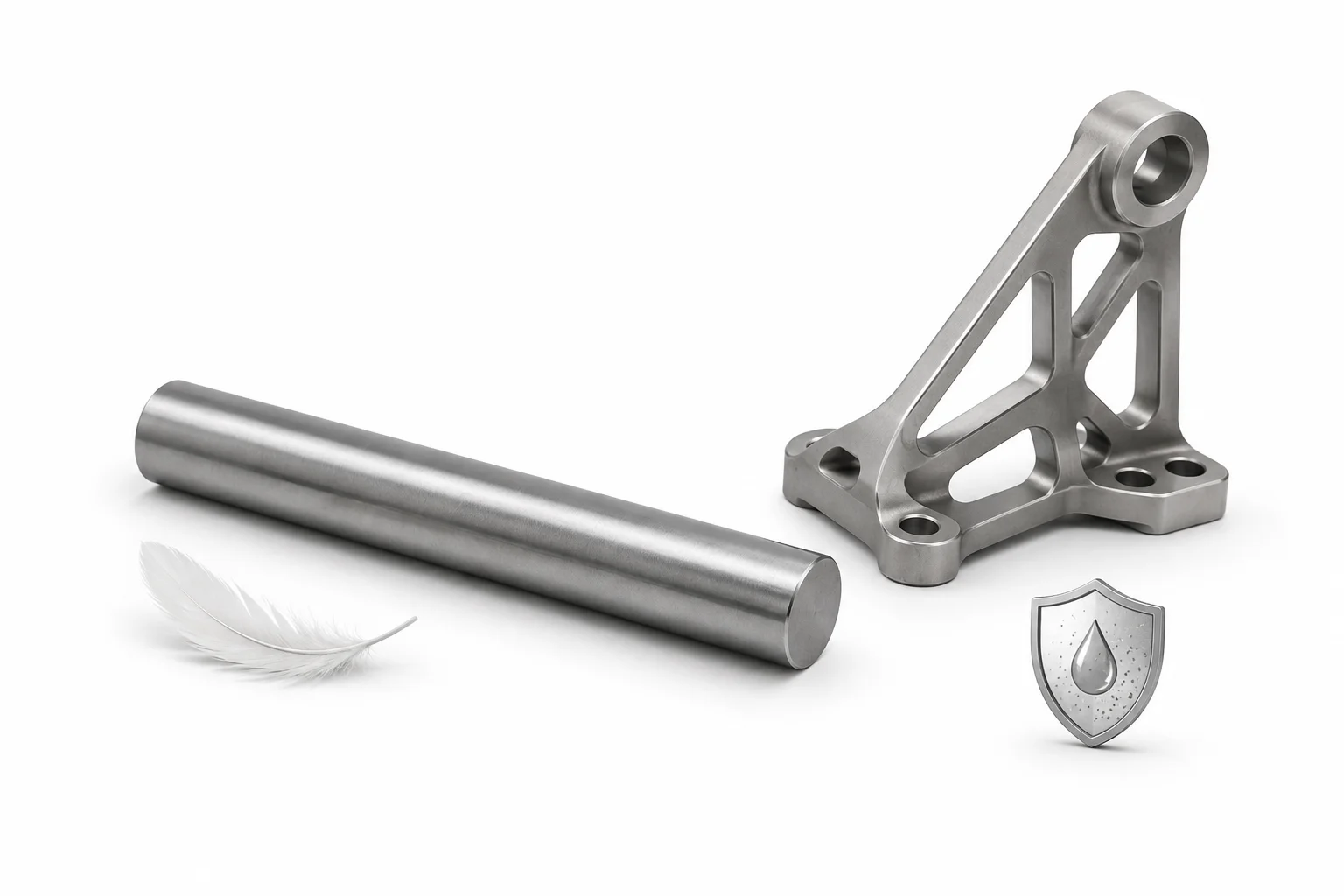
Customers often ask how to reduce weight without losing strength. Ti-6Al-4V may be a strong candidate in many aerospace applications because it offers a high strength-to-weight ratio and good corrosion resistance. It may be considered for airframe structures, fasteners, brackets, fittings, and selected structural components where lightweight performance matters.
Titanium alloys also resist corrosion in many environments. Aircraft may face moisture, salt, temperature changes, and long service cycles. A material with good corrosion resistance can help extend component life and reduce maintenance concerns.
However, Ti-6Al-4V also has limitations. It is not the best choice for every part. Compared with nickel-based superalloys, Ti-6Al-4V has lower high-temperature capability. It may also require careful machining, forming, welding, and surface control. For high-temperature engine hot sections, Inconel 718 or other nickel-based superalloys may be more suitable.
Advantages of Ti-6Al-4V in Aerospace
| Feature | Impact on Aviation Design and Performance |
|---|---|
| High Specific Strength | Supports lightweight design while maintaining strength. |
| Low Density | Helps reduce aircraft weight where titanium is technically and economically justified. |
| Corrosion Resistance | Helps improve durability in moisture, salt, and other service environments. |
| Aerospace Use History | Used in aerospace structures and selected engine-related applications. |
| Forming Possibilities | Ti-6Al-4V can be processed by methods such as forging, machining, and superplastic forming depending on design. |
How Do Engineers Balance Inconel 718 and Ti-6Al-4V in Design Choices?
Picking the right alloy is not about choosing the most famous or expensive material. Each material has trade-offs.
Engineers compare Inconel 718 and Ti-6Al-4V by evaluating operating temperature, stress level, fatigue requirement, weight target, corrosion environment, manufacturability, inspection needs, and cost. Material selection is normally based on performance goals, working conditions, material properties, and cost—not on a universal “best material” idea.
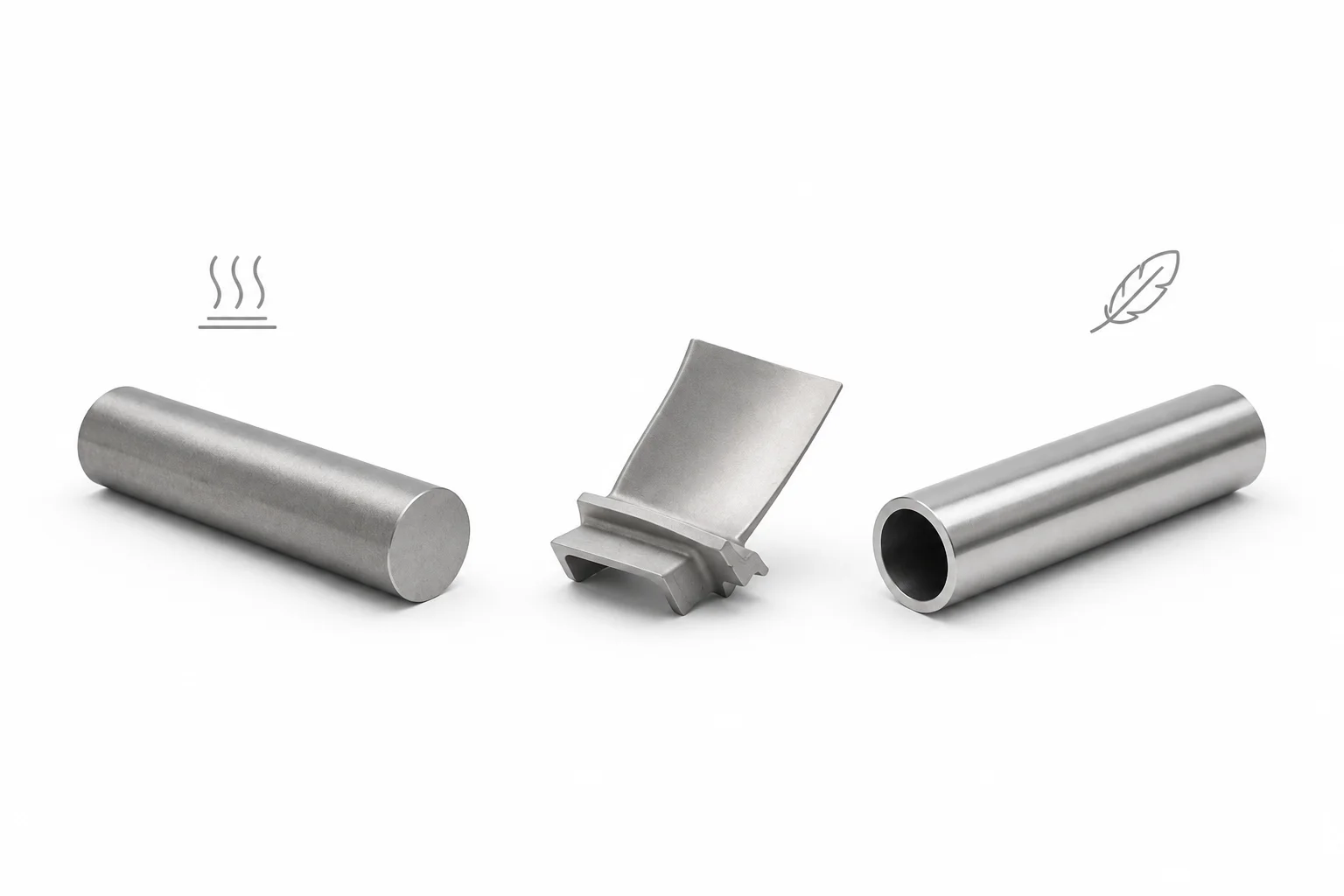
I often tell customers there is no single “best” material. There is only the right material for a specific job.
Inconel 718 is stronger for high-temperature, high-stress applications where creep, oxidation, and fatigue resistance matter. It is heavier because it is a nickel-based alloy, but its high-temperature capability makes it valuable for engine-related components.
Ti-6Al-4V is lighter and offers high specific strength. It is often better suited to structural applications where weight reduction is a major goal and the service temperature is within the alloy’s useful range. It can be a strong choice for airframe parts, fasteners, brackets, fittings, and other selected aerospace components.
Cost and manufacturability are also important. Both alloys are high-performance materials. They may require careful machining, heat treatment, inspection, and documentation. The final choice should consider not only performance, but also production feasibility, available product form, certification requirements, and lead time.
Comparative Selection Factors for Aerospace Alloys
| Factor | Inconel 718 | Ti-6Al-4V |
|---|---|---|
| Primary Strength | High-temperature strength, creep resistance, fatigue resistance | High strength-to-weight ratio and corrosion resistance |
| Typical Temperature Role | Designed for fatigue and creep resistance up to about 700°C, depending on condition and design requirement | Commonly used up to approximately 400°C |
| Weight | Denser and heavier | Lower density and lighter |
| Corrosion / Oxidation | Good oxidation and corrosion resistance at elevated temperature | Good general corrosion resistance in many environments |
| Typical Aerospace Uses | Turbine disks, compressor components, hot-section hardware, fasteners, engine-related parts | Airframe structures, fasteners, brackets, fittings, selected structural parts |
| Main Trade-Off | Higher density and difficult processing, but strong at high temperature | Lower temperature capability than nickel superalloys, but strong lightweight performance |
What Critical Steps Ensure Quality for Aerospace-Grade Alloys?
Aerospace materials require strict control because small defects, documentation gaps, or wrong material conditions may create serious project risk.
Quality assurance for Inconel 718 and Ti-6Al-4V should include material selection, controlled manufacturing, verified heat treatment, chemical and mechanical testing, non-destructive testing, heat-number traceability, MTR review, and compliance with applicable aerospace or customer standards. AS9100 is a quality management system standard for aviation, space, and defense organizations, based on ISO 9001 with additional aerospace requirements.
For aerospace applications, quality is not just about one final test. It is a full process. It begins with raw material control and continues through melting, forming, heat treatment, machining, inspection, documentation, packaging, and shipment.
For metal products, a Mill Test Report or Material Test Certificate certifies chemical and physical properties and states compliance with applicable standards. A heat number links the metal product to a specific batch or heat, supporting access to records about composition, manufacturing process, and quality assurance.
Non-destructive testing is also important. Ultrasonic testing is a non-destructive testing method that uses ultrasonic waves to detect internal flaws or characterize materials. It is used in industries including manufacturing, aerospace, automotive, metallurgy, and transportation.
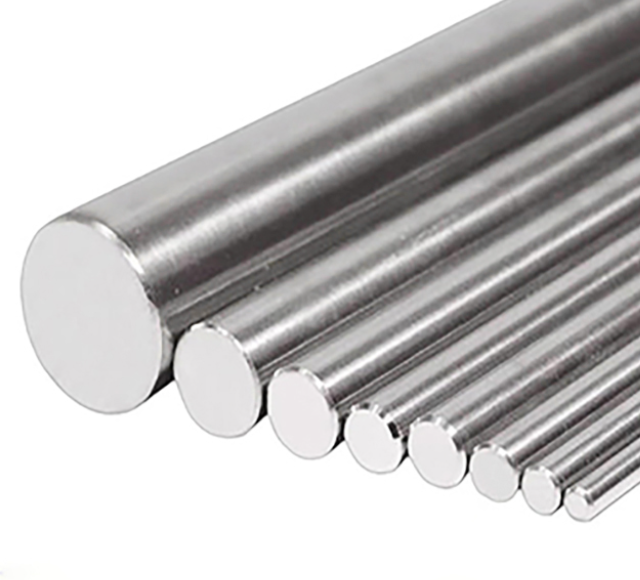
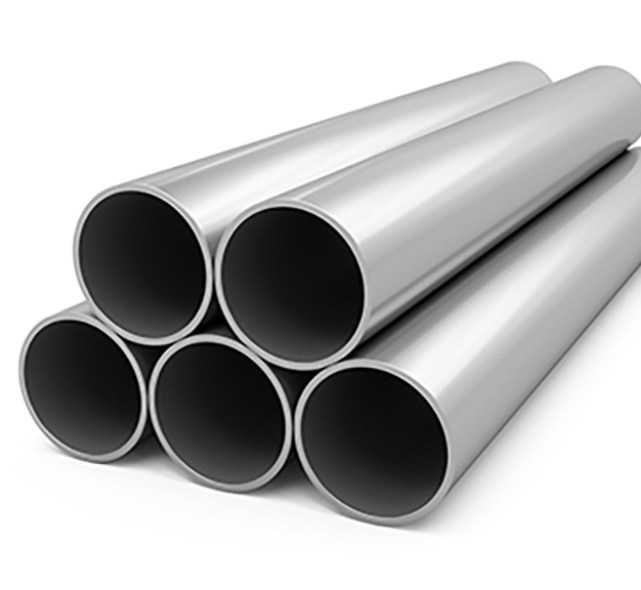
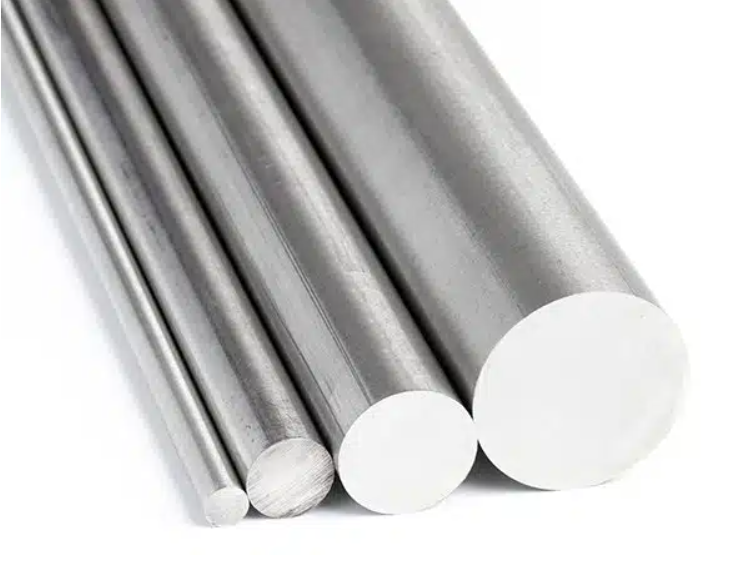
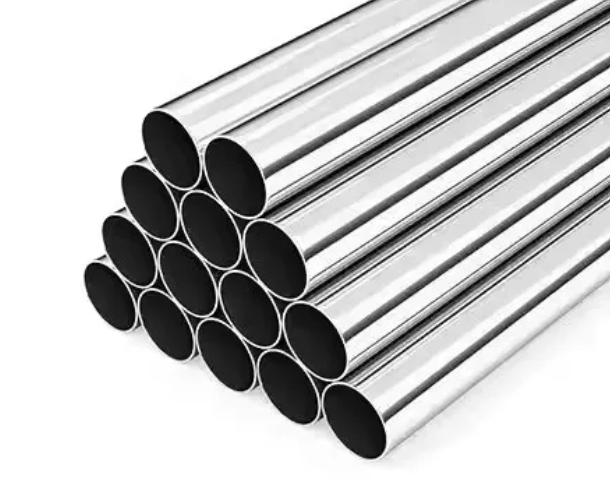
At Emily PIPE, we support customers with nickel alloy tubes, nickel alloy bars, titanium alloy tubes, and titanium alloy bars according to order requirements. For demanding projects, buyers should clearly confirm standards, inspection scope, certificate requirements, and traceability before production.
Quality Control Framework for Aerospace Alloys
| Stage | Key Actions | Purpose |
|---|---|---|
| Raw Material Procurement | Approved raw material sources, heat number control, incoming inspection | Confirm material identity and starting quality |
| Manufacturing Process | Control of forming, heat treatment, machining, straightening, and finishing | Maintain required properties and dimensional accuracy |
| Inspection and Testing | Chemical analysis, tensile test, hardness, dimensional inspection, surface inspection, UT or other NDT where required | Identify defects and verify technical requirements |
| Traceability | Heat number, MTR, product marking, packing list, inspection records | Provide material history and support audits |
| Certification | ISO 9001, AS9100 where applicable, customer-specific requirements | Support quality management and project compliance |
Important note: ISO 9001 and AS9100 are quality management system standards. They do not replace product-level testing or material certificates. Aerospace buyers should still confirm MTRs, heat treatment records, NDT reports, and customer-specific acceptance criteria.
How Does Supply Chain Reliability Impact Aerospace Projects?
Aerospace project schedules are often tight. Material delays, documentation errors, or quality disputes can stop production and create expensive schedule risk.
A reliable supply chain for Inconel 718 and Ti-6Al-4V helps reduce delivery risk, supports consistent material control, and improves schedule confidence for aerospace projects. Supply reliability should be evaluated together with material quality, documentation, traceability, packaging, and logistics.
I have seen projects slow down because material did not arrive on time or documentation was incomplete. For aerospace and aviation-related projects, missing or unclear material documentation can be just as disruptive as late delivery.
A reliable supplier should be able to explain:
- whether the material is stock or new production
- which standard and heat treatment condition applies
- what inspection and testing will be performed
- whether MTRs and heat numbers are provided
- what packaging method protects the material during shipping
- what lead time is realistic
- how delays or nonconforming products are communicated
For critical alloys like Inconel 718 and Ti-6Al-4V, supply reliability is part of project risk management. Buyers should not only ask for price. They should review supplier capability, quality process, traceability, documentation, and communication.
Elements of a Reliable Aerospace Alloy Supply Chain
| Aspect | Benefit for Aerospace Projects |
|---|---|
| Stable Sourcing | Supports consistent material quality and availability. |
| Inventory and Production Planning | Helps manage lead time and urgent requirements. |
| Quality Documentation | Supports audits, acceptance, and engineering review. |
| Efficient Logistics | Helps materials arrive safely and on schedule. |
| Clear Communication | Reduces uncertainty when production or shipping issues occur. |
| Customization Support | Helps meet unique specifications, drawings, and project requirements. |
Conclusion
Inconel 718 and Ti-6Al-4V are both important aerospace materials, but they solve different problems. Inconel 718 is mainly valued for high-temperature strength, fatigue resistance, creep resistance, and oxidation resistance in demanding engine-related applications. Ti-6Al-4V is valued for high specific strength, low density, and corrosion resistance in lightweight aerospace structures.
Choosing between them requires a detailed review of operating temperature, mechanical stress, weight target, fatigue risk, corrosion environment, manufacturing route, certification, inspection, and supply reliability.
At Emily PIPE, we help customers source nickel alloy tubes, nickel alloy bars, titanium alloy tubes, and titanium alloy bars according to drawings, standards, inspection requirements, and application environments. For demanding aerospace-related projects, the safest approach is to define the material, standard, testing, traceability, and delivery requirements before production begins.