
How Should You Select Nickel Alloys for Chemical Reactors?
Choosing materials for chemical reactors can feel like walking a tightrope. A poor material choice may lead to corrosion, leakage, contamination, maintenance cost, or production shutdowns. Buyers often struggle because chemical reactor materials must be evaluated against real process conditions, not just price or a familiar alloy name.
Selecting the right material for a chemical reactor involves balancing chemical compatibility, corrosion resistance, strength, thermal stability, safety, and cost. There is no universal “best” nickel alloy for every reactor. The right choice depends on the reactor’s chemicals, concentration, temperature, pressure, flow condition, contaminants, corrosion mechanism, fabrication method, and required standards.
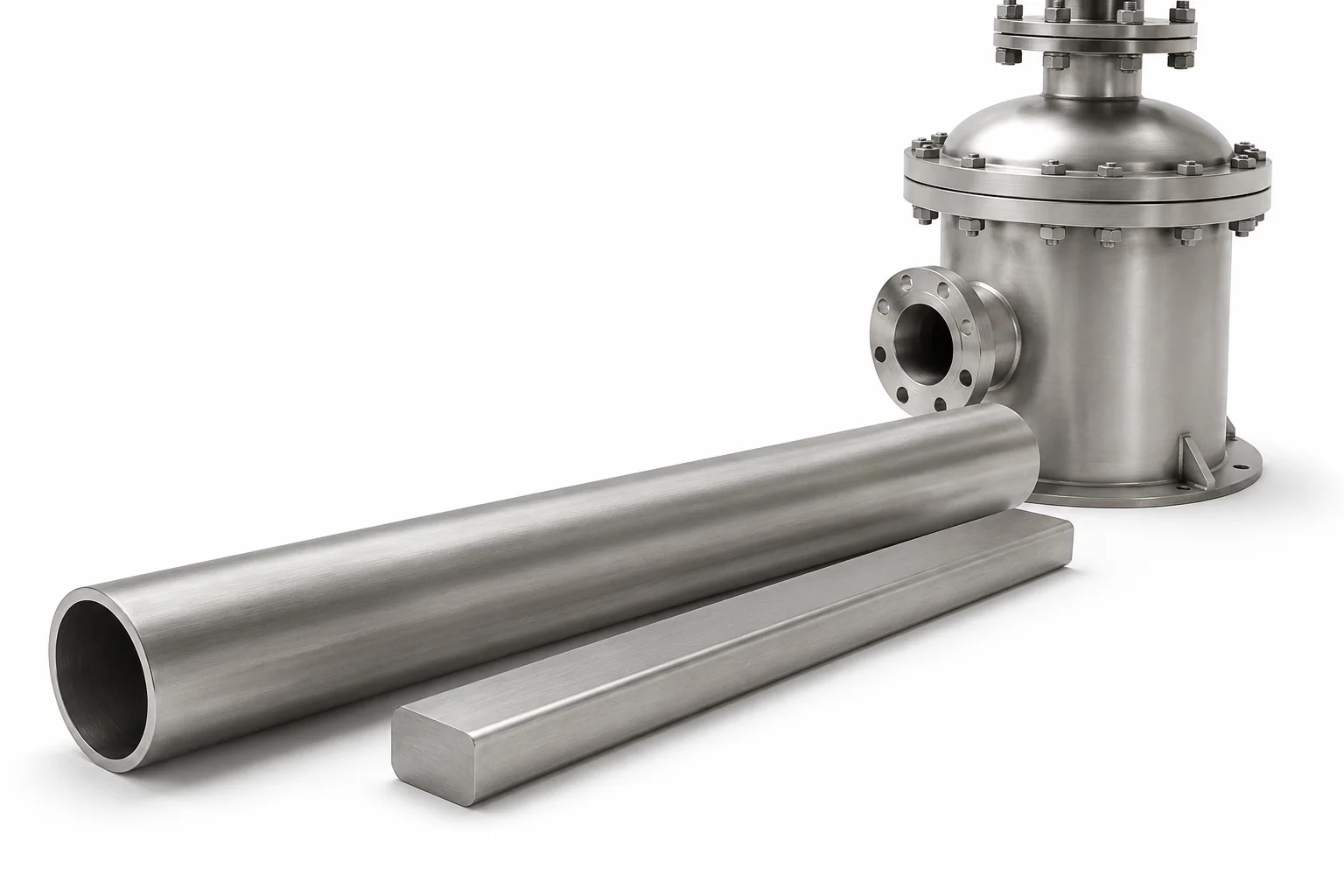
Through our twenty years of experience supplying high-performance alloys for demanding industrial applications, I have seen how critical material selection is for chemical reactors. A good decision must connect the chemical environment, mechanical design, operating temperature, pressure, corrosion risk, quality documentation, and supplier reliability.
Why Is Corrosion Resistance So Vital for Reactor Alloys?
Imagine your chemical reactor processing aggressive media every day. If the material cannot withstand chemical attack, the result may be leakage, contamination, frequent maintenance, or unexpected downtime. Many buyers learn this the hard way when they select materials based mainly on price.
Corrosion resistance is vital for reactor alloys because it supports operational safety, product purity, and long-term equipment integrity. For pressure-containing equipment, material selection depends on factors such as pressure rating, service temperature, contents, working environment, corrosion resistance, ductility, weldability, cost, availability, maintenance, and inspection.
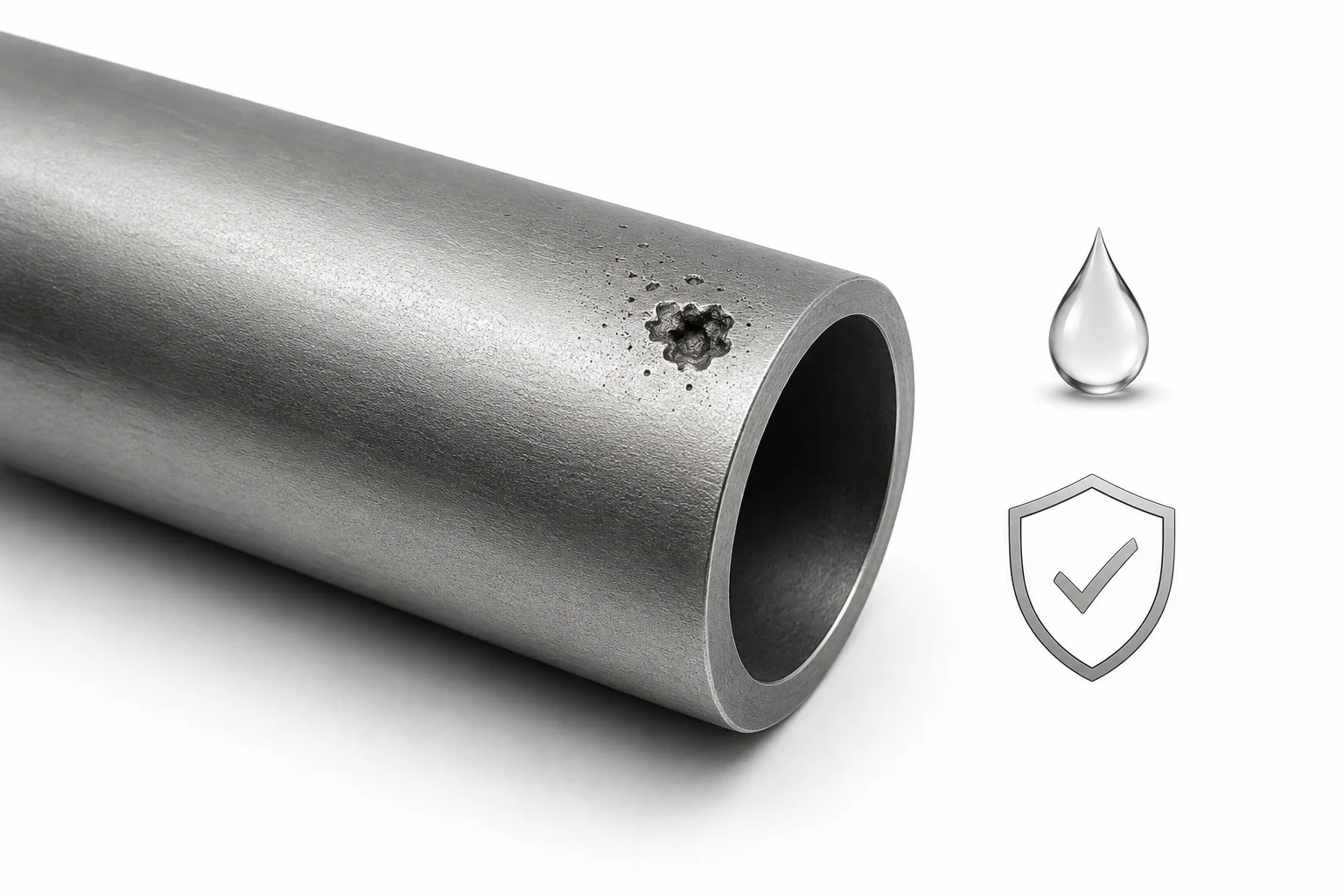
When we discuss reactor materials with customers, the first thing we review is the corrosive medium. It is not enough to say “acidic” or “alkaline.” The actual risk depends on chemical type, concentration, temperature, pressure, oxygen content, chloride level, impurities, flow velocity, stagnant zones, and cleaning conditions.
For example, pitting and crevice corrosion are highly localized forms of corrosion. Crevice corrosion can occur in shielded or stagnant spaces such as gasket areas, deposits, seams, and tight gaps. The chemistry inside a crevice can become very different from the bulk fluid, which is why reactor design and cleanliness matter as much as alloy grade.
In applications involving high chloride levels, acids, oxidizing/reducing media, or mixed chemicals, engineers should review corrosion data and not rely on a generic recommendation. An alloy that performs well in one reactor environment may not work in another if temperature, aeration, concentration, or contaminants change.
Key Corrosion Questions for Reactor Alloy Selection
- What chemicals are present, including minor impurities?
- What are the concentrations and pH values?
- Is the environment oxidizing or reducing?
- Are chlorides, fluorides, sulfur compounds, or H2S present?
- What are the operating and design temperatures?
- Is the reactor under pressure or vacuum?
- Are there stagnant zones, crevices, deposits, or dead legs?
- Will the equipment experience cleaning cycles, shutdowns, or process upsets?
- Is welding, forming, machining, or post-weld treatment required?
This detailed review helps narrow down the right alloy family and avoid both under-specification and unnecessary over-specification.
How Do Inconel Alloys Handle High-Temperature and Pressure in Reactors?
High temperature and pressure create serious material challenges. Some materials may lose strength, deform, oxidize, or become more vulnerable to corrosion under such conditions.
Inconel alloys are nickel-chromium superalloys often used in extreme environments where components face high temperature, pressure, mechanical load, oxidation, or corrosion. However, each Inconel grade has a different chemistry and application range, so the final selection must be based on actual reactor conditions and applicable standards.
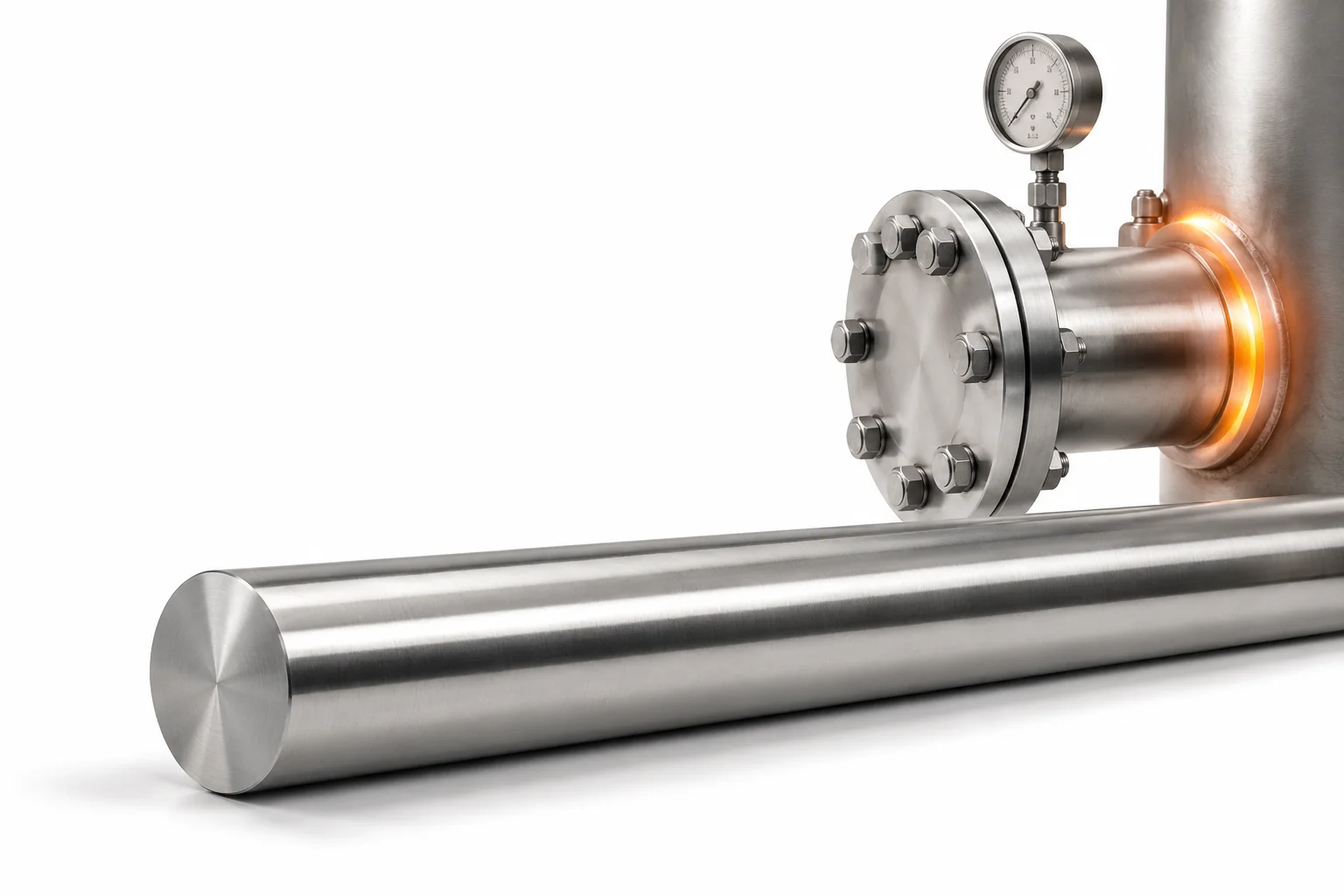
From our perspective working with industrial buyers, Inconel alloys are often reviewed when elevated temperature, oxidation resistance, pressure, and corrosion resistance are important. But it is not enough to simply specify “Inconel.” Buyers should confirm the exact grade, UNS number, product form, heat treatment condition, and standard.
For example, Inconel 625 is a nickel-based superalloy containing nickel, chromium, molybdenum, and niobium/tantalum. It is known for strength, elevated-temperature resistance, corrosion resistance, and oxidation resistance. Its applications include chemical processing, marine, nuclear, pumps, valves, and high-pressure equipment.
Inconel 600 and related nickel-chromium-iron alloys may be considered for corrosion-resistant and heat-resistant service. ASTM B167 covers several nickel-chromium-iron and related alloys in seamless pipe and tube form for general corrosion-resistant and heat-resistant applications. The standard requires chemical composition conformance and tests such as chemical analysis, tension testing, and hydrostatic or nondestructive electric testing.
Common Inconel Selection Considerations
| Alloy Family | Why It May Be Considered | Selection Caution |
|---|---|---|
| Inconel 600 / UNS N06600 | Nickel-chromium-iron alloy used in corrosion-resistant and heat-resistant applications | Review chloride SCC risk, temperature, media, and applicable standard |
| Inconel 625 / UNS N06625 | Broad corrosion resistance, pitting/crevice corrosion resistance, strength, oxidation resistance | Not automatically suitable for every strong oxidizing acid; review corrosion data |
| Incoloy / Alloy 825 / UNS N08825 | Nickel-iron-chromium-molybdenum-copper alloy often reviewed for acid and chloride-containing environments | Confirm actual acid type, concentration, temperature, and pressure design |
For product standards, buyers may refer to applicable ASTM specifications. For example, ASTM B167 covers seamless pipe and tube for certain nickel-chromium-iron and related alloys. ASTM B168 covers rolled plates, sheets, and strips of nickel-chromium-iron and related alloys and includes dimensional, mechanical, chemical composition, and grain size requirements.
When Should Hastelloy-Type Alloys Be Considered for Aggressive Chemical Environments?
Some chemical reactor environments are too aggressive for stainless steels or general-purpose alloys. In these cases, engineers often review nickel-chromium-molybdenum alloys, commonly known by trade names such as Hastelloy.
Hastelloy-type nickel-chromium-molybdenum alloys are often considered when severe corrosion resistance is required, especially in complex chemical media involving acids, chlorides, oxidizing/reducing conditions, or localized corrosion risks. However, no alloy should be called “the best” without checking the exact chemical environment, temperature, concentration, aeration, impurities, and fabrication requirements.
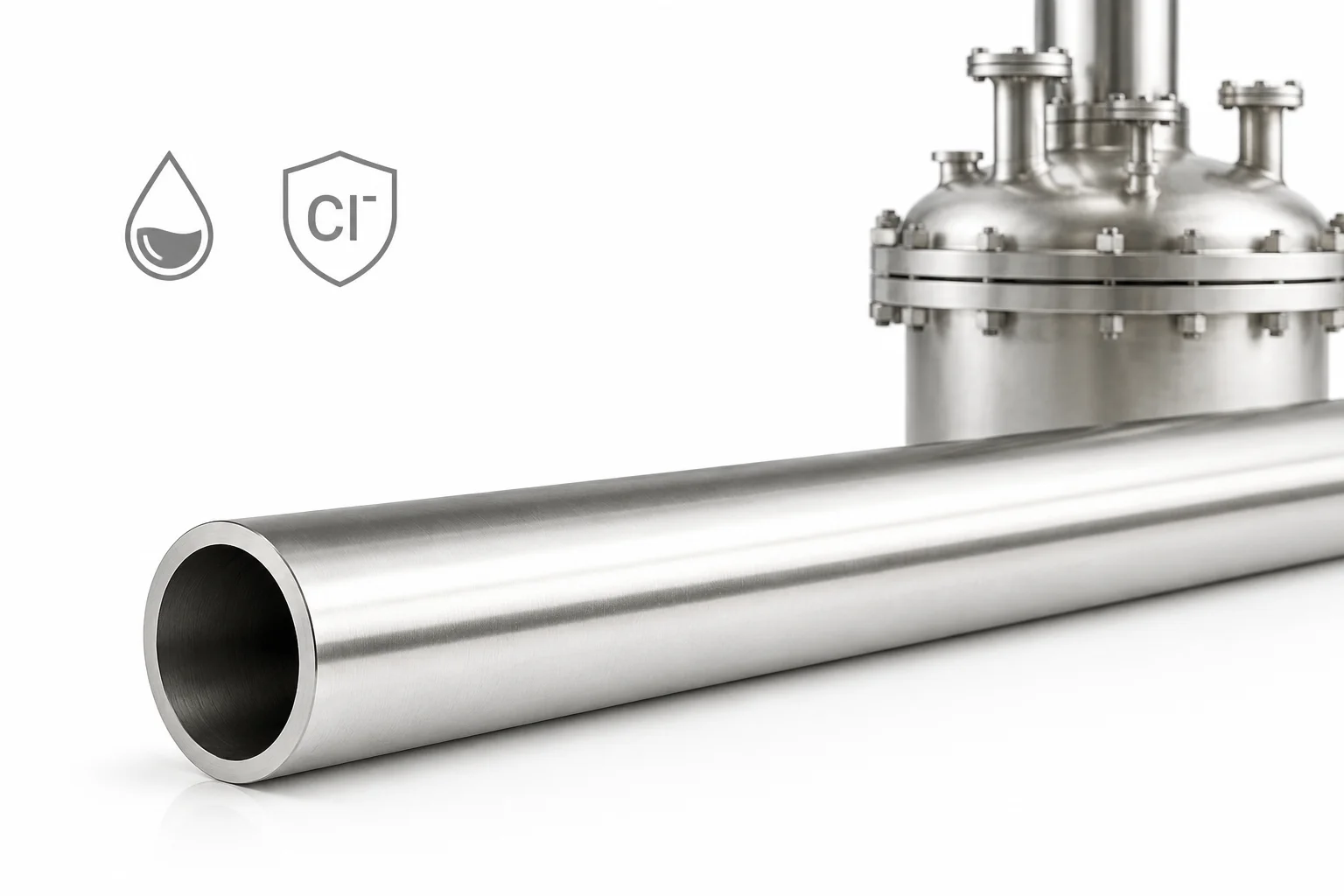
In my experience, when customers describe truly aggressive chemical reactor environments, nickel-chromium-molybdenum alloys often come into the discussion. But the selection should be based on evidence, not only reputation.
For example, ASTM B575 covers plate, sheet, and strip of low-carbon nickel-chromium-molybdenum alloys such as UNS N10276 and UNS N06022 for use in general corrosive service. It also specifies requirements for chemical composition, tensile properties, hardness, grain size, and dimensions. This supports the idea that these alloy families are used for corrosive service, but the standard itself does not replace application-specific corrosion review.
For pipe and tube products, ASTM B622 covers seamless pipe and tube of nickel and nickel-cobalt alloys, including grades such as UNS N10276 and UNS N06022. It requires measurement of mechanical properties such as tensile strength, yield strength, and elongation, and tests such as tension, hydrostatic, nondestructive electric testing, mass/weight calculation, and chemical composition determination.
When to Review Hastelloy-Type Alloys
| Reactor Condition | Why Nickel-Chromium-Molybdenum Alloys May Be Reviewed |
|---|---|
| Mixed acid environments | Need broad corrosion resistance rather than single-media resistance |
| Chloride-containing acidic media | Need resistance to localized corrosion such as pitting and crevice corrosion |
| Oxidizing and reducing condition changes | Need alloy stability across changing redox conditions |
| Critical uptime requirements | Higher material cost may be justified if downtime risk is severe |
| Welded reactor components | Need review of weld metal, HAZ, and post-weld corrosion behavior |
Important note: claims such as “C-276 is best” or “C-22 is always superior” should be avoided unless supported by corrosion data for the exact service medium. The safest approach is to compare corrosion tables, laboratory test results, field experience, and applicable standards before final selection.
What Makes Monel Suitable for Specific Corrosive Reactor Applications?
Some reactor environments do not require the most expensive corrosion-resistant alloy. In selected reducing or marine-related services, nickel-copper alloys such as Monel 400 may be reviewed.
Monel is a nickel-copper alloy family known for resistance to corrosion by many aggressive agents, including rapidly flowing seawater. Monel-type alloys can be suitable in selected corrosive environments, but their performance depends strongly on the exact chemical medium, concentration, temperature, aeration, and oxidizing/reducing condition.
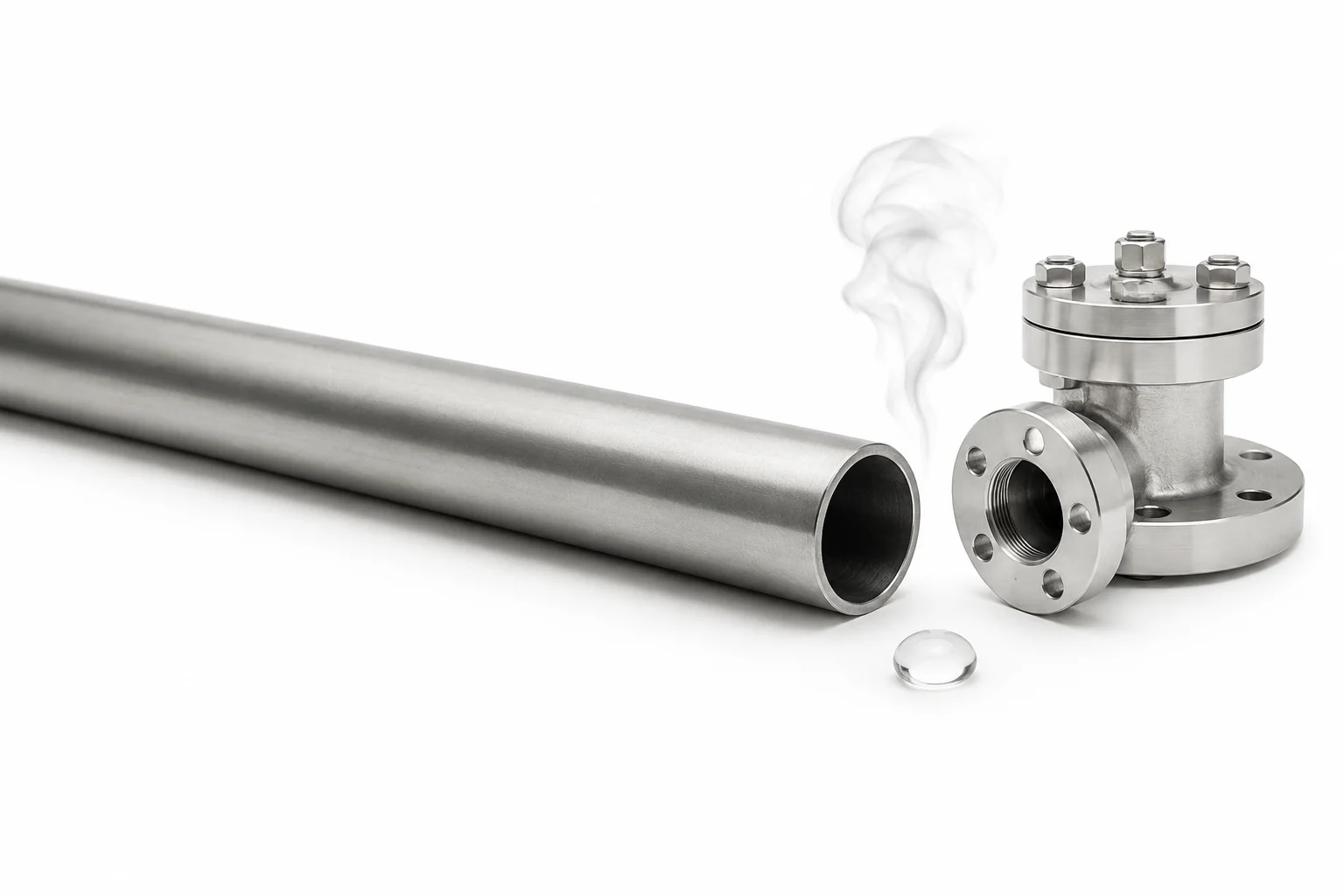
Based on our discussions with engineering companies and project contractors, Monel alloys—especially Monel 400 / UNS N04400—can fill a valuable niche in chemical processing applications. It is not a universal corrosion solution, but it may be practical where its nickel-copper chemistry fits the service environment.
For example, Monel 400 is often reviewed in seawater, steam, salt, alkali, and selected reducing acid environments. However, buyers should be careful with broad claims. Service in hydrofluoric acid, sulfuric acid, caustic solutions, or mixed acid environments depends on concentration, temperature, aeration, impurities, velocity, and mechanical stress.
ASTM B165 covers nickel-copper alloy UNS N04400 in the form of cold-worked seamless pipe and tube. It requires composition limits and tests such as tension test, hydrostatic test, and nondestructive electric test. This makes it a useful standard reference for buyers who need Monel 400 seamless pipe or tube.
Monel Selection Considerations
| Alloy | Why It May Be Considered | Selection Caution |
|---|---|---|
| Monel 400 / UNS N04400 | Nickel-copper alloy for selected seawater, alkali, steam, and reducing environments | Not suitable for all oxidizing acid conditions; review exact media |
| Monel K-500 / UNS N05500 | Age-hardenable nickel-copper alloy with higher strength than Monel 400 | Check corrosion environment, heat treatment, and mechanical requirements |
Monel should be selected for its specific strengths, not because it is cheaper or more familiar. A precise understanding of the operating environment is essential.
How Do We Effectively Assess Supplier Claims for Reactor Materials?
When sourcing critical nickel alloys for chemical reactors, buyers may hear many claims about “high quality,” “excellent corrosion resistance,” or “complete certification.” These claims should be verified, not accepted at face value.
To assess supplier claims for reactor materials, buyers should verify compliance against international standards, request Material Test Certificates, check heat-number traceability, review inspection reports, and confirm whether the supplier understands the actual reactor environment. Objective documents are more reliable than general marketing claims.
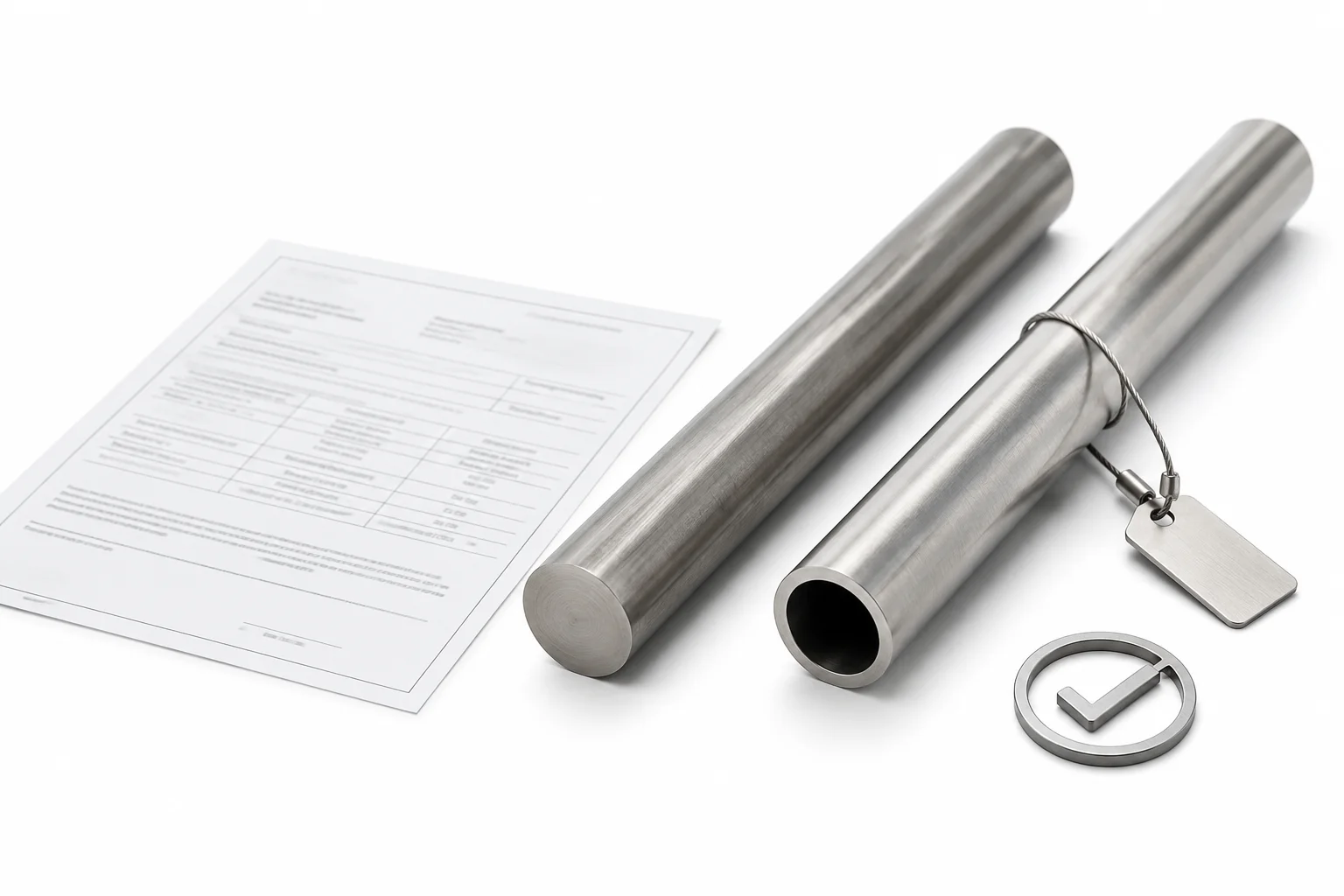
In my experience helping customers procure high-performance alloys, assessing supplier claims is essential. It is not enough for a supplier to say the material is “good quality.” Buyers should ask for documents that prove material identity, chemistry, mechanical properties, testing, and standard compliance.
A Mill Test Report or Material Test Certificate certifies a metal product’s chemical and physical properties and states that the product complies with specified standards. A heat number links a metal product to a specific batch or heat, allowing access to records about composition, manufacturing process, and quality assurance.
Quality management systems are also important, but they should be understood correctly. ISO 9001 is part of the ISO 9000 family of quality management system standards. ISO 9001 supports process management and continual improvement, but it does not by itself certify the performance of each individual pipe, tube, bar, plate, or reactor component.
Supplier Verification Checklist
| Verification Area | What to Ask For | Why It Matters |
|---|---|---|
| Material Identity | Grade, UNS number, product form, standard | Confirms the material is what was ordered |
| Chemical Composition | MTC, chemical analysis, PMI if required | Confirms alloy chemistry matches the specification |
| Mechanical Properties | Tensile strength, yield strength, elongation, hardness | Confirms mechanical requirements |
| Heat Treatment | Heat treatment condition and records if required | Confirms final material condition |
| Inspection | UT, ET, hydrostatic test, dimensional inspection, surface inspection | Helps detect defects and confirm conformity |
| Traceability | Heat number, batch number, product marking, packing list | Connects documents to the delivered material |
| Standards | ASTM, ASME, EN, ISO, NACE/ISO 15156 where applicable | Confirms compliance framework |
| Application Understanding | Questions about media, temperature, pressure, pH, chlorides, flow, and contaminants | Shows whether the supplier can support correct material selection |
For reactor materials, a reliable supplier should be able to explain not only what material they can supply, but why that material fits the service environment and how its quality will be verified.
Conclusion
Choosing the right nickel alloy for a chemical reactor requires careful review of corrosion resistance, temperature, pressure, mechanical strength, fabrication, inspection, documentation, and supplier reliability.
There is no single perfect alloy for every reactor. Inconel, Hastelloy-type alloys, Monel, stainless steels, titanium alloys, and other materials all have specific roles depending on the chemical environment and operating conditions.
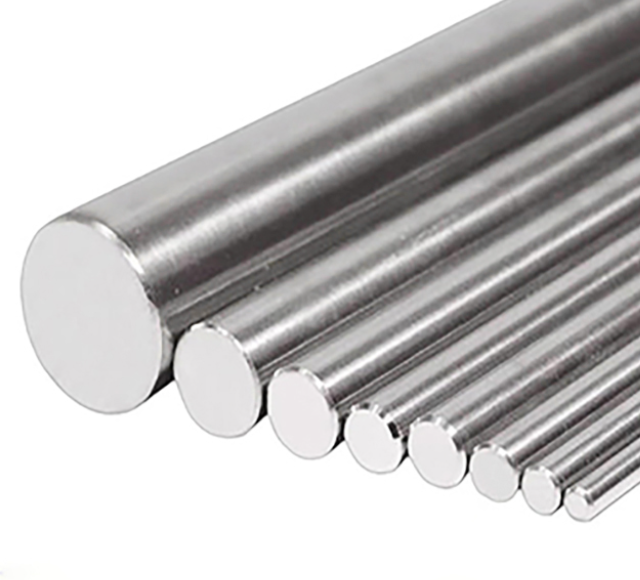
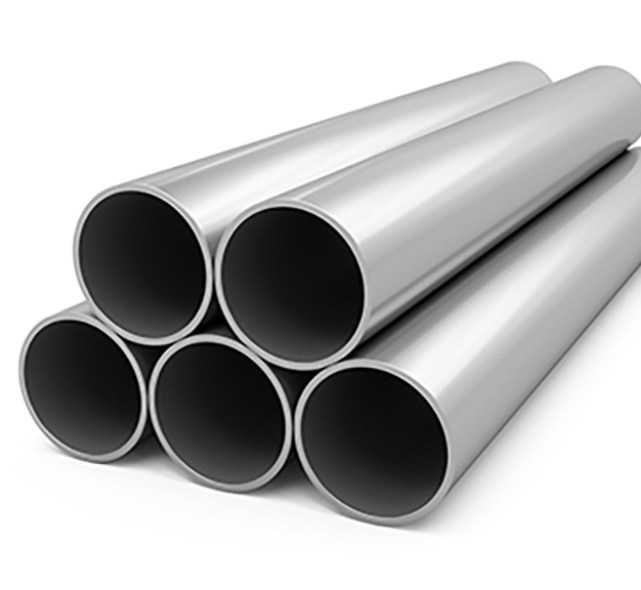
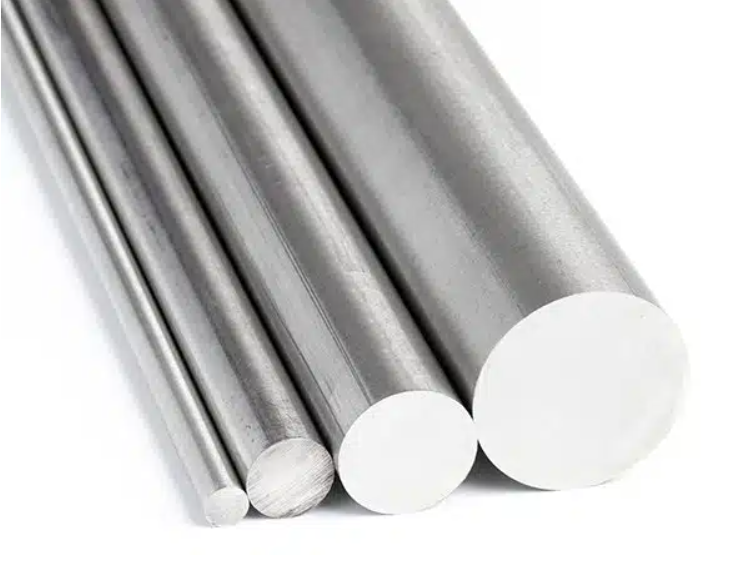
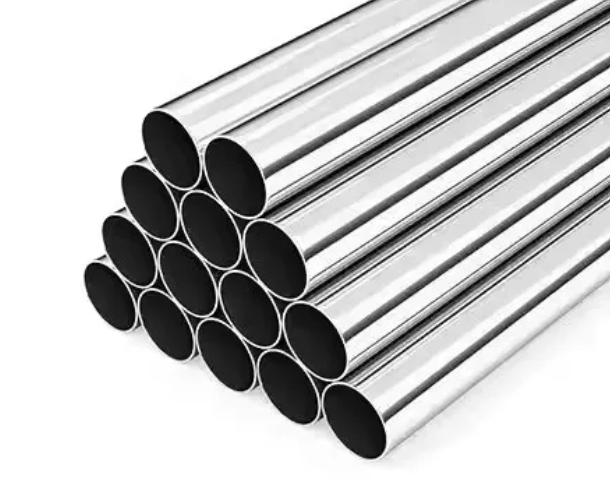
At Emily PIPE, we help industrial buyers review material grade, product form, standard, testing, traceability, and delivery requirements for nickel alloy tubes, nickel alloy bars, titanium alloy tubes, and titanium alloy bars. The safest approach is to define the reactor environment clearly before confirming the material.