
How to Choose Nickel and Titanium Alloys for Automobile Manufacturing?
Are you struggling to choose the right alloy for your automotive applications? Many engineers and buyers face this challenge because automotive parts must balance strength, corrosion resistance, high-temperature performance, fatigue resistance, weight, manufacturability, cost, and supply reliability.
Choosing the right nickel or titanium alloy for automotive parts involves assessing application requirements and material performance, rather than searching for one universally “best” material. The better approach is to match corrosion resistance, high-temperature strength, fatigue resistance, weight, formability, quality control, and supply traceability to the actual component and service environment.
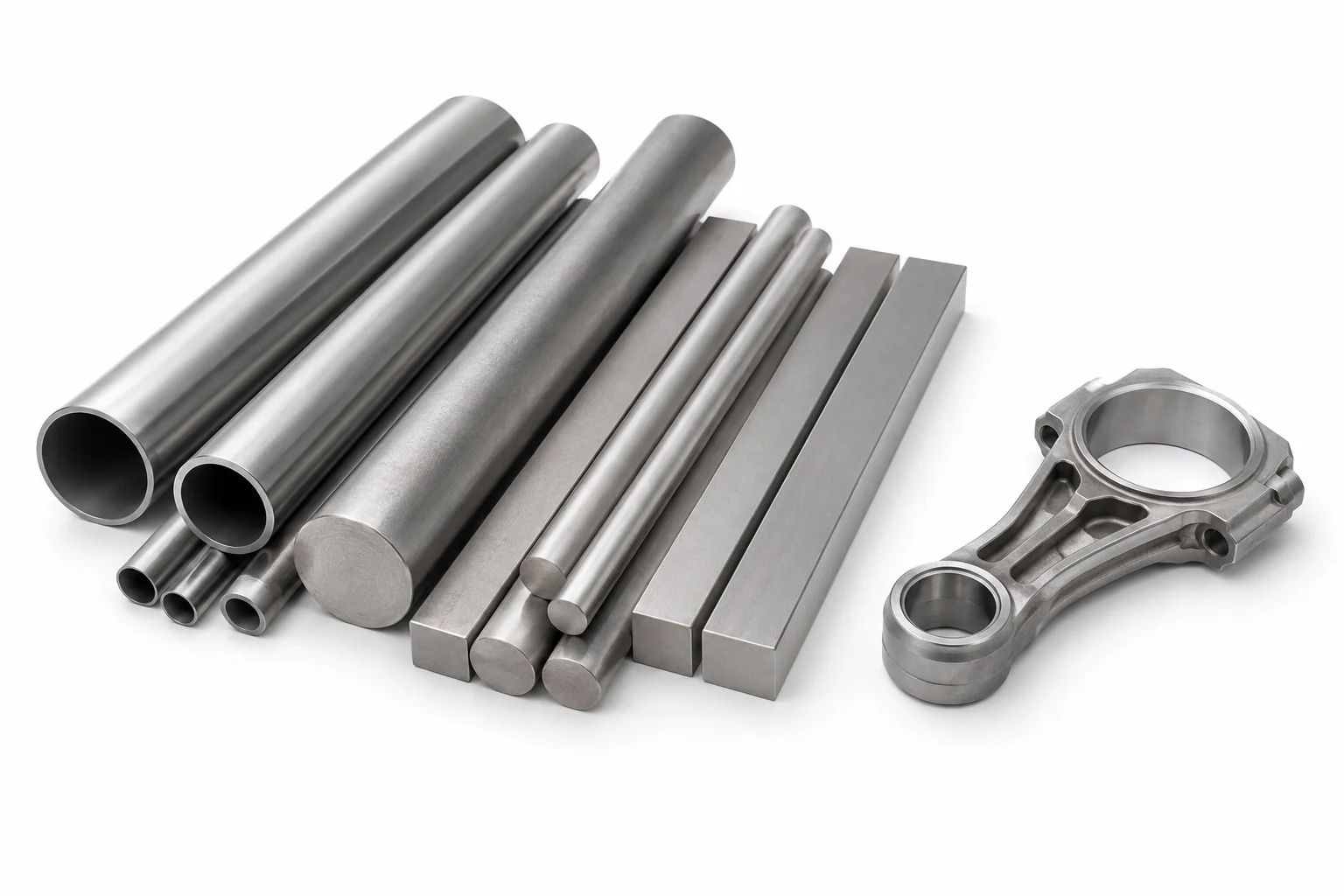
From our vantage point as a specialized manufacturer, we have seen many questions from industrial buyers and engineers. They often want to know which material is simply “the best.” But the real answer is always more complex. It depends on the function, environment, loading condition, manufacturing route, inspection requirements, and long-term reliability target of each automotive part.
Why Can't We Just Pick the "Best" Alloy for Automotive Parts?
Do you find yourself searching for the single “best” alloy, hoping for a simple answer to complex material needs? This common approach often leads to overlooking the details that define real-world performance.
There is no single “best” nickel or titanium alloy for all automotive applications because material suitability depends on the component’s function, operating environment, mechanical stress, temperature exposure, corrosion risk, weight target, manufacturing method, and cost-effectiveness. Material selection is a suitability assessment, not a ranking contest.
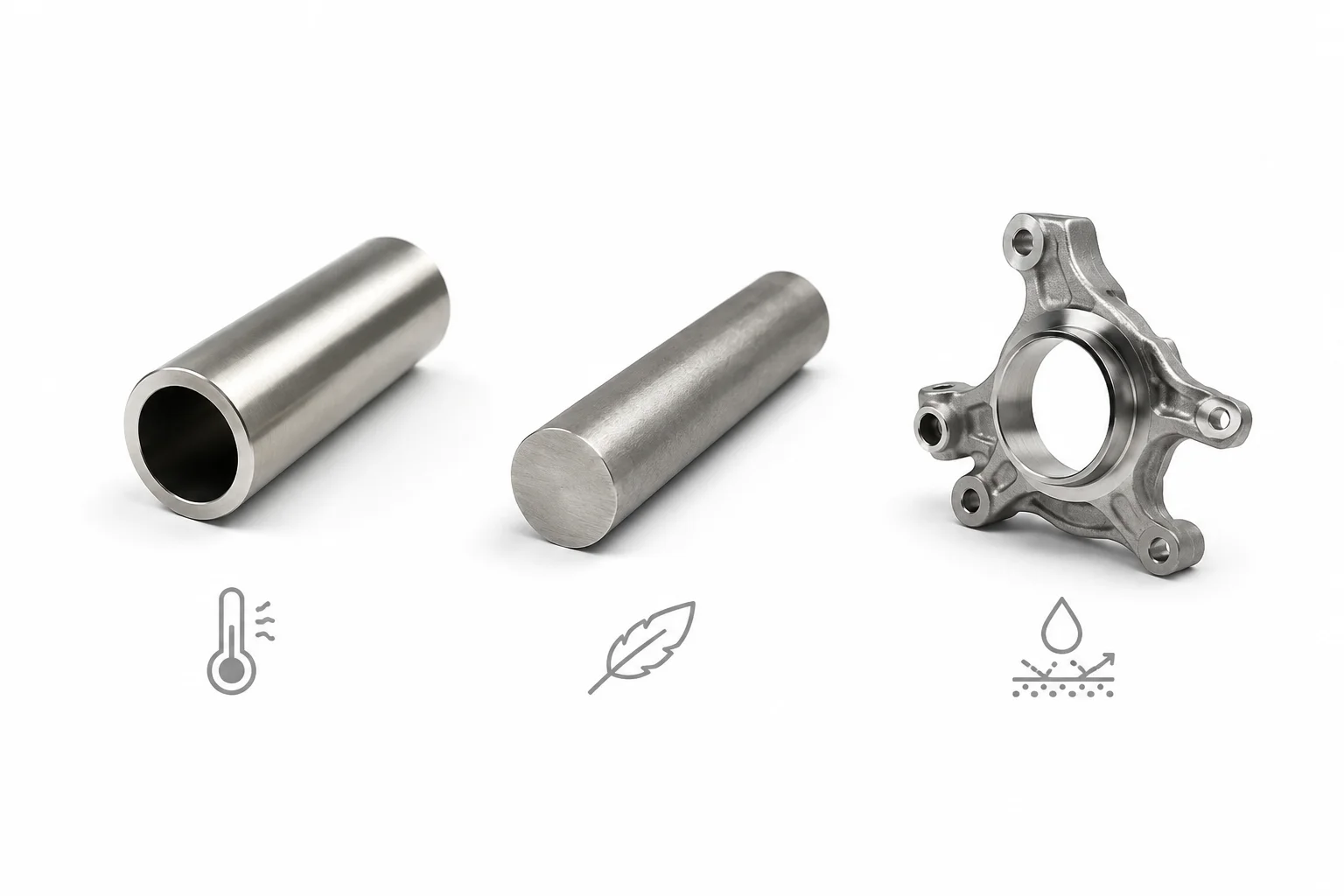
I often hear from customers who start their material search with a general idea, such as “I need a high-temperature alloy for an exhaust system.” This gives us a starting point, but it only scratches the surface.
A real automotive application may involve several conditions at the same time. For example, an exhaust system may face high temperature, thermal cycling, vibration, oxidation, corrosive gases, and installation constraints. A generic “high-temperature alloy” may resist heat, but buyers still need to ask whether it has enough fatigue resistance, oxidation resistance, manufacturability, and cost suitability for the actual part.
Nickel-based alloys such as the Inconel family are known for resistance to high temperature, pressure, mechanical loads, oxidation, and corrosion. Inconel alloys are also used in some turbocharger and exhaust system applications. However, the exact alloy grade should still be selected according to the real operating temperature, stress, environment, and fabrication method.
Titanium alloys such as Ti-6Al-4V may be considered when high strength-to-weight ratio and corrosion resistance are important. However, titanium is not automatically the best solution for every automotive part because cost, forming, joining, fatigue, wear, and operating temperature also matter.
| Material Property | Relevance in Automotive Application | Why It Matters |
|---|---|---|
| Corrosion Resistance | Exhaust systems, fuel lines, braking systems, battery-related structures, exposed fasteners | Helps reduce degradation from road salt, moisture, exhaust condensate, fuel, brake fluid, or other service media. |
| High-Temperature Strength | Engine components, turbochargers, exhaust manifolds, sensors, heat shields | Helps maintain mechanical integrity under elevated temperature and thermal cycling. |
| Fatigue Resistance | Suspension components, engine mounts, connecting rods, driveshafts, brackets | Helps resist cracking under repeated stress cycles from vibration and road loading. |
| Lightweight Performance | Chassis, body structures, suspension, wheels, high-performance parts | Helps reduce mass where weight reduction is valuable. |
| Wear Resistance | Gearboxes, braking surfaces, bearings, valve seats, moving contact surfaces | Helps reduce material loss under friction, abrasion, or contact stress. |
How Do Environmental Stressors Affect Alloy Performance in Vehicles?
Are you overlooking how harsh environmental factors can affect your chosen automotive materials? Simply picking a strong alloy is not enough when the component faces road salt, heat, vibration, moisture, and repeated loading.
Environmental stressors such as road salt corrosion, exhaust gas exposure, high temperature, thermal cycling, vibration, wear, and fatigue can reduce material performance in vehicles. This makes it important to select materials based on the specific service environment, not only nominal strength or alloy name.
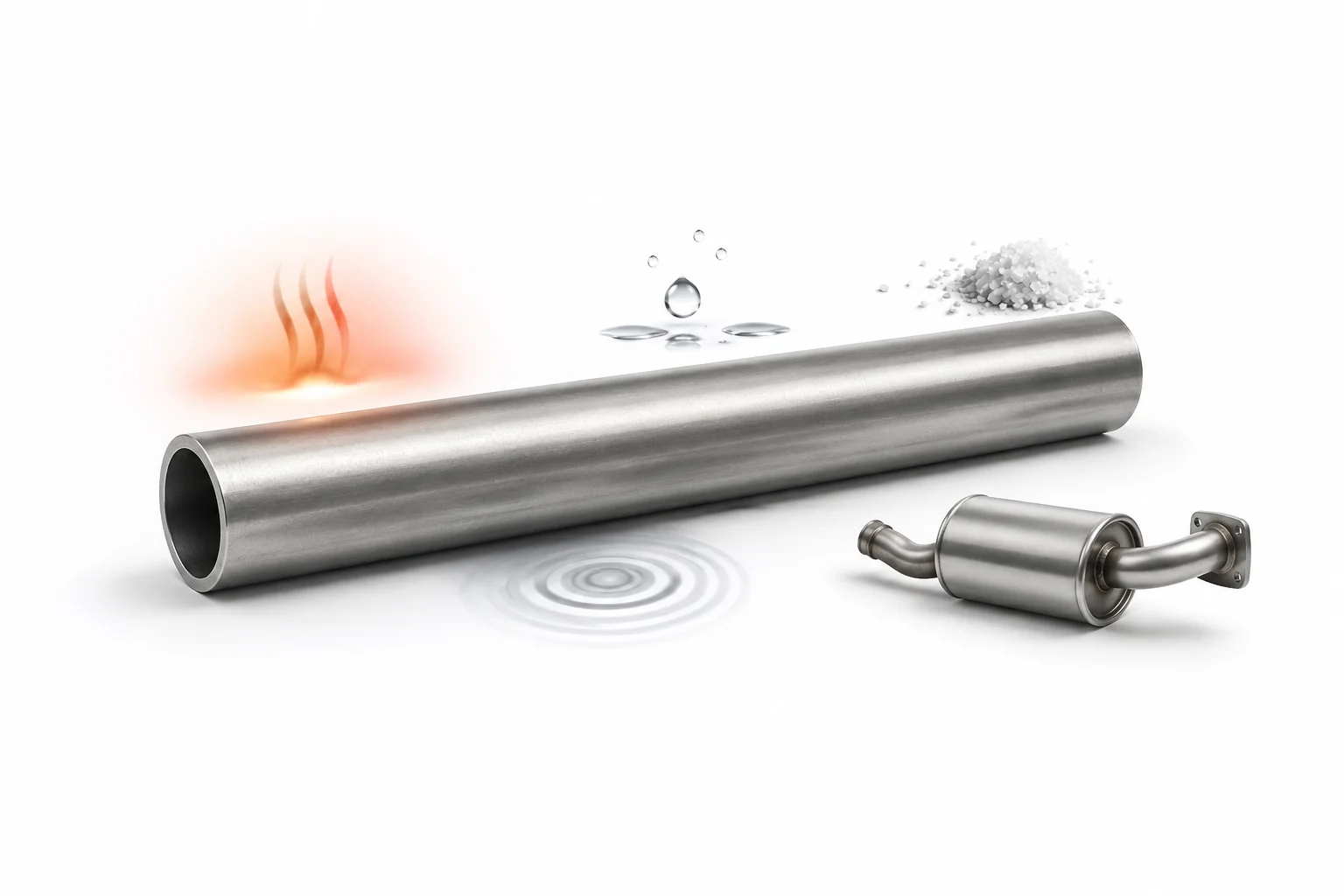
When we talk to automotive engineers, one of the first things we review is the operating environment of the specific component. It is not enough to know that it is a “car part.”
Key questions include:
- Is the part exposed to road salt or de-icing chemicals?
- Is it close to the engine, exhaust manifold, or turbocharger?
- Does it experience repeated vibration or load cycles?
- Is it exposed to fuel, coolant, brake fluid, exhaust condensate, or battery-related chemicals?
- Does it require welding, bending, machining, or surface treatment?
- What failure mode is most important to avoid: corrosion, fatigue, creep, wear, cracking, or deformation?
Road de-icing salts are widely used in winter service, and salt can accelerate metal corrosion. This is why corrosion resistance matters for exposed automotive parts, especially in regions with winter road salt use.
High-temperature automotive environments also require careful material selection. Thermal barrier coatings are used in automotive exhaust heat management to reduce heat loss and protect exhaust-related components, showing how important heat control can be in engine and exhaust systems.
Vibration and repeated stress are another concern. Fretting can occur where loaded surfaces experience small oscillatory movements, and it can reduce fatigue strength. This supports the point that automotive parts should be evaluated for both static strength and repeated loading conditions.
Nickel alloys, titanium alloys, stainless steels, aluminum alloys, and other materials may all have a role in automobile manufacturing. The correct choice depends on which stressor dominates the application.
Why Is Supply Chain Reliability as Important as Material Strength for Car Parts?
Are you focused only on alloy properties, while forgetting the importance of the material’s journey to your production line? A material’s intrinsic strength means little if it arrives late, lacks documentation, or cannot be traced back to its production batch.
For automotive manufacturing, supply chain reliability, material traceability, and quality management are critical because they support consistent quality, reduce production risk, and help with audits, quality investigations, and compliance requirements. These factors do not replace material strength, but they are essential to making sure the specified material is actually delivered and controlled.
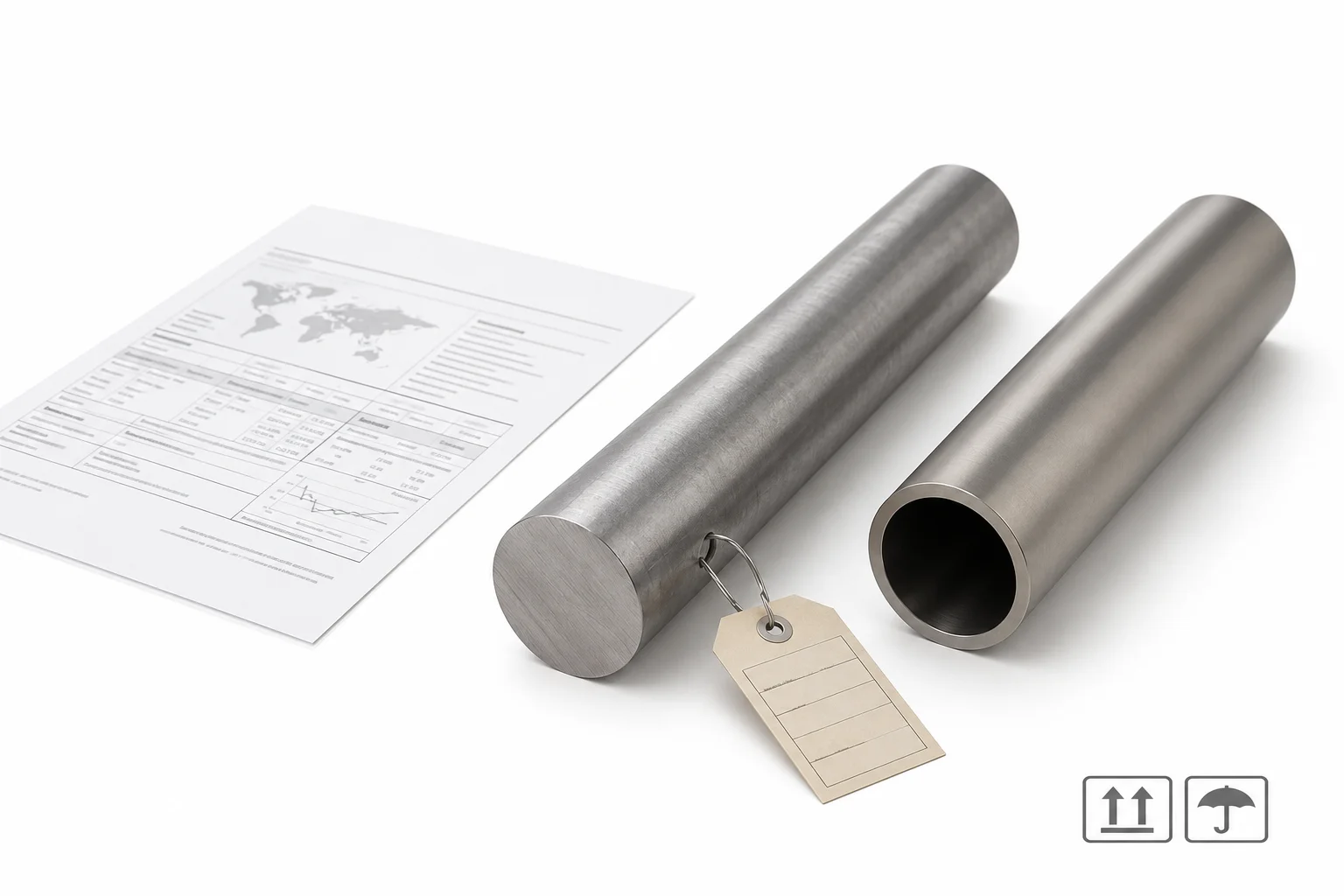
Over my years in this business, I have seen how critical the supply chain is, especially for demanding industrial sectors. A material may meet the nominal grade, but if it lacks the required certificates, heat number traceability, inspection records, or delivery reliability, it may still create problems for the buyer.
For automotive applications, quality management systems are especially important. IATF 16949 is a widely adopted automotive quality management system standard. It emphasizes continual improvement, defect prevention, and reduction of variation and waste in the automotive supply chain and assembly process.
ISO 9001 supports quality management systems for design, development, and delivery of products or services. It does not certify one individual material batch by itself, but it supports process control and continual improvement.
AS9100 is a quality management system standard for aviation, space, and defense organizations. It is not a normal automotive requirement, but it may be relevant when automotive projects overlap with aerospace-level quality expectations or when a buyer specifically requires it.
Material documentation is also critical. A Mill Test Report or Material Test Certificate certifies a metal product’s chemical and physical properties and states compliance with applicable standards. A heat number links the metal product to a specific batch or heat, allowing access to records about composition, manufacturing process, and quality assurance.
For automotive buyers, this means the supplier should be able to connect the physical material with the MTC, heat number, inspection records, packing list, and delivery documents.
What Key Questions Should You Ask Before Selecting an Alloy Supplier?
Are you struggling to evaluate alloy suppliers beyond comparing price lists? Choosing the right partner requires deeper questions about quality, traceability, technical capability, and delivery reliability.
Before selecting an alloy supplier, ask about their quality certifications, material traceability protocols, inspection capability, technical support, experience with similar applications, and capacity for consistent delivery. A reliable supplier should help you reduce technical and supply risk, not only quote a material price.
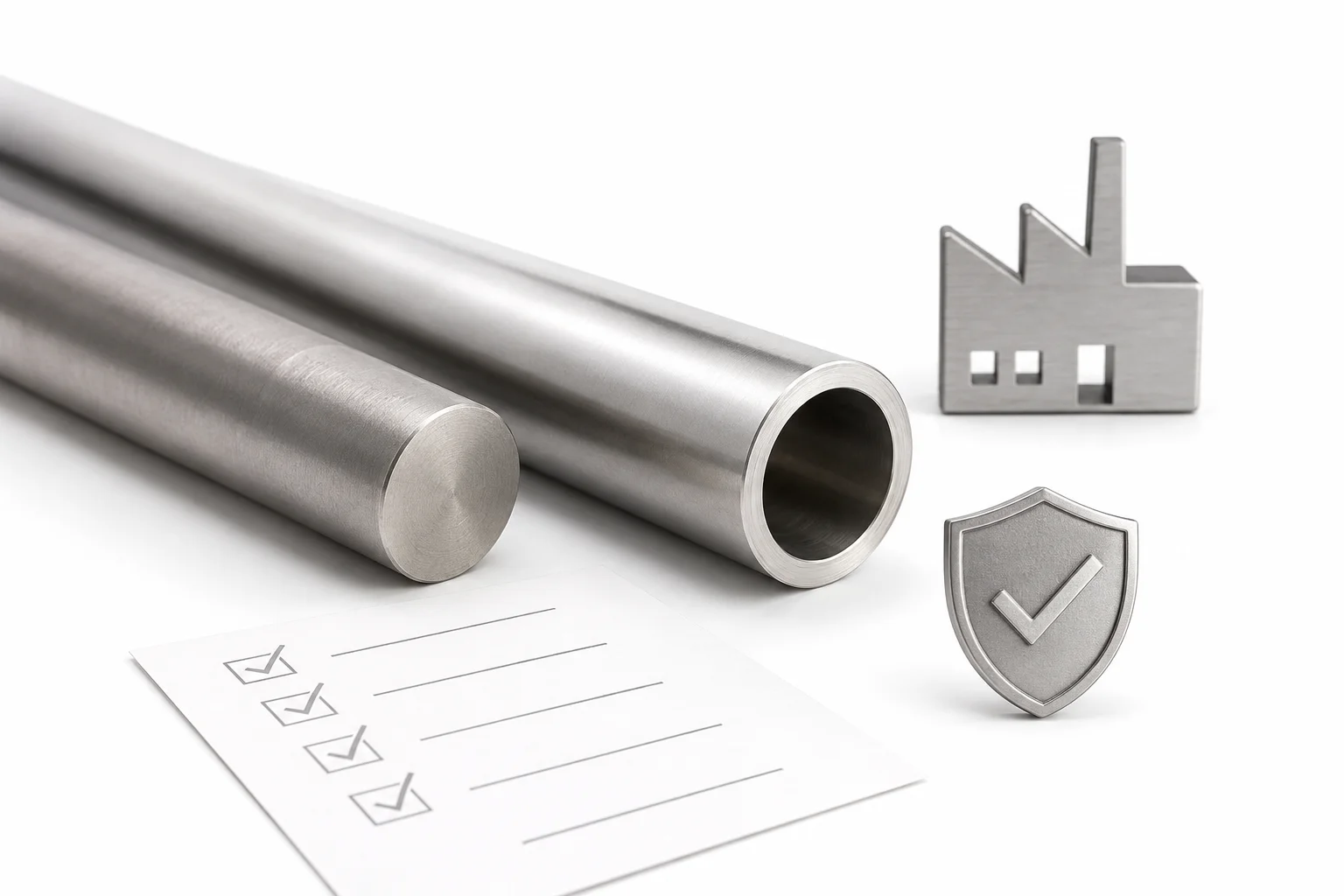
When industrial buyers choose an alloy supplier, they often begin with grade, size, and price. These are important, but they are not enough.
A supplier is not just selling metal. They are providing a link in your production chain. For automotive parts, especially safety-related or performance-critical components, a small material or documentation issue can create quality disputes, rework, delays, or compliance problems.
Buyers should ask not only whether a supplier can produce the material, but also whether they can prove quality and maintain consistency.
| Key Question | Why It Matters for Automotive |
|---|---|
| What quality certifications do you hold? | Helps evaluate whether the supplier has a structured quality management system, such as ISO 9001 or IATF 16949 where applicable. |
| How do you ensure material traceability? | Helps track raw material, heat number, processing history, inspection, and delivery records. |
| What is your production and delivery capacity? | Helps confirm whether the supplier can support production schedules and demand changes. |
| Do you offer technical support for material selection? | Helps engineers match alloy properties to operating temperature, corrosion, fatigue, weight, and fabrication needs. |
| Can you provide similar project experience? | Shows whether the supplier understands demanding applications and industry expectations. |
| How do you handle non-conforming materials or quality issues? | Shows whether the supplier has a clear corrective action and problem-solving process. |
| Can you provide MTCs and inspection reports? | Provides evidence of chemical composition, mechanical properties, standard compliance, and traceability. |
| Which standards can you support? | Helps confirm ASTM, ASME, AMS, EN, ISO, or buyer-specific requirements before production. |
Good supplier evaluation should include both technical and commercial questions:
- Can the supplier explain why a specific alloy grade fits the application?
- Can they discuss alternatives if the first material choice is over-specified or under-specified?
- Can they support custom sizes, heat treatment, surface finish, and inspection requirements?
- Can they provide clear MTCs, heat number traceability, and testing documents?
- Can they communicate proactively if lead time, material availability, or inspection results change?
My team and I are prepared to answer these questions because we understand their importance. For buyers, the goal is not only to feel confident in the alloy, but also in the entire process from material selection to final shipment.
Conclusion
Choosing the right nickel or titanium alloy for automotive manufacturing is a complex task. It requires a clear understanding of the part’s function, environmental stressors, mechanical loading, temperature, corrosion risk, fatigue requirements, weight targets, cost limits, and quality requirements.
There is no universal “best” alloy. The right material is the one that fits the specific automotive application and can be supplied with consistent quality, proper documentation, traceability, and reliable delivery.
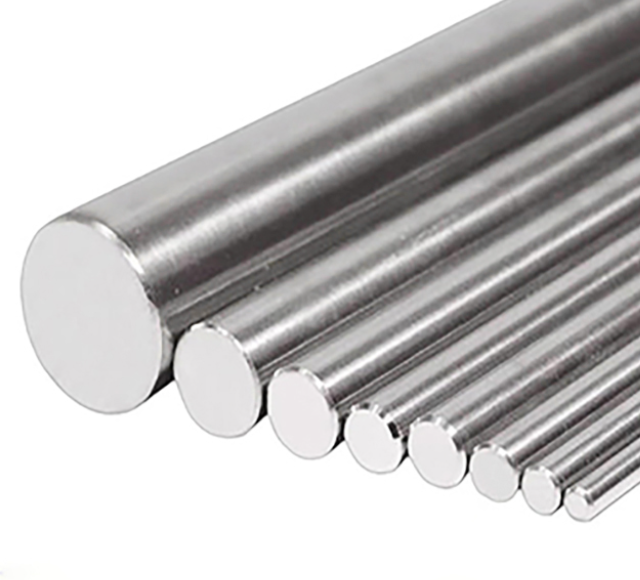
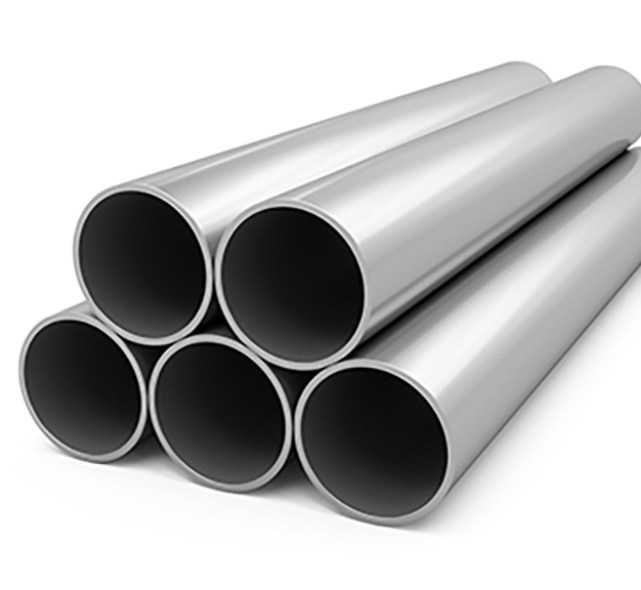
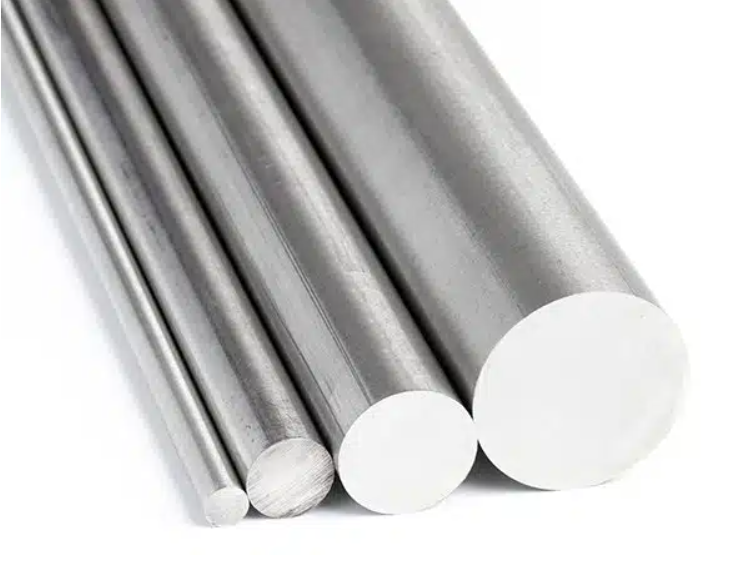
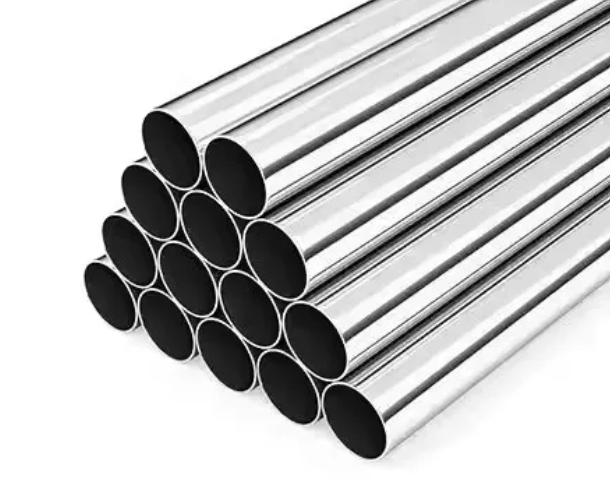
At Emily PIPE, we support nickel alloy tubes, nickel alloy bars, titanium alloy tubes, and titanium alloy bars for demanding industrial applications. We help customers review material requirements, standards, drawings, quality documents, inspection needs, and delivery plans so they can make informed procurement decisions.