
Why Application Details Matter for Accurate Nickel and Titanium Alloy Quotations
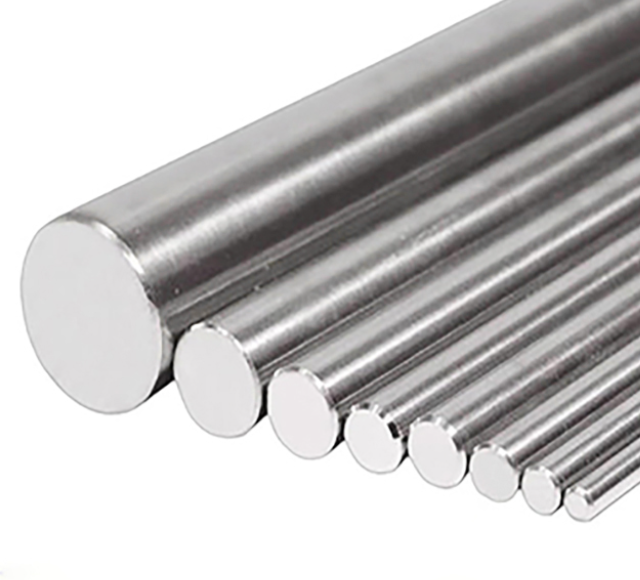
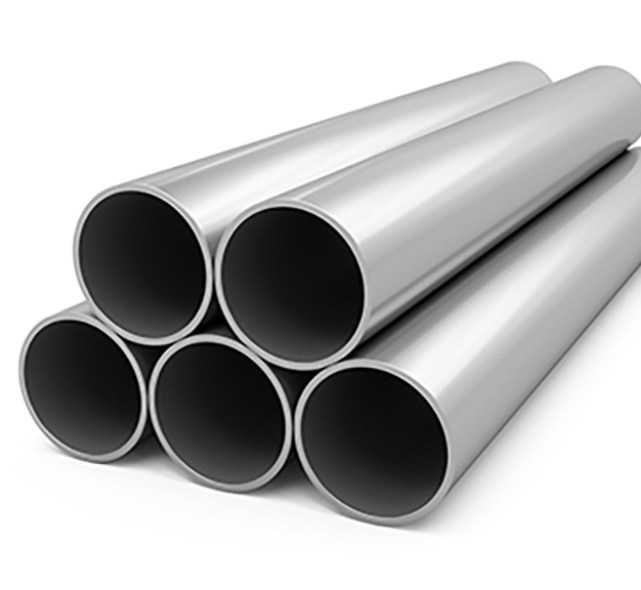
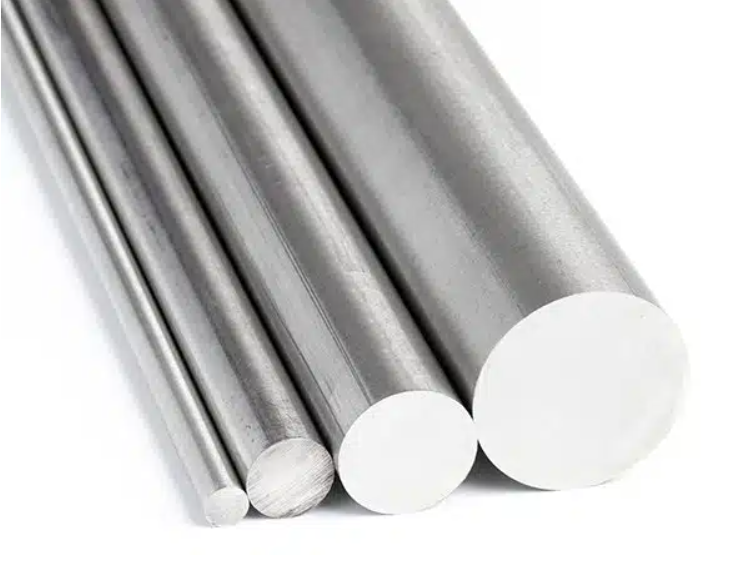
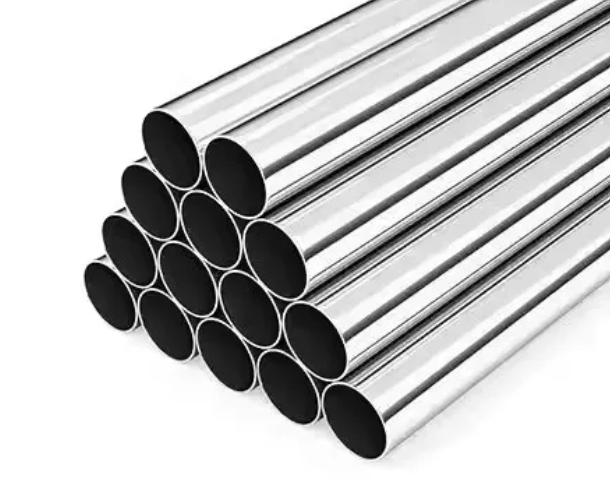
Are you trying to get an accurate quotation for nickel alloy tubes, nickel alloy bars, titanium alloy tubes or titanium alloy bars? Many buyers send only a material name and size, then wonder why suppliers ask more questions before giving a final quote.
Application details matter because an alloy material quotation is not only a price-per-kilogram calculation. A reliable quotation depends on material grade, product form, dimensions, tolerance, surface condition, heat treatment, testing, certificate requirements, quantity, delivery schedule and service environment. Material selection considers performance goals, material properties, cost and working conditions, while total cost of ownership reminds buyers to consider direct and indirect costs beyond the initial purchase price.
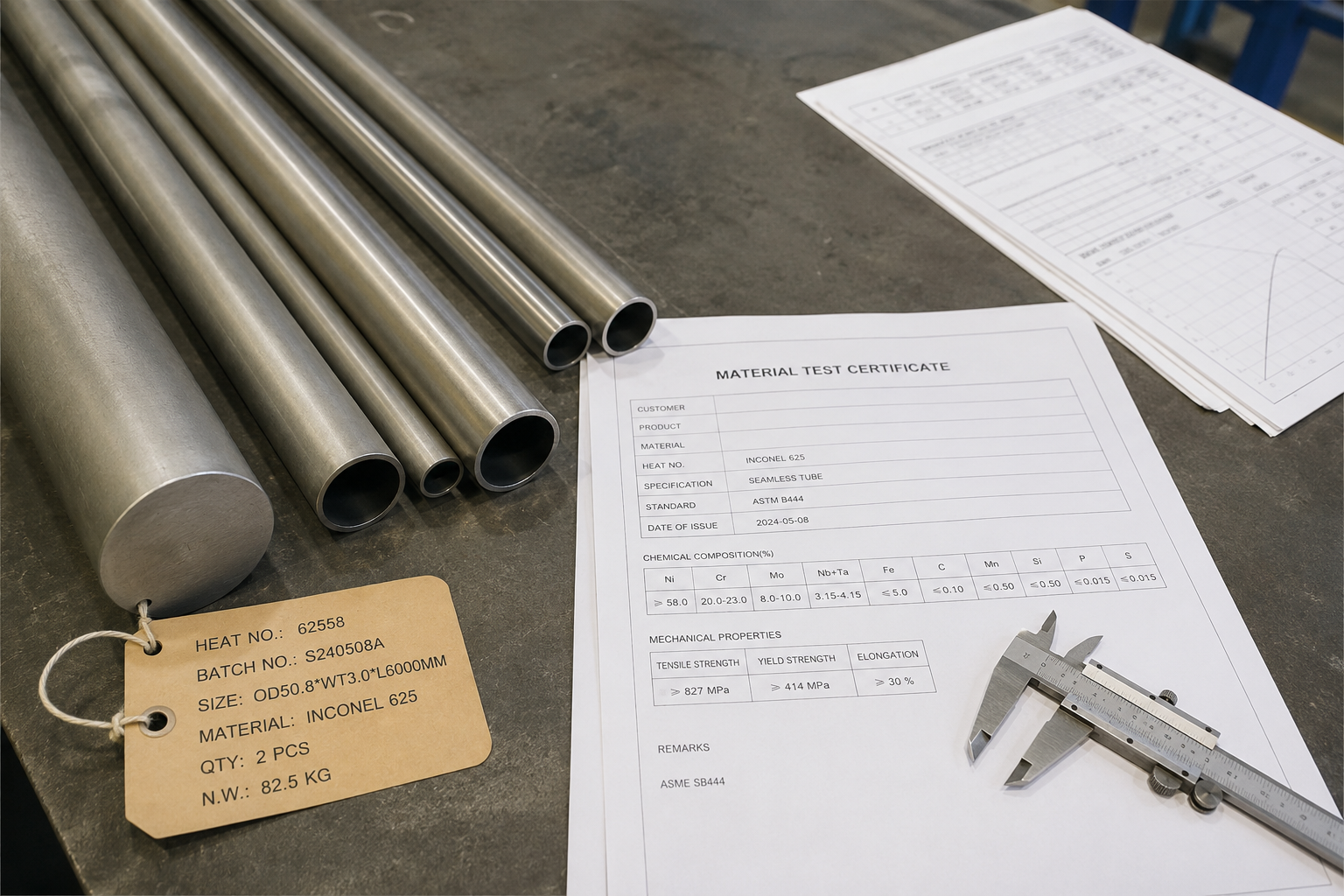
For industrial buyers, a low unit price is not always the same as a correct quotation. Without application details, the supplier may not know whether the material needs corrosion resistance, high-temperature strength, fatigue resistance, tight tolerance, special surface finish, NDT, EN 10204 3.1/3.2 certificate, third-party inspection or special packing protection.
This article explains why application details are important for accurate alloy material quotations and what buyers should provide at the RFQ stage.
Quick Answer: Why Do Suppliers Ask Application Details Before Quoting?
Suppliers ask application details because the same alloy name can require different standards, manufacturing routes, tests, certificates and quality controls depending on how the material will be used.
| Buyer Provides Only | What Is Still Missing | Why It Affects the Quote |
|---|---|---|
| “Inconel 625 tube” | ASTM standard, OD, WT, length, tolerance, test scope | Different product standards and tests affect cost |
| “Titanium bar” | Grade, UNS number, diameter, surface, certificate | Grade 2, Grade 5 and Grade 23 serve different needs |
| “Corrosion-resistant material” | Chemical media, concentration, temperature, pH, chloride | Corrosion type determines alloy choice |
| “High-temperature use” | Temperature, exposure time, load, atmosphere, cycling | May require heat treatment or high-temperature property review |
| “For machining” | Final part size, machining allowance, hardness, straightness | Affects bar/tube tolerance and surface condition |
| “Need certificate” | MTC, EN 10204 3.1, 3.2, CoC, third-party inspection | Document scope affects cost and lead time |
| “Urgent delivery” | Stock availability, split shipment, logistics mode | Delivery method and stock status affect final quote |
| “Best price” | Acceptable alternatives, quantity, inspection level | The lowest price may not match the real requirement |
A complete RFQ helps the supplier quote the right material scope, not just the cheapest possible material.
How Does the Application Environment Affect Material Selection?
The operating environment is one of the most important factors in alloy selection.
Temperature, pressure, chemical media, pH, chloride level, oxygen level, flow velocity, stress and service time can all affect alloy performance. Corrosion resistance, strength and high-temperature performance depend on the specific alloy-environment-stress combination.
Application Environment Checklist
| Environmental Factor | Why It Matters | Quotation Impact |
|---|---|---|
| Temperature | Affects strength, oxidation, creep and thermal cycling | May require high-temperature alloy or heat treatment |
| Pressure | Affects wall thickness, strength and testing requirement | May require hydrostatic test or stricter standard |
| Chemical Media | Determines corrosion mechanism | May require nickel alloy, titanium alloy or corrosion test |
| Concentration / pH | Same chemical at different concentration may behave differently | Affects grade recommendation |
| Chloride / Seawater | Can increase pitting, crevice corrosion or SCC risk | May require more resistant alloy or surface control |
| Flow Velocity | High flow or particles may cause erosion-corrosion | May affect wall thickness or material choice |
| Mechanical Stress | Load, vibration and cycling affect fatigue risk | May require higher strength or fatigue review |
| Service Time | Long exposure increases corrosion and creep concerns | May justify higher-grade material |
| Welding / Machining | Fabrication can affect surface, stress and final properties | May require specific condition or post-processing |
| Cleaning / Sterility | Medical or fluid systems may need clean surface | Adds finishing and packing requirements |
Corrosion in passivated materials may become serious if the passive film is damaged or cannot reform properly. Common risks include pitting corrosion, crevice corrosion and stress corrosion cracking. These risks are strongly related to the material, environment and stress condition.
Why Can Two Similar Alloy Quotes Be Very Different?
Two quotes may look different even when the alloy name looks similar. The difference often comes from product standard, product form, dimension, tolerance, testing, certification and delivery scope.
Common Reasons for Price Differences
| Quote Factor | Why It Changes Price |
|---|---|
| Exact Alloy Grade | Inconel 625, Inconel 718, Hastelloy C276, Monel 400 and titanium grades have different raw material costs |
| UNS Number | Confirms exact chemistry and reduces grade confusion |
| Product Form | Tube, pipe, bar, billet and cut blank have different production routes |
| ASTM / ASME / EN / AMS Standard | Standards define chemical, mechanical and test requirements |
| Size and Tolerance | Tight OD, WT, length, straightness or diameter tolerance may require more processing |
| Surface Condition | Pickled, polished, bright annealed, ground or peeled surface changes processing cost |
| Heat Treatment | Annealing, solution annealing, aging or stress relief adds furnace time |
| Testing Scope | UT, ET, hydrostatic, PMI, hardness, tensile and dimensional inspection add cost |
| Certificate Type | MTC, EN 10204 3.1, 3.2 or third-party inspection affects documentation and coordination |
| Quantity / MOQ | Small orders may have setup cost; large orders require more raw material |
| Lead Time | Urgent orders may require stock, split shipment or expedited logistics |
| Packing | Export packing, end protection and separate heat-number packing add cost |
This is why suppliers often ask application details before giving a final quotation.
Why Can’t Generic Specifications Deliver a Reliable Quote?
Generic specifications can lead to under-specification or over-specification.
A request such as “titanium rod,” “nickel alloy tube” or “corrosion-resistant pipe” is usually not enough for a reliable quotation. Different grades within the same alloy family may have different strength, corrosion behavior, product standards, certificate requirements and availability.
Generic Request vs Useful RFQ
| Generic Request | Problem | Better RFQ Information |
|---|---|---|
| “Titanium rod” | Does not define grade or strength level | Titanium Grade 2 or Grade 5, UNS number, ASTM B348, diameter, length, tolerance |
| “Inconel tube” | Does not identify the exact alloy | Inconel 625 / UNS N06625, ASTM B444, OD × WT × length |
| “Hastelloy pipe” | Hastelloy family includes different grades | Hastelloy C276 / UNS N10276, standard, size and application |
| “Corrosion-resistant material” | Does not define corrosion mechanism | Media, concentration, pH, temperature, chloride, flow |
| “High-strength bar” | Strength requirement is unclear | Minimum yield strength, tensile strength, hardness, heat treatment |
| “Need certificate” | Certificate type is unclear | MTC, EN 10204 3.1, 3.2, CoC or third-party inspection |
| “For heat exchanger” | Tube-side and shell-side conditions are unknown | Both media, temperature, pressure, cleaning method, ASTM standard |
| “For machining” | Machining allowance and hardness are unknown | Final part size, machining stock, surface condition, hardness |
For titanium bars and billets, ASTM B348/B348M covers annealed titanium and titanium alloy bars and billets, including chemical composition and tensile property requirements. For titanium heat exchanger tubes, ASTM B338 covers seamless and welded titanium alloy tubes for condensers, evaporators and heat exchangers.
How Do Product Form and Standard Affect the Quotation?
The same alloy grade can be supplied in different forms, and each form may follow different standards.
Product Form Matters
| Product Form | Common Quotation Details |
|---|---|
| Nickel Alloy Tube / Pipe | OD, WT, length, seamless/welded, ASTM standard, hydrostatic/ET/UT, surface |
| Nickel Alloy Bar / Rod | Diameter, length, straightness, surface, heat treatment, hardness, ASTM standard |
| Titanium Alloy Tube | OD, WT, length, ASTM B338 if heat exchanger tube, surface, testing |
| Titanium Alloy Bar / Billet | Grade, UNS, diameter, length, ASTM B348, condition, surface |
| Cut-to-Length Blank | Cut length, tolerance, deburring, marking, packing |
| Custom Drawing Part | Drawing, tolerance, machining allowance, inspection report |
Common Standards to Confirm
| Product Type | Useful Standard / Source | Why It Matters |
|---|---|---|
| Nickel Alloy Seamless Pipe / Tube | ASTM B444 | Covers UNS N06625, UNS N06852 and UNS N06219 cold-worked seamless pipe and tube; includes chemical, tensile, hydrostatic and nondestructive electric testing |
| Titanium Heat Exchanger Tube | ASTM B338 | Covers seamless and welded titanium alloy tubes for condensers, evaporators and heat exchangers |
| Titanium Bars / Billets | ASTM B348/B348M | Covers annealed titanium and titanium alloy bars and billets |
| Nickel Alloy Bars / Forgings | ASTM B637 | Covers precipitation-hardening and cold-worked nickel alloy bars, forgings and forging stock for moderate or high-temperature service |
| Customer Drawing / Project Specification | Buyer’s own specification | Defines special tolerances, tests and acceptance criteria |
A quote without a clear product standard is often incomplete because the supplier may not know which tests and acceptance requirements to include.
How Do Testing and Certificate Requirements Affect Cost?
Testing and certificates are not only paperwork. They define inspection scope, reporting responsibility and sometimes third-party coordination.
Testing and Document Scope
| Requirement | Why It Affects Quotation |
|---|---|
| MTR / MTC | Confirms chemistry, mechanical properties and standard compliance |
| Heat Number Traceability | Requires marking, labeling and document control |
| EN 10204 3.1 | Manufacturer inspection certificate with specific test results |
| EN 10204 3.2 | Requires additional independent or customer-designated inspection confirmation |
| Chemical Analysis | Confirms alloy composition |
| Tensile Test | Confirms tensile strength, yield strength and elongation |
| Hardness Test | Confirms supplied condition and machining relevance |
| Hydrostatic Test | Required for some pipe/tube pressure-related applications |
| Eddy Current Test / ET | Common for detecting surface or near-surface discontinuities in conductive tubes |
| Ultrasonic Test / UT | Used for internal or wall-related discontinuity inspection when required |
| PMI Test | Confirms alloy identity and reduces material mix-up risk |
| Dimensional Report | Confirms OD, WT, length, straightness, diameter or tolerance |
| Third-Party Inspection | Adds external inspection coordination and cost |
A standard MTC may be routine, but additional tests, 3.2 certificates and third-party inspection should be stated before quotation.
A Mill Test Report certifies chemical and physical properties and states compliance with standards. A heat number supports traceability by linking metal products to a specific heat or batch.
What Goes Into the “Hidden Cost” of Alloy Materials?
The hidden cost is not always hidden by the supplier. It is often hidden because the application requirement was not clearly defined at the beginning.
Alloy quotations may include raw material cost, production route, tooling, forming, drawing, heat treatment, surface finishing, testing, inspection, certification, packing, logistics and risk control. Quality costs include prevention, appraisal, internal failure and external failure costs, while cost of poor quality includes costs related to scrap, rework, inspection and customer dissatisfaction.
Cost Elements Behind a Quotation
| Cost Element | Example |
|---|---|
| Raw Material | Nickel, molybdenum, chromium, titanium, niobium, palladium or other alloying elements |
| Product Route | Seamless tube, welded tube, bar, billet, forging stock |
| Tooling / Setup | Dies, mandrels, drawing tools, cutting tools |
| Forming / Drawing | Multiple passes, intermediate annealing, straightening |
| Heat Treatment | Annealing, solution annealing, aging, stress relieving |
| Surface Finishing | Pickling, polishing, bright annealing, grinding, peeling |
| Dimensional Control | OD, WT, ID, diameter, straightness, ovality, length tolerance |
| Inspection | Chemical, tensile, hardness, UT, ET, hydrostatic, PMI, dimensional inspection |
| Documentation | MTC, EN 10204 3.1/3.2, inspection report, packing list |
| Traceability | Heat number marking, label, separated heats |
| Packing | End protection, anti-scratch packing, wooden case, waterproof packing |
| Logistics | Air freight, sea freight, Incoterms, export documents |
| Risk Control | Extra review for critical applications |
A cheaper quote may become more expensive if it omits testing, documents, tolerance, surface finish or traceability that the project later requires.
How Can Application Details Prevent Over-Specification and Under-Specification?
A complete application description helps avoid both under-specification and over-specification.
| Problem | What Happens | Example |
|---|---|---|
| Under-Specification | Material may not meet real service conditions | Asking only for “stainless steel” in a chloride-rich high-temperature environment |
| Over-Specification | Cost and lead time may increase without functional benefit | Requesting high-strength Ti-6Al-4V when CP titanium may meet a low-stress corrosion application |
| Missing Certificate Scope | Material may arrive without required documents | Asking for “certificate” but not specifying EN 10204 3.1 or 3.2 |
| Missing Test Scope | Required testing may be added late | Forgetting UT, ET, hydrostatic, PMI or hardness requirement |
| Missing Tolerance | Final part may not fit or require extra machining | Only giving nominal diameter without tolerance |
| Missing Application Media | Wrong corrosion-resistant alloy may be selected | Saying “acid service” without acid type, concentration or temperature |
| Missing Lead-Time Need | Correct material may not be available in time | Choosing a special grade without checking stock or mill schedule |
The most useful quotation is not always the lowest price. It is the quote that matches the actual technical, quality and delivery requirements.
What Application Details Should Buyers Provide?
The more complete the RFQ, the more reliable the quotation.
Alloy Material RFQ Checklist
| RFQ Item | Information to Provide |
|---|---|
| Material Family | Nickel alloy or titanium alloy |
| Alloy Grade | Inconel 625, Inconel 718, Hastelloy C276, Monel 400, Titanium Grade 2, Titanium Grade 5 |
| UNS Number | N06625, N07718, N10276, N04400, R50400, R56400 |
| Product Form | Tube, pipe, bar, rod, billet, cut blank |
| Standard | ASTM B444, ASTM B338, ASTM B348/B348M, ASTM B637, ASME, EN, AMS or customer specification |
| Size | OD, WT, ID, diameter, length |
| Tolerance | OD tolerance, WT tolerance, length tolerance, straightness, ovality |
| Quantity | Pieces, meters, kilograms or tons |
| Surface Condition | Pickled, polished, bright annealed, ground, peeled, black surface |
| Heat Treatment | Annealed, solution annealed, aged, stress relieved, cold worked |
| Operating Temperature | Maximum, minimum, continuous or cyclic |
| Pressure / Load | Internal pressure, external load, vibration, cyclic stress |
| Chemical Media | Chemical name, concentration, pH, chloride, oxygen, impurities |
| Flow Condition | Static, high velocity, slurry, particles, erosion risk |
| Fabrication Process | Welding, bending, machining, cutting, forming |
| Testing Requirement | Chemical, tensile, hardness, hydrostatic, UT, ET, PMI, dimensional inspection |
| Certificate Type | MTC, EN 10204 3.1, EN 10204 3.2, CoC |
| Third-Party Inspection | Required or not required |
| Packing Requirement | End caps, anti-scratch protection, separate heat packing, wooden case |
| Delivery Requirement | Required date, partial shipment, Incoterms, destination |
If some information is not available, buyers can still share the end application. A knowledgeable supplier can then ask the right follow-up questions.
What Can the Supplier Support, and What Should the Buyer Decide?
A supplier can support quotation and material review, but the final design suitability should be confirmed by the buyer’s engineering team or end user.
| Topic | Supplier Can Support | Buyer / Engineer Should Confirm |
|---|---|---|
| Material Options | Suggest possible nickel or titanium alloy options | Final material approval |
| Grade Identification | Confirm trade name, UNS number and standard | Whether substitution is acceptable |
| Product Form | Tube, pipe, bar, billet or cut blank supply options | Final design requirement |
| Manufacturing Route | Explain available production and finishing methods | Whether route meets project requirement |
| Testing Scope | Provide UT, ET, PMI, hydrostatic, hardness, tensile if required | Which tests are mandatory |
| Certificate Scope | Provide MTC, EN 10204 3.1/3.2, CoC when required | Project certificate requirement |
| Lead Time | Confirm stock, custom production and delivery options | Project schedule |
| Packing and Logistics | Suggest export packing and shipping mode | Final delivery requirement |
| Application Questions | Identify missing technical information | Final service suitability |
This boundary keeps the quotation practical and responsible.
FAQ: Alloy Material Quotations
Why do suppliers ask about the application before quoting?
Because application details affect alloy grade, product form, standard, tolerance, heat treatment, testing, certificate, packing and lead time.
Can I get a quote with only grade and size?
Yes, but it may be only a rough quote. For a reliable quotation, buyers should also provide standard, quantity, tolerance, surface, testing, certificate and application details.
Why are two alloy quotes so different?
They may include different standards, certificate types, inspection scope, tolerance, surface finish, heat treatment, packing or delivery terms.
Is the cheapest alloy quote always the best choice?
No. The lowest price may omit testing, documentation, surface finish, traceability or inspection that the project later requires.
Why does chemical media matter?
Corrosion behavior depends on media type, concentration, pH, temperature, chloride level, oxygen and flow condition. A general phrase like “corrosion-resistant” is not enough.
Why does certificate type affect the quote?
MTC, EN 10204 3.1, EN 10204 3.2 and third-party inspection require different document and inspection scopes.
Can a supplier guarantee the alloy will work in my application?
A supplier can help review material data, standards and common risks, but final suitability should be approved by the buyer’s engineer or end user.
How Can Emily PIPE Support Alloy Material Quotations?
Emily PIPE supplies nickel alloy tubes, nickel alloy bars, titanium alloy tubes and titanium alloy bars for global industrial customers. We support standard and customized specifications according to drawings, technical requirements and application environments.
For quotation requests, we can help review:
- nickel alloy and titanium alloy grade options
- UNS number and equivalent grade confirmation
- ASTM / ASME / EN / ISO / AMS standard requirements
- tube OD, wall thickness, length and tolerance
- bar diameter, length, straightness and surface condition
- heat treatment condition
- surface finish and packaging protection
- cut-to-length and machining allowance requirements
- MTR/MTC and heat number traceability
- UT, ET, PMI, hydrostatic and dimensional inspection requirements
- EN 10204 3.1 / 3.2 certificate requirements
- third-party inspection coordination
- export packing and shipment documents
We recommend sharing the real application details at the RFQ stage, including material grade, UNS number, product form, size, quantity, temperature, pressure, chemical media, tolerance, testing, certificate and delivery requirement. This helps us prepare a more accurate quotation and avoid missing technical scope.
Conclusion
Application details are essential for accurate alloy quotations. They help align material grade, product form, standard, testing, certificate, manufacturing route, cost and delivery with the real project requirement.
If you are sourcing nickel alloy tubes, nickel alloy bars, titanium alloy tubes or titanium alloy bars, you can send us your grade, UNS number, standard, size, quantity, application environment, testing requirement and certificate type. Our team can help review the scope and provide a quotation based on your project needs.