
Nickel Alloy Tube and Bar RFQ Checklist: What Information Buyers Should Provide Before Ordering
Are you frustrated when nickel alloy tubes or bars do not match your real project needs? In many cases, the problem does not start from the material itself. It starts from missing information during the RFQ, quotation, or purchase order stage.
When buyers request nickel alloy tubes and bars, they often provide only grade, size, and quantity. However, correct material selection and quotation should also consider application environment, corrosion risk, temperature, pressure, mechanical load, manufacturing route, tolerance, heat treatment, testing, certificate, and traceability requirements. Material selection should consider performance goals, material properties, cost, and working conditions, not only one basic specification.
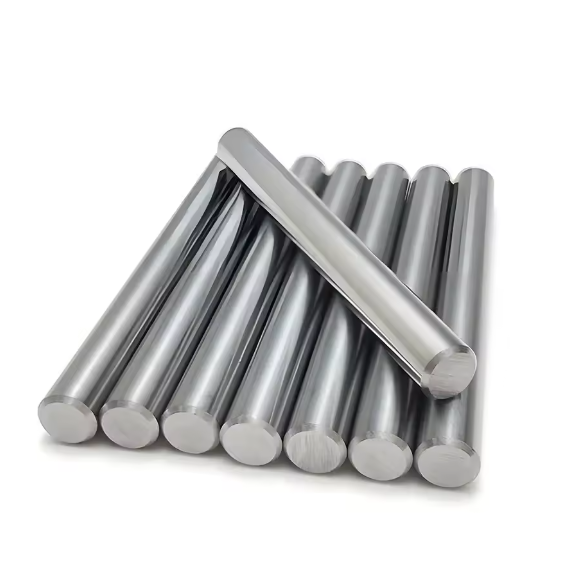
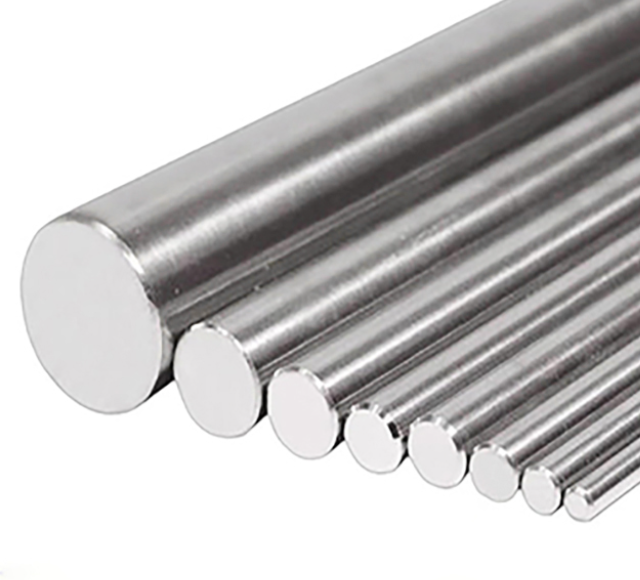
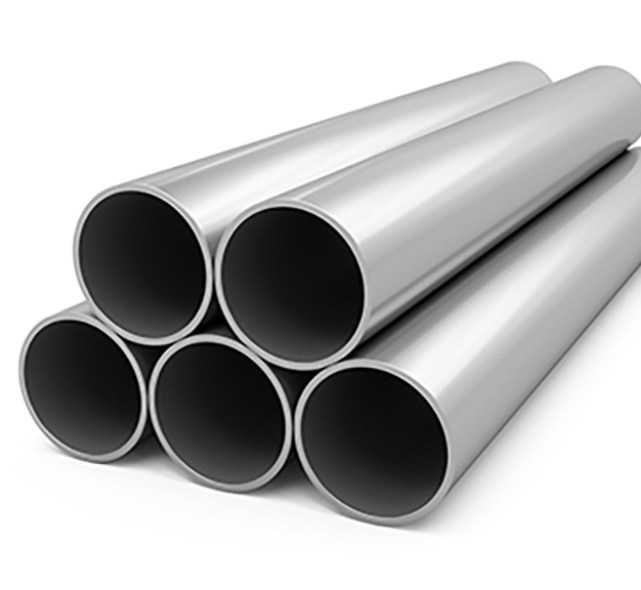
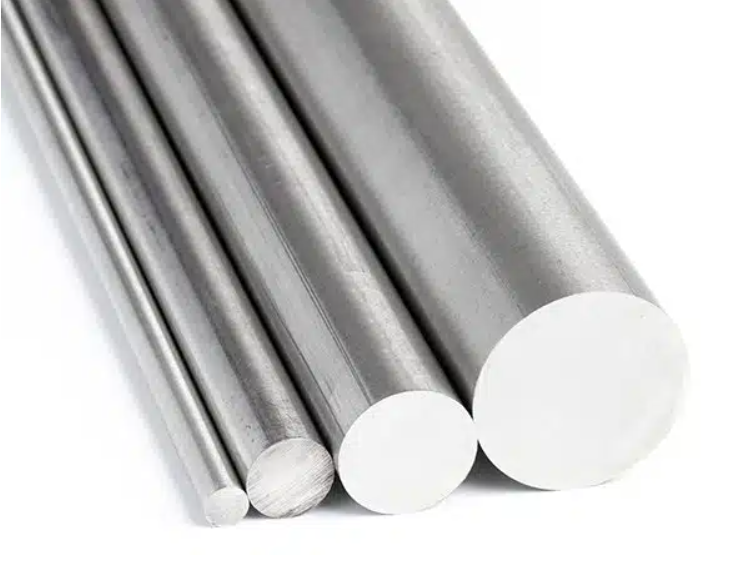
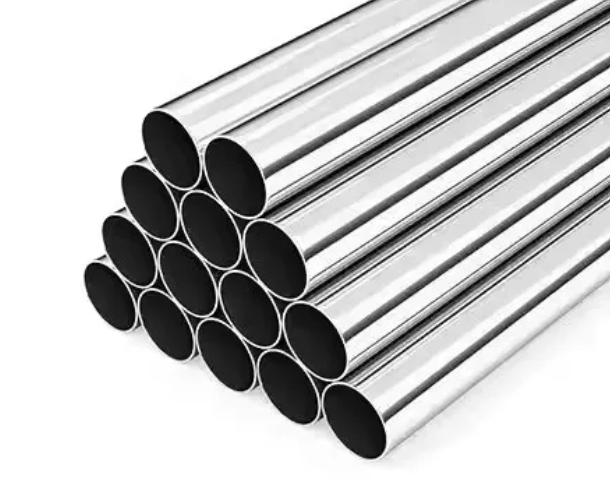
For nickel alloy tubes, nickel alloy pipes, nickel alloy bars, and nickel alloy rods, a complete RFQ can help reduce wrong material selection, over-specification, under-specification, rework, inspection rejection, and delivery delay.
This guide explains what information buyers often miss and what should be confirmed before ordering.
Quick Answer: What Information Do Buyers Commonly Miss?
Many buyers ask for “Inconel tube,” “Hastelloy bar,” or “nickel alloy pipe” without providing enough details for a reliable recommendation or quotation.
| Missing Information | Why It Matters | Example |
|---|---|---|
| Application Environment | Determines corrosion, temperature, pressure, and service risk | Acid, seawater, steam, gas, chloride, high temperature |
| Chemical Media | Corrosion depends on exact media, concentration, and temperature | Sulfuric acid, hydrochloric acid, caustic, seawater |
| Operating Temperature | Affects oxidation, strength, and creep behavior | Continuous 600°C vs short-time exposure |
| Pressure / Load | Affects strength, wall thickness, and test requirements | High-pressure pipe or structural bar |
| Static or Cyclic Stress | Affects fatigue risk | Vibration, pressure cycling, rotating parts |
| Product Form | Tubes, pipes, bars, and rods may follow different standards | Seamless tube vs round bar |
| Manufacturing Route | Seamless, welded, hot worked, cold worked, and heat-treated materials differ | Cold-drawn tube vs annealed tube |
| Tolerance | Affects fit, machining, assembly, and inspection | OD, WT, diameter, length, straightness |
| Surface Condition | Affects corrosion, cleanliness, machining, and appearance | Pickled, polished, bright annealed, peeled, ground |
| Heat Treatment Condition | Affects mechanical properties and final performance | Annealed, solution annealed, aged, stress relieved |
| Testing Requirement | Standard MTC may not include all project-specific tests | UT, ET, PMI, hydrostatic, hardness |
| Certificate Type | Certificate scope affects acceptance and traceability | MTC, EN 10204 3.1, EN 10204 3.2 |
| Heat Number Traceability | Connects material to certificate and batch records | Heat number on material, label, packing list, and MTC |
| Expected Service Life | Affects material grade and risk review | Short-term use vs long-term critical service |
| Delivery Requirement | Affects stock choice, production route, and shipment planning | Urgent order, split shipment, sea or air freight |
The more complete the information, the more accurate the recommendation, quotation, production plan, and inspection scope.
Why Does the Application Environment Matter So Much?
The same nickel alloy can behave differently in different environments. Temperature, pressure, corrosion media, stress, and service time can all change material performance.
A material that works well in one environment may not be suitable in another. Corrosion, creep, fatigue, and stress corrosion cracking are affected by the combination of material, environment, and stress.
Application Environment Checklist
| Environmental Factor | Potential Impact on Nickel Alloy | What Buyers Should Provide |
|---|---|---|
| High Temperature | Oxidation, creep, reduced strength over time | Maximum temperature, continuous or cyclic service |
| Low Temperature | Toughness or ductility concerns in some applications | Minimum temperature, impact requirement if any |
| Corrosive Media | General corrosion, pitting, crevice corrosion, SCC | Chemical name, concentration, pH, chloride, oxygen |
| Seawater / Chloride | Pitting, crevice corrosion, and SCC risk | Flowing or stagnant seawater, chloride level, deposits |
| Acids / Alkalis | Corrosion behavior changes with concentration and temperature | Exact chemical, concentration, temperature, impurities |
| Pressure | Wall thickness, strength, and hydrostatic test requirements | Design pressure, test pressure, pressure cycling |
| Mechanical Load | Yield strength, tensile strength, and fatigue review | Static load, cyclic load, vibration, impact |
| Abrasive Particles | Erosion or erosion-corrosion | Particle type, slurry, flow velocity |
| Welding / Fabrication | Heat-affected area, stress, and surface condition | Welding, bending, forming, machining details |
| Cleaning / Contamination | Surface cleanliness or passivation concerns | Cleaning method, fluid cleanliness, special packaging |
Pitting corrosion is localized corrosion often associated with aggressive species such as chlorides. Crevice corrosion can occur in occluded spaces where stagnant solution is trapped. Stress corrosion cracking depends on the combination of tensile stress, corrosive environment, and susceptible material.
This is why a request such as “corrosion-resistant nickel alloy” is not enough. Buyers should define the actual working environment.
Are You Considering the Long-Term Life of Nickel Alloy Components?
Many buyers focus on the initial material price or a basic strength value. However, long-term service may require reviewing fatigue, creep, oxidation, corrosion fatigue, and microstructural stability.
Fatigue is the initiation and propagation of cracks due to cyclic loading. Creep is time-dependent deformation under persistent stress, and it becomes more important when materials are exposed to heat for long periods.
Long-Term Performance Factors
| Long-Term Factor | What It Means | Information Buyers Should Provide |
|---|---|---|
| Fatigue Resistance | Resistance to crack initiation and growth under cyclic loading | Vibration, pressure cycles, rotating load, start-stop frequency |
| Creep Resistance | Resistance to slow deformation under stress at elevated temperature | Temperature, stress level, exposure time |
| Oxidation Resistance | Resistance to high-temperature surface reaction | Atmosphere, oxygen level, steam, temperature |
| Corrosion Fatigue | Combined effect of corrosion and cyclic stress | Media, chloride, vibration, stress cycles |
| Thermal Cycling | Repeated heating and cooling | Cycle frequency, temperature range |
| Microstructural Stability | Stability of properties over time and temperature | Heat exposure, service duration, heat treatment |
| Wear / Erosion | Material loss due to particles or flow | Flow velocity, particles, slurry conditions |
| Maintenance Interval | Expected time before inspection or replacement | Required design life, shutdown schedule |
If a buyer only provides room-temperature mechanical requirements, the supplier may not know whether fatigue, creep, high-temperature oxidation, or corrosion fatigue is important.
How Do Manufacturing Processes Affect Nickel Alloy Performance?
Two nickel alloy products with similar chemistry may still differ because of manufacturing route, product form, heat treatment, and finishing condition.
Manufacturing processes such as seamless tube production, welded tube production, hot working, cold working, drawing, annealing, solution annealing, and aging can affect mechanical properties, dimensional control, surface condition, and inspection requirements.
Manufacturing Process Factors
| Manufacturing Factor | Why It Matters | Buyer Should Confirm |
|---|---|---|
| Seamless Tube | Avoids a longitudinal weld seam; may be required by some specifications | Seamless or welded requirement |
| Welded Tube | Can be suitable and cost-effective for some applications | Welding standard, weld inspection, heat treatment |
| Hot Working | Used for initial forming or larger sections | Product form and final condition |
| Cold Working / Cold Drawing | Can improve dimensional control and increase strength, but may reduce ductility or create residual stress | Cold worked, annealed, or final condition |
| Annealing | Can increase ductility and reduce hardness, making material more workable | Annealed condition and property requirement |
| Solution Annealing | Often used to achieve specific corrosion or mechanical condition in certain alloys | Required condition and standard |
| Age Hardening | Used for precipitation-hardenable alloys to increase strength | Aging condition, strength requirement |
| Stress Relieving | May reduce residual stress after forming or machining | Needed or not needed |
| Surface Finishing | Affects corrosion, cleanliness, machining, and appearance | Pickled, polished, bright annealed, ground, peeled |
| Straightening | Important for long tubes or bars | Straightness tolerance |
Cold working can make metal harder, stiffer, and stronger but less plastic, and may leave residual stress. Annealing is a heat treatment that can increase ductility and reduce hardness, making material more workable.
What Should Buyers Confirm for Nickel Alloy Tubes?
Nickel alloy tube orders need more than OD, wall thickness, and length.
Nickel Alloy Tube Checklist
| Tube Item | Why It Matters |
|---|---|
| Alloy Grade | Inconel 625, Inconel 600, Alloy 825, Hastelloy C276, Monel 400, etc. |
| UNS Number | Reduces confusion between trade names and specifications |
| Standard | ASTM B444, ASTM B163, ASME, EN, AMS, or customer specification |
| Tube Type | Seamless or welded |
| OD / WT / ID | Affects pressure, fit, machining, and heat exchanger design |
| Length | Random length, fixed length, or cut-to-length |
| Tolerance | OD, WT, length, straightness, ovality |
| Surface Condition | Pickled, polished, bright annealed, cleaned |
| End Condition | Plain end, cut end, deburred, chamfered, capped |
| Heat Treatment | Annealed, solution annealed, or other condition |
| Pressure Requirement | May require hydrostatic testing |
| NDT Requirement | UT, ET, PT, or other tests if required |
| Cleanliness Requirement | Important for heat exchanger, medical, or fluid service |
| Certificate Type | MTC, EN 10204 3.1/3.2, third-party inspection |
| Heat Number Marking | Supports traceability |
For UNS N06625 and related nickel alloy seamless pipe and tube, ASTM B444 covers cold-worked seamless pipe and tube and includes chemical testing, tensile testing, hydrostatic testing, and nondestructive electric testing requirements.
For condenser and heat-exchanger applications, ASTM B163 covers seamless nickel and nickel alloy condenser and heat-exchanger tubes, including chemical and mechanical property requirements.
What Should Buyers Confirm for Nickel Alloy Bars?
Nickel alloy bar orders also need detailed information, especially when bars will be machined into final components.
Nickel Alloy Bar Checklist
| Bar Item | Why It Matters |
|---|---|
| Alloy Grade | Inconel 718, Inconel 625, Monel 400, Nickel 200, Alloy 825, etc. |
| UNS Number | Confirms exact alloy identity |
| Standard | ASTM B637, ASTM B446, ASTM B425, customer specification |
| Diameter / Size | Affects machining allowance and final part size |
| Length | Random length, fixed length, or cut blanks |
| Diameter Tolerance | Important for machining and fit |
| Straightness | Important for long bars and CNC turning |
| Roundness | Important for precision machining |
| Surface Condition | Black, peeled, ground, polished |
| Heat Treatment | Annealed, solution treated, aged, cold worked |
| Hardness Requirement | Affects machining and final performance |
| Mechanical Properties | Tensile, yield, elongation if required |
| Machining Allowance | Prevents undersized final part after turning or grinding |
| Dimensional Report | Needed when tolerance is critical |
| Certificate and Traceability | MTC, heat number, marking, packing list |
ASTM B637 covers hot- and cold-worked precipitation-hardenable nickel alloy rod, bar, forgings, and forging stock for moderate or high-temperature service, including chemical analysis, heat treatment, tension testing, hardness testing, and stress-rupture testing.
What Specific Testing and Certifications Do Buyers Really Need?
A standard material certificate is important, but some applications require additional inspection or testing.
Testing requirements should match the application risk. A standard MTC may confirm chemistry and mechanical properties, while project-specific requirements may include hydrostatic testing, ultrasonic testing, eddy current testing, PMI, hardness testing, corrosion testing, dimensional inspection, or third-party inspection.
Testing and Certification Checklist
| Test / Document | What It Supports | When It May Be Needed |
|---|---|---|
| Chemical Analysis | Confirms alloy composition | All material orders |
| Tensile Test | Confirms tensile strength, yield strength, and elongation | Standard mechanical verification |
| Hardness Test | Supports condition and machining review | Bars, machined parts, hardness-sensitive applications |
| Hydrostatic Test | Supports pressure-tightness within the test scope | Pressure-related tubes or pipes |
| Eddy Current Test / ET | Detects surface or near-surface flaws in conductive materials | Tubes, heat exchangers, critical surface integrity |
| Ultrasonic Test / UT | Detects internal flaws or thickness-related discontinuities | Critical tubes, bars, or thicker sections |
| PMI Test | Verifies alloy identity | When material mix-up risk must be reduced |
| Dimensional Inspection | Confirms OD, WT, length, diameter, straightness, and tolerance | Precision or acceptance-critical orders |
| Surface Inspection | Checks scratches, dents, pits, and finish | Corrosion-sensitive or appearance-sensitive parts |
| Corrosion Test | Supports specific corrosion requirement if specified | Harsh chemical environments |
| Charpy Impact Test | Supports toughness review if required | Low-temperature or impact-sensitive applications |
| MTR / MTC | Certifies chemical and physical properties and standard compliance | All industrial orders |
| Heat Number Traceability | Links material to batch and test records | Critical or regulated projects |
| EN 10204 3.1 / 3.2 | Defines certificate and inspection scope | Customer or project-specific requirements |
Eddy current testing is an electromagnetic nondestructive test used for conductive materials and can detect surface and sub-surface flaws. Ultrasonic testing uses ultrasonic waves and is commonly used to detect internal flaws or characterize materials. A Mill Test Report certifies chemical and physical properties and standard compliance, while a heat number supports material traceability.
What Documents Should Buyers Request?
Different documents prove different things. A single certificate may not prove everything a project needs.
| Document | What It Supports |
|---|---|
| MTR / MTC | Chemistry, mechanical properties, and standard compliance |
| Heat Number Record | Traceability from material to batch records |
| Packing List | Quantity, size, weight, and heat number distribution |
| Dimensional Inspection Report | Actual OD, WT, diameter, length, and tolerance results |
| NDT Report | UT, ET, PT, or other test results if required |
| Hydrostatic Test Report | Pressure-tightness test result if required |
| PMI Report | Alloy identity verification |
| Hardness Report | Hardness and supplied condition review |
| Surface Inspection Photos | Visual condition before shipment |
| Third-Party Inspection Report | Independent verification if required |
| EN 10204 3.1 / 3.2 Certificate | Certificate type requested by project |
Buyers should confirm document requirements before ordering, not after production is finished.
Common RFQ Mistakes Buyers Should Avoid
| Mistake | Why It Creates Risk | Better Practice |
|---|---|---|
| Only giving alloy name | Grade, UNS, and standard may be unclear | Provide grade, UNS number, and standard |
| Only giving size | Application and testing scope are unknown | Provide application and working conditions |
| Saying “corrosion resistant” | Corrosion type is not defined | Provide media, concentration, pH, chloride, and temperature |
| Not giving tolerance | Quote may use standard tolerance only | Provide OD, WT, diameter, length, and straightness tolerance |
| Ignoring heat treatment | Properties may not match application | Specify annealed, solution annealed, aged, or other condition |
| Not requesting NDT early | Testing may add cost and lead time later | State UT, ET, hydrostatic, or PMI at RFQ stage |
| Assuming MTC proves everything | MTC may not include dimensions or project-specific tests | Request dimensional or NDT reports if needed |
| Not requiring heat number marking | Traceability may be weak | Require heat number on material, label, and packing list |
| Focusing only on price | Low quote may omit critical scope | Compare technical, testing, and document scope |
| Late changes after order | Production schedule and cost may change | Finalize requirements before order confirmation |
A clear RFQ saves time and reduces misunderstanding.
RFQ Checklist for Nickel Alloy Tubes and Bars
Buyers can use the following checklist when requesting nickel alloy tubes, pipes, bars, or rods.
| RFQ Item | Information to Provide |
|---|---|
| Material Family | Nickel alloy |
| Alloy Grade | Inconel 625, Inconel 718, Hastelloy C276, Monel 400, Alloy 825, Nickel 200 |
| UNS Number | N06625, N07718, N10276, N04400, N08825, N02200 |
| Product Form | Tube, pipe, bar, rod, billet, cut blank |
| Standard | ASTM B444, ASTM B163, ASTM B637, ASME, EN, AMS, or customer specification |
| Size | OD, WT, ID, diameter, length |
| Tolerance | OD, WT, length, diameter, straightness, ovality, roundness |
| Quantity | Pieces, meters, kilograms, or tons |
| Surface Condition | Pickled, polished, bright annealed, peeled, ground, black surface |
| Heat Treatment | Annealed, solution annealed, aged, stress relieved, cold worked |
| Operating Temperature | Maximum, minimum, continuous, or cyclic |
| Pressure / Load | Internal pressure, external load, vibration, cyclic stress |
| Chemical Media | Chemical name, concentration, pH, chloride, oxygen, impurities |
| Flow Condition | Static, high velocity, slurry, particles, erosion risk |
| Expected Service Life | Required design life or maintenance interval |
| Fabrication Process | Welding, bending, machining, cutting, forming |
| Testing Requirement | Chemical, tensile, hardness, hydrostatic, UT, ET, PMI, corrosion test |
| Certificate Type | MTR/MTC, EN 10204 3.1, EN 10204 3.2, CoC |
| Inspection Requirement | Third-party inspection, dimensional report, surface photos |
| Packing Requirement | End caps, anti-scratch protection, separate heat packing, wooden case |
| Delivery Requirement | Required date, partial shipment, Incoterms, destination |
If some information is not available, buyers can still share the final application. A knowledgeable supplier can then ask the right follow-up questions.
FAQ: Requesting Nickel Alloy Tubes and Bars
What information is needed for a nickel alloy tube quotation?
A useful RFQ should include alloy grade, UNS number, standard, OD, wall thickness, length, tolerance, quantity, surface condition, application, testing requirement, and certificate type.
Is “corrosion-resistant nickel alloy” enough information?
No. Corrosion depends on media, concentration, pH, chloride level, oxygen, temperature, flow, and stress. Buyers should describe the actual environment.
Why does manufacturing process matter?
Manufacturing process affects product form, surface condition, mechanical properties, dimensional tolerance, and inspection scope. Seamless tube, welded tube, cold-drawn tube, and heat-treated bar may have different requirements.
Is MTC enough for all projects?
MTC is important for chemistry, mechanical properties, and standard compliance, but it may not include dimensions, NDT, corrosion testing, or project-specific inspection. Additional reports may be needed.
When should buyers request UT or ET?
UT or ET should be requested when the project requires nondestructive inspection for internal, surface, or near-surface discontinuities, depending on product form and standard.
Why should buyers provide expected service life?
Expected service life helps suppliers understand whether fatigue, creep, corrosion fatigue, oxidation, or long-term exposure should be considered.
Does a lower price mean a better nickel alloy offer?
Not always. A lower price may exclude important requirements such as tighter tolerance, NDT, hydrostatic testing, heat number marking, EN 10204 3.1/3.2 certificate, or third-party inspection.
How Can Emily PIPE Support Nickel Alloy Tube and Bar Procurement?
Emily PIPE supplies nickel alloy tubes, nickel alloy bars, titanium alloy tubes, and titanium alloy bars for global industrial customers. We support standard and customized specifications according to drawings, technical requirements, and application environments.
For nickel alloy tube and bar projects, we can help review:
- nickel alloy grade and UNS number
- ASTM / ASME / EN / ISO / AMS standard requirements
- tube OD, wall thickness, length, and tolerance
- bar diameter, length, straightness, and surface condition
- seamless or welded tube requirements
- heat treatment condition
- surface finish and packaging protection
- cut-to-length and machining allowance requirements
- MTR/MTC and heat number traceability
- UT, ET, PMI, hydrostatic, and dimensional inspection requirements
- EN 10204 3.1 / 3.2 certificate requirements
- third-party inspection coordination
- export packing and shipment documents
We recommend sharing the full application environment and technical requirement at the RFQ stage. This helps us prepare a more accurate quotation and reduce risks caused by missing material, testing, certificate, tolerance, or traceability information.
Conclusion
Successful nickel alloy tube and bar procurement requires more than grade, size, and price. Buyers should confirm environment, service life, manufacturing route, tolerance, testing, certificate, and traceability before ordering.
If you are sourcing nickel alloy tubes, nickel alloy pipes, nickel alloy bars, or nickel alloy rods, you can send us your grade, UNS number, standard, size, quantity, application environment, testing requirement, and certificate type. Our team can help review the scope and provide a quotation based on your project needs.