
Many industrial buyers start material procurement with a simple question: “Can you supply this alloy grade?”
But in real projects, the better question is often: “Is this alloy suitable for my application environment, operating conditions, fabrication process, documentation requirements, and long-term risk?”
For alloy material suppliers, understanding application industries is not only a sales advantage. It is a technical responsibility. Without application knowledge, a supplier may only match grade, size, and price. With application knowledge, a supplier can help customers review corrosion risks, mechanical requirements, manufacturing feasibility, standards, traceability, and lifecycle performance.
Quick Answer:
Alloy material suppliers should understand application industries because material selection depends on real service conditions, not only datasheet values. A reliable supplier helps customers evaluate operating temperature, pressure, corrosion media, mechanical stress, fabrication method, required standards, MTR documentation, traceability, and lifecycle cost. This helps reduce material selection risk and supports more practical procurement decisions.
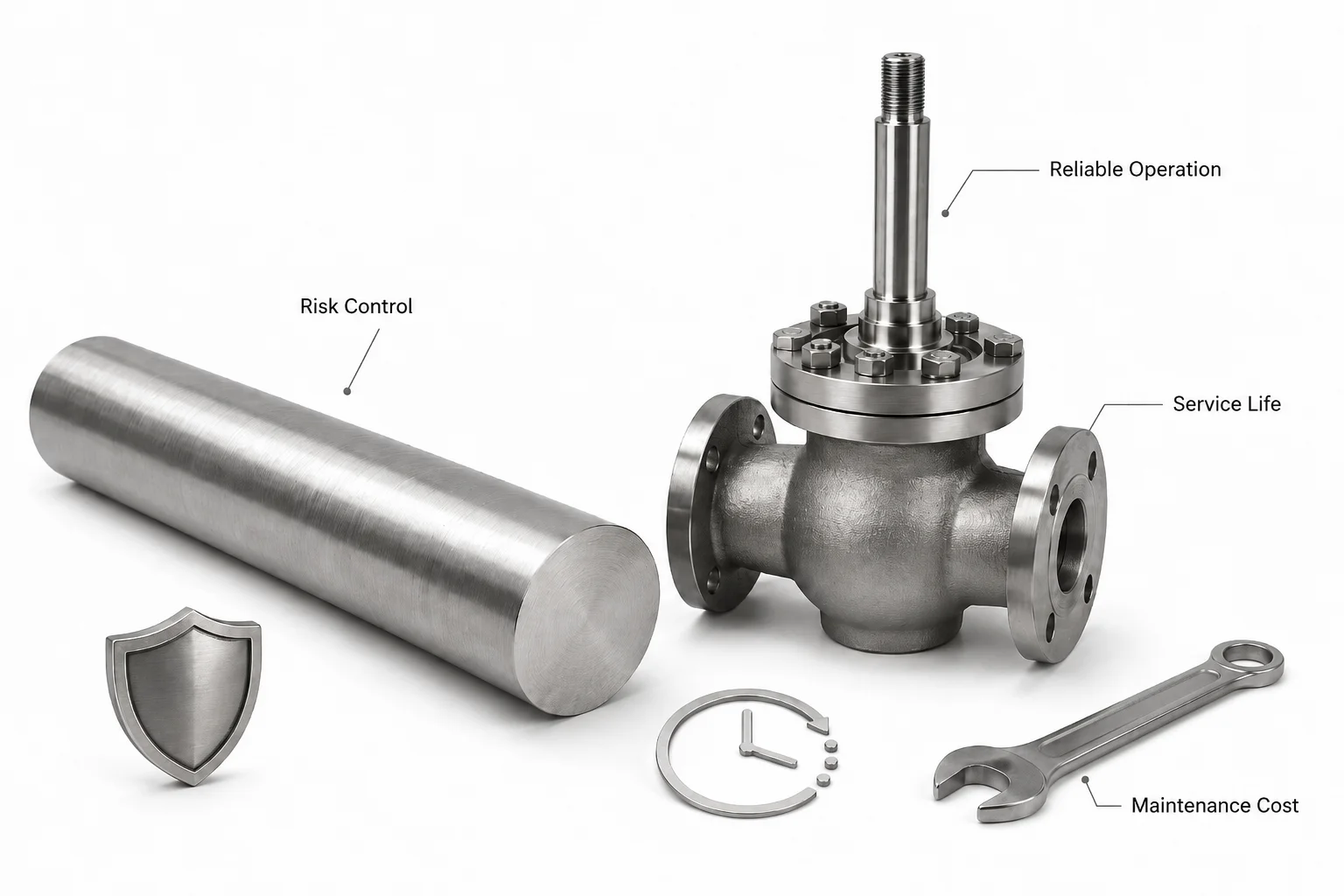
Material selection is rarely based on one number or one specification. The UK Health and Safety Executive explains that material selection may involve tensile strength, toughness, hardness, fatigue resistance, creep resistance, low and high temperature behavior, corrosion resistance, ease of fabrication, availability, and cost: HSE Design Codes - Plant.
For corrosion-related applications, the Association for Materials Protection and Performance notes that no material is resistant to all corrosive situations, and material selection is critical to preventing many types of failures: AMPP Materials Selection and Design for Corrosion Control.
This is why alloy suppliers should understand where their materials will be used.
Are Technical Specifications Enough to Solve Real-World Problems?
Technical specifications are important, but they are not always enough by themselves. A datasheet can show chemical composition, tensile strength, yield strength, elongation, hardness, or typical corrosion information. However, it cannot fully describe every customer’s actual operating environment.
Technical specifications alone are often insufficient for final material selection. Buyers and suppliers should interpret specifications together with application environment, corrosion media, temperature, pressure, mechanical stress, fabrication method, inspection requirements, and expected service life.
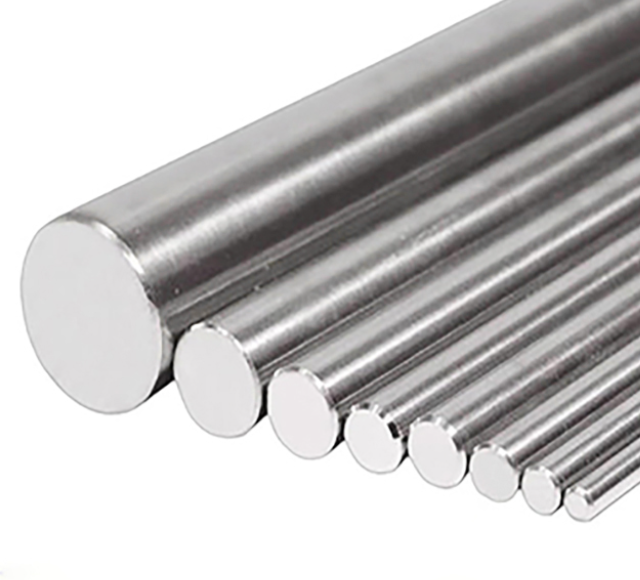
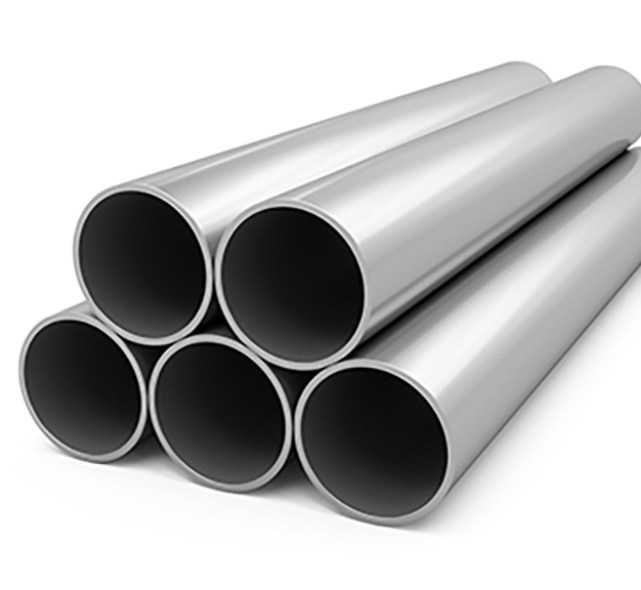
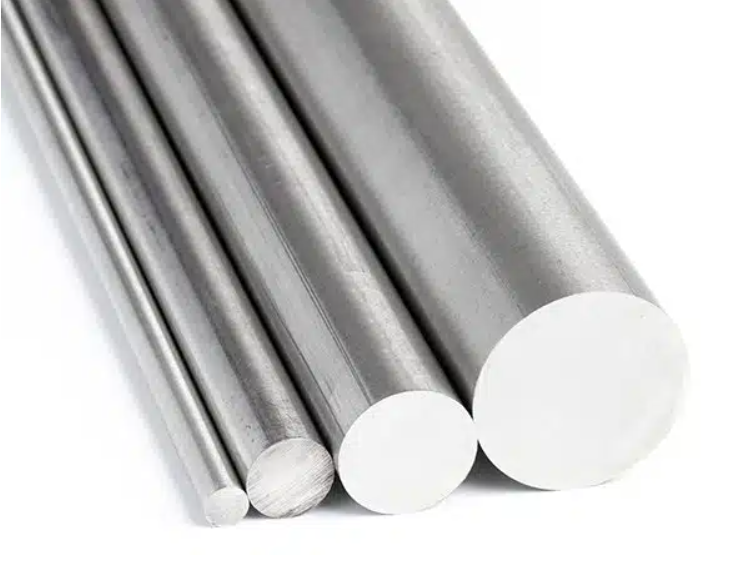
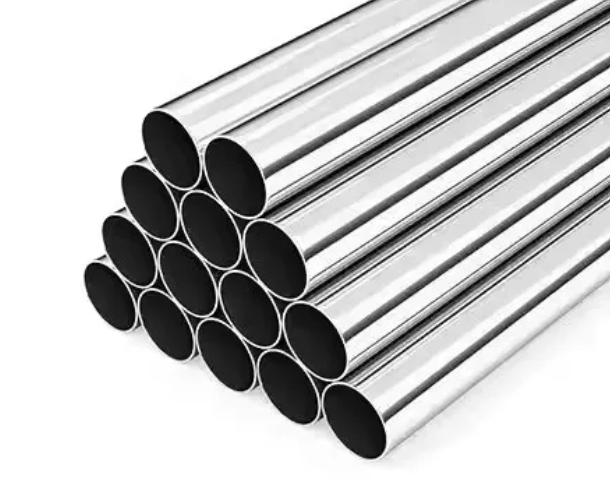
A buyer may ask for a nickel alloy tube, a titanium alloy tube, or a nickel alloy bar by grade name. But the same alloy may be used in very different industries, such as chemical processing, heat exchangers, oil and gas, marine engineering, aerospace, power generation, or medical equipment.
For example, a nickel alloy tube used in a chemical plant may need to resist specific acids, chlorides, oxidizing conditions, or reducing conditions. A similar alloy used in a high-temperature system may need stronger attention to creep, oxidation, fatigue, and thermal cycling. The alloy name may be the same, but the performance priorities are different.
The NIST corrosion performance database shows why corrosion data must be connected to specific chemical environments and conditions. It includes corrosion observations for metals and nonmetals in many corrosive environments, with performance data related to particular conditions such as concentration and temperature: NIST NACE/NIST Corrosion Performance Databases.
This means suppliers should not only ask, “What grade do you need?” They should also ask, “Where will this material be used?”
Application Questions Suppliers Should Ask
| Question | Why It Matters |
|---|---|
| What industry is the material used in? | Helps identify common risks and standard requirements |
| What is the working medium? | Determines corrosion and compatibility risks |
| What is the operating temperature? | Affects strength, oxidation, creep, and corrosion behavior |
| What is the pressure or load condition? | Affects wall thickness, strength, fatigue, and safety margin |
| Is the load static or cyclic? | Determines whether fatigue resistance matters |
| Will the material be welded, bent, machined, or formed? | Affects manufacturability and final performance |
| What standard is required? | Confirms ASTM, ASME, EN, ISO, NACE, AMS, or customer specification |
| What documentation is needed? | Confirms MTR, heat number, inspection report, and traceability |
| Is third-party inspection required? | Important for critical or regulated projects |
When suppliers understand these details, they can provide more useful technical confirmation instead of only sending a price quote.
Can Suppliers Bridge Customer Knowledge Gaps in Material Selection?
Yes, but only if they understand the customer’s application. Many material selection problems happen because buyers and suppliers use the same alloy name but think about different operating conditions.
A common misunderstanding is that “corrosion resistant” means resistant to every corrosive environment. This is not true. Corrosion resistance depends on the medium, concentration, pH, chloride level, oxygen content, temperature, pressure, flow rate, crevice conditions, deposits, and mechanical stress.
Suppliers can help bridge customer knowledge gaps by clarifying what an alloy can and cannot do in a specific application. This includes explaining corrosion limitations, strength requirements, fabrication risks, documentation needs, and industry-specific standards.
Example: Chemical Processing
In chemical processing, material selection is highly dependent on the exact chemical environment. A material that performs well in one acid or concentration may not perform well in another.
Important factors include:
- Acid type
- Chemical concentration
- Temperature
- Chloride content
- Oxidizing or reducing condition
- Flow velocity
- Solids or deposits
- Cleaning chemicals
- Welding or fabrication condition
Nickel Institute explains that nickel-containing alloys are used in chemical and process engineering because they can provide corrosion resistance in aqueous, gaseous, and high-temperature environments, but the selected alloy must match the specific service condition: Nickel in Process Engineering.
For buyers, this means a general statement such as “this alloy is corrosion resistant” is not enough. The supplier should help confirm resistance against the actual chemicals, concentration, temperature, and operating cycle.
Example: Oil and Gas
Oil and gas applications may involve H2S, CO2, chlorides, high pressure, fluctuating temperature, and sour service conditions. These environments can create risks such as sulfide stress cracking, stress corrosion cracking, hydrogen-induced cracking, and other cracking mechanisms.
ISO 15156 addresses cracking mechanisms caused by H2S in oil and gas production environments, including sulfide stress cracking, stress corrosion cracking, hydrogen-induced cracking, stepwise cracking, stress-oriented hydrogen-induced cracking, soft zone cracking, and galvanically induced hydrogen stress cracking: ISO 15156-1.
This is why suppliers should be careful when recommending materials for H2S-containing environments. Instead of saying one alloy is always suitable, a responsible supplier should ask whether NACE MR0175 / ISO 15156, customer specifications, sour service testing, or additional qualification requirements apply.
Example: Heat Exchangers
Heat exchanger materials must be selected according to both corrosion and heat transfer conditions. A tube may be exposed to seawater, brine, cooling water, acids, steam, condensate, or high-temperature gases.
Important selection factors include:
- Tube material
- Tube wall thickness
- Surface condition
- Tube cleanliness
- Flow velocity
- Fouling risk
- Chloride level
- Thermal cycling
- Expansion and vibration
- Cleaning method
- Inspection method
For heat exchanger customers, the supplier should not only confirm tube size and grade. The supplier should also ask about cooling medium, temperature, pressure, flow rate, fouling risk, and cleaning process.
How Does Application Knowledge Help Mitigate Customer Risks?
Application knowledge helps suppliers identify risks that may not be visible from the purchase order.
A purchase order may only say:
- Inconel 625 tube
- ASTM B444
- OD 25.4 mm
- WT 1.65 mm
- Length 6000 mm
But this does not tell the supplier whether the tube will be used in seawater, acid, high temperature gas, pressure equipment, heat exchanger service, or another critical application. Without application context, the supplier may not know whether additional testing, tighter tolerance, surface control, or documentation is needed.
Application knowledge helps suppliers identify possible failure mechanisms, compliance gaps, and long-term performance risks before material is supplied. This does not guarantee that a component will never fail, but it helps buyers make more informed decisions and reduce avoidable procurement risk.
Risks Suppliers Can Help Customers Review
| Risk Type | What the Supplier Should Ask |
|---|---|
| Corrosion Risk | What medium, concentration, chloride level, pH, temperature, and oxygen content? |
| Stress Corrosion Cracking | Is the material exposed to tensile stress and a cracking-prone environment? |
| Fatigue Risk | Is the part exposed to vibration, cyclic pressure, or rotating load? |
| Creep Risk | Will the material operate under long-term high temperature stress? |
| Welding Risk | Will the tube or bar be welded? Is post-weld treatment required? |
| Machining Risk | Is the alloy difficult to machine? Is extra allowance required? |
| Documentation Risk | Is MTR, heat number, third-party inspection, or full traceability required? |
| Standard Mismatch | Does the project require ASTM, ASME, EN, ISO, AMS, NACE, or customer specification? |
Example: H2S-Containing Oil and Gas Environments
If a customer needs material for an offshore oil and gas environment, the supplier should ask whether H2S is present. H2S-containing environments may require material review under NACE MR0175 / ISO 15156.
In this case, the supplier’s application knowledge helps the buyer avoid a dangerous oversimplification: choosing a material only because it has “good corrosion resistance.” The real issue may be cracking resistance under sour service conditions, not only general corrosion resistance.
Example: Marine and Seawater Service
For marine engineering, seawater exposure may create risks such as pitting, crevice corrosion, galvanic corrosion, biofouling, and erosion. Titanium and nickel alloys can be strong candidates in many seawater applications, but the supplier still needs to confirm temperature, flow velocity, crevice conditions, deposits, and connection with other metals.
Example: Medical and Aerospace Components
For medical and aerospace components, the issue may be less about bulk corrosion and more about standards, traceability, fatigue, surface condition, biocompatibility, or documentation. A supplier that understands these industries can better support the customer’s required certificates, inspection, and material records.
Does Supplier Application Insight Support Better Purchasing Decisions?
Material buying is not always a simple price comparison. For industrial buyers, material choice can affect maintenance cost, downtime risk, service life, inspection frequency, safety margin, and total cost of ownership.
Supplier application insight helps buyers compare not only initial material price, but also lifecycle cost, replacement risk, maintenance burden, fabrication cost, and long-term performance.
Example: Geothermal and High-Corrosion Energy Applications
Geothermal systems may contain hot brines, dissolved gases, scaling risk, chlorides, and other corrosive species. Material selection for geothermal heat exchangers must consider both corrosion and scaling.
A review on geothermal heat exchangers discusses corrosion and scaling challenges and identifies corrosion-resistant alloys, coatings, inhibitors, and anti-scaling agents as mitigation strategies: Corrosion and Scaling in Geothermal Heat Exchangers.
Research available through OSTI also reviews field corrosion performance of titanium alloy materials in geothermal brines and notes titanium’s overall suitability in many geothermal brine services with respect to general, pitting, crevice, and stress corrosion: Performance and Application of Titanium Alloys in Geothermal Brine Service.
This does not mean titanium is always the correct choice. It means the supplier and buyer should compare materials based on real operating conditions, corrosion risk, scaling risk, heat exchanger design, maintenance strategy, and lifecycle cost.
Initial Cost vs Lifecycle Value
| Factor | Lower Initial Cost Material | Better-Matched Corrosion-Resistant Alloy |
|---|---|---|
| Initial Purchase Price | Lower | Higher |
| Specification Fit | May be incomplete | Better matched to operating conditions |
| Corrosion Risk | Potentially higher if environment is aggressive | Lower when correctly selected and verified |
| Maintenance | May require more frequent inspection or replacement | May reduce maintenance burden |
| Downtime Risk | Higher if premature failure occurs | Lower when material and design are suitable |
| Documentation | May be basic | Can include MTR, traceability, testing, and inspection |
| Total Cost of Ownership | May become higher over time | May be lower when lifecycle risks are reduced |
The better question is not always “Which alloy is cheapest?” The better question is “Which alloy is most suitable for this operating environment and project risk level?”
Why Application Knowledge Builds Customer Trust
Customers trust suppliers more when suppliers ask the right questions. A supplier who understands the application can provide more relevant answers, identify missing information, and avoid over-promising.
A trustworthy supplier should be able to explain:
- Why one alloy may be suitable for one environment but not another
- Why temperature and pressure change material requirements
- Why corrosion media must be identified clearly
- Why welding and machining affect final performance
- Why MTR and heat number traceability matter
- Why a standard grade may still require extra testing
- Why lifecycle cost can matter more than unit price
This kind of support helps customers see the supplier as a technical partner, not only a vendor.
Practical Checklist: What Suppliers Should Confirm with Customers
Before recommending nickel alloy or titanium alloy tubes and bars, suppliers should confirm the following:
| Confirmation Item | Details to Ask |
|---|---|
| Industry | Chemical, oil and gas, marine, aerospace, power, medical, heat exchanger, nuclear |
| Application | Tube, bar, shaft, connector, piping, heat exchanger, reactor, pump, valve |
| Working Medium | Acid, alkali, seawater, brine, steam, gas, H2S, chloride solution |
| Temperature | Normal and maximum operating temperature |
| Pressure | Normal and maximum pressure |
| Mechanical Stress | Static load, cyclic load, vibration, fatigue, impact |
| Corrosion Risk | Pitting, crevice corrosion, SCC, SSC, erosion, oxidation |
| Product Form | Seamless tube, welded tube, round bar, forged bar, rod |
| Standard | ASTM, ASME, EN, ISO, AMS, NACE, customer specification |
| Size | OD, wall thickness, diameter, length, tolerance |
| Surface | Pickled, polished, bright annealed, ground, peeled, machined |
| Testing | PMI, UT, eddy current, hydrostatic, tensile, hardness, dimensional |
| Documentation | MTR, heat number, certificate, inspection report |
| Inspection | Customer inspection, third-party inspection, internal QC |
| Delivery | Quantity, packaging, destination, required lead time |
This checklist helps both buyer and supplier move from a simple material inquiry to a clearer technical confirmation process.
How Emily PIPE Supports Application-Based Material Supply
Emily PIPE is a China-based manufacturer and exporter specializing in nickel alloy tubes, nickel alloy bars, titanium alloy tubes, and titanium alloy bars. We support customers across chemical processing, oil and gas, marine engineering, aerospace, power generation, medical equipment, heat exchangers, and high-temperature or corrosion-resistant applications.
We help customers review:
- Material grade selection
- Product form selection
- Tube and bar size requirements
- ASTM, ASME, EN, ISO, AMS, NACE, or customer standards
- Application environment
- Corrosion and temperature requirements
- Welding, machining, or fabrication needs
- MTR and heat number traceability
- Inspection and testing requirements
- Packaging and export documentation
Our role is not to replace the customer’s engineering design authority. Our role is to support material-side confirmation, manufacturing feasibility review, documentation preparation, and clear communication before production and shipment.
If you are selecting nickel alloy or titanium alloy tubes and bars for a specific industrial application, please send your grade, standard, size, quantity, application environment, working medium, temperature, pressure, and documentation requirements. Our team can help review the material requirements and provide a suitable quotation.
FAQ: Why Alloy Suppliers Must Understand Application Industries
1. Why is application knowledge important for alloy suppliers?
Application knowledge helps suppliers understand the real operating environment. This allows them to support better material selection, corrosion risk review, documentation planning, and technical communication.
2. Are material specifications enough for alloy selection?
Specifications are important, but they are not always enough. Buyers should also consider temperature, pressure, corrosion media, mechanical load, fabrication method, inspection needs, and service life.
3. Why can’t one corrosion-resistant alloy work for every environment?
Corrosion resistance depends on the exact environment. Medium, concentration, temperature, pH, chloride level, oxygen content, stress, and flow condition can all change material performance.
4. How can suppliers help customers avoid material selection mistakes?
Suppliers can ask detailed application questions, review standards, check MTR requirements, explain alloy limitations, and suggest when additional testing or engineering review may be needed.
5. Why is H2S important in oil and gas material selection?
H2S-containing environments can cause cracking mechanisms such as sulfide stress cracking and hydrogen-induced cracking. Materials may need to be reviewed according to NACE MR0175 / ISO 15156.
6. Why should buyers consider lifecycle cost?
A lower initial material price may lead to higher maintenance, replacement, downtime, or failure risk if the material is not suitable for the application. Lifecycle cost helps buyers compare long-term value, not only purchase price.
7. What information should I provide when asking for alloy material advice?
You should provide application, working medium, temperature, pressure, product form, size, standard, fabrication method, testing requirements, documentation requirements, and destination.
8. Can a supplier guarantee that a material will never fail?
No responsible supplier should guarantee that a material will never fail. Material performance depends on design, service conditions, fabrication, installation, maintenance, and operation. A supplier can help reduce selection risk by providing correct material, documentation, and technical clarification.
Conclusion
Alloy suppliers must understand application industries because alloy selection is not only about grade, size, and price. Real material performance depends on service environment, corrosion media, temperature, pressure, stress, fabrication, standards, inspection, and documentation.
A supplier with application knowledge can help customers identify risks earlier, clarify technical requirements, compare lifecycle value, and make more confident procurement decisions.
For critical industrial projects, the best alloy is not always the most expensive or the most common option. It is the material that best matches the actual application environment, performance requirements, manufacturing process, documentation needs, and long-term risk level.