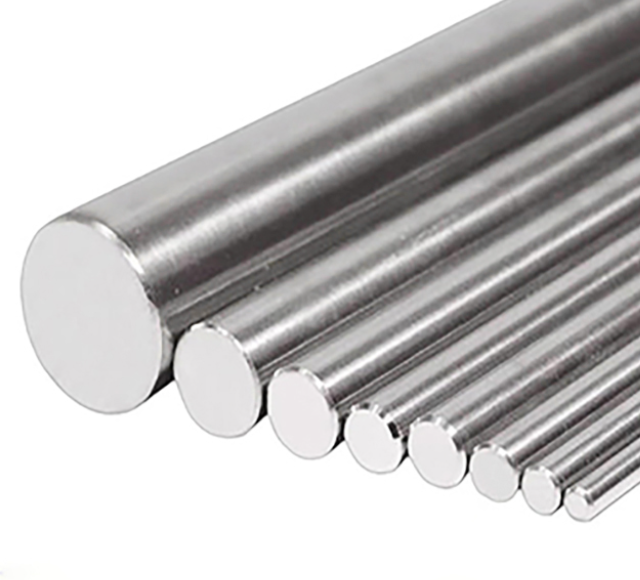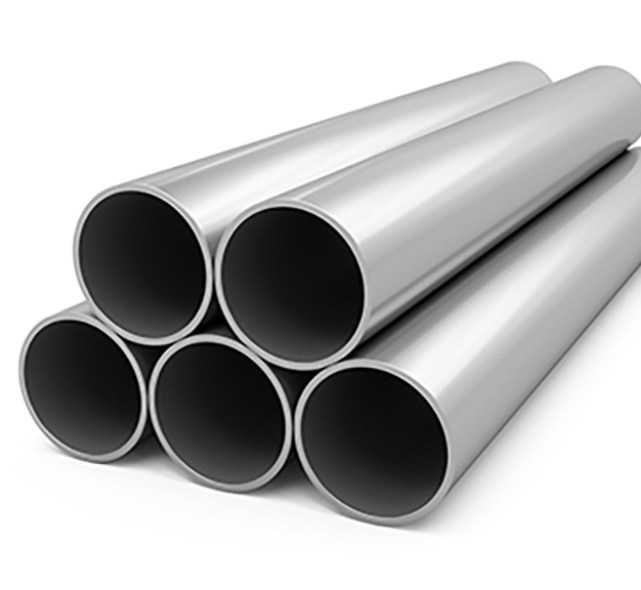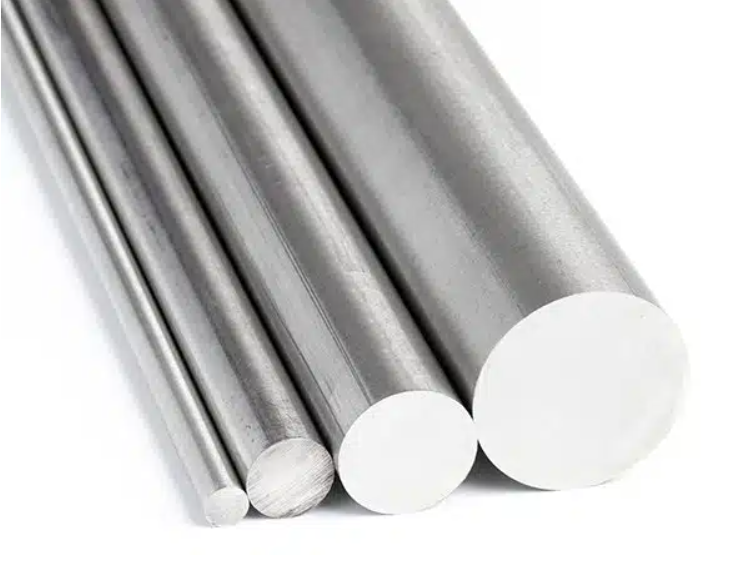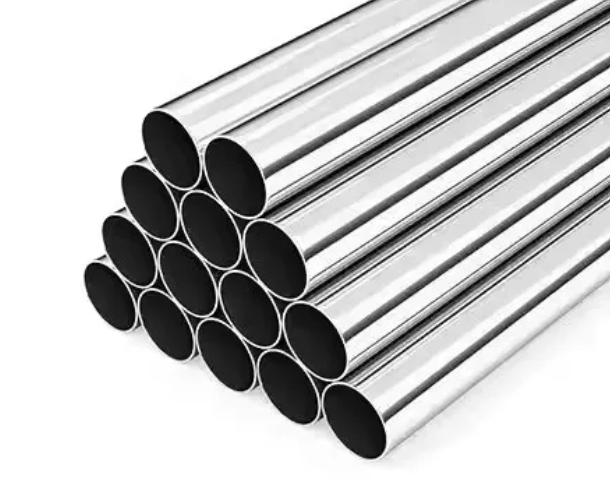

Choosing alloy materials is not only about selecting a grade from a datasheet. For nickel alloy tubes, nickel alloy bars, titanium alloy tubes, and titanium alloy bars, final quality depends on a controlled production chain: raw material selection, melting, forming, heat treatment, surface finishing, inspection, documentation, and application-based quality control.
A material may have the correct chemical composition but still perform poorly if the production route, heat treatment, surface condition, or inspection process is not suitable for the intended application.
Quick Answer:
The final quality of alloy materials is affected by every major production step, including raw material control, melting, casting, forging, rolling, drawing, heat treatment, surface finishing, and inspection. Each step can influence chemical consistency, microstructure, grain size, mechanical properties, corrosion resistance, dimensional accuracy, surface integrity, and long-term reliability. Buyers should review not only the alloy grade, but also the production route, testing records, MTR, heat number traceability, and application-specific requirements.
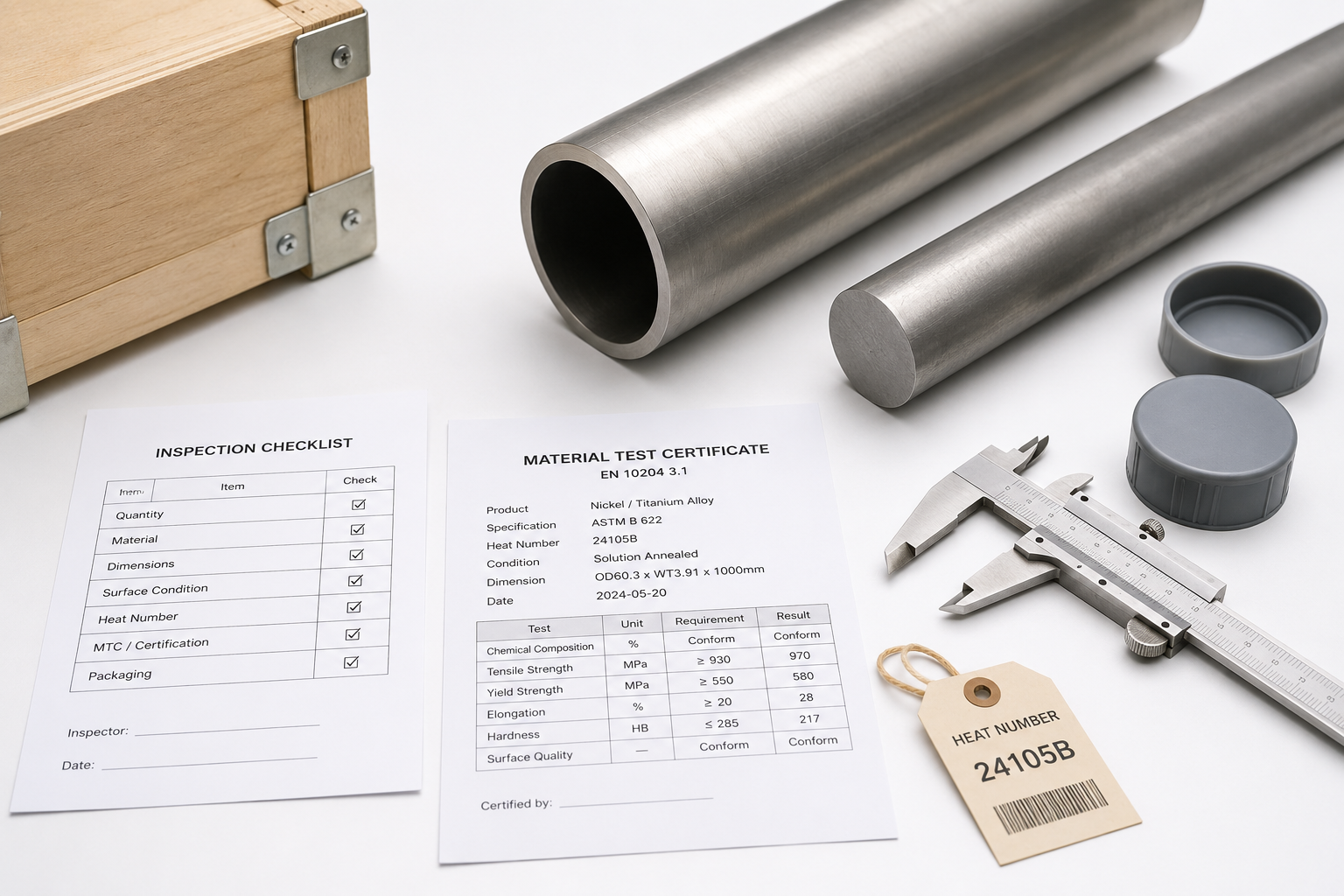
Material quality should always be connected to real service conditions. The UK Health and Safety Executive explains that plant design should consider temperature, pressure, materials of construction, corrosion, erosion, fabrication, testing, and applicable standards: HSE Design Codes - Plant.
NASA’s materials and processes standard also emphasizes material and process control, including requirements related to material selection, processing, heat treatment verification, certification, and traceability for demanding engineering programs: NASA Standard Materials and Processes Requirements.
This is why buyers should not evaluate alloy quality only by price, grade name, or chemical composition.
Is “High Quality” a Universal Standard for Alloy Materials?
Many buyers ask for “high-quality alloy materials.” However, “high quality” does not mean exactly the same thing for every industry or every application.
A high-temperature furnace component, a marine heat exchanger tube, an aerospace fastener, a medical device shaft, and a chemical processing pipe may all require different quality priorities.
For alloy materials, quality is application-specific. A material should be evaluated according to the required standard, service environment, mechanical load, corrosion risk, temperature, fabrication method, surface condition, inspection requirements, and documentation package.
For example:
- A high-temperature application may prioritize creep resistance, oxidation resistance, and thermal stability.
- A marine application may prioritize pitting corrosion resistance, crevice corrosion resistance, and surface condition.
- A chemical processing application may prioritize resistance to a specific acid, alkali, chloride solution, or mixed chemical environment.
- A medical or aerospace application may prioritize traceability, fatigue resistance, surface integrity, and strict documentation.
- A heat exchanger application may prioritize tube cleanliness, dimensional tolerance, surface condition, and corrosion resistance.
A material can pass basic tensile testing and still be unsuitable for a specific corrosive environment if the alloy selection, surface condition, or heat treatment is not appropriate. This is why buyers should define quality by application, not by a general phrase such as “premium quality.”
Application-Specific Quality Parameters
| Quality Parameter | Why It Matters |
|---|---|
| Mechanical Properties | Strength, ductility, toughness, hardness, and fatigue resistance must match the load condition |
| Corrosion Resistance | Material must match the actual medium, concentration, temperature, chloride level, and pH |
| Thermal Stability | High-temperature service may require creep resistance, oxidation resistance, and microstructural stability |
| Surface Finish | Surface condition can affect fatigue crack initiation, corrosion behavior, flow, cleaning, and fit-up |
| Dimensional Accuracy | Tight tolerance is important for assembly, machining, heat exchanger tubes, shafts, and connectors |
| Documentation | MTR, heat number, inspection records, and certificates help verify material quality |
| Traceability | Batch tracking supports quality review, customer audits, and problem investigation |
For buyers, the key question is not only “Is this alloy high quality?” The better question is: “Is this alloy produced, tested, and documented for my application?”
How Do Raw Materials Impact the Final Performance of an Alloy?
Alloy production quality begins before melting. Raw material selection affects chemical purity, impurity levels, alloy consistency, and final performance.
Raw materials are the foundation of alloy quality. Chemical composition, impurity control, batch consistency, and raw material traceability can affect melting behavior, microstructure, hot workability, corrosion resistance, mechanical properties, and final product reliability.
Why Chemical Purity Matters
In nickel alloys, titanium alloys, and other high-performance alloys, small amounts of unwanted elements may influence final properties. This does not mean every trace element is automatically harmful, but it does mean that critical elements and impurities must be controlled according to the applicable standard and application.
For nickel alloys, welding and hot processing can be sensitive to contamination and certain low-melting elements. TWI explains that hot cracking in nickel alloy welding can be influenced by sulfur, phosphorus, lead, bismuth, boron, and contamination from grease, oil, or dirt if surfaces are not properly cleaned: TWI Welding of Nickel Alloys.
For titanium alloys, interstitial elements such as oxygen can strongly affect mechanical behavior. Research published on PubMed Central discusses oxygen sensitivity in titanium and shows that oxygen can strongly influence titanium’s mechanical response: Mechanistic Basis of Oxygen Sensitivity in Titanium. Another study notes that small amounts of interstitial oxygen can severely deteriorate tensile ductility of titanium in some conditions: Elimination of Oxygen Sensitivity in α-Titanium.
Raw Material Control Points
| Raw Material Variable | Possible Impact on Final Alloy | Buyer / Supplier Control |
|---|---|---|
| Chemical Purity | Affects composition, corrosion resistance, and mechanical behavior | Review raw material certificates and incoming inspection |
| Trace Impurities | May influence hot workability, weldability, ductility, or cracking tendency | Define impurity limits according to standard and application |
| Physical Form | Affects melting efficiency, oxidation risk, and charge consistency | Use controlled charge materials and proper storage |
| Batch Consistency | Helps reduce variation from heat to heat | Maintain heat number tracking and batch records |
| Storage Condition | Moisture, contamination, or mix-up can affect quality | Use clean storage and material identification controls |
| Traceability | Links final products to raw material batches | Maintain heat number and MTR records |
Buyers should ask suppliers whether the material can be traced by heat number and whether the delivered batch is supported by a Material Test Report.
Does Melting Only Create the Alloy, or Does It Define Its Internal Quality?
Melting is more than combining metal elements. It affects alloy cleanliness, gas content, inclusion control, segregation, and chemical homogeneity.
Melting and refining can strongly influence internal alloy quality. Poor melting control may lead to chemical segregation, gas porosity, inclusions, or inconsistent properties. For demanding alloys, melt route and refining method should be reviewed when the project requires higher reliability.
Homogeneity and Cleanliness
During melting, alloying elements must be distributed uniformly. If the melt is not well controlled, segregation may occur during solidification. Localized differences in chemical composition can affect mechanical properties, corrosion behavior, and processing response.
For high-performance alloys, mills may use specialized melting or remelting processes such as Vacuum Induction Melting (VIM), Electroslag Remelting (ESR), or Vacuum Arc Remelting (VAR), depending on the alloy and application requirement.
A technical paper on nickel- and cobalt-based superalloy production explains that vacuum induction melting is important for sophisticated alloys because of their reactivity with atmospheric oxygen and nitrogen, and that VAR and ESR can help meet high quality requirements for demanding applications: State of the Art of Superalloy Production.
Mississippi State University’s ICME resource also explains that vacuum arc remelting is used to obtain materials with a high degree of homogeneity for aerospace, aviation, and biomedical engineering applications: Vacuum Arc Remelting - Mississippi State University.
Buyer Questions About Melting
Buyers do not always need to specify the melting route. However, for critical projects, it may be useful to ask:
- What is the melt source?
- Is the material from a qualified mill?
- Is the heat number traceable?
- Does the MTR show the chemical composition of the actual heat?
- Is the alloy produced by standard melting, VIM, ESR, VAR, or another route?
- Does the project require special melt practice or additional verification?
The melting stage builds the chemical and internal foundation of the alloy. Problems introduced here may be difficult or impossible to correct later.
How Do Forging, Rolling, and Drawing Affect Alloy Quality?
After melting and casting, alloy materials are shaped into tubes, bars, rods, billets, or other product forms. These shaping steps do more than change geometry. They also affect internal structure and mechanical properties.
Forging, rolling, extrusion, and drawing can influence grain structure, deformation pattern, residual stress, surface condition, dimensional accuracy, strength, ductility, and fatigue behavior. The same alloy grade may perform differently depending on how it is processed.
Grain Structure and Deformation
Casting often produces a coarse dendritic structure. Hot working processes such as forging and rolling can help break down the cast structure and influence grain shape, grain size, and internal soundness.
Grain refinement can influence strength, toughness, and fatigue behavior. A NASA report on grain-refining heat treatments notes that grain refinement should be considered for toughness enhancement in certain alloys and service conditions: NASA Grain-Refining Heat Treatments.
For tubes and bars, forming processes can affect:
- Grain size
- Grain flow
- Work hardening
- Residual stress
- Dimensional tolerance
- Surface quality
- Straightness
- Roundness
- Fatigue behavior
- Machining performance
Hot Working vs Cold Working
Hot working and cold working create different effects.
| Process | Main Purpose | Possible Effect |
|---|---|---|
| Hot Forging | Shape and refine structure at high temperature | Can improve internal structure and reduce casting defects when properly controlled |
| Hot Rolling | Reduce size and shape material | Helps form bars, plates, billets, or tube hollows |
| Cold Drawing | Improve size accuracy and surface finish | Can increase strength and hardness but reduce ductility |
| Cold Rolling | Improve dimensional control | Can improve surface and tolerance but introduce work hardening |
| Straightening | Improve geometry | Must be controlled to avoid excessive residual stress |
For buyers, it is important to confirm not only the alloy grade, but also the required product form, tolerance, surface condition, and heat treatment state.
Why Is Heat Treatment More Than Heating and Cooling?
Heat treatment is one of the most important steps in alloy production. It can change the microstructure, stress state, hardness, strength, ductility, corrosion behavior, and dimensional stability of the material.
Heat treatment is a controlled metallurgical process involving temperature, holding time, cooling rate, furnace atmosphere, and verification. It is used to adjust microstructure and properties according to the alloy and application requirement.
NASA’s materials and processes standard includes requirements for test verification of the adequacy of heat treatment when metallic materials are user heat treated: NASA Standard Materials and Processes Requirements.
Heat treatment may include:
- Annealing
- Solution annealing
- Stress relieving
- Aging
- Precipitation hardening
- Normalizing
- Quenching
- Tempering, for applicable alloys
Why Heat Treatment Control Matters
If the temperature is too low, the desired phase transformation or stress relief may be incomplete. If the temperature is too high, excessive grain growth or undesirable phase changes may occur. If the holding time or cooling rate is not controlled, the final properties may deviate from requirements.
For nickel alloys and titanium alloys, heat treatment must be selected according to grade, product form, standard, and final application.
A University of Washington thesis reviewing heat treatments for nickel alloys explains that post-processing heat treatments can reduce porosity, anisotropy, residual stress cracking, undesired precipitate phases, and improve mechanical properties in nickel alloys: Heat Treatments to Improve Microstructures of Nickel Alloys.
Common Heat Treatment Controls
| Heat Treatment Factor | Why It Matters |
|---|---|
| Temperature | Determines phase changes, solution effects, grain growth, and precipitation behavior |
| Holding Time | Affects how completely the microstructure responds to treatment |
| Cooling Rate | Influences precipitation, stress, and final properties |
| Furnace Uniformity | Helps ensure all parts receive the correct thermal cycle |
| Atmosphere Control | Reduces oxidation or contamination risk |
| Verification Testing | Confirms that the treated material meets mechanical and specification requirements |
For buyers, heat treatment should be confirmed on the MTR when the standard or purchase order requires a specific condition.
Are Surface Finish and Inspection Just Final Touches?
Surface finish and inspection are not only cosmetic steps. They are important parts of final material quality.
Surface finish can affect fatigue crack initiation, corrosion behavior, cleaning, flow, sealing, and assembly. Inspection helps verify that the material meets chemical, mechanical, dimensional, surface, and internal quality requirements.
Surface Integrity and Fatigue
Many fatigue cracks begin at or near the surface of a metal component. A review on machined surface integrity and fatigue performance explains that fatigue cracks generally initiate from free surfaces, and that surface topography, residual stress, work hardening, and metallurgical changes can affect fatigue performance: Effect of Machined Surface Integrity on Fatigue Performance of Metal Workpieces.
Surface defects such as scratches, laps, pits, inclusions, or rough machining marks may act as stress concentration sites. In cyclic loading applications, these defects may reduce fatigue life.
Surface Finish and Corrosion
Surface condition can also influence corrosion. A rough or contaminated surface may trap corrosive media, deposits, or chlorides. This can increase localized corrosion risk in some environments.
For chloride-containing environments, ASTM G48 provides test methods used to rank the relative resistance of stainless steels and nickel-base alloys to pitting and crevice corrosion: ASTM G48.
For austenitic stainless steels, ASTM A262 covers practices for detecting susceptibility to intergranular attack: ASTM A262.
These standards show why corrosion testing must be linked to a specific alloy, environment, and test method. A general claim of “corrosion resistance” is not always enough.
What Inspection Steps Help Verify Alloy Quality?
Inspection provides objective evidence that the delivered material meets the purchase requirement. It also helps detect problems that may not be visible from the surface.
A complete inspection process may include visual inspection, dimensional inspection, chemical analysis, mechanical testing, non-destructive testing, surface inspection, corrosion testing, and document review.
Common Inspection Methods
| Inspection Type | Purpose | Typical Method |
|---|---|---|
| Visual Inspection | Identify surface defects, scratches, cracks, dents, or poor finish | Visual check, magnifier, borescope |
| Dimensional Inspection | Confirm OD, wall thickness, diameter, length, straightness, tolerance | Calipers, micrometers, gauges, CMM |
| Chemical Analysis | Confirm alloy composition | Spectrometry, laboratory analysis, PMI when applicable |
| Mechanical Testing | Verify strength, ductility, hardness, and impact properties | Tensile, hardness, impact testing |
| Non-Destructive Testing | Detect internal, surface, or near-surface defects | UT, ECT, radiography, penetrant testing |
| Corrosion Testing | Check resistance to specific corrosion mechanisms | ASTM G48, ASTM A262, or customer-specified test |
| Documentation Review | Verify MTR, heat number, standard, and certificates | MTR review and traceability check |
ASTM E8/E8M covers tension testing of metallic materials and determination of tensile strength, yield strength, elongation, and reduction of area: ASTM E8/E8M.
ASTM E1476 provides guidance for metals identification, grade verification, and sorting: ASTM E1476.
IAEA training guidance on non-destructive testing explains that NDT can be used to detect manufacturing defects such as shrinkage cavities, blow holes, inclusions, and cracks in castings: IAEA Training Guidelines in Non-Destructive Testing.
For critical projects, inspection should be defined before production, not after shipment.
What Should Buyers Ask Suppliers About Alloy Production Quality?
Buyers do not need to become metallurgists, but they should ask the right questions before placing an order.
Buyer Checklist
| Question | Why It Matters |
|---|---|
| What standard does the material follow? | Confirms ASTM, ASME, EN, ISO, AMS, NACE, or customer specification |
| What is the heat number? | Supports traceability |
| Can you provide an MTR? | Confirms chemistry and mechanical properties |
| What is the production route? | Helps understand melting, forming, heat treatment, and inspection |
| What heat treatment condition is supplied? | Affects strength, ductility, hardness, and corrosion behavior |
| What surface finish is provided? | Affects machining, corrosion, cleaning, and fatigue |
| What inspections are performed? | Confirms dimensional, surface, chemical, mechanical, and internal quality |
| Is NDT required? | Important for tubes, bars, and critical applications |
| Is third-party inspection available? | Useful for critical or regulated projects |
| Can the material be supplied to custom tolerance or length? | Important for machining and assembly |
| How is packaging controlled? | Reduces damage, contamination, and mix-up during shipment |
RFQ Information Buyers Should Provide
To receive a more accurate quotation, buyers should provide:
| RFQ Item | Example |
|---|---|
| Alloy Grade | Inconel 625, Inconel 718, Hastelloy C276, Monel 400, Grade 2 Titanium, Ti-6Al-4V |
| Product Form | Seamless tube, welded tube, round bar, rod, forged bar |
| Standard | ASTM, ASME, EN, ISO, AMS, NACE, customer specification |
| Size | OD, wall thickness, diameter, length |
| Tolerance | Standard tolerance, h9, h10, custom tolerance |
| Surface Condition | Pickled, polished, bright annealed, peeled, ground, machined |
| Heat Treatment | Annealed, solution treated, aged, stress relieved, as required |
| Application | Heat exchanger, chemical reactor, shaft, connector, offshore component |
| Operating Conditions | Temperature, pressure, working medium, corrosion environment |
| Testing | PMI, UT, ECT, hydrostatic, tensile, hardness, corrosion test |
| Documentation | MTR, heat number, certificate, inspection report |
| Inspection | Internal inspection, customer inspection, third-party inspection |
| Quantity and Delivery | Weight, pieces, destination, lead time |
Providing this information helps the supplier align production, inspection, and documentation with the actual application.
How Emily PIPE Supports Alloy Material Quality Control
Emily PIPE is a China-based manufacturer and exporter specializing in nickel alloy tubes, nickel alloy bars, titanium alloy tubes, and titanium alloy bars. We support customers across chemical processing, oil and gas, marine engineering, aerospace, power generation, medical equipment, heat exchangers, and high-temperature or corrosion-resistant applications.
We support buyers with:
- Nickel alloy tube and bar supply
- Titanium alloy tube and bar supply
- Standard and customized specifications
- Material grade selection support
- Application-based technical communication
- MTR and heat number traceability
- Dimensional and surface inspection
- PMI, UT, ECT, hydrostatic, and other inspection support when required
- Custom length, tolerance, and surface requirements
- Export packaging and logistics support
Our goal is not only to provide alloy materials, but also to help customers understand how production steps and quality control affect final performance.
If you are sourcing nickel alloy or titanium alloy tubes and bars, please send us your grade, standard, size, surface condition, heat treatment requirement, inspection requirement, documentation requirement, and application environment. Our team can help review the material requirements and provide a suitable quotation.
FAQ: How Production Steps Affect Alloy Material Quality
1. Why does alloy quality depend on more than chemical composition?
Chemical composition is important, but final quality also depends on melting, forming, heat treatment, surface finish, inspection, and documentation. Two materials with similar chemistry may perform differently if their production routes are different.
2. Why are raw materials important in alloy production?
Raw materials affect chemical purity, impurity levels, batch consistency, melting behavior, and final properties. Poor raw material control can create problems that are difficult to correct later.
3. Why does melting matter?
Melting affects chemical homogeneity, gas content, inclusions, segregation, and cleanliness. For demanding applications, buyers may need to ask about melt source, heat number, and melt route.
4. How does forging or rolling affect final properties?
Forging and rolling can influence grain structure, deformation pattern, residual stress, strength, ductility, toughness, and fatigue behavior. The forming process also affects size, shape, and surface condition.
5. Why is heat treatment critical?
Heat treatment changes microstructure and internal stress state. It can affect hardness, strength, ductility, corrosion behavior, dimensional stability, and long-term performance.
6. Why does surface finish matter?
Surface finish can affect fatigue crack initiation, corrosion behavior, cleaning, flow, assembly, and sealing. Deep scratches, laps, pits, or rough surfaces may create performance risks.
7. What inspections should buyers request?
Buyers may request visual inspection, dimensional inspection, chemical analysis, mechanical testing, PMI, UT, ECT, hydrostatic testing, corrosion testing, or third-party inspection depending on the application.
8. What documents should come with alloy materials?
Typical documents include MTR, heat number, chemical composition, mechanical properties, standard confirmation, inspection report, certificate of origin if required, and third-party inspection certificate if applicable.
Conclusion
The final quality of alloy materials is created through a complete production chain. Raw materials, melting, forming, heat treatment, surface finishing, inspection, and documentation all affect whether the material can meet the buyer’s application needs.
For nickel alloy and titanium alloy tubes and bars, buyers should not only ask for grade and price. They should also confirm production route, heat treatment condition, surface finish, inspection method, MTR, heat number traceability, and application-specific requirements.
A reliable alloy supplier helps buyers connect production quality with real service performance. This helps reduce avoidable procurement risk and supports more confident material decisions for critical industrial projects.