
Why Alloy Materials Fail Early: What Buyers Should Check Before Ordering Nickel and Titanium Alloys
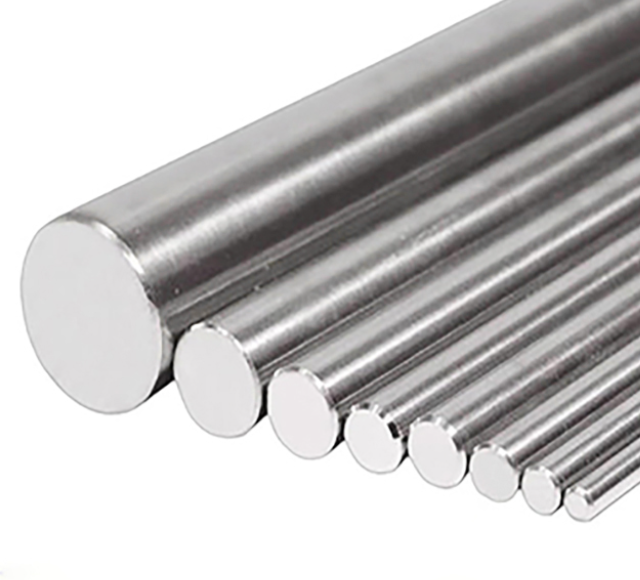
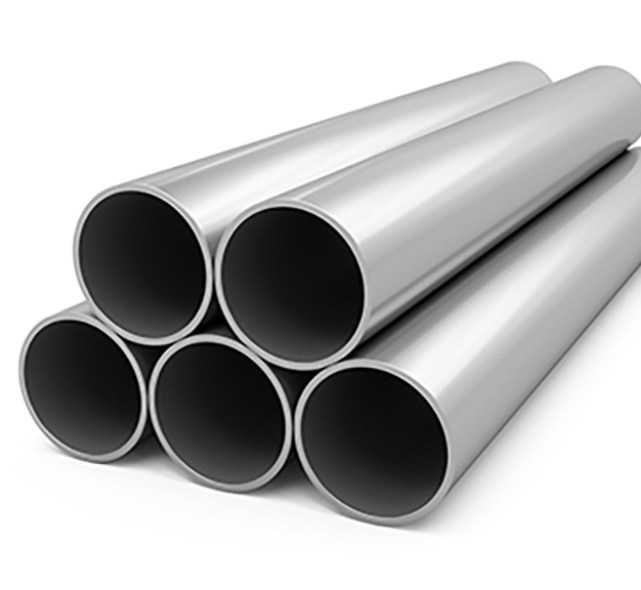
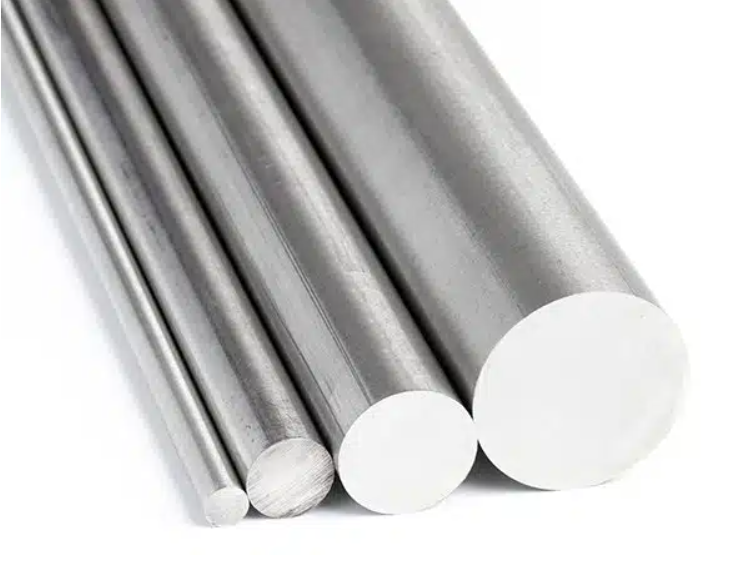
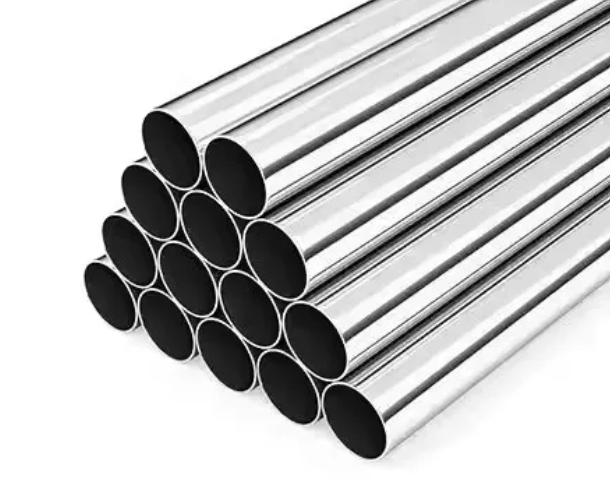
Unexpected alloy material problems can delay projects, increase replacement costs and create quality investigations. This is especially serious when the material is a nickel alloy tube, nickel alloy bar, titanium alloy tube or titanium alloy bar used in chemical processing, oil and gas, marine engineering, aerospace, power generation, medical equipment or high-temperature service.
The service life of an alloy is not a fixed number. It depends on the material grade, product form, heat treatment condition, manufacturing quality, surface condition, inspection scope and actual operating environment. Material selection should consider performance goals, material properties, cost and working conditions, not only basic datasheet values.
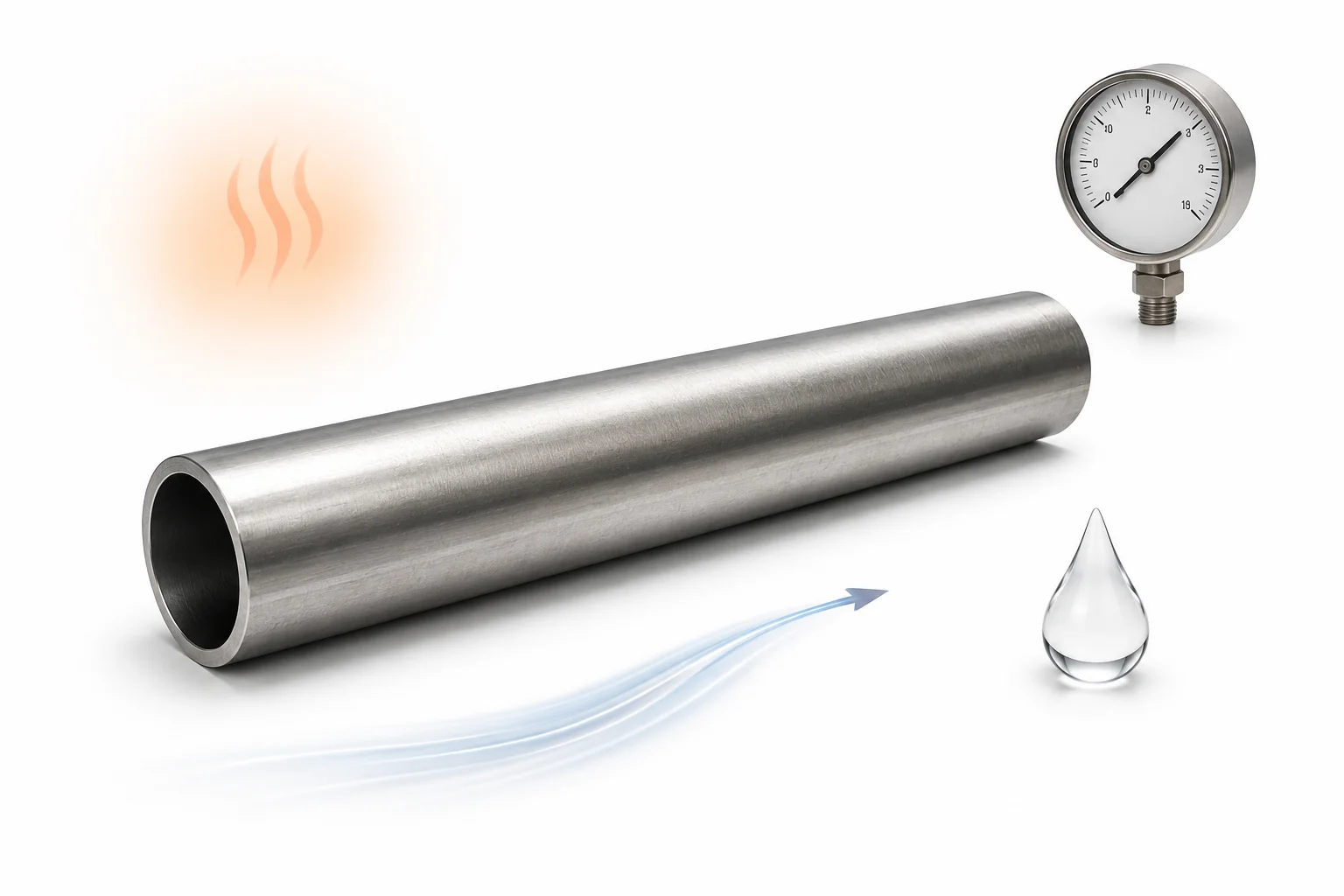
For alloy buyers, the key question is not only:
Which alloy has the best strength or corrosion resistance?
A better question is:
Which alloy, standard, product condition, inspection scope and documentation package match my real service environment?
This article explains why alloy materials may fail earlier than expected and what buyers should check before placing an order.
Quick Answer: Why Do Alloy Materials Fail Early?
Early alloy failure usually happens when the selected material, manufacturing condition or inspection scope does not match the real operating environment.
| Main Cause | What It Means | Buyer Should Check |
|---|---|---|
| Wrong Alloy Selection | The alloy does not match the corrosion, temperature, pressure or stress condition | Grade, UNS number, application environment |
| Incomplete Specifications | Only basic grade is specified without standard, condition or tests | ASTM / ASME / EN / ISO standard, heat treatment, certificate type |
| Operating Environment Mismatch | Real media, temperature, pressure or flow is harsher than expected | Chemical concentration, pH, chloride, velocity, temperature cycles |
| Manufacturing or Processing Issues | Heat treatment, forming, welding or surface condition affects performance | MTR/MTC, heat treatment condition, dimensional and surface inspection |
| Surface or Internal Defects | Scratches, pits, cracks, inclusions or internal flaws become initiation points | Surface inspection, UT, ET, PMI, dimensional report if required |
| Hidden Stresses | Residual stress, vibration, cyclic loading or thermal cycling causes damage | Fatigue, SCC, residual stress and thermal fatigue review |
| Traceability Gaps | Material cannot be linked clearly to test records | Heat number, marking, packing list, MTR/MTC |
| Missing Supplementary Tests | Required corrosion, NDT, hardness or mechanical tests are not included | PO requirements, inspection plan, third-party testing if needed |
In many cases, the problem is not that the alloy is “bad.” The problem is that the alloy was not fully matched to the service condition or not fully verified before use.
Is Focusing Only on Basic Material Specifications Enough?
Basic specifications are important, but they are not enough for long-term service reliability.
Tensile strength, yield strength, elongation and general corrosion resistance are only part of the story. Real service life also depends on temperature, pressure, chemical media, stress state, surface condition, fabrication, welding, maintenance and inspection.
Basic Specs vs Service-Life Thinking
| Buyer Focus | Limitation | Better Approach |
|---|---|---|
| Only Alloy Name | Trade names can be vague or used incorrectly | Confirm UNS number and standard |
| Only Tensile Strength | Strength does not prove corrosion or fatigue resistance | Check load type, temperature, fatigue and environment |
| Only General Corrosion Resistance | Corrosion behavior changes with media, concentration and temperature | Define exact media, pH, chloride and flow condition |
| Only Datasheet Values | Datasheet values may not represent the exact batch or supplied condition | Review MTR/MTC and actual test values |
| Only Price per kg | Low initial cost may create replacement or downtime risk | Consider total project risk and service life |
| Only Certificate Availability | Certificate may not include all required tests | Check heat number, actual values and supplementary reports |
A material can meet a standard and still be unsuitable for a specific service environment if the wrong grade, product form or test scope was selected.
Standard Compliance Does Not Equal Service-Life Guarantee
This is one of the most important points for industrial alloy buyers.
A material standard helps define acceptance requirements, but it does not guarantee service life in every application. Final performance still depends on environment, design, fabrication, installation, maintenance and inspection.
What a Standard Can Support
| Standard / Document | What It Helps Verify |
|---|---|
| ASTM / ASME / EN / ISO Standard | Material scope, chemistry, mechanical requirements, tests and acceptance criteria |
| MTR / MTC | Actual chemical and mechanical test results for the supplied heat or batch |
| Heat Number | Traceability between physical material and certificate |
| NDT Report | UT, ET, PT or other inspection result if required |
| Hydrostatic Test Report | Pressure-tightness test for tubes or pipes if required |
| PMI Report | Alloy identity verification if required |
| Dimensional Report | OD, WT, diameter, length, straightness and tolerance |
| Third-Party Inspection Report | Independent verification when required by the project |
What a Standard Cannot Fully Prove
| It Does Not Automatically Prove | Why Buyers Should Be Careful |
|---|---|
| Actual service life | Service life depends on real temperature, pressure, media, stress and maintenance |
| Resistance to every corrosive medium | Corrosion resistance is highly environment-specific |
| Fatigue life in all conditions | Fatigue depends on cyclic loading, surface condition and stress concentration |
| Correct fabrication | Welding, bending, machining or installation can affect performance |
| No surface damage | Surface defects need separate inspection |
| No material mix-up | MTC must match heat number, marking and packing list |
A standard is a baseline for procurement and acceptance. It should be combined with application review and supplier verification.
How Does the Operating Environment Affect Alloy Service Life?
The operating environment can be one of the most important factors affecting alloy longevity.
Temperature, pressure, chemical exposure, fluid velocity, oxygen level, chloride content, pH, mechanical stress and biological activity can all influence alloy degradation. Even corrosion-resistant alloys can fail if the environment breaks down the protective film or creates a specific failure mechanism.
Environmental Factors and Possible Failure Modes
| Environmental Factor | Why It Matters | Possible Failure Mode |
|---|---|---|
| Temperature | Affects strength, oxidation, creep and thermal cycling | Oxidation, creep, thermal fatigue |
| Pressure | Increases stress demand on tubes and pressure systems | Leakage, rupture, fatigue growth |
| Chemical Media | Different acids, alkalis, salts and gases attack alloys differently | General corrosion, pitting, SCC |
| Chloride Content | Chlorides may damage passive films in some alloys | Pitting, crevice corrosion, SCC |
| pH Value | Acidic or alkaline environments affect corrosion rate | Localized or general corrosion |
| Flow Velocity | High velocity or particles may remove protective films | Erosion-corrosion, wall thinning |
| Oxygen Level | Oxygen can support passivation or create differential aeration cells | Crevice corrosion, pitting |
| Thermal Cycling | Repeated heating and cooling creates thermal stress | Thermal fatigue |
| Cyclic Loading | Repeated stress causes crack initiation and growth | Fatigue |
| Dissimilar Metal Contact | Electrically connected metals in electrolyte may corrode unevenly | Galvanic corrosion |
| Biofilm / Microbes | Microbes may change local electrochemistry | Microbiologically influenced corrosion |
Fatigue is the initiation and propagation of cracks under cyclic loading. Creep is time-dependent deformation under long-term stress, especially at elevated temperature. Stress corrosion cracking is crack growth in a corrosive environment, and galvanic corrosion may occur when dissimilar metals are electrically connected in an electrolyte.
Why Can a “Correct” Alloy Still Fail Early?
A material may be correct on paper but still fail if one of the real service factors was not considered.
Common Reasons
| Situation | Why It Can Cause Early Failure |
|---|---|
| General corrosion data used for a specific chemical | Corrosion resistance depends on exact media, concentration, temperature and impurities |
| Static strength used for cyclic service | Fatigue depends on repeated loading, vibration and stress concentration |
| Room-temperature data used for high-temperature service | Strength, oxidation and creep behavior may change at temperature |
| Smooth lab coupon data used for rough real parts | Surface scratches, welds or notches may become initiation sites |
| No consideration of deposits or crevices | Local chemistry inside crevices may be much harsher than bulk fluid |
| No review of dissimilar metal contact | Galvanic corrosion may occur when dissimilar metals are connected in an electrolyte |
| No review of thermal cycling | Repeated expansion and contraction may create fatigue damage |
| No review of residual stress | Fabrication, forming, machining or welding stress may support cracking mechanisms |
| MTC not matched with physical material | Certificate may not prove the delivered pieces if heat number is unclear |
This is why buyers should define the actual service condition before selecting the alloy grade and standard.
Can Manufacturing Quality Reduce Alloy Service Life?
Yes. Manufacturing and processing quality can affect alloy performance, even when the base alloy grade is suitable.
Heat treatment, forming, welding, surface finishing, dimensional control and inspection can influence final material properties. Poor control may create residual stress, surface defects, internal flaws, incorrect hardness or unsuitable microstructure.
Manufacturing Factors Buyers Should Review
| Manufacturing Factor | Possible Service-Life Impact | Buyer Verification |
|---|---|---|
| Melting / Raw Material Control | Chemical variation, inclusions or impurity risk | MTR/MTC, heat number, supplier quality system |
| Forging / Rolling / Drawing | Residual stress, internal discontinuity, dimensional variation | Process route, dimensional report, UT if required |
| Heat Treatment | Strength, ductility, corrosion behavior and hardness may change | Heat treatment condition on MTC |
| Cold Working | Increases strength but may affect ductility and residual stress | Supplied condition, mechanical properties |
| Welding | Heat-affected zone, residual stress, cracking or corrosion risk | Welding procedure and post-weld requirements if applicable |
| Surface Finish | Scratches, pits or rough surfaces may initiate corrosion or fatigue | Surface inspection, finish requirement |
| Pickling / Cleaning | Surface contamination or oxide removal affects surface quality | Cleaning and packing requirements |
| Dimensional Control | Wrong OD, WT, diameter or length may increase stress or fit-up issues | Dimensional report |
| NDT | Internal or surface flaws may remain undetected | UT, ET, PT, PMI or hydrostatic test if required |
Residual stress can remain after plastic deformation, thermal gradients or phase transformation, and unintended residual stress may contribute to premature failure.
For nickel alloy seamless pipe and tube such as UNS N06625, ASTM B444 covers chemical testing, tensile testing, hydrostatic testing and nondestructive electric testing for specified nickel alloy pipe and tube products. For nickel alloy rods, bars and forgings for moderate or high-temperature service, ASTM B637 includes chemical analysis, heat treatment, tension testing, hardness testing and stress-rupture testing requirements.
What Hidden Stresses Can Shorten Alloy Life?
Some failure risks are not obvious from basic material specifications.
Residual stress, vibration, cyclic loading, thermal cycling, galvanic coupling, hydrogen exposure and localized corrosion can shorten alloy service life if they are not considered during material selection and design.
Hidden Failure Mechanisms
| Hidden Stress / Mechanism | How It Works | Buyer Should Ask |
|---|---|---|
| Stress Corrosion Cracking | Crack growth in a specific corrosive environment under tensile stress | What chemical media, temperature and stress are present? |
| Fatigue | Cracks initiate and grow under cyclic loading | Is there vibration, pressure cycling or rotating load? |
| Thermal Fatigue | Repeated heating and cooling creates thermal stress | Is the system frequently started and stopped? |
| Creep | Slow deformation under long-term stress at elevated temperature | Is the part under sustained load at high temperature? |
| Galvanic Corrosion | Dissimilar metals connected in electrolyte corrode unevenly | What other metals contact this alloy? |
| Pitting Corrosion | Local passive film breakdown creates small deep pits | Are chlorides or stagnant areas present? |
| Crevice Corrosion | Stagnant solution in gaps creates localized attack | Are there gaskets, deposits, supports or tight gaps? |
| Hydrogen Embrittlement | Hydrogen-assisted cracking or reduced ductility in sensitive materials | Is hydrogen charging, pickling, plating or sour environment involved? |
| Microbiologically Influenced Corrosion | Microbes or biofilms change local corrosion conditions | Is the system seawater, wastewater or stagnant fluid service? |
| Erosion-Corrosion | Flow and particles remove protective film or wall material | Is there high velocity, slurry or abrasive particles? |
Other useful reference topics include pitting corrosion, crevice corrosion, hydrogen embrittlement, microbial corrosion, erosion corrosion and thermo-mechanical fatigue.
What Documents Help Buyers Reduce Early-Failure Risk?
Documents cannot guarantee service life, but they help buyers verify what was supplied and whether the material matches the order.
Key Documents to Request
| Document | Why It Matters |
|---|---|
| MTR / MTC | Shows actual chemical and mechanical test results for the material batch |
| Heat Number Record | Links supplied material to a specific heat or batch |
| Dimensional Report | Confirms OD, WT, diameter, length, straightness and tolerance |
| Heat Treatment Record | Confirms supplied condition if required |
| NDT Report | UT, ET, PT or other inspection result if required |
| PMI Report | Confirms alloy identity if required |
| Hydrostatic Test Report | Confirms pressure-tightness test for tubes/pipes if required |
| Corrosion Test Report | Required only when specified by standard, customer or project |
| EN 10204 3.1 / 3.2 Certificate | Supports project inspection certificate requirements |
| Third-Party Inspection Report | Independent verification if project requires it |
| Packing List | Confirms quantity, size, heat number distribution and shipment details |
| Product Marking Photos | Helps confirm grade, heat number and size before shipment |
A Mill Test Report or Material Test Certificate certifies chemical and physical properties and states compliance with applicable standards. A heat number links a metal product to a specific batch or heat and supports traceability to composition, manufacturing process and quality records.
Which Standards Are Useful for Nickel and Titanium Alloy Service-Life Verification?
The correct standard depends on product form, alloy grade and application. The following standards can be useful starting points.
| Product Type | Useful Standard / Source | Why It Matters |
|---|---|---|
| Nickel Alloy Pipe / Tube | ASTM B444 | Covers UNS N06625, UNS N06852 and UNS N06219 cold-worked seamless pipe and tube; includes chemical, tensile, hydrostatic and nondestructive electric testing |
| Nickel Alloy Bars / Forgings | ASTM B637 | Covers precipitation-hardenable and cold-worked nickel alloy bars, forgings and forging stock for moderate or high-temperature service |
| Titanium Alloy Bars / Billets | ASTM B348/B348M | Covers titanium and titanium alloy bars and billets, including chemical composition and tensile property requirements |
| Quality Management | ISO 9001 | Supports quality management system control, but does not replace batch-level material evidence |
| Laboratory Testing | ISO/IEC 17025 | Sets requirements for testing and calibration laboratory competence, impartiality and consistent operation |
| MTR / MTC | Mill Test Report | Provides batch-level chemical and physical property evidence |
| Traceability | Heat Number | Links material to heat/batch records |
ISO 9001 helps organizations establish, implement, maintain and improve a quality management system. ISO/IEC 17025 sets requirements for laboratory competence, impartiality and consistent operation, supporting confidence in testing and calibration results.
How Should Buyers Select Alloys for Reliable Performance?
Reliable alloy selection should follow a structured process.
The best approach is to define the service environment first, identify likely failure mechanisms, select a suitable alloy and standard, verify documents, inspect material, and monitor performance during service.
Practical Selection Workflow
| Step | What to Do | Why It Helps |
|---|---|---|
| 1. Define the Application | Identify temperature, pressure, media, pH, chloride, flow, stress and service life target | Prevents selection based only on generic data |
| 2. Identify Failure Modes | Consider corrosion, pitting, SCC, fatigue, creep, erosion, galvanic corrosion and MIC | Helps select the correct material and tests |
| 3. Select Alloy and Standard | Choose grade, UNS number, ASTM / ASME / EN / ISO / AMS standard and product form | Creates clear procurement scope |
| 4. Confirm Product Condition | Heat treatment, surface finish, hardness, dimensional tolerance and straightness | Controls final material performance |
| 5. Define Tests and Certificates | MTR/MTC, heat number, NDT, PMI, hydrostatic, corrosion test if required | Supports acceptance and traceability |
| 6. Review Supplier Capability | Quality system, production route, inspection capability and export experience | Reduces supply risk |
| 7. Inspect Before Use | Check marking, packing list, dimensions, surface condition and documents | Avoids using wrong material |
| 8. Monitor in Service | Track corrosion, vibration, temperature, maintenance and failure signs | Supports long-term reliability |
This process helps buyers move from simple “grade selection” to application-based material verification.
What Should Buyers Include in an RFQ to Avoid Early Failure?
A clear RFQ is one of the best ways to reduce early-failure risk.
RFQ Checklist
| RFQ Item | Information to Provide |
|---|---|
| Material Family | Nickel alloy or titanium alloy |
| Alloy Grade | Inconel 625, Inconel 718, Hastelloy C276, Alloy 825, Titanium Grade 2, Titanium Grade 5 |
| UNS Number | N06625, N07718, N10276, N08825, R50400, R56400 |
| Product Form | Seamless tube, welded tube, pipe, round bar, billet, cut blank |
| Standard | ASTM B444, ASTM B637, ASTM B348, ASME, AMS, EN, ISO or customer specification |
| Size | OD, WT, ID, diameter, length, tolerance |
| Heat Treatment | Annealed, solution annealed, aged, stress relieved, cold worked |
| Surface Condition | Pickled, polished, peeled, ground, bright annealed, black surface |
| Operating Temperature | Maximum, minimum, continuous or cyclic |
| Pressure / Stress | Internal pressure, external load, vibration, cyclic stress |
| Chemical Media | Chemical name, concentration, pH, chloride, oxygen level, impurities |
| Flow Condition | Static, high velocity, slurry, particles, erosion risk |
| Contact Materials | Other metals in contact, galvanic corrosion risk |
| Expected Service Life | Design life or maintenance interval |
| Required Tests | Chemical, tensile, hardness, UT, ET, PMI, hydrostatic, corrosion test |
| Certificate Type | MTR/MTC, EN 10204 3.1, EN 10204 3.2, CoC |
| Traceability | Heat number marking, bundle label, packing list |
| Third-Party Inspection | Required or not required |
| Packaging | Wooden case, waterproof film, end caps, separate heats |
| Delivery Terms | Quantity, Incoterms, destination, schedule |
The more clearly the buyer defines the service environment, the better the supplier can recommend a suitable material scope.
How Can Emily PIPE Support Buyers in Reducing Early Alloy Failure Risk?
Emily PIPE supplies nickel alloy tubes, nickel alloy bars, titanium alloy tubes and titanium alloy bars for global industrial customers. We support standard and customized specifications according to drawings, technical requirements and application environments.
For service-life-sensitive projects, we can help review:
- nickel alloy and titanium alloy grade options
- UNS number and equivalent grade confirmation
- ASTM / ASME / EN / ISO / AMS standard requirements
- tube OD, wall thickness, length and tolerance
- bar diameter, length, straightness and surface condition
- heat treatment condition
- surface finish and packaging protection
- MTR/MTC and heat number traceability
- UT, ET, PMI, hydrostatic and dimensional inspection requirements
- EN 10204 3.1 / 3.2 certificate requirements
- third-party inspection coordination
- export packaging and shipment documents
We recommend sharing the real operating environment at the RFQ stage, including temperature, pressure, chemical media, flow condition, stress, expected service life and required inspection. This helps us prepare a more accurate material scope and documentation package.
Conclusion
Alloy service life is not determined by one number on a datasheet. It is shaped by alloy grade, heat treatment, manufacturing quality, surface condition, inspection scope, documentation and the actual service environment.
Nickel and titanium alloys can offer strong corrosion resistance, high-temperature performance and mechanical strength, but they still need to be matched carefully to the application. Basic specifications alone may not reveal risks such as pitting, crevice corrosion, stress corrosion cracking, fatigue, creep, galvanic corrosion, hydrogen embrittlement, microbiologically influenced corrosion or thermal fatigue.
If you are sourcing nickel alloy tubes, nickel alloy bars, titanium alloy tubes or titanium alloy bars for demanding service conditions, you can send us your material grade, UNS number, product form, size, operating temperature, pressure, chemical media, testing requirement, certificate type and expected service life. Our team can help review the material scope and provide a quotation based on your project needs.