
What Should Buyers Consider When Processing and Assembling Thin-Wall Titanium Tubes?
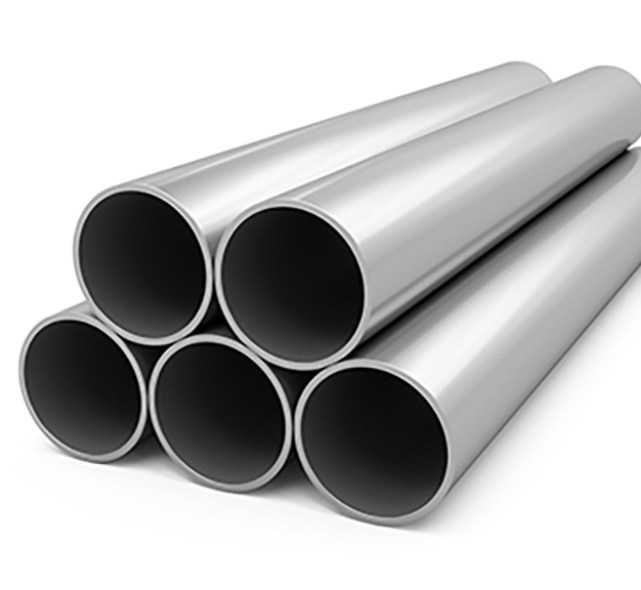
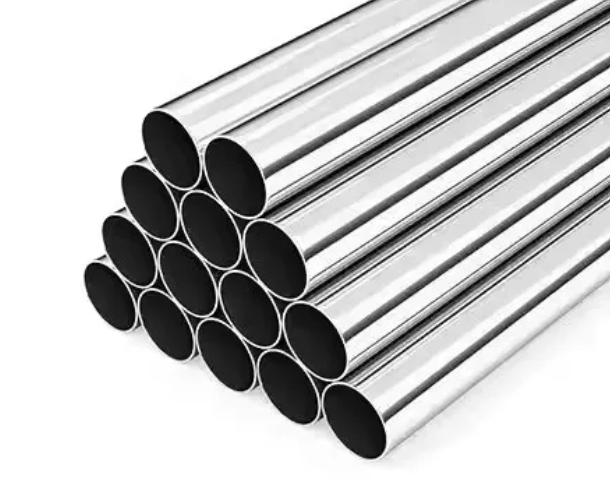
Thin-wall titanium tubes are widely used in heat exchangers, condensers, chemical equipment, marine systems, aerospace structures, medical equipment, lightweight assemblies, and corrosion-resistant piping systems. They are selected because titanium offers a strong combination of low density, corrosion resistance, useful strength, and good performance in many demanding environments.
However, thin-wall titanium tubes are not simple materials to process or assemble. Cutting, bending, welding, cleaning, inspection, packaging, and final installation all require careful control.
When processing and assembling thin-wall titanium tubes, buyers should consider the titanium grade, wall thickness, tube diameter, tolerance, bending radius, welding method, surface cleanliness, service environment, pressure condition, inspection requirement, and material certificate. A successful project depends on matching the tube material and fabrication method to the real working conditions.
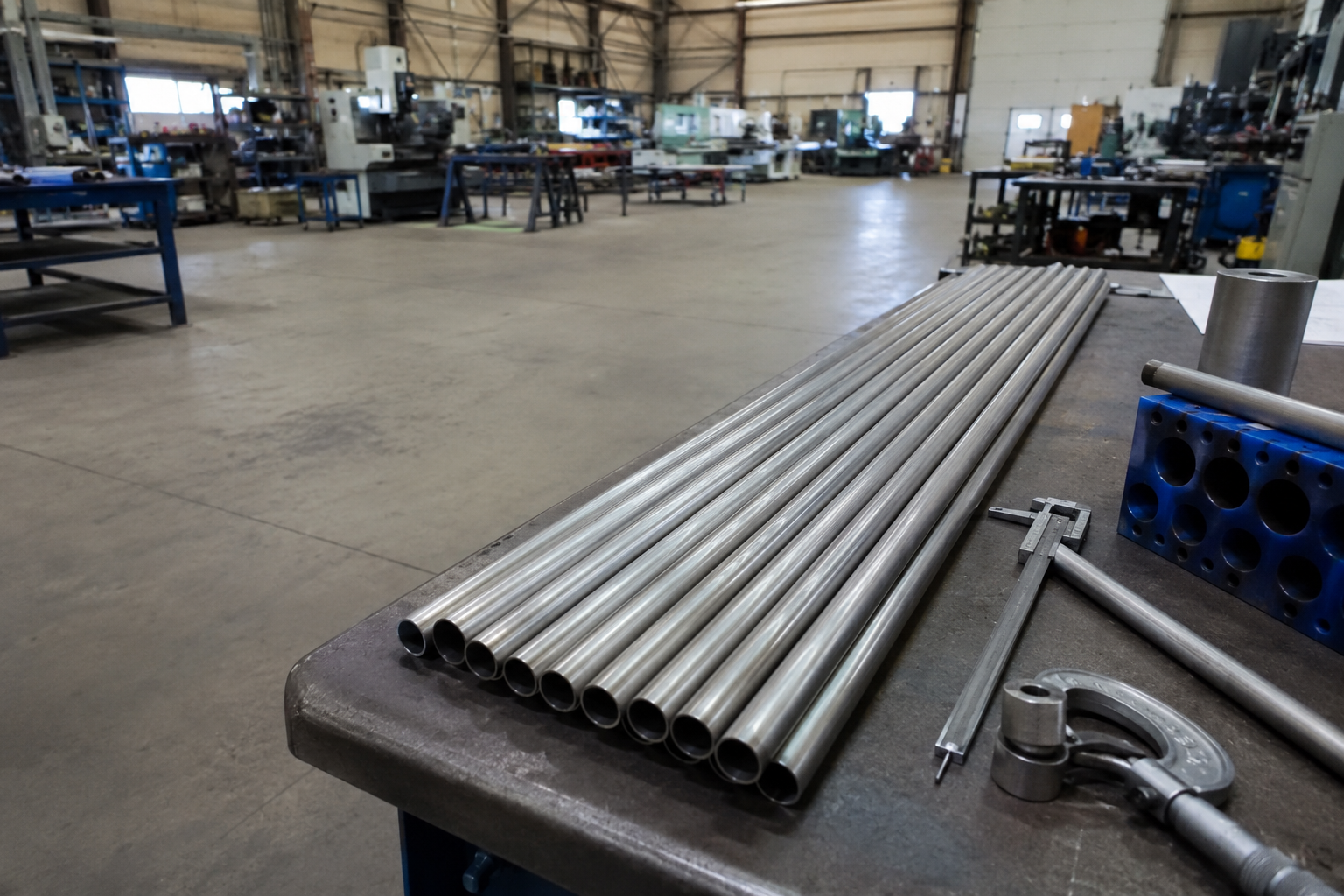
For industrial buyers, the key question is not only “Can you supply thin-wall titanium tubes?” A better question is: Can the tube grade, tolerance, surface condition, processing method, welding preparation, and certificate meet the final application requirements?
This guide explains what buyers should confirm before ordering thin-wall titanium tubes for cutting, bending, welding, assembly, or further fabrication.
Quick Answer: Why Are Thin-Wall Titanium Tubes Difficult to Process?
Thin-wall titanium tubes are difficult to process because the wall is easy to deform, the tube may be sensitive to bending defects, and titanium requires strict cleanliness and shielding during welding. The correct process depends on grade, tube size, wall thickness, bend radius, welding method, tolerance, and final use.
| Key Factor | Why It Matters |
|---|---|
| Titanium grade | Grade 2, Grade 5, Grade 7, Grade 9, Grade 12 and other grades have different strength, ductility, corrosion resistance, and formability. |
| Wall thickness | Thin walls are more sensitive to wrinkling, ovality, collapse, burn-through, and handling damage. |
| Tube diameter and D/t ratio | Large diameter-to-wall-thickness ratios increase bending and deformation risk. |
| Cutting method | Poor cutting can create burrs, distortion, rough ends, or contamination before welding. |
| Bending method | Thin-wall tubes may require mandrel support, controlled bend radius, and careful tooling. |
| Welding method | Titanium welding requires clean surfaces and effective inert gas shielding. |
| Surface cleanliness | Oil, moisture, fingerprints, oxide, dust, and debris can cause welding and corrosion problems. |
| Service environment | Chlorides, reducing acids, temperature, pressure, vibration, and galvanic contact all affect material choice. |
| Certificate and traceability | MTC/MTR, heat number, ASTM standard, and inspection records help verify supplier claims. |
TWI explains that titanium weld imperfections include porosity, embrittlement, and contamination cracking. It also states that titanium has a strong affinity for oxygen, nitrogen, and hydrogen at elevated temperature, so cleaning and shielding are critical before and during welding. Source: TWI — Weldability of Materials: Titanium and Titanium Alloys
Why Is There No Single Processing Method for Thin-Wall Titanium Tubes?
There is no one-size-fits-all processing method because thin-wall titanium tubes can be used in very different applications. A tube for a heat exchanger, a medical device, a hydraulic line, a marine system, or an aerospace assembly may require different material grades, tolerances, bending methods, welding procedures, and inspection levels.
Main Reasons Processing Methods Differ
| Reason | Explanation |
|---|---|
| Different titanium grades behave differently | Commercially pure titanium and titanium alloys do not have the same strength, ductility, or forming behavior. |
| Different wall thicknesses require different support | Very thin walls are easier to deform during bending, clamping, cutting, or welding. |
| Different welding methods require different preparation | Manual TIG, orbital TIG, laser welding, and autogenous welding may require different end quality and fit-up. |
| Different applications have different failure risks | Aerospace, medical, chemical, and pressure systems usually require stricter processing and inspection. |
| Different environments require different alloy choices | Seawater, chlorides, acid concentration, temperature, pressure, and galvanic contact all matter. |
| Different standards require different documentation | ASTM B338, ASTM B861, ASTM B862, EN 10204 3.1, and customer specifications may apply. |
ASTM B338 covers seamless and welded titanium and titanium alloy tubes intended for surface condensers, evaporators, and heat exchangers. Source: ASTM B338
ASTM B861 covers titanium and titanium alloy seamless pipe for general corrosion-resisting and elevated-temperature service. Source: ASTM B861
ASTM B862 covers titanium and titanium alloy welded pipe for general corrosion-resisting and elevated-temperature service. Source: ASTM B862
Buyer Takeaway
Before selecting a processing method, buyers should first confirm whether the material is a tube or pipe, whether it is seamless or welded, the intended standard, the final assembly method, and the operating environment.
How Does Titanium Grade Affect Processing and Assembly?
Titanium grade is one of the most important starting points. Different grades have different strength levels, ductility, corrosion resistance, weldability, formability, and service suitability.
Common Titanium Tube Grades
| Titanium Grade | UNS Number | General Characteristics | Processing and Assembly Notes |
|---|---|---|---|
| Grade 2 | UNS R50400 | Commercially pure titanium with good ductility, weldability, and corrosion resistance | Often used in chemical processing, heat exchangers, marine systems, and industrial tubes. Generally easier to form than high-strength alloy grades. |
| Grade 5 / Ti-6Al-4V | UNS R56400 | Alpha-beta titanium alloy with higher strength | More demanding to form and weld than CP titanium. Requires careful process control, especially for thin-wall parts. |
| Grade 7 | UNS R52400 | CP titanium with palladium addition for improved corrosion resistance in some environments | Used where corrosion resistance is critical; certificate and service environment should be confirmed. |
| Grade 9 / Ti-3Al-2.5V | UNS R56320 | Medium-strength titanium alloy with good formability | Common in tubing applications where higher strength than CP titanium is needed. |
| Grade 12 | UNS R53400 | Titanium alloy with nickel and molybdenum additions | Often considered for corrosion resistance and elevated-temperature industrial applications. |
| Grade 23 / Ti-6Al-4V ELI | UNS R56401 | Extra-low interstitial version of Grade 5 | Often used for medical or high-toughness applications where strict traceability is required. |
ASM MatWeb lists Titanium Grade 2 with ultimate tensile strength around 344 MPa and yield strength around 275–410 MPa, depending on condition. Source: ASM Material Data Sheet — Titanium Grade 2
ASTM B861 also identifies Grade 5 as titanium alloy UNS R56400 with 6% aluminum and 4% vanadium. Source: ASTM B861
Buyer Takeaway
Do not choose titanium tubes only by price or availability. A Grade 2 tube and a Grade 5 tube can behave very differently during bending, welding, machining, and service. Buyers should confirm the exact grade, UNS number, standard, condition, tube size, wall thickness, and application.
What Should Buyers Consider During Cutting?
Cutting is often the first processing step, but it can affect later welding, assembly, and inspection. Thin-wall titanium tubes can be damaged by poor cutting methods, excessive clamping force, burrs, rough ends, heat discoloration, or contamination.
Cutting Risks for Thin-Wall Titanium Tubes
| Cutting Risk | Why It Matters |
|---|---|
| Burrs on ID or OD | Burrs can interfere with fit-up, flow cleanliness, welding, and assembly. |
| Out-of-square end | Poor squareness can create uneven root gap during welding. |
| Tube deformation | Excessive clamping or cutting force may ovalize or collapse thin-wall tubes. |
| Heat-affected edge | Some cutting methods may introduce heat discoloration or surface changes that require cleaning. |
| Cutting oil or contamination | Oil, dust, moisture, or particles can create welding or cleanliness problems. |
| Rough cut face | A rough end may trap contaminants or require additional facing before welding. |
Common Cutting Methods
| Cutting Method | Possible Benefit | Buyer Caution |
|---|---|---|
| Cold saw cutting | Good for controlled mechanical cutting when properly supported | Burr control and end squareness should be confirmed. |
| Abrasive cutting | Useful for some sizes and shop conditions | Heat, burrs, particles, and contamination must be controlled. |
| Laser cutting | Can provide precise cutting in suitable applications | Heat-affected edge, oxide, and cleanliness should be reviewed. |
| Waterjet cutting | Low thermal impact | Edge quality, abrasive contamination, and cost should be considered. |
| Machined/faced ends | Best for high-precision welding or assembly | Higher cost but better end squareness and surface control. |
Buyer Takeaway
For tubes that will be welded, buyers should specify whether the ends must be square, burr-free, cleaned, faced, capped, or protected after cutting. Simply asking for “cut-to-length titanium tubes” may not be enough.
What Should Buyers Consider During Bending?
Bending thin-wall titanium tubes is more difficult than bending thick-wall tubes. Thin walls can wrinkle, flatten, ovalize, thin out on the outside radius, or collapse if the tooling and process are not suitable.
Research on rotary draw bending shows that mandrel design and position can affect wall thinning and cross-section deformation during tube bending. Source: Effect of Mandrel on Cross-Section Quality in Numerical Control Rotary Draw Bending of Thin-Walled Tube
Common Bending Problems
| Problem | What Happens | Why It Matters |
|---|---|---|
| Wrinkling | The inner bend radius forms wrinkles | Can affect flow, fatigue life, appearance, and assembly fit. |
| Wall thinning | The outer bend radius becomes thinner | Can reduce pressure capacity or service life. |
| Ovality | The tube cross-section becomes oval | Can affect fit-up, welding, sealing, and flow. |
| Kinking | Local collapse occurs at the bend | Usually causes rejection or requires rework. |
| Springback | The tube partially returns after bending | Makes final angle control more difficult. |
| Surface scratching | Tooling damages the surface | May require polishing or cause corrosion-sensitive areas. |
Bending Information Buyers Should Provide
| RFQ Item | Why It Matters |
|---|---|
| Tube OD and wall thickness | Determines deformation risk and tooling requirement. |
| Titanium grade | Grade affects strength, ductility, and springback. |
| Bend radius | Tight bends increase risk of thinning, wrinkling, and cracking. |
| Bend angle | Needed to evaluate tooling and springback compensation. |
| Number of bends | Multiple bends increase process complexity. |
| Final tolerance | Determines inspection and correction requirements. |
| Surface finish requirement | Important for visible, corrosion-sensitive, or medical/precision applications. |
| Whether mandrel bending is required | Mandrels can support the tube ID and reduce collapse risk. |
Buyer Takeaway
For thin-wall titanium tube bending, buyers should send drawings instead of only tube size. The drawing should show bend radius, angle, straight length, tolerance, surface requirement, and final assembly function.
What Should Buyers Consider During Welding?
Titanium tube welding requires strict control because titanium is highly reactive at welding temperatures. Oxygen, nitrogen, hydrogen, moisture, oil, fingerprints, oxide, or poor shielding can affect weld quality.
TWI explains that the most likely contaminants in titanium welding are oxygen and nitrogen from air entrained in the gas shield or impure shielding gas, and hydrogen from moisture or surface contamination. Source: TWI — Welding of Titanium and Its Alloys, Part 1
Welding Risks for Thin-Wall Titanium Tubes
| Risk | Cause | Possible Result |
|---|---|---|
| Porosity | Moisture, contamination, poor shielding, or surface residue | Weld rejection, leak risk, reduced reliability |
| Embrittlement | Oxygen, nitrogen, or hydrogen contamination | Loss of ductility and possible cracking |
| Burn-through | Excessive heat input on thin walls | Hole formation or weld rejection |
| Lack of fusion | Poor fit-up, incorrect gap, inadequate heat control | Weak joint or inspection failure |
| Oxide discoloration | Inadequate shielding or overheating | Indicates possible contamination or heat control issue |
| Distortion | Heat input and thin-wall geometry | Poor fit-up, dimensional error, assembly problem |
Common Welding Methods
| Welding Method | Typical Use | Buyer Consideration |
|---|---|---|
| TIG / GTAW welding | Common for titanium tube welding | Requires clean surface, inert gas shielding, and suitable operator skill. |
| Orbital TIG welding | Precision tube welding and repeatable production | Requires very consistent tube end preparation and fit-up. |
| Laser welding | Precision or automated welding | Requires good alignment, clean surfaces, and process validation. |
| Electron beam welding | Specialized critical applications | Usually used in controlled environments and requires strong process control. |
| Plasma welding | Certain industrial tube assemblies | Requires stable fit-up and controlled heat input. |
Buyer Takeaway
For titanium tube welding, buyers should confirm the welding method before ordering the tube. The tube end preparation, cleaning, packaging, and inspection may need to be different for manual TIG welding, orbital welding, laser welding, or critical sealed assemblies.
How Do Application Scenarios Affect Thin-Wall Titanium Tube Performance?
The final application determines which titanium grade, tube wall thickness, tolerance, surface condition, processing method, and inspection requirement should be used.
Titanium has excellent corrosion resistance in many chloride and oxidizing environments because of its stable oxide film. However, corrosion behavior still depends on media, temperature, concentration, pH, oxygen availability, crevice conditions, and galvanic contact.
TIMET’s titanium corrosion guide notes that titanium has excellent resistance to neutral chloride solutions, but crevice corrosion can be a concern, especially when environmental conditions become more aggressive. Source: TIMET — Corrosion Resistance of Titanium
Application Factors Buyers Should Confirm
| Factor | What to Confirm |
|---|---|
| Corrosion media | Chlorides, seawater, acid type, pH, oxidizing or reducing condition, concentration, and temperature. |
| Temperature | Maximum, minimum, continuous operating temperature, and thermal cycling. |
| Pressure | Internal pressure, external pressure, vacuum condition, and pressure cycling. |
| Flow condition | Flow velocity, erosion, vibration, deposits, and fouling. |
| Mechanical stress | Bending stress, vibration, fatigue, thermal expansion, and support design. |
| Assembly method | Welding, mechanical fitting, brazing, flaring, rolling, or tube-to-tubesheet joining. |
| Inspection requirement | Hydrostatic, pneumatic, eddy current, ultrasonic, dimensional inspection, or third-party inspection. |
| Service criticality | Whether failure affects safety, downtime, regulatory compliance, or customer approval. |
Typical Industry Examples
| Industry | Typical Concerns |
|---|---|
| Heat exchangers | Wall thickness, OD tolerance, corrosion resistance, tube sheet fit, leak testing, and ASTM B338 compliance. |
| Chemical processing | Acid media, chloride exposure, crevice corrosion, temperature, and material grade selection. |
| Marine engineering | Seawater corrosion, galvanic contact, vibration, and tube support. |
| Aerospace | Lightweight design, fatigue, vibration, strict standards, and traceability. |
| Medical equipment | Cleanliness, biocompatibility, traceability, and surface finish. |
| Power generation | Heat transfer, pressure, temperature, fatigue, and inspection reliability. |
Buyer Takeaway
Titanium is not automatically suitable for every corrosive environment. Buyers should provide the actual service media, temperature, pressure, pH, concentration, and assembly details before choosing the grade and wall thickness.
How Can Buyers Verify Real Titanium Tube Facts Instead of Supplier Claims?
Supplier claims should be verified with standards, certificates, test results, and inspection records. A product page or material data sheet may show typical values, but the actual supplied batch should be checked through MTC/MTR and heat number traceability.
EN 10204 Type 3.1 inspection certificates provide actual test results from the material lot supplied and must be endorsed by a manufacturer representative who is independent from the manufacturing process. Source: EN 10204 Type 3.1 Inspection Certificates
What Buyers Should Check on MTC / MTR
| Certificate Item | What to Confirm |
|---|---|
| Material grade | Grade 2, Grade 5, Grade 7, Grade 9, Grade 12, Grade 23, etc. |
| UNS number | R50400, R56400, R52400, R56320, R53400, R56401, etc. |
| Standard | ASTM B338, ASTM B861, ASTM B862, ASTM F136, AMS, ASME, EN, or customer specification. |
| Heat number | Must match tube marking, packing list, and certificate. |
| Chemical composition | Ti, Al, V, Fe, O, N, H, C, Pd, Ni, Mo or other elements depending on grade. |
| Mechanical properties | Tensile strength, yield strength, elongation, hardness if required. |
| Heat treatment condition | Annealed, stress relieved, cold worked, aged, or other required condition. |
| Dimensional data | OD, ID, wall thickness, length, ovality, straightness, and tolerance. |
| Inspection results | Eddy current, ultrasonic, hydrostatic, pneumatic, dimensional, PMI, or other required tests. |
| Surface condition | Pickled, bright, polished, cleaned, or customer-specific finish. |
A public ASTM B338 summary states that seamless and welded/cold-worked titanium tubing may require ultrasonic testing, and that welded tubing may require hydrostatic or pneumatic testing depending on the requirement. Source: ASTM B338 Titanium Tube Specification Summary
Buyer Takeaway
Do not rely only on general claims such as “high quality titanium tube” or “excellent corrosion resistance.” Ask for the exact grade, standard, heat number, MTC/MTR, test results, dimensional report, and application suitability review.
Buyer Checklist: What to Confirm Before Ordering Thin-Wall Titanium Tubes
A clear RFQ helps suppliers understand the real project requirement and reduces communication mistakes.
| RFQ Item | What to Provide |
|---|---|
| Titanium grade | Grade 2, Grade 5, Grade 7, Grade 9, Grade 12, Grade 23, etc. |
| UNS number | R50400, R56400, R52400, R56320, R53400, R56401, etc. |
| Standard | ASTM B338, ASTM B861, ASTM B862, ASTM F136, AMS, ASME, EN, or customer drawing. |
| Tube type | Seamless tube, welded tube, seamless pipe, welded pipe, capillary tube, custom tube. |
| Tube size | OD, ID, wall thickness, length, tolerance, ovality, straightness. |
| Wall thickness | Confirm actual wall thickness and minimum wall requirement. |
| Surface condition | Pickled, polished, bright, cleaned, degreased, or custom surface. |
| Processing requirement | Cutting, bending, facing, welding preparation, end capping, deburring, cleaning. |
| Bending requirement | Bend radius, bend angle, mandrel requirement, drawing, and tolerance. |
| Welding requirement | Manual TIG, orbital TIG, laser, electron beam, plasma, or customer WPS. |
| Application environment | Chemical media, seawater, pressure, temperature, vibration, flow, pH, concentration. |
| Inspection | MTC, PMI, ET, UT, hydrostatic, pneumatic, dimensional report, third-party inspection. |
| Packing and marking | Heat number marking, end protection, clean packing, wooden case, export packing. |
Example RFQ Message
We need thin-wall Titanium Grade 2 seamless tubes, UNS R50400, per ASTM B338. Size: OD 19.05 mm, wall thickness 0.9 mm, length 3000 mm. Tubes will be used in a heat exchanger and may require cutting and orbital welding. Please confirm OD tolerance, wall thickness tolerance, straightness, surface condition, MTC/MTR with EN 10204 3.1, heat number traceability, eddy current or ultrasonic testing, hydrostatic or pneumatic testing if applicable, lead time, MOQ, and export packing with end protection.
This type of RFQ is much clearer than simply asking, “Please quote thin-wall titanium tubes.”
Common Mistakes When Buying Thin-Wall Titanium Tubes
1. Only Asking for “Titanium Tube”
Titanium tube is too general. Buyers should confirm grade, UNS number, ASTM standard, tube type, wall thickness, tolerance, certificate, and application.
2. Ignoring Wall Thickness Tolerance
Thin-wall tubes are sensitive to wall thickness variation. Buyers should confirm actual tolerance and whether minimum wall thickness is required.
3. Treating Grade 2 and Grade 5 as Interchangeable
Grade 2 and Grade 5 have different strength and forming behavior. The correct grade depends on application, processing, welding, and service environment.
4. Not Sharing the Application Environment
Without media, temperature, pressure, pH, concentration, and mechanical stress information, the supplier cannot properly help evaluate grade suitability.
5. Ignoring Bending Risk
Thin-wall tubes may wrinkle, ovalize, thin out, or collapse during bending if bend radius and tooling are not suitable.
6. Ignoring Welding Cleanliness
Titanium welding requires strict cleaning and shielding. Oil, moisture, dust, fingerprints, and oxide can cause weld problems.
7. Confusing Material Data Sheets with Batch Certificates
Material data sheets provide general or typical data. MTC/MTR provides actual batch test results and heat number traceability.
8. Not Confirming NDT Requirements
For heat exchanger, pressure, aerospace, chemical, or critical applications, buyers may need ET, UT, hydrostatic, pneumatic, PMI, or third-party inspection.
9. Not Protecting Tube Ends After Cutting
Prepared tube ends can be damaged or contaminated during handling, packing, or transport. End protection should be specified when welding or assembly is required.
10. Choosing Only by Lowest Price
For thin-wall titanium tubes, the lowest price may create higher cost later through welding defects, bending failures, inspection rejection, rework, or delayed projects.
FAQ: Thin-Wall Titanium Tube Processing and Assembly
1. What is a thin-wall titanium tube?
A thin-wall titanium tube is a titanium tube with a relatively small wall thickness compared with its outer diameter. The exact definition depends on the tube size, application, and engineering standard.
2. Which titanium grade is commonly used for thin-wall tubes?
Grade 2 is commonly used for industrial, chemical, marine, and heat exchanger applications because it offers good corrosion resistance and formability. Grade 5, Grade 7, Grade 9, Grade 12, and Grade 23 may be used depending on strength, corrosion, or application requirements.
3. Is Grade 2 easier to form than Grade 5 titanium?
In many cases, commercially pure Grade 2 is easier to form than higher-strength Grade 5 / Ti-6Al-4V. However, actual formability also depends on tube size, wall thickness, condition, tooling, bend radius, and process control.
4. Why is titanium welding sensitive to contamination?
Titanium reacts strongly with oxygen, nitrogen, and hydrogen at elevated temperature. Contamination from poor shielding, moisture, oil, fingerprints, oxide, or surface dirt can cause porosity, embrittlement, discoloration, or cracking.
5. What cutting method is best for thin-wall titanium tubes?
There is no universal best method. Cold saw cutting, laser cutting, waterjet cutting, abrasive cutting, and machined/faced ends may all be considered depending on wall thickness, tolerance, burr control, heat effect, cleanliness, and final welding requirement.
6. Why do thin-wall titanium tubes wrinkle during bending?
Wrinkling can occur when the inner bend radius is under compression and the tube wall lacks enough support. Mandrel bending, correct tooling, proper bend radius, and process control can reduce this risk.
7. What certificate should buyers request?
Buyers commonly request MTC/MTR with EN 10204 3.1, heat number traceability, chemical composition, mechanical properties, heat treatment condition, dimensional inspection, and NDT records if required.
8. Does ASTM B338 apply to titanium tubes?
Yes. ASTM B338 covers seamless and welded titanium and titanium alloy tubes intended for surface condensers, evaporators, and heat exchangers.
9. What should buyers provide when asking for a quote?
Buyers should provide grade, UNS number, ASTM standard, OD, wall thickness, length, tolerance, tube type, surface condition, processing requirement, welding method, application environment, certificate requirement, and inspection requirement.
10. Can thin-wall titanium tubes be custom cut or bent?
Yes, thin-wall titanium tubes can often be supplied in custom lengths or processed according to drawings. Buyers should confirm cutting tolerance, burr-free requirement, end protection, bending radius, surface condition, and certificate traceability before ordering.
Conclusion
Processing and assembling thin-wall titanium tubes requires more than selecting a tube size. Buyers must evaluate material grade, wall thickness, OD tolerance, surface condition, bending method, welding cleanliness, service environment, inspection requirement, and certificate traceability.
A good thin-wall titanium tube project starts with clear technical communication. The buyer should confirm the application environment, working temperature, pressure, corrosion media, bending requirement, welding method, ASTM standard, MTC/MTR, heat number, and inspection plan before production.
Emily PIPE supplies titanium alloy tubes, titanium alloy bars, nickel alloy tubes, and nickel alloy bars for global industrial applications. If you are preparing a thin-wall titanium tube project, you can send your grade, standard, tube size, wall thickness, drawing, processing requirement, certificate requirement, and application environment for technical review and quotation.