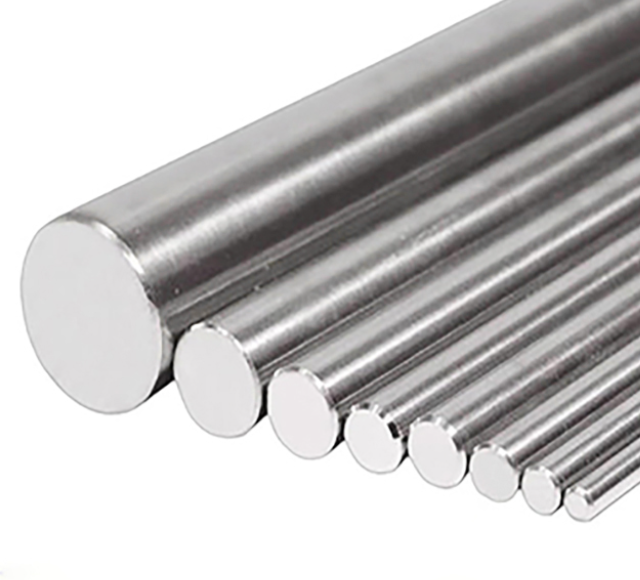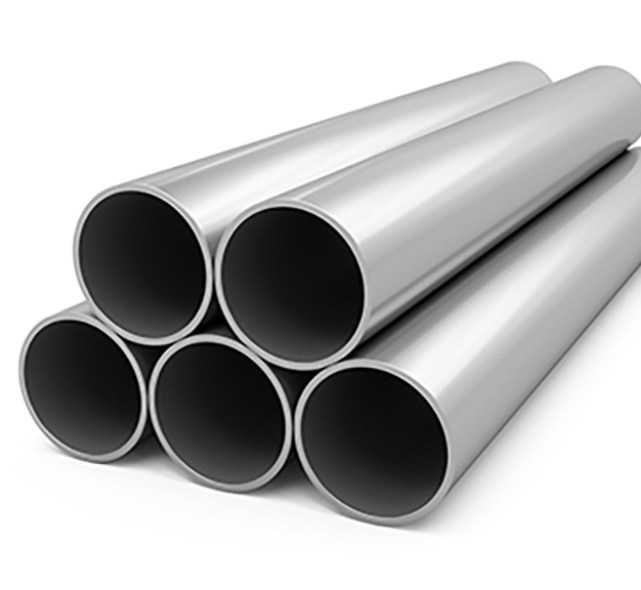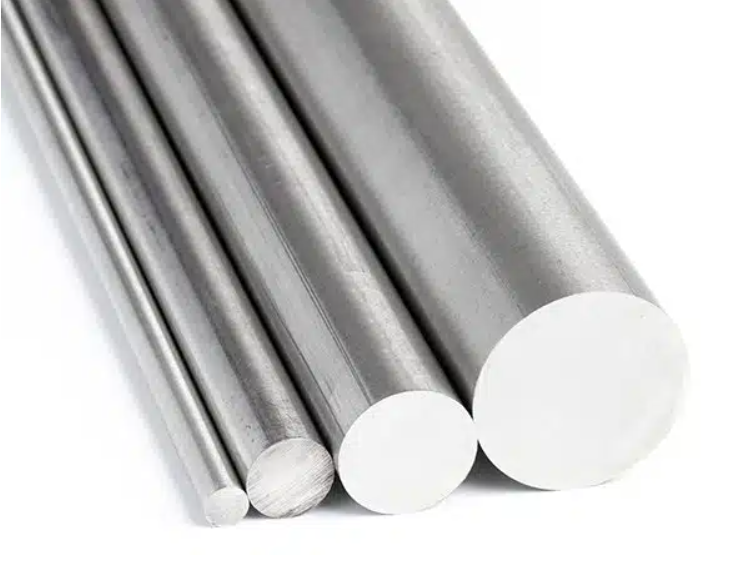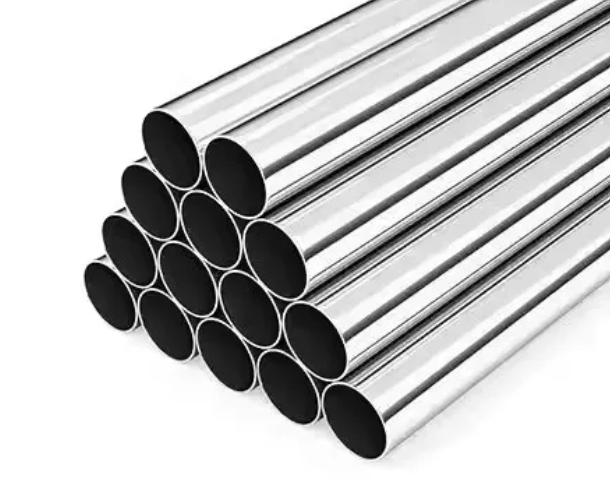

What Key Parameters Should Buyers Provide for Nickel Alloy Tube and Bar RFQ?
Sourcing nickel alloy tubes and bars can become slow and confusing when the request for quotation is incomplete. A buyer may ask for “nickel alloy tube” or “Inconel bar,” but suppliers still need enough technical and project information to quote the correct grade, size, standard, testing scope, certificate package, packaging method and delivery plan.
To get an accurate quotation for nickel alloy tubes and bars, buyers should provide application environment, material grade, UNS number, dimensions, tolerance, operating conditions, applicable standards, testing requirements, certificate needs, quantity, packaging and delivery terms. A Request for Quotation is used to invite suppliers to bid on specific products or services, and the more detailed the specifications are, the more accurate and comparable the quotation can be.
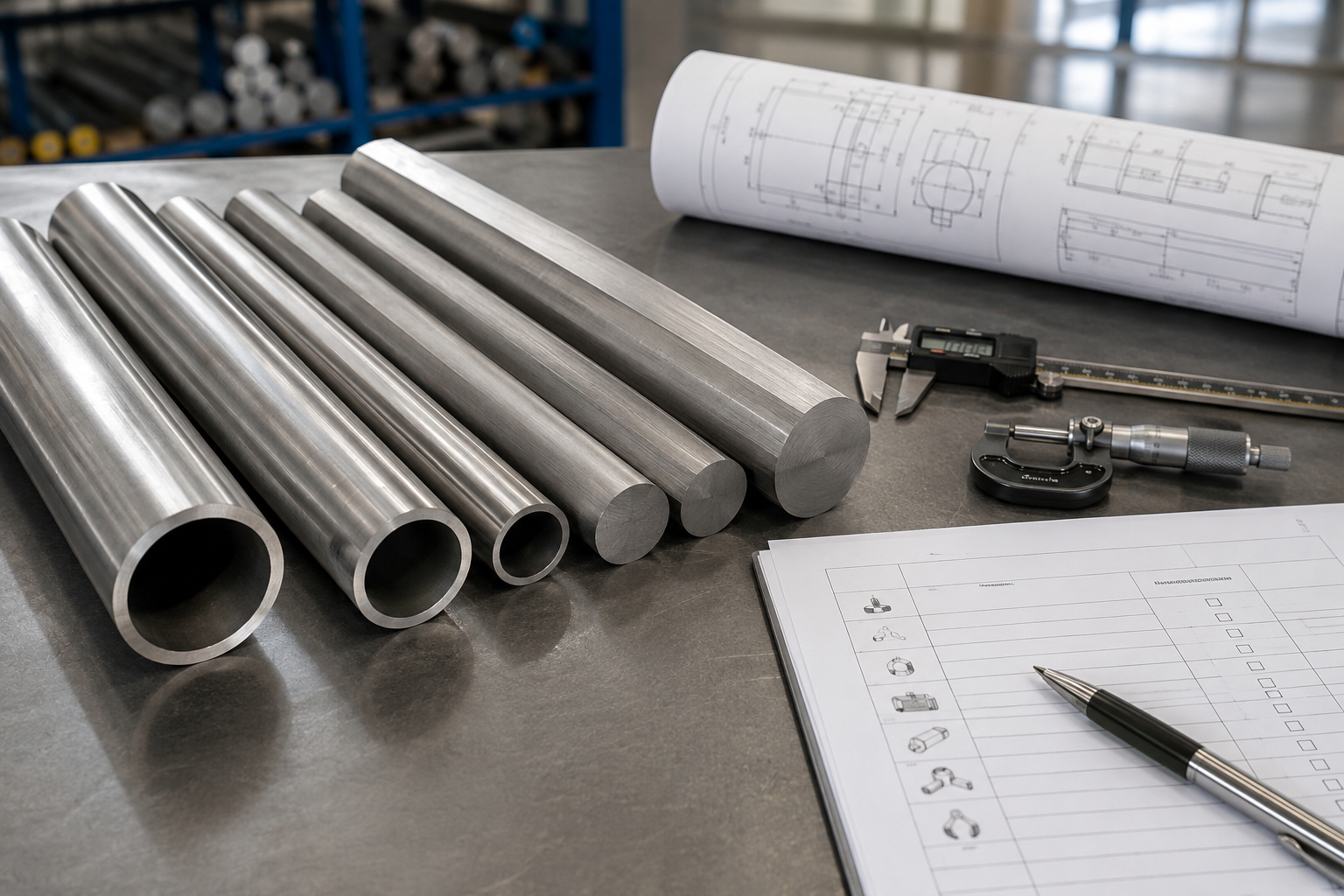
For industrial buyers, an RFQ is not only a price request. It is the first technical communication between buyer and supplier. If the RFQ is clear, the supplier can quote faster and more accurately. If the RFQ is incomplete, the supplier must ask many follow-up questions, and the buyer may receive quotations that are difficult to compare.
For nickel alloy materials, this is especially important because different grades can have very different corrosion resistance, high-temperature behavior, strength, machinability, availability and cost.
Quick Checklist: What Should a Nickel Alloy RFQ Include?
Before sending an RFQ for nickel alloy tubes or bars, buyers should prepare the following information.
| RFQ Item | What to Provide | Why It Matters |
|---|---|---|
| Product Form | Seamless tube, welded tube, pipe, round bar, forged bar, billet, cut blank | Different forms follow different standards and production routes |
| Alloy Grade | Inconel 625, Inconel 718, Alloy 600, Alloy 825, Hastelloy C276, Monel 400, etc. | Prevents wrong material quotation |
| UNS Number | N06625, N07718, N06600, N08825, N10276, N04400, etc. | Reduces confusion between trade names and equivalent grades |
| Applicable Standard | ASTM, ASME, AMS, EN, ISO or customer specification | Defines chemistry, mechanical properties, tests and acceptance |
| Dimensions | OD, wall thickness, diameter, length, tolerance, straightness | Determines manufacturability and price |
| Quantity | Pieces, meters, kilograms, tons, annual demand | Affects production planning and unit cost |
| Application Environment | Temperature, pressure, corrosive media, flow, stress, service duration | Guides material selection and testing |
| Surface Finish | Pickled, polished, bright annealed, ground, peeled, black surface | Affects corrosion, cleanliness, machining and appearance |
| Heat Treatment Condition | Annealed, solution annealed, aged, stress relieved, cold worked | Directly affects mechanical properties and performance |
| Testing Requirements | UT, ET, hydrostatic, PMI, hardness, tensile, corrosion test | Defines quality scope |
| Certificate Requirements | MTR/MTC, EN 10204 3.1, EN 10204 3.2, CoC, third-party inspection | Supports project acceptance and traceability |
| Packaging Requirements | Wooden case, caps, waterproof film, bundle marking, anti-scratch protection | Reduces transport damage and receiving problems |
| Delivery Terms | Incoterms, destination port, delivery deadline, shipment method | Supports accurate logistics quotation |
A clear RFQ helps suppliers quote the same scope, which makes price comparison more meaningful.
Why Is Knowing the Application Environment So Important?
Many RFQs focus only on grade and size. But nickel alloy selection should start with the real service environment.
Application environment strongly influences nickel alloy selection. Material selection is an engineering process that considers performance requirements, material properties, cost, availability and working conditions. For nickel alloy products, operating temperature, pressure, corrosive media, stress, flow condition and service life can all change the suitable material choice.
A supplier cannot correctly evaluate a nickel alloy tube or bar only from size information. The same size tube may require a different alloy depending on whether it is used in seawater, hydrochloric acid, high-temperature furnace gas, oil and gas production, heat exchanger service, or general mechanical fabrication.
Key Application Parameters Buyers Should Provide
| Application Parameter | Why It Matters | Example Missing Information |
|---|---|---|
| Operating Temperature | Affects strength, oxidation, creep and thermal stability | Only maximum temperature is provided, but exposure time is missing |
| Pressure | Affects tube wall thickness, pressure integrity and testing needs | Internal pressure is missing from a tube RFQ |
| Corrosive Media | Determines corrosion resistance requirement | Buyer says “chemical liquid” but does not provide chemical name or concentration |
| Chloride Level | Important for pitting, crevice corrosion and stress corrosion cracking | Seawater or chloride concentration is not mentioned |
| pH Value | Helps evaluate acidic, neutral or alkaline conditions | Chemical environment is described too generally |
| Flow Rate / Erosion | High flow or particles may increase erosion risk | No information about flow speed or solids |
| Mechanical Load | Affects strength, fatigue and bar selection | Bar application is unknown |
| Thermal Cycling | Repeated heating and cooling may cause fatigue | Only maximum temperature is provided |
| Service Life Target | Helps balance material cost and risk | Buyer expects long service life but does not state it |
| Failure Consequence | Higher-risk applications may need stronger testing and traceability | Criticality is not explained |
If the application involves temperature cycling, vibration or repeated load, buyers should also consider fatigue. If the material is exposed to long-term stress at elevated temperature, creep may become important. If chloride, acid or aggressive chemicals are present, buyers should consider risks such as pitting corrosion, crevice corrosion and stress corrosion cracking.
What Material Specifications Really Matter in an RFQ?
“Nickel alloy” is not a complete material specification. Nickel alloys are a large family of materials, and each grade has different chemical composition, mechanical properties, corrosion resistance and temperature capability.
A strong RFQ should specify the exact alloy grade, UNS number, product form, dimensions, tolerances, surface finish, heat treatment condition and applicable standard. Without these details, suppliers may quote different materials or different production scopes, making quotations hard to compare.
Material Specification Checklist
| Specification Item | Tube Example | Bar Example | Why It Matters |
|---|---|---|---|
| Alloy Grade | Inconel 625 tube | Inconel 718 bar | Defines material family |
| UNS Number | UNS N06625 | UNS N07718 | Confirms exact material identity |
| Standard | ASTM B444 / ASME SB444 | ASTM B637 | Defines testing and property requirements |
| Size | OD × WT × Length | Diameter × Length | Determines production and price |
| Tolerance | OD, WT, ovality, straightness | Diameter, straightness, length tolerance | Affects machining and assembly |
| Surface Finish | Pickled, bright annealed, polished | Peeled, ground, polished, black surface | Affects processing and final use |
| Condition | Annealed, solution annealed | Solution treated, aged, annealed | Affects mechanical properties |
| Cut Length | Fixed length or random length | Cut-to-size or random length | Affects waste and logistics |
| Marking | Grade, heat number, size, standard | Grade, heat number, diameter | Supports traceability |
For example, ASTM B444 covers UNS N06625 and related nickel alloy cold-worked seamless pipe and tube. It includes chemical testing, tensile testing, hydrostatic testing and nondestructive electric testing requirements. For nickel alloy bars and forgings, ASTM B637 covers precipitation-hardenable nickel alloy rod, bar, forgings and forging stock for moderate or high-temperature service.
If the buyer does not specify the standard, one supplier may quote a commercial grade while another quotes a project-grade material with additional testing. The price difference may look confusing, but the quoted scope is not the same.
How Should Buyers Describe the Corrosive Environment?
Corrosion resistance is one of the main reasons buyers choose nickel alloys. But saying “corrosive environment” is not enough.
Corrosion behavior depends on the exact medium, concentration, temperature, pH, oxygen level, chloride level, flow condition, crevices and stress condition. A material that works in one chemical environment may not be suitable in another.
Corrosion Information to Include in the RFQ
| Information | Example |
|---|---|
| Chemical Name | Sulfuric acid, hydrochloric acid, phosphoric acid, seawater, caustic solution |
| Concentration | 5%, 20%, saturated solution, ppm level |
| Temperature | Ambient, 80°C, 200°C, cyclic temperature |
| pH Value | Acidic, neutral, alkaline, exact pH if available |
| Chloride Content | ppm chloride, seawater, brine, chloride-contaminated process fluid |
| Oxygen / Oxidizing Condition | Aerated, deaerated, oxidizing, reducing |
| Flow Condition | Stagnant, flowing, high velocity, particles present |
| Crevice Risk | Gaskets, tube sheet, flange gaps, stagnant zones |
| Stress Condition | Static stress, cyclic stress, residual stress, welded area |
| Cleaning Process | Pickling, acid wash, alkaline wash, sterilization, steam cleaning |
For example, Inconel 625 is known for corrosion resistance in aggressive environments, while Monel nickel-copper alloys are often associated with marine and chemical environments. Hastelloy alloys are commonly known for corrosion resistance in severe chemical environments. However, final material selection should always be based on the exact service condition, not only the alloy name.
How Should Buyers Define Quality and Traceability Requirements?
Getting a quote is one thing. Receiving the correct material with reliable documents is another.
Buyers should request MTR/MTC, heat number traceability, product marking, inspection reports and any required third-party inspection in the RFQ. A Mill Test Report or Material Test Certificate certifies a metal product’s chemical and physical properties and states compliance with applicable standards. A heat number links the metal product to a specific batch or heat for traceability.
Quality Documents Buyers Should Request
| Document / Record | What It Confirms |
|---|---|
| MTR / MTC | Chemical composition, mechanical properties and standard compliance |
| Heat Number | Batch traceability from physical material to certificate |
| Product Marking | Grade, size, heat number and standard on material or label |
| Packing List | Quantity, weight, bundle number, heat number distribution |
| Dimensional Report | OD, WT, diameter, length, straightness, tolerance |
| Surface Inspection Record | Scratches, pits, dents, finish condition, cleanliness |
| PMI Report | Material grade verification |
| UT Report | Internal discontinuity inspection where required |
| ET Report | Surface or near-surface flaw inspection for conductive materials |
| Hydrostatic Test Report | Pressure integrity for tubes or pipes where required |
| Third-Party Inspection Report | Independent verification if required by project |
| EN 10204 3.1 / 3.2 | Inspection certificate type where required |
Ultrasonic testing is commonly used to detect internal flaws or characterize materials. Eddy-current testing is used for conductive materials and can detect or characterize surface and subsurface flaws. A hydrostatic test is commonly used for pipes, pipelines and pressure vessels to test strength and leaks.
Buyers should remember that MTR/MTC does not replace every inspection. It should be checked together with heat number, product marking, packing list and required test reports.
When Should Buyers Request Third-Party Inspection?
Not every order needs third-party inspection. But TPI is useful when the order is high-value, the application is critical, the supplier is new, or the project requires independent verification.
When TPI May Be Useful
| Situation | Why It Matters |
|---|---|
| New Supplier | Supplier capability and documentation accuracy are not yet proven |
| Critical Application | Pressure, aerospace, chemical, marine or high-temperature use may carry higher risk |
| High-Value Order | Rejection or replacement cost may be high |
| Tight Tolerance | Small dimensional deviations can cause machining or assembly problems |
| Multiple Heats | Mixed heats require better traceability control |
| Special Testing Required | UT, ET, hydrostatic, PMI, corrosion test or mechanical test may need witnessing |
| Project Requires EN 10204 3.2 | Independent or authorized inspector may need to verify testing |
| Buyer Cannot Visit Factory | TPI provides local inspection support before shipment |
ISO/IEC 17020 specifies requirements for the competence, impartiality and consistent operation of inspection bodies. For laboratory testing, ISO/IEC 17025 sets requirements for testing and calibration laboratory competence.
Why Is Project Context Important for a Successful Nickel Alloy Order?
A technically correct material quotation can still fail if the project context is missing. Delivery deadline, packaging, shipping terms and document requirements can affect both cost and success.
Providing complete project context helps suppliers align production, inspection, packaging, documentation and logistics with the buyer’s schedule and acceptance process. It does not eliminate all risk, but it reduces avoidable misunderstanding.
Project Information Buyers Should Provide
| Project Parameter | What to State | Why It Matters |
|---|---|---|
| Required Delivery Date | Required arrival date or shipment date | Helps supplier evaluate production and logistics feasibility |
| Lead Time Flexibility | Urgent, normal, phased delivery, annual demand | Affects production planning |
| Packaging Requirement | Wooden case, caps, waterproof film, bundle protection | Reduces transit damage |
| Labeling Requirement | Heat number, grade, size, project number, bundle tag | Supports receiving inspection |
| Shipping Terms | FOB, CIF, EXW, DAP or other Incoterms | Defines responsibility and cost structure |
| Destination | Port, city, country, delivery address | Helps calculate freight and documents |
| Required Documents | MTC, CoC, certificate of origin, packing list, test reports | Avoids customs and project acceptance delays |
| Inspection Timing | Before packing, after packing, before shipment | Ensures inspection can happen at the correct stage |
| Special Handling | Cleanliness, capped ends, moisture control, separate heats | Protects material and traceability |
Incoterms are widely used international commercial terms that define responsibilities between buyer and seller in international trade. Buyers should specify the preferred shipping term clearly when requesting an export quotation.
Common RFQ Mistakes That Delay Nickel Alloy Quotations
Many quotation delays happen because important technical or commercial information is missing.
Common Missing Information
| Missing Information | Possible Result |
|---|---|
| Alloy grade not specified | Supplier must guess or offer several options |
| UNS number missing | Trade name confusion may occur |
| Standard not specified | Quotes may not be comparable |
| OD / WT / length missing | Tube price cannot be calculated accurately |
| Bar diameter tolerance missing | Machining allowance and cost are unclear |
| Quantity missing | Unit price and production planning cannot be confirmed |
| Application environment missing | Supplier cannot judge material suitability |
| Corrosive media not described | Wrong alloy may be selected |
| Testing requirement missing | Quote may exclude UT, ET, hydrostatic or PMI |
| MTR / EN 10204 requirement missing | Certificate package may not meet project needs |
| Delivery date missing | Lead time cannot be evaluated |
| Packaging requirement missing | Shipment protection may not meet customer expectation |
A complete RFQ reduces back-and-forth communication and helps both sides confirm the same scope.
RFQ Template for Nickel Alloy Tubes
Buyers can use the following template when requesting nickel alloy tubes.
| RFQ Item | Information to Provide |
|---|---|
| Product | Seamless tube, welded tube, pipe, coil tube |
| Alloy Grade | Inconel 625, Alloy 825, Monel 400, Hastelloy C276, etc. |
| UNS Number | N06625, N08825, N04400, N10276, etc. |
| Standard | ASTM B444, ASTM B163, ASME SB444, ASME SB163, customer standard |
| Size | OD × WT × length |
| Tolerance | OD tolerance, WT tolerance, straightness, ovality |
| Surface Finish | Pickled, polished, bright annealed, as-welded, cleaned |
| Heat Treatment | Annealed, solution annealed, stress relieved |
| Quantity | Meters, pieces, kilograms, tons |
| Application | Heat exchanger, chemical processing, marine system, oil and gas, power plant |
| Operating Conditions | Temperature, pressure, corrosive media, chloride, pH, flow condition |
| Testing | Hydrostatic, ET, UT, PMI, dimensional inspection |
| Documents | MTR/MTC, EN 10204 3.1/3.2, CoC, test reports |
| Packaging | Caps, waterproof film, wooden case, bundle marking |
| Delivery Terms | Incoterms, destination, required delivery date |
RFQ Template for Nickel Alloy Bars
Buyers can use the following template when requesting nickel alloy bars.
| RFQ Item | Information to Provide |
|---|---|
| Product | Round bar, forged bar, rod, billet, cut blank |
| Alloy Grade | Inconel 718, Inconel 625, Alloy 600, Alloy 800H, Hastelloy C276 |
| UNS Number | N07718, N06625, N06600, N08810, N10276 |
| Standard | ASTM B637, ASTM B166, ASTM B408, AMS, EN, customer standard |
| Size | Diameter × length |
| Tolerance | Diameter tolerance, length tolerance, straightness |
| Surface Condition | Peeled, ground, polished, black surface, pickled |
| Heat Treatment | Solution treated, aged, annealed, stress relieved, cold worked |
| Quantity | Pieces, kilograms, tons |
| Application | Fasteners, shafts, valve stems, pump parts, aerospace components |
| Mechanical Requirement | Tensile strength, yield strength, elongation, hardness |
| Testing | UT, PMI, hardness, tensile, dimensional inspection |
| Documents | MTR/MTC, heat number, EN 10204 3.1/3.2, inspection reports |
| Packaging | Bundle, wooden case, anti-rust or anti-scratch protection |
| Delivery Terms | Incoterms, destination, required delivery date |
How Can Emily PIPE Support Nickel Alloy RFQs?
Emily PIPE supplies nickel alloy tubes, nickel alloy bars, titanium alloy tubes and titanium alloy bars for global industrial customers. We support standard and customized specifications according to drawings, technical requirements and application environments.
For nickel alloy tube and bar RFQs, we can help review:
- alloy grade and UNS number
- ASTM / ASME / EN / ISO / AMS standard
- tube OD, wall thickness, length and tolerance
- bar diameter, length, tolerance and surface condition
- heat treatment condition
- application environment and material selection logic
- MTR / MTC and heat number traceability
- UT, ET, hydrostatic, PMI and dimensional inspection requirements
- EN 10204 3.1 / 3.2 certificate requirements
- third-party inspection requirements
- packaging and shipment documentation
We recommend sending as much technical and project information as possible at the RFQ stage. A complete RFQ helps us quote faster, reduce misunderstanding and prepare a material scope closer to your actual project needs.
Conclusion
A successful nickel alloy RFQ is not only about asking for price. It should clearly define the product form, alloy grade, UNS number, standard, size, tolerance, surface finish, heat treatment, quantity, application environment, testing requirements, certificate package, packaging and delivery terms.
For nickel alloy tubes and bars, missing RFQ details can lead to wrong material selection, inaccurate quotation, delayed clarification, missing documents, rejected shipments or unnecessary cost.
The safest approach is to provide both technical requirements and project context from the beginning.
If you are sourcing nickel alloy tubes or nickel alloy bars, you can send us your material grade, UNS number, size, standard, application environment, testing requirements, certificate needs, quantity and delivery schedule. Our team can help review the RFQ scope and provide a quotation based on your real project needs.