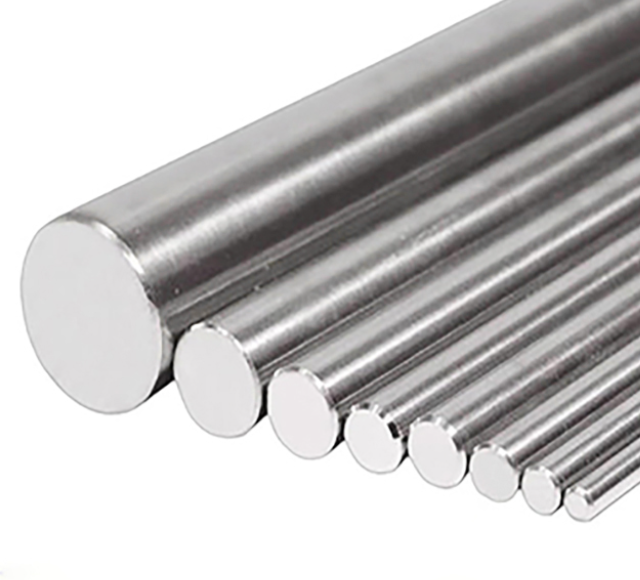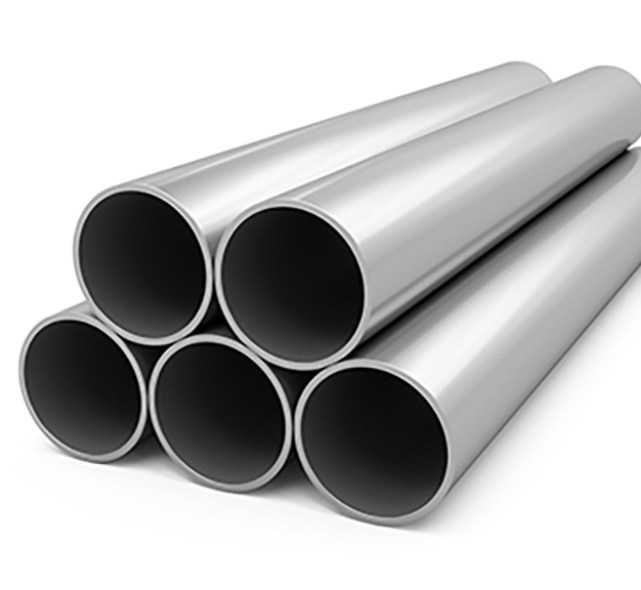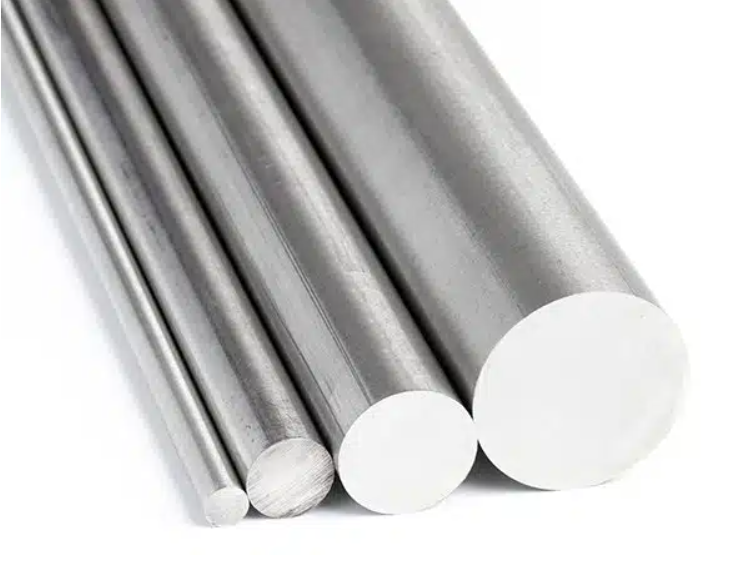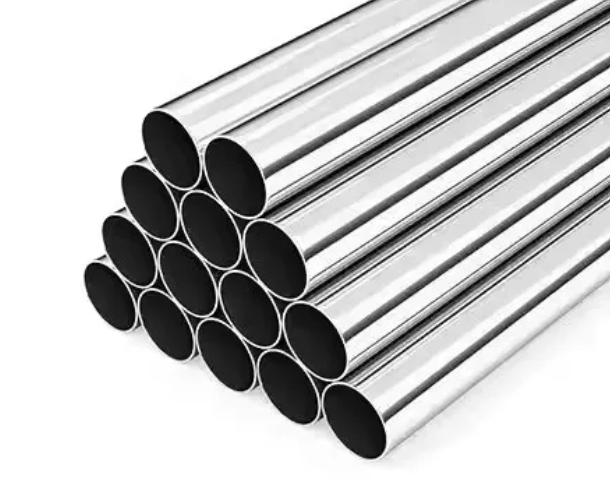

Titanium tubes are widely considered for chloride-containing heat exchanger systems because titanium can form a stable protective oxide film on its surface. This passive film helps titanium resist corrosion in many chloride and seawater environments.
However, titanium is not a magic material that works in every chloride condition. Its performance still depends on the real operating environment, including temperature, pH, chloride concentration, oxygen condition, crevice design, flow condition, cleaning chemicals, surface condition, tube grade, inspection level, and supplier documentation.
Quick Answer:
Titanium tubes resist chloride corrosion mainly because of a protective titanium oxide passive film. This makes titanium useful for many seawater, brine, condenser, evaporator, and selected chloride-containing heat exchanger applications. However, titanium tube performance is not universal. Buyers should review operating temperature, chloride concentration, pH, crevice risk, flow condition, cleaning method, titanium grade, ASTM B338 compliance, MTC, heat number traceability, surface condition, and inspection requirements before ordering.
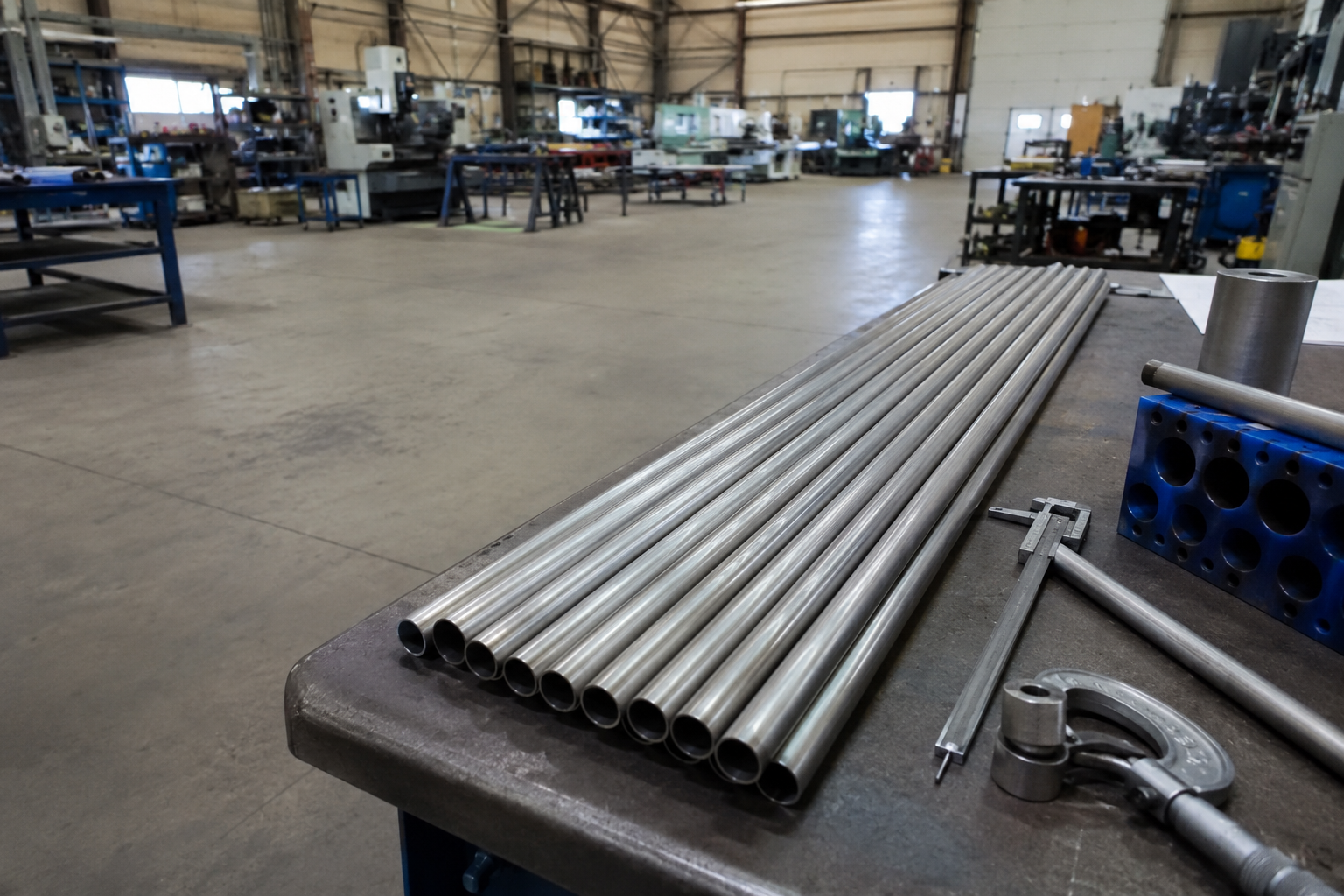
The Royal Society of Chemistry explains that titanium forms a thin oxide layer that protects it against corrosion in seawater and many other environments: Royal Society of Chemistry - Titanium.
A titanium corrosion paper hosted by the U.S. Nuclear Regulatory Commission also notes that titanium has excellent resistance to neutral chloride solutions, but that crevice corrosion can be a limiting factor in aqueous chloride environments: Corrosion Resistance of Titanium.
For heat exchanger tube procurement, ASTM B338 is especially important because it covers seamless and welded titanium alloy tubes for surface condensers, evaporators, and heat exchangers: ASTM B338.
How Do Operating Conditions Affect Titanium Corrosion Resistance?
Titanium’s corrosion resistance comes mainly from its passive oxide film. In many aerated and oxidizing environments, this film forms naturally and can repair itself when damaged.
But this protection should not be understood as unlimited.
Titanium tube corrosion resistance can be affected by temperature, chloride concentration, pH, oxygen availability, crevice conditions, flow condition, deposits, surface condition, and cleaning chemistry.
The NIST corrosion performance database shows why corrosion data should be evaluated according to specific environments, including concentration and temperature: NIST Corrosion Performance Databases.
Key Operating Factors
| Factor | Why It Matters |
|---|---|
| Temperature | Higher temperature can increase corrosion and crevice corrosion risk in some chloride environments |
| Chloride Concentration | Titanium performs well in many chloride solutions, but concentrated chloride media still need review |
| pH | Titanium generally performs better in neutral or oxidizing conditions than in strongly reducing acid conditions |
| Oxygen / Oxidizing Condition | Oxygen helps maintain and repair the passive oxide film |
| Crevices | Oxygen-depleted gaps may create localized chemistry that challenges the passive film |
| Flow Condition | Flow affects heat transfer, fouling, deposits, erosion risk, and tube vibration |
| Cleaning Chemicals | Cleaning agents may be more aggressive than the normal process fluid |
| Surface Condition | Surface finish and cleanliness can affect fouling, cleaning, and localized corrosion initiation risk |
| Tube Grade | Grade 2, Grade 7, Grade 12, and other titanium grades are not interchangeable |
Why Crevices Matter
Titanium is highly corrosion-resistant in many oxidizing chloride environments, but crevices can create different local chemistry from the bulk fluid. In heat exchangers, crevices may occur near:
- Tube sheets
- Gaskets
- Tube supports
- Deposits
- Under-scale areas
- Poor welds
- Tight mechanical joints
- Stagnant zones
Surface Science Western notes that titanium alloys are highly corrosion-resistant under oxidizing conditions, but Grade 2 titanium can suffer crevice corrosion at elevated temperatures when the surface is occluded by another material, such as a deposit, poor weld, or crack: Crevice Corrosion of Grade-2 Titanium.
This is why buyers should not only ask whether the fluid contains chloride. They should also ask whether the heat exchanger design creates crevices, deposits, stagnant zones, or oxygen-depleted areas.
How Do Technical Parameters Translate to Real-World Performance?
Technical data on a material certificate is important, but it is not the whole story.
A titanium tube may meet chemical composition and mechanical property requirements, but the buyer still needs to confirm whether that tube is suitable for the real heat exchanger environment.
Technical parameters such as ASTM grade, tensile strength, yield strength, elongation, wall thickness, surface condition, NDT results, MTC, and heat number traceability should be reviewed together with the operating environment.
ASTM B338
ASTM B338 is commonly used for titanium heat exchanger tubes. It covers seamless and welded titanium alloy tubes for surface condensers, evaporators, and heat exchangers.
Buyers should confirm:
- ASTM B338 / ASME SB338 requirement
- Titanium grade
- Seamless or welded tube
- Outside diameter
- Wall thickness
- Length
- Tolerance
- Surface condition
- Heat treatment condition
- Testing requirements
- MTC / MTR
- Heat number traceability
Mechanical Properties
Mechanical properties help confirm whether the material meets the required standard and design expectations.
ASTM E8/E8M covers tension testing of metallic materials and includes yield strength, tensile strength, elongation, and reduction of area: ASTM E8/E8M.
However, mechanical test data should be interpreted with application requirements. For example:
| Parameter | Why It Matters |
|---|---|
| Tensile Strength | Helps evaluate maximum load-bearing capacity |
| Yield Strength | Helps evaluate resistance to permanent deformation |
| Elongation | Helps evaluate ductility and forming ability |
| Wall Thickness | Affects pressure capability, corrosion allowance, and heat transfer |
| Surface Condition | Affects cleanliness, fouling, inspection, and localized corrosion risk |
| Tube Straightness | Important for installation and tube bundle assembly |
| NDT Result | Helps verify tube integrity |
| Heat Number | Supports traceability back to production batch |
Surface Condition
Surface finish is not only about appearance. For heat exchanger tubes, surface condition can influence cleaning, fouling, inspection, and localized corrosion initiation risk.
Buyers should confirm:
- Inner surface condition
- Outer surface condition
- Pickled or polished requirement
- Cleanliness requirement
- Oil or contamination control
- Tube end condition
- Packaging protection
For critical heat exchanger systems, surface requirements should be written clearly in the purchase specification instead of being assumed.
Microstructure and Manufacturing History
Standard MTCs normally show chemical composition and mechanical properties, but they may not fully describe microstructure, residual stress, surface roughness, weld quality, or internal cleanliness.
For high-risk applications, buyers may request additional checks such as:
- Metallographic examination
- Surface roughness measurement
- Weld inspection
- Eddy current testing
- Ultrasonic testing
- Hydrostatic testing
- Third-party inspection
This does not mean every project needs every test. It means the inspection scope should match the risk level of the heat exchanger application.
How Do You Choose the Right Titanium Grade for Chloride Heat Exchangers?
There is no universal “best” titanium grade for every chloride-containing heat exchanger.
Grade selection depends on chloride level, temperature, pH, crevice risk, acid condition, pressure, fabrication method, and project specification.
Grade 2 titanium is widely used in many heat exchanger applications, but Grade 7, Grade 12, or other titanium grades may be evaluated when crevice corrosion, reducing acid conditions, higher temperature, or more severe chloride service creates additional risk.
Common Titanium Grades for Heat Exchanger Tubes
| Titanium Grade | General Description | Buyer Review Point |
|---|---|---|
| Grade 1 | Commercially pure titanium with high ductility and lower strength | Useful where formability is important and pressure demand is lower |
| Grade 2 | Common commercially pure titanium grade | Widely used, but crevice risk, temperature, pH, and chloride conditions still need review |
| Grade 7 | Titanium with palladium addition | May be evaluated where improved crevice corrosion resistance or mildly reducing acid resistance is needed |
| Grade 12 | Titanium alloy with molybdenum and nickel | May be evaluated for higher strength and improved crevice corrosion performance compared with Grade 2 in certain conditions |
ASTM B338 includes Grade 7 as unalloyed titanium plus 0.12 to 0.25% palladium, and Grade 12 as titanium alloy with 0.3% molybdenum and 0.8% nickel: ASTM B338 Grade List.
A study published by ASTM found that the rate and extent of crevice propagation were significantly suppressed on Grade 12 titanium compared with Grade 2 titanium under the tested conditions, especially at 120°C: Crevice Corrosion of Grade-12 Titanium.
This does not mean Grade 12 is always required. It means grade selection should be based on actual operating conditions, not only cost or availability.
Grade Selection Questions
Before choosing Grade 2, Grade 7, Grade 12, or another grade, buyers should ask:
- Is the medium natural seawater, brine, treated water, chemical solution, or acid?
- What is the chloride concentration?
- What is the maximum operating temperature?
- What is the pH range?
- Are there crevices, deposits, or stagnant zones?
- Is the environment oxidizing or reducing?
- Are cleaning chemicals used?
- Is the tube seamless or welded?
- What pressure and wall thickness are required?
- Is ASTM B338 or ASME SB338 required?
- What inspection and documentation are required?
Why Is Titanium Not Always the Right Answer?
Titanium tubes are valuable in many chloride-containing heat exchanger applications, but titanium is not automatically suitable for every system.
Titanium may need careful review in:
- Strong reducing acids
- Hydrofluoric acid environments
- Oxygen-depleted crevices
- High-temperature concentrated brines
- Hydrogen-related service
- Unusual cleaning chemistry
- Galvanic couples with unsuitable materials
- Poorly designed crevice areas
- Severe abrasive slurry flow
Titanium should be selected by matching grade and condition to the actual medium, not by assuming that all titanium grades behave the same.
A titanium corrosion review notes that titanium has outstanding corrosion resistance due to its external natural oxide protective layer, but also discusses possible corrosion mechanisms in aggressive environments: Corrosion of Titanium: Part 1.
For buyers, this means titanium is a strong candidate in many chloride services, but final selection should still be reviewed against the exact application.
How Can Buyers Verify Supplier Claims About Titanium Quality?
Supplier claims such as “excellent corrosion resistance,” “high quality,” or “ASTM standard” should be verified with documents and inspection records.
A reliable titanium tube supplier should provide traceable material documentation, batch-specific test results, clear standard compliance, inspection support, and application-based technical communication.
Documents Buyers Should Request
| Document / Test | What It Confirms |
|---|---|
| MTC / MTR | Batch-specific chemical composition and mechanical properties |
| Heat Number | Traceability to the production batch |
| ASTM B338 Confirmation | Confirms the tube standard |
| Chemical Analysis | Confirms titanium grade and composition |
| Tensile Test | Confirms mechanical properties |
| Dimensional Report | Confirms OD, wall thickness, length, and tolerance |
| Surface Inspection | Confirms visible surface condition |
| Eddy Current Test | Helps detect discontinuities in tubes when required |
| Ultrasonic Test | Helps detect volumetric discontinuities when required |
| Hydrostatic Test | Helps verify pressure integrity when required |
| PMI / Grade Verification | Helps reduce material mix-up risk |
| Third-Party Inspection | Adds independent verification for critical projects |
Eddy Current and Ultrasonic Testing
ASTM E426 is a standard practice for electromagnetic eddy current examination of seamless and welded tubular products: ASTM E426.
ASTM E213 covers ultrasonic testing of metal pipe and tubing: ASTM E213.
ASTM E1476 provides guidance for nondestructive identification and sorting of metals: ASTM E1476.
These standards do not mean every titanium tube order must include all tests. The correct inspection scope depends on project criticality, tube type, standard, and buyer requirements.
ISO and Quality Management
ISO explains that the ISO 9000 family helps organizations improve product and service quality and consistently meet customer expectations: ISO 9000 Family.
ISO 9001 is a recognized quality management standard: ISO 9001.
However, ISO certification does not replace batch-specific MTC, heat number traceability, inspection records, or buyer-required test reports.
Third-Party Inspection
For critical projects, buyers may request third-party inspection. SGS states that its metal testing services help assess the safety, reliability, and integrity of metal parts: SGS Metal Testing.
Third-party inspection may include:
- MTC review
- Dimension check
- Visual inspection
- Surface condition check
- PMI
- Witness testing
- Packaging inspection
- Pre-shipment inspection
The inspection scope should be clearly defined in the purchase order.
Buyer Checklist for Titanium Tubes in Chloride Heat Exchangers
Before requesting a quotation, buyers should prepare the following information.
| RFQ Item | What to Provide |
|---|---|
| Application | Condenser, evaporator, cooler, heater, seawater system, brine system |
| Tube Standard | ASTM B338, ASME SB338, customer specification |
| Titanium Grade | Grade 1, Grade 2, Grade 7, Grade 12, or open to recommendation |
| Product Type | Seamless tube or welded tube |
| Size | OD, wall thickness, length |
| Tolerance | Standard or custom tolerance |
| Tube-Side Medium | Chloride solution, seawater, brine, acid, process fluid |
| Shell-Side Medium | Cooling water, steam, process fluid, air |
| Chloride Concentration | Normal and maximum chloride level |
| Temperature | Normal, maximum, startup, shutdown, cleaning |
| pH | Normal and upset condition |
| Oxygen / Oxidizing Condition | Aerated, deaerated, oxidizing, reducing |
| Pressure | Operating pressure and design pressure |
| Flow Condition | Velocity, turbulence, stagnant areas |
| Crevice Risk | Tube sheet, gasket, deposits, supports, under-scale areas |
| Fouling Risk | Scale, deposits, biological fouling, suspended solids |
| Cleaning Method | Mechanical cleaning, chemical cleaning, cleaning frequency |
| Surface Condition | Pickled, polished, bright, clean ID / OD requirement |
| Testing | PMI, eddy current, UT, hydrostatic, tensile, hardness |
| Documentation | MTC, heat number, certificate, inspection report |
| Inspection | Internal, customer, or third-party inspection |
| Delivery | Quantity, packaging, destination, lead time |
This checklist helps suppliers give a more accurate quotation and helps buyers reduce incomplete specification risk.
How Emily PIPE Supports Titanium Tube Buyers
Emily PIPE is a China-based manufacturer and exporter specializing in nickel alloy tubes, nickel alloy bars, titanium alloy tubes, and titanium alloy bars. We support customers across chemical processing, marine engineering, power generation, oil and gas, heat exchangers, desalination, and other corrosion-resistant or high-temperature applications.
For titanium heat exchanger tube projects, we can support:
- Titanium seamless tubes
- Titanium welded tubes
- Titanium pipes and bars
- ASTM B338 / ASME SB338 requirements
- Grade 1, Grade 2, Grade 7, Grade 12, and other project-specified grades
- Custom OD, wall thickness, length, tolerance, and surface condition
- MTC / MTR and heat number traceability
- Dimensional and surface inspection
- PMI, eddy current, UT, hydrostatic, tensile, hardness, and other testing support when required
- Third-party inspection support
- Export packaging and logistics support
Our role is not to claim that titanium solves every chloride corrosion problem. Our role is to help buyers review application conditions, confirm material requirements, prepare documentation, and supply titanium tubes that match the required standard and project environment.
If you are selecting titanium tubes for chloride-containing heat exchangers, please send your grade, standard, size, chloride concentration, medium, temperature, pH, pressure, flow condition, crevice risk, cleaning method, testing requirement, documentation requirement, and destination. Our team can help review your requirements and provide a suitable quotation.
FAQ: Titanium Tubes and Chloride Corrosion
1. Why do titanium tubes resist chloride corrosion?
Titanium forms a protective titanium oxide film on its surface. This passive film gives titanium strong corrosion resistance in many chloride and seawater environments.
2. Are titanium tubes suitable for all chloride-containing heat exchangers?
No. Titanium is suitable for many chloride applications, but not all. Temperature, pH, chloride concentration, crevice risk, reducing acids, flow condition, and cleaning chemistry must still be reviewed.
3. What standard is commonly used for titanium heat exchanger tubes?
ASTM B338 is commonly used because it covers seamless and welded titanium alloy tubes for surface condensers, evaporators, and heat exchangers.
4. Is Grade 2 titanium enough for chloride service?
Grade 2 is widely used in many titanium tube applications, but it may not be enough for every condition. Higher temperature, crevices, low pH, or more aggressive chemistry may require review of Grade 7, Grade 12, or another grade.
5. When should Grade 7 titanium be considered?
Grade 7 may be evaluated when improved crevice corrosion resistance or mildly reducing acid resistance is needed. It contains a small palladium addition.
6. When should Grade 12 titanium be considered?
Grade 12 may be evaluated where higher strength or improved crevice corrosion performance is needed compared with Grade 2 in certain conditions. It contains molybdenum and nickel.
7. Does a smooth surface always prevent corrosion?
No. A better surface condition can help with cleanliness, inspection, fouling control, and localized corrosion risk reduction, but it does not guarantee corrosion-free service.
8. What documents should buyers request?
Buyers should request MTC / MTR, heat number, chemical composition, mechanical properties, ASTM B338 confirmation, dimensional inspection, surface inspection, NDT reports, PMI or grade verification, and third-party inspection when required.
Conclusion
Titanium tubes can be a strong choice for chloride-containing heat exchanger systems because of their protective oxide film and corrosion resistance in many chloride and seawater environments.
However, titanium tube selection should not be based only on the word “titanium.” Buyers should review operating temperature, chloride concentration, pH, oxygen condition, crevice design, flow, fouling, cleaning chemicals, surface condition, titanium grade, ASTM B338, MTC, heat number traceability, testing, and supplier capability.
The right titanium tube is not always the cheapest grade or the highest grade. It is the grade and specification that match the actual heat exchanger environment and can be verified through proper documentation and inspection.