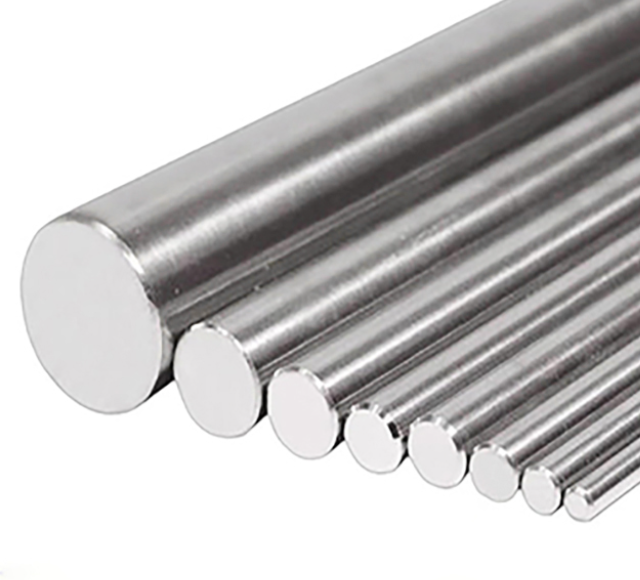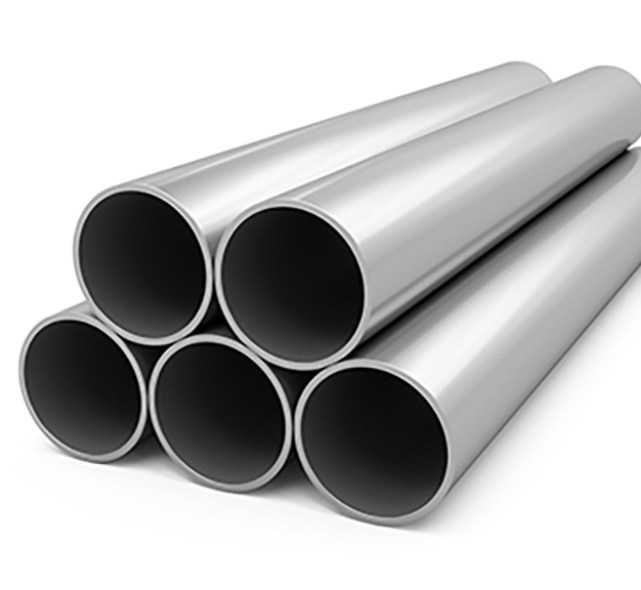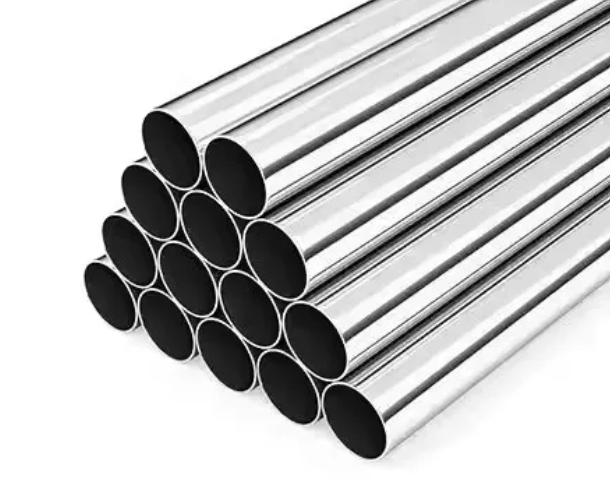

Small-Diameter Alloy Tubes for Precision Chemical Equipment
Small-diameter alloy tubes may look like simple components, but in precision chemical equipment they can influence corrosion resistance, flow stability, sealing reliability, product cleanliness, maintenance planning, and long-term operating risk.
These tubes may be used in chemical dosing lines, sampling lines, heat exchange sections, instrumentation tubing, analytical systems, pilot equipment, high-purity transfer lines, or compact process assemblies. In these applications, a small material mismatch can lead to leakage, contamination, premature replacement, or unexpected downtime.
Selecting small-diameter alloy tubes is not only a purchasing decision. It is part of risk control for chemical compatibility, pressure integrity, cleanliness, documentation, and supplier reliability.
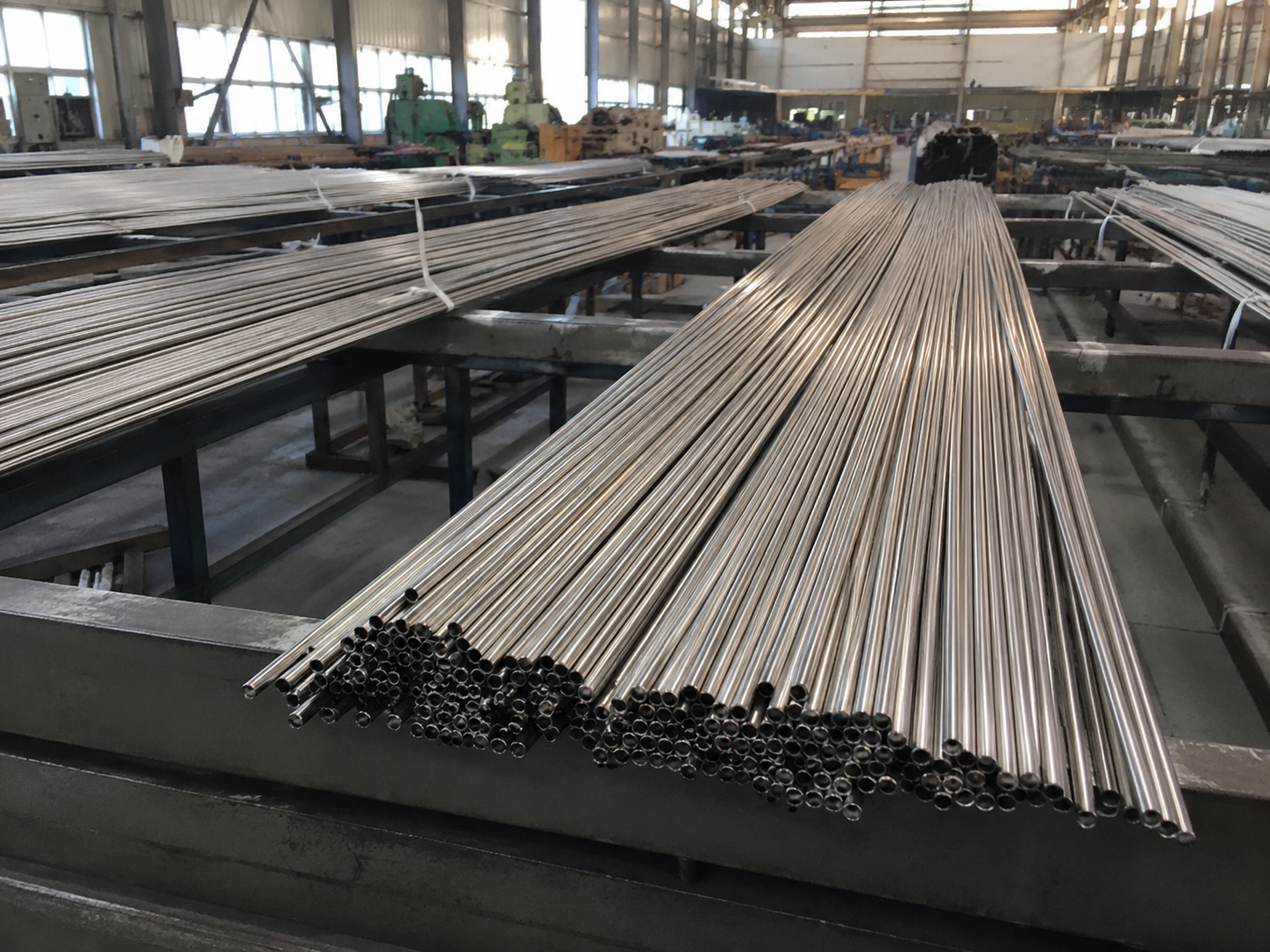
The right choice should not start from a general material name such as “nickel alloy tube” or “titanium tube.” It should start from the actual chemical environment, operating conditions, dimensional requirements, surface requirements, and inspection documents needed for the project.
Why Small-Diameter Tube Selection Is More Than a Surface Specification
Some buyers focus mainly on the outside surface, material grade, or price. These details matter, but they are not enough.
For small-diameter tubes, the internal surface, wall thickness, dimensional tolerance, straightness, cleanliness, and tube manufacturing route can be just as important as the alloy grade itself.
A tube used for general industrial transfer may not need the same tolerance or cleanliness as a tube used in a precision dosing system, analytical instrument, or contamination-sensitive chemical process.
Key Details Buyers Should Confirm
| Selection Item | Why It Matters |
|---|---|
| Alloy grade and UNS number | Similar alloy family names may represent very different chemical compositions and performance limits. |
| Tube size | OD, ID, wall thickness, and length affect flow, pressure drop, assembly, and sealing. |
| Dimensional tolerance | Small deviations may affect fitting connection, flow consistency, or installation accuracy. |
| Internal surface | The inside surface may affect cleanability, residue retention, fouling, and corrosion behavior. |
| Surface finish | Pickled, polished, bright annealed, or specially cleaned surfaces may perform differently. |
| Tube form | Straight tube, coil tube, capillary tube, seamless tube, or welded tube may suit different applications. |
| Heat treatment condition | Mechanical properties, corrosion behavior, and fabrication response may depend on delivered condition. |
| Cleaning and packaging | Contamination-sensitive applications may require capped ends, sealed packing, or special handling. |
For precision chemical equipment, these details should be specified before the order is confirmed. Otherwise, the supplied material may meet a general standard but still fail to meet the actual application requirement.
How Does Tube Material Affect Risk in Chemical Operations?
Tube material affects more than corrosion resistance. It can also influence safety, product purity, maintenance frequency, equipment reliability, and long-term cost.
A material that is not compatible with the chemical environment may corrode, pit, crack, leach corrosion products, or lose mechanical integrity. In sensitive processes, this may affect product quality or lead to more frequent cleaning and replacement.
Main Risk Areas
| Risk Area | How Tube Material May Affect It |
|---|---|
| Leakage risk | Corrosion, cracking, poor dimensional control, or unsuitable wall thickness may create leak paths. |
| Product purity | Corrosion products, metallic ions, residues, or particles may affect sensitive chemical processes. |
| Pressure integrity | Tube wall thickness, material strength, and manufacturing quality affect pressure performance. |
| Process stability | Flow restriction, internal roughness, or fouling may affect dosing or sampling consistency. |
| Maintenance cost | Poor material fit may increase cleaning, inspection, and replacement frequency. |
| Downtime | Tube failure or documentation rejection may delay production or equipment commissioning. |
| Safety risk | Leakage of aggressive, hot, toxic, or pressurized chemicals may create hazards for operators and equipment. |
AMPP notes that no material is resistant to all corrosive situations, and material selection is critical for preventing many types of failures. AMPP material selection for corrosion control
This is why buyers should not ask only, “Is this tube corrosion resistant?” A better question is:
Is this alloy tube suitable for this chemical, concentration, temperature, pressure, flow condition, surface requirement, and expected service life?
Can One Alloy Tube Fit All Precision Chemical Needs?
There is no universal alloy tube for every precision chemical application.
Different systems may involve different acids, alkalis, solvents, oxidizers, chlorides, mixed chemicals, high temperatures, high pressures, cleaning cycles, or purity requirements. A material that works well in one environment may not be suitable in another.
ISO 21457 materials selection guidance identifies corrosion mechanisms and evaluation parameters for materials selection in piping and equipment. Although the standard is written for oil and gas applications, the general idea is useful for chemical equipment procurement: material selection should be connected to the actual service environment.
Common Material Families for Review
| Material Family | Possible Use Consideration | Important Caution |
|---|---|---|
| 316L stainless steel | May be suitable for some moderate chemical, utility, food, or general industrial applications | Not suitable for many highly aggressive acids, chlorides, or high-risk chemical services |
| Nickel alloys, such as C276, C22, or Alloy 625 | May be considered for aggressive chemical environments, high corrosion risk, or elevated temperature service | Higher cost and fabrication requirements; must still be checked against exact chemistry |
| Nickel 200 / Nickel 201 | May be considered for certain alkaline or specific chemical environments | Not suitable for all acids or oxidizing environments |
| Monel 400 | May be considered for certain marine, alkaline, or specific chemical services | Not a universal solution for strong oxidizing acids or all chloride environments |
| Titanium Grade 2 / Grade 7 | May be considered in some oxidizing or chloride-containing environments | Must be checked carefully in fluoride-containing, reducing acid, or mixed acid conditions |
| Duplex stainless steel | May offer strength and chloride resistance in some applications | Temperature limits, weld condition, and chemical compatibility must be reviewed |
| Non-metallic materials | May be preferred in some high-purity or direct chemical contact areas | Pressure, temperature, mechanical strength, and installation limitations must be considered |
The material should be selected according to the real operating environment, not only according to a general corrosion-resistance ranking.
Why Standards and Test Documents Matter
Material standards help define the tube, but they do not replace application review.
For example, a tube may meet a standard specification and still require additional checks for chemical compatibility, internal surface, cleaning, packaging, pressure rating, or project-specific documentation.
Useful Standards and Documents to Review
| Item | Example Source | What It Helps Confirm |
|---|---|---|
| Titanium alloy tubes | ASTM B338 titanium tube requirements | Seamless and welded titanium alloy tubes for surface condensers, evaporators, and heat exchangers |
| Nickel alloy seamless pipe and tube | ASTM B622 nickel alloy pipe and tube requirements | Nickel and nickel-cobalt alloy seamless pipe and tube, including mechanical and test requirements |
| General nickel alloy seamless tube requirements | ASTM B829 nickel alloy seamless tube requirements | General requirements for several nickel and nickel alloy seamless pipe and tube specifications |
| Inspection documents | BS EN 10204 inspection documents | Inspection document types used to authenticate metallic materials |
| Laboratory testing | ISO/IEC 17025 laboratory competence | Competence, impartiality, and consistent operation of testing and calibration laboratories |
For critical projects, buyers should confirm which documents are required before shipment. This can reduce the risk of incoming inspection problems or project approval delays.
What Should Buyers Ask Before Ordering?
Before ordering small-diameter alloy tubes, buyers should confirm both technical and documentation requirements.
Technical Questions
| Question | Why It Matters |
|---|---|
| What chemicals will the tube contact? | Chemical type, concentration, impurities, and by-products affect corrosion behavior. |
| What are the temperature and pressure conditions? | Material strength, corrosion rate, and sealing performance may change with temperature and pressure. |
| Is the tube used for dosing, sampling, heat exchange, transfer, or instrumentation? | Different functions require different tolerances, surface conditions, and pressure requirements. |
| Is internal cleanliness important? | Residues, particles, oil, or moisture may affect sensitive processes. |
| Is seamless tube required? | Some applications prefer seamless tubes for pressure, cleanliness, or specification reasons. |
| What surface finish is required? | Pickling, polishing, bright annealing, or special cleaning may need to be specified. |
| What tolerance is required? | OD, ID, wall thickness, straightness, and length tolerance may affect fit and flow. |
| How will the tube be connected? | Fittings, welding, flaring, bending, or compression connections may require different tube conditions. |
Documentation Questions
| Document | Why It Matters |
|---|---|
| MTR / MTC | Helps verify actual chemical composition, mechanical properties, heat number, and standard. |
| EN 10204 3.1 certificate | Often required for industrial projects and traceable metallic products. |
| PMI report | Helps confirm alloy identification when required. |
| Dimensional inspection report | Confirms size, tolerance, wall thickness, and length. |
| Surface inspection report | Useful when surface finish or defects are critical. |
| NDT report | UT, ECT, hydrostatic test, or other tests may be required by standard or purchase order. |
| Cleaning / packaging record | Useful for contamination-sensitive or high-purity applications. |
| Third-party inspection report | May be required for critical projects or buyer approval. |
BS EN 10204 is used for inspection documents that authenticate materials and help prove chemical and mechanical properties. BS EN 10204 inspection documents
If testing results are important for project approval, ISO/IEC 17025 can help buyers understand whether a laboratory has recognized competence and consistent testing operation. ISO/IEC 17025 laboratory competence
How Should Buyers Evaluate Alloy Tube Suppliers?
Supplier evaluation should not be based only on price or delivery time.
For precision chemical equipment, the supplier should understand the application, ask the right technical questions, and provide complete documentation. A low price may not be useful if the tube fails inspection, has unclear traceability, or cannot meet the required surface condition.
Supplier Evaluation Checklist
| Supplier Capability | What to Check |
|---|---|
| Application understanding | Does the supplier ask about chemicals, concentration, pressure, temperature, and use location? |
| Material range | Can the supplier offer suitable nickel alloy, titanium alloy, stainless steel, or other material options? |
| Tube manufacturing route | Can they clarify seamless, welded, cold-drawn, annealed, polished, or coil tube condition? |
| Size control | Can they meet OD, ID, wall thickness, length, and tolerance requirements? |
| Surface control | Can they provide the required internal and external surface condition? |
| Documentation | Can they provide MTR, EN 10204 certificate, inspection reports, and traceability? |
| Testing support | Can they support PMI, NDT, hydrostatic test, ECT, UT, or third-party inspection if needed? |
| Packaging | Can they protect small-diameter tubes from bending, surface damage, moisture, or contamination? |
| Repeatability | Can they support future orders with consistent quality and documents? |
ISO’s supply chain guidance warns that a product may meet stated requirements and still be wrong for the intended application. It recommends that buyers focus on intended use, business risk, supplier history, and confidence in the supplier’s ability to provide conforming product consistently. ISO 9001 supply chain guidance
ASQ also describes supplier quality management as a proactive and collaborative approach. Supplier quality management
This is why a qualified alloy tube supplier should do more than quote a price. They should help clarify specifications, confirm documentation, and reduce procurement risk.
Why Total Cost Matters More Than Tube Price
For small-diameter alloy tubes, the lowest unit price is not always the lowest total cost.
A cheaper tube may become expensive if it causes leakage, replacement, cleaning delays, inspection rejection, poor fit-up, or process interruption. A more suitable tube may have a higher purchase price but lower long-term risk.
Cost Factors Beyond Purchase Price
| Cost Factor | Why It Matters |
|---|---|
| Inspection cost | Incomplete documents or inconsistent dimensions may delay incoming inspection. |
| Installation cost | Poor tolerance or surface damage may increase fitting and assembly problems. |
| Cleaning cost | Rough or contaminated internal surfaces may require extra cleaning. |
| Maintenance cost | Poor material selection may increase replacement frequency. |
| Downtime cost | Tube failure can stop production or delay commissioning. |
| Waste cost | Contaminated or unstable process output may create material loss. |
| Reordering risk | A supplier with poor repeatability may make future replacement difficult. |
The NIST life-cycle cost methodology is not written specifically for alloy tube procurement, but it provides a useful idea: purchasing decisions should consider costs over the full life of the system, not only the initial price.
Practical Checklist Before Selecting Small-Diameter Alloy Tubes
Before confirming an order, buyers can review the following checklist:
- What chemical will the tube contact?
- What are the concentration, temperature, pressure, and flow conditions?
- Is the application dosing, sampling, transfer, instrumentation, heat exchange, or analytical use?
- Is the tube exposed to cleaning cycles, thermal cycling, vibration, or pressure cycling?
- Is corrosion, pitting, crevice corrosion, erosion, or stress corrosion cracking a concern?
- Is internal cleanliness or low residue important?
- What OD, ID, wall thickness, length, and tolerance are required?
- Is seamless, welded, coil, straight, capillary, or custom tube required?
- What surface finish is required?
- Is bending, welding, flaring, cutting, or special fabrication needed?
- What standard should the tube follow?
- What documents are required: MTR, EN 10204 3.1, PMI, NDT, dimensional report, or third-party inspection?
- How should the tubes be packed to prevent bending, damage, moisture, or contamination?
- Can the supplier support repeat orders with consistent quality and traceability?
Conclusion
Small-diameter alloy tubes play an important role in precision chemical equipment. They may affect chemical compatibility, pressure integrity, flow stability, product purity, maintenance planning, and long-term operating risk.
There is no universal alloy tube that fits every application. The right choice depends on the actual chemical environment, temperature, pressure, flow condition, surface requirement, documentation needs, and equipment design.
For buyers, the best approach is to define the application first, then select the alloy grade, tube form, tolerance, surface finish, testing requirement, certificate type, and packaging method.
When the application is sensitive to corrosion, contamination, leakage, or downtime, it is worth discussing the process conditions, drawings, standards, inspection documents, and delivery requirements with the supplier before confirming the order.