
How to Choose Nickel Alloy and Titanium Components for Semiconductor Process Chambers
Choosing materials for semiconductor process chamber components is not as simple as finding one “best” material.
In real applications, a component may face reactive gases, plasma exposure, thermal cycling, vacuum conditions, particle-control requirements, surface cleanliness requirements, and strict documentation review. A material that works well in one chamber position may not be suitable for another.
There is no single best material for semiconductor process chamber components. A better approach is to match the material to the actual process conditions, contamination-control requirements, mechanical needs, and supplier quality evidence.
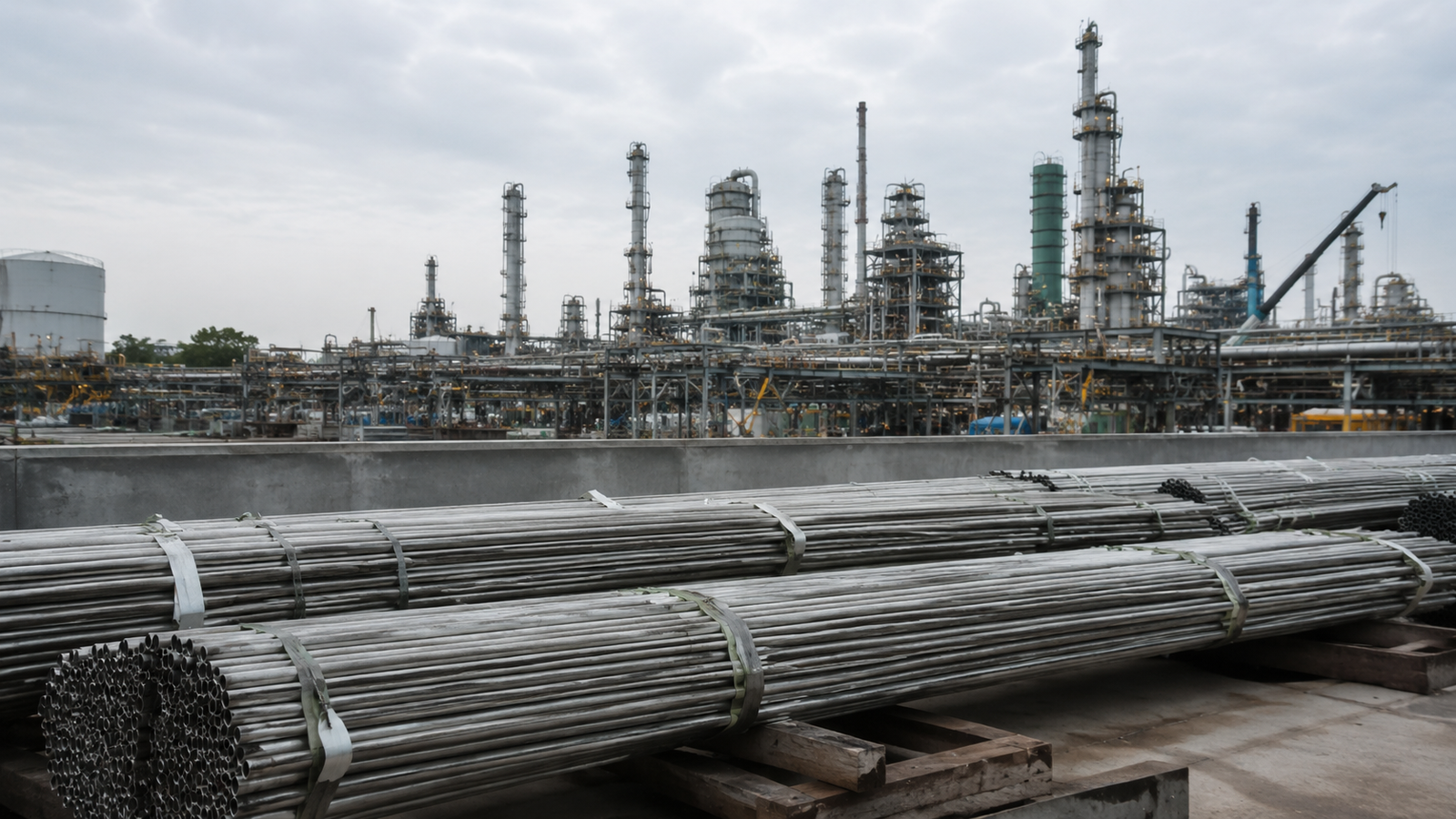
For buyers evaluating nickel alloy and titanium components, the goal is not only to compare alloy names. The more important task is to understand where the part will be used, what risks it may face, and whether the supplier can provide consistent, traceable, and well-documented material.
Why Is There No Single Best Material for Process Chambers?
Many buyers start with a simple question:
What is the best material for this process chamber part?
The question is understandable, but it can lead to oversimplified decisions. Semiconductor process chambers vary widely in gas chemistry, plasma environment, temperature, pressure, vacuum conditions, and contamination sensitivity.
A material may perform well in one process but face problems in another because the actual environment is different.
Key Factors That Affect Material Choice
| Factor | Why It Matters |
|---|---|
| Process gas chemistry | Reactive gases and by-products may affect corrosion, surface stability, and contamination risk. |
| Plasma exposure | Ion bombardment and reactive species may increase erosion or change surface behavior. |
| Temperature | High temperature and thermal cycling can affect strength, dimensional stability, and fatigue. |
| Pressure and vacuum cycling | Repeated cycling may create stress, leakage risk, or dimensional changes. |
| Surface cleanliness | Particles, residues, and surface defects may affect chamber performance. |
| Outgassing risk | Some applications require low outgassing and controlled surface preparation. |
| Maintenance interval | Materials with shorter service life may increase downtime and replacement frequency. |
| Supplier consistency | Material quality must be repeatable, not only acceptable in one sample or one batch. |
SEMI notes that particle contamination in critical chamber components can affect wafer yield and device reliability. It also states that controlling particle contamination on these components has become an important quality requirement for equipment users. Particle contamination in critical chamber components
This is why material selection should begin with the actual chamber environment, not with a general ranking of alloy grades.
Where Nickel Alloy and Titanium Components May Be Considered
Nickel alloys and titanium materials may be considered in semiconductor equipment where corrosion resistance, thermal stability, strength, low contamination risk, or special surface requirements are important.
However, neither material family is automatically correct for every chamber application.
General Material Considerations
| Material Family | Possible Consideration | Important Caution |
|---|---|---|
| Nickel alloys | May be considered where corrosion resistance, high-temperature stability, or mechanical strength is needed | Must be checked against actual gases, plasma exposure, temperature, and surface requirements |
| Titanium and titanium alloys | May be considered where corrosion resistance, weight, or contamination control is important | Must be checked against process chemistry, temperature, galling risk, and fabrication method |
| 316L stainless steel | Often used in high-purity and general semiconductor-related systems when the right specification and finish are required | Standard 316L is not the same as semiconductor-grade or high-purity controlled material |
| Coated or treated materials | May be used when surface behavior is more important than bulk material alone | Coating adhesion, particle generation, cleaning, and service life must be verified |
| Non-metallic materials | May be used in some contamination-sensitive or chemical contact areas | Pressure, temperature, mechanical strength, and installation limits must be considered |
SEMI F20 defines metallurgical cleanliness and material composition requirements for 316L stainless steel used in components for general purpose, high-purity, and ultra-high-purity semiconductor chemical gas or liquid distribution systems. SEMI F20 high-purity semiconductor material requirements
This shows an important point: in semiconductor applications, material selection is not only about the grade name. Material cleanliness, surface condition, and application-specific requirements also matter.
How Should Buyers Interpret Material Data?
Material datasheets are useful, but they should not be treated as complete proof of suitability.
A datasheet may show chemical composition, tensile strength, hardness, corrosion resistance, or thermal properties. These values are usually based on defined test conditions. A process chamber may expose the material to a much more complex environment.
Datasheet Values vs. Chamber Reality
| Data Item | What It Tells You | What Buyers Should Also Ask |
|---|---|---|
| Chemical composition | Whether the material matches a grade or standard | Are impurity levels, heat number, and batch traceability acceptable? |
| Tensile strength | Basic mechanical performance | Is strength still suitable at operating temperature and under cycling? |
| Corrosion resistance | Behavior under specific test media | Does the real chamber chemistry or by-product environment match the test condition? |
| Thermal conductivity | Heat transfer potential | Will the component manage heat without distortion or hot spots? |
| Surface finish | Roughness or surface condition | Is the finish suitable for particle control, cleaning, and contamination-sensitive use? |
| Erosion resistance | Resistance under specific test conditions | Does the plasma environment create surface wear, sputtering, or particle risk? |
| Purity | Bulk element control | Are surface contamination, cleaning, packaging, and handling also controlled? |
ISO’s supply chain guidance warns that a product may meet stated requirements and still be wrong for the intended application. It recommends that buyers focus on intended use, business risk, supplier history, and confidence in the supplier’s ability to provide conforming product consistently. ISO 9001 supply chain guidance
For process chamber components, this means the buyer should ask:
- What process gases or by-products will contact the component?
- Will the part face direct plasma exposure?
- What temperature range and thermal cycling will occur?
- Is particle generation a major concern?
- Is outgassing or surface contamination a concern?
- What cleaning, passivation, polishing, coating, or packaging is required?
- What documents are needed for approval?
The material data is only the starting point. The real decision depends on how that data connects to the actual chamber environment.
What Product Standards May Be Relevant?
The correct standard depends on the material form, grade, and application.
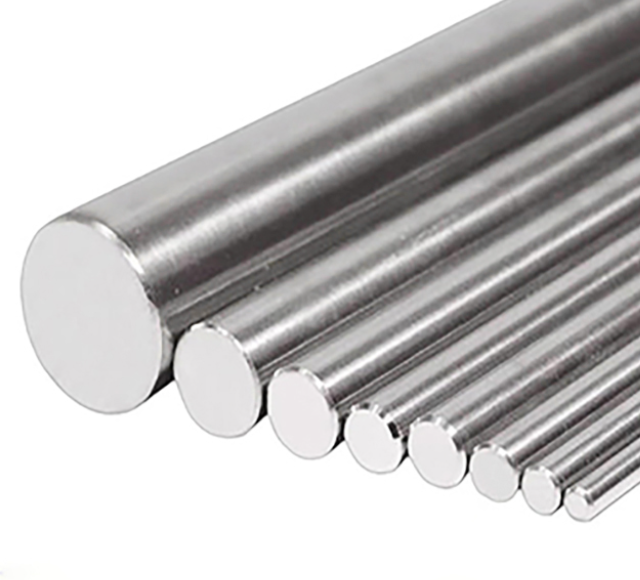
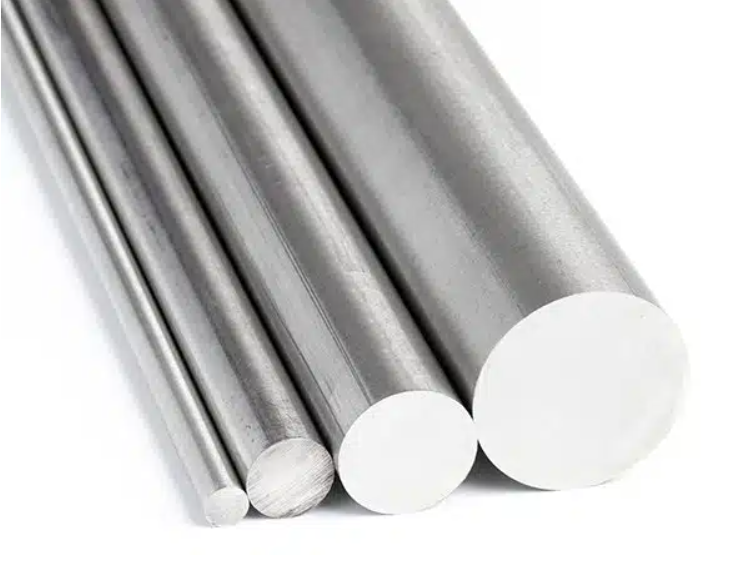
Buyers should avoid ordering only by a broad name such as “nickel alloy part” or “titanium component.” A technical order should identify the grade, product form, standard, condition, dimensions, surface requirement, and inspection documents.
Examples of Standards to Review
| Material / Product Form | Example Standard | What It Helps Define |
|---|---|---|
| Nickel alloy rod and bar | ASTM B446 | Chemical composition, heat treatment, tensile properties, and dimensional requirements for certain nickel-chromium-molybdenum alloys |
| Titanium strip, sheet, and plate | ASTM B265 | Chemical composition requirements and product requirements for titanium and titanium alloy strip, sheet, and plate |
| Metallic inspection documents | BS EN 10204 | Inspection document types used to authenticate materials and support proof of quality |
| Testing laboratory competence | ISO/IEC 17025 | Requirements for laboratory competence, impartiality, and consistent operation |
ASTM standards help define the material form and technical requirements, but they do not replace application-specific review. A material can meet a product standard and still need additional evaluation for plasma exposure, outgassing, particle generation, thermal cycling, or specific chamber chemistry.
How Can Buyers Evaluate Supplier Information?
Supplier evaluation is just as important as material comparison.
A supplier may claim that a material is suitable for semiconductor chamber use, but buyers should check what evidence supports the claim. Generic statements such as “high purity,” “good corrosion resistance,” or “semiconductor grade” are not enough unless they are backed by clear requirements, documents, and inspection records.
Supplier Documents and Evidence to Request
| Document / Evidence | Why It Matters |
|---|---|
| Material Test Report / MTR | Helps verify chemical composition, mechanical properties, heat number, and standard |
| EN 10204 certificate | Defines the inspection document type and supports material authentication |
| Heat number traceability | Links the component material to a specific heat or batch |
| Dimensional inspection report | Confirms size, tolerance, straightness, flatness, or machined dimensions |
| Surface finish report | Important when roughness, polishing, grinding, or surface condition is specified |
| Cleaning or packaging record | Useful for contamination-sensitive or cleanroom-related applications |
| Coating or surface treatment record | Needed if coating, passivation, polishing, or special treatment is part of the requirement |
| Third-party inspection report | Useful for critical orders or buyer approval requirements |
| Laboratory test record | More reliable when the laboratory is competent and the test method is clear |
BS EN 10204 is used for inspection documents that authenticate materials and help prove specified chemical and mechanical properties. BS EN 10204 inspection documents
When test results are important to the decision, buyers may also consider whether the laboratory follows recognized competence requirements. ISO/IEC 17025 sets requirements for laboratory competence, impartiality, and consistent operation. ISO/IEC 17025 laboratory competence
ISO 9001 can support supplier quality management, but it does not replace batch-specific material documents, inspection records, or application-specific evidence.
How Does Material Choice Affect Operational Risk?
Material choice for process chamber components is also a risk-control decision.
The wrong material may not fail immediately. It may gradually create problems through particle generation, surface degradation, dimensional change, corrosion, erosion, outgassing, or shorter maintenance intervals.
Operational Risks Linked to Material Choice
| Risk Area | How Material Choice May Affect It |
|---|---|
| Particle contamination | Surface instability, wear, or poor finish may increase particle risk. |
| Chamber downtime | Premature wear or cracking may require unscheduled replacement. |
| Process stability | Surface reactions or contamination may affect process repeatability. |
| Maintenance cost | Shorter component life may increase cleaning and replacement frequency. |
| Yield risk | Particle or metallic contamination may affect wafer quality and reliability. |
| Vacuum performance | Outgassing or surface condition may affect sensitive vacuum environments. |
| Supply risk | Difficult-to-source materials may create delays for replacement parts. |
| Documentation risk | Missing MTRs, certificates, or traceability may delay incoming inspection or approval. |
A practical material decision should reduce three types of risk:
- Performance risk — Will the material survive the chamber environment?
- Contamination risk — Will the material affect particles, purity, or surface stability?
- Supply risk — Can the supplier provide consistent quality, documents, and repeat orders?
If a material looks strong technically but is difficult to source consistently, it creates supply risk.
If a material is available and low-cost but may generate particles, it creates contamination risk.
If a material meets a general standard but has not been reviewed for plasma and thermal cycling, it creates performance risk.
Practical Checklist Before Selecting Chamber Component Materials
Before selecting nickel alloy or titanium components for semiconductor process chambers, buyers can review the following checklist:
- Where will the component be used inside or around the chamber?
- Will it face direct plasma exposure, process gas, vacuum, heat, or only structural loading?
- What gases, by-products, temperatures, and pressure ranges are involved?
- Is thermal cycling or repeated chamber cleaning expected?
- What are the main risks: corrosion, erosion, particles, outgassing, cracking, or distortion?
- Is nickel alloy, titanium, stainless steel, coated material, or non-metallic material more suitable for this position?
- What material grade, UNS number, and product standard are required?
- What surface finish, polishing, cleaning, coating, or packaging is required?
- What documents are needed: MTR, EN 10204 3.1, surface report, cleaning record, third-party inspection, or lab test report?
- Is heat number traceability required?
- Can the supplier explain the manufacturing route and inspection process?
- Can the supplier support repeat orders with consistent quality and documentation?
- Has the material been reviewed for real chamber conditions, not only datasheet properties?
- Has the total risk been considered, including contamination, maintenance, downtime, and supply continuity?
Conclusion
Choosing nickel alloy and titanium components for semiconductor process chambers requires more than comparing material names or datasheet values.
There is no single best material for every chamber component. The right choice depends on process gases, plasma exposure, temperature, pressure, surface finish, contamination sensitivity, documentation requirements, and supplier consistency.
A better material selection process starts with the real chamber environment, then checks material properties, standards, supplier documents, surface requirements, and operational risks.
When the application is contamination-sensitive or downtime-sensitive, buyers should discuss process conditions, drawings, surface finish, cleaning requirements, inspection documents, and traceability with the supplier before confirming the order.