
How to Use a Sample Order to Evaluate Alloy Suppliers
A sample order is often seen as a small quantity of material for testing. In alloy procurement, however, it can also be a practical way to understand how a supplier works before placing a larger order.
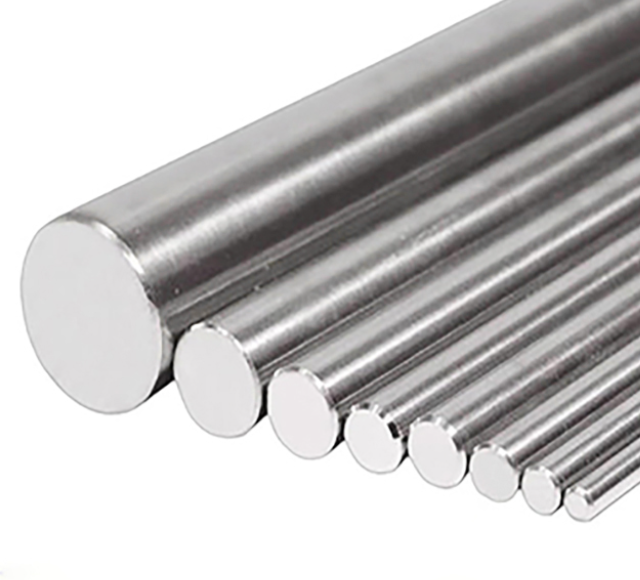
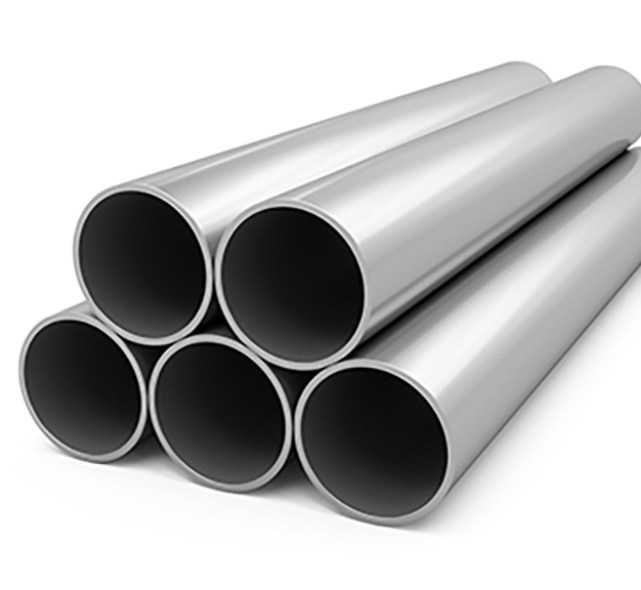
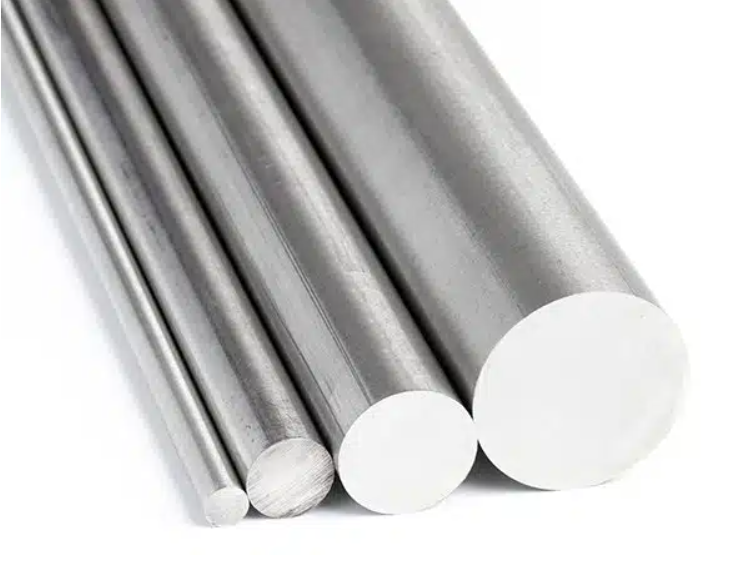
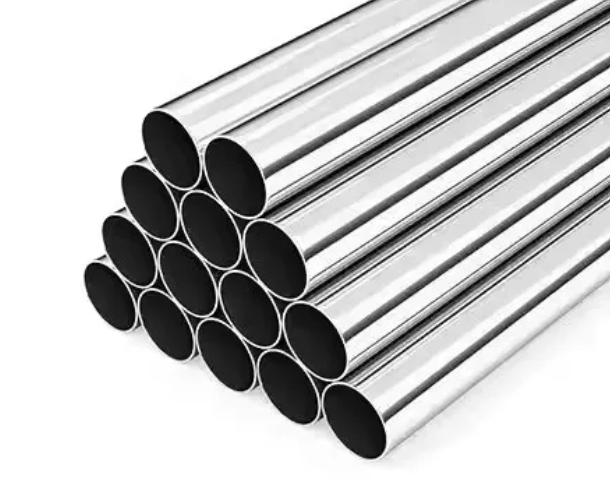
For nickel alloy and titanium alloy tubes, bars, and custom materials, a sample order can help buyers review material quality, documentation, communication, packaging, delivery, and technical support. It cannot guarantee that every future bulk order will be perfect, but it can provide useful signals about whether the supplier is suitable for your project.
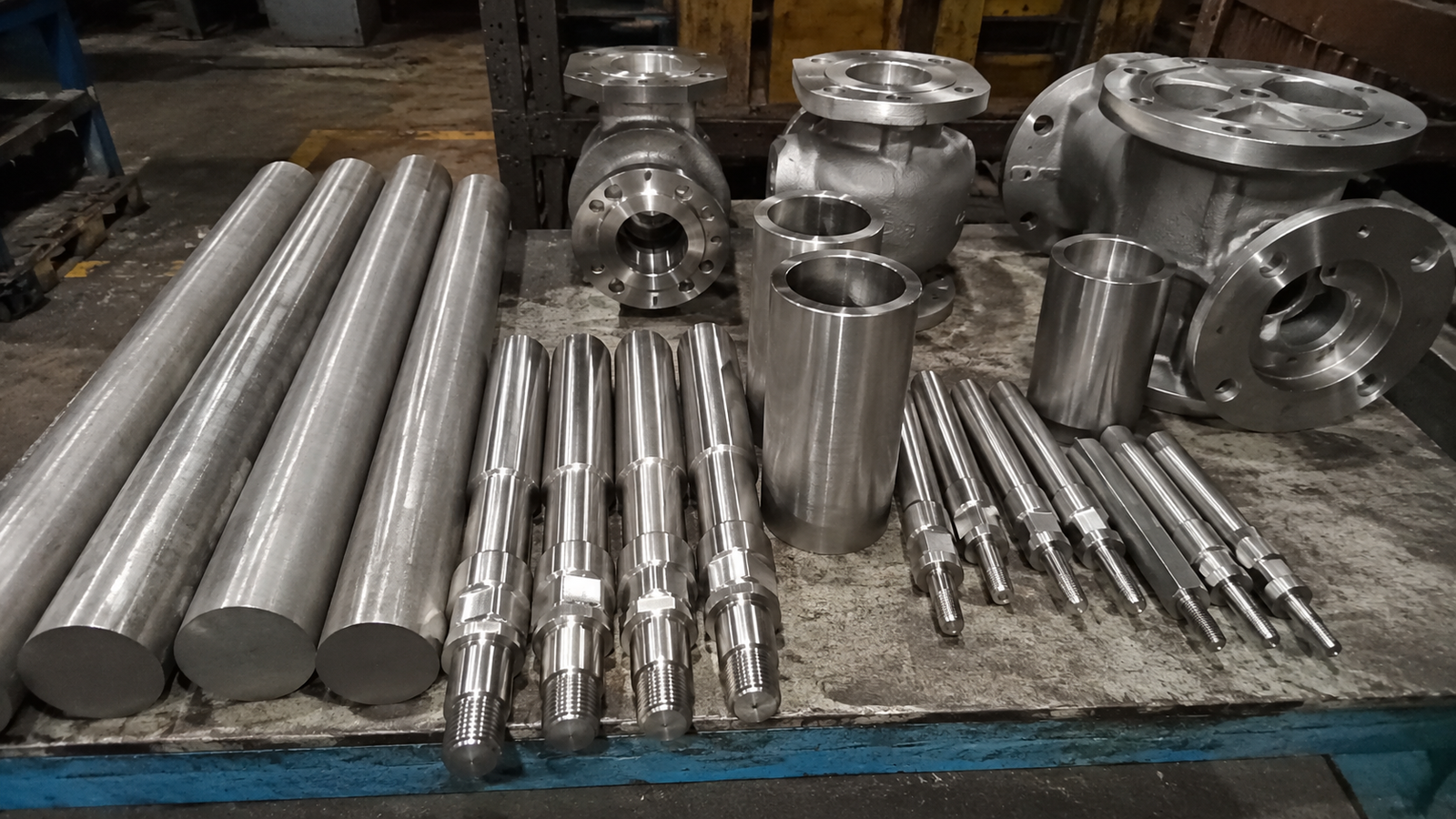
When used carefully, a sample order is not just a transaction. It is a small but structured supplier evaluation process. Buyers can use it to check whether the supplier understands the technical requirement, follows the agreed specification, provides clear documents, and communicates responsibly when questions appear.
Is a Sample Order Only About the Material?
The material itself is important, but it is only one part of the sample order. A complete sample order may include inquiry review, quotation, technical discussion, order confirmation, production or stock preparation, inspection, packaging, shipping, documentation, and follow-up support.
This is why a sample order can show more than chemical composition or mechanical properties. It can also show how the supplier handles details.
What Buyers Can Observe During a Sample Order
| Evaluation Area | What to Check |
|---|---|
| Inquiry response | Did the supplier understand the grade, size, standard, quantity, and application clearly? |
| Technical questions | Did they ask useful questions about tolerance, surface finish, testing, or end use? |
| Quotation clarity | Are price, lead time, Incoterms, certificate type, and sample condition clearly stated? |
| Order confirmation | Are all important details written clearly before shipment? |
| Material preparation | Is the sample supplied according to the agreed grade, size, and condition? |
| Inspection documents | Are MTCs, inspection records, and certificates clear and traceable? |
| Packaging | Is the sample protected from damage, contamination, or mix-up during transport? |
| Follow-up support | Does the supplier respond clearly when you ask technical or document questions? |
ISO 9001 in the supply chain explains that ISO 9001 does not define the exact requirements for the products or services being purchased. Buyers still need to make their own needs and expectations clear, such as specifications, drawings, standards, and acceptance criteria.
This point is important for sample orders. If the buyer only asks for “a sample of titanium bar” or “a small piece of nickel alloy tube,” the supplier may not know the intended testing method, certificate requirement, tolerance, or application environment.
What Should You Test Beyond Basic Material Data?
A sample should first be checked against the agreed material specification. This may include grade, chemical composition, dimensions, surface condition, mechanical properties, and certificate requirements.
However, for important applications, buyers should also think beyond the standard datasheet. A material that meets basic chemical and mechanical requirements may still need further evaluation under the buyer’s real working conditions.
Application-Specific Questions to Ask
| Question | Why It Matters |
|---|---|
| What environment will the material face? | Acid, chloride, seawater, high temperature, pressure, or H2S can affect material choice. |
| What is the main failure risk? | Fatigue, corrosion, stress corrosion cracking, wear, oxidation, or thermal cycling may need different tests. |
| How will the material be processed? | Machining, welding, bending, forming, or heat treatment may reveal practical issues. |
| What tolerance is required? | A sample may meet general tolerance but still fail the buyer’s machining or assembly needs. |
| What surface condition is needed? | Polished, pickled, bright annealed, ground, or cleaned surfaces may require different inspection. |
| What certificate is required? | A sample for internal review may need fewer documents than a project approval sample. |
For corrosion-related material selection, ISO 21457 identifies corrosion mechanisms and parameters that should be evaluated when selecting materials for pipelines, piping, and equipment. AMPP also notes that material selection for corrosion control can involve corrosion resistance in the environment, design data, mechanical properties, cost, availability, maintainability, compatibility, life expectancy, and reliability. AMPP material selection factors
This means sample evaluation should be connected to the application. A buyer may need different tests for a heat exchanger tube, a marine component, a chemical processing part, a medical-related titanium component, or a high-temperature industrial assembly.
How Should You Review Sample Documents?
Documents are a major part of alloy sample evaluation. The sample may look correct, but the documents should also match the purchase requirement.
For metallic products, BS EN 10204 covers types of inspection documents. For many industrial material orders, buyers may request EN 10204 3.1 or 3.2 depending on the project requirement. A Type 3.1 inspection certificate normally includes a manufacturer’s declaration that the supplied products comply with the order and provides test results. EN 10204 Type 3.1 explanation
Document Checklist for a Sample Order
| Document Item | What to Review |
|---|---|
| Material grade | Does the document match the requested grade or UNS number? |
| Heat number | Can the sample be traced to a specific heat or batch? |
| Chemical composition | Do the listed elements fall within the required standard range? |
| Mechanical properties | Are tensile strength, yield strength, elongation, hardness, or other required values included? |
| Product standard | Is the correct ASTM, ASME, AMS, ISO, EN, DIN, or buyer standard listed? |
| Sample size and condition | Does the report match the actual supplied product form and condition? |
| Testing method | Are required tests clearly listed? |
| Certificate type | Is it MTC, EN 10204 3.1, EN 10204 3.2, or another document type? |
| Inspection date and signature | Are the report date, issuing department, and approval information clear? |
If sample test results are very important, buyers may also need to consider laboratory competence. ISO/IEC 17025 sets requirements for the competence, impartiality, and consistent operation of testing and calibration laboratories.
This does not mean every sample must be tested by an ISO/IEC 17025-accredited laboratory. It means buyers should understand who performed the test, what method was used, and whether the result is suitable for the project decision.
What Invisible Supplier Factors Can a Sample Order Reveal?
A sample order can reveal supplier behavior that may not appear in a product catalog. These “invisible” factors are often important for future cooperation, especially when the later order may involve custom sizes, strict documentation, third-party inspection, or tight delivery schedules.
Supplier Factors to Observe
| Factor | What to Observe | Why It Matters |
|---|---|---|
| Communication | Are answers clear, timely, and technically relevant? | Reduces misunderstanding before production |
| Requirement review | Does the supplier confirm grade, standard, size, tolerance, certificate, and application? | Shows whether they understand technical procurement |
| Document discipline | Are documents complete, organized, and traceable? | Helps inspection, approval, and future audits |
| Lead time control | Does the supplier ship within the agreed time or communicate delays early? | Indicates planning and reliability |
| Packaging care | Is the sample protected and clearly labeled? | Helps prevent damage, mix-up, or contamination |
| Problem response | If questions appear, does the supplier explain and solve them professionally? | Shows corrective attitude and support quality |
| Technical honesty | Does the supplier explain limitations instead of accepting every request too quickly? | Helps buyers avoid unrealistic assumptions |
ASQ defines supplier quality management as a system where supplier quality is managed through a proactive and collaborative approach. ASQ supplier quality management This idea fits sample orders well because the buyer is not only checking the product, but also observing how the supplier manages quality, communication, and support.
Packaging is also worth checking. ASTM D4169 provides a guide for evaluating shipping units using established test methods. Not every alloy sample requires formal ASTM D4169 testing, but the principle is useful: packaging should protect the material through the expected distribution process.
What Expectations Should Buyers Set for Sample Orders?
A sample order is useful, but it has limits. It should not be treated as a full guarantee of future bulk production.
A good sample can show that the supplier understands the requirement and can provide material that meets the agreed sample condition. However, bulk production may involve different batch sizes, production schedules, raw material lots, process parameters, inspection sampling, and packaging methods.
Common Misunderstandings About Sample Orders
| Misunderstanding | More Practical View |
|---|---|
| A good sample guarantees a good bulk order. | A sample is useful evidence, but bulk consistency still depends on process control and batch traceability. |
| If the MTC meets the standard, the material is always suitable. | MTCs are important, but application-specific testing may still be needed. |
| The cheapest sample means the best supplier. | Sample price should be considered together with quality, documents, lead time, support, and future risk. |
| The supplier should know all requirements automatically. | Buyers should clearly communicate application, testing, tolerance, certificate, and acceptance criteria. |
| A sample order is only a small purchase. | It can also be a structured evaluation of supplier capability and communication. |
For repeat or high-volume orders, buyers may ask how the supplier controls consistency in larger production. ASQ statistical process control explains that SPC uses statistical techniques to control a process or production method and can help monitor process behavior and identify production issues.
This is why a sample should be followed by practical questions: How will the supplier keep the same quality in bulk production? Will the same standard, surface condition, testing method, and certificate type apply? How will heat numbers and batches be separated and traced?
How to Use a Sample Order as a Supplier Evaluation Tool
A practical sample order should be planned before it is placed. Buyers can treat it as a small evaluation project with clear goals.
Step-by-Step Sample Order Checklist
- Define why the sample is needed: material testing, supplier evaluation, machining trial, welding trial, approval sample, or comparison sample.
- Confirm the grade, UNS number, product form, size, tolerance, surface finish, and heat treatment condition.
- Specify the required standard, such as ASTM, ASME, AMS, ISO, EN, DIN, or project specification.
- Confirm the required documents: MTC, EN 10204 3.1, third-party inspection report, or internal test report.
- Explain the application environment if it affects material selection or testing.
- Decide what tests will be performed after receiving the sample.
- Confirm sample price, lead time, Incoterms, packing method, and shipping method.
- Review whether the sample is clearly labeled and traceable.
- Check whether the supplier responds clearly to technical and document questions.
- Record what was learned before deciding on a larger order.
Should Sample Price Be the Main Decision Factor?
Sample price matters, but it should not be the only evaluation point. A low sample price may not include the same documentation, testing, packaging, delivery method, or technical support needed for the actual order.
When comparing suppliers, buyers may also consider the total cost of using the material. The NIST Life Cycle Cost Manual provides a general framework for understanding life-cycle cost methodology. Although it is not written specifically for alloy samples, the concept is useful: purchase cost should be considered together with future costs, maintenance, replacement, and performance risk.
For alloy materials, a slightly more expensive sample may be more useful if it comes with clear documentation, correct packaging, reliable communication, and relevant technical support.
Conclusion
A sample order is not only a piece of alloy material for testing. It can also be a practical way to evaluate a supplier’s technical understanding, document control, communication, packaging, delivery, and support.
For nickel alloy and titanium alloy tubes, bars, and custom materials, buyers should use sample orders with clear goals. The sample should be checked against the required specification, but it should also be reviewed in relation to the real application, future bulk order, and supplier reliability.
A sample order cannot remove every procurement risk. However, when buyers evaluate both the material and the supplier process, it can help them make a more informed decision before moving to larger or more critical orders.