
From Alloy Sample Approval to Reliable Batch Orders: What Buyers Should Check
An alloy sample can give buyers useful information, but sample approval does not automatically prove that every future batch will perform in the same way.
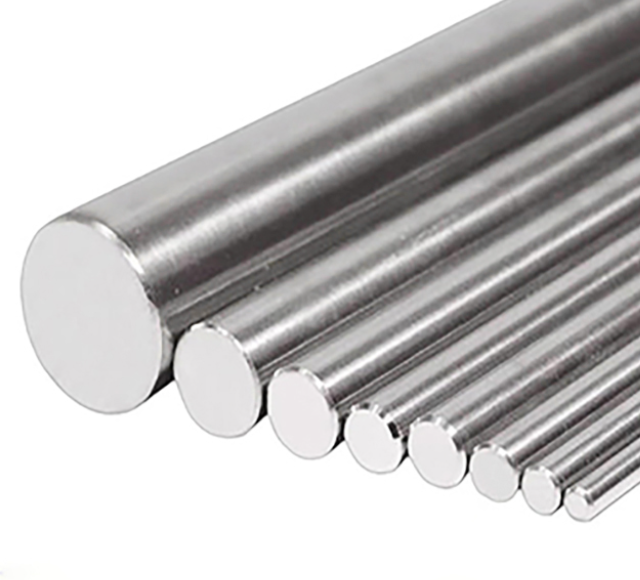
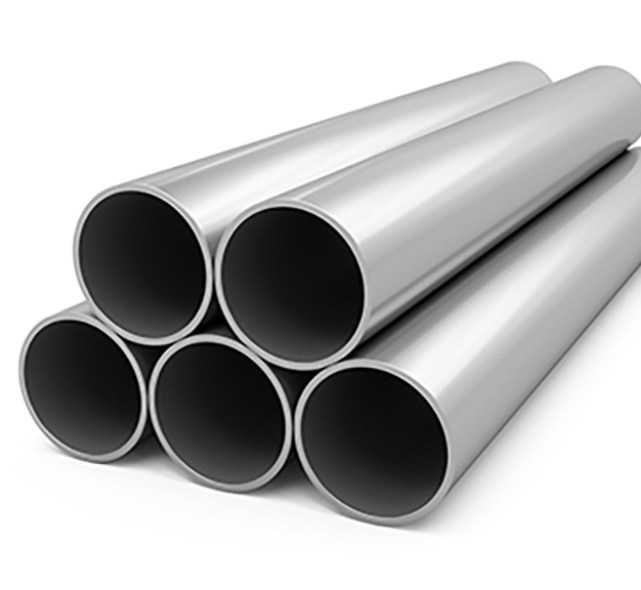
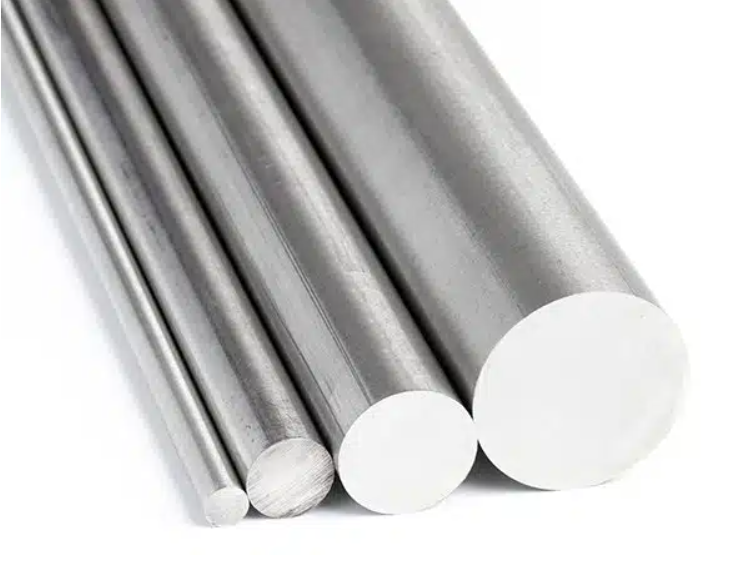
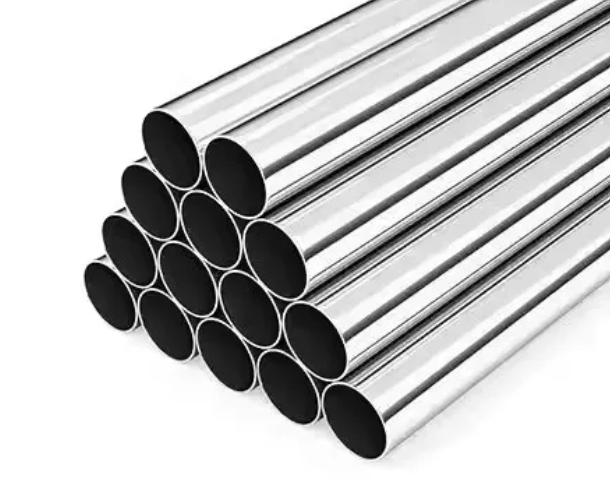
For nickel alloy and titanium alloy tubes, bars, and custom materials, the real question is not only “Did the sample pass?” A more practical question is: “Can the supplier reproduce the required quality, documentation, tolerance, surface condition, and delivery reliability in batch production?”
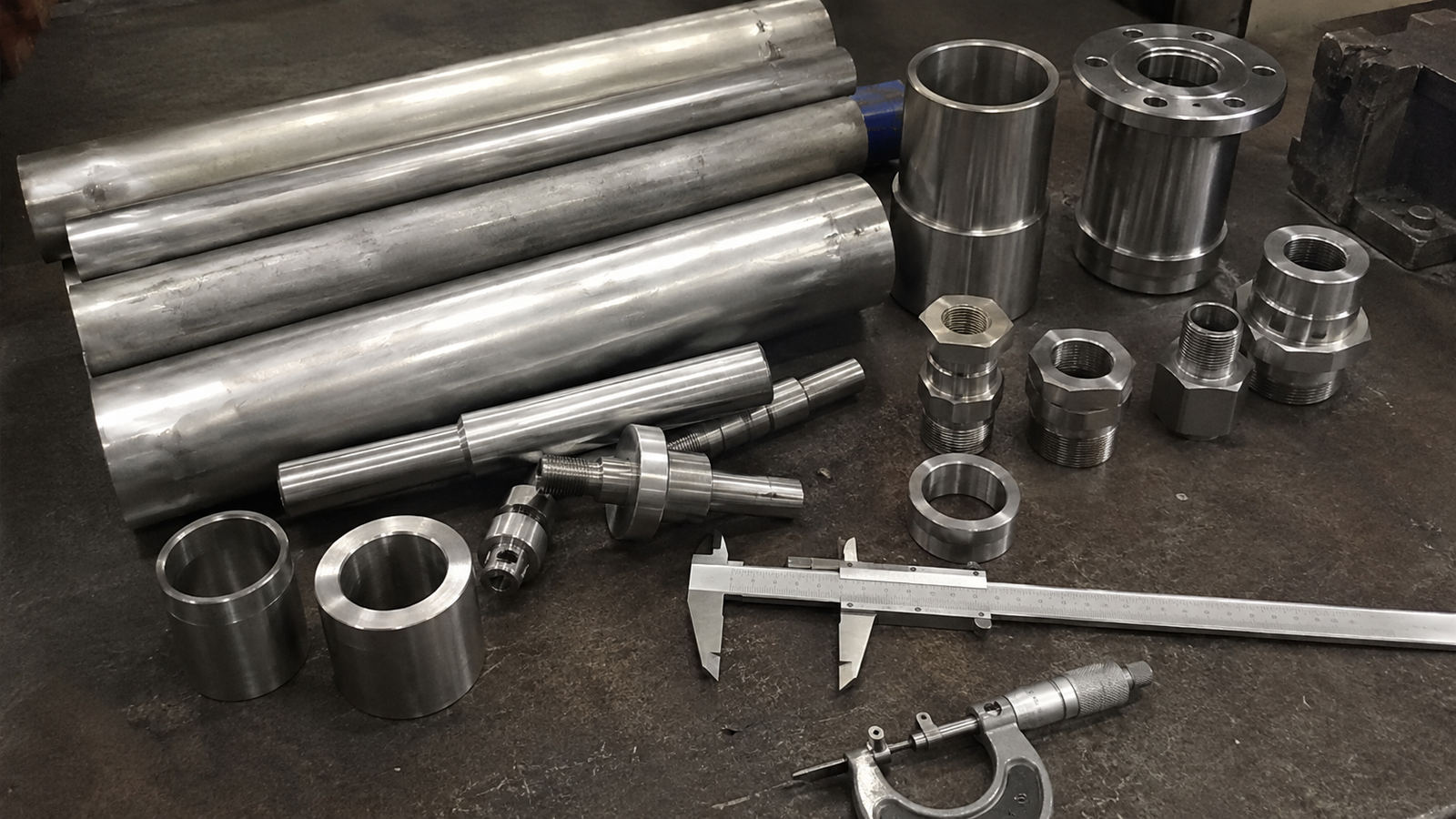
A sample order is a helpful starting point. It can show whether the material grade, size, surface condition, and basic documents are close to the buyer’s requirement. However, batch orders introduce more variables, including production consistency, heat-to-heat variation, inspection planning, traceability, packaging, logistics, and real application risk.
This article explains what buyers should check before moving from a successful alloy sample to a larger batch order.
Does a Successful Alloy Sample Guarantee Batch Reliability?
A successful alloy sample does not fully guarantee batch reliability. It provides useful evidence, but it is only one part of the supplier evaluation process.
A sample may come from stock, a small production run, a selected piece from a previous batch, or a specially prepared trial lot. A batch order, however, may involve new raw materials, different heat numbers, longer production time, more pieces, different inspection sampling, and more complex packaging and logistics.
This does not mean a good sample is meaningless. It means buyers should use the sample as a starting point and then check whether the supplier can control the same requirements during batch production.
Why Sample and Batch Orders Can Differ
| Factor | Why It Matters |
|---|---|
| Heat number variation | Different heats may have small normal variations within the allowed specification range. |
| Scale-up production | Batch production may involve longer processing time, more equipment adjustments, and larger inspection workload. |
| Process control | Rolling, drawing, heat treatment, straightening, pickling, grinding, and polishing must remain stable. |
| Inspection sampling | A sample may be checked piece by piece, while batch orders may follow a defined sampling or inspection plan. |
| Surface consistency | Surface finish may vary more across a large batch if process control is weak. |
| Dimensional consistency | OD, wall thickness, diameter, straightness, ovality, or length tolerance must be controlled across all pieces. |
| Documentation | Batch orders require correct heat numbers, MTRs, certificates, packing lists, and traceability records. |
ASQ explains statistical process control as a way to monitor process behavior and identify production issues. This concept is useful for alloy buyers because batch reliability depends on whether the supplier can control the process, not only whether one sample passed testing.
The ISO 9001 process approach also emphasizes that processes should operate as an integrated system, with planning and controls defined according to risk. In alloy procurement, this means buyers should pay attention to the full production and inspection process, not only the final test result.
What Should Buyers Ask After Sample Approval?
After a sample passes initial review, buyers should not immediately assume the batch order will be identical. Instead, they should confirm how the sample condition will be transferred into the bulk order.
Sample-to-Batch Confirmation Checklist
| Question | Why It Matters |
|---|---|
| Will the batch use the same grade and standard? | Prevents confusion between similar alloy names, UNS numbers, or product standards. |
| Will the same size and tolerance apply? | Ensures the batch matches machining, welding, or assembly needs. |
| Will the same surface condition apply? | Surface finish can affect appearance, cleanliness, welding, corrosion, or machining allowance. |
| Will the same heat treatment condition apply? | Heat treatment can affect mechanical properties, corrosion performance, and dimensional stability. |
| Will the same testing method apply? | Sample testing and batch testing may differ unless clearly specified. |
| Will the same certificate type be provided? | Buyers may need MTR, EN 10204 3.1, EN 10204 3.2, or third-party inspection. |
| Will the batch be from one heat or multiple heats? | This affects traceability, documentation review, and consistency evaluation. |
| How will pieces be marked and packed? | Marking and packaging help prevent mix-ups during receiving and warehouse handling. |
For nickel alloy seamless pipe and tube, product standards may include specific requirements as well as general requirements. For example, ASTM B444 covers nickel-chromium-molybdenum-niobium alloy pipe and tube, while ASTM B829 provides general requirements for nickel and nickel alloy seamless pipe and tube specifications.
This is why the batch order should not only say “same as sample.” It should clearly state the grade, standard, size, tolerance, surface condition, test requirement, certificate type, quantity, marking, and packaging.
Are Real Application Risks Still Being Considered?
A sample can pass standard chemical and mechanical checks, but the material may still need deeper evaluation if the real application is demanding.
In many alloy applications, performance depends on more than chemical composition and tensile strength. Temperature, pressure, corrosion medium, flow condition, stress, vibration, welding, heat treatment, and contact with other materials may all affect long-term performance.
Application Risk Checklist
| Application Factor | What to Confirm |
|---|---|
| Temperature | Continuous operating temperature, peak temperature, low-temperature exposure, or thermal cycling |
| Corrosion medium | Acid type, chloride content, seawater, H2S, alkali, pH, aeration, or concentration changes |
| Pressure | Internal pressure, external pressure, pressure spikes, or vacuum |
| Mechanical stress | Static load, fatigue, vibration, impact, bending, or torsion |
| Flow and wear | High velocity, slurry, abrasive particles, erosion, or turbulence |
| Fabrication | Welding, machining, forming, bending, or post-weld treatment |
| Mixed materials | Galvanic corrosion or stress concentration from adjacent components |
| Service life | Expected working life, maintenance plan, inspection interval, and replacement difficulty |
ISO 21457 identifies corrosion mechanisms and parameters for evaluation when selecting materials for pipelines, piping, and equipment. AMPP also notes that material selection for corrosion control can involve corrosion resistance in the environment, mechanical properties, cost, availability, maintainability, compatibility, life expectancy, and reliability. AMPP material selection factors
For buyers, this means the batch order should be evaluated in relation to real service conditions, not only in relation to the successful sample. A sample that meets the written specification may still need additional application-specific testing or engineering review before a larger order is confirmed.
What Batch Documentation Should Buyers Review?
Documentation becomes more important when moving from a sample to a batch order. A sample may require only basic documents for internal testing. A batch order may require formal inspection documents, heat number traceability, test reports, third-party inspection, or project approval documents.
Batch Document Checklist
| Document Item | What to Check |
|---|---|
| Material Test Report / MTR | Chemical composition, mechanical properties, heat number, standard, test results |
| EN 10204 certificate | Whether 3.1, 3.2, or another document type is required |
| Heat number list | Whether each piece, bundle, or package can be linked to the correct heat |
| Dimensional inspection report | OD, wall thickness, diameter, length, straightness, or other required dimensions |
| Surface inspection record | Surface condition, visible defects, cleanliness, or finish requirement |
| NDT report | UT, ECT, hydrostatic test, PMI, or other required inspection results |
| Third-party inspection report | Required only when specified by the buyer or project |
| Packing list | Grade, size, quantity, heat number, weight, package number, and markings |
| Certificate of origin or shipping documents | Needed for import, customs, and project documentation |
BS EN 10204 is a standard for inspection documents for metallic products. For Type 3.1, the document includes test results from specific inspection and is validated by the manufacturer’s authorized inspection representative independent of manufacturing. EN 10204 Type 3.1 inspection certificate
Buyers should make sure the certificate type is agreed before production or shipment. If the batch order needs EN 10204 3.1, third-party inspection, or special project documentation, this should not be left until after the goods are ready.
What Due Diligence Is Useful Before a Batch Order?
Before placing a batch order, buyers should review the supplier’s ability to reproduce the sample result in a controlled and documented way.
This does not always require a full factory audit. For many orders, a structured document review and technical discussion may be enough. For critical, high-value, or highly regulated applications, a more formal supplier audit or third-party inspection may be appropriate.
Practical Due Diligence Checklist
| Area | Useful Questions |
|---|---|
| Production route | How will the batch be produced from raw material to finished product? |
| Process control | What parameters are controlled during forming, heat treatment, surface treatment, and final inspection? |
| Traceability | How are heat numbers, batches, bundles, and finished pieces tracked? |
| Inspection plan | Which tests are required by the standard, and which tests are added by the buyer? |
| Non-conforming material | How is rejected material isolated, reviewed, and corrected? |
| Supplier quality system | Does the supplier have a quality management system relevant to the supplied products? |
| Capacity and lead time | Can the supplier produce the required quantity within the agreed schedule? |
| Packaging and logistics | Can the supplier protect the material during long-distance transport? |
| Communication | Who confirms technical questions, document review, production updates, and shipment details? |
ASQ defines supplier quality management as a system where supplier quality is managed through a proactive and collaborative approach. This is a useful idea for batch orders because reliability depends on communication and process control as well as material testing.
For packaging, ASTM D4169 provides a guide for evaluating shipping units using a uniform system and established test methods. Not every alloy shipment needs formal ASTM D4169 testing, but the principle is helpful: packaging should be treated as part of delivery quality.
Should Low Sample Cost Influence the Batch Decision?
A low sample cost can be attractive, but it should not be the main reason to approve a batch order. The sample price may not reflect the full cost of batch production, testing, documentation, packaging, freight, inspection, or future quality risk.
A more useful approach is to compare the total cost and risk of each option.
Cost Factors Beyond Sample Price
| Cost Factor | Why It Matters |
|---|---|
| Batch unit price | The final order price may differ from the sample price. |
| Testing cost | Extra NDT, third-party inspection, or special testing may change the total cost. |
| Certificate cost | EN 10204 3.1, 3.2, or project documents may add time and cost. |
| Packaging cost | Export wooden cases, moisture protection, or special separation may be needed. |
| Freight and customs | Sample courier cost is very different from batch sea or air freight. |
| Rework cost | Wrong tolerance, surface defects, or unsuitable material may create extra processing. |
| Downtime cost | Late or non-conforming material may affect production planning. |
| Replacement cost | Replacing installed or processed alloy material is usually more expensive than buying correctly at the start. |
The NIST Life Cycle Cost Manual explains life-cycle cost methodology as a way to evaluate economic performance over time. Although it is not written specifically for alloy procurement, the idea is useful: purchase price should be considered together with future costs and performance risk.
For alloy buyers, this means a sample should be evaluated as part of a larger procurement decision. A slightly higher batch price may be reasonable if it includes stronger documentation, better inspection, clearer traceability, safer packaging, and more reliable communication.
Sample-to-Batch Order Checklist
Before confirming a batch order after sample approval, buyers can review the following checklist:
- Was the sample produced from stock, trial production, or the same process planned for batch production?
- Will the batch follow the same grade, UNS number, standard, and revision?
- Are size, tolerance, length, surface condition, and heat treatment clearly written in the order?
- Are batch testing methods and acceptance criteria confirmed?
- Will MTRs and certificates be traceable to heat numbers or batch numbers?
- Is EN 10204 3.1, 3.2, or third-party inspection required?
- Are real application risks still being considered beyond basic datasheet values?
- Can the supplier explain how process consistency is controlled during batch production?
- Is the packaging suitable for the material surface, shape, weight, and transport distance?
- Are lead time, shipping method, Incoterms, and document delivery clear?
- Is there a clear process for handling non-conforming material?
- Has the total cost been reviewed beyond sample price and unit price?
Conclusion
A successful alloy sample is a useful starting point, but it should not be treated as a complete guarantee of batch reliability.
For nickel alloy and titanium alloy tubes, bars, and custom materials, buyers should check how the supplier will reproduce the sample result in batch production. This includes process control, heat number traceability, inspection planning, documentation, packaging, delivery, and application-specific performance risks.
The goal is not to make purchasing more complicated. The goal is to make the important details clear before the batch order is produced and shipped. When buyers connect sample approval with a practical batch-order checklist, they can make a more informed decision and reduce avoidable problems later.