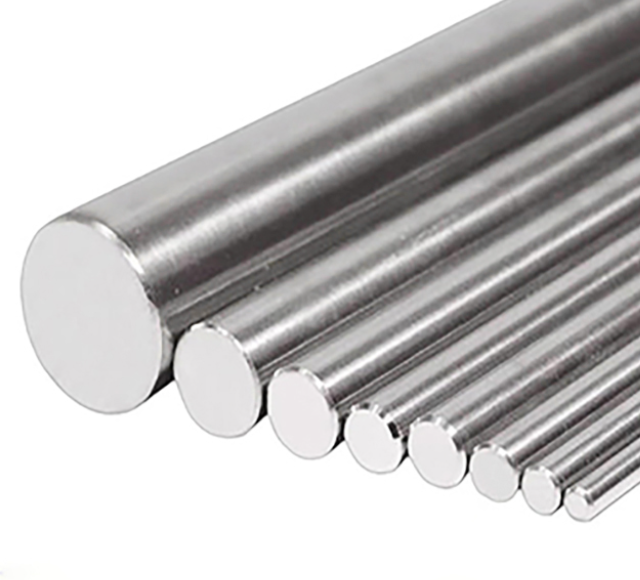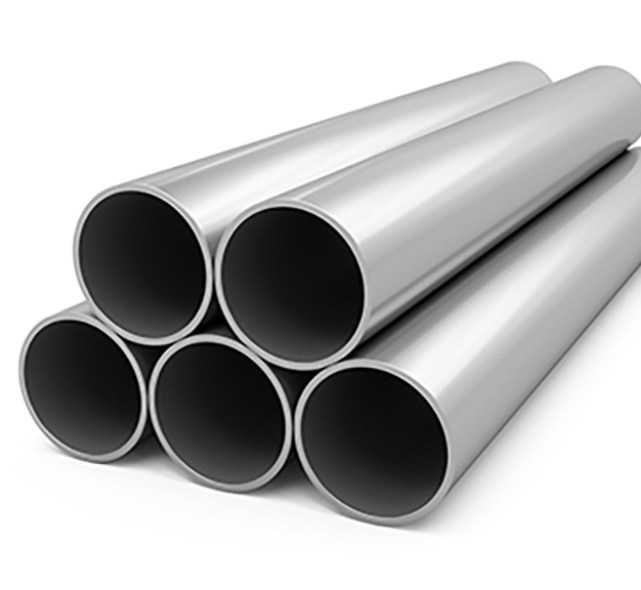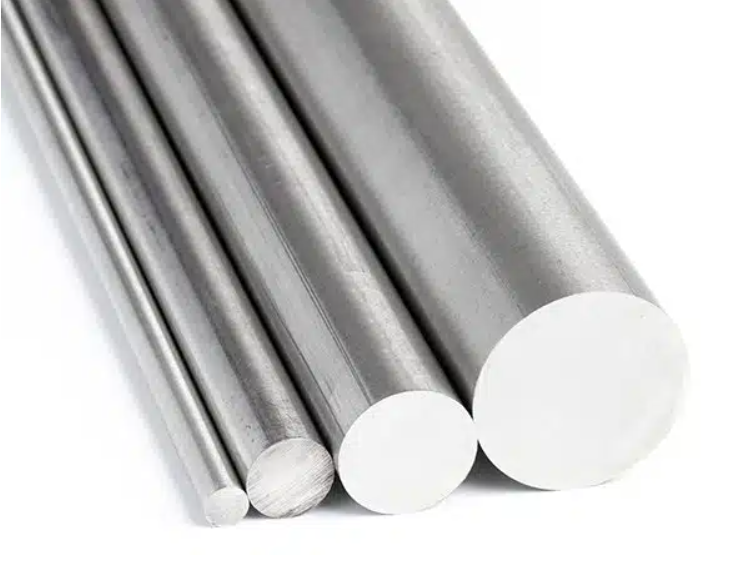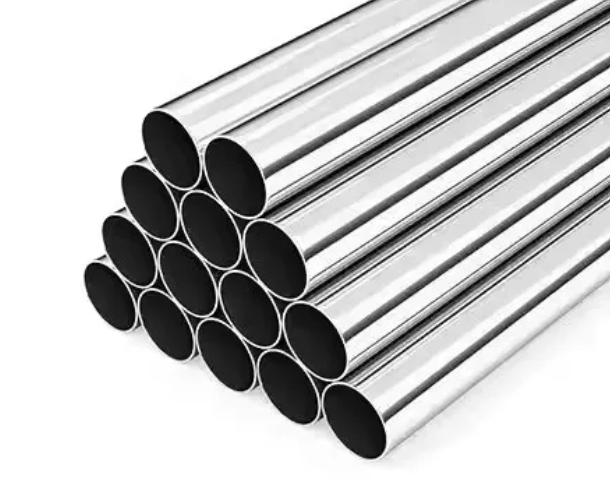

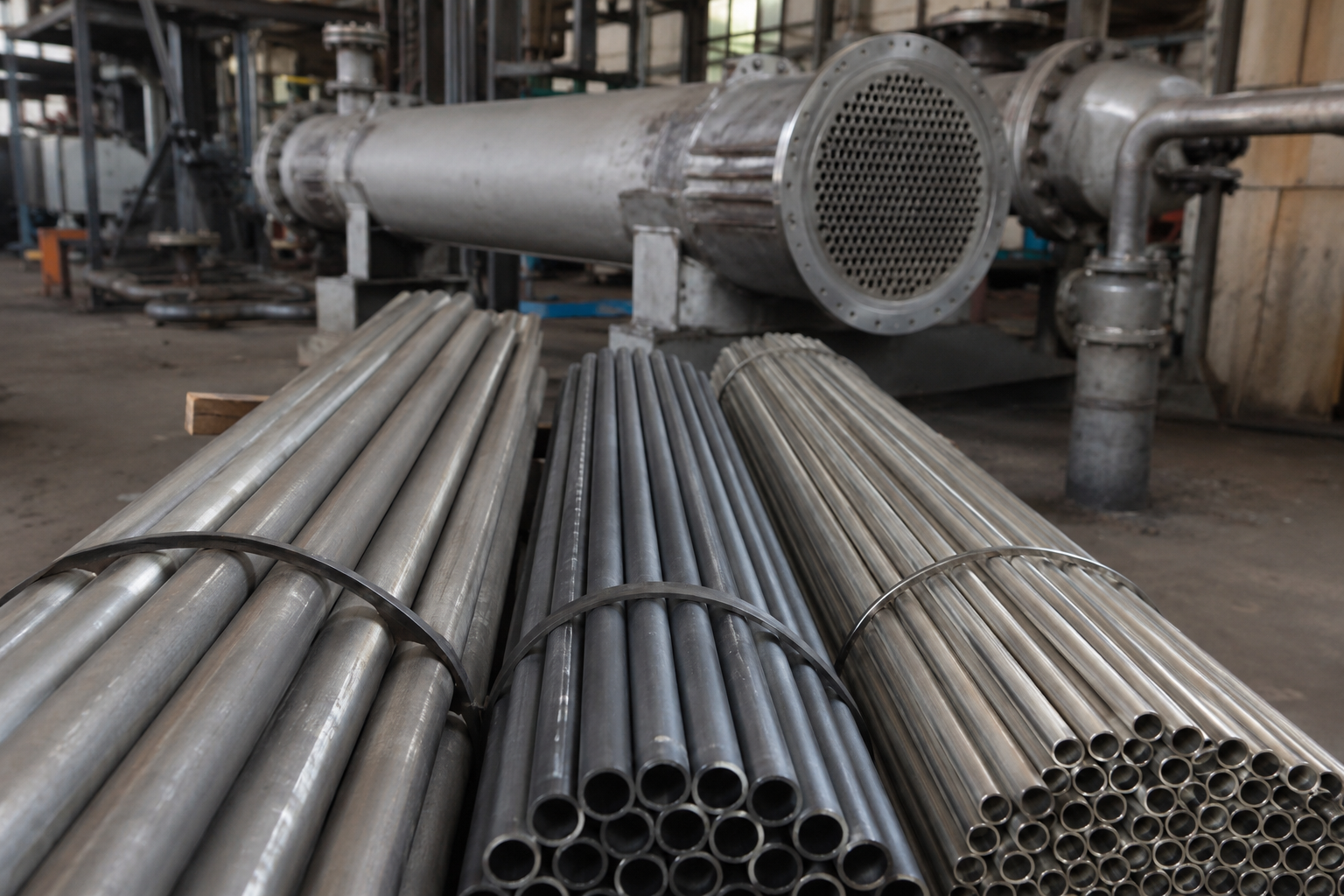
Nickel alloy tubes and titanium tubes are both high-performance material options for demanding industrial applications. They are commonly considered in heat exchangers, condensers, evaporators, seawater systems, chemical processing equipment, power generation, marine engineering, aerospace-related systems, and other corrosion-resistant or high-temperature environments.
However, there is no universal winner between nickel alloy and titanium tubes. The better choice depends on the actual operating environment, corrosion mechanism, temperature, pressure, weight requirement, fabrication method, inspection level, delivery requirement, and total life-cycle cost.
Quick Answer:
Nickel alloy tubes may be evaluated for high-temperature service, aggressive chemical media, selected acid environments, chloride-containing systems, and applications requiring strong corrosion or oxidation resistance. Titanium tubes may be evaluated for seawater, brine, desalination, marine systems, selected chloride-containing heat exchangers, lightweight structures, and medical-related applications. The right choice is not based on which material is “better” in general. It is based on which material best matches the specific service conditions and can be verified through standards, MTR/MTC, heat number traceability, testing, and supplier documentation.
AMPP explains that material selection is influenced by corrosion resistance in the environment, availability of design and test data, mechanical properties, cost, maintainability, compatibility with other system components, life expectancy, and reliability: AMPP Materials Selection and Design for Corrosion Control.
The NIST corrosion performance database also shows that corrosion behavior should be evaluated according to specific environments, including concentration and temperature: NIST Corrosion Performance Databases.
This is why buyers should not ask only, “Is nickel alloy better than titanium?”
A better question is, “Which material fits my real application conditions?”
Is There a Universal Better Material?
No. Nickel alloy tubes and titanium tubes solve different material problems.
A nickel alloy tube may be the better choice in one chemical or high-temperature environment. A titanium tube may be the better choice in seawater, brine, or weight-sensitive applications. In some cases, neither material should be selected until the full operating data is reviewed.
There is no universal better material between nickel alloy and titanium tubes. The correct selection depends on medium, temperature, pressure, chloride level, pH, oxidation or reduction condition, mechanical stress, flow, fouling, fabrication, inspection, delivery, and life-cycle cost.
Basic Comparison
| Review Item | Nickel Alloy Tubes | Titanium Tubes |
|---|---|---|
| Main Strength | Corrosion resistance in selected aggressive chemicals and high-temperature service, depending on grade | Strong seawater corrosion resistance, low density, good strength-to-weight ratio, selected chloride service |
| Temperature Capability | Some nickel alloys are designed for high-temperature creep and oxidation resistance | Titanium grade and temperature limit must be reviewed carefully |
| Weight | Higher density | Lower density |
| Seawater / Marine Use | Some nickel alloys can be used, depending on grade and environment | Often considered because of titanium’s seawater corrosion resistance |
| Acid / Chemical Use | Certain nickel alloys may resist selected oxidizing or reducing acids | Titanium may perform well in some oxidizing environments but needs careful review in reducing acids |
| Fabrication | Requires proper welding, forming and heat control | Requires proper welding, contamination control and surface handling |
| Cost | Varies by grade, size, quantity and market | Varies by grade, size, quantity and market |
| Standard Examples | ASTM B163 for seamless nickel and nickel alloy condenser / heat exchanger tubes | ASTM B338 for seamless and welded titanium alloy tubes for condensers, evaporators and heat exchangers |
ASTM B163 covers seamless tubes of nickel and nickel alloys for condenser and heat-exchanger service: ASTM B163.
ASTM B338 covers seamless and welded titanium alloy tubes for surface condensers, evaporators, and heat exchangers: ASTM B338.
How Do Initial Cost and Life-Cycle Cost Differ?
Many buyers first compare price per meter or price per kilogram. This is understandable, but it can be misleading.
The initial price of nickel alloy tubes and titanium tubes can change with:
- Alloy grade
- Product form
- Seamless or welded tube type
- OD and wall thickness
- Quantity
- Tolerance
- Surface finish
- Testing requirement
- Delivery time
- Nickel, titanium, molybdenum, chromium, and other raw material markets
- Supplier production route
- Inspection and documentation scope
Because of these variables, buyers should not assume that nickel alloy is always more expensive or that titanium is always cheaper. Each project should be compared with current quotations and technical requirements.
The right economic comparison is not only initial price. Buyers should compare life-cycle cost, including procurement, fabrication, installation, maintenance, cleaning, downtime, repair, replacement, inspection, and disposal.
The U.S. Environmental Protection Agency defines life-cycle cost as original cost minus salvage value plus operating costs, maintenance costs, renewal costs, and decommissioning costs: EPA Life Cycle and Replacement Costs.
The U.S. Department of Energy’s O&M Best Practices Guide notes that reactive maintenance can involve increased cost from unplanned downtime, labor, repair or replacement, secondary damage, and inefficient use of staff resources: DOE O&M Best Practices Guide.
Initial Price vs Total Cost
| Cost Factor | What Buyers Should Check |
|---|---|
| Tube Purchase Price | Compare current quotations by grade, size, standard and quantity |
| Fabrication Cost | Welding, bending, cutting, forming, tube expansion and installation |
| Maintenance Cost | Cleaning, inspection, repair and spare parts |
| Downtime Cost | Production loss during unplanned shutdown |
| Replacement Cost | Tube bundle replacement, labor, logistics and testing |
| Inspection Cost | PMI, eddy current, ultrasonic, hydrostatic and third-party inspection |
| Documentation Cost | MTR/MTC, heat number, certificate and project documentation |
| Service Life Risk | Expected service period under real operating conditions |
| Safety and Environmental Risk | Risk of leakage, contamination or hazardous media release |
A higher initial material cost may be justified if the material better matches the environment and reduces maintenance or replacement risk. However, the most expensive alloy is not always the best choice. The selected material should match the actual application.
What Are the Main Service Environment Differences?
Nickel alloy tubes and titanium tubes are not interchangeable. Their service life depends on the environment.
Service life is not determined by material name alone. It depends on corrosion media, temperature, pH, chloride level, oxygen condition, pressure, flow, fouling, welding, surface condition, cleaning method, and maintenance strategy.
When Nickel Alloy Tubes May Be Evaluated
Nickel alloy tubes may be considered when the application involves:
- High-temperature service
- Oxidation resistance
- Creep resistance
- Selected acid environments
- Chloride-containing chemical media
- Reducing or mixed chemical conditions
- Heat exchangers in aggressive process environments
- Petrochemical or chemical processing systems
- Power generation and high-temperature equipment
Different nickel alloys have different strengths. Inconel 600, Inconel 625, Incoloy 800 / 800H, Alloy 825, Hastelloy C276, Hastelloy C22, Monel 400, Alloy 20, and Nickel 200 should not be treated as the same material.
The University of Cambridge explains that for superalloys used at high temperatures, creep and oxidation resistance are prime design criteria: Nickel Based Superalloys - University of Cambridge.
This supports why some nickel-based alloys are evaluated for high-temperature applications. But final alloy selection still depends on the exact medium, temperature and mechanical requirements.
When Titanium Tubes May Be Evaluated
Titanium tubes may be considered when the application involves:
- Seawater
- Brine
- Desalination systems
- Marine cooling systems
- Surface condensers
- Evaporators
- Selected chloride-containing heat exchangers
- Lightweight structures
- Medical-related applications
- Applications where low density and corrosion resistance are both important
The Royal Society of Chemistry explains that titanium forms a thin oxide layer that resists the corroding action of seawater, which is why titanium is used in offshore rigs, submarines, ship propellers, and desalination plants: Royal Society of Chemistry - Titanium.
However, titanium is not suitable for every environment. Reducing acids, oxygen-depleted crevices, unusual cleaning chemicals, hydrogen-related conditions, and high-temperature concentrated media should still be reviewed.
Which Material Performs Better in Corrosion?
This question cannot be answered without knowing the environment.
Nickel alloys are not automatically better than titanium. Titanium is not automatically better than nickel alloys. Corrosion resistance depends on chemical composition, temperature, pH, aeration, chloride concentration, oxidizing or reducing condition, deposits, crevices, flow and stress.
The correct corrosion comparison should be made against the actual medium, not only the alloy family.
Corrosion Review Checklist
| Corrosion Question | Why It Matters |
|---|---|
| What chemical contacts the tube? | Different chemicals attack different alloys |
| What is the concentration? | Corrosion resistance may change with concentration |
| What is the maximum temperature? | Higher temperature can increase corrosion risk |
| Is the medium oxidizing or reducing? | This strongly affects nickel alloy and titanium performance |
| Are chlorides present? | Chlorides may increase pitting, crevice corrosion or SCC risk in susceptible alloys |
| Is seawater or brine present? | Titanium may be evaluated, but crevice and fouling risk still matter |
| Are acids present? | Nickel alloys or titanium grades must be matched to acid type and concentration |
| Are cleaning chemicals used? | Cleaning media may be more aggressive than normal operation |
| Are there crevices or deposits? | Localized corrosion may occur even when general corrosion is low |
| Is welding required? | Weld quality and heat-affected zones can affect corrosion performance |
The NIST corrosion database is useful because it organizes corrosion observations by specific environments and conditions, rather than treating material names as universal answers: NIST Corrosion Performance Databases.
Which Material Performs Better at High Temperature?
For high-temperature applications, some nickel alloys may have advantages because they are designed for high-temperature strength, oxidation resistance and creep resistance.
Titanium can be useful in many applications, but titanium grade and operating temperature must be reviewed carefully. Titanium should not be selected for high-temperature service only because it is corrosion-resistant or lightweight.
For high-temperature heat exchangers, furnaces, power equipment or chemical processing systems, buyers should review creep strength, oxidation resistance, mechanical properties at temperature, thermal cycling, welding condition and applicable standards.
High-Temperature Review Points
| Review Item | Why It Matters |
|---|---|
| Maximum temperature | Determines whether room-temperature data is enough |
| Continuous or intermittent service | Thermal cycling may create fatigue risk |
| Oxidizing or reducing atmosphere | Affects scale formation and corrosion |
| Creep requirement | Important for long-term high-temperature loading |
| Welding condition | Welded areas may behave differently from base material |
| Tube wall thickness | Affects pressure capability and heat transfer |
| Standard and testing | Confirms minimum mechanical requirements |
| Service history | Similar applications help reduce selection risk |
Nickel-based superalloys are often discussed in high-temperature contexts because creep and oxidation resistance are key design requirements for these materials: Nickel Based Superalloys - University of Cambridge.
This does not mean every nickel alloy tube is suitable for every high-temperature environment. The exact grade and condition must be selected according to project requirements.
Which Material Is Better for Lightweight Applications?
Titanium has lower density than nickel alloys and is often selected when weight is a major design factor.
This can matter in aerospace, marine, medical, and moving equipment applications where reducing weight can improve design efficiency.
Titanium may be evaluated when strength-to-weight ratio is important, but final selection still depends on load, temperature, fatigue, corrosion, joining method, certification and design code requirements.
NASA material on aerospace materials notes that the classic comparison between titanium and other aerospace metals is often made on a strength-to-weight ratio basis: NASA Aerospace Materials Characteristics.
For buyers, this means titanium may be useful when weight is a key design driver. But for high-temperature chemical corrosion or severe process media, nickel alloy tubes may still be more suitable.
Which Applications Benefit from Nickel Alloy Tubes?
Nickel alloy tubes may be considered in applications where corrosion resistance, high-temperature performance, or chemical compatibility is more important than weight.
Typical review areas include:
- Chemical processing heat exchangers
- Acid processing equipment
- Petrochemical equipment
- Power generation systems
- High-temperature heat exchangers
- Furnace tubes
- Condensers and evaporators in aggressive media
- Oil and gas processing
- Selected chloride-containing chemical systems
- Waste treatment or flue gas-related equipment
Nickel Alloy Tube Selection Questions
Before selecting nickel alloy tubes, buyers should ask:
- Which nickel alloy grade is required?
- Is the environment oxidizing, reducing or mixed?
- What acid or chemical is present?
- What is the concentration?
- What is the operating temperature?
- Are chlorides present?
- Is pitting, crevice corrosion or SCC a risk?
- Is high-temperature strength required?
- Is creep resistance required?
- Is welding required?
- What standard applies?
- Is ASTM B163 required?
- What MTR, heat number and inspection records are required?
Which Applications Benefit from Titanium Tubes?
Titanium tubes may be considered where seawater corrosion resistance, low density, or biocompatibility-related requirements are important.
Typical review areas include:
- Seawater condensers
- Brine heat exchangers
- Desalination systems
- Marine cooling systems
- Offshore equipment
- Evaporators
- Selected chemical heat exchangers
- Aerospace-related tubing or lightweight structures
- Medical device components where titanium is specified
- High-cleanliness or corrosion-resistant systems
The FDA’s medical device material safety summaries include titanium and note that the vast majority of patients implanted with medical devices have no adverse reactions, while also recognizing that a small number of patients may have biological responses to certain materials: FDA Medical Device Material Safety Summaries.
This supports titanium’s importance in medical device contexts, but buyers should still follow the applicable medical material standard, regulatory requirement, and design specification.
Titanium Tube Selection Questions
Before selecting titanium tubes, buyers should ask:
- Is ASTM B338 / ASME SB338 required?
- Which titanium grade is needed?
- Is the tube seamless or welded?
- Is the medium seawater, brine, chloride solution or chemical process fluid?
- What is the temperature?
- What is the pH?
- Are crevices, deposits or stagnant zones expected?
- Is the environment oxidizing or reducing?
- Are cleaning chemicals used?
- Is low weight important?
- What surface condition is required?
- What testing and documentation are required?
How Should Buyers Compare Nickel Alloy and Titanium Tubes?
A useful comparison should follow a structured process.
Step 1: Define the Application
Buyers should define:
- Industry
- Equipment type
- Tube-side medium
- Shell-side medium
- Temperature
- Pressure
- Flow velocity
- Corrosion risk
- Fouling risk
- Cleaning method
- Service life expectation
- Safety or regulatory requirement
Step 2: Identify Main Failure Risks
Possible failure risks include:
- General corrosion
- Pitting corrosion
- Crevice corrosion
- Stress corrosion cracking
- Erosion-corrosion
- Oxidation
- Creep
- Fatigue
- Hydrogen embrittlement
- Fouling-related performance loss
- Weld-related defects
- Material mix-up
Step 3: Compare Candidate Grades
| Requirement | Nickel Alloy Tubes May Be Evaluated When... | Titanium Tubes May Be Evaluated When... |
|---|---|---|
| Seawater corrosion | Some grades may be suitable, but must be reviewed | Often considered due to titanium oxide film and seawater resistance |
| Strong acid service | Certain nickel alloys may be suitable depending on acid type | Titanium may be limited in reducing acids |
| High temperature | Some nickel alloys are designed for high-temperature strength and oxidation | Titanium grade and temperature limit must be checked |
| Lightweight design | Usually not the main advantage | Strong advantage due to low density |
| Heat exchanger tubes | ASTM B163 may apply | ASTM B338 may apply |
| Medical-related use | Usually not the first choice unless specified | Titanium is widely used in medical device contexts |
| Cost-sensitive project | Depends on grade and quote | Depends on grade and quote |
| Life-cycle reliability | Depends on environment match | Depends on environment match |
Step 4: Compare Life-Cycle Cost
Buyers should compare:
- Initial tube cost
- Fabrication cost
- Welding and installation cost
- Inspection and testing cost
- Maintenance and cleaning cost
- Downtime risk
- Replacement frequency
- Documentation requirement
- Availability and lead time
- Risk of material mismatch
Step 5: Verify Supplier Capability
For critical applications, buyers should not rely only on supplier claims.
They should verify:
- Material standard
- Grade
- MTR / MTC
- Heat number
- Chemical composition
- Mechanical properties
- Dimensional inspection
- Surface inspection
- PMI or grade verification
- Eddy current / UT / hydrostatic test if required
- Third-party inspection if required
- Packaging and traceability
How Can Buyers Verify Quality and Suitability from a Supplier?
Supplier quality should be verified with documents and inspection records.
For nickel alloy and titanium tube procurement, buyers should request batch-specific MTR/MTC, heat number traceability, standard confirmation, chemical and mechanical test data, dimensional inspection, surface inspection, PMI or grade verification, NDT reports and third-party inspection when required.
ASTM E8/E8M covers tension testing of metallic materials and determination of yield strength, tensile strength, elongation and reduction of area: ASTM E8/E8M.
ASTM E1476 provides guidance for nondestructive identification and sorting of metals: ASTM E1476.
ISO explains that the ISO 9000 family helps organizations improve the quality of products and services and consistently meet customer expectations: ISO 9000 Family.
However, ISO certification does not replace batch-specific MTR, heat number traceability, inspection reports or buyer-required testing.
Supplier Verification Checklist
| Verification Item | Why It Matters |
|---|---|
| MTR / MTC | Confirms batch-specific chemistry and mechanical properties |
| Heat Number | Links the product to the production batch |
| ASTM / ASME Standard | Confirms product specification |
| Chemical Composition | Verifies the alloy grade |
| Mechanical Properties | Confirms strength and ductility requirements |
| Dimensional Report | Confirms OD, wall thickness, length and tolerance |
| Surface Inspection | Confirms visible surface condition |
| PMI / Grade Verification | Reduces risk of material mix-up |
| Eddy Current / UT | Helps verify tube integrity when required |
| Hydrostatic Test | Confirms pressure integrity when required |
| Third-Party Inspection | Adds independent verification for critical projects |
| Packaging Records | Reduces transportation and contamination risk |
Buyer Checklist: Nickel Alloy vs Titanium Tubes
Before requesting a quotation, buyers should prepare the following information.
| RFQ Item | What to Provide |
|---|---|
| Application | Heat exchanger, condenser, evaporator, marine system, chemical equipment, aerospace, medical, power generation |
| Material Family | Nickel alloy, titanium, or open to recommendation |
| Grade | Inconel, Incoloy, Hastelloy, Monel, Alloy 20, Nickel 200, Titanium Grade 2, Grade 7, Grade 12, Ti-6Al-4V, etc. |
| Standard | ASTM B163, ASTM B338, ASME, EN, ISO, customer specification |
| Product Type | Seamless tube, welded tube, pipe, bar, custom part |
| Size | OD, wall thickness, length |
| Tube-Side Medium | Chemical, seawater, brine, steam, gas, process fluid |
| Shell-Side Medium | Cooling water, steam, chemical, gas, process fluid |
| Temperature | Normal, maximum, startup, shutdown, cleaning |
| Pressure | Operating pressure and design pressure |
| Corrosion Risk | Acid, chloride, seawater, SCC, pitting, crevice corrosion |
| Fouling Risk | Scale, biological fouling, suspended solids, deposits |
| Fabrication | Welding, bending, forming, machining, tube expansion |
| Surface Condition | Pickled, polished, bright, clean ID / OD |
| Testing | PMI, eddy current, UT, hydrostatic, tensile, hardness |
| Documentation | MTR / MTC, heat number, certificate, inspection report |
| Inspection | Internal, customer, or third-party inspection |
| Delivery | Quantity, packaging, destination, lead time |
This checklist helps suppliers provide a more accurate recommendation and helps buyers reduce incomplete specification risk.
How Emily PIPE Supports Nickel Alloy and Titanium Tube Buyers
Emily PIPE is a China-based manufacturer and exporter specializing in nickel alloy tubes, nickel alloy bars, titanium alloy tubes, and titanium alloy bars. We support customers across chemical processing, oil and gas, marine engineering, aerospace, power generation, medical equipment, heat exchangers, desalination, and high-temperature or corrosion-resistant applications.
We can support:
- Nickel alloy seamless tubes
- Nickel alloy welded tubes
- Nickel alloy bars
- Titanium seamless tubes
- Titanium welded tubes
- Titanium bars
- ASTM B163 nickel alloy tube requirements
- ASTM B338 titanium tube requirements
- Custom OD, wall thickness, length, tolerance and surface condition
- MTR / MTC and heat number traceability
- Dimensional and surface inspection
- PMI, eddy current, UT, hydrostatic, tensile, hardness and other testing support when required
- Third-party inspection support
- Export packaging and logistics support
Our role is not to claim that nickel alloy is always better than titanium, or that titanium is always better than nickel alloy. Our role is to help buyers review application conditions, confirm material requirements, prepare documentation and supply alloy products that match the required standard and project environment.
If you are comparing nickel alloy tubes and titanium tubes, please send your grade, standard, size, medium, temperature, pressure, corrosion risk, weight requirement, fabrication method, testing requirement, documentation requirement and destination. Our team can help review your requirements and provide a suitable quotation.
FAQ: Nickel Alloy vs Titanium Tubes
1. Are nickel alloy tubes better than titanium tubes?
Not always. Nickel alloy tubes may be better for selected high-temperature or aggressive chemical environments, while titanium tubes may be better for seawater, brine, lightweight or selected chloride applications. The correct answer depends on the actual service conditions.
2. Are titanium tubes cheaper than nickel alloy tubes?
Not necessarily. Price depends on grade, size, quantity, product form, market conditions, testing and delivery requirements. Buyers should compare current quotations and life-cycle cost.
3. When should nickel alloy tubes be considered?
Nickel alloy tubes may be considered for aggressive chemical media, selected acid environments, chloride-containing chemical systems, high-temperature service, power generation, petrochemical equipment and demanding heat exchanger applications.
4. When should titanium tubes be considered?
Titanium tubes may be considered for seawater, brine, desalination, marine cooling systems, surface condensers, selected evaporators, lightweight structures and applications where titanium’s corrosion resistance and low density are useful.
5. Which material is better for seawater?
Titanium is often considered for seawater because it forms a protective oxide film and has strong seawater corrosion resistance. However, crevice risk, fouling, flow condition and cleaning method still need review.
6. Which material is better for high temperature?
Some nickel alloys are designed for high-temperature creep and oxidation resistance. Titanium grade and temperature limits must be reviewed carefully before using titanium in high-temperature service.
7. What standards are commonly used?
ASTM B163 is commonly used for seamless nickel and nickel alloy condenser and heat exchanger tubes. ASTM B338 is commonly used for seamless and welded titanium alloy tubes for surface condensers, evaporators and heat exchangers.
8. What documents should buyers request?
Buyers should request MTR / MTC, heat number, chemical composition, mechanical properties, standard confirmation, dimensional report, surface inspection, PMI or grade verification, NDT reports and third-party inspection documents when required.
Conclusion
Nickel alloy tubes and titanium tubes are both valuable high-performance materials, but they are not interchangeable.
Nickel alloy tubes may be evaluated for high-temperature service, aggressive chemical environments and demanding heat exchanger applications. Titanium tubes may be evaluated for seawater, brine, desalination, marine systems, lightweight design and selected chloride-containing heat exchanger applications.
The best choice is not the material with the strongest marketing claim or the lowest initial price. It is the material that matches the real operating environment and can be supplied with clear standards, traceable MTR/MTC, heat number, inspection records and reliable quality control.
For buyers, the safest approach is to compare nickel alloy and titanium tubes by application conditions, corrosion mechanism, temperature, pressure, fabrication, availability, documentation and total life-cycle cost.