
How to Select Corrosion-Resistant Alloy Tubes and Bars for Harsh Environments?
Struggling with material failures in extreme conditions? A wrong alloy choice may cause downtime, repair cost, leakage, safety risk, or reduced service life. Choosing corrosion-resistant alloy tubes and bars is not only a technical decision; it is also a risk and cost decision.
To select corrosion-resistant alloy tubes and bars for harsh environments, buyers should first understand the real operating conditions, including temperature, pressure, chemical media, concentration, flow rate, solids, stress, and start-up or shutdown conditions. Material selection should be based on application requirements, possible materials, physical principles, and required performance, not only generic data sheets or supplier claims.
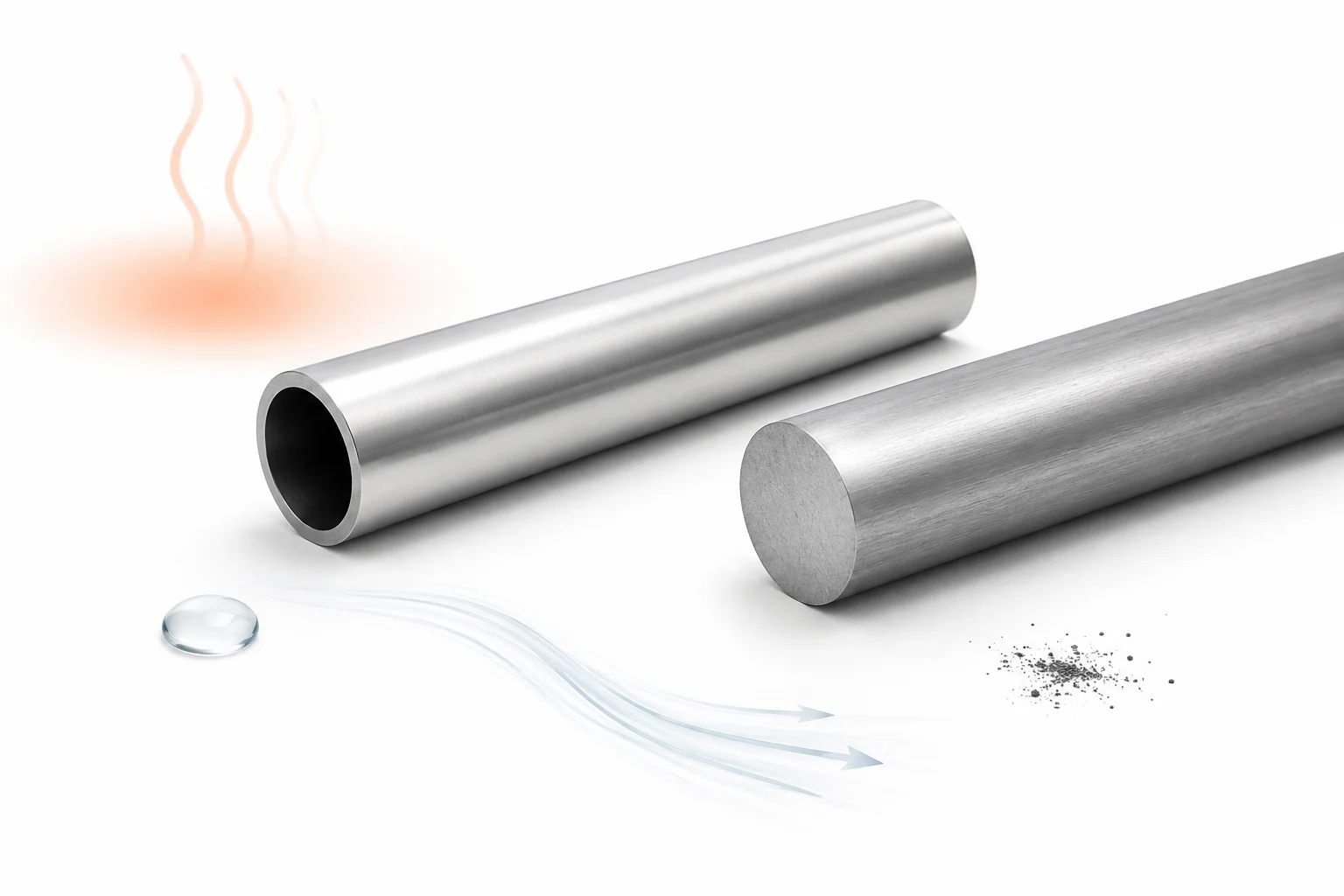
I have seen many engineers and procurement managers struggle with alloy selection because the same material can perform very differently in different environments. My goal here is to help you build a clearer selection process. This can reduce risk, save time, and help ensure safer long-term operation.
Why Is Understanding Your Environment More Important Than Just Material Specs?
Are your current material choices failing too soon? Generic data sheets may not tell the full story. A material that performs well in one environment may fail quickly in another if the temperature, chemistry, flow, or stress condition changes.
Understanding the specific operating environment is crucial because corrosion is highly context-dependent. Stress corrosion cracking, for example, requires both a corrosive environment and tensile stress, and it is highly specific to certain alloy-environment combinations. This means a generic specification sheet is not enough to predict real-world performance.
I have seen how much impact the environment has on alloy performance. Some alloys resist a chemical at room temperature but corrode faster when temperature increases. Some materials perform well in clean flowing media but fail near stagnant zones, gaskets, deposits, or crevices.
You cannot select an alloy only from a catalog. You must know what the tube or bar will actually face in service.
What Are the Key Environmental Factors?
- Temperature: Higher temperature can accelerate corrosion, change chemical reactions, or reduce mechanical strength.
- Pressure: Pressure, pressure cycling, and mechanical stress should be reviewed together with corrosion risk.
- Chemical Agents: Confirm the exact chemicals, concentrations, pH value, chloride level, oxygen content, and impurities.
- Flow Rate: High flow may contribute to erosion-corrosion or flow-related damage, while stagnant zones may encourage localized corrosion.
- Presence of Solids: Abrasive particles can damage protective surface films and expose fresh metal.
- Stress: Applied stress, residual stress, or vibration can combine with corrosive media and contribute to cracking.
- Start-up and Shutdown Conditions: Cleaning, draining, heating, cooling, or concentration changes may create more aggressive conditions than normal operation.
How Does Context Change Material Performance?
Material properties in a laboratory may not fully represent field conditions. For example, crevice corrosion occurs in occluded spaces such as under gaskets, seals, deposits, cracks, and seams where stagnant solution is trapped. The local chemistry inside a crevice can become very different from the bulk fluid.
This is why buyers should think about the whole system:
- What happens during normal operation?
- What happens during start-up?
- What happens during shutdown?
- Are there dead legs, crevices, deposits, or stagnant zones?
- Are there abrasive solids or high flow velocity?
- Are there unexpected contaminants?
- What is the worst-case temperature and chemical concentration?
In some systems, flow-accelerated corrosion can also be affected by flow velocity and protective oxide layer behavior. This shows why flow condition should be included in alloy selection.
Is There Truly a “Best” Corrosion-Resistant Alloy for Every Need?
Do you believe there is one magic alloy that solves all corrosion problems? This idea can lead to expensive mistakes. Some buyers over-specify and spend more than necessary, while others under-specify and face premature failure.
No, there is no single “best” corrosion-resistant alloy for every application. The optimal choice depends on the specific combination of chemical environment, temperature, pressure, mechanical stress, fabrication method, service life target, safety consequence, and cost. The correct question is not “Which alloy is strongest?” but “Which alloy is suitable for this exact environment?”
I often hear buyers ask, “What is the best alloy for corrosion?” My answer is always: “It depends.”
Each alloy family has strengths and limitations. What works well in one chemical at one temperature may fail in another chemical or at a higher temperature. A premium alloy may be unnecessary in mild service. A low-cost alloy may become expensive if it fails early.
Why Is There No Single “Best” Alloy?
Different alloys resist corrosion through different mechanisms.
- Nickel Alloys: Many nickel alloys are considered for aggressive chemical, high-temperature, or mixed-media environments. Inconel alloys, for example, are nickel-chromium superalloys often used in extreme environments involving high temperature, pressure, mechanical load, oxidation, or corrosion.
- Titanium Alloys: Titanium forms a protective passive oxide layer and has strong resistance in many oxidizing environments. However, titanium can be attacked by dilute hydrofluoric acid, hot hydrochloric acid, hot sulfuric acid, and concentrated acids, so the exact chemical environment must be reviewed.
- Stainless Steels: Stainless steels are cost-effective in many environments, but some grades may suffer from pitting, crevice corrosion, or stress corrosion cracking in chloride-containing environments.
- Hastelloy-Type Alloys: Nickel-chromium-molybdenum alloys are often reviewed for severe chemical service, but each grade must be matched with the actual media, temperature, and fabrication condition.
- Monel-Type Alloys: Nickel-copper alloys may perform well in selected seawater, alkali, steam, or reducing environments, but they are not universal corrosion solutions.
Understanding Trade-Offs
Every material choice involves trade-offs. Buyers must balance corrosion resistance, mechanical strength, fabricability, availability, cost, and risk.
| Alloy Type | Strengths | Limitations | Common Review Scenarios |
|---|---|---|---|
| High Nickel Alloys | Broad corrosion resistance, high-temperature capability, good performance in many aggressive environments | Higher cost, may need careful welding and machining | Chemical processing, high-temperature service, mixed chemicals |
| Titanium Alloys | Excellent corrosion resistance in many oxidizing/chloride environments, low density | Sensitive to some reducing acids and fluoride-containing environments | Seawater systems, oxidizing chloride media, lightweight structures |
| Stainless Steels | Cost-effective, widely available, easy to fabricate | Limited in high-chloride, high-acid, or high-temperature corrosive service | Mild to moderate corrosion conditions |
| Nickel-Copper Alloys | Strong performance in selected seawater, alkali, and reducing environments | Not suitable for all oxidizing acids | Marine, alkali, selected chemical applications |
| Nickel-Chromium-Molybdenum Alloys | Strong localized corrosion resistance in severe chemical environments | Higher cost and may require stricter fabrication control | Severe acid, chloride, oxidizing/reducing mixed media |
The right alloy is the one that fits the actual environment, not the one with the most impressive brochure.
How Can I Make Risk-Informed Decisions for Alloy Selection?
Are you choosing materials based only on purchase price? This can hide future costs. A cheaper alloy may be acceptable in low-risk service, but it may be dangerous in critical systems where failure consequences are severe.
Risk-informed alloy selection considers not only upfront cost, but also maintenance, replacement, downtime, safety, environmental impact, and failure consequence. Total cost of ownership includes direct and indirect costs across the product life cycle, while whole-life cost includes operation, maintenance, renewal, replacement, and disposal.
When I talk to clients, they often focus first on purchase price. This is understandable. But the cheapest material at the beginning may not be the lowest-cost material over the full service life.
A risk-based approach helps buyers see hidden costs and failure consequences.
What Is Total Cost of Ownership?
TCO means looking at all relevant costs over the life of the material or equipment.
- Initial Purchase Cost: The price of tubes, bars, or finished components.
- Fabrication and Installation Cost: Some alloys are harder to weld, machine, form, or inspect.
- Maintenance and Repair Cost: Corrosion may require inspection, repair, replacement, or shutdown.
- Downtime Cost: Lost production can be a major cost depending on the value of the process.
- Safety and Environmental Cost: Failure in hazardous service can cause injury, leakage, contamination, or regulatory problems.
- Replacement and Disposal Cost: Some materials require special handling or disposal.
How to Assess Risk
Risk assessment should consider two main factors:
- Probability of Failure: How likely is the material to fail under the specific conditions?
- Consequence of Failure: What happens if the material fails?
| Consequence of Failure | Low Probability | Medium Probability | High Probability |
|---|---|---|---|
| Minor Impact | Low Risk | Moderate Risk | High Risk |
| Moderate Impact | Moderate Risk | High Risk | Very High Risk |
| Severe Impact | High Risk | Very High Risk | Extreme Risk |
For example, in a critical pipeline carrying dangerous chemicals, even a low probability of severe failure may justify a higher-performance alloy. For a low-pressure non-critical water line, a more common material may be acceptable.
The goal is not always to buy the most expensive alloy. The goal is to choose a material whose performance and risk level match the application.
What Should I Look for When Evaluating Suppliers and Their Data?
Are you trusting supplier claims at face value? Not all data is equal. A glossy brochure or broad corrosion claim cannot replace verifiable documents, testing, and application-specific review.
When evaluating suppliers and their data, buyers should review certifications, Material Test Certificates, heat-number traceability, inspection reports, and application-relevant test data. Supplier claims should be checked against standards, real service conditions, and transparent documentation—not only marketing language.
I have spent years working with industrial buyers, and I know that not all suppliers present data in a way that helps buyers make the best decision. A good supplier should be able to explain both the alloy’s strengths and its limitations.
How to Evaluate Supplier Claims
Do not just take broad claims at face value.
- Material Certifications: Ask for Mill Test Certificates or Mill Test Reports. An MTR certifies chemical and physical properties and states compliance with relevant standards.
- Traceability: Ask whether the material can be traced by heat number, which links a metal product to a specific batch or heat and helps access records about composition, manufacturing process, and quality assurance.
- Quality Management: Ask whether the supplier has a structured quality management system. ISO 9001 is a globally recognized quality management standard that helps organizations establish, implement, maintain, and continually improve a QMS. However, ISO 9001 does not replace product-level testing.
- Testing Data: Ask for chemical analysis, mechanical testing, dimensional inspection, surface inspection, PMI, UT, ET, hydrostatic testing, or other reports required by the project.
- Application-Relevant Corrosion Data: Generic corrosion rates may not be enough. If stress corrosion cracking, pitting, crevice corrosion, erosion-corrosion, or high-temperature corrosion is relevant, ask for data or references that match the actual environment.
- Experience and Technical Support: A good supplier should ask about media, temperature, pressure, flow, solids, stress, fabrication, standards, and inspection requirements before recommending an alloy.
What Are Red Flags to Watch For?
Some supplier behaviors should make buyers pause:
- Vague Claims: “Excellent corrosion resistance” without media, temperature, concentration, or test condition.
- Lack of Transparency: Refusal to provide MTCs, inspection reports, or heat number traceability.
- Overuse of “Proprietary” Explanations: Proprietary processes may exist, but basic material identity, chemistry, and inspection data should be available.
- Pushing One Alloy Only: A reliable supplier should discuss alternatives and trade-offs, not force one solution.
- No Application Questions: If a supplier quotes immediately without asking about service conditions, the recommendation may be weak.
- Unclear Standards: The supplier cannot clearly state ASTM, ASME, EN, ISO, NACE/ISO 15156, or customer-specific requirements where applicable.
Supplier Evaluation Checklist
| Area | What to Confirm |
|---|---|
| Material Identity | Grade, UNS number, product form, applicable standard |
| Chemical Composition | MTC, chemical analysis, PMI if required |
| Mechanical Properties | Tensile strength, yield strength, elongation, hardness |
| Corrosion Requirement | Relevant media, temperature, pH, chloride level, flow, stress |
| Testing and Inspection | UT, ET, hydrostatic test, dimensional and surface inspection |
| Traceability | Heat number, batch number, marking, packing list |
| Quality System | ISO 9001 or other applicable quality management system |
| Application Support | Ability to discuss material limitations and alternatives |
| Delivery Reliability | Stock status, production route, lead time, packaging, logistics |
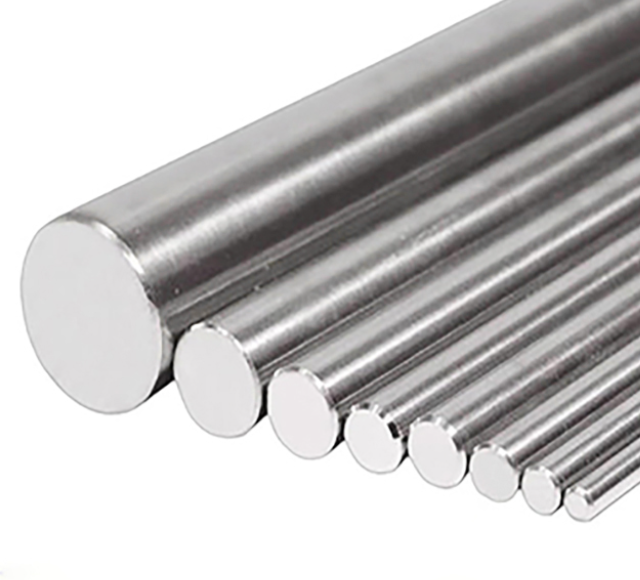
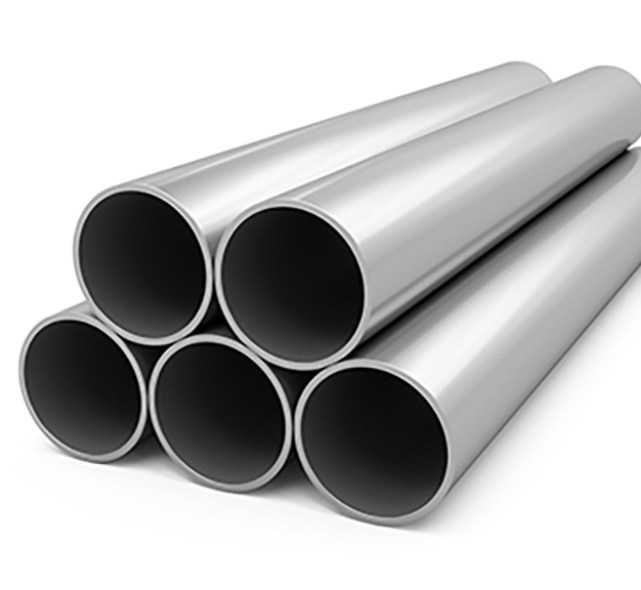
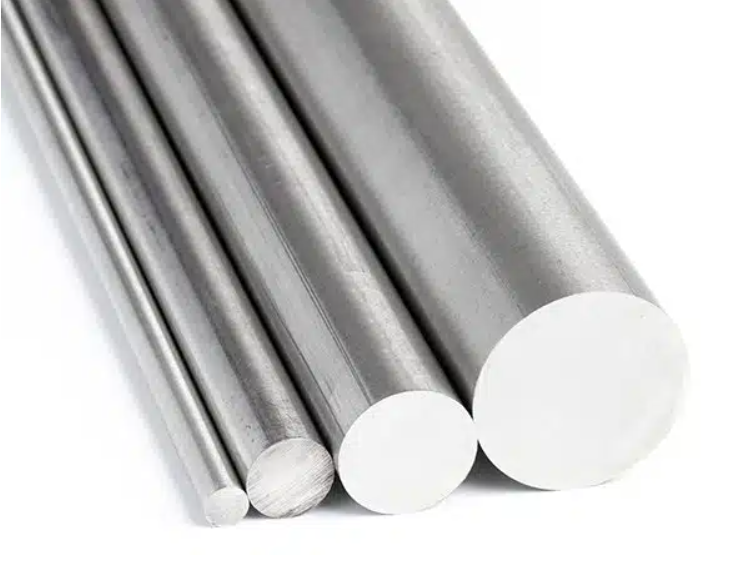
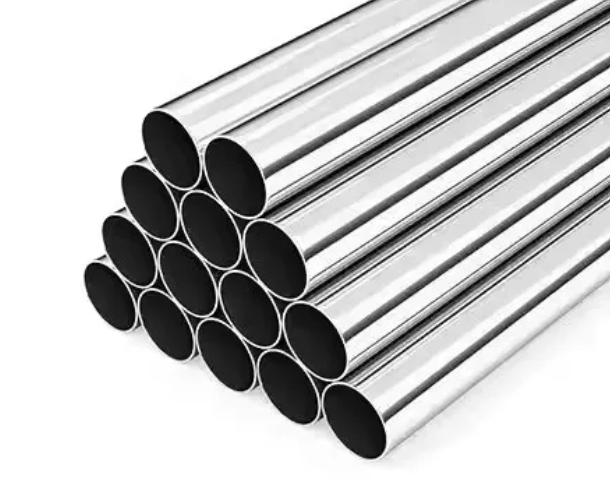
At Emily PIPE, we support nickel alloy tubes, nickel alloy bars, titanium alloy tubes, and titanium alloy bars for demanding applications. We help customers review material grade, standard, operating environment, testing, documentation, traceability, and delivery requirements before shipment.
Conclusion
Choosing corrosion-resistant alloy tubes and bars requires more than basic specifications. It requires a deep understanding of the operating environment, corrosion mechanisms, mechanical stress, risk level, supplier documentation, and long-term cost.
There is no universal “best” corrosion-resistant alloy. The right material is the one that matches the actual service conditions, safety requirements, budget, fabrication method, and inspection needs.
For industrial buyers, the safest approach is to define the environment clearly, compare alloys based on real risks, and work with a supplier that can provide transparent data, traceable materials, and professional technical support.