
How to Choose Nickel and Titanium Bars for High-Strength Components?
Selecting high-strength metal components is a challenge for many industrial buyers and engineers. A wrong material choice may lead to failure risk, rework, downtime, delivery delay, or higher lifecycle cost. For nickel alloy bars and titanium alloy bars, the best decision is not based only on strength numbers or purchase price.
Choosing nickel and titanium bars for high-strength components involves more than comparing material properties. Buyers should start from the real application requirements, service environment, operating temperature, corrosion exposure, loading condition, weight target, fabrication method, testing requirements, and supplier traceability. Material selection should be based on application requirements, possible materials, physical principles, and required performance.
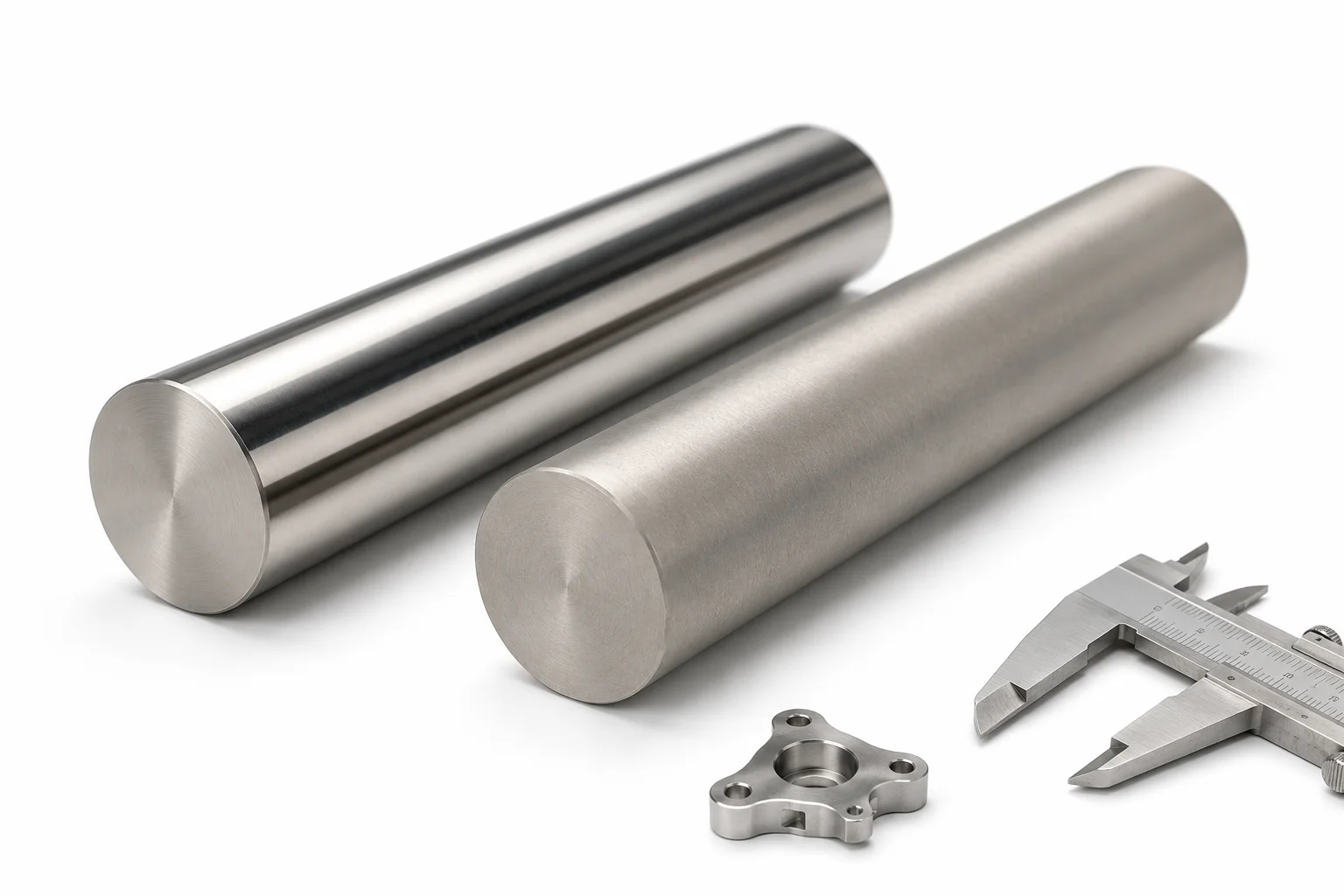
In my work, I talk to many engineers and project managers. They often ask about the best materials for their toughest jobs. But for high-strength components, “best” is not a single answer. A strong material in one environment may be the wrong material in another.
The better question is: what kind of strength does this component actually need, and under what conditions must it perform?
What Does “High-Strength” Really Mean for Your Components?
You may need a strong material, but what does “strong” really mean? Asking only for “high-strength bar” can be misleading if the application is not clearly defined.
“High-strength” is not one simple property. In engineering, material strength may involve yield strength, tensile strength, fatigue strength, impact strength, compressive strength, crack resistance, or creep resistance. Strength of materials includes different stress-related parameters, and each one matters in different service conditions.
From my conversations with engineers, I often hear them say they need “high-strength” parts. But what they usually mean is “high strength for my specific use.” That distinction is very important.
A component may need to resist breaking under a constant pulling load. That is related to tensile strength. Another component may need to avoid permanent deformation. That relates to yield strength. A rotating or vibrating component may need fatigue strength. A hot component may need creep resistance or high-temperature strength. A component exposed to corrosion may need both strength and corrosion resistance.
This is why the full operating environment must be reviewed.
What Strength Requirement Should You Define?
| Strength Requirement | What It Means | Typical Concern |
|---|---|---|
| Tensile Strength | Maximum stress before fracture | Pulling or stretching loads |
| Yield Strength | Stress where permanent deformation begins | Pressure, structural load, dimensional stability |
| Fatigue Strength | Resistance to repeated cyclic loading | Rotating parts, vibration, impact cycles |
| Impact Strength / Toughness | Resistance to sudden load or crack propagation | Shock, low-temperature service, safety-critical parts |
| Creep Resistance | Resistance to long-term deformation at high temperature | Furnace parts, turbine-related parts, heat-resistant components |
| Corrosion-Fatigue Resistance | Resistance to combined corrosion and cyclic stress | Marine, chemical, oil and gas, high-humidity service |
For example, a nickel alloy bar may be selected for high-temperature strength, corrosion resistance, or creep resistance. A titanium alloy bar may be selected when strength-to-weight ratio, corrosion resistance, and low density are important. But each decision depends on the actual environment, loading condition, and product standard.
Application Conditions to Confirm
Before selecting a nickel or titanium bar, buyers should confirm:
- Operating temperature
- Maximum and minimum load
- Static load or cyclic load
- Impact or vibration
- Corrosive media
- Seawater, acid, alkali, chloride, or high-temperature oxidation exposure
- Welding, machining, forging, or heat treatment requirements
- Required standard, grade, and inspection method
- Expected service life and failure consequence
Without this review, material selection becomes guesswork.
How Can You Trust Supplier Claims and Certifications?
Are you sure the material you receive will perform as promised? Generic datasheets and vague certifications can hide important details. For critical components, buyers need batch-specific evidence.
To trust supplier claims, buyers should review Material Test Certificates, heat-number traceability, applicable standards, inspection reports, and application-relevant test data. A Mill Test Report or Material Test Certificate certifies a metal product’s chemical and physical properties and states compliance with applicable standards, while a heat number links the product to a specific batch or heat.
We often see buyers rely on generic datasheets. A datasheet can be useful, but it normally shows typical values or standard ranges. What you need for procurement is the actual test result for the specific batch of material you are receiving.
This is where MTCs and traceability matter.
A good Material Test Certificate should show:
- Material grade
- UNS number where applicable
- Heat number
- Chemical composition
- Mechanical properties
- Product form and size
- Applicable ASTM, ASME, EN, ISO, or customer standard
- Heat treatment condition where applicable
- Inspection or testing results when required
- Manufacturer or authorized inspection information
However, an MTC alone is not the whole quality system. It should match the physical product marking, heat number, packing list, inspection reports, and purchase order requirements.
Standards for Nickel and Titanium Bars
For nickel alloy bars, ASTM B637 covers precipitation-hardening and cold-worked nickel alloy bars, forgings, and forging stock for moderate or high-temperature service. The ASTM page notes chemical analysis requirements, recommended heat treatments, and tests such as tension testing, hardness testing, and stress-rupture testing.
For titanium bars and billets, ASTM B348/B348M covers titanium and titanium alloy bars and billets. The ASTM page lists many titanium grades and states that materials should conform to required chemical composition requirements, with tension test specimens machined and tensile properties determined.
These standards help define product requirements, but they do not automatically guarantee performance in every application. Buyers still need to verify whether the standard, grade, heat treatment, testing, and service environment are aligned.
Quality System vs Product Quality
A quality management system is also important. ISO 9001 is a globally recognized quality management standard that helps organizations establish, implement, maintain, and continually improve a quality management system. ISO also notes that ISO 9001 supports customer confidence, quality control processes, complaint resolution, process improvement, and regular audits.
But ISO 9001 is not the same as batch-level product certification. Product quality still needs MTCs, heat number traceability, inspection reports, and buyer-specific testing when required.
What Are the True Costs of Choosing the Wrong Material?
Are you only thinking about the upfront cost of the material? A lower purchase price can look attractive, but it may create higher long-term cost if the material is not suitable for the application.
Choosing an unsuitable material can create costs beyond the initial purchase price, including rework, replacement, downtime, repair, inspection, safety risk, and reputation damage. Total cost of ownership includes direct and indirect costs across the product life cycle, while whole-life cost includes operation, maintenance, renewal, replacement, and disposal.
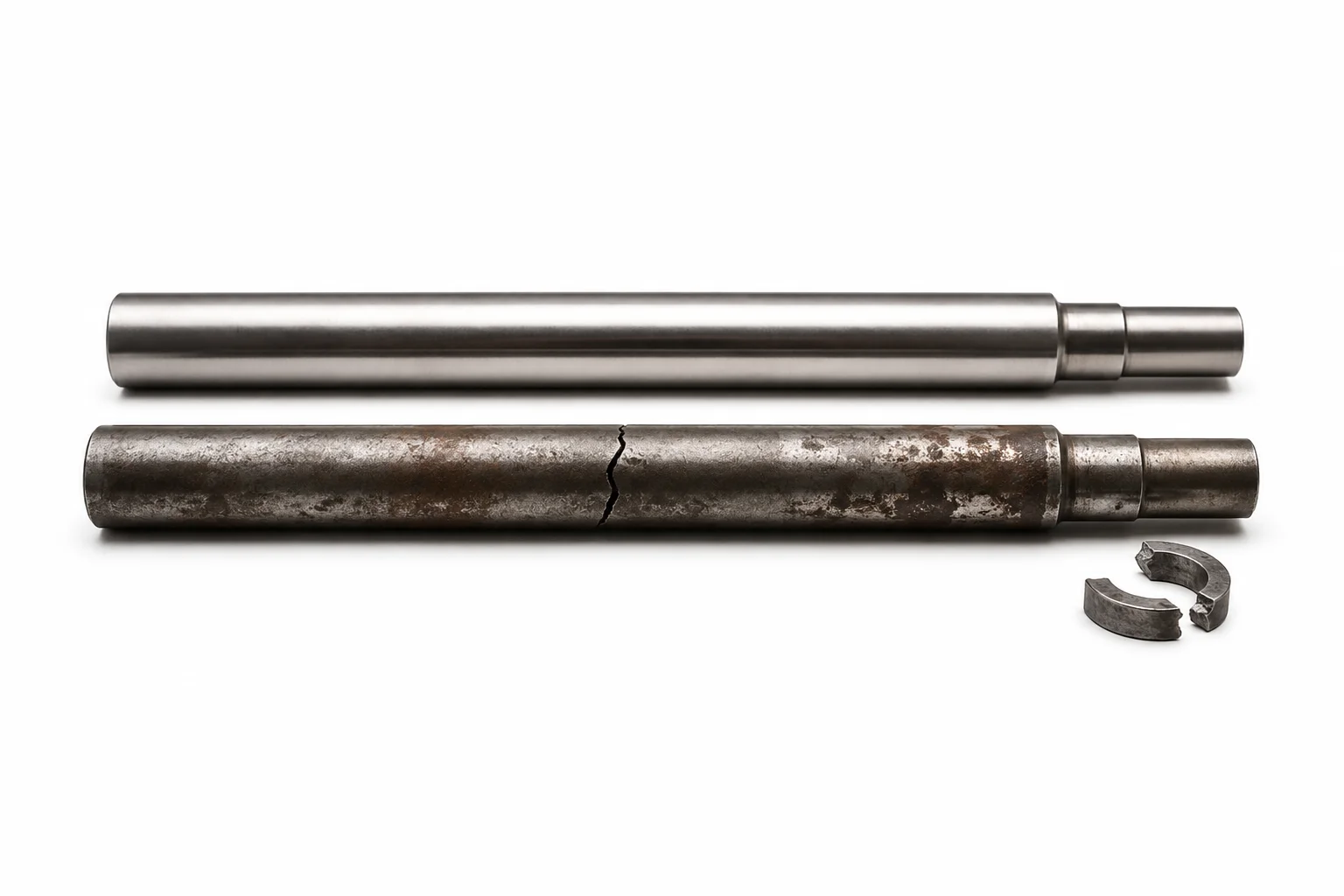
I have seen buyers focus on the price per kilogram and miss the bigger picture. If a high-strength bar fails because the wrong alloy was selected, the cost is not only the replacement material. The project may also face downtime, redesign, machining loss, missed deadlines, damaged equipment, or safety concerns.
For critical applications, a slightly more expensive material may reduce long-term risk if it offers better corrosion resistance, high-temperature capability, fatigue strength, or traceability.
Hidden Cost Factors to Review
| Cost Factor | Why It Matters |
|---|---|
| Initial Purchase Cost | The visible material price, but only one part of total cost |
| Machining and Fabrication Cost | Nickel and titanium alloys may require controlled machining, tooling, welding, or heat treatment |
| Inspection and Testing Cost | Critical parts may require PMI, UT, hardness, tensile, impact, or third-party inspection |
| Maintenance and Repair Cost | Wrong material may corrode, crack, deform, or wear early |
| Downtime Cost | Lost production or project delay can be more expensive than material savings |
| Safety and Liability Risk | Failure in critical service may create serious consequences |
| Replacement and Disposal Cost | Failed parts may require shutdown, removal, replacement, and disposal |
The point is not always to buy the most expensive alloy. The point is to choose the material that gives the best balance between performance, risk, and lifecycle cost.
Nickel or Titanium: Which Alloy Is Right for Your Application?
Are you stuck deciding between nickel and titanium alloys? It is not about which one is inherently better. It is about which one fits your application.
Deciding between nickel and titanium requires a structured comparison. A decision matrix helps compare options against weighted criteria such as corrosion resistance, temperature capability, weight, strength, manufacturability, cost, testing, and delivery risk. A risk matrix can also help evaluate probability and consequence when material failure risk is difficult to quantify precisely.
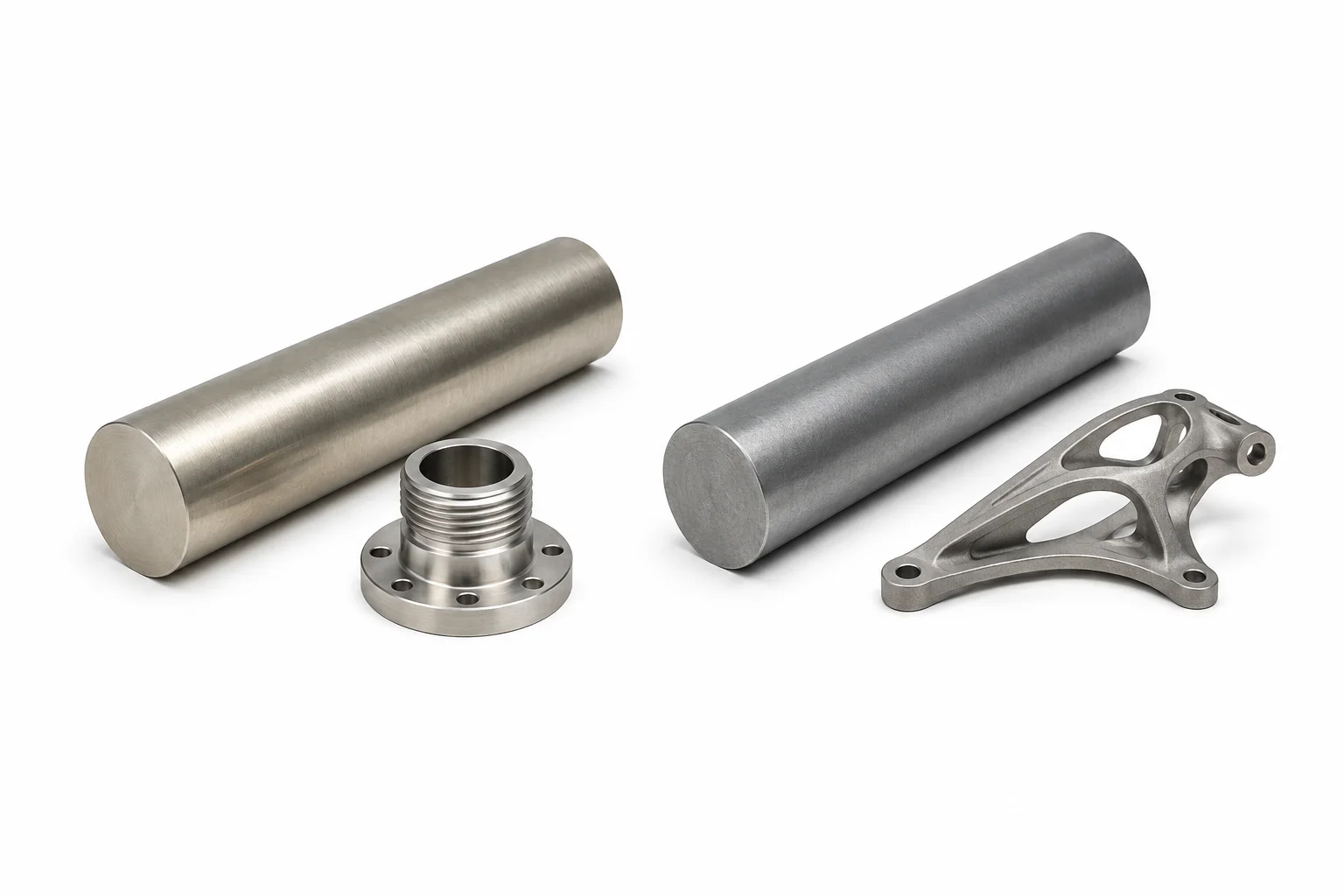
When customers ask whether they should use nickel or titanium, I explain that these materials solve different problems.
Nickel alloys are often reviewed when the application requires high-temperature strength, oxidation resistance, corrosion resistance, or performance in aggressive chemical environments. For example, Inconel 718 is designed for fatigue and creep resistance at temperatures up to about 700°C. Inconel 625 is a nickel-based superalloy known for high strength, resistance to elevated temperatures, corrosion resistance, and oxidation resistance.
Titanium alloys are often reviewed when weight reduction, corrosion resistance, and high specific strength are important. Ti-6Al-4V is an alpha-beta titanium alloy known for high specific strength, low density, and excellent corrosion resistance. Titanium alloys also include many grades, with different strength, corrosion, heat treatment, and application profiles.
Nickel vs Titanium Selection Framework
| Feature | Nickel Alloys | Titanium Alloys |
|---|---|---|
| High Temperature | Often stronger for high-temperature, creep, and oxidation service depending on grade | Useful in moderate-temperature service, but lower high-temperature capability than many nickel superalloys |
| Corrosion Resistance | Strong in many aggressive chemical and high-temperature environments depending on grade | Excellent in many oxidizing and chloride environments, but sensitive to some reducing acids and fluoride-containing media |
| Strength-to-Weight Ratio | Good strength, but higher density | High specific strength and low density |
| Weight | Heavier | Lighter |
| Fabrication | May require careful machining, welding, and heat treatment | May require careful machining, welding, and contamination control |
| Cost | Can be high due to alloying elements and processing | Can be high due to extraction, processing, and machining |
| Fatigue Performance | Can be strong depending on grade, heat treatment, and design | Can be strong where grade, surface, and design are appropriate |
| Biocompatibility | Relevant only for selected alloys and applications | Strong advantage for many medical and implant-related applications |
Simple Decision Matrix Example
| Selection Factor | Weight | Nickel Alloy Bar | Titanium Alloy Bar |
|---|---|---|---|
| High-temperature strength | High | Strong | Moderate |
| Weight reduction | High | Weak | Strong |
| Chemical corrosion resistance | High | Strong depending on grade | Strong in selected oxidizing environments |
| Machining difficulty | Medium | Medium to difficult | Medium to difficult |
| Material cost | Medium | Varies | Varies |
| Availability | Medium | Depends on grade and size | Depends on grade and size |
| Medical biocompatibility | Application-specific | Limited | Strong for selected grades |
This matrix should not replace engineering judgment. It is a tool to structure discussion. Some requirements are “must-haves.” For example, if the part must survive 650°C for long-term service, weight savings cannot compensate for insufficient high-temperature strength.
Practical Checklist Before Ordering Nickel or Titanium Bars
Before placing an order, confirm:
| Area | What to Confirm |
|---|---|
| Material Grade | Alloy name, UNS number, ASTM/ASME/AMS/EN/ISO standard |
| Product Form | Bar, round bar, forged bar, billet, rod, machined blank |
| Size and Tolerance | Diameter, length, straightness, surface condition, tolerance |
| Mechanical Properties | Tensile strength, yield strength, elongation, hardness, impact or fatigue requirements if applicable |
| Operating Environment | Temperature, pressure, corrosion media, stress, vibration, wear, flow, solids |
| Heat Treatment | Annealed, solution treated, aged, precipitation hardened, stress relieved |
| Testing | Chemical analysis, PMI, tensile, hardness, UT, dimensional inspection, surface inspection |
| Traceability | Heat number, batch number, MTC, inspection reports, product marking |
| Supplier Quality System | ISO 9001 or other applicable quality management system |
| Delivery and Risk | Stock status, production lead time, packaging, logistics, contingency plan |
Conclusion
Choosing nickel or titanium bars for high-strength components means assessing the real application, not just comparing strength numbers. Buyers should define what “high-strength” means for the component: tensile strength, yield strength, fatigue resistance, impact toughness, creep resistance, corrosion resistance, or weight-saving performance.
Supplier claims should be verified through MTCs, heat number traceability, applicable standards, inspection reports, and quality management systems. Cost should be evaluated through lifecycle risk, not only purchase price.
There is no universal winner between nickel and titanium. Nickel alloys are often stronger in high-temperature and aggressive chemical environments, while titanium alloys are often better where lightweight strength and corrosion resistance are the main priorities. The right choice is the one that fits the component’s actual working conditions, risk level, and project requirements.
At Emily PIPE, we support nickel alloy bars, nickel alloy tubes, titanium alloy bars, and titanium alloy tubes for demanding industrial applications. We help customers review material grade, standard, size, testing, certification, traceability, and delivery requirements before shipment.