
How Much Machining Allowance Should Be Reserved for Nickel Alloy Materials?
Reserving machining allowance for nickel alloy materials is not a simple “fixed number” decision. For buyers, engineers, and machining teams, the right allowance depends on the nickel alloy grade, raw material form, surface condition, heat treatment condition, final tolerance, machining process, inspection requirements, and end-use application.
Machining allowance for nickel alloy materials should be determined by evaluating the material grade, product form, heat treatment condition, surface condition, component geometry, final tolerance, surface finish, and machining route. A universal allowance value can lead to either material waste or insufficient stock for finishing, inspection, and final dimensional control.
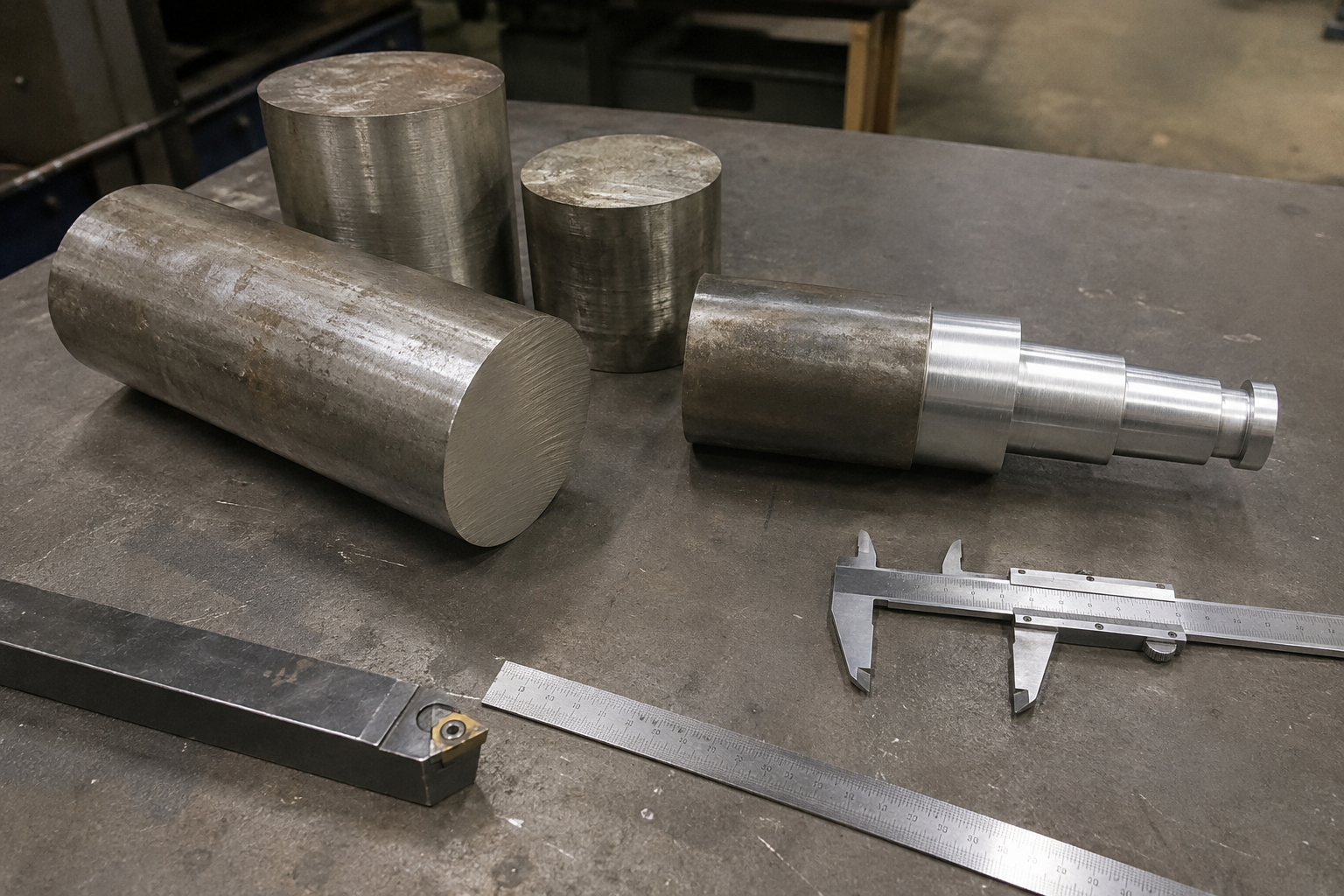
Nickel alloys are commonly used in chemical processing, oil and gas, marine engineering, aerospace, power generation, heat exchangers, valves, pumps, fasteners, shafts, and precision industrial components. These applications often require corrosion resistance, high-temperature strength, mechanical reliability, and strict documentation.
Because nickel alloys are generally more expensive and more difficult to machine than many common steels, every millimeter of extra stock matters. Too much allowance increases material waste, machining time, tool wear, and chip volume. Too little allowance may cause surface defects, dimensional problems, tool rubbing, rework, or part rejection.
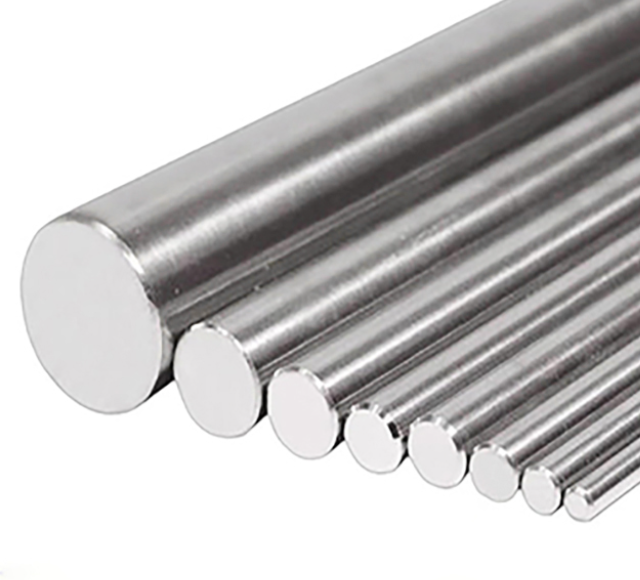
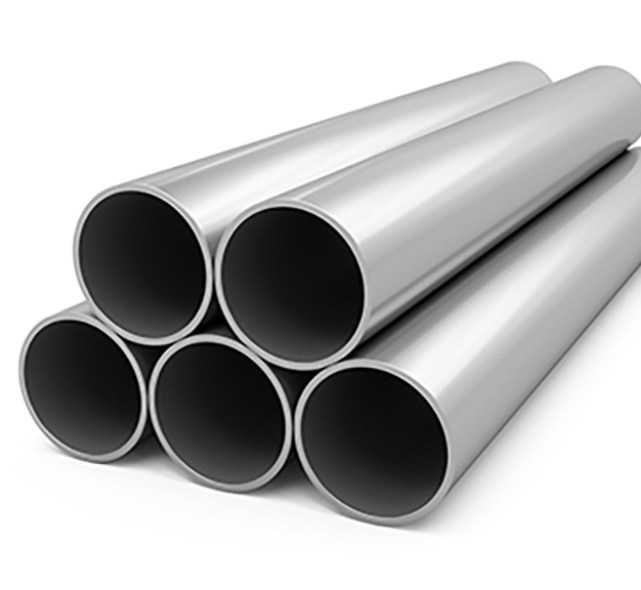
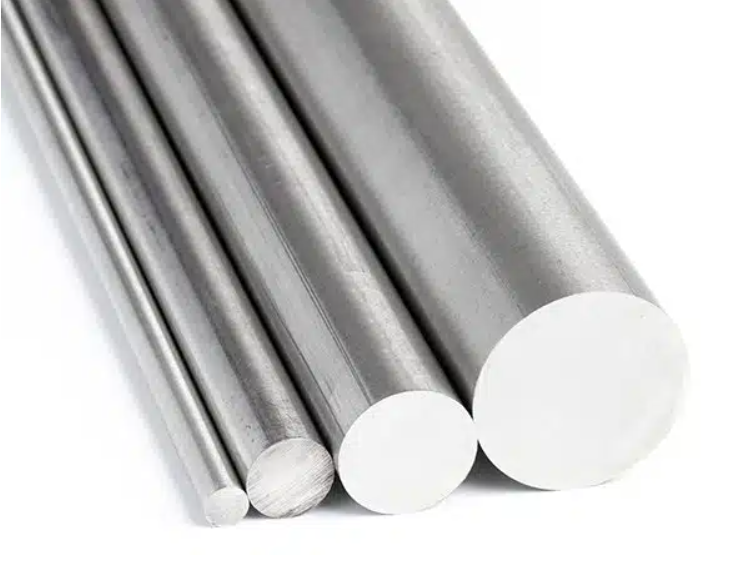
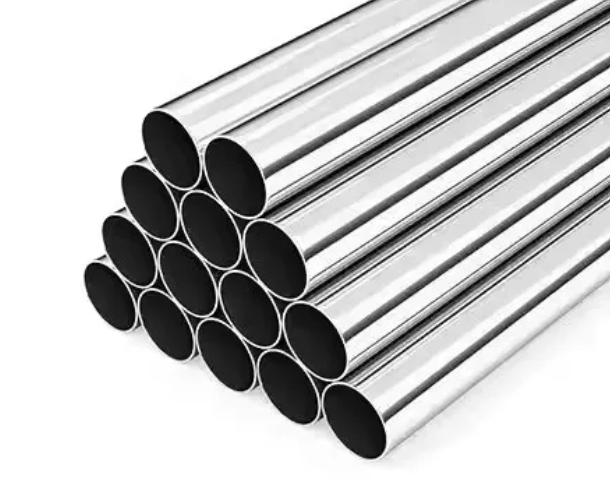
This guide explains how buyers should think about machining allowance before ordering nickel alloy bars, tubes, forgings, plates, or semi-finished materials.
Quick Answer: Is There a Standard Machining Allowance for Nickel Alloys?
No. There is no single universal machining allowance that applies to all nickel alloy materials.
Machining allowance should be confirmed according to the final drawing, raw material condition, machining route, surface finish, tolerance, and inspection requirements.
| Factor | Why It Matters |
|---|---|
| Nickel alloy grade | Inconel, Monel, Hastelloy, Incoloy, Nickel 200 and other grades have different strength, hardness, work-hardening behavior, and corrosion functions. |
| Raw material form | Hot-worked bar, cold-worked rod, forged block, tube, plate, and near-net-shape material have different surface and dimensional conditions. |
| Heat treatment condition | Annealed, solution annealed, age hardened, cold worked, or stress relieved conditions affect machining behavior and final properties. |
| Surface condition | Black, pickled, peeled, ground, polished, or descaled surfaces require different levels of cleanup. |
| Component geometry | Long shafts, thin-wall parts, deep pockets, sealing faces, and precision bores may need different machining strategies. |
| Final tolerance | Tight tolerances may require enough stock for roughing, semi-finishing, finishing, grinding, or polishing. |
| Surface finish requirement | A functional sealing surface, fatigue-sensitive surface, or corrosion-sensitive surface may require more controlled finishing. |
| Machining process | Turning, milling, drilling, grinding, EDM, honing, and polishing remove material differently. |
| Inspection requirement | UT, PT, PMI, dimensional inspection, CMM, hardness testing, or third-party inspection may influence stock planning. |
| Application criticality | Aerospace, offshore, pressure equipment, and chemical processing parts may require stricter surface integrity and traceability. |
Research on nickel-based superalloy machining shows that tool wear can result from abrasive wear, adhesive wear, diffusion wear, oxidation wear, plastic deformation, and other mechanisms. It also notes that low thermal conductivity can cause heat accumulation near the cutting zone, increasing tool wear and production cost. Source: Tool Wear in Nickel-Based Superalloy Machining: An Overview
What Is Machining Allowance?
Machining allowance is the extra material intentionally left on a workpiece so that later machining operations can remove surface irregularities, dimensional deviations, scale, previous process marks, or process-affected surface layers and bring the part to its final size.
Machining allowance should not be confused with tolerance or surface finish.
| Term | Meaning |
|---|---|
| Machining allowance | Extra stock intentionally reserved for removal. |
| Tolerance | Acceptable dimensional deviation after machining. |
| Surface finish | Final surface texture or roughness requirement, such as Ra value. |
| Machining route | The planned sequence of roughing, semi-finishing, finishing, grinding, EDM, polishing, or inspection. |
| Stock size | The supplied raw material size before machining. |
| Finished size | The final required dimension on the drawing. |
For nickel alloy materials, machining allowance should not be decided only by the raw material size. It should be planned together with the drawing, final tolerance, machining process, surface finish, and inspection requirement.
Why Is Nickel Alloy Machining Allowance Not One-Size-Fits-All?
Nickel alloys are high-performance materials, but they can be difficult to machine. Their strength, toughness, work-hardening tendency, low thermal conductivity, and tool wear behavior can make cutting more demanding than common carbon steel or many stainless steels.
The Nickel Institute explains that nickel alloys include different families, such as nickel-copper alloys, nickel-chromium alloys, nickel-chromium-iron alloys, and nickel-chromium-molybdenum alloys. Each family is used for different corrosion or high-temperature performance needs. Source: Nickel Institute — Nickel Alloys
This means Alloy 625, Alloy 718, Alloy 400, Alloy C-276, Alloy 825, and Nickel 200 should not be treated as the same material when planning machining allowance.
Main Reasons Allowance Cannot Be Fixed
| Reason | Explanation |
|---|---|
| Different alloys machine differently | Alloy 718, Alloy 625, Alloy C-276, Alloy 400, and Nickel 200 can have different cutting behavior, tool wear, and surface response. |
| Different supply forms start from different surfaces | Hot-worked bars may need more cleanup than peeled, ground, or cold-worked bars. |
| Different applications require different final surfaces | A sealing surface, shaft surface, pressure part, or fatigue-sensitive surface may require more controlled finishing. |
| Different machining processes remove material differently | Turning, grinding, EDM, and polishing do not require the same remaining stock. |
| Different tolerances require different process routes | A loose industrial tolerance may need less finishing than a precision aerospace or pump shaft tolerance. |
| Different inspection requirements change risk | If PT, UT, CMM, or third-party inspection is required, buyers should leave enough stock and time for verification. |
How Does Nickel Alloy Grade Affect Machining Allowance?
The nickel alloy grade is one of the first factors buyers should confirm. A grade selected for corrosion resistance may not machine the same way as a grade selected for high-temperature strength or age-hardened mechanical properties.
Common Nickel Alloy Materials and Allowance Considerations
| Material | UNS Number | Common Product Form | Allowance Consideration |
|---|---|---|---|
| Alloy 625 / Inconel 625 | UNS N06625 | Bar, rod, tube, pipe, forging | Often selected for corrosion and heat resistance; machining allowance should consider work hardening, tool wear, and final surface requirement. |
| Alloy 718 / Inconel 718 | UNS N07718 | Bar, forging, fastener stock | High-strength and age-hardenable; allowance should consider heat treatment condition, tool wear, distortion risk, and final tolerance. |
| Alloy 400 / Monel 400 | UNS N04400 | Rod, bar, wire, tube | Nickel-copper alloy used in marine and corrosion environments; allowance depends on form, surface condition, and final component function. |
| Alloy C-276 / Hastelloy C-276 | UNS N10276 | Rod, bar, plate, pipe, fittings | Used for severe corrosion service; final surface integrity and certificate requirements should be confirmed. |
| Alloy 825 / Incoloy 825 | UNS N08825 | Bar, pipe, plate | Used in acid and chemical environments; allowance should consider corrosion-sensitive surfaces and machining route. |
| Nickel 200 | UNS N02200 | Bar, rod, sheet, tube | Commercially pure nickel; allowance should consider softness, surface finish, and dimensional stability. |
For example, ASTM B446 covers nickel-chromium-molybdenum-niobium alloy UNS N06625 and related alloys in hot-worked rod and bar and cold-worked rod form. The ASTM abstract states that the specification covers chemical composition, heat treatment, tensile properties, dimensions, length, and straightness requirements. Source: ASTM B446
For Alloy 400 / Monel 400, ASTM B164 covers nickel-copper alloys UNS N04400 and N04405 in hot-worked and cold-worked rod, bar, and wire forms, including chemical composition limits and mechanical property requirements. Source: ASTM B164
Buyer Takeaway
When asking a supplier for machining stock, do not only write “nickel alloy bar.” Instead, confirm:
- Alloy name
- UNS number
- ASTM / AMS / ASME / EN standard
- Product form
- Heat treatment condition
- Surface condition
- Diameter or thickness tolerance
- Straightness requirement
- MTC / MTR requirement
- Final machining application
How Does Raw Material Form Affect Machining Allowance?
The starting form of the material directly affects how much material may need to be removed.
A hot-worked bar, cold-worked rod, peeled bar, ground bar, forged block, tube, pipe, or plate will not have the same surface condition or dimensional accuracy.
Typical Material Forms
| Material Form | Typical Starting Condition | Allowance Impact |
|---|---|---|
| Hot-worked bar | May have scale, surface irregularity, and wider dimensional variation | Usually needs enough stock for cleanup and final size control. |
| Cold-worked rod | Usually tighter dimensional control than hot-worked material | May require less cleanup, depending on surface and final tolerance. |
| Peeled bar | Outer surface has already been mechanically removed | May reduce rough cleanup compared with black hot-worked surface. |
| Ground bar | Better diameter control and surface finish | Often useful for precision machining or reduced finishing stock. |
| Forged block or forged bar | May include forging envelope, surface scale, and shape variation | Allowance should account for forging cleanup and true geometry. |
| Tube or pipe | OD, ID, wall thickness, ovality, and straightness must be considered | Allowance may be needed on OD, ID, or end faces depending on part design. |
| Plate or sheet | Thickness variation, flatness, cut edge, and surface condition matter | Allowance should consider flatness, final thickness, and edge machining. |
Why Product Form Matters
ASTM standards often separate product forms and conditions. For example, ASTM B446 covers hot-worked and cold-worked nickel alloy rod and bar products, while ASTM B164 covers hot-worked and cold-worked nickel-copper rod, bar, and wire. This shows why buyers should specify not only the alloy grade, but also the form and condition of the supplied material. Sources: ASTM B446, ASTM B164
Buyer Takeaway
If the final part requires tight tolerance, good surface finish, or reduced machining time, buyers should discuss whether a peeled, ground, cold-worked, or near-net-size material form is more suitable than a rough hot-worked or forged product.
However, a more finished raw material form may have a higher material price. Buyers should compare total cost, not only unit price.
How Does Final Application Affect Allowance?
The final application determines how strict the surface, tolerance, and inspection requirements should be.
A nickel alloy component for a general industrial bracket does not need the same allowance strategy as a shaft, valve trim, aerospace fastener, pump component, heat exchanger part, or chemical processing component.
Application-Based Allowance Considerations
| Application | What to Confirm | Allowance Consideration |
|---|---|---|
| Valve and pump parts | Sealing surface, pressure, corrosion media, flow path | Allowance should support final sealing surface and dimensional accuracy. |
| Shafts and rotating parts | Straightness, concentricity, fatigue, wear surface | Extra stock may be needed for turning, grinding, and final runout control. |
| Aerospace parts | AMS/customer specification, fatigue, traceability, NDT | Surface integrity and documentation may be more important than material saving. |
| Chemical processing parts | Acid, chloride, temperature, stress corrosion risk | Surface condition and corrosion-sensitive areas should be controlled. |
| Marine and offshore parts | Seawater, splash zone, crevice corrosion, pressure | Allowance should consider corrosion-sensitive surfaces and inspection. |
| Heat exchanger components | OD/ID condition, sealing area, tube sheet fit | Allowance may be required for end machining, facing, or sealing fit. |
| Precision custom parts | Drawing tolerance, Ra value, CMM inspection | Allowance should match roughing, semi-finishing, finishing, and inspection route. |
Research on machined Inconel 718 shows that machined surface integrity can influence low-cycle fatigue behavior. Source: Correlation between Surface Integrity and Low Cycle Fatigue Behavior of Inconel 718
Buyer Takeaway
For critical applications, allowance should not be minimized only to save material. It should be planned to help achieve reliable surface integrity, final tolerance, and inspection compliance.
How Do Machining Processes Affect Allowance?
Different machining processes require different stock planning. Turning, milling, drilling, grinding, EDM, honing, and polishing all remove material differently and leave different surface conditions.
Process-Specific Allowance Considerations
| Process | Typical Role | Allowance Consideration |
|---|---|---|
| Rough turning | Removes outer surface and approaches near size | Needs enough stock to remove scale, ovality, or surface defects. |
| Finish turning | Achieves closer dimension and surface quality | Requires controlled remaining stock; too little stock may cause rubbing. |
| Milling | Creates flats, pockets, slots, faces, and complex geometry | Allowance depends on cutter engagement, rigidity, and part geometry. |
| Drilling / boring | Creates or finishes holes and IDs | Allowance must consider hole straightness, final bore tolerance, and surface finish. |
| Grinding | Achieves tight tolerance and fine finish | Usually requires a controlled small finishing stock after turning. |
| EDM / WEDM | Produces complex profiles or hard-to-machine features | May leave a recast or damaged layer that requires removal if surface integrity is critical. |
| Honing / lapping | Final surface refinement and geometry correction | Requires very controlled stock and should not be used to remove large deviations. |
| Polishing | Improves surface finish or corrosion-sensitive areas | Allowance should account for final Ra and geometry preservation. |
A NASA technical report examining electrical discharge machining of superalloy 718 studied the surface conditions after rough, semi-finish, and skim-cut EDM processing, showing why EDM surface condition should be reviewed for critical components. Source: NASA Technical Report: Influences of Varied Electrical Discharge Machining Conditions on Superalloy 718
Buyer Takeaway
If EDM, grinding, polishing, or high-precision finishing is required, the allowance should be planned with the machinist before ordering material. Otherwise, the part may have insufficient stock for final cleanup or too much material for an expensive finishing process.
How Should Buyers Balance Material Cost and Machining Efficiency?
Nickel alloy materials are expensive. It is natural for buyers to want to minimize stock allowance. However, the lowest material cost does not always mean the lowest total project cost.
A smaller allowance may reduce material weight, but it can increase machining difficulty if the raw material has surface scale, dimensional variation, ovality, or insufficient stock for final tolerance.
A larger allowance may increase material cost, but it can provide more flexibility for roughing, finishing, correcting distortion, removing defects, and meeting inspection requirements.
Cost vs. Risk Comparison
| Allowance Strategy | Possible Benefit | Possible Risk |
|---|---|---|
| Too small | Saves raw material cost | May not remove surface defects; may cause rework, rejection, rubbing, or poor final finish. |
| Too large | Provides safety stock for machining | Increases material waste, machining time, chip volume, and tooling cost. |
| Process-based allowance | Matches machining route and final requirement | Requires early communication between buyer, supplier, and machinist. |
| Application-based allowance | Supports reliability and inspection compliance | May cost more upfront but reduces downstream quality risk. |
Total Cost Factors Buyers Should Consider
| Cost Factor | Why It Matters |
|---|---|
| Raw material cost | Nickel alloys are high-value materials, so excessive stock can be expensive. |
| Machining time | More stock usually means longer roughing and more tool wear. |
| Tooling cost | Nickel-based superalloys can cause significant tool wear. |
| Inspection cost | Tight tolerance and critical applications may require more inspection steps. |
| Rework risk | Insufficient allowance may cause parts to fail dimensional or surface requirements. |
| Scrap risk | If stock is insufficient, the finished part may not be recoverable. |
| Delivery risk | Rework or replacement material can delay project schedules. |
Buyer Takeaway
The best allowance is not always the smallest or the largest. The best allowance is the one that balances material cost, machining reliability, final tolerance, surface integrity, inspection, and application risk.
Why Are MTC, MTR, and Heat Number Traceability Important?
Machining allowance is a technical manufacturing issue, but documentation is also important. Buyers should make sure the supplied nickel alloy material can be traced before it is cut, machined, or divided into smaller pieces.
EN 10204 Type 3.1 inspection certificates provide a statement of compliance with the order and results from specific inspection. BSSA explains that the 2004 version of BS EN 10204 simplified the certificate types and that Type 3.1 replaced the previous 3.1B certificate type. Source: BSSA — BS EN 10204 Test Certificates
What Buyers Should Check Before Machining
| Certificate Item | What to Confirm |
|---|---|
| Material grade | Alloy 625, Alloy 718, Alloy 400, Alloy C-276, Alloy 825, Nickel 200, etc. |
| UNS number | N06625, N07718, N04400, N10276, N08825, N02200, etc. |
| Standard | ASTM, AMS, ASME, EN, ISO, or customer specification. |
| Heat number | Must match material marking, MTC/MTR, packing list, and purchase order. |
| Chemical composition | Actual elements should match the required standard. |
| Mechanical properties | Tensile strength, yield strength, elongation, hardness, or other required values. |
| Heat treatment condition | Annealed, solution annealed, age hardened, cold worked, etc. |
| Dimensional inspection | Diameter, thickness, width, length, straightness, wall thickness, or ovality. |
| NDT or additional inspection | UT, PT, PMI, hardness, CMM, or third-party inspection if required. |
If the material is cut before machining, each piece should remain traceable to the heat number. This is especially important for aerospace, oil and gas, marine, chemical processing, pressure equipment, and project-based procurement.
Practical Buyer Checklist for Machining Allowance
Before confirming a nickel alloy order, buyers should prepare the following information.
| RFQ Item | What to Provide |
|---|---|
| Material grade | Alloy 625, Alloy 718, Alloy 400, Alloy C-276, Alloy 825, Nickel 200, etc. |
| UNS number | N06625, N07718, N04400, N10276, N08825, N02200, etc. |
| Standard | ASTM B446, ASTM B164, AMS, ASME, EN, or customer drawing. |
| Material form | Round bar, flat bar, forged bar, tube, pipe, plate, sheet, ring, or custom blank. |
| Condition | Annealed, solution annealed, age hardened, cold worked, hot worked, peeled, ground, polished. |
| Raw size | OD, ID, wall thickness, diameter, width, thickness, length, or forging envelope. |
| Final size | Finished drawing dimensions and tolerance. |
| Machining process | Turning, milling, drilling, boring, grinding, EDM, polishing, or other process. |
| Surface finish | Ra value, polished finish, sealing surface, corrosion-sensitive surface, or general finish. |
| Application | Valve, pump, shaft, fastener, heat exchanger, chemical equipment, marine part, aerospace part. |
| Inspection | MTC, PMI, UT, PT, hardness, dimensional report, CMM, third-party inspection. |
| Allowance request | Ask supplier and machinist to confirm suitable stock allowance based on drawing and process. |
| Packing and marking | Heat number marking, piece marking, end protection, wooden case, export packing. |
Example RFQ Message
We need Alloy 625 round bars, UNS N06625, per ASTM B446. The final CNC machined parts will be valve components for chloride-containing chemical service. Please quote suitable raw bar size with machining allowance based on the attached drawing. EN 10204 3.1 MTC, heat number traceability, PMI, dimensional report, and export packing are required. Please confirm material condition, surface condition, tolerance, lead time, MOQ, and whether peeled or ground bar is recommended for reducing machining time.
This type of RFQ is much clearer than simply asking, “Please quote Inconel 625 bar with machining allowance.”
Common Mistakes When Reserving Machining Allowance for Nickel Alloys
1. Using One Fixed Allowance for All Nickel Alloys
Different nickel alloys have different properties and machining behavior. Alloy 718, Alloy 625, Alloy 400, and Alloy C-276 should not automatically use the same allowance strategy.
2. Ignoring Raw Material Form
Hot-worked, cold-worked, forged, peeled, ground, plate, tube, and pipe forms all have different starting conditions. The allowance should match the supplied form.
3. Only Considering Material Price
A smaller raw material size may save money at the purchasing stage, but it may increase machining time, tool wear, and rework risk.
4. Forgetting Surface Finish Requirements
A final sealing surface, polished surface, or fatigue-sensitive surface may require more controlled finishing than a general machined surface.
5. Not Confirming Tolerance Early
Tight tolerances may require roughing, stress relief, semi-finishing, final grinding, or CMM inspection. These steps require planned stock.
6. Treating EDM as a Final Surface Without Review
EDM can produce complex shapes, but it may leave a recast or affected surface layer. If the part is fatigue-sensitive or corrosion-sensitive, additional finishing or inspection may be needed.
7. Cutting Material Before Checking the MTC
Once a long bar or tube is cut into shorter pieces, traceability becomes harder to manage. Heat number marking and certificate control should be planned before cutting.
8. Not Sharing the Final Application with the Supplier
If the supplier only knows the alloy and size, they cannot properly help evaluate material form, certificate, inspection, or allowance risk.
Buyer-Focused Allowance Decision Framework
Instead of asking “How many millimeters should I reserve?”, buyers can use this decision framework.
Step 1: Confirm the Final Part Function
Is the final part a shaft, valve component, pump part, fastener, heat exchanger component, marine part, aerospace part, or chemical processing component?
Step 2: Confirm the Alloy and Standard
Specify alloy name, UNS number, ASTM/AMS/ASME/EN standard, heat treatment condition, and certificate requirement.
Step 3: Confirm the Starting Material Form
Decide whether the project should use hot-worked bar, cold-worked rod, peeled bar, ground bar, forged stock, tube, pipe, plate, or a custom blank.
Step 4: Confirm the Machining Route
Discuss roughing, semi-finishing, finishing, grinding, EDM, polishing, inspection, and whether stress relief is needed.
Step 5: Confirm Final Tolerance and Surface Finish
Check diameter tolerance, straightness, roundness, flatness, wall thickness, Ra value, sealing surface, and final inspection method.
Step 6: Confirm Inspection and Traceability
Check MTC/MTR, heat number, PMI, UT, PT, hardness, dimensional report, CMM report, and third-party inspection if required.
Step 7: Balance Cost and Risk
Compare the cost of extra material with the cost of tool wear, rework, scrap, delay, or part failure.
FAQ: Nickel Alloy Machining Allowance
1. Is there a universal machining allowance for nickel alloy bars?
No. Machining allowance depends on alloy grade, supplied material form, surface condition, final tolerance, machining process, and application requirements.
2. Do hot-worked nickel alloy bars need more machining allowance?
Hot-worked bars may require enough stock to remove surface scale, dimensional variation, or surface irregularities. The actual allowance should be confirmed according to the bar size, standard, surface condition, and final drawing.
3. Can peeled or ground bars reduce machining allowance?
Peeled or ground bars may reduce rough cleanup compared with black or hot-worked surfaces. However, the final allowance still depends on tolerance, surface finish, straightness, and final part design.
4. Does Inconel 718 need more allowance than Inconel 625?
Not automatically. Alloy 718 is often more demanding because of its high strength and heat treatment condition, but the correct allowance depends on the raw material form, machining route, final tolerance, and application.
5. Should EDM parts reserve allowance for surface layer removal?
If the final part is fatigue-sensitive, corrosion-sensitive, or used in a critical application, the EDM surface condition should be reviewed. Additional finishing or affected layer removal may be required.
6. How does surface finish affect allowance?
A smoother surface, sealing surface, or fatigue-sensitive surface may require controlled finishing operations such as grinding, polishing, or lapping. These operations need planned remaining stock.
7. Why should buyers provide the final drawing before ordering?
The final drawing helps the supplier and machinist evaluate raw material size, tolerance, straightness, machining allowance, inspection requirements, and cost.
8. What certificate should be requested for nickel alloy machining stock?
For industrial projects, buyers commonly request MTC/MTR with EN 10204 3.1 certificate, heat number traceability, chemical composition, mechanical properties, heat treatment condition, and dimensional inspection.
Conclusion
Reserving machining allowance for nickel alloy materials is not a fixed-rule decision. It is a technical and commercial balance between material cost, machining efficiency, tool wear, surface integrity, tolerance, inspection, and application risk.
Before ordering nickel alloy bars, tubes, forgings, or semi-finished blanks, buyers should confirm the alloy grade, UNS number, material standard, supplied form, heat treatment condition, surface condition, final drawing, machining route, surface finish, tolerance, certificate, heat number traceability, and inspection requirements.
Emily PIPE supplies nickel alloy tubes, nickel alloy bars, titanium alloy tubes, and titanium alloy bars for global industrial applications. If you are preparing a machining project with nickel alloy materials, you can send your drawing, material grade, size, standard, certificate requirement, surface requirement, and application environment for technical review and quotation.