
How Long Do Nickel and Titanium Alloys Last? A Practical Guide to Service Life Evaluation
Many buyers ask a simple question: “How long will this nickel or titanium alloy material last?” It sounds like an easy question, but for industrial alloy materials, there is rarely one fixed answer.
Evaluating the service life of nickel and titanium alloy materials means assessing how material properties interact with actual operating conditions, including temperature, pressure, corrosive media, flow rate, cyclic loading, surface condition, design, fabrication quality, inspection level, and maintenance strategy. Instead of looking for a fixed lifespan number, buyers should use a structured material selection and risk assessment process based on real service conditions and credible supplier data.
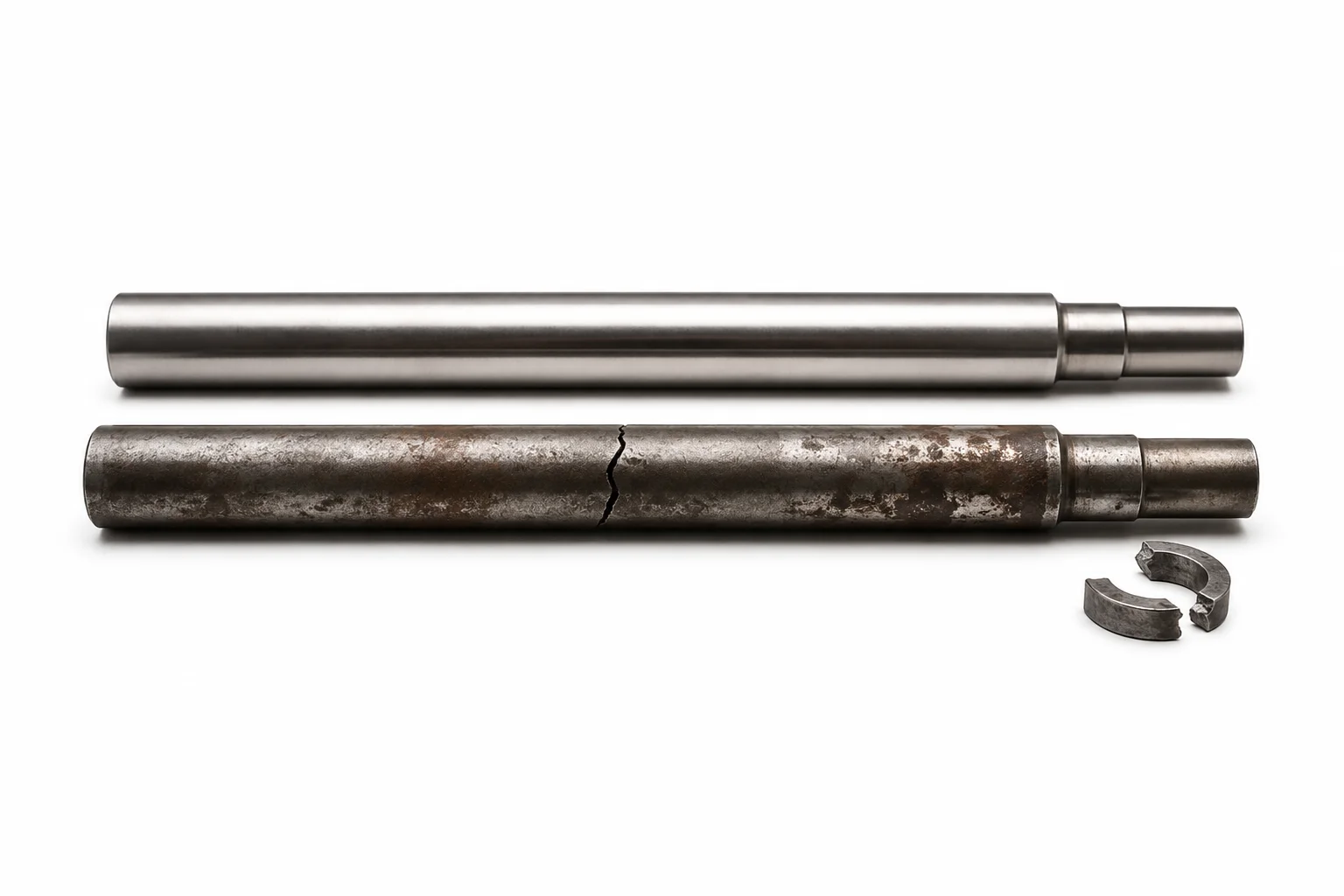
From my experience working with customers in chemical processing, oil and gas, marine engineering, aerospace, power generation, medical equipment, heat exchangers, pumps, valves, and other demanding industries, one common misunderstanding is expecting a universal service life for a material grade.
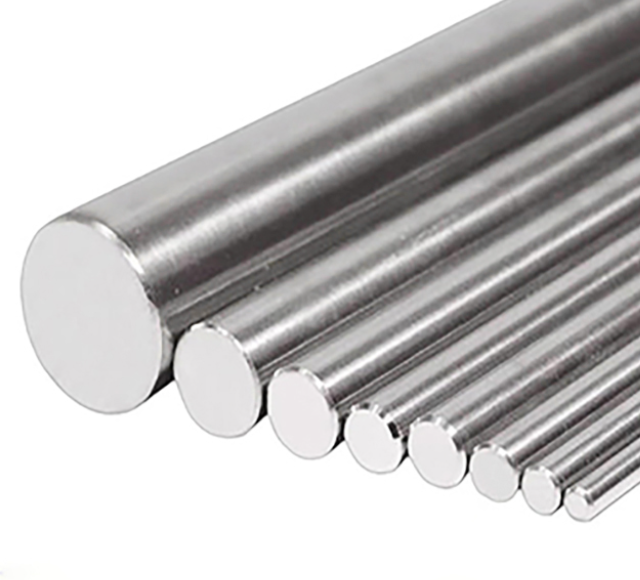
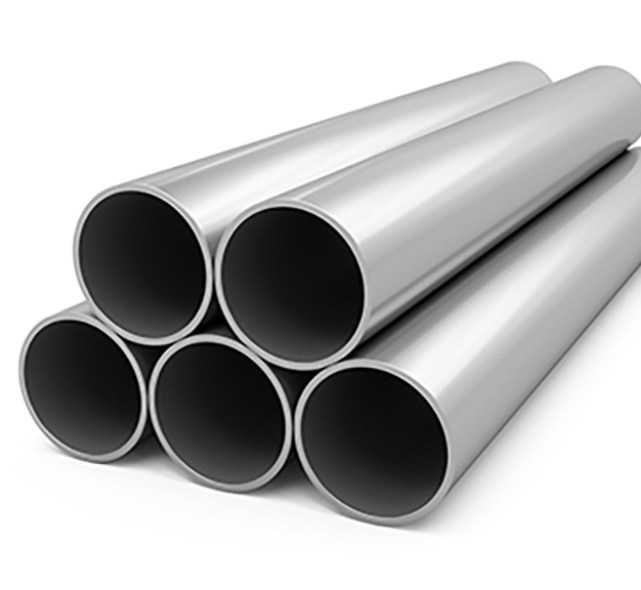
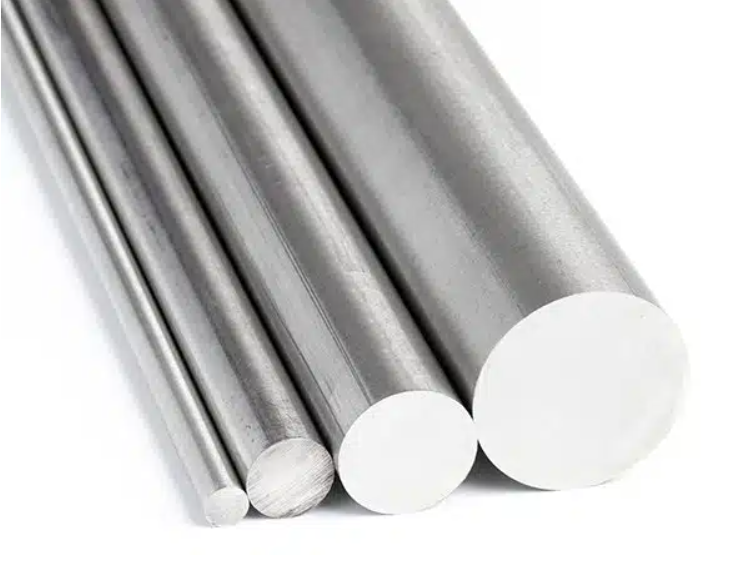
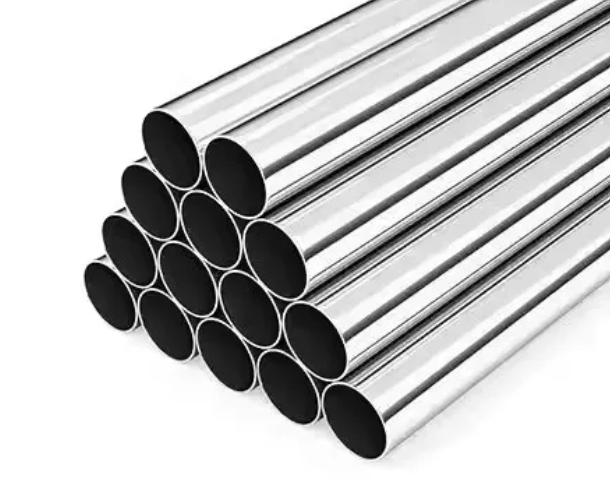
For example, the same nickel alloy tube may perform well in one chemical process but fail earlier in another if temperature, acid concentration, chloride level, flow velocity, or stress condition changes. A titanium alloy bar may provide strong corrosion resistance in many chloride-containing oxidizing environments, but it may be unsuitable in certain reducing acids, fluoride-containing media, or severe wear conditions.
That is why service life should not be treated like an expiration date. It should be evaluated as a result of material grade, working environment, design, manufacturing, inspection, and maintenance.
Quick Guide: What Controls Nickel and Titanium Alloy Service Life?
Before discussing detailed evaluation methods, buyers can start with this quick guide.
| Service Condition | Main Life-Limiting Risk | What Buyers Should Review |
|---|---|---|
| High Temperature | Creep, oxidation, reduced strength | Temperature range, heat treatment, creep/rupture data |
| Acidic Media | Uniform corrosion, localized corrosion, SCC | Acid type, concentration, pH, temperature |
| Chloride Environment | Pitting, crevice corrosion, SCC, corrosion fatigue | Chloride level, oxygen, temperature, stagnant areas |
| Seawater / Brine | Crevice corrosion, galvanic corrosion, biofouling, erosion | Flow rate, oxygen, fouling, material pairing |
| Cyclic Loading | Fatigue and corrosion fatigue | Load cycles, vibration, stress concentration |
| High Pressure | Stress, deformation, pressure cycling | Design pressure, wall thickness, strength, testing |
| Particle-Laden Fluid | Abrasion, erosion, oxide film damage | Solids content, flow velocity, hardness, surface protection |
| Welded Components | HAZ weakness, residual stress, weld corrosion | Welding method, heat treatment, NDT, weld procedure |
| Dissimilar Metal Contact | Galvanic corrosion | Electrical contact, electrolyte, insulation, design |
| Poor Surface Finish | Corrosion initiation, fatigue crack initiation | Roughness, scratches, polishing, cleaning, inspection |
This table does not give a fixed lifespan. It helps buyers identify which factors may shorten or extend service life.
Why Is Service Life Not a Fixed Number?
Material service life is not fixed because the same alloy can behave differently under different environments and loading conditions.
Service life is highly contextual. It depends on how the alloy interacts with temperature, pressure, chemical media, oxygen level, chloride level, pH, cyclic stress, creep, corrosion fatigue, stress corrosion cracking, erosion-corrosion, galvanic corrosion, surface finish, and manufacturing quality.
When customers ask, “How long will this material last?” the first thing we need to understand is the application.
Important questions include:
- What fluid or gas will contact the material?
- What is the operating temperature?
- What is the operating pressure?
- Is the environment oxidizing or reducing?
- Are chlorides, acids, alkalis, sulfur compounds, fluorides, or H₂S present?
- Is the load static or cyclic?
- Is there vibration, impact, or pressure cycling?
- Is the material welded, machined, bent, forged, or heat treated?
- Is the surface polished, pickled, ground, peeled, or bright annealed?
- Is there a maintenance or inspection plan?
Without these details, any service life estimate is only a rough assumption.
Main Factors That Define Service Life
| Factor | How It Affects Service Life | Example |
|---|---|---|
| Temperature | May accelerate oxidation, corrosion, creep, or strength reduction | Nickel alloy in high-temperature furnace parts |
| Corrosive Media | Acid type, pH, chloride, oxygen, and contaminants affect corrosion rate | Titanium tube in seawater vs hot acid |
| Pressure | Increases stress and may interact with corrosion or fatigue | High-pressure chemical tubing |
| Cyclic Loading | Repeated load can initiate and propagate fatigue cracks | Rotating shafts, vibration-prone parts |
| Corrosion Fatigue | Corrosion and cyclic stress act together to reduce fatigue life | Marine pump shafts, chemical equipment |
| Stress Corrosion Cracking | Tensile stress plus specific corrosive environment may cause cracking | Process equipment in chloride or caustic service |
| Creep | Long-term stress at high temperature can cause deformation | High-temperature nickel alloy components |
| Erosion / Abrasion | Flowing particles or high-velocity fluid can remove protective layers | Slurry service or particle-laden fluid |
| Surface Finish | Scratches, roughness, or contamination can initiate corrosion or fatigue | Polished vs rough-machined bar surface |
| Welding Quality | Poor welds or residual stress may reduce reliability | Welded tube or fabricated assembly |
| Design Geometry | Sharp corners and stress concentration can shorten life | Machined grooves, threads, keyways |
| Inspection and Maintenance | Regular inspection can detect degradation before failure | UT, ET, PMI, dimensional inspection |
How Do Application and Environment Go Beyond Simple Material Parameters?
Many buyers start with datasheet values: tensile strength, yield strength, elongation, hardness, or general corrosion resistance. These numbers are important, but they do not fully predict real service life.
Application and environmental factors interact with material properties. A high tensile strength does not guarantee long life if the material faces corrosion fatigue, stress corrosion cracking, creep, erosion-corrosion, or galvanic corrosion in service.
A material datasheet usually gives values under controlled test conditions. Real equipment operates under more complex conditions.
Temperature + Corrosion
Higher temperatures can accelerate chemical reactions and change corrosion behavior. A material that resists a chemical at room temperature may be less suitable at elevated temperature.
Nickel alloys are often reviewed for high-temperature and corrosive environments. Inconel alloys are nickel-chromium superalloys often used in extreme environments involving high temperature, pressure, mechanical loads, oxidation, or corrosion. Inconel 625 is known for high strength, resistance to elevated temperatures, corrosion resistance, and oxidation resistance.
However, even nickel alloys must be selected by exact grade, temperature, media, and standard. “Nickel alloy” alone is not enough information.
Stress + Environment
Stress corrosion cracking is the growth of cracks in a corrosive environment and can lead to unexpected failure of normally ductile metal alloys under tensile stress, especially at elevated temperature.
This means a material may look strong in a tensile test but still be at risk if it is exposed to the wrong combination of stress and corrosive media.
Fatigue + Environment
Fatigue is crack initiation and propagation due to cyclic loading. Corrosion fatigue occurs when fatigue happens in a corrosive environment under the joint action of corrosion and cyclic loading.
This is important for:
- pump shafts
- valve stems
- marine components
- aerospace components
- medical implants
- vibrating equipment
- pressure-cycling systems
- rotating parts
A material with good static strength may still fail early if cyclic loading and corrosion act together.
High Temperature + Stress
Creep is deformation under long-term stress, especially important at high temperature. For high-temperature applications, buyers should not only ask for tensile strength at room temperature. They should also review creep resistance, rupture strength, heat treatment condition, and applicable standards.
For nickel alloy bars and forgings used in moderate or high-temperature service, ASTM B637 covers precipitation-hardening and cold-worked nickel alloy rod, bar, forgings, and forging stock. The ASTM abstract includes chemical analysis, heat treatment, tension testing, hardness testing, and stress-rupture testing.
Flow + Corrosion
In some systems, high-velocity fluids or suspended particles may remove or damage protective oxide layers. This can create erosion-corrosion or accelerated surface degradation.
This is relevant for:
- heat exchanger tubes
- seawater systems
- pump components
- slurry systems
- process piping
- chemical circulation systems
Dissimilar Metals + Electrolyte
Galvanic corrosion can occur when dissimilar metals are electrically connected in the presence of an electrolyte. This is important when nickel alloys, titanium alloys, stainless steels, copper alloys, or carbon steels are used together in one assembly.
How Should Buyers Estimate Service Life in Practice?
Service life evaluation should be a structured process, not a guess.
Step 1: Define the Required Service Life
Before asking “how long will the material last,” buyers should define the target.
Examples:
- 2 years before planned replacement
- 5 years with regular inspection
- 10 years for critical equipment
- long-term operation with periodic maintenance
- project-specific design life
A material suitable for short-term non-critical use may be unsuitable for long-term safety-critical service.
Step 2: Define the Operating Conditions
Buyers should provide:
| Parameter | Information Needed |
|---|---|
| Fluid or Gas | Chemical name, concentration, pH, contaminants |
| Temperature | Normal, maximum, minimum, thermal cycling |
| Pressure | Operating pressure, design pressure, pressure cycling |
| Flow Condition | Flow rate, velocity, solids, turbulence, stagnant zones |
| Mechanical Load | Static load, cyclic load, vibration, impact, bending |
| Corrosion Risk | Pitting, crevice corrosion, SCC, galvanic corrosion, erosion-corrosion |
| Fabrication | Welding, bending, machining, heat treatment, forming |
| Surface Requirement | Pickled, polished, peeled, ground, bright annealed |
| Inspection Plan | UT, ET, hydrostatic test, PMI, dimensional inspection |
| Maintenance Plan | Cleaning, inspection interval, replacement schedule |
Step 3: Select Candidate Materials
After defining the environment, buyers can compare candidate alloys.
| Application Condition | Nickel Alloy May Be Reviewed When | Titanium Alloy May Be Reviewed When |
|---|---|---|
| High Temperature | Creep, oxidation, and strength retention are required | Usually limited compared with high-temperature nickel alloys |
| Seawater / Chloride Media | Severe chloride, pressure, or high-temperature service | Many oxidizing chloride environments and seawater applications |
| Strong Reducing Acids | Selected nickel alloys may be strong candidates | Titanium may be limited and must be reviewed carefully |
| Weight Reduction | Less favorable due to higher density | Strong candidate due to low density |
| Chemical Processing | Mixed acids, high temperature, severe corrosion | Selected oxidizing or chloride environments depending on chemistry |
| Medical / Biocompatibility | Selected alloys only | Titanium alloys are widely reviewed for implant and device applications |
| High-Strength Bars | Inconel 718, Inconel 625, Monel K-500, Hastelloy-type alloys depending on service | Ti-6Al-4V, Grade 2, Grade 5, Grade 23 depending on application |
For titanium bars and billets, ASTM B348/B348M covers titanium and titanium alloy bars and billets. The ASTM abstract states that covered materials should conform to chemical composition requirements and that tensile properties are determined from machined tension specimens.
For nickel alloy pipe and tube such as UNS N06625, ASTM B444 covers nickel-chromium-molybdenum-columbium alloys in cold-worked seamless pipe and tube form. The ASTM abstract includes chemical testing, tensile testing, hydrostatic testing, and nondestructive electric testing.
Step 4: Match Standards, Tests, and Documents
A service life discussion is weak if the material cannot be verified.
For each material order, buyers should confirm:
- material grade
- UNS number
- ASTM / ASME / EN / ISO / AMS standard
- heat treatment condition
- mechanical properties
- chemical composition
- MTR / MTC
- heat number
- inspection reports
- NDT requirements
- surface finish
- packing and marking
- third-party inspection if required
Step 5: Define Inspection and Maintenance Strategy
Even high-performance materials need inspection and maintenance. A good material selection may reduce risk, but it does not remove the need for monitoring.
Depending on the application, buyers may need:
- visual inspection
- dimensional inspection
- ultrasonic testing
- eddy current testing
- hydrostatic testing
- hardness testing
- PMI testing
- corrosion monitoring
- scheduled replacement
- cleaning and passivation procedures
What Documentation Should Buyers Demand from Suppliers?
Supplier documentation is one of the most important parts of service life evaluation. Without proper documents, buyers cannot confidently connect the delivered material to its chemical composition, mechanical properties, heat treatment, and test results.
To assess material suitability and projected service life, buyers should request Material Test Reports, heat number traceability, applicable standards, test reports, inspection records, and evidence of quality management processes. A Mill Test Report or Material Test Certificate certifies a metal product’s chemical and physical properties and states compliance with applicable standards. A heat number links the metal product to a specific batch or heat, supporting traceability to composition, manufacturing process, and quality assurance records.
Key Documents to Request
| Document | What It Shows | Why It Matters |
|---|---|---|
| MTR / MTC | Chemical composition, mechanical properties, standard compliance | Confirms batch-level material data |
| Heat Number Traceability | Links material to a specific heat or batch | Supports traceability and issue investigation |
| Certificate of Conformance | Confirms product meets purchase order requirements | Useful for project acceptance and documentation |
| Chemical Analysis Report | Verifies actual alloy composition | Helps avoid wrong material or off-spec supply |
| Mechanical Test Report | Tensile, yield, elongation, hardness, impact if required | Supports strength and design review |
| NDT Report | UT, ET, PT, MT, or other inspection results | Helps detect internal or surface defects |
| Corrosion Test Report | Application-specific corrosion evidence where required | Useful for severe chemical or marine service |
| Heat Treatment Record | Confirms annealing, solution annealing, aging, or stress relief | Important for strength, toughness, and corrosion behavior |
| Dimensional Inspection Report | Confirms size, tolerance, straightness, wall thickness | Reduces machining and assembly risk |
| Packing List and Marking | Connects shipment to heat numbers and order items | Supports traceability after delivery |
Quality Management System
ISO 9001 is a globally recognized quality management system standard. It supports structured process control, audits, continual improvement, and customer confidence.
However, ISO 9001 is not the same as batch-level material certification. For nickel and titanium alloy products, buyers still need MTRs, heat number traceability, test reports, inspection records, and project-specific acceptance criteria.
What Supplier Questions Help Evaluate Service Life?
A reliable supplier should not give only a simple material name and price. For critical applications, the supplier should help the buyer review service conditions and documentation requirements.
Questions Buyers Should Ask
| Area | Questions to Ask |
|---|---|
| Material Grade | Which alloy grade and UNS number are you quoting? |
| Standard | Which ASTM, ASME, EN, ISO, AMS, or customer standard applies? |
| Operating Environment | Have you reviewed the fluid, temperature, pressure, pH, chloride, H₂S, or acid condition? |
| Service Life Target | Is the material suitable for my expected service life and inspection interval? |
| Heat Treatment | What heat treatment condition will be supplied? |
| Testing | Which chemical, mechanical, NDT, hydrostatic, corrosion, or hardness tests are included? |
| Traceability | Can each item be traced by heat number? |
| Documentation | Can you provide MTR, CoC, inspection report, and packing list? |
| Surface Finish | What surface condition is supplied, and can it be customized? |
| Fabrication Support | Can the material be welded, machined, bent, or formed as required? |
| Limitations | What are the known limitations of this alloy in my environment? |
| Third-Party Inspection | Can SGS, BV, TUV, Lloyd’s, or customer-appointed inspection be arranged? |
A good supplier should be willing to discuss limitations, not only advantages. If a supplier says one alloy is “perfect for all environments,” that is a warning sign.
How Does Service Life Evaluation Reduce Operational Risk?
Service life evaluation helps buyers reduce the risk of premature failure, maintenance surprises, downtime, safety incidents, and unnecessary replacement.
Evaluating service life is part of total cost and risk management. Total cost of ownership includes direct and indirect costs across a product or service life cycle, while whole-life cost includes acquisition, operation, maintenance, renewal, replacement, and disposal costs.
A material with a lower purchase price may become more expensive if it fails early. A higher-performance alloy may be more expensive upfront but may reduce replacement frequency, downtime risk, and maintenance cost when correctly selected.
Risk Factors Affected by Service Life
| Risk Factor | How Poor Material Selection Increases Risk | How Better Service Life Evaluation Helps |
|---|---|---|
| Premature Failure | Material fails before expected operation period | Match alloy to environment, load, and standard |
| Downtime | Equipment shutdown for repair or replacement | Select material based on lifecycle risk |
| Maintenance Cost | Frequent inspection, repair, cleaning, or replacement | Choose suitable corrosion and wear resistance |
| Safety Risk | Leakage, fracture, or pressure failure | Verify material, testing, and documentation |
| Environmental Risk | Hazardous fluid leakage or contamination | Confirm chemical compatibility and inspection |
| Inventory Risk | Emergency replacement material needed | Plan service intervals and spare parts |
| Quality Risk | Wrong material or missing traceability | Require MTR, heat number, and inspection reports |
Cost Factors to Include
| Cost Factor | Why It Matters |
|---|---|
| Initial Material Cost | Visible price in the quotation |
| Fabrication Cost | Machining, welding, forming, heat treatment |
| Inspection Cost | UT, ET, PMI, hydrostatic, third-party inspection |
| Maintenance Cost | Cleaning, inspection, repair, replacement |
| Downtime Cost | Lost production or delayed project delivery |
| Replacement Cost | New material, labor, logistics, requalification |
| Documentation Cost | MTR, CoC, third-party inspection, compliance |
| Disposal Cost | Removal, scrap, environmental handling |
| Risk Cost | Safety, liability, environmental, reputation risk |
The correct question is not only:
What is the material price?
The better question is:
What is the expected cost and risk over the full service life?
Practical Examples of Service Life Evaluation
Example 1: Nickel Alloy Tube in Chemical Processing
A nickel alloy tube used in chemical processing may face acid, chloride, temperature fluctuation, and pressure. In this case, buyers should review not only the alloy grade, but also:
- exact chemical composition of the process fluid
- acid concentration
- temperature range
- pressure cycling
- chloride level
- oxidizing or reducing condition
- tube standard
- hydrostatic or NDT testing
- MTR and heat number traceability
A suitable nickel alloy may extend service life, but only if it matches the real chemical environment.
Example 2: Titanium Tube in Seawater or Brine
A titanium tube used in seawater or brine may offer strong corrosion resistance in many oxidizing chloride environments. Titanium forms a protective passivation layer that supports excellent resistance against many oxidizing environments.
However, titanium must still be reviewed carefully in reducing acids, fluoride-containing media, hot hydrochloric acid, and hot sulfuric acid. Buyers should not assume titanium works in every corrosive environment.
Example 3: Nickel Alloy Bar for High-Temperature Components
A nickel alloy bar used in high-temperature components may require creep resistance, oxidation resistance, and stress-rupture performance. In this case, room-temperature tensile strength is not enough.
Buyers should review:
- high-temperature service temperature
- heat treatment condition
- hardness requirement
- creep or rupture requirement
- ASTM B637 or project standard
- surface finish
- machining allowance
- UT or other inspection requirements
Example 4: Titanium Bar for Lightweight Structural Components
A titanium alloy bar may be selected where low density, corrosion resistance, and strength-to-weight ratio are important. But service life depends on:
- cyclic loading
- surface finish
- stress concentration
- fatigue requirement
- corrosion environment
- machining quality
- heat treatment condition
- inspection level
For fatigue-sensitive components, surface scratches, sharp corners, and poor machining can reduce service reliability.
What Should Buyers Provide Before Asking About Service Life?
If you ask a supplier, “How long will this material last?” the answer depends on how much information you provide.
Service Life Evaluation Checklist
| Area | Information to Provide |
|---|---|
| Material Type | Nickel alloy, titanium alloy, or material to be recommended |
| Grade / UNS Number | Example: UNS N06625, UNS N07718, UNS R50400, UNS R56400 |
| Product Form | Tube, pipe, round bar, forged bar, rod, billet |
| Standard | ASTM, ASME, EN, ISO, AMS, NACE/ISO if applicable |
| Size | OD, wall thickness, diameter, length, tolerance |
| Operating Fluid | Chemical name, concentration, pH, chloride, H₂S, seawater, brine |
| Temperature | Normal, maximum, minimum, thermal cycling |
| Pressure | Operating pressure, design pressure, pressure cycling |
| Load Type | Static load, cyclic load, vibration, impact, bending |
| Flow Condition | Flow rate, velocity, solids, erosion risk |
| Corrosion Concern | Pitting, crevice corrosion, SCC, galvanic corrosion, corrosion fatigue |
| Fabrication | Welding, bending, machining, threading, forming |
| Surface Finish | Pickled, polished, bright annealed, peeled, ground |
| Testing | Chemical, tensile, hardness, UT, ET, PMI, hydrostatic, corrosion test |
| Documentation | MTR, CoC, heat number, inspection report, third-party inspection |
| Expected Service Life | Target years, inspection interval, maintenance plan |
| Failure Consequence | Non-critical, production shutdown, safety-critical, environmental risk |
The more complete the information, the more realistic the service life evaluation will be.
How Can Emily PIPE Support Service Life Evaluation?
At Emily PIPE, we supply nickel alloy tubes, nickel alloy bars, titanium alloy tubes, and titanium alloy bars for demanding industrial applications. We help customers review material options based on:
- material grade
- UNS number
- operating environment
- corrosion risk
- temperature and pressure
- mechanical load
- product standard
- heat treatment condition
- testing requirements
- MTR and heat number traceability
- surface finish
- packaging and delivery
We do not recommend selecting materials by grade name alone. Instead, we help buyers match nickel and titanium alloy materials to drawings, technical specifications, and real application environments.
Conclusion
Evaluating the service life of nickel and titanium alloy materials is not a simple lookup. There is no universal number that applies to every application.
Service life depends on the interaction between material properties and real operating conditions, including temperature, pressure, corrosive media, cyclic loading, creep, corrosion fatigue, stress corrosion cracking, erosion, galvanic effects, surface finish, fabrication quality, inspection, and maintenance.
A reliable service life evaluation should combine engineering review, correct material selection, applicable standards, batch-level documentation, heat number traceability, and lifecycle cost analysis.
If you are not sure how long a nickel or titanium alloy material may last in your application, you can send us your material grade, product form, size, operating fluid, temperature, pressure, corrosion condition, standard, testing requirements, and expected service life. Our team can help review suitable material options and provide a quotation based on your real working conditions.