
Many metallic high-purity chemical lines require carefully selected corrosion-resistant alloys because material selection affects corrosion resistance, surface cleanliness, product purity, leakage risk, maintenance frequency and long-term operating cost.
For buyers, the question is not only:
“Which alloy is corrosion resistant?”
A better question is:
“Which material can handle my actual chemical concentration, purity requirement, temperature, pressure, flow condition, contamination limit, cleaning method and inspection requirement?”
Quick Answer:
High-purity chemical lines often need corrosion-resistant alloys because aggressive chemicals, trace impurities, localized corrosion, metal ion leaching, surface contamination and cleaning conditions may affect product purity and system reliability. Suitable material selection should consider fluid chemistry, concentration, pH, temperature, pressure, flow rate, oxidizing or reducing condition, purity limits, surface finish, welding, testing, MTR / MTC, heat number traceability and supplier verification. Standard datasheets are useful, but they should not replace application-specific material review.
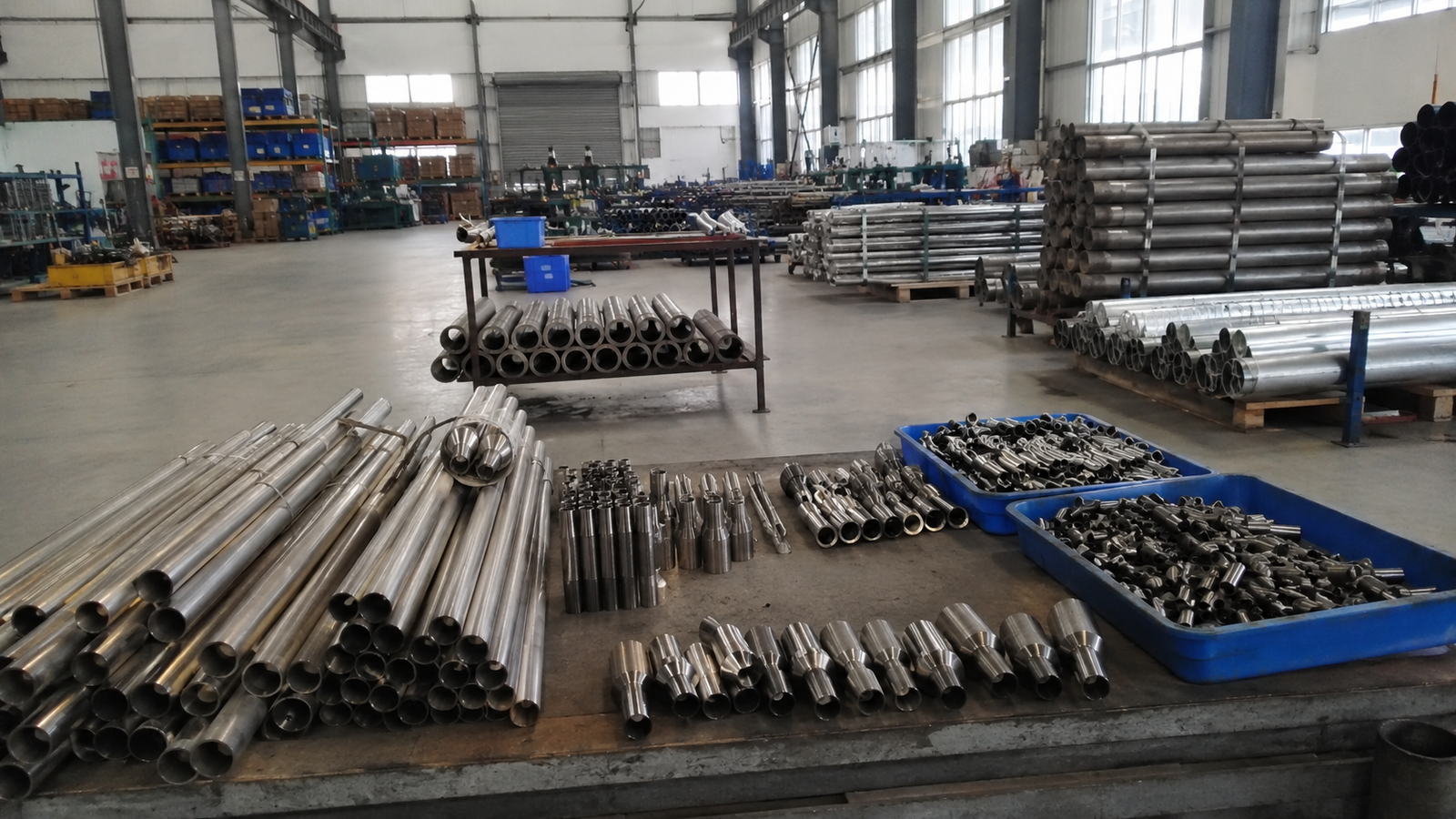
AMPP explains that no material is resistant to all corrosive situations and that materials selection is critical to preventing many types of failures: AMPP Materials Selection and Design for Corrosion Control.
The NIST corrosion performance database shows that corrosion observations are tied to particular environments, including concentrations and temperatures: NIST Corrosion Performance Databases.
This is why high-purity chemical line material selection should begin with the real process environment, not only with a general alloy name.
How Do High-Purity Chemicals Create Unique Corrosion Challenges?
High-purity chemical lines can be more sensitive than general chemical service because small changes in surface condition, contamination, trace ions or corrosion products may affect the process.
In some systems, the problem is not only pipe or tube failure. It may also be product contamination, metal ion release, particle generation, surface roughness, cleaning difficulty or loss of process control.
High-purity chemical lines need materials that can resist chemical attack while also supporting cleanliness, low contamination risk and stable surface condition.
ASME states that the ASME BPE standard provides requirements for equipment used in bioprocessing, pharmaceutical and personal-care product industries, as well as other applications with relatively high hygienic requirements. ASME also notes that the BPE program incorporates practices for enhancing product purity and safety: ASME Bioprocessing Equipment Certification.
A PMC paper on metal leachables in biologics manufacturing notes that metals can leach from product-contacting equipment during manufacturing, packaging, shipping or storage: Biologics Formulation Factors Affecting Metal Leachables.
This supports a practical point for buyers: in high-purity systems, corrosion resistance and contamination control should be considered together.
What Corrosion Risks Should Buyers Consider?
Corrosion in high-purity chemical lines is not always uniform. Localized corrosion can be more dangerous because the affected area may be small, but the process impact can be serious.
NASA’s corrosion resources list multiple forms of corrosion, including pitting, crevice corrosion, intergranular corrosion, stress corrosion cracking, hydrogen embrittlement and corrosion fatigue: NASA Forms of Corrosion.
Common Corrosion Risks in High-Purity Chemical Lines
| Corrosion Risk | What It Means | Why It Matters in High-Purity Lines |
|---|---|---|
| General Corrosion | Broad material loss over the exposed surface | May increase metal ion release and reduce wall thickness |
| Pitting Corrosion | Small localized holes form on the surface | May create leakage risk even when general corrosion is low |
| Crevice Corrosion | Local attack occurs in gaps, joints or under deposits | May occur around gaskets, welds, fittings or stagnant zones |
| Intergranular Corrosion | Grain boundaries are attacked | May weaken material after improper heat treatment or welding |
| Stress Corrosion Cracking | Cracking occurs under tensile stress and corrosive environment | May create unexpected leakage in susceptible materials |
| Erosion-Corrosion | Flow and corrosion act together | May occur with high velocity, particles or turbulence |
| Under-Deposit Corrosion | Corrosion occurs beneath deposits or residues | Important when cleaning, filtration or surface finish is insufficient |
| Galvanic Corrosion | Dissimilar metals create electrochemical attack | Important in mixed-material systems |
A material that performs well in one chemical may not perform well in another. Concentration, pH, temperature, oxidizers, reducing agents, chlorides, water content and additives can all change corrosion behavior.
Why Are Technical Data Sheets Not Enough?
Technical data sheets are useful. They help buyers compare chemical composition, mechanical properties, general corrosion data and typical applications.
But data sheets may not include the exact operating conditions of your process.
Datasheets should be treated as starting references, not final proof of suitability for high-purity chemical lines.
ASTM G31 explains that laboratory immersion corrosion tests are influenced by many factors, including test solution composition, temperature, gas sparging, fluid motion, solution volume, test duration, specimen support and cleaning method: ASTM G31.
This means a corrosion rate from one test condition may not represent every real chemical line.
Real-World Factors That May Not Appear on a Datasheet
| Factor | Why It Matters |
|---|---|
| Exact Chemical Concentration | Corrosion behavior can change with concentration |
| Trace Impurities | Small impurities or additives may change localized corrosion risk |
| Temperature Range | Maximum, minimum, startup and cleaning temperatures matter |
| Flow Velocity | High velocity may increase erosion; low flow may create stagnation |
| Turbulence | May affect protective films and deposit formation |
| Pressure | Affects mechanical design and leakage consequence |
| Oxygen / Oxidizer Level | May change passivation or corrosion reactions |
| Reducing Conditions | Important for titanium and nickel alloy selection |
| Cleaning Chemicals | May be more aggressive than normal process fluid |
| Shutdown Conditions | Stagnant chemicals during shutdown may create local attack |
| Welding and Fabrication | Heat-affected zones and residual stress may affect corrosion |
| Surface Finish | May affect cleaning, fouling and localized corrosion initiation |
A better material selection process should combine datasheets, corrosion references, process data, testing requirements and supplier documentation.
How Do Impurities and Leachables Affect High-Purity Chemical Lines?
In high-purity systems, even small amounts of contamination can matter.
The contamination may come from:
- Corrosion products
- Metal ion leaching
- Surface residues
- Welding oxides
- Cleaning residues
- Particles
- Gasket or seal materials
- Poor packaging
- Incomplete flushing or passivation
- Mixed material contact
Why Metal Ion Leaching Matters
If the metal surface slowly dissolves or reacts with the process fluid, metallic ions may enter the chemical stream. In some industries, this may affect yield, purity, formulation stability, downstream process performance or customer specifications.
This is why buyers should ask:
- What purity level is required?
- Which metal ions are critical?
- What is the maximum allowable contamination level?
- Is the process sensitive to iron, nickel, chromium, molybdenum or titanium ions?
- Is the line used for pharmaceutical, semiconductor, battery, specialty chemical or high-value intermediate production?
- Is surface finish or electropolishing required?
- Is cleaning validation required?
- Is passivation or surface treatment required?
High-purity chemical lines should be designed around both corrosion resistance and contamination control.
Which Materials May Be Considered?
There is no single “best” alloy for all high-purity chemical lines.
The right material depends on chemical type, concentration, temperature, pH, oxidizing or reducing condition, contamination limit, pressure, mechanical stress, fabrication method and cleaning requirement.
Material Families to Evaluate
| Material Family | When It May Be Evaluated | Important Caution |
|---|---|---|
| 316L Stainless Steel | Moderate chemical service, hygienic systems, lower corrosion risk | Chlorides, acids, high temperature and contamination limits must be reviewed |
| Super Austenitic Stainless Steel | Higher chloride or corrosion resistance than common stainless steels | Cost, availability, welding and actual chemistry must be checked |
| Duplex / Super Duplex Stainless Steel | Higher strength and chloride resistance needs | Phase balance, welding and temperature limitations matter |
| Nickel Alloys | Aggressive acids, chlorides, caustic, high temperature or mixed chemical service depending on grade | Exact alloy must match chemical, pH, temperature and oxidizing / reducing condition |
| Titanium Alloys | Many oxidizing chloride environments, selected high-purity and seawater-related applications | Reducing acids, hydrogen, crevices and cleaning chemistry need review |
| Fluoropolymers or Linings | Some high-purity and aggressive chemical transfer systems | Temperature, pressure, permeability, mechanical load and compatibility must be reviewed |
For metallic chemical lines, nickel alloys and titanium alloys are often evaluated when common stainless steels are not suitable. But final selection should be based on actual service conditions.
Nickel Alloys for High-Purity Chemical Lines
Nickel alloys may be evaluated for demanding chemical environments because different nickel alloy grades offer different combinations of corrosion resistance, strength, thermal stability and fabricability.
Nickel Alloy Options to Review
| Alloy Family | Possible Use Case | Buyer Review Point |
|---|---|---|
| Alloy 625 / UNS N06625 | Selected chloride, chemical, high-temperature or corrosion-resistant systems | Confirm acid type, chloride level, temperature, pH and standard |
| Alloy 825 / UNS N08825 | Selected acid, chloride and chemical process environments | Confirm oxidizing / reducing condition and concentration |
| Alloy C276 / UNS N10276 | Selected aggressive chemical environments | Confirm actual acid chemistry, temperature, oxidizers and impurities |
| Alloy 20 / UNS N08020 | Selected sulfuric acid and chemical processing service | Confirm concentration, temperature and chloride condition |
| Nickel 200 / UNS N02200 | Selected caustic or high-purity applications | Confirm temperature, sulfur compounds and strength requirement |
ASTM G28 covers test methods for detecting susceptibility to intergranular corrosion in wrought nickel-rich, chromium-bearing alloys: ASTM G28.
ASTM G48 covers pitting and crevice corrosion resistance testing of stainless steels and related alloys using ferric chloride solution: ASTM G48.
These tests may be useful when required by the project specification, but they do not guarantee performance in every real process environment.
Titanium Alloys for High-Purity Chemical Lines
Titanium alloys may be evaluated for selected high-purity and chemical environments, especially where low density, chloride resistance or a stable oxide film is useful.
However, titanium is not suitable for every chemical environment.
A titanium corrosion paper hosted by the U.S. Nuclear Regulatory Commission explains that titanium corrosion resistance is due to a stable, protective and strongly adherent oxide film: Corrosion Resistance of Titanium.
Buyers should review:
- Oxidizing or reducing condition
- Acid type and concentration
- Chloride level
- Fluoride risk
- Hydrogen-related conditions
- Crevice risk
- Temperature
- Cleaning chemistry
- Surface condition
- Titanium grade
ASTM B600 covers descaling and cleaning procedures for titanium and titanium alloy surfaces, including removal of shop soils, oxides, scale and surface contaminants: ASTM B600.
This is relevant when surface condition and cleanliness are important to the project.
Why Surface Finish and Cleanliness Matter
For high-purity chemical lines, surface condition can be as important as material grade.
A poor surface may trap residues, accelerate localized corrosion, make cleaning difficult, or release particles into the process stream.
Surface and Cleanliness Factors
| Factor | Why It Matters |
|---|---|
| Surface Roughness | Affects cleaning, residue retention and particle trapping |
| Pickling | Removes scale and surface oxides after processing |
| Passivation | Supports stable surface condition for stainless steels when properly specified |
| Electropolishing | May improve surface smoothness and cleanability in selected systems |
| Clean ID / OD | Important for high-purity transfer lines |
| End Caps and Packaging | Protects cleanliness during shipment |
| Welding Oxide Control | Helps reduce contamination and corrosion initiation risk |
| Flushing and Cleaning | Removes particles and residues before operation |
ASTM A967 covers chemical passivation treatments for stainless steel parts and includes recommendations and precautions for descaling, cleaning and passivation: ASTM A967.
ASTM G93 provides guidance for cleanliness levels and cleaning methods for materials and equipment used in oxygen-enriched environments. It also notes that contamination control is important to minimize hazards and ensure acceptable product purity: ASTM G93.
Even if ASTM G93 is specific to oxygen-enriched environments, it supports a broader procurement lesson: cleanliness requirements must be defined clearly and verified with appropriate procedures.
What Are the Hidden Costs of Choosing the Wrong Alloy?
The lowest initial material price is not always the lowest-risk option.
If the selected alloy is not suitable for the chemical line, buyers may face:
- Product contamination
- Metal ion leaching
- Batch rejection
- Process instability
- Leakage
- Emergency shutdown
- Investigation cost
- Cleaning and flushing cost
- Replacement cost
- Compliance concerns
- Longer qualification time
- Loss of customer confidence
Buyers should compare life-cycle cost, not only purchase price.
The U.S. Environmental Protection Agency defines life-cycle cost as original cost minus salvage value plus operating costs, maintenance costs, renewal costs and decommissioning costs: EPA Life Cycle and Replacement Costs.
The U.S. Department of Energy’s O&M Best Practices Guide describes reactive maintenance as allowing equipment to run to failure and then repairing or replacing damaged equipment when obvious problems occur: DOE O&M Best Practices Guide.
For high-purity chemical lines, the material cost should be compared with downtime risk, product value, purity requirement, cleaning cost, qualification cost and replacement difficulty.
How Should Buyers Evaluate Alloys for Critical Chemical Applications?
A structured evaluation helps buyers avoid relying only on price or general datasheets.
Alloy Evaluation Framework
| Evaluation Point | What to Confirm | Why It Matters |
|---|---|---|
| Chemical Type | Acid, alkali, solvent, oxidizer, reducer, chloride-containing media | Determines basic compatibility |
| Concentration | Normal and maximum concentration | Corrosion may change with concentration |
| Temperature | Normal, maximum, cleaning and shutdown temperature | Affects corrosion and strength |
| pH | Normal and upset condition | Important for corrosion mechanism |
| Impurities | Chlorides, fluorides, metal ions, oxidizers, water content | Trace species may change corrosion behavior |
| Flow Condition | Velocity, turbulence, stagnant zones | Affects erosion, deposition and corrosion |
| Purity Requirement | Acceptable metal ion, particle and residue limits | Determines cleanliness and surface requirements |
| Surface Finish | Pickled, polished, electropolished, clean ID / OD | Affects cleanability and contamination control |
| Mechanical Requirement | Pressure, vibration, fatigue, thermal cycling | Material must handle mechanical loads |
| Fabrication | Welding, bending, machining, tube expansion | Affects stress, surface condition and heat-affected zones |
| Testing | Chemical, mechanical, PMI, corrosion, NDT, cleanliness | Verifies compliance with purchase requirements |
| Documentation | MTR / MTC, heat number, inspection report, certificate | Supports traceability and quality review |
| Lifecycle Cost | Purchase, installation, cleaning, downtime, replacement | Helps compare long-term risk |
What Should Buyers Request from Suppliers?
A qualified supplier should help clarify the technical scope, but the buyer should still define the requirements clearly.
Supplier Verification Checklist
| Item | What to Ask |
|---|---|
| Material Grade | Exact alloy grade and UNS number |
| Product Standard | ASTM / ASME / EN / ISO / customer specification |
| Product Form | Tube, pipe, bar, fitting, flange, machined part |
| Surface Condition | Pickled, polished, bright, electropolished, clean ID / OD |
| Heat Treatment | Annealed, solution annealed, stress relieved if required |
| MTR / MTC | Batch-specific chemical and mechanical data |
| Heat Number | Traceability to production batch |
| PMI / Grade Verification | Confirmation of alloy identity |
| NDT | Eddy current, ultrasonic, hydrostatic or other test if required |
| Corrosion Test | G28, G48 or customer-specified test if required |
| Cleanliness Requirement | Cleaning method, packaging, caps, residue control |
| Third-Party Inspection | SGS, BV, TÜV, ABS, LRQA or buyer-appointed inspection if required |
| Packaging | Clean packaging, end caps, marking and export protection |
| Experience | Similar chemical line applications or material supply history |
ASTM E1476 provides guidance for nondestructive identification and sorting of metals: ASTM E1476.
ISO explains that the ISO 9000 family helps organizations improve product and service quality and consistently meet customer expectations: ISO 9000 Family.
However, ISO certification does not replace batch-specific MTR, heat number traceability, inspection records, cleanliness requirements or project-specific corrosion review.
RFQ Checklist for High-Purity Chemical Lines
Before requesting a quotation, buyers should prepare the following information.
| RFQ Item | What to Provide |
|---|---|
| Application | High-purity chemical transfer, reactor feed line, solvent line, acid line, cleaning line |
| Product Form | Tube, pipe, bar, fitting, flange, valve part or machined component |
| Material Grade | Nickel alloy, titanium alloy, stainless steel or open to recommendation |
| Product Standard | ASTM / ASME / EN / ISO / customer standard |
| Size | OD, wall thickness, length, tolerance |
| Quantity | Pieces, meters, kilograms or tons |
| Chemical Medium | Chemical name, concentration and purity grade |
| Impurities | Chlorides, fluorides, metal ions, oxidizers, water content, additives |
| Temperature | Normal, maximum, startup, shutdown and cleaning temperature |
| Pressure | Operating pressure and design pressure |
| pH | Normal and upset condition |
| Flow Condition | Velocity, turbulence, stagnant zones, solids |
| Oxidizing / Reducing Condition | Aerated, deaerated, oxidizing or reducing |
| Purity Requirement | Metal ion limit, particle limit, residue limit if applicable |
| Surface Finish | Pickled, polished, electropolished, Ra requirement, clean ID / OD |
| Cleaning Method | Chemical cleaning, flushing, passivation, sterilization if applicable |
| Welding / Fabrication | Welding, bending, machining, tube expansion or assembly |
| Testing | PMI, chemical analysis, tensile, hardness, NDT, corrosion testing |
| Documentation | MTR / MTC, heat number, certificate, inspection reports |
| Inspection | Internal, customer or third-party inspection |
| Packaging | End caps, clean packaging, wooden case, special labeling |
| Delivery | Required date, destination and shipping method |
This information helps suppliers quote the same scope and reduces the risk of material mismatch or documentation gaps.
Example RFQ Wording
Buyers can use wording like this:
“Please quote corrosion-resistant alloy tubes for a high-purity chemical line. Medium: high-purity acid, concentration %, operating temperature °C, maximum temperature °C, pressure MPa, chloride level ppm, pH , flow velocity ___ m/s. Surface finish: clean ID / OD, pickled or polished as required. MTR / MTC, heat number traceability, chemical analysis, tensile test, dimensional inspection, surface inspection and PMI required. Please quote third-party inspection and clean packaging options.”
For nickel alloy:
“Please quote Alloy C276 / UNS N10276 or suitable nickel alloy tubes according to project requirement. Application: high-purity chemical transfer line. Please review acid type, concentration, temperature, chloride level, oxidizing / reducing condition and cleanliness requirements. MTR / MTC, heat number, PMI, surface inspection and corrosion testing option required.”
For titanium:
“Please quote titanium tubes for high-purity chemical line service. Please review chemical medium, reducing condition, fluoride risk, hydrogen-related risk, temperature, crevice condition and cleaning chemistry. MTR / MTC, heat number traceability, surface inspection and clean packaging required.”
This is clearer than simply writing:
“Please quote corrosion-resistant tubes for chemical service.”
How Emily PIPE Supports High-Purity Chemical Line Buyers
Emily PIPE is a China-based manufacturer and exporter specializing in nickel alloy tubes, nickel alloy bars, titanium alloy tubes and titanium alloy bars. We support customers across chemical processing, oil and gas, marine engineering, aerospace, power generation, medical equipment, heat exchangers and other corrosion-resistant or high-temperature applications.
For high-purity chemical line projects, we can support:
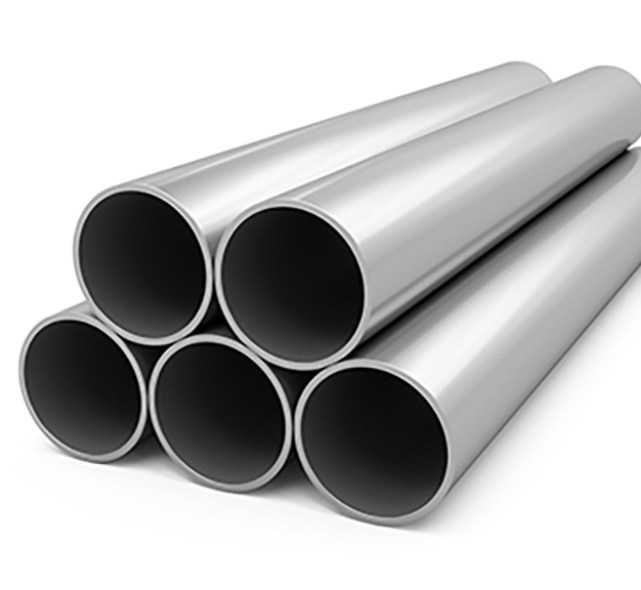
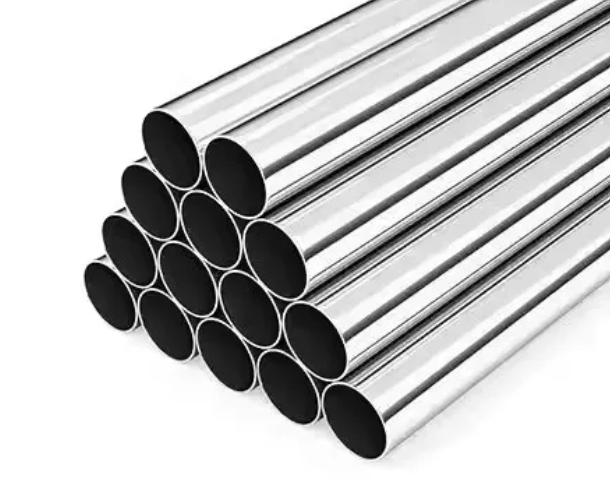
- Nickel alloy tubes and pipes
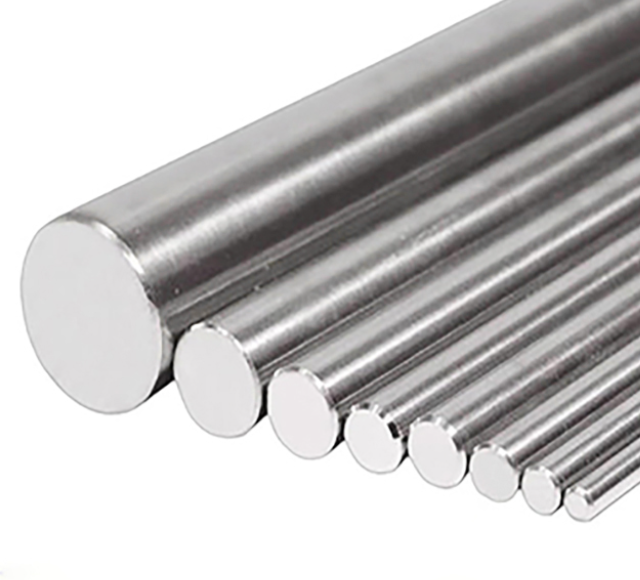
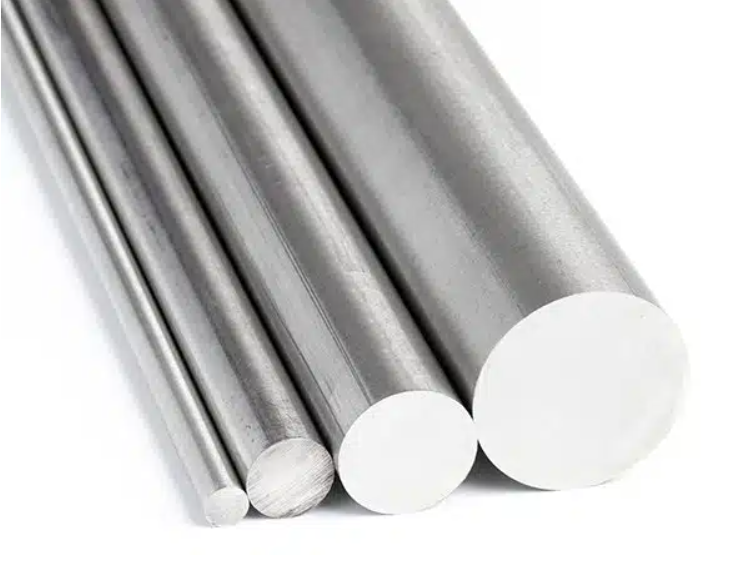
- Nickel alloy bars for machined parts
- Titanium alloy tubes and pipes
- Titanium alloy bars for machined parts
- Alloy 625, Alloy 825, Alloy C276, Alloy 20, Monel 400, Nickel 200 and other grades according to project requirements
- Titanium Grade 2, Grade 7, Grade 12 and other titanium grades according to application review
- Custom OD, wall thickness, length, tolerance and surface condition
- MTR / MTC and heat number traceability
- Dimensional and surface inspection
- PMI, chemical analysis, tensile, hardness, eddy current, ultrasonic, hydrostatic and other testing support when required
- Third-party inspection support
- Export packaging and logistics support
Our role is not to claim that one alloy is suitable for every high-purity chemical line. Our role is to help buyers clarify chemical medium, concentration, purity requirement, temperature, pressure, surface finish, testing, documentation and delivery needs before production.
If you are selecting materials for high-purity chemical lines, please send your chemical medium, concentration, purity requirement, temperature, pressure, pH, impurities, oxidizing or reducing condition, flow condition, surface finish requirement, testing requirement, documentation requirement and destination. Our team can help review your requirements and provide a suitable quotation.
FAQ: Corrosion-Resistant Alloys for High-Purity Chemical Lines
1. Why do high-purity chemical lines need corrosion-resistant alloys?
They may need corrosion-resistant alloys because corrosion can affect wall thickness, leakage risk, metal ion release, particle generation, surface cleanliness and product purity.
2. Are standard stainless steels enough for high-purity chemical lines?
Sometimes yes, but not always. Stainless steel suitability depends on chemical type, concentration, chloride level, temperature, pH, surface finish, cleaning method and purity requirement.
3. Are nickel alloys suitable for all chemical lines?
No. Nickel alloys must be selected according to acid type, concentration, temperature, pH, chloride level, oxidizing or reducing condition and mechanical requirements.
4. Are titanium alloys suitable for all high-purity chemical lines?
No. Titanium may be suitable for selected environments, but reducing acids, fluorides, hydrogen-related conditions, crevices and cleaning chemicals must be reviewed.
5. Why are datasheets not enough for material selection?
Datasheets provide useful baseline information, but they may not include the buyer’s actual concentration, temperature cycle, impurities, flow condition, cleaning chemistry or purity limits.
6. What is metal ion leaching?
Metal ion leaching means metallic ions enter the process stream from product-contacting equipment. In high-purity systems, this may affect purity, yield or downstream process performance.
7. What documents should buyers request?
Buyers should request MTR / MTC, heat number traceability, chemical composition, mechanical properties, dimensional inspection, surface inspection, PMI or grade verification, NDT reports and third-party inspection documents when required.
8. Why does surface finish matter?
Surface finish can affect cleanability, residue retention, particle generation and localized corrosion initiation. Buyers should specify pickled, polished, electropolished, clean ID / OD or Ra requirements when needed.
Conclusion
High-purity chemical line material selection should not be based only on general corrosion resistance or initial price.
Buyers should review the full system: chemical medium, concentration, pH, temperature, pressure, impurities, oxidizing or reducing condition, flow, surface finish, cleaning method, purity limits, testing, MTR / MTC, heat number traceability and supplier capability.
For nickel alloy and titanium materials, good sourcing starts with application data and ends with traceable, tested and properly documented supply.