
How to Choose Alloy Materials for Specialty Gas Handling Equipment
Choosing alloy materials for specialty gas handling equipment is not only about selecting a strong or corrosion-resistant metal. The material must be reviewed together with the gas type, purity requirement, pressure, temperature, moisture level, surface finish, cleanliness, documentation, and safety requirements.
Specialty gas systems may involve high-purity gases, reactive gases, corrosive gases, oxidizing gases, flammable gases, toxic gases, or mixed gases. A material that works well in one gas service may not be suitable in another. Even small changes in moisture, temperature, pressure, or surface condition can affect material behavior.
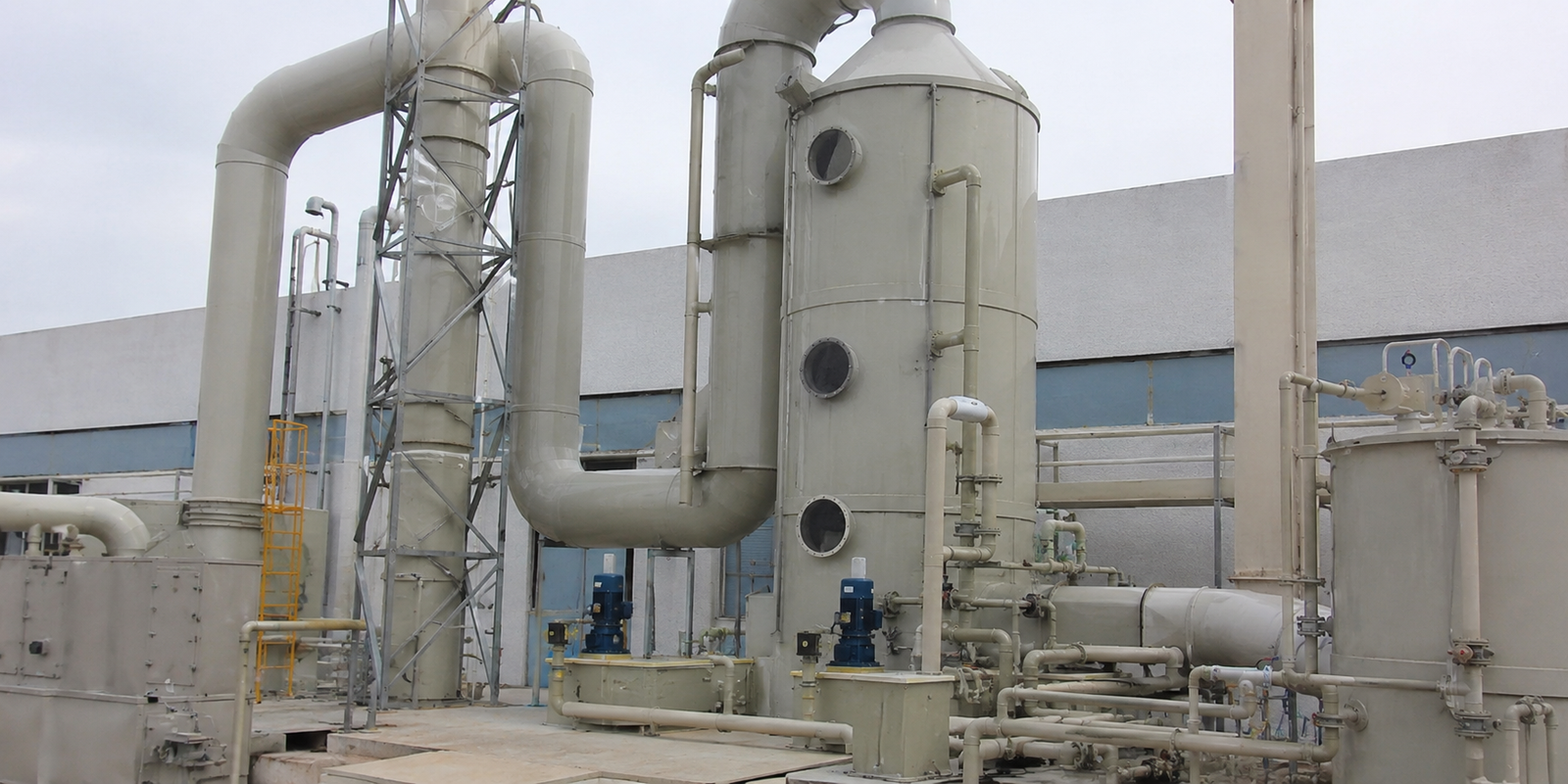
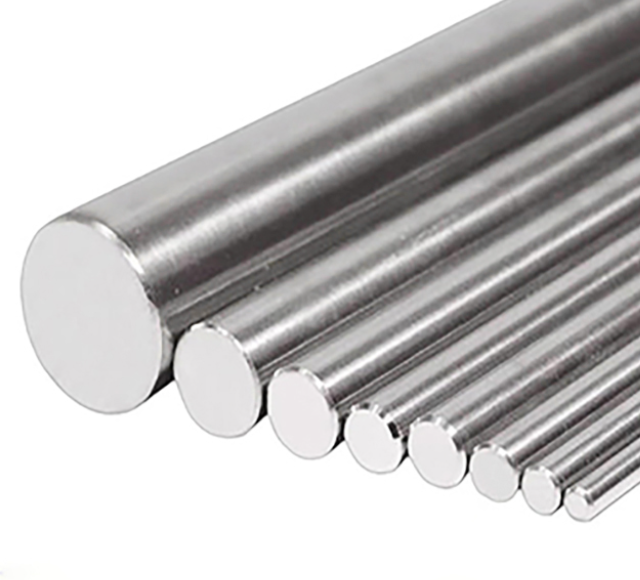
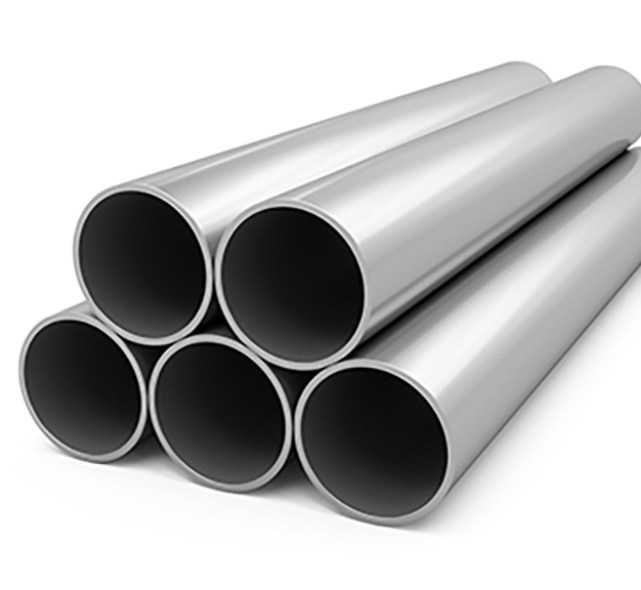
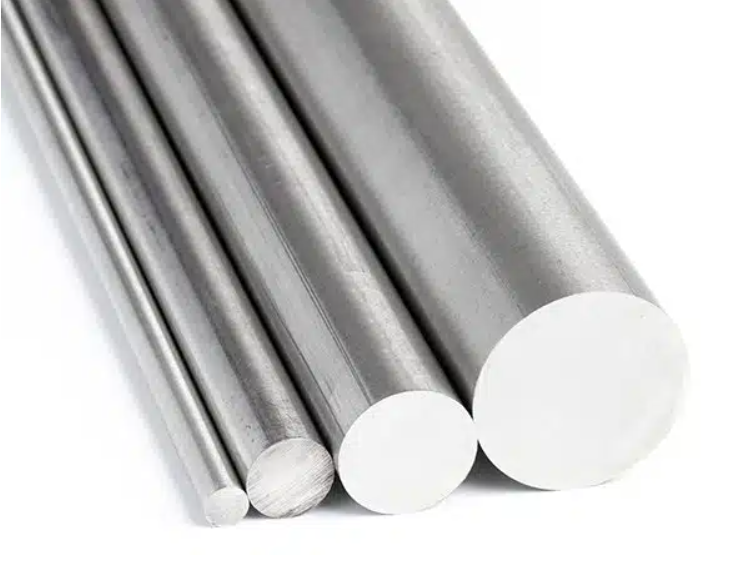
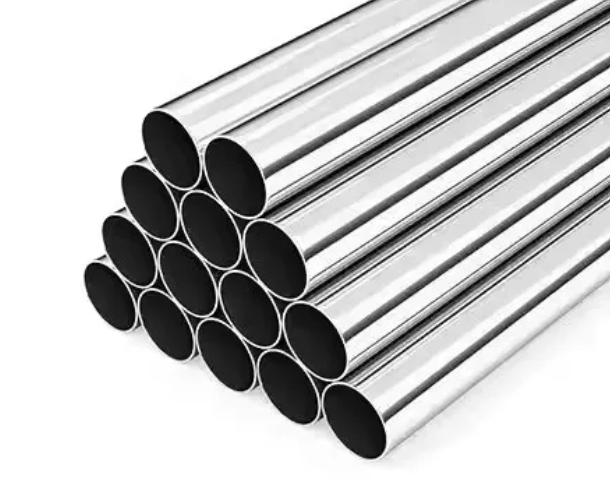
For buyers of nickel alloy, titanium alloy, and stainless steel tubes, bars, and related components, the goal is not to find one universal alloy. The goal is to select a material that matches the actual gas service and can be supported by clear standards, traceable documents, suitable surface condition, and supplier quality control.
Why Is There No One-Size-Fits-All Alloy for Specialty Gas Systems?
There is no single alloy that fits every specialty gas handling application.
Specialty gas systems differ widely. Some systems focus on ultra-high purity and particle control. Others focus on corrosion resistance, pressure containment, oxygen compatibility, H2S resistance, high-temperature stability, or chemical compatibility with reactive gases.
A common material such as 316L stainless steel may be suitable for many high-purity or general gas distribution systems, especially when the correct surface finish and cleaning process are specified. However, it should not be assumed suitable for every gas or every operating condition.
Why General Material Assumptions Can Be Risky
| Assumption | More Practical View |
|---|---|
| 316L works for most gas systems. | 316L may be suitable for many applications, but gas chemistry, moisture, pressure, surface finish, and purity requirements still need review. |
| Higher alloy grade always means better performance. | A higher-grade alloy may improve corrosion resistance, but cost, availability, machinability, surface finish, and compatibility still matter. |
| A material data sheet proves suitability. | Data sheets are useful, but real gas service conditions may differ from standard test conditions. |
| Gas purity only depends on the gas supplier. | Tubing, valves, fittings, regulators, surfaces, cleaning, packaging, and installation can all affect gas purity. |
| If the material is strong, the system is safe. | Strength is only one factor; compatibility, cleanliness, pressure rating, fatigue, leakage, and safety standards are also important. |
ISO 11114-1 provides requirements for selecting safe combinations of metallic cylinder and valve materials with gas contents. Although it is written for gas cylinders and valves, the principle is useful for specialty gas equipment: material compatibility with the gas must be checked, not assumed.
For semiconductor-related gas and liquid distribution systems, SEMI F20 defines requirements for 316L stainless steel bar, forgings, extruded shapes, plate, and tubing used in components for general purpose, high-purity, and ultra-high-purity chemical gas or liquid distribution systems. SEMI F19 focuses on the surface condition of wetted stainless steel components used to control or contain gases and liquids in semiconductor manufacturing.
These standards show why “material grade” alone is not enough. Surface condition, cleanliness, and application context are also part of material selection.
Which Variables Should Buyers Review First?
Before choosing an alloy, buyers should define the gas service as clearly as possible. It is not enough to say “oxygen,” “ammonia,” “hydrogen,” “chlorine,” or “specialty gas.” The behavior of the material may depend on the full system condition.
Key Variables for Specialty Gas Material Selection
| Variable | Why It Matters |
|---|---|
| Gas type | Oxidizing, reducing, corrosive, inert, toxic, flammable, pyrophoric, or mixed gas behavior may require different materials. |
| Moisture level | Some gases behave very differently when moisture is present. Dry and wet conditions should not be treated as the same. |
| Purity level | UHP or HP gases may require special surface finish, cleaning, packaging, and documentation. |
| Pressure | High pressure affects wall thickness, material strength, fatigue, leakage risk, and component design. |
| Temperature | Higher temperature can accelerate chemical reaction, reduce mechanical strength, or affect surface stability. |
| Flow rate | High velocity may increase erosion, particle movement, or localized damage in some systems. |
| Pressure or temperature cycling | Repeated cycling may create fatigue or sealing problems. |
| External environment | Salt spray, industrial fumes, outdoor exposure, or cleanroom requirements may affect the external surface. |
| Safety classification | Toxic, flammable, oxidizing, or corrosive gases may require additional safety review and approved standards. |
| Documentation requirement | MTR, EN 10204 certificate, heat traceability, surface finish report, or cleaning record may be required. |
For oxygen or oxygen-enriched systems, material behavior and residual contamination require special attention. ASTM’s oxygen-enriched atmosphere standards are intended to help identify risk factors in oxygen systems, material behavior in oxygen-enriched atmospheres, and residual contamination of materials. ASTM oxygen-enriched atmospheres standards
CGA G-4.1 also covers cleaning equipment for oxygen service, including planning, precleaning, cleaning, rinsing, drying, inspection, contamination level, packaging, maintaining cleanliness, labelling, quality assurance, safety, and training. CGA G-4.1 oxygen cleaning guidance
For H2S-containing environments, ISO 15156-1 gives requirements and recommendations for selecting and qualifying metallic materials. This is a reminder that some gas services require specific material qualification rather than general alloy selection.
What Material Properties Matter Most?
The most important material properties depend on the gas, system design, and required purity level. A buyer should not focus only on tensile strength or a general corrosion-resistance description.
Material Properties to Review
| Property | Why It Matters |
|---|---|
| Gas compatibility | The alloy must be compatible with the specific gas and impurities under the actual service conditions. |
| Corrosion resistance | Important for corrosive or moisture-sensitive gases. |
| Oxidation resistance | Important for oxygen-containing or high-temperature gas service. |
| Mechanical strength | Needed for pressure, vibration, handling, and structural integrity. |
| Fatigue resistance | Important when the system experiences pressure or temperature cycling. |
| Surface finish | Affects particle generation, adsorption, desorption, cleanability, and UHP gas quality. |
| Cleanliness | Critical when oil, grease, particles, or residues could react with the gas or contaminate the process. |
| Weldability | Welds and heat-affected zones must maintain integrity, cleanliness, and corrosion resistance. |
| Outgassing behavior | Important for vacuum, UHP, and contamination-sensitive systems. |
| Traceability | Supports inspection, root cause analysis, and future maintenance. |
For nickel alloy pipe and tube, ASTM B444 covers nickel-chromium-molybdenum-niobium alloys such as UNS N06625 in cold-worked seamless pipe and tube form. ASTM B829 contains mandatory general requirements for nickel and nickel alloy seamless pipe and tube specifications.
These product standards help define material requirements, but they do not replace gas compatibility review, pressure design, cleaning requirements, or project-specific safety standards.
How Can the Wrong Material Affect a Gas System?
Incorrect material selection may create several types of risk. These risks are not limited to visible corrosion.
Common Risks from Material Mismatch
| Risk | How It May Appear |
|---|---|
| Leakage | Corrosion, cracking, poor weld behavior, seal damage, or fatigue may create leak paths. |
| Purity loss | Outgassing, particle generation, surface reaction, or contamination may affect gas quality. |
| Corrosion or pitting | Moisture, impurities, halogen-containing gases, acidic gases, or mixed gases may attack the material. |
| Stress corrosion cracking | Certain gas-material-stress combinations may increase cracking risk. |
| Oxygen service hazard | Incompatible materials or contamination can create serious risk in oxygen or oxygen-enriched systems. |
| H2S-related cracking | Some H2S environments require qualified materials and hardness or processing control. |
| Maintenance problems | Unsuitable material may require more frequent inspection, cleaning, or replacement. |
| Documentation rejection | Material may fail incoming inspection if heat traceability, MTRs, or certificates are incomplete. |
| Higher total cost | Rework, downtime, replacement, cleaning, testing, and qualification delay can outweigh a low purchase price. |
For many buyers, the visible material price is only one part of the decision. The NIST Life Cycle Cost Manual provides a general framework for evaluating life-cycle cost. The same idea is useful in alloy procurement: material cost should be considered together with inspection, cleaning, downtime, replacement, documentation, and long-term reliability.
How Should Buyers Evaluate Supplier Claims?
Supplier claims should be checked against the actual gas service and the required documentation. A broad statement such as “high-performance alloy” or “corrosion-resistant material” is not enough for technical procurement.
Supplier Information to Request
| Information | What to Check |
|---|---|
| Exact grade and UNS number | Avoids confusion between similar alloy names or commercial descriptions. |
| Product standard | ASTM, ASME, ISO, SEMI, EN, or project-specific standard should be clearly stated. |
| Material Test Report / MTR | Helps verify chemical composition, mechanical properties, heat number, and standard. |
| EN 10204 certificate | Confirms the type of inspection document required for the order. |
| Heat number traceability | Supports root cause analysis and future maintenance. |
| Surface finish report | Important for UHP or contamination-sensitive gas systems. |
| Cleaning or passivation record | Useful when oil, grease, particles, or residues must be controlled. |
| Dimensional inspection report | Confirms OD, wall thickness, bar diameter, length, straightness, or tolerance. |
| NDT or pressure-related test record | Required when specified by standard, drawing, or project requirement. |
| Packaging method | Helps maintain cleanliness and prevent damage during shipment. |
| Quality system | ISO 9001 can support quality management, but it does not replace batch-specific material documents. |
BS EN 10204 is a European standard for inspection documents that authenticate materials. It is commonly used to help prove that metallic products meet required chemical and mechanical properties.
ISO 9001 in the supply chain explains that buyers should make their own needs and expectations clear to suppliers, using specifications, drawings, national or international standards, supplier catalogues, or other documents as appropriate.
If laboratory testing is important, ISO/IEC 17025 specifies requirements for the competence, impartiality, and consistent operation of laboratories.
What Should Buyers Confirm Before Ordering?
Specialty gas equipment can involve serious safety and purity requirements. The material supplier can support documentation and material selection discussions, but the final design should be reviewed by qualified engineers, system designers, and safety professionals.
Practical Material Selection Checklist
Before ordering alloy materials for specialty gas handling equipment, buyers can review the following checklist:
- What gas or gas mixture will the equipment handle?
- Is the gas corrosive, oxidizing, reducing, toxic, flammable, pyrophoric, inert, or high purity?
- What are the moisture level, impurity profile, and purity requirement?
- What are the operating pressure, temperature, and cycling conditions?
- Is oxygen cleaning, special passivation, electropolishing, or UHP cleaning required?
- Is 316L acceptable, or is a nickel alloy, titanium alloy, or another material needed?
- Are there specific requirements from SEMI, ISO, ASTM, ASME, CGA, NACE/ISO, or project standards?
- What surface finish and internal cleanliness are required?
- Will the material be welded, bent, machined, cleaned, passivated, or assembled into a component?
- What documents are required: MTR, EN 10204 3.1, cleaning report, surface report, NDT report, or third-party inspection?
- Is heat number traceability required?
- How will the material be packaged to maintain cleanliness and prevent damage?
- Has the material been reviewed for the real gas service, not only general corrosion resistance?
- Has total cost been considered, including cleaning, testing, inspection, documentation, replacement, and downtime risk?
Conclusion
Choosing alloy materials for specialty gas handling equipment requires more than selecting a strong or corrosion-resistant grade.
Buyers should define the gas type, purity level, moisture condition, pressure, temperature, surface finish, cleanliness requirement, documentation needs, and safety requirements before confirming the material. For high-purity, corrosive, oxygen, H2S, or other critical gas services, compatibility and qualification should be checked carefully against relevant standards and engineering data.
There is no universal alloy for every specialty gas system. A more practical approach is to connect material selection with the actual gas service, supplier documentation, process requirements, and long-term operating risk.
When the application is safety-sensitive or purity-sensitive, it is worth discussing the gas service, drawings, standards, surface finish, cleaning requirement, and inspection documents before placing the order.