
How to Choose Alloy Tube and Bar for Prototype Projects
Choosing alloy tube or bar for a prototype is not about finding a perfect material. It is about finding a material that is suitable for the current stage of the project.
A prototype may be used for proof of concept, machining trial, welding test, assembly check, corrosion evaluation, heat resistance review, or field testing. Each purpose may require a different balance between performance, cost, availability, lead time, and risk.
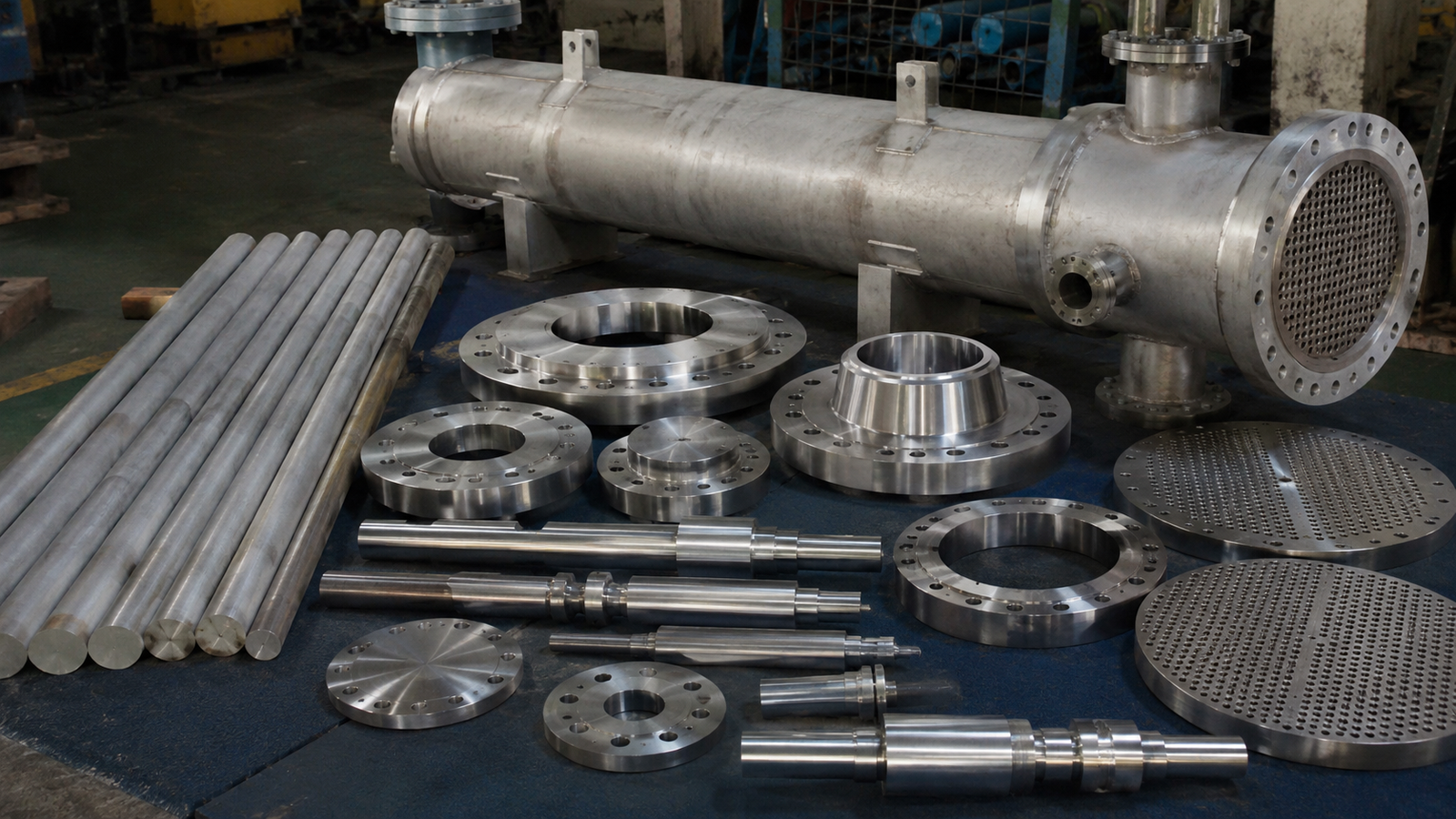
For nickel alloy and titanium alloy materials, the best choice is rarely based on grade name alone. Buyers should review the application environment, required standard, supplier documents, available size, processing method, and future scale-up plan before confirming the material.
This guide explains how buyers can choose alloy tube and bar for prototype projects in a more practical way.
Is There a Universal Alloy Choice for Prototypes?
There is no single alloy that works best for every prototype project.
A material that is suitable for a quick concept model may not be suitable for a working prototype under pressure, heat, vibration, or corrosion. A material that performs very well technically may also be difficult to source, expensive to machine, or unavailable in the required size.
For prototype projects, the better question is not “What is the best alloy?” The better question is “What does this prototype need to prove?”
Different Prototype Goals May Need Different Material Choices
| Prototype Goal | Material Selection Focus |
|---|---|
| Proof of concept | Availability, cost, basic machinability, simple assembly |
| Machining trial | Diameter, tolerance, hardness, surface condition, tool wear |
| Welding trial | Weldability, heat-affected zone behavior, filler metal compatibility |
| Corrosion test | Actual medium, temperature, concentration, flow condition |
| High-temperature test | Strength retention, oxidation resistance, thermal cycling |
| Functional field test | Full application environment, realistic stress, long-term behavior |
| Pre-production prototype | Repeatability, supplier documentation, batch consistency, lead time |
ISO 21457 identifies corrosion mechanisms and parameters that should be evaluated when selecting materials for pipelines, piping, and equipment. AMPP also notes that no material is resistant to all corrosive situations and that material selection may involve corrosion resistance in the environment, mechanical properties, cost, availability, maintainability, compatibility, life expectancy, and reliability. AMPP material selection factors
This is why prototype material selection should start with the application, not only with the alloy name.
How Should Buyers Define the Prototype Requirement?
Before choosing an alloy tube or bar, buyers should define what the prototype must do and what can be adjusted.
For early-stage prototypes, it may be acceptable to use a more available material to verify shape, fit, or machining process. For application testing, the material may need to be much closer to the final production grade, surface condition, heat treatment, and certificate requirement.
Prototype Requirement Checklist
| Requirement | Questions to Ask |
|---|---|
| Application | What will the prototype actually do? |
| Service environment | Will it face corrosion, heat, pressure, wear, vibration, or cyclic loading? |
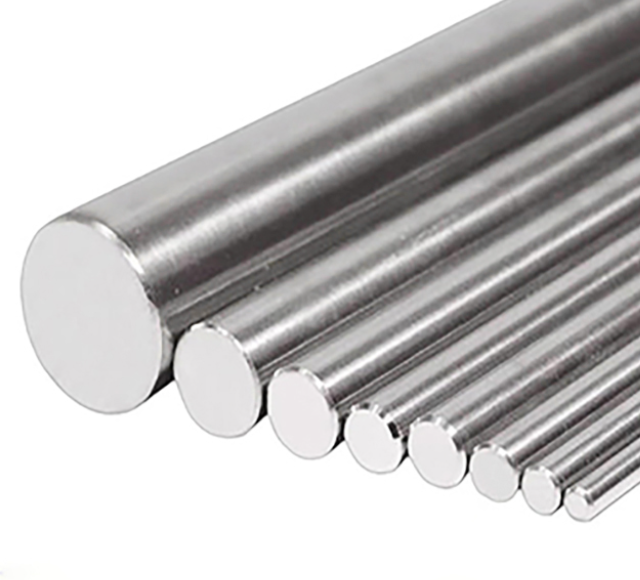
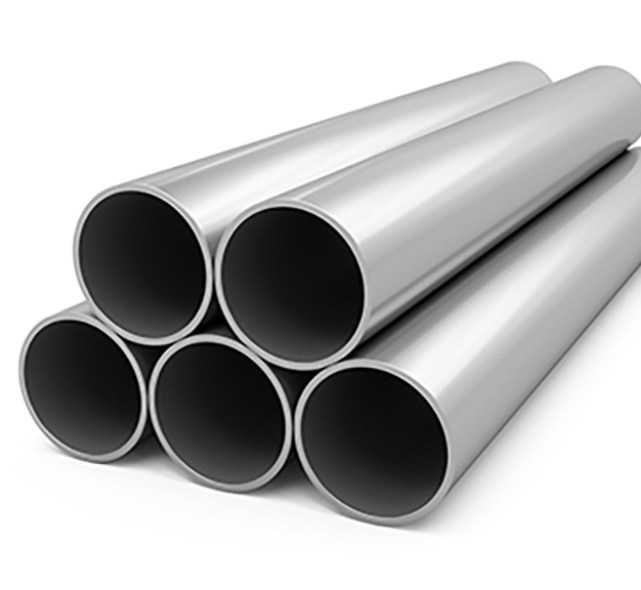
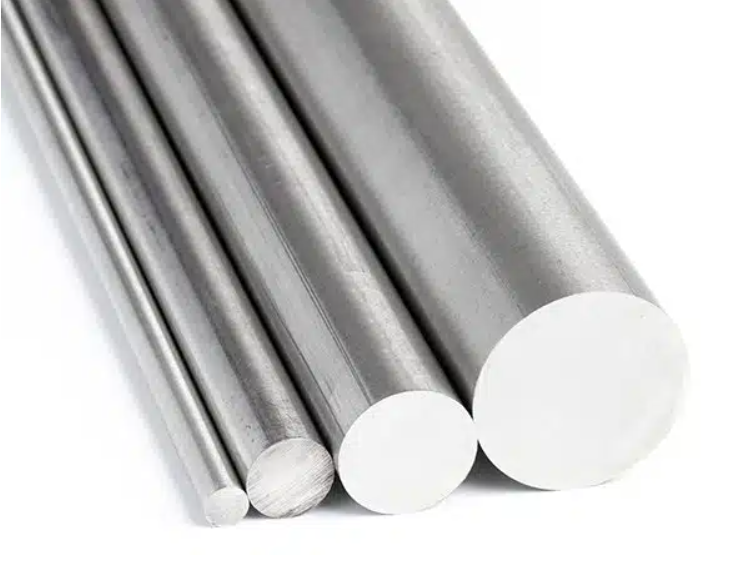
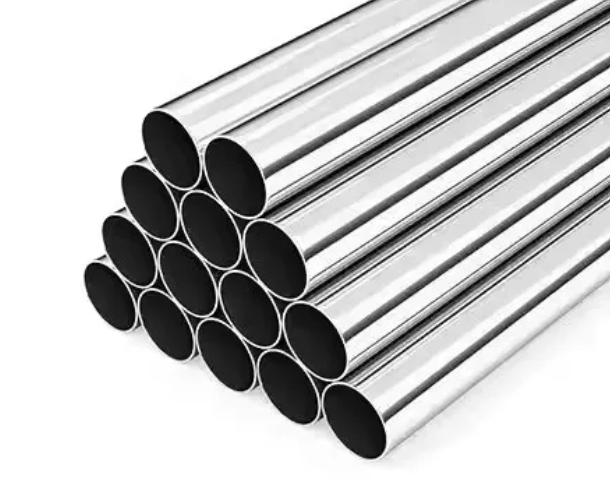
| Product form | Is tube, pipe, round bar, flat bar, billet, or custom cut length required? |
| Size and tolerance | Does it need standard stock size or tight tolerance for assembly? |
| Surface condition | Is pickled, polished, bright annealed, ground, peeled, or turned surface needed? |
| Processing method | Will it be welded, machined, bent, formed, heat treated, or polished again? |
| Test purpose | Is the prototype for internal testing, customer approval, laboratory testing, or field trial? |
| Risk level | What happens if the prototype material is not suitable? |
| Future scale-up | Will the same material need to be supplied later in batch quantity? |
This step helps buyers avoid two common problems: over-specifying and under-specifying.
Over-specifying means selecting a high-performance alloy that may exceed the real prototype need, increasing cost and lead time. Under-specifying means choosing a cheaper or more available material that does not meet the critical test condition, making the prototype result less useful.
A practical prototype material decision should define the minimum acceptable performance first, then compare available materials against cost, lead time, and testing needs.
Why Is Datasheet Information Not Enough?
Datasheets and product standards are important starting points. They help buyers understand chemical composition, mechanical properties, temperature range, corrosion resistance, and available product forms.
However, datasheet values are usually based on defined test conditions. A prototype may face a different combination of stress, temperature, corrosion, flow, wear, or fabrication effects.
For example, a nickel alloy may show strong corrosion resistance in one medium, but the result may change if the actual environment contains chlorides, high temperature, crevices, aeration changes, or mixed chemicals. A titanium alloy bar may meet a standard tensile requirement, but the buyer may still need to check machinability, surface condition, or welding behavior for the prototype.
Factors Beyond Basic Datasheet Values
| Datasheet Item | What Buyers Should Also Consider |
|---|---|
| Chemical composition | Does the grade match the actual corrosion or temperature environment? |
| Tensile strength | Is fatigue, impact, creep, or vibration more relevant than static strength? |
| Corrosion resistance | What is the real medium, concentration, pH, temperature, and flow condition? |
| Hardness | Will it affect machining, forming, wear, or final surface finish? |
| Heat treatment | Is the delivered condition suitable for the prototype process? |
| Surface finish | Does the surface affect sealing, cleanliness, friction, or appearance? |
| Product form | Is the required alloy available as tube, pipe, bar, or custom size? |
| Standard | Does the selected ASTM, ASME, ISO, EN, or AMS standard match the prototype requirement? |
For titanium alloy bars and billets, ASTM B348 covers chemical composition and tensile property requirements. For nickel alloy seamless pipe and tube, ASTM B444 covers UNS N06625 and related nickel alloy pipe and tube products, with general requirements covered by ASTM B829.
These standards are useful, but buyers should still connect the standard to the prototype’s real working condition.
What Evidence Should Buyers Request from the Supplier?
For prototype materials, supplier information should be clear enough to support testing, internal review, and future scale-up decisions.
A supplier’s statement such as “good quality” or “standard material” is not enough for technical evaluation. Buyers should request documents that show what material is being supplied, which standard it follows, and whether it can be traced to a specific heat or batch.
Supplier Evidence Checklist
| Document or Information | Why It Matters |
|---|---|
| Material Test Report / MTR | Helps verify chemical composition, mechanical properties, heat number, and standard |
| EN 10204 certificate | Defines the type of inspection document required for metallic products |
| Heat number or lot number | Supports traceability if there is a later technical question |
| Product standard | Clarifies whether ASTM, ASME, AMS, ISO, EN, DIN, or buyer specification applies |
| Size and tolerance confirmation | Prevents misunderstanding about prototype fit, machining, or assembly |
| Surface condition confirmation | Helps ensure the prototype matches test or appearance requirements |
| Heat treatment condition | Affects mechanical properties, corrosion behavior, and processing response |
| Inspection method | Confirms whether PMI, dimensional inspection, UT, ECT, hardness, or other tests are required |
| Stock or production route | Helps buyers understand availability, lead time, and future repeatability |
| MOQ and lead time | Important for both prototype schedule and future batch planning |
BS EN 10204 is a standard for inspection documents that authenticate materials used in metallic and non-metallic products. For prototype orders that may later move into batch production, clear inspection documents can make internal approval and future purchasing easier.
ISO 9001 in the supply chain also explains that buyers should clearly define their needs and expectations, such as product specifications, drawings, standards, and other requirements. This is important because the supplier cannot always know the prototype’s critical requirements unless the buyer communicates them clearly.
If laboratory testing is important for the prototype decision, buyers may also consider whether the testing laboratory follows recognized competence requirements. ISO/IEC 17025 specifies general requirements for the competence, impartiality, and consistent operation of laboratories.
How Should Buyers Balance Performance, Cost and Lead Time?
Prototype projects often face pressure from three sides: performance, budget, and time.
A technically ideal alloy may be expensive, difficult to machine, or unavailable in the required size. A low-cost material may be easy to buy but may not provide useful test results. A stock size may be available quickly, but it may require extra machining or may not match the final production design.
Practical Trade-Offs in Prototype Material Selection
| Decision Area | Practical Question |
|---|---|
| Performance | What minimum properties must the prototype prove? |
| Cost | Is this material suitable for the current prototype stage, or is it over-specified? |
| Lead time | Is stock available, or does the material need special production? |
| Machining | Will the alloy increase tool wear, machining time, or scrap rate? |
| Welding or forming | Does the prototype process change the material condition or properties? |
| Testing | What tests are truly needed now, and what can wait until the next stage? |
| Future supply | Can the same grade and size be supplied later in larger quantity? |
| Documentation | Are the documents enough for internal approval or customer review? |
Life-cycle cost thinking can also help buyers avoid looking only at the initial material price. The NIST Life Cycle Cost Manual explains life-cycle cost methodology for evaluating economic performance over time. Although it is not written specifically for alloy prototypes, the idea is useful: buyers should consider not only purchase cost, but also processing, testing, rework, delay, replacement, and future scale-up cost.
For prototypes, the right material is often the one that gives useful test results without adding unnecessary complexity.
How Can Buyers Avoid Common Prototype Alloy Selection Mistakes?
Prototype material selection mistakes usually happen when one factor receives too much attention while others are ignored.
Some teams focus only on performance and choose a material that is too costly or slow to obtain. Others focus only on price and choose a material that cannot survive the real test condition. Some buyers approve a prototype material without checking whether the same grade, size, and certificate can be supplied later in batch quantity.
Common Mistakes and Practical Prevention
| Common Mistake | Why It Creates Problems | How to Reduce the Risk |
|---|---|---|
| Over-specifying | Increases cost, lead time, and sourcing difficulty | Define minimum acceptable performance before selecting premium alloys |
| Under-specifying | Prototype may fail for avoidable reasons | Review environment, load, temperature, and corrosion risk carefully |
| Only reading datasheets | Datasheet values may not reflect actual service conditions | Connect material data to real application and processing conditions |
| Ignoring fabrication | Machining, welding, bending, or heat treatment can affect final behavior | Discuss the full manufacturing process before ordering |
| Not checking documents | Material may be difficult to approve or trace later | Request MTR, heat number, standard, and certificate details |
| Ignoring availability | Special alloy sizes may have long lead times or MOQ | Ask about stock, production route, MOQ, and future supply early |
| Choosing only by price | Low material cost may create higher processing or rework cost | Compare total cost, not only unit price |
| Forgetting scale-up | Prototype material may be hard to repeat in production | Confirm whether the same grade and size can be supplied again |
Supplier evaluation is also part of the process. ASQ defines supplier quality management as a proactive and collaborative approach to managing supplier quality. ASQ supplier quality management For prototype projects, this means buyers should evaluate not only the material, but also how clearly the supplier communicates, documents, and supports technical questions.
If a prototype may later move into repeated or batch production, buyers can also ask how the supplier controls consistency. ASQ statistical process control explains that SPC uses statistical techniques to control a process or production method and helps monitor process behavior and identify production issues.
Prototype Alloy Selection Checklist
Before ordering alloy tube or bar for a prototype, buyers can review the following checklist:
- What is the main purpose of the prototype?
- Is the material for shape verification, machining trial, functional test, or field test?
- What environment will the prototype face?
- What are the minimum required mechanical, corrosion, or temperature properties?
- Is the selected grade available in the required tube or bar form?
- Are size, tolerance, length, straightness, and surface condition confirmed?
- Will machining, welding, bending, or heat treatment affect the material?
- What standard should the material follow?
- What documents are required for internal review or customer approval?
- Is MTR, heat number, or EN 10204 certificate required?
- Is the selected material available quickly enough for the prototype schedule?
- Can the same material be supplied later in larger quantity?
- Does the supplier understand the prototype’s application and testing purpose?
- Is the total cost acceptable when processing, testing, and lead time are included?
Conclusion
Choosing alloy tube and bar for prototype projects requires more than selecting a familiar grade from a datasheet.
Buyers should first define what the prototype needs to prove, then compare material options based on application environment, performance requirements, availability, processing method, supplier documents, cost, lead time, and future scale-up needs.
For nickel alloy and titanium alloy prototypes, the goal is not always to choose the highest-performance material. The goal is to choose a material that is suitable for the current prototype stage and useful for the next decision.
When the application is complex or the material will later move into batch production, it is worth discussing the environment, drawing, testing plan, and documentation requirements with the supplier before placing the order.