
How to Choose Capillary and Small-Bore Tubes for Semiconductor Fluid Control
Capillary and small-bore tubes may look like minor components in semiconductor fluid control systems, but they can influence flow stability, pressure response, cleanliness, leakage risk, maintenance planning, and contamination control.
In semiconductor-related systems, these tubes may be used in chemical dosing, sampling, analytical lines, purge lines, instrumentation, compact heat exchange sections, pressure control, or precision fluid delivery assemblies. In some high-purity chemical contact areas, non-metallic materials may be preferred. In other compatible sections, stainless steel, nickel alloy, titanium alloy, or other alloy tubes may be considered.
Choosing capillary and small-bore tubes is not about finding one universal product. It is a technical risk review that connects material selection, dimensional control, internal surface condition, cleanliness, documentation, and supplier capability to the actual fluid control requirement.
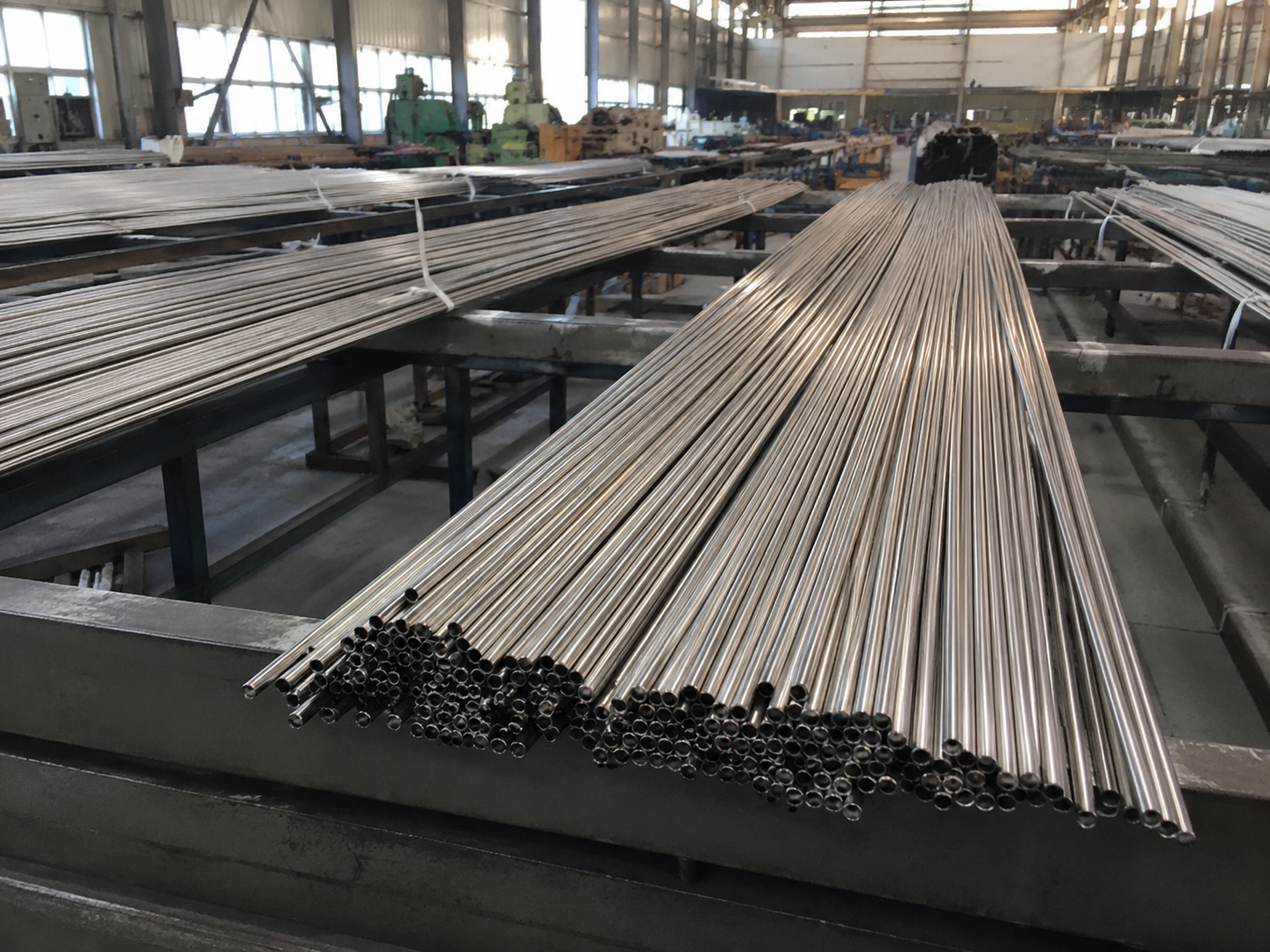
The right decision should begin with the real application: what fluid is being controlled, what purity level is required, what pressure and temperature are involved, and what documentation must be provided for approval.
Are Basic Tube Specifications Enough?
Basic tube specifications are useful, but they are not enough for semiconductor fluid control.
A typical inquiry may include material grade, outside diameter, wall thickness, and length. These are important, but they do not fully describe how the tube will perform in a contamination-sensitive fluid system.
Buyers may also need to review internal surface condition, dimensional tolerance, ovality, straightness, burr control, cleaning, packaging, traceability, and compatibility with fittings or welded connections.
Details Buyers Should Confirm
| Specification Item | Why It Matters |
|---|---|
| Material grade and UNS number | Similar material names may represent different chemical compositions and performance limits. |
| OD and ID tolerance | Small deviations may affect flow rate, pressure drop, fittings, and sealing reliability. |
| Wall thickness consistency | Uneven wall thickness may affect pressure performance, bending, and connection integrity. |
| Ovality and straightness | Important for precision assembly, automated installation, and repeatable flow behavior. |
| Internal surface condition | The inner surface may affect particle retention, cleaning, residue buildup, and corrosion behavior. |
| Surface roughness | Some high-purity systems may specify controlled Ra values or special surface treatment. |
| Burr control | Cutting burrs may create particles, trap residues, or interfere with flow. |
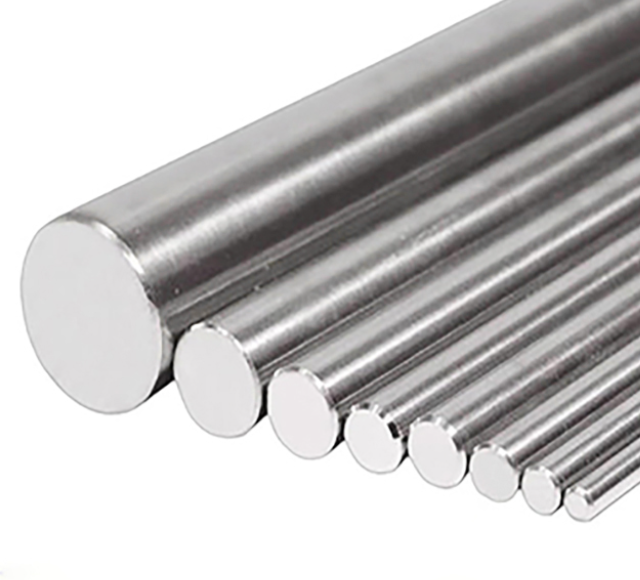
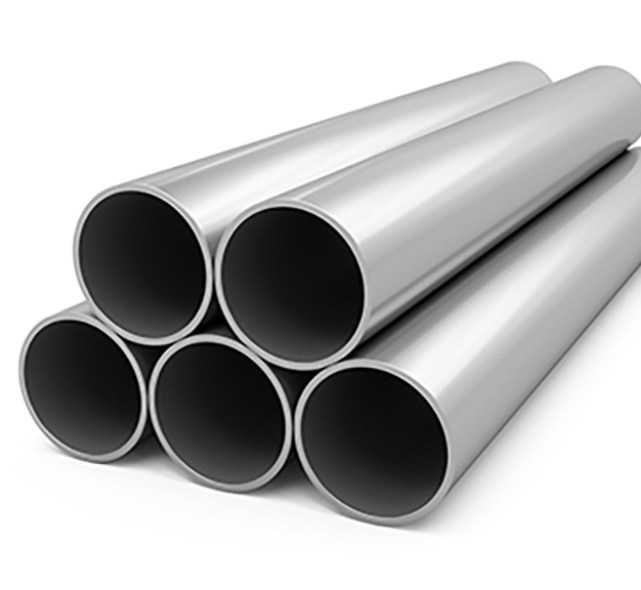
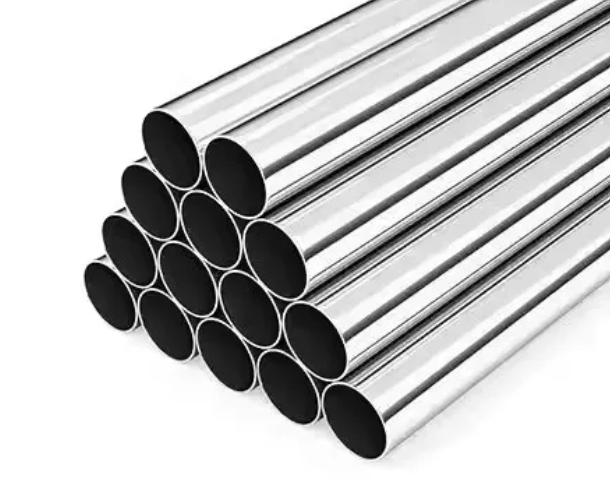
| Tube form | Straight tube, coil tube, capillary tube, seamless tube, or welded tube may suit different uses. |
| Cleaning and packaging | Capped ends, sealed bags, clean wrapping, or special packing may be needed for sensitive applications. |
| Documentation | MTRs, certificates, inspection reports, and traceability may be required for project approval. |
SEMI Liquid Chemicals standards cover technical needs related to liquid chemicals and liquid chemical distribution, including materials used to contain and transport liquid chemicals. This is a useful reminder that fluid control materials should be reviewed as part of the whole system, not only by alloy name.
Why Surface Finish and Cleanliness Matter
For semiconductor fluid control, the tube surface is not just a cosmetic detail.
The internal surface can influence how easily a tube is cleaned, how much residue it retains, whether particles can accumulate, and how the material behaves in contact with process fluids.
A smooth and well-controlled internal surface may help reduce particle retention and improve cleanability. However, the required surface finish should always follow the actual project specification. Not every system requires electropolishing or the same Ra value.
Surface and Cleanliness Factors
| Factor | Why It Matters |
|---|---|
| Internal roughness | Rougher internal surfaces may retain residues, particles, or process chemicals. |
| Surface defects | Scratches, pits, folds, or embedded particles may become contamination sources. |
| Oil and grease | Machining or drawing residues may affect high-purity systems if not removed. |
| Moisture | Residual moisture may be unacceptable in some chemical or gas-related lines. |
| Particles | Particles from cutting, handling, or surface damage may affect sensitive processes. |
| Passivation or electropolishing | May be required in some high-purity stainless steel applications, depending on specification. |
| Clean packing | Helps protect the tube after cleaning and during shipment. |
SEMI notes that particle contamination in critical semiconductor equipment components can affect wafer yield and device reliability. Particle contamination control in semiconductor equipment
This does not mean every small-bore tube needs the same cleanliness level. It means buyers should define the cleanliness requirement according to the fluid, process risk, and installation location.
Can One Tube Material Fit All Semiconductor Fluid Control Needs?
There is no single capillary tube material that fits every semiconductor fluid control application.
Different systems may handle ultrapure water, solvents, etchants, acids, bases, slurries, purge fluids, carrier fluids, or process chemicals. Some lines may be high pressure. Others may be low pressure but highly sensitive to contamination.
Common Material Families for Review
| Material Family | Possible Use Consideration | Important Caution |
|---|---|---|
| 316L stainless steel | May be considered for some high-purity, instrumentation, utility, or compatible fluid control applications | Standard 316L is not automatically suitable for every semiconductor fluid system; surface condition and cleanliness matter |
| Electropolished stainless steel | May be used where smoother internal surfaces and cleaner wetted surfaces are specified | Electropolishing requirements should be defined by project standard, not assumed |
| Nickel alloys, such as C276, C22, or Alloy 625 | May be considered for certain aggressive chemical or corrosion-sensitive conditions | Higher cost and fabrication requirements; must be checked against exact chemistry |
| Nickel 200 / Nickel 201 | May be considered for certain alkaline or specific chemical environments | Not suitable for all acids, oxidizers, or contamination-sensitive contact areas |
| Titanium Grade 2 / Grade 7 | May be considered in some oxidizing or chloride-containing environments | Must be checked carefully in fluoride-containing, reducing acid, or mixed acid conditions |
| Non-metallic materials | May be preferred for some direct-contact high-purity chemical systems | Pressure, temperature, strength, permeability, and installation limits must be reviewed |
Material choice should be based on the exact fluid, concentration, temperature, pressure, flow condition, purity requirement, and system location.
How Do Standards Help Tube Procurement?
Standards help define material and product requirements, but they do not replace application review.
For semiconductor fluid control, buyers should identify the correct tube standard, material grade, product form, size tolerance, surface finish, inspection document, and any project-specific cleanliness or packaging requirement.
Useful Standards and Documents to Review
| Item | Example Source | What It Helps Confirm |
|---|---|---|
| Titanium alloy tubes | ASTM B338 titanium tube requirements | Seamless and welded titanium alloy tubes for surface condensers, evaporators, and heat exchangers |
| Nickel alloy seamless pipe and tube | ASTM B622 nickel alloy pipe and tube requirements | Nickel and nickel-cobalt alloy seamless pipe and tube, including mechanical and test requirements |
| General nickel alloy seamless tube requirements | ASTM B829 nickel alloy seamless tube requirements | General requirements for several nickel and nickel alloy seamless pipe and tube specifications |
| Inspection documents | BS EN 10204 inspection documents | Inspection document types used to authenticate metallic materials |
| Laboratory testing | ISO/IEC 17025 laboratory competence | Competence, impartiality, and consistent operation of testing and calibration laboratories |
A tube may meet a material standard and still require additional review for internal surface, cleaning, packaging, fluid compatibility, pressure rating, or semiconductor-specific approval requirements.
How Should Buyers Vet a Capillary Tube Supplier?
Supplier evaluation should not be based only on price or delivery time.
For capillary and small-bore tubes, small differences in tolerance, surface condition, cleanliness, cutting quality, or packaging can create real problems during installation or use.
A qualified supplier should be able to explain the material, manufacturing route, inspection process, documentation, and packaging method clearly.
Supplier Evidence to Request
| Evidence | Why It Matters |
|---|---|
| MTR / MTC | Helps verify chemical composition, mechanical properties, heat number, and product standard. |
| EN 10204 certificate | Supports material authentication and project documentation requirements. |
| Heat number traceability | Links the tube to a specific batch for quality tracking. |
| Dimensional inspection report | Confirms OD, ID, wall thickness, ovality, straightness, and length tolerance. |
| Surface inspection report | Useful when internal surface, defects, or roughness requirements matter. |
| Cleaning record | Important when oil, particles, residues, or moisture must be controlled. |
| Packaging record | Helps confirm capped ends, sealed packing, or protection from bending and contamination. |
| PMI report | Helps confirm alloy identification when required. |
| NDT / pressure test report | UT, ECT, hydrostatic test, or other tests may be required by standard or purchase order. |
| Third-party inspection | May be required for critical projects or buyer approval. |
BS EN 10204 inspection documents are commonly used to authenticate metallic materials and support proof of chemical and mechanical properties.
ISO 9001 supply chain guidance also reminds buyers that a product may meet stated requirements but still be wrong for the intended application. This is why intended use, business risk, supplier history, and supplier consistency should be considered.
If testing results are important for approval, ISO/IEC 17025 laboratory competence can help buyers understand whether a laboratory has recognized competence and consistent operation.
What Are the True Costs of Choosing the Wrong Tube?
The lowest tube price is not always the lowest total cost.
A tube that is slightly cheaper may create higher costs later if it causes leakage, contamination, rework, inspection delay, replacement, cleaning problems, or system requalification.
Cost and Risk Factors
| Cost / Risk Area | How Wrong Tube Selection May Affect It |
|---|---|
| Installation delay | Poor tolerance, ovality, burrs, or surface damage may cause fitting or assembly problems. |
| Leakage risk | Incorrect wall thickness, poor connection fit, or corrosion may create leak paths. |
| Contamination | Particles, residues, metal ions, moisture, or corrosion products may affect sensitive processes. |
| Flow instability | ID variation, internal roughness, or blockage may affect dosing or control accuracy. |
| Maintenance | Unsuitable material may require more frequent cleaning or replacement. |
| Inspection rejection | Missing MTRs, certificates, or dimensional records may delay incoming approval. |
| Requalification | Tube changes after failure may require system review or process requalification. |
| Supply continuity | A supplier with poor repeatability may make future replacement difficult. |
The NIST life-cycle cost methodology is not written specifically for semiconductor tubing, but it provides a useful idea: purchasing decisions should consider costs over the full life of the system, not only the initial price.
Practical Checklist Before Ordering Capillary and Small-Bore Tubes
Before confirming an order, buyers can review the following checklist:
- What fluid will the tube control or transfer?
- Is the fluid ultrapure water, solvent, acid, alkali, slurry, etchant, purge fluid, or another process liquid?
- What are the concentration, temperature, pressure, and flow conditions?
- Is the tube in direct contact with high-purity chemicals?
- Is metal the correct material, or should non-metallic materials also be reviewed?
- What OD, ID, wall thickness, length, ovality, and straightness are required?
- Is the tube seamless, welded, straight, coiled, capillary, or custom drawn?
- What internal surface condition or Ra value is required?
- Is electropolishing, passivation, degreasing, or special cleaning required?
- Are burr-free cutting, capped ends, sealed packaging, or clean packing required?
- What material standard should the tube follow?
- What documents are required: MTR, EN 10204 3.1, dimensional report, surface report, PMI, NDT, or third-party inspection?
- Is heat number traceability required?
- Can the supplier support repeat orders with consistent tolerance, surface quality, and documentation?
Conclusion
Choosing capillary and small-bore tubes for semiconductor fluid control requires more than checking tube size and material name.
The right selection depends on fluid chemistry, purity requirement, pressure, temperature, flow stability, dimensional tolerance, internal surface condition, cleaning, packaging, documentation, and supplier consistency.
There is no universal tube material or specification for every semiconductor fluid control system. Buyers should first define the application, then select the material, tube form, tolerance, surface finish, cleaning method, test requirement, and certificate type.
When the system is sensitive to contamination, leakage, flow instability, or downtime, it is worth discussing the fluid conditions, drawings, tolerance, surface requirements, inspection documents, and packaging method with the supplier before confirming the order.