
How to Choose Alloy Materials for Electronic-Grade Chemical Equipment
Choosing alloy materials for electronic-grade chemical equipment is not only about selecting a corrosion-resistant metal. In high-purity chemical systems, the material may also affect contamination control, surface cleanliness, metal ion release, particle risk, equipment reliability, inspection approval, and long-term cost.
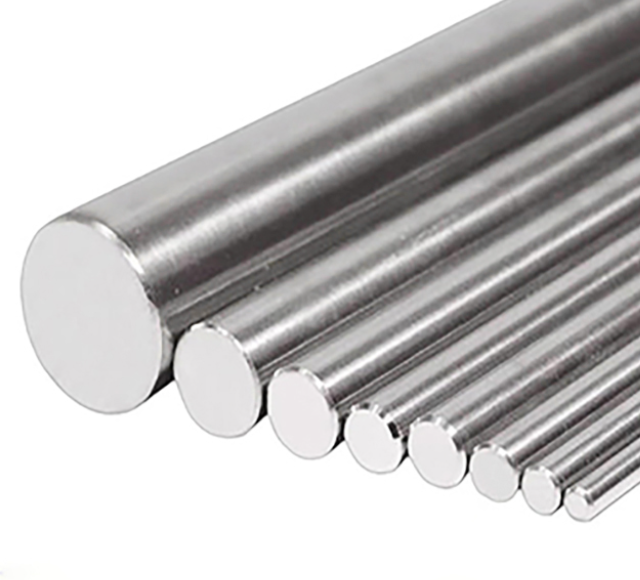
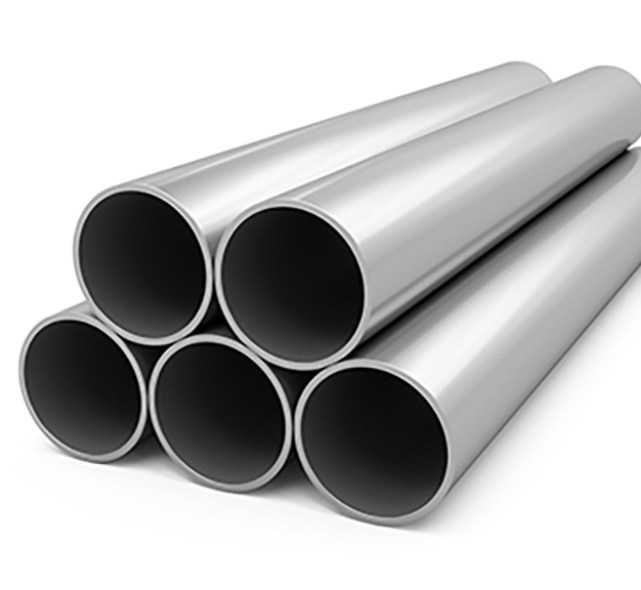
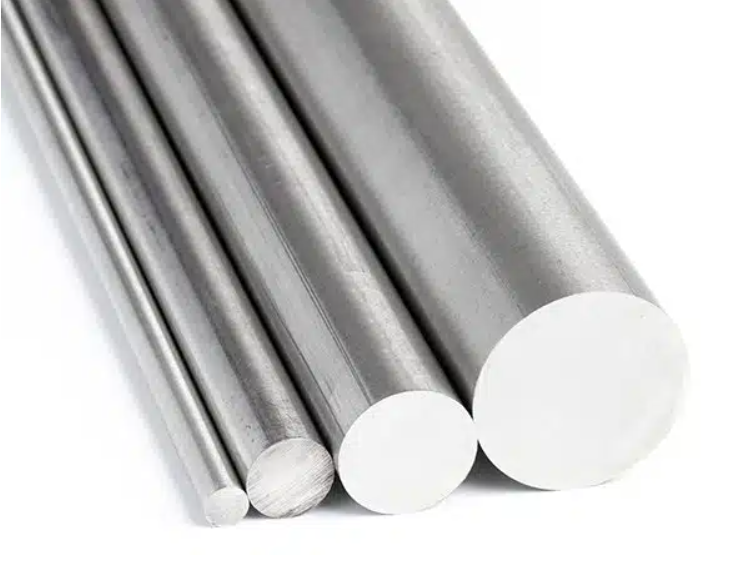
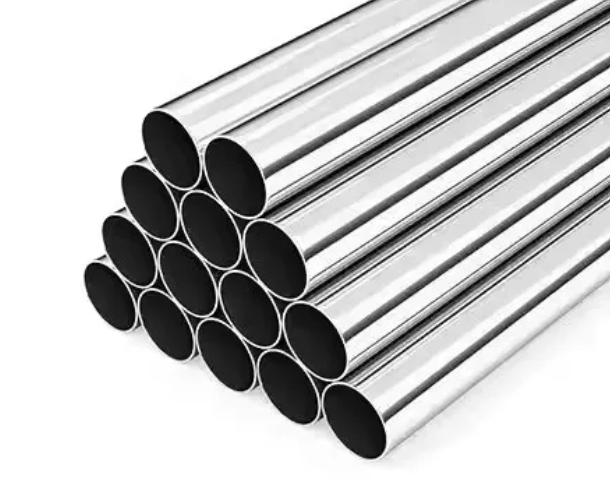
Electronic-grade chemical equipment may include chemical delivery systems, storage vessels, small-diameter tubing, precision fittings, heat exchange sections, pump or valve-related parts, support structures, and custom machined components. Each part may face different chemical exposure, pressure, temperature, flow condition, and cleanliness requirements.
There is no single best alloy for every electronic-grade chemical application. A better approach is to match the material to the actual chemical environment, purity requirement, surface condition, documentation needs, and long-term operating risk.
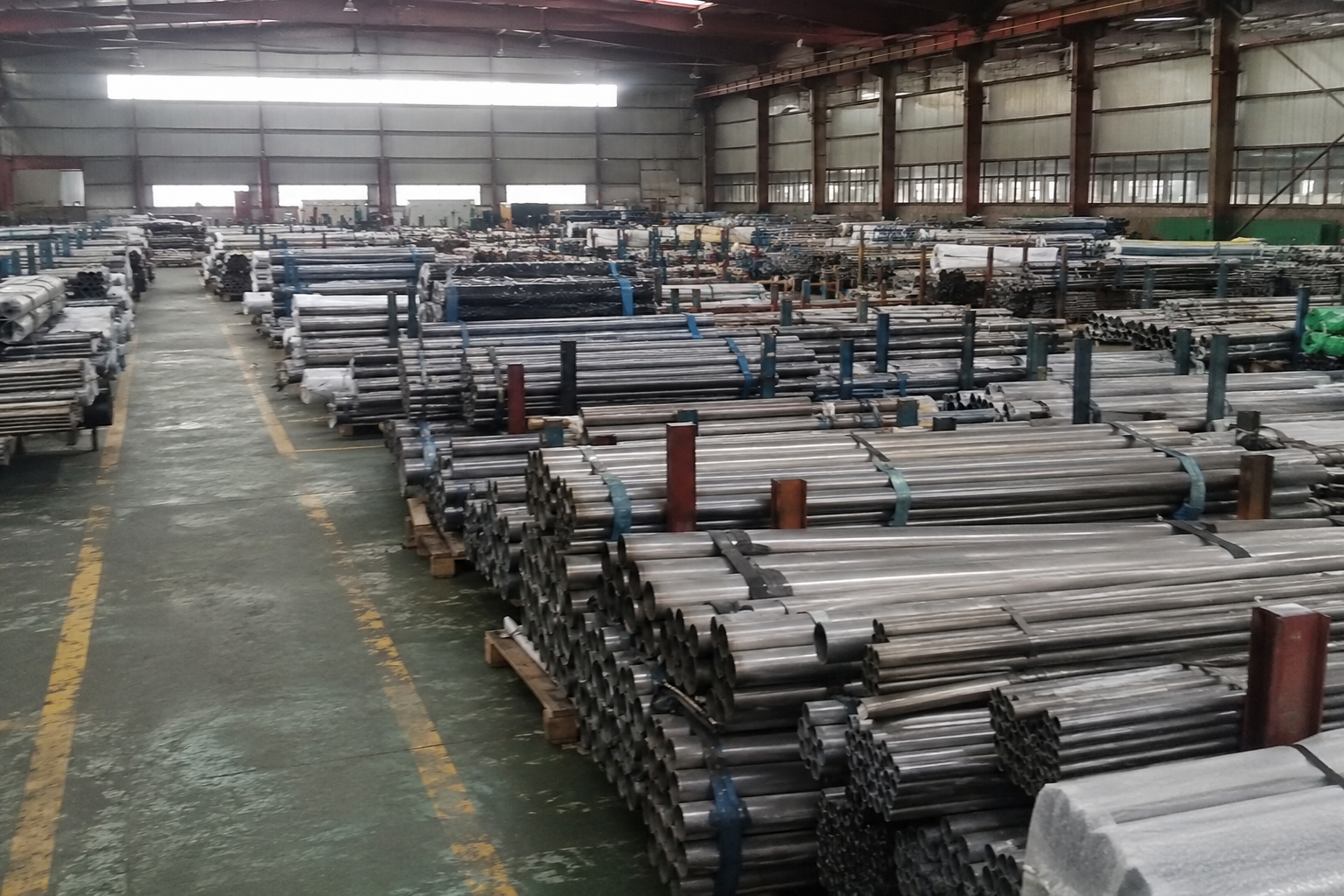
The right decision should not start from a general material name such as “stainless steel,” “nickel alloy,” or “titanium.” It should start from the process conditions and the risk level of the equipment.
Why Basic Alloy Parameters Are Not Enough
Material datasheets are useful, but they are only a starting point.
A datasheet may show chemical composition, tensile strength, hardness, elongation, and general corrosion resistance. However, electronic-grade chemical equipment often requires a more detailed review.
The material must be evaluated in relation to the actual chemical, concentration, temperature, pressure, flow condition, surface finish, cleaning method, and contamination sensitivity.
Questions Beyond Basic Parameters
| Question | Why It Matters |
|---|---|
| What chemical will contact the material? | Different acids, alkalis, solvents, oxidizers, and mixed chemicals affect materials differently. |
| What is the concentration range? | A material may behave differently at low and high concentration. |
| What temperature range is involved? | Higher temperature may accelerate corrosion or change mechanical behavior. |
| Are impurities or trace halides present? | Small impurities may change corrosion behavior in sensitive systems. |
| Is the material used in direct chemical contact? | Direct contact parts usually need stricter compatibility and cleanliness review. |
| Is product purity critical? | Metal ions, corrosion products, particles, or residues may affect electronic-grade chemicals. |
| What surface finish is required? | Surface roughness and cleanliness may influence residue retention and cleanability. |
| What documents are required? | MTRs, certificates, and inspection records may be needed for project approval. |
SEMI Liquid Chemicals standards cover technical needs related to liquid chemicals and liquid chemical distribution, including materials used to contain and transport liquid chemicals. This shows why material selection for electronic-grade chemical systems should consider the whole chemical delivery environment, not only the alloy grade.
How to Assess Process-Specific Material Risks
For electronic-grade chemical equipment, the main question is not simply:
Is this alloy corrosion resistant?
A better question is:
What failure mode is most likely in this exact process, and what material property helps reduce that risk?
Different parts of the same system may have different risk profiles. A storage tank, a transfer line, a heat exchanger tube, a valve component, and a support part do not always need the same material.
Common Risk Areas
| Risk Area | How It May Appear | What Buyers Should Review |
|---|---|---|
| General corrosion | Wall thinning, surface attack, leakage, or shortened service life | Chemical type, concentration, temperature, and exposure time |
| Pitting or crevice corrosion | Localized attack near welds, deposits, gaskets, or stagnant zones | Chlorides, crevices, surface condition, and alloy chemistry |
| Stress corrosion cracking | Cracking under combined stress and corrosive environment | Tensile stress, temperature, chemical environment, and material condition |
| Metal ion contamination | Trace metal release into high-purity chemicals | Alloy compatibility, surface condition, corrosion rate, and cleaning method |
| Particle contamination | Particles from surface damage, corrosion products, or poor handling | Surface finish, cleaning, packaging, and inspection |
| Erosion-corrosion | Accelerated wear in high-flow or abrasive conditions | Flow rate, solids, turbulence, tube geometry, and alloy hardness |
| Documentation rejection | Material cannot pass incoming inspection or project review | MTR, EN 10204 certificate, heat number, and inspection records |
| Maintenance delay | Frequent replacement or cleaning is required | Service life, accessibility, spare parts, and supplier repeatability |
ISO 21457 materials selection guidance identifies corrosion mechanisms and evaluation parameters for materials selection in piping and equipment. Although it is written for oil and gas production systems, the general principle is useful for electronic-grade chemical equipment: material selection should be connected to the real service environment.
Which Alloy Materials May Be Considered?
Alloy selection must be verified against the actual chemical environment. The following table is a general starting point, not a universal recommendation.
Material Families for Review
| Material Family | Possible Use Consideration | Important Caution |
|---|---|---|
| 316L stainless steel | May be suitable for some moderate chemical, structural, support, or utility applications | Not suitable for many aggressive high-purity chemical services without careful review |
| Nickel alloys, such as C276, C22, or Alloy 625 | May be considered for aggressive chemical environments, mixed acids, or corrosion-sensitive equipment | Higher cost and fabrication requirements; must be checked against exact chemistry |
| Alloy 20 | May be considered for certain sulfuric acid-related services | Not a universal acid-resistant material; concentration and temperature matter |
| Nickel 200 / Nickel 201 | May be considered for certain alkaline or specific chemical environments | Not suitable for all acids, oxidizing environments, or high-purity contact areas |
| Titanium Grade 2 / Grade 7 | May be considered in some oxidizing or chloride-containing environments | Must be checked carefully in fluoride-containing, reducing acid, or mixed acid conditions |
| Duplex stainless steel | May offer strength and chloride resistance in some applications | Temperature, weld condition, and chemical compatibility must be reviewed |
| Non-metallic materials | May be preferred for some direct-contact high-purity chemical areas | Pressure, temperature, strength, installation method, and permeability must be considered |
The right material depends on the chemical, concentration, temperature, pressure, purity requirement, surface condition, and equipment design.
Why Standards and Documents Matter
Material standards help define the product, but they do not prove suitability for every electronic-grade chemical process.
For example, a tube can meet a recognized ASTM standard and still require additional review for chemical compatibility, internal cleanliness, surface finish, packaging, and project-specific inspection requirements.
Useful Standards and Documents to Review
| Item | Example Source | What It Helps Confirm |
|---|---|---|
| Titanium alloy tubes | ASTM B338 titanium tube requirements | Seamless and welded titanium alloy tubes for surface condensers, evaporators, and heat exchangers |
| Nickel alloy seamless pipe and tube | ASTM B622 nickel alloy pipe and tube requirements | Nickel and nickel-cobalt alloy seamless pipe and tube, including mechanical and test requirements |
| General nickel alloy seamless tube requirements | ASTM B829 nickel alloy seamless tube requirements | General requirements for several nickel and nickel alloy seamless pipe and tube specifications |
| Inspection documents | BS EN 10204 inspection documents | Inspection document types used to authenticate metallic materials |
| Laboratory testing | ISO/IEC 17025 laboratory competence | Competence, impartiality, and consistent operation of testing and calibration laboratories |
Before ordering, buyers should confirm which standard, certificate type, inspection method, and test reports are required. This can reduce the risk of incoming inspection problems or project approval delays.
How to Verify Supplier Material Claims
Supplier claims should be checked against batch-specific evidence.
A general datasheet can help in early comparison, but it is not the same as the test report for the actual supplied material. For electronic-grade chemical equipment, the buyer should review material traceability, inspection records, surface requirements, cleaning requirements, and packaging.
Supplier Evidence to Request
| Evidence | Why It Matters |
|---|---|
| MTR / MTC | Helps verify actual chemical composition, mechanical properties, heat number, and product standard. |
| EN 10204 3.1 certificate | Often required for industrial projects and traceable metallic products. |
| Heat number traceability | Supports quality tracking and future root-cause analysis. |
| Dimensional inspection report | Confirms OD, ID, wall thickness, bar diameter, length, or tolerance. |
| Surface finish report | Useful when polishing, roughness, or internal surface condition is important. |
| Cleaning or packaging record | Important for contamination-sensitive or high-purity applications. |
| PMI report | Helps confirm alloy identification when required. |
| NDT report | UT, ECT, hydrostatic test, or other tests may be required by standard or purchase order. |
| Third-party inspection report | Useful for critical projects or buyer approval. |
| Laboratory test report | More useful when the test method and laboratory competence are clear. |
BS EN 10204 inspection documents are used to authenticate materials and support proof of chemical and mechanical properties.
ISO 9001 supply chain guidance also reminds buyers that a product may meet stated requirements but still be wrong for the intended application. This is why buyers should define intended use, business risk, supplier history, and confidence in the supplier’s ability to provide conforming product consistently.
If testing results are important for project approval, ISO/IEC 17025 laboratory competence can help buyers understand whether a laboratory has recognized competence and consistent operation.
Is the Cheapest Alloy Always the Most Cost-Effective Choice?
The lowest material price is not always the lowest total cost.
For electronic-grade chemical equipment, a cheaper material may increase the risk of corrosion, contamination, inspection delay, rework, replacement, cleaning, or downtime. A more suitable material may cost more at the beginning, but may reduce long-term operating risk when it is correctly matched to the application.
Cost Factors Beyond Purchase Price
| Cost Factor | What Buyers Should Consider |
|---|---|
| Initial material cost | Only one part of the total decision. |
| Inspection cost | Missing documents or inconsistent test data may delay approval. |
| Cleaning cost | Rough or contaminated surfaces may require additional cleaning. |
| Maintenance cost | Poor material fit may increase replacement frequency. |
| Downtime risk | Equipment failure or inspection delay may affect production schedule. |
| Product loss or rework | Contamination may create quality problems in sensitive chemical processes. |
| Replacement planning | Future spare parts require repeatable material quality and supplier stability. |
| Documentation risk | MTR, certificate, heat number, and inspection report gaps may delay project acceptance. |
The NIST life-cycle cost methodology is not written specifically for alloy procurement, but it provides a useful idea: cost should be evaluated over the full life of the system, not only by initial purchase price.
Practical Checklist Before Selecting Alloy Materials
Before confirming alloy materials for electronic-grade chemical equipment, buyers can review the following checklist:
- What electronic-grade chemical will contact the material?
- What are the concentration, temperature, pressure, and flow conditions?
- Is the material in direct chemical contact, or used only as a support or external component?
- Is product purity or metal ion contamination a major concern?
- Are particles, residues, oil, moisture, or surface defects unacceptable?
- What corrosion risks are most important: general corrosion, pitting, crevice corrosion, SCC, or erosion-corrosion?
- What material family should be reviewed: stainless steel, nickel alloy, titanium, duplex stainless steel, or non-metallic material?
- What product standard should the material follow?
- What surface finish, cleaning, passivation, polishing, or packaging is required?
- What documents are required: MTR, EN 10204 3.1, PMI, NDT, dimensional report, surface report, or third-party inspection?
- Is heat number traceability required?
- Can the supplier support repeat orders with consistent quality and documentation?
- Has total cost been reviewed, including inspection, cleaning, replacement, downtime, and contamination risk?
- Has the final material suitability been reviewed by the equipment designer or process engineer?
Conclusion
Choosing alloy materials for electronic-grade chemical equipment requires more than comparing basic alloy specifications.
The right material depends on chemical compatibility, purity requirement, temperature, pressure, flow condition, surface finish, cleaning method, documentation needs, and long-term operating risk.
There is no universal alloy for every electronic-grade chemical application. Buyers should first define the process environment, then evaluate material families, product standards, inspection documents, supplier quality, and lifecycle cost.
When the application is sensitive to corrosion, contamination, leakage, or production delay, it is worth discussing chemical conditions, drawings, surface requirements, certificates, testing, and packaging with the supplier before confirming the order.