
How to Select Alloy Materials for Semiconductor Equipment
Selecting alloy materials for semiconductor equipment is not a simple material-name comparison. A buyer may see stainless steel, nickel alloy, titanium alloy, or other metals on a drawing, but the real question is whether the material fits the actual equipment location, process condition, cleanliness requirement, and documentation requirement.
In semiconductor equipment, alloy materials may be used in process chamber parts, vacuum components, gas or liquid delivery systems, small-bore tubing, heat-related parts, fixtures, support structures, fasteners, and precision machined components. Each part may face different risks.
There is no single best alloy for all semiconductor equipment. A better approach is to match the material to the application, verify the batch documents, review the supplier’s quality control, and consider long-term operating risk.
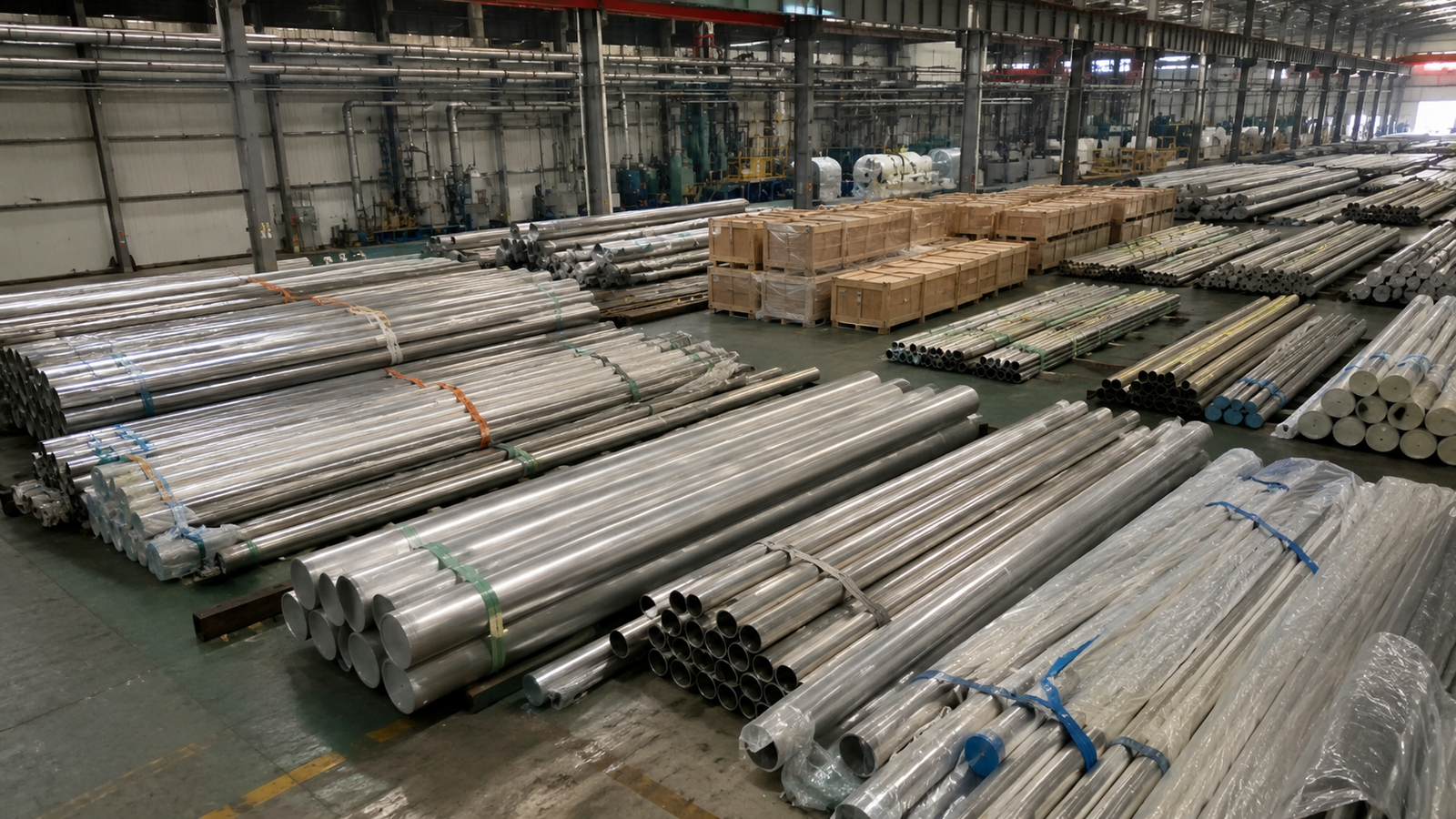
The goal is not only to choose a strong or corrosion-resistant material. The goal is to reduce risks related to contamination, corrosion, outgassing, particle generation, thermal instability, documentation gaps, and inconsistent supply.
Why There Is No Single Best Alloy for Semiconductor Equipment
Many buyers want a simple answer:
Which alloy is best for semiconductor equipment?
The problem is that semiconductor equipment does not have one operating environment. Different parts of the same system can have completely different requirements.
A process chamber component may need corrosion resistance and particle control. A vacuum component may need low outgassing and dimensional stability. A gas delivery part may need surface cleanliness and low contamination risk. A heating-related component may need oxidation resistance or strength at elevated temperature.
Different Equipment Areas Need Different Material Thinking
| Equipment Area | Key Material Concerns | Possible Risk if Poorly Matched |
|---|---|---|
| Process chamber parts | Plasma exposure, corrosion, particles, surface stability | Particle generation, surface degradation, process instability |
| Gas delivery components | Cleanliness, surface finish, chemical compatibility | Gas contamination, adsorption, reaction, leakage |
| Liquid chemical delivery parts | Chemical compatibility, metal ion release, surface condition | Contamination, corrosion, inspection delay |
| Vacuum components | Outgassing, magnetic behavior, CTE, dimensional stability | Pump-down issues, alignment loss, contamination |
| Heat-related parts | High-temperature strength, oxidation resistance, thermal cycling | Creep, distortion, oxidation, shorter service life |
| Fixtures and supports | Mechanical strength, cleanliness, corrosion exposure | Wear, contamination, replacement frequency |
| Fasteners and small parts | Strength, galling, corrosion, traceability | Assembly problems, loosening, local corrosion |
SEMI notes that particle contamination in critical chamber components can affect wafer yield and device reliability. Particle contamination control in semiconductor equipment
This is why alloy selection should begin with the actual function of the component, not with a universal material preference.
What Application Details Should Buyers Confirm First?
Before comparing alloy grades, buyers should define the service condition as clearly as possible.
A material that works well in one semiconductor equipment area may not work in another if the process gas, chemical liquid, temperature, pressure, vacuum level, or cleanliness requirement changes.
Application Questions to Confirm
| Question | Why It Matters |
|---|---|
| Where will the material be used? | Internal chamber parts, external supports, tubing, fixtures, and fasteners may need different materials. |
| Will it contact process gas or liquid chemicals? | Direct-contact parts require stricter compatibility and contamination review. |
| What temperature range is involved? | High temperature may affect strength, oxidation, creep, and dimensional stability. |
| Is vacuum performance important? | Outgassing, surface condition, and cleanliness may become critical. |
| Is plasma exposure present? | Plasma may affect erosion, surface stability, and particle generation. |
| Is product purity sensitive? | Metal ions, particles, residues, or surface contamination may affect process quality. |
| What cleaning or surface finish is required? | Surface condition may affect particle retention, cleanability, and contamination risk. |
| What documents are required? | MTRs, EN 10204 certificates, inspection reports, and traceability may be needed for approval. |
SEMI Liquid Chemicals standards cover technical needs related to liquid chemicals and liquid chemical distribution, including materials used to contain and transport liquid chemicals. This shows why semiconductor material selection should be connected to the whole process environment, not only the alloy grade.
How Should Buyers Read Material Datasheets and MTCs?
A material datasheet is useful, but it is only a general reference. It tells buyers what a grade is expected to provide under standard conditions.
A Material Test Report or Material Test Certificate is different. It gives batch-specific information for the actual material being supplied.
For semiconductor equipment, both are useful, but they do not serve the same purpose.
Datasheet vs. MTC / MTR
| Document | What It Tells You | Limitation |
|---|---|---|
| Datasheet | General material properties, typical composition, typical performance | Not batch-specific and may not reflect actual process conditions |
| MTC / MTR | Actual chemical composition, mechanical properties, heat number, standard, and batch data | Does not automatically prove suitability for a specific semiconductor application |
| Third-party test report | Independent verification of selected properties | Only useful if test method, sample source, and lab competence are clear |
| Surface report | Roughness, finish, or surface inspection result | Must match the real surface requirement of the part |
| Cleaning / packaging record | Evidence of special cleaning or packing steps | Only valuable if the procedure is clearly defined |
BS EN 10204 inspection documents are used to authenticate materials and support proof of chemical and mechanical properties.
When reviewing an MTC or MTR, buyers should check:
- Heat number or batch number
- Material grade and UNS number
- Product standard
- Chemical composition
- Mechanical properties
- Heat treatment condition
- Product form and size
- Testing method
- Inspection authority
- Whether the document matches the delivered material
For critical parts, buyers may also request PMI, dimensional inspection, surface inspection, NDT, hydrostatic testing, third-party inspection, or additional laboratory testing if required by the project.
Which Material Properties Matter Most?
The most important property depends on the equipment location.
A material should not be selected only because it has high strength, high corrosion resistance, or a well-known trade name. The key is to identify the main risk for that component.
Key Properties to Review
| Property | Why It Matters |
|---|---|
| Chemical compatibility | Helps reduce corrosion, metal ion release, or reaction with process gases or liquids. |
| Particle control | Important for chamber parts, wetted parts, and contamination-sensitive components. |
| Surface finish | May affect cleanability, particle retention, outgassing, or fluid/gas behavior. |
| High-temperature stability | Important for heating-related components or parts exposed to thermal cycling. |
| Oxidation resistance | Important in elevated-temperature or oxygen-containing environments. |
| Creep resistance | Relevant when a part carries load at high temperature for long periods. |
| Low outgassing | Important for vacuum and high-vacuum systems. |
| Magnetic behavior | Important near electron beams, sensors, or magnetic-field-sensitive equipment. |
| Mechanical strength | Needed for structural parts, pressure-related parts, fixtures, and fasteners. |
| Thermal expansion | CTE mismatch may cause stress, distortion, or alignment problems. |
| Machinability and weldability | Important for custom parts, tubes, fittings, flanges, and assemblies. |
| Traceability | Supports quality control, root-cause analysis, and repeat orders. |
SEMI F20 defines metallurgical cleanliness and material composition requirements for 316L stainless steel used in components for general purpose, high-purity, and ultra-high-purity semiconductor chemical gas or liquid distribution systems. SEMI F20 high-purity semiconductor material requirements
This is a useful example: even a familiar material such as 316L may need more specific requirements when used in high-purity semiconductor-related systems.
How Does Manufacturing Process Affect Alloy Quality?
Two suppliers may offer the same alloy grade, but the delivered material may still differ in consistency, cleanliness, surface condition, internal defects, and documentation.
The manufacturing route can affect material quality. This is especially important when the application is sensitive to contamination, high temperature, corrosion, vacuum, or dimensional stability.
Manufacturing Factors to Review
| Manufacturing Factor | Why It Matters |
|---|---|
| Melting and refining route | May affect inclusion level, segregation, gas content, and material consistency. |
| Forging or rolling | Influences grain structure, internal soundness, and mechanical properties. |
| Tube drawing or cold working | Affects dimensional tolerance, surface condition, wall thickness, and mechanical response. |
| Heat treatment | Controls microstructure, residual stress, corrosion behavior, and strength. |
| Straightening and sizing | Important for tubes, rods, bars, and precision components. |
| Machining | May introduce burrs, tool marks, embedded particles, or surface damage. |
| Polishing or surface treatment | May improve surface finish or cleanability when properly specified. |
| Cleaning | Removes oil, grease, particles, dust, or residues when required. |
| Packaging | Protects material from surface damage, contamination, moisture, or mix-up during shipment. |
Special melting routes such as VIM, VAR, or ESR may matter for some high-performance or high-purity applications, but they should not be assumed automatically. Buyers should specify these requirements only when they are technically needed and supported by the project specification.
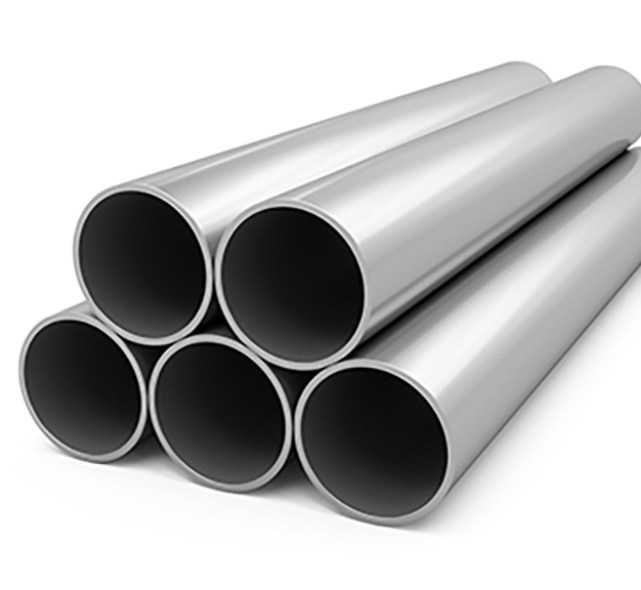
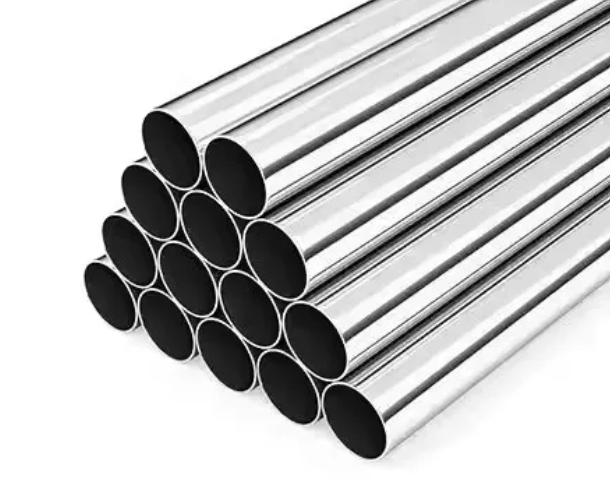
For tubes and pipe materials, buyers should also confirm the relevant product standard. For example, ASTM B338 titanium tube requirements cover seamless and welded titanium alloy tubes for surface condensers, evaporators, and heat exchangers. ASTM B622 nickel alloy pipe and tube requirements cover seamless nickel and nickel-cobalt alloy pipe and tube, including mechanical and test requirements.
How Should Buyers Evaluate Supplier Quality?
Supplier quality is not proven by a low price or a polished brochure.
A reliable supplier should be able to discuss the application, clarify material requirements, provide batch-specific documents, explain the manufacturing route, and support inspection requirements.
Supplier Evaluation Checklist
| Supplier Area | What to Check |
|---|---|
| Application understanding | Does the supplier ask about process gas, chemical, temperature, pressure, vacuum, or purity requirements? |
| Material knowledge | Can the supplier explain suitable and unsuitable material options instead of pushing one alloy for everything? |
| Product standards | Can the supplier clearly state ASTM, ASME, EN, ISO, SEMI, or project-specific requirements? |
| Batch documents | Can they provide MTR/MTC, EN 10204 certificate, heat number, and inspection records? |
| Testing support | Can they support PMI, NDT, hydrostatic test, dimensional inspection, surface inspection, or third-party inspection if required? |
| Surface and cleaning control | Can they meet defined surface finish, cleaning, and packaging requirements? |
| Nonconformity handling | Can they explain how quality issues are recorded, corrected, and prevented? |
| Repeatability | Can they support repeat orders with consistent material, size, surface, and documentation? |
| Technical response | Can they answer detailed questions about material, tolerance, surface condition, and application risk? |
ISO 9001 supply chain guidance reminds buyers that a product may meet stated requirements but still be wrong for the intended application. This is why buyers should define intended use, business risk, supplier history, and confidence in the supplier’s ability to provide conforming product consistently.
If testing data is important for approval, ISO/IEC 17025 laboratory competence can help buyers understand whether the laboratory has recognized competence and consistent operation.
Why Long-Term Supply and Support Matter
Semiconductor equipment procurement is not only about the first order.
A material may pass the first sample stage, but buyers still need consistent supply, repeatable quality, and stable documentation for future orders. This is especially important for replacement parts, spare parts, maintenance programs, and repeat equipment builds.
Long-Term Risks to Consider
| Risk | Why It Matters |
|---|---|
| Batch inconsistency | Different batches may perform differently or require requalification. |
| Material discontinuity | A supplier may not be able to provide the same grade, condition, or size later. |
| Long lead time | Delays may affect equipment assembly, repair, or project delivery. |
| Document inconsistency | Missing or inconsistent certificates may delay incoming inspection. |
| Surface variation | Surface finish or cleaning differences may affect contamination-sensitive parts. |
| Supplier communication gaps | Slow response may delay engineering decisions or corrective action. |
| Replacement uncertainty | Future spare parts may be difficult to match if the original supply route is unclear. |
The lowest material price is not always the lowest total cost. The NIST life-cycle cost methodology provides a useful general idea: cost should be evaluated over the full life of the system, not only by the initial purchase price.
For semiconductor equipment materials, total cost may include inspection, testing, cleaning, documentation review, rework, replacement, downtime, supplier requalification, and future repeat-order risk.
Practical Checklist Before Selecting Alloy Materials
Before confirming alloy materials for semiconductor equipment, buyers can review the following checklist:
- What equipment area will use the material?
- Will the material contact process gas, liquid chemicals, plasma, vacuum, or high temperature?
- What is the main risk: corrosion, contamination, particles, outgassing, thermal distortion, or mechanical failure?
- What material grade, UNS number, and product standard are required?
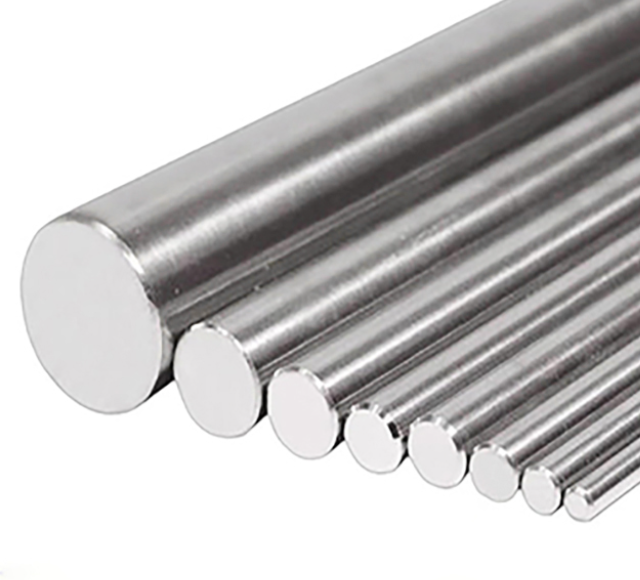
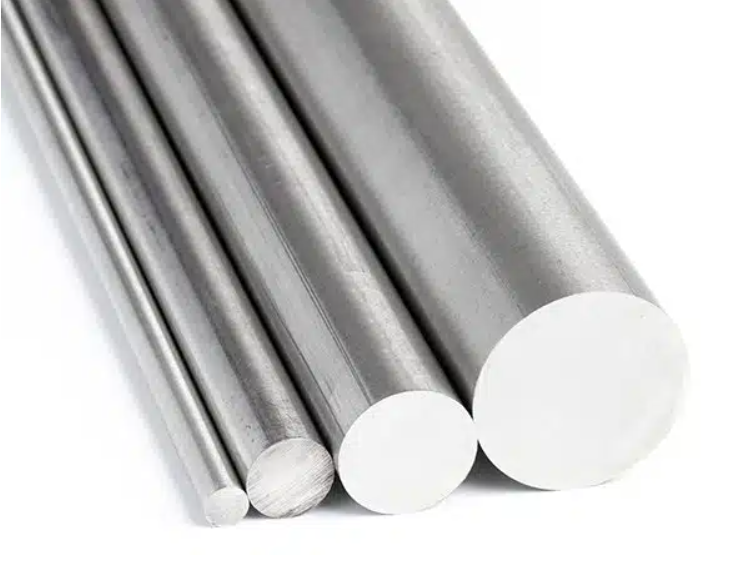
- Is the product form tube, pipe, bar, rod, plate, fitting, machined blank, or custom part?
- What surface finish, cleaning, passivation, polishing, or packaging is required?
- Is low magnetic permeability, low outgassing, or CTE matching required?
- What temperature, pressure, vacuum level, or chemical exposure must be considered?
- What documents are required: MTR, EN 10204 3.1, dimensional report, PMI, NDT, surface report, or third-party inspection?
- Is heat number traceability required?
- Is additional testing needed for critical parts or new suppliers?
- Can the supplier explain the manufacturing route and quality control process?
- Can the supplier support future repeat orders with consistent quality and documents?
- Has the final material choice been reviewed against the actual application, not only a datasheet?
Conclusion
Selecting alloy materials for semiconductor equipment requires more than choosing a well-known grade or comparing basic datasheet values.
The right decision depends on the component function, process environment, purity requirement, surface condition, temperature, vacuum level, inspection documents, supplier quality, and long-term supply stability.
There is no single best alloy for every semiconductor application. Buyers should first define the equipment location and operating conditions, then verify material properties, MTRs, product standards, surface requirements, testing needs, and supplier capabilities.
When the application is sensitive to corrosion, contamination, particles, outgassing, downtime, or documentation approval, it is worth discussing the drawings, process conditions, standards, surface finish, test requirements, and traceability before confirming the order.