
How to Choose Alloy Materials for New Energy Equipment
Choosing alloy materials for new energy equipment is not a simple grade-selection task. Battery systems, hydrogen equipment, geothermal units, concentrating solar power systems, wind power components, and energy storage equipment may face very different combinations of corrosion, temperature, pressure, fatigue, electrical, and chemical risks.
A poor material choice may increase corrosion risk, maintenance work, downtime, replacement cost, or project delay. However, the solution is not simply to choose the highest-grade alloy. Buyers should confirm the real application conditions, verify supplier documentation, and compare long-term risk before ordering.
NIST’s Life Cycle Cost Manual explains that life cycle cost includes the total cost of owning, operating, maintaining, and disposing of a system over a study period. This is why alloy material selection should consider lifecycle risk, not only initial purchase price: NIST Life Cycle Cost Manual.
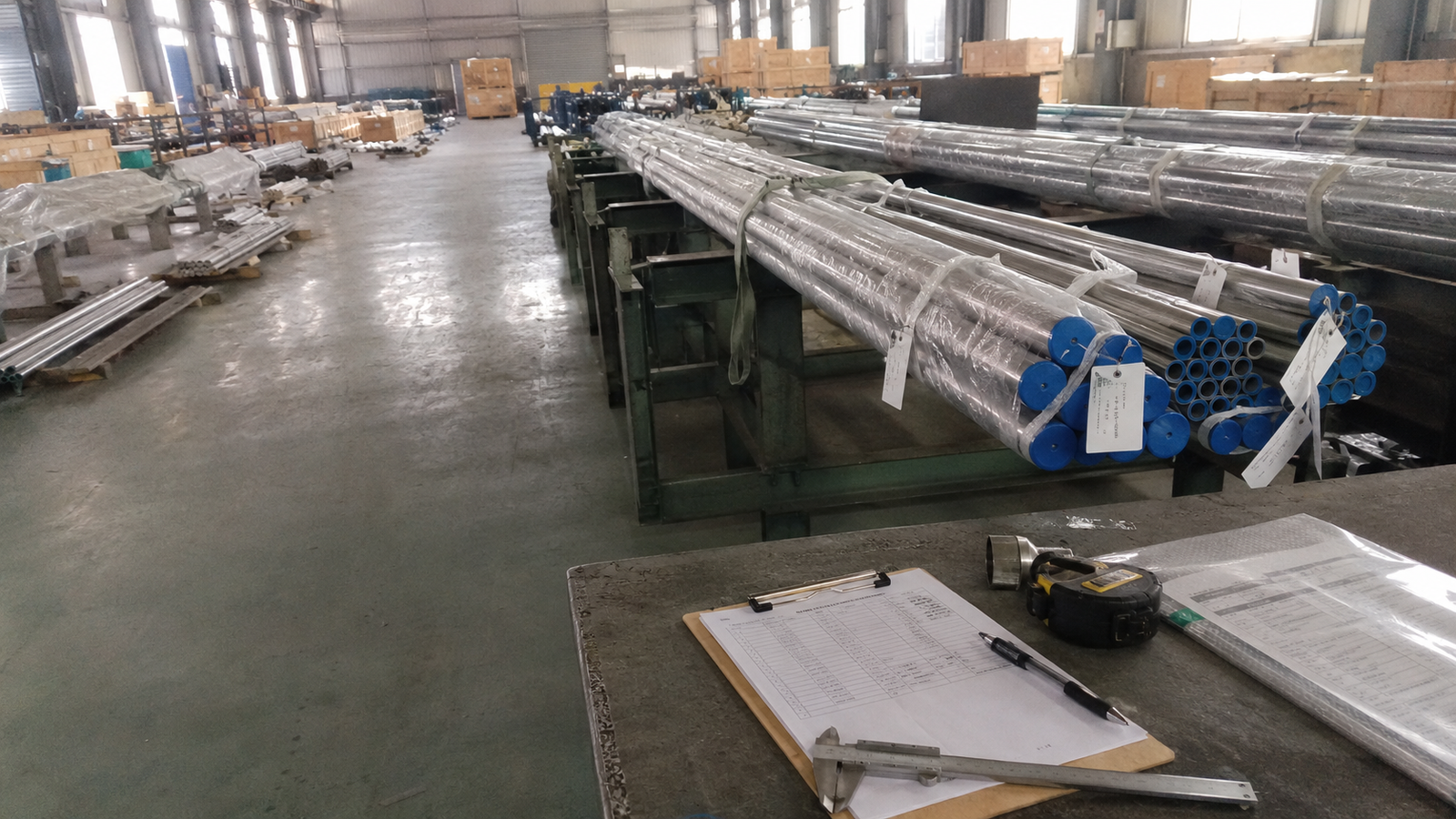
For buyers, engineers, and project teams, the key question is not “Which alloy is best for new energy?” The better question is “Which alloy is suitable for this specific new energy application, operating environment, manufacturing process, inspection scope, and service life requirement?”
Why Alloy Selection for New Energy Equipment Must Be Application-Based
“New energy equipment” is a broad category. Different applications create completely different material challenges.
For example:
- Battery testing equipment may face electrolytes, HF-related species, current, voltage, temperature cycling, and metal contamination risk.
- Hydrogen equipment may face high-pressure hydrogen, pressure cycling, hydrogen embrittlement, and sealing requirements.
- Geothermal equipment may face hot brine, H₂S, chlorides, scaling, and high pressure.
- Concentrating solar power systems may face high-temperature molten salts, oxidation, thermal cycling, and creep.
- Offshore wind power components may face cyclic loading, seawater, corrosion fatigue, and coating or surface protection requirements.
- Energy storage and thermal systems may require corrosion resistance, heat transfer stability, and long-term maintenance control.
This is why material selection should be based on the actual service condition, not only on the alloy grade name.
Specifications Are Only the Starting Point
A material specification is important, but it does not fully prove real-world performance. Standards may define chemical composition, mechanical properties, product form, testing, heat treatment condition, or dimensional requirements. These details are necessary, but they do not replace application review.
For example, ASTM B446 covers nickel-chromium-molybdenum-columbium alloy UNS N06625 and related alloy rod and bar products, including chemical composition and heat-treated condition requirements: ASTM B446.
ASTM B574 covers low-carbon nickel-chromium-molybdenum alloy rod and bar products such as UNS N10276 and UNS N06022 for general corrosive service: ASTM B574.
ASTM B348 covers titanium and titanium alloy bars and billets: ASTM B348.
These standards help define the product. They do not automatically prove that the material is suitable for every battery, hydrogen, geothermal, solar, or wind application.
Key Questions Before Ordering Alloy Materials
Before ordering alloy tubes, bars, or custom components for new energy equipment, buyers should confirm the actual service environment.
| Factor | What to Confirm | Why It Matters |
|---|---|---|
| Application | Battery, hydrogen, geothermal, CSP, wind, solar thermal, energy storage, or custom equipment | Different applications have different failure risks |
| Medium | Electrolyte, hydrogen, geothermal brine, molten salt, seawater, heat transfer fluid, gas, or chemical fluid | Determines corrosion and compatibility requirements |
| Temperature | Normal, maximum, minimum, thermal cycling, startup / shutdown | Affects corrosion, creep, oxidation, fatigue, and dimensional stability |
| Pressure | Operating pressure, design pressure, pressure cycling | Important for hydrogen, geothermal, heat exchangers, and pressure components |
| Corrosion mechanism | Pitting, crevice corrosion, SCC, oxidation, sulfidation, erosion-corrosion, galvanic corrosion | Guides material family and inspection needs |
| Mechanical stress | Vibration, fatigue, torque, bending, pressure cycling, clamping force | Affects cracking and long-term reliability |
| Electrical role | Conductive, insulated, structural, current-carrying, or containment | Critical for battery and power equipment |
| Manufacturing route | Forging, rolling, drawing, welding, machining, heat treatment | Affects microstructure, residual stress, and final properties |
| Documentation | MTC, heat number, EN 10204 3.1 / 3.2, inspection reports | Supports traceability and project verification |
| Inspection | PMI, UT, PT, dimensional inspection, surface inspection, third-party inspection | Helps verify material before use |
A vague request such as “alloy material for new energy equipment” is usually not enough. The supplier needs the actual application details.
Battery and Energy Storage Equipment
Battery systems and testing equipment may require different materials for chambers, fixtures, holders, current collector adapters, fasteners, tubing, valves, trays, and machined parts. The correct material depends on whether the part contacts electrolyte, carries current, provides mechanical support, or acts as a containment component.
Li-ion battery electrolytes may include LiPF6-containing carbonate systems. Research on LiPF6-containing carbonate electrolytes notes that HF can be a typical impurity because of the hydrolytic instability of LiPF6, and HF can influence interfacial electrochemistry and battery performance: Electrochemical Removal of HF from Carbonate-based LiPF6-containing Li-ion Battery Electrolytes.
OSTI / Argonne research also shows that metallic contaminants can disrupt lithium-ion battery performance through direct reaction with lithium and by accelerating electrolyte degradation: Influence of Metallic Contaminants on the Electrochemical Performance of Lithium-Ion Batteries.
For battery-related equipment, buyers should confirm:
- Battery chemistry
- Electrolyte salt and solvent
- HF or fluoride risk
- Acid, alkali, or moisture exposure
- Test temperature
- Voltage and current density
- Whether the part contacts electrolyte
- Whether high electrical conductivity is required
- Contact resistance requirement
- Galvanic corrosion risk
- Surface finish and crevice design
- Contamination control requirement
Nickel alloys, titanium alloys, stainless steels, coated materials, plated conductive materials, and non-metallic parts may all be considered depending on the function. There is no universal alloy for every battery application.
Hydrogen Production, Storage, and Delivery Equipment
Hydrogen equipment may involve high-pressure gas, pressure cycling, hydrogen embrittlement, sealing requirements, weld quality, and material compatibility.
DOE’s hydrogen compatibility materials guidance discusses standards and testing related to hydrogen service, including material qualification and fatigue properties measured in gaseous hydrogen: Hydrogen Compatibility of Materials.
DOE hydrogen program material research also identifies hydrogen embrittlement of steel pipelines as a key safety and reliability issue, especially under pressure cycling: Hydrogen Embrittlement of Structural Steels.
For hydrogen-related equipment, buyers should confirm:
- Hydrogen pressure
- Pressure cycling
- Gas purity
- Temperature
- Moisture or corrosive contaminants
- Welded or seamless construction
- Mechanical stress
- Hydrogen embrittlement resistance
- Applicable code or standard
- Testing and inspection requirements
Nickel alloys, austenitic stainless steels, titanium alloys, and other engineered materials may be discussed, but final selection should follow hydrogen compatibility testing, project standards, and engineering review.
Geothermal Equipment
Geothermal systems may expose materials to hot brine, dissolved gases, chlorides, sulfides, scaling, high temperature, and high pressure. Corrosion and scaling may occur together.
NREL geothermal assessment guidance notes that corrosion can arise from the unique physicochemical characteristics of geothermal fluids and that facility designers must match equipment materials and design to geothermal fluid corrosive gas type and corrosion mechanism. It also specifically evaluates HCl, SO₂, and H₂S gas species to account for variations in geothermal water chemistry: NREL Geothermal Assessment Tool.
For geothermal equipment, buyers should confirm:
- Brine chemistry
- Chloride level
- H₂S, CO₂, HCl, or other gas species
- pH
- Temperature
- Pressure
- Scaling tendency
- Flow velocity
- Erosion risk
- Cleaning or acidizing procedures
- Heat exchanger, pump, valve, tubing, or bar component function
High-nickel alloys, titanium alloys, duplex stainless steels, coatings, or lined systems may be considered depending on the actual brine chemistry and temperature. Material selection should not be based only on the word “geothermal.”
Concentrating Solar Power and Thermal Energy Storage
Concentrating solar power and thermal energy storage systems may involve molten salts, high temperature, thermal cycling, heat exchangers, receiver components, tanks, piping, and pumps.
NREL explains that common CSP thermal energy storage uses a two-tank molten nitrate salt system, where molten salt transfers heat through a heat exchanger and moves between hot and cold tanks: The Role of Concentrating Solar-Thermal Technologies.
A review on molten salt corrosion in CSP thermal energy storage notes that high-temperature corrosion of molten salt containment materials is important for the design, lifecycle, and economics of these systems, and that corrosion mechanisms are affected by impurities, atmosphere, temperature, and metal composition: Corrosion Mechanisms in Molten Salt Thermal Energy Storage.
For CSP and thermal storage equipment, buyers should confirm:
- Molten salt type
- Operating temperature
- Thermal cycling
- Oxygen or atmosphere control
- Salt impurities
- Heat exchanger design
- Pump or valve service
- Creep requirement
- Oxidation resistance
- Weldability and fabrication
- Inspection and maintenance plan
Nickel alloys and high-temperature stainless steels may be considered in selected components, but the correct choice depends on molten salt chemistry and temperature range.
Wind Power and Offshore Renewable Equipment
Wind power components may face fatigue loading, vibration, impact, corrosion, and wear. Offshore wind equipment may also face seawater, humidity, salt spray, coatings, corrosion fatigue, and maintenance access limitations.
A review of corrosion fatigue in offshore structures discusses the combined effects of seawater, environment, and mechanical loading: Review of Corrosion Fatigue in Offshore Structures.
For wind and offshore renewable equipment, buyers should confirm:
- Onshore or offshore location
- Cyclic load and fatigue requirement
- Salt spray or seawater exposure
- Humidity and temperature range
- Coating or surface protection
- Fastener and shaft material
- Welded or machined component
- Inspection interval
- Maintenance access
- Required toughness and impact performance
High-strength steels, stainless steels, nickel alloys, titanium alloys, coatings, or surface-treated components may be considered depending on the part function and service environment.
How to Think About Candidate Alloy Families
The following table is only a starting point for technical discussion. It is not a final selection chart.
| Material Family | Why Buyers May Consider It | Important Caution |
|---|---|---|
| 304 / 316 stainless steel | Common, available, economical for moderate environments | May be insufficient for high chlorides, strong acids, HF, molten salts, or severe fatigue-corrosion conditions |
| Duplex / super duplex stainless steel | Higher strength and improved chloride resistance in selected conditions | Welding, temperature limits, SCC risk, and application chemistry must be reviewed |
| Alloy 625 / UNS N06625 | Often considered where corrosion resistance and strength are both needed | Cost, temperature, media, machining, and project standards must be checked |
| Alloy C-276 / C-22 type Ni-Cr-Mo alloys | Often considered for severe corrosion and mixed chemical environments | Not a universal answer; oxidizing/reducing conditions, temperature, availability, and cost matter |
| Alloy 718 / UNS N07718 | Often considered where high strength is required | Not primarily selected for all corrosive environments; heat treatment and application limits must be reviewed |
| Alloy 825 / Alloy 20 type materials | Often considered for selected acid or mixed chemical service | Suitability depends on concentration, temperature, chloride level, and oxidizing/reducing condition |
| Titanium Grade 2 / Grade 5 | Often considered for selected chloride, seawater, lightweight, or oxidizing wet environments | Reducing acids, fluorides, galling, crevices, conductivity, and temperature limits must be checked |
| Nickel 200 / 201 | Often considered for selected caustic or reducing environments | Not a universal new energy material; strength, temperature, impurities, and media compatibility matter |
| Coated or plated materials | May help balance conductivity, corrosion resistance, and cost | Coating damage, adhesion, wear, and galvanic effects must be managed |
The best material is the one that matches the actual risk profile, not the one with the most impressive name.
How to Verify Supplier Claims
Supplier claims such as “new energy grade,” “high performance,” “hydrogen compatible,” or “excellent corrosion resistance” should be verified with specific documents and test data.
Buyers should ask:
- Which material grade and UNS number are supplied?
- Which ASTM, ASME, EN, ISO, or customer standard applies?
- Can you provide MTC / MTR for the actual heat number?
- Can the material be traced back to the melt or batch?
- What is the heat treatment condition?
- What manufacturing route is used: forged, rolled, drawn, welded, machined, or solution annealed?
- Are chemical composition and mechanical properties listed?
- Can PMI testing be provided?
- Can ultrasonic testing or liquid penetrant testing be provided if required?
- Can dimensional and surface inspection reports be provided?
- Can third-party inspection be arranged?
- Can the supplier explain the material’s limitations in the stated application?
- Can the supplier provide realistic lead time, packing, marking, and export documents?
A trustworthy supplier should provide evidence, not only marketing language.
Material Documentation and Standards
For alloy materials used in new energy equipment, documentation is essential.
Common documents include:
- Material Test Certificate / Mill Test Report
- EN 10204 Type 3.1 or Type 3.2 certificate if required
- Heat number or batch number traceability
- Chemical composition report
- Mechanical properties report
- Heat treatment condition
- Hardness report if required
- PMI report if required
- Ultrasonic testing report if required
- Liquid penetrant testing report if required
- Dimensional inspection report
- Surface inspection report
- Third-party inspection report if required
- Packing and marking records
EN 10204 defines inspection document types supplied to the purchaser for metallic products. Type 3.1 provides specific inspection results and is validated by the manufacturer’s authorized inspection representative independent of manufacturing. Type 3.2 adds validation by the manufacturer’s authorized representative and the purchaser’s authorized representative or a designated inspector: EN 10204 Inspection Documents.
Buyers should verify that the certificate matches the physical material: heat number, grade, size, standard, test values, quantity, marking, and purchase order.
Testing and Inspection Methods
Testing requirements depend on product form, application risk, standard, and customer specification.
| Test / Inspection | Purpose |
|---|---|
| Chemical analysis | Confirms alloy composition |
| Mechanical testing | Confirms strength, elongation, hardness, impact or other required properties |
| PMI testing | Helps verify alloy identity and major alloying elements |
| Dimensional inspection | Confirms diameter, length, tolerance, wall thickness, straightness, or machining allowance |
| Visual inspection | Checks cracks, pits, dents, scratches, scale, contamination, or surface damage |
| Ultrasonic testing | Helps detect internal discontinuities in suitable bars, tubes, or components |
| Liquid penetrant testing | Helps reveal surface-breaking defects |
| Hardness testing | Useful for wear, strength, hydrogen service, machining, or project requirements |
| Corrosion testing | May be required for selected severe environments |
| Third-party inspection | Adds independent verification for critical projects |
ASNT explains that ultrasonic testing uses high-frequency sound waves to detect and measure discontinuities in industrial components: ASNT Ultrasonic Testing.
ASNT also explains that liquid penetrant testing can reveal surface discontinuities in solid, nonporous materials: ASNT Liquid Penetrant Testing.
ISO 9001 Is Useful, but Not Enough
ISO 9001 can support supplier evaluation, but it should not be treated as proof that a specific batch of material is suitable for a specific new energy application.
ISO explains that ISO 9001 is a globally recognized quality management standard that helps organizations establish, implement, maintain, and continually improve a quality management system: ISO 9001 Quality Management Systems.
For critical new energy equipment, buyers should still verify:
- Material grade
- Product standard
- Heat number
- Chemical composition
- Mechanical properties
- Heat treatment
- Manufacturing route
- Inspection results
- Surface condition
- MTC / MTR
- Application compatibility
- Third-party inspection if required
Quality management certification is helpful, but batch-level material verification is still necessary.
Lifecycle Cost: Why Initial Price Is Not Enough
The lowest purchase price is not always the lowest lifecycle cost. In new energy projects, material failure may create maintenance work, replacement cost, downtime, requalification, safety review, or delayed commissioning.
When comparing material options, buyers should consider:
- Initial material cost
- Machining or fabrication cost
- Heat treatment cost
- Coating or surface treatment cost
- Inspection and testing cost
- Documentation cost
- Expected service life
- Maintenance interval
- Failure consequence
- Downtime risk
- Replacement difficulty
- Lead time
- Spare parts strategy
- Project compliance requirement
A higher-cost alloy may be more economical in a severe environment if it reduces replacement frequency and risk. A lower-cost material may be acceptable in mild service. The correct choice depends on total risk and lifecycle cost.
Practical RFQ Checklist for New Energy Alloy Materials
Before sending an inquiry, buyers can prepare the following information:
- Application type: battery, hydrogen, geothermal, CSP, wind, solar thermal, energy storage, or custom equipment
- Component name: tube, pipe, bar, shaft, fitting, fastener, heat exchanger part, fixture, chamber, valve, or custom machined part
- Required material grade and UNS number if known
- Required standard: ASTM, ASME, EN, ISO, NACE/ISO, hydrogen standard, or customer specification
- Product form: tube, pipe, round bar, square bar, hex bar, plate, sheet, forged bar, or machined blank
- Size, tolerance, length, quantity, and surface condition
- Operating medium: electrolyte, hydrogen, molten salt, geothermal brine, seawater, gas, heat transfer fluid, acid, alkali, or mixed media
- Chemical composition, pH, chlorides, fluorides, sulfides, oxidizers, reducers, or contaminants
- Operating temperature and maximum temperature
- Operating pressure and pressure cycling
- Electrical role: conductive, insulated, structural, or containment
- Mechanical stress: fatigue, vibration, torque, bending, clamping force, or impact
- Corrosion mechanism: pitting, crevice corrosion, SCC, oxidation, sulfidation, erosion-corrosion, galvanic corrosion, or unknown
- Heat treatment condition
- Required testing: PMI, UT, PT, hardness, corrosion test, dimensional inspection, surface inspection, or third-party inspection
- Required certificate type: EN 10204 3.1 or 3.2
- Packing, marking, export documentation, and delivery schedule
A clear RFQ helps the supplier recommend a suitable material instead of quoting a general “new energy alloy.”
Conclusion
Choosing alloy materials for new energy equipment requires application-specific review, verified documentation, realistic testing, and lifecycle cost thinking.