
How to Choose Corrosion-Resistant Alloys for Battery Testing Equipment
Battery testing equipment may work in harsh chemical and electrochemical environments. Test fixtures, holders, current collector adapters, electrolyte-contact chambers, tubing, valves, fasteners, trays, and machined parts may be exposed to electrolytes, moisture, high temperature, voltage, current, cleaning chemicals, and gas byproducts.
If the material is not suitable, corrosion may affect equipment life, data consistency, leakage risk, maintenance cost, and safety control. However, the answer is not simply to choose the most expensive alloy. The right material depends on battery chemistry, electrolyte composition, temperature, current density, test duration, contact function, insulation design, surface condition, traceability, and inspection requirements.
Research on LiPF6-containing carbonate electrolytes notes that HF can be a typical impurity due to the hydrolytic instability of LiPF6, and that HF can influence interfacial electrochemistry and battery performance: Electrochemical Removal of HF from Carbonate-based LiPF6-containing Li-ion Battery Electrolytes.
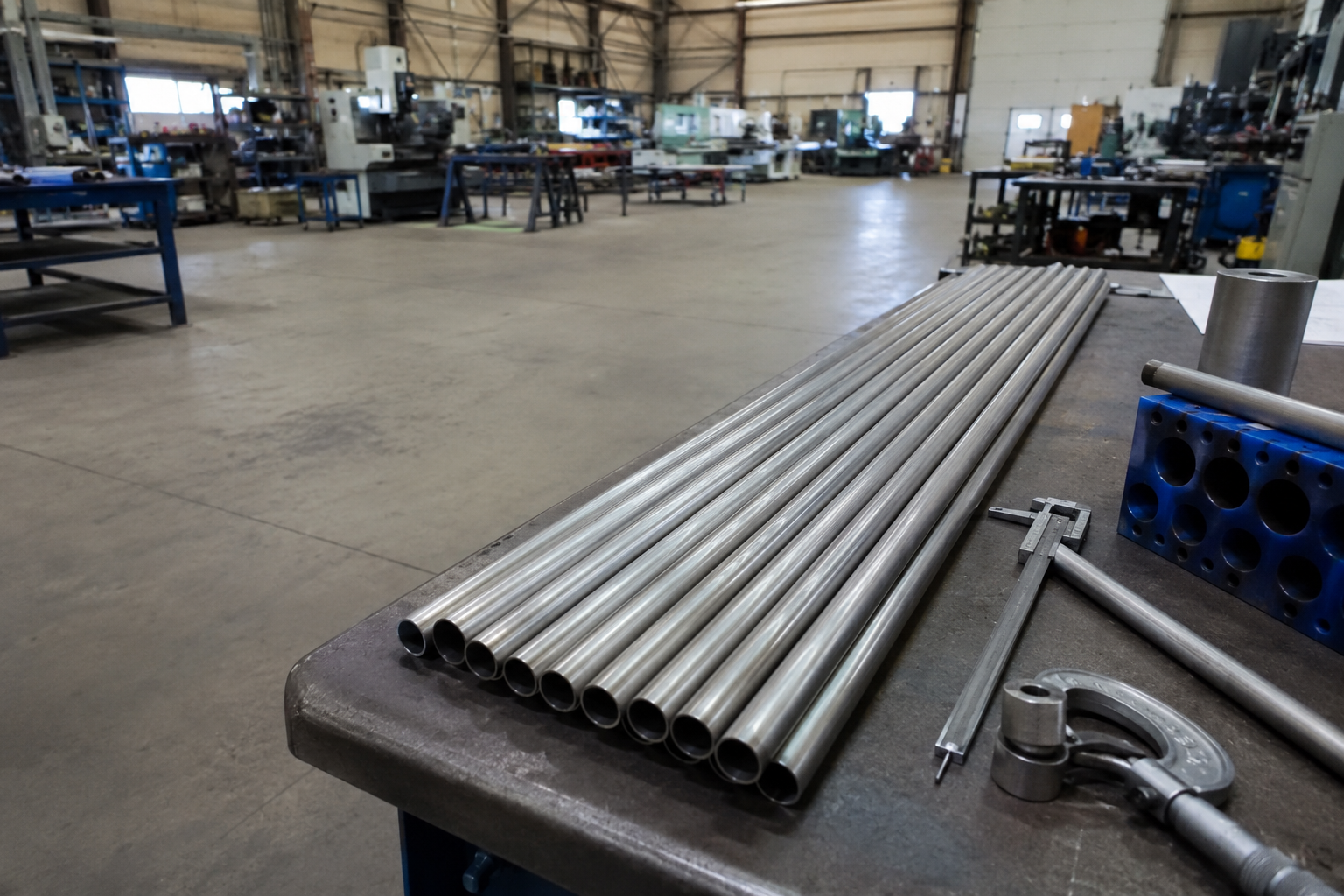
For engineers and buyers, the key question is not “Which alloy is the most corrosion-resistant?” The better question is “Which alloy is compatible with this electrolyte, this temperature, this electrical condition, this test duration, and this equipment function?”
Why Battery Testing Environments Can Be Corrosive
Battery testing is not only an electrical process. It may also involve chemical exposure, electrochemical reactions, temperature cycling, and material compatibility risks.
Common corrosive or challenging factors include:
- Lithium salts such as LiPF6, LiBF4, LiClO4, LiFSI, or LiTFSI
- Organic carbonate solvents used in lithium-ion electrolytes
- HF or fluoride-related species generated from electrolyte decomposition or moisture reaction
- Sulfuric acid in lead-acid battery testing
- Potassium hydroxide in nickel-based alkaline battery testing
- High or low temperature cycling
- High voltage and current density
- Electrochemical polarization
- Metal ion contamination
- Galvanic coupling between different metals
- Seals, crevices, deposits, and trapped electrolyte
- Cleaning chemicals and drying procedures
- Long-duration aging tests
PV Education explains that lead-acid batteries use an electrolyte solution of sulfuric acid and water: Lead Acid Batteries. ScienceDirect’s overview of Ni-MH batteries notes that aqueous potassium hydroxide electrolyte is commonly used: Nickel Metal Hydride Battery Overview.
Different battery chemistries create different material risks. This is why “battery testing equipment” is too broad as a material selection description.
Why Li-Ion Battery Electrolytes Need Special Attention
Lithium-ion battery testing often involves non-aqueous electrolytes containing organic solvents and lithium salts. LiPF6 is widely used, but moisture, high voltage, and elevated temperature can create decomposition and HF-related risks.
A review from OSTI / Argonne National Laboratory notes that aluminum current collectors in lithium-ion batteries have been widely studied for corrosion behavior in LiPF6-containing electrolytes: Revisiting the Corrosion of Aluminum Current Collectors in Lithium-Ion Batteries.
For battery testing equipment, this does not mean every metal part will fail. It means buyers should carefully review:
- Electrolyte salt
- Solvent system
- Moisture sensitivity
- HF or fluoride risk
- Test voltage window
- Test temperature
- Exposure duration
- Contact area with electrolyte
- Electrical potential of the part
- Galvanic coupling with other metals
- Surface finish and crevice design
If a fixture or chamber touches electrolyte directly, normal stainless steel may not always be enough. If the part is isolated from electrolyte, a high-performance alloy may not be necessary.
Battery Chemistry Changes Material Selection
There is no universal corrosion-resistant alloy for all battery testing equipment. Each battery chemistry creates different chemical and electrochemical conditions.
| Battery Type | Typical Electrolyte / Exposure Concern | Material Selection Note |
|---|---|---|
| Lithium-ion | Organic carbonates, LiPF6 or other lithium salts, HF-related species, high voltage | Check solvent compatibility, HF risk, electrochemical potential, insulation and galvanic coupling |
| Sodium-ion | Organic carbonate or other sodium salt electrolyte systems | Do not assume Li-ion material data applies directly; verify sodium salt and solvent compatibility |
| Lead-acid | Sulfuric acid electrolyte | Check acid concentration, temperature, gas evolution, and corrosion resistance |
| NiMH / NiCd type alkaline systems | Potassium hydroxide electrolyte | Check resistance to strong alkaline media and electrical contact conditions |
| Solid-state batteries | Solid electrolyte, pressure, interface reactions, possible processing chemicals | Check contact pressure, temperature, interface reaction and mechanical stability |
| Flow batteries | Acidic, alkaline, or redox-active electrolytes depending on chemistry | Check electrolyte chemistry, oxidation/reduction potential, flow, and sealing materials |
A material that works in a Li-ion electrolyte may not be suitable in sulfuric acid or KOH. A material suitable for a static test cup may not be suitable for a high-current, high-temperature aging fixture.
How Corrosion Can Affect Test Data
Corrosion in battery testing equipment may affect more than the equipment surface. It can also affect measurement reliability and contamination control.
Possible impacts include:
- Metal ion contamination of electrolyte
- Increased contact resistance
- Unstable electrical connection
- Pitting or crevice attack at electrolyte-contact areas
- Leakage from weakened chambers or fittings
- Surface deposits that alter contact behavior
- Changed local electrochemical environment
- Difficulty repeating test results
- Higher maintenance and cleaning burden
OSTI research on metallic contaminants in lithium-ion batteries found that metallic contaminants can disrupt performance through direct reaction with lithium and may act as catalysts for electrolyte degradation: Influence of Metallic Contaminants on the Electrochemical Performance of Lithium-Ion Batteries.
For testing systems, the practical lesson is clear: electrolyte-contact materials should be selected to reduce contamination risk and maintain stable electrical and chemical conditions.
Safety: Material Selection Is One Part of Risk Control
Material selection can support safer testing, but it cannot guarantee safety by itself. Battery testing safety also depends on electrical control, insulation, ventilation, temperature monitoring, fixture design, cell containment, emergency shutdown, gas handling, and test procedures.
ECS Interface explains that conventional LiPF6 and carbonate-based lithium-ion electrolytes have physical hazards including gas decomposition products at elevated temperature and flammable solvent vapor: How Electrolytes Influence Battery Safety.
Corrosion-related risks in battery testing equipment may include:
- Electrolyte leakage
- Short circuit risk from damaged or contaminated parts
- Electrical resistance increase
- Hot spots at poor contacts
- Release of corrosive or hazardous electrolyte
- Loss of mechanical integrity in chambers or fixtures
- Reduced reliability during abuse testing or thermal cycling
The correct wording is not “corrosion-resistant alloy prevents all safety hazards.” A better statement is: “Proper material selection helps reduce corrosion-related failure modes as part of a broader safety system.”
No Universal Best Alloy: How to Compare Material Families
The following table is only a starting point for technical discussion. Final selection should be based on electrolyte compatibility, electrochemical potential, conductivity, temperature, mechanical design, cost, and testing requirements.
| Material Family | Why Buyers May Consider It | Important Caution |
|---|---|---|
| 316L stainless steel | Common, available, economical for general fixtures and non-severe exposure | May be insufficient for HF, strong acids, strong alkalis, chlorides, crevices, or high-temperature exposure |
| Duplex / high-alloy stainless steel | Higher strength and improved chloride resistance in selected conditions | Conductivity, weldability, temperature limits, and electrolyte compatibility must be reviewed |
| Alloy 625 / Ni-Cr-Mo alloy | Often considered where corrosion resistance and strength are both required | Higher cost; not a universal electrolyte-contact material |
| C-276 / C-22 type Ni-Cr-Mo alloys | Often considered for severe acid, chloride, or fluoride-related corrosion risks | Must confirm electrolyte chemistry, electrical role, machining, cost and availability |
| Alloy 825 / Alloy 20 type alloys | May be considered for selected acid or mixed chemical exposure | Suitability depends strongly on acid type, concentration, temperature and contaminants |
| Titanium Grade 2 / Grade 5 | May be considered for selected oxidizing or chloride-containing environments and lightweight parts | Not ideal when high electrical conductivity is the main requirement; reducing acids, fluorides, galling and crevices need review |
| Nickel 200 / 201 | May be considered for selected caustic or reducing conditions | Not a universal solution for Li-ion electrolyte or acid exposure; strength and temperature limits must be checked |
| Coated or plated conductive materials | May help balance conductivity and corrosion resistance in electrical contact areas | Coating damage, adhesion, wear, galvanic effects and contamination risk must be controlled |
| Non-metallic / polymer components | May be useful for insulation, seals, holders or containment parts | Chemical compatibility, temperature limit, mechanical strength and outgassing must be verified |
For electrical contact parts, corrosion resistance is only one requirement. Buyers should also confirm conductivity, contact resistance, heat generation, plating quality, wear, and contamination risk.
Galvanic Corrosion and Electrical Contact Risks
Battery testing equipment often uses multiple metals together: current collector adapters, fasteners, springs, holders, plates, connectors and chambers. If dissimilar metals are electrically connected in an electrolyte, galvanic corrosion may occur.
AMPP explains that galvanic corrosion occurs when dissimilar materials are coupled in a corrosive electrolyte: AMPP Galvanic Corrosion.
For battery testing equipment, buyers should review:
- Which metals are in electrical contact
- Whether electrolyte can bridge the metals
- Potential difference between metals
- Surface area ratio
- Coatings or plating
- Insulation design
- Contact pressure
- Cleaning and drying procedure
- Long-term exposure condition
A highly corrosion-resistant alloy may still create problems if it is poorly combined with another metal in an electrolyte-contact assembly.
Stress Corrosion Cracking and Mechanical Stress
Some battery testing fixtures may face clamping load, spring force, pressure, thermal expansion, vibration, machining stress, or welded residual stress. When tensile stress and a corrosive environment are present together, stress corrosion cracking may need to be considered.
AMPP defines stress corrosion cracking as cracking caused by the combined influence of tensile stress and a corrosive environment. The tensile stress may come from applied stress or residual stress: AMPP Stress Corrosion Cracking.
For critical parts, buyers should confirm:
- Applied load
- Residual stress from machining
- Heat treatment condition
- Surface finish
- Threaded areas
- Welded areas
- Exposure to electrolyte or vapors
- Temperature cycling
- Cleaning chemicals
- Inspection requirement
SCC should not be assumed in every case, but it should not be ignored for high-stress electrolyte-contact parts.
Beyond Basic Specifications: What Buyers Should Check
A material datasheet is useful, but it is not enough for battery testing equipment. Buyers should connect the material data to the real test environment.
Important questions include:
- What battery chemistry will be tested?
- What electrolyte will contact the material?
- Is LiPF6 or another moisture-sensitive salt used?
- Is HF or fluoride exposure possible?
- Is the system acidic, alkaline, neutral or non-aqueous?
- What is the maximum test temperature?
- Is the part under voltage or current?
- Is the part electrically isolated or conductive?
- Is high electrical conductivity required?
- Is low contact resistance required?
- Will the part see thermal cycling?
- Will the part be cleaned with acids, solvents or alkaline cleaners?
- Is the surface finish important for crevice reduction?
- Is the part machined, welded, formed or coated?
- Is contamination control required?
If the material supplier cannot answer application-specific questions, the buyer should provide more service details or request additional compatibility review.
Standards and Material Documentation
When ordering nickel alloy or titanium alloy tubes and bars for battery testing equipment, buyers should confirm the applicable material standard.
| Standard | Typical Scope | Common Relevance |
|---|---|---|
| ASTM B446 | Nickel-chromium-molybdenum-columbium alloy rod and bar, including UNS N06625 | Common reference for Alloy 625 bars |
| ASTM B574 | Low-carbon Ni-Cr-Mo alloy rod and bar, including C-276 and C-22 type grades | Common reference for severe corrosion-resistant nickel alloy bars |
| ASTM B348 | Titanium and titanium alloy bars and billets | Common reference for titanium bars and billets |
| ASTM B338 | Seamless and welded titanium alloy tubes for condensers, evaporators and heat exchangers | Relevant when titanium tubes are required |
| ASTM B444 | UNS N06625 and related nickel alloy seamless pipe and tube | Relevant when Alloy 625 tubes are specified |
Standards define product requirements, but they do not prove that a material is suitable for a specific electrolyte or test condition. Compatibility review is still necessary.
What Documents Should Buyers Request?
For corrosion-resistant alloy parts used in battery testing equipment, buyers may request:
- Material Test Certificate / Mill Test Report
- EN 10204 Type 3.1 or Type 3.2 certificate if required
- Heat number or batch number traceability
- Chemical composition report
- Mechanical properties report
- Heat treatment condition
- Hardness report if required
- PMI report if required
- Ultrasonic testing report if required
- Liquid penetrant testing report if required
- Dimensional inspection report
- Surface inspection report
- Coating or plating certificate if applicable
- Third-party inspection report if required
- Packing and marking records
EN 10204 specifies different types of inspection documents supplied to the purchaser for metallic products: EN 10204 Inspection Documents.
Buyers should verify that the certificate matches the physical material: heat number, grade, standard, size, condition, test values, quantity, marking and purchase order.
What Testing and Inspection May Be Useful?
Testing depends on product form, service risk, customer specification and final part function.
| Test / Inspection | Purpose |
|---|---|
| Chemical analysis | Confirms alloy composition |
| Mechanical testing | Confirms strength, elongation, hardness or other required values |
| PMI testing | Helps verify alloy identity and major alloying elements |
| Dimensional inspection | Confirms diameter, thickness, length, tolerance and machining allowance |
| Visual inspection | Checks surface defects, cracks, pits, scratches, scale or contamination |
| Ultrasonic testing | Helps detect internal discontinuities in suitable bars or tubes |
| Liquid penetrant testing | Helps reveal surface-breaking defects |
| Surface roughness testing | Useful when crevice reduction or contact quality is important |
| Coating / plating inspection | Confirms coating quality when plated or coated conductive parts are used |
| Third-party inspection | Adds independent verification for critical orders |
ASNT explains that ultrasonic testing uses high-frequency sound waves to detect and measure discontinuities in industrial components: ASNT Ultrasonic Testing.
ASNT also explains that liquid penetrant testing can reveal surface discontinuities in solid, nonporous materials: ASNT Liquid Penetrant Testing.
Lifecycle Cost: Why Initial Price Is Not the Only Factor
The lowest purchase price is not always the lowest lifecycle cost. For battery testing equipment, the real cost may include machining, plating, surface finishing, insulation, cleaning, inspection, maintenance, downtime, fixture replacement, data repeatability problems and safety controls.
NIST’s Life Cycle Cost Manual explains that life cycle cost is the total cost of owning, operating, maintaining and disposing of a system over a study period: NIST Life Cycle Cost Manual.
When comparing material options, buyers should consider:
- Initial material cost
- Machining cost
- Coating or plating cost
- Inspection and testing cost
- Expected service life
- Cleaning frequency
- Contamination risk
- Contact resistance stability
- Leakage consequence
- Replacement difficulty
- Downtime risk
- Lead time
- Documentation requirement
A higher-cost alloy may be more economical in a severe electrolyte-contact application if it reduces corrosion and contamination risk. A lower-cost material may be acceptable for non-contact or mild-service parts. The right choice depends on total risk, not only material price.
Practical RFQ Checklist for Battery Testing Equipment Materials
Before sending an inquiry, buyers can prepare the following information:
- Battery chemistry: Li-ion, sodium-ion, lead-acid, NiMH, solid-state, flow battery or other
- Equipment part: fixture, holder, chamber, tubing, valve, fastener, current collector adapter, tray or machined part
- Whether the part contacts electrolyte directly
- Electrolyte salt and solvent system
- HF, fluoride, acid, alkali or moisture risk
- Test temperature range and maximum temperature
- Test voltage and current density
- Test duration and cycle count
- Electrical role: conductive, insulated, structural or containment
- Required conductivity or contact resistance
- Mechanical stress, clamping force, pressure or vibration
- Cleaning chemicals and cleaning frequency
- Surface finish and roughness requirement
- Required alloy grade and UNS number if known
- Required standard: ASTM, ASME, EN, ISO or customer specification
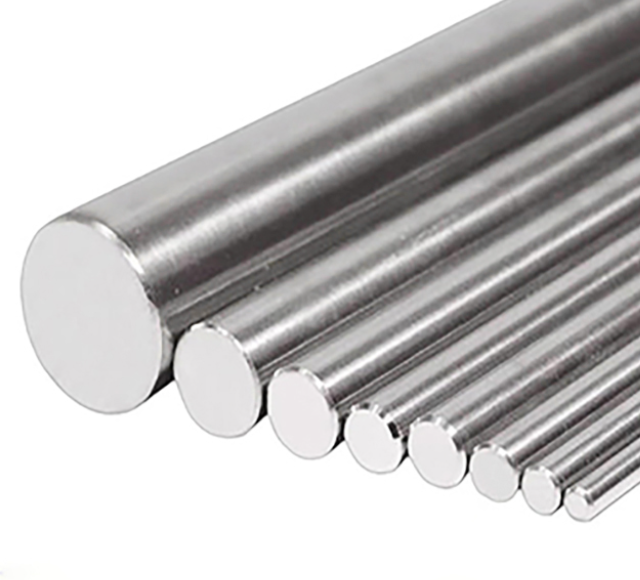
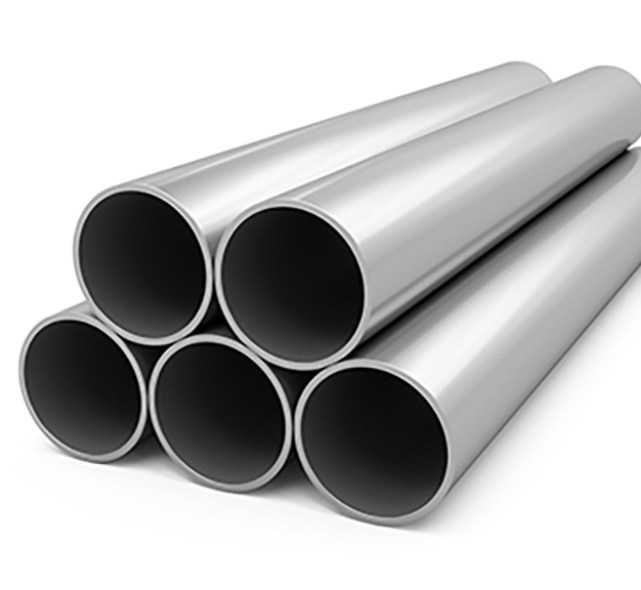
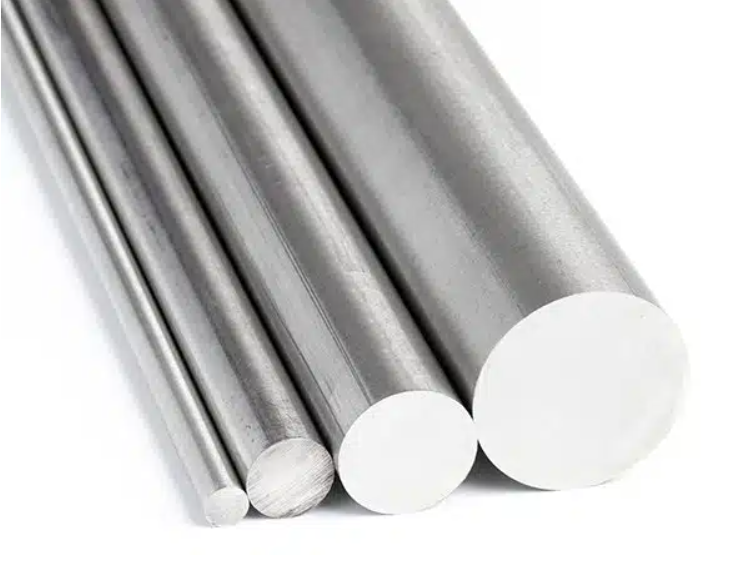
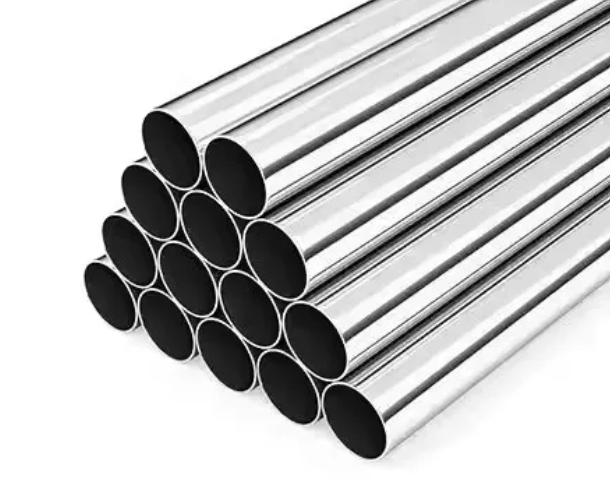
- Product form: tube, pipe, round bar, plate, sheet, machined blank or custom part
- Size, tolerance, quantity and surface condition
- Required certificate type, such as EN 10204 3.1 or 3.2
- Required testing: PMI, UT, PT, hardness, surface inspection, dimensional inspection or third-party inspection
- Packing, marking and delivery requirements
A clear RFQ helps the supplier recommend a material that matches the actual battery testing environment instead of quoting a general “corrosion-resistant alloy.”
Conclusion
Choosing corrosion-resistant alloys for battery testing equipment requires a scenario-based approach. Battery testing may involve aggressive electrolytes, HF-related species, acids, alkalis, current, voltage, temperature cycling, galvanic coupling and contamination control.
There is no single best alloy for every battery test. The correct material depends on electrolyte chemistry, contact function, temperature, electrical role, surface condition, mechanical stress, documentation, inspection scope and lifecycle cost.
When buyers confirm the real test environment, verify supplier documentation and evaluate both corrosion resistance and electrical performance, battery testing equipment is more likely to support stable operation, cleaner data and better long-term risk control.