
10 Practical Checks Before Confirming an Alloy Material Order
Ordering alloy materials is not only about choosing a grade and comparing prices. For nickel alloy and titanium alloy products, small details in the inquiry or purchase order can affect inspection, machining, welding, delivery, documentation, and final use.
Before confirming an alloy material order, buyers should review the application, standards, certificates, quality control, sample testing, total cost, delivery plan, warranty terms, packaging, and communication process. These checks do not remove every possible risk, but they can help reduce avoidable misunderstandings and make the procurement process more predictable.
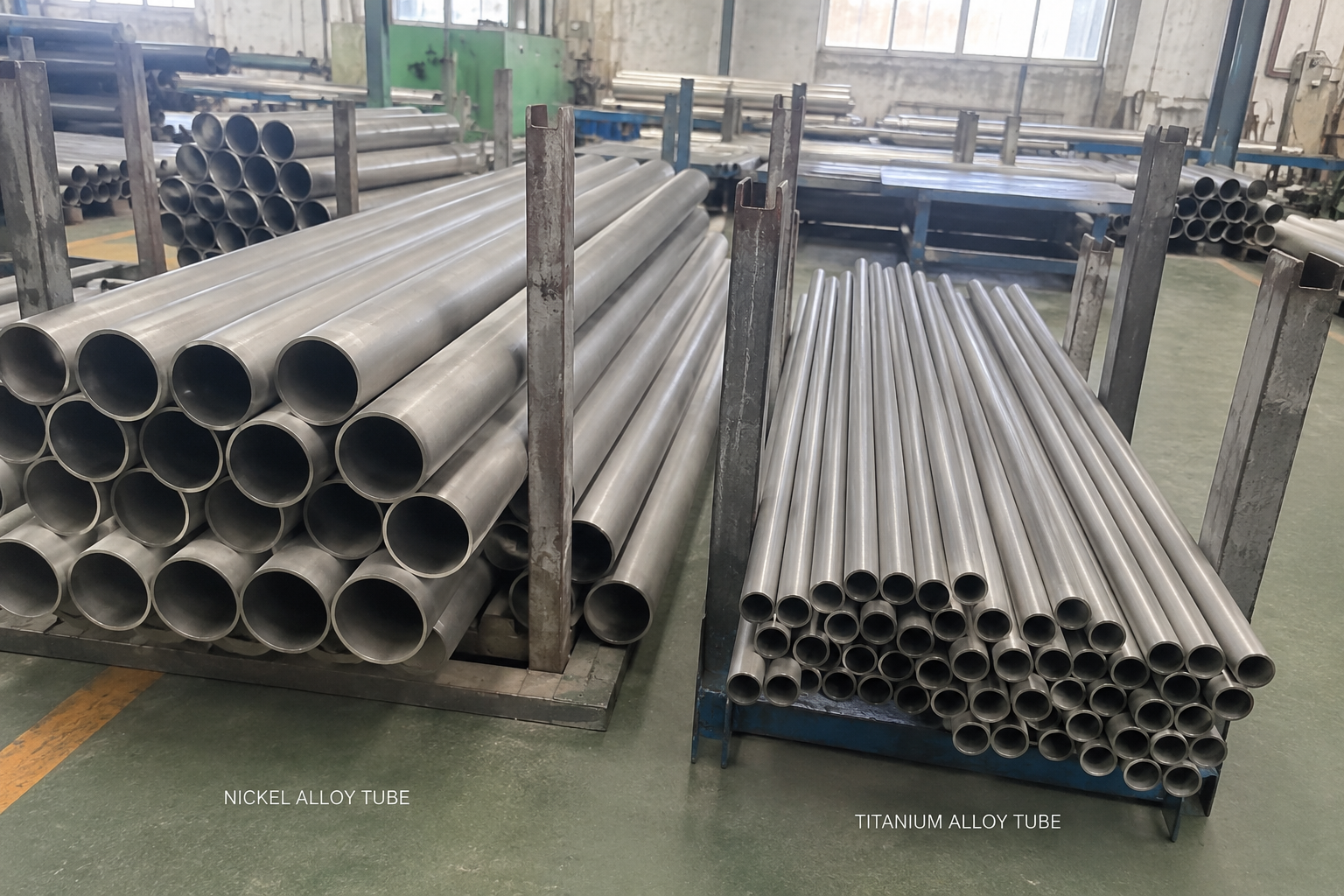
From long-term experience in alloy material supply, one practical lesson is clear: the real cost of a material is not limited to the purchase price. It also includes processing cost, inspection time, possible rework, delivery risk, maintenance needs, and the cost of replacing unsuitable material. This is why a good alloy order should be checked from both a technical and practical purchasing perspective.
1. Does Your Material Selection Go Beyond Matching Parameters?
Matching numbers on a specification sheet is important, but it is not always enough. A material may meet chemical composition or tensile strength requirements, yet still be unsuitable for a specific working environment.
In corrosion-related applications, material selection often depends on several interacting factors, including the corrosive medium, temperature, pressure, stress, flow conditions, and expected service life. ISO 21457 identifies corrosion mechanisms and parameters that should be evaluated when selecting materials for pipelines, piping, and equipment. AMPP also notes that material selection for corrosion control may involve corrosion resistance in the environment, mechanical properties, cost, maintainability, compatibility, life expectancy, and reliability. AMPP material selection factors.
What Buyers Should Check
| Check Point | Why It Matters |
|---|---|
| Chemical environment | Different acids, alkalis, chlorides, seawater, or gases may require different alloy choices. |
| Temperature range | Some alloys perform well at room temperature but may need special consideration at high or low temperatures. |
| Stress condition | Static load, vibration, impact, fatigue, and residual stress can change material performance. |
| Contact with other materials | Galvanic corrosion or contamination may become a concern in some assemblies. |
| Service life expectation | A short-term prototype and a long-term critical component may justify different material decisions. |
For example, a nickel alloy selected for general corrosion resistance may still need further review if the application includes high velocity, abrasive particles, H2S, or thermal cycling. In oil and gas environments containing H2S, ISO 15156-1 provides requirements and recommendations for selecting and qualifying metallic materials.
2. Have You Carefully Assessed the Application Environment?
The application environment is one of the most important parts of an alloy inquiry. Without this context, the supplier may only quote according to the written grade and size, while important performance conditions remain unclear.
A buyer does not always need to share confidential design details. However, basic application information can help the supplier understand whether the requested grade, standard, surface condition, and testing requirements are suitable.
Application Environment Checklist
| Factor | What to Confirm |
|---|---|
| Temperature | Minimum, maximum, continuous service temperature, thermal cycling, or thermal shock |
| Pressure | Internal pressure, external pressure, pressure spikes, vacuum, or dynamic pressure |
| Corrosion medium | Acid type, chloride level, seawater, alkali, H2S, oxygen, pH, or concentration |
| Mechanical stress | Static load, fatigue, vibration, impact, bending, or torsion |
| Flow condition | High velocity, turbulence, erosion, abrasive particles, or slurry |
| Fabrication process | Welding, machining, bending, forming, heat treatment, or surface finishing |
| Cleanliness requirement | Internal cleanliness, oil-free surface, medical cleanliness, or special packaging |
This step helps buyers avoid choosing material based only on a general description such as “corrosion resistant,” “high strength,” or “suitable for high temperature.” In alloy procurement, the real question is not only whether the alloy is good, but whether it is appropriate for the actual environment.
3. Are You Verifying Supplier Claims and Material Documents?
Supplier communication is important, but verbal confirmation alone is usually not enough for technical procurement. Buyers should request documents that can be checked against the purchase order, project specification, and applicable standard.
For alloy materials, common documents may include material test reports, inspection certificates, heat number records, chemical analysis, mechanical test results, dimensional inspection reports, and third-party inspection reports when required.
Documents Worth Checking
| Document | What to Review |
|---|---|
| Material Test Report / MTR | Heat number, grade, chemical composition, mechanical properties, standard, test results |
| EN 10204 certificate | Certificate type, test results, order compliance, inspection representative |
| Third-party inspection report | Inspection scope, inspector, date, sampled items, acceptance result |
| ISO 9001 certificate | Whether the supplier has a quality management system; it does not replace batch-specific testing |
| Product standard | ASTM, ASME, AMS, ISO, EN, DIN, or buyer-specific specification |
| Traceability record | Whether the material can be traced from raw material or heat to finished product |
EN 10204 defines types of inspection documents for metallic products. This is why buyers often request EN 10204 3.1 or 3.2 certificates for industrial material orders.
It is also important to understand the difference between system certification and batch documentation. ISO 9001 in the supply chain is related to a supplier’s quality management system, while an MTR or inspection certificate is related to the specific material batch being supplied.
4. Do You Understand the Supplier’s Quality Control Process?
A certificate is useful, but it is only one part of supplier quality. Buyers should also understand how the supplier controls quality during the whole production and delivery process.
ASQ defines supplier quality management as a system that uses a proactive and collaborative approach to manage supplier quality. ASQ supplier quality management can help buyers understand why supplier evaluation should include both documents and actual process control.
QC Questions Buyers Can Ask
| QC Area | Useful Questions |
|---|---|
| Incoming inspection | How are raw materials or semi-finished materials verified? |
| Heat and batch traceability | Can each piece be traced to a heat number or batch number? |
| In-process inspection | What checks are performed during forging, rolling, drawing, heat treatment, or machining? |
| Final inspection | Are dimensions, surface condition, mechanical properties, or NDT results checked before shipment? |
| Non-conforming material | How is rejected material isolated, reviewed, and corrected? |
| Testing equipment | Are instruments calibrated, and are laboratory records maintained? |
For projects where testing accuracy is critical, buyers may also ask whether the testing laboratory follows recognized requirements. ISO/IEC 17025 sets requirements for the competence, impartiality, and consistent operation of testing and calibration laboratories.
5. Should You Confirm Sample or Prototype Testing?
Sample testing is not necessary for every order. However, it can be useful for new applications, critical components, special environments, or materials that will be processed in a demanding way.
A standard test report may confirm chemical composition and mechanical properties, but it may not fully show how the material will behave in the buyer’s own machining, welding, bending, forming, or service environment.
When Sample Testing May Be Helpful
- A new material grade is being used for the first time.
- The component is safety-critical or difficult to replace.
- The operating environment includes corrosion, high temperature, pressure, vibration, or abrasion.
- The buyer needs to verify welding, machining, bending, or forming performance.
- The order quantity is large and a small test batch can reduce later risk.
- The project requires internal approval before mass production.
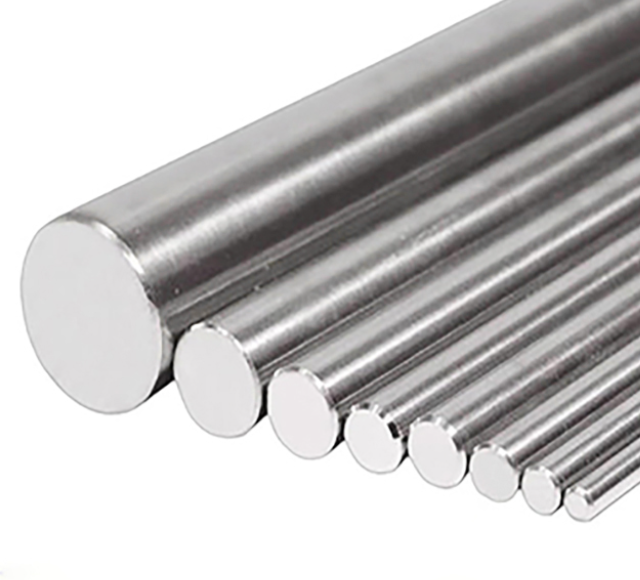
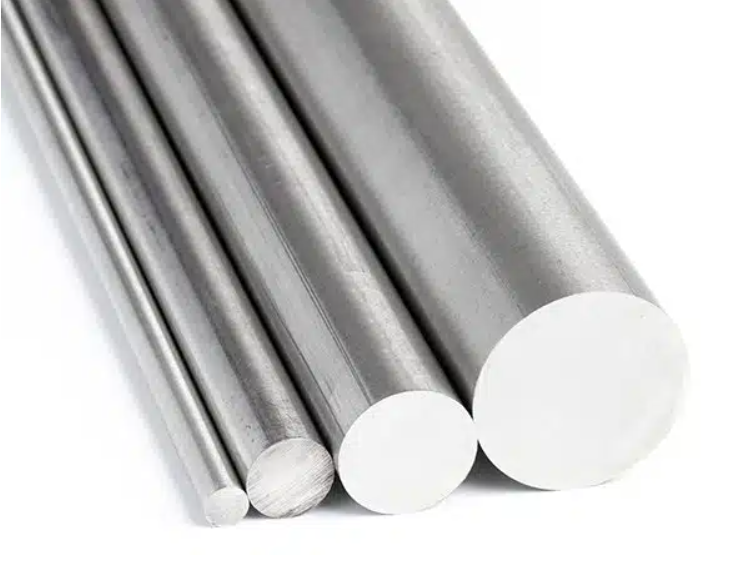
For example, titanium alloy bars may need to meet different standards depending on the application. ASTM B348 covers titanium and titanium alloy bars and billets, while ASTM F136 covers chemical, mechanical, and metallurgical requirements for wrought Ti-6Al-4V ELI alloy used in surgical implant applications. This shows why the same general material family can still require different verification depending on final use.
6. Are You Looking at Total Cost, Not Only Purchase Price?
The lowest quoted price is not always the lowest total cost. For alloy materials, buyers should also consider processing, inspection, downtime, maintenance, replacement, and disposal costs.
Life-cycle cost thinking is widely used to evaluate the full economic impact of a purchase over time. The NIST Life Cycle Cost Manual explains life-cycle cost methodology for economic evaluation, which is useful as a general framework when buyers compare long-term cost rather than only initial cost.
Cost Items to Review
| Cost Item | Why It Matters |
|---|---|
| Purchase price | The starting cost, but not the full cost |
| Machining cost | Hard-to-machine materials may increase tool wear or processing time |
| Welding and fabrication cost | Some alloys require special procedures, filler metals, or heat treatment |
| Inspection cost | Third-party inspection, NDT, or special testing may add cost and time |
| Downtime cost | Material failure or late delivery may affect production planning |
| Maintenance cost | A less suitable material may require more frequent inspection or replacement |
| Replacement cost | Replacing installed material is usually more expensive than buying correctly at the beginning |
| Inventory cost | Overstocking expensive alloys can tie up capital and storage space |
A more balanced procurement decision should compare purchase price with performance risk, processing difficulty, documentation needs, and expected service conditions.
7. Are Delivery Schedule and Logistics Aligned with the Project Plan?
Even if the material is technically correct, delivery problems can still affect the project. Buyers should confirm not only production lead time, but also packing time, export documents, shipping method, customs clearance, and final delivery expectations.
For international trade, Incoterms are often used to clarify responsibilities between buyers and sellers. Trade.gov explains that Incoterms help clarify tasks, costs, and risks for buyers and sellers in international transactions. Know Your Incoterms. The ICC also provides Incoterms rules that outline obligations, costs, and risks under the 11 Incoterms rules. ICC Incoterms rules.
Logistics Checklist
| Logistics Item | What to Confirm |
|---|---|
| Production lead time | Time from order confirmation to goods ready for shipment |
| Inspection time | Time for internal inspection, third-party inspection, or document review |
| Shipping method | Sea freight, air freight, land freight, courier, or combined shipping |
| Incoterms | FOB, CIF, CFR, EXW, DAP, or other agreed trade term |
| Export documents | Invoice, packing list, certificate of origin, MTR, inspection certificate |
| Customs clearance | Import requirements, HS code, duties, and possible clearance delays |
| Packaging | Whether the material is suitable for long-distance transport |
| Delivery buffer | Extra time for project-critical materials |
A practical delivery plan should include both the promised shipment date and the realistic time needed for inspection, documentation, transportation, and customs.
8. Have You Clearly Understood Warranty and Return Terms?
Warranty and return terms are not the most exciting part of a material order, but they are important when a material is defective, non-conforming, damaged, or different from the confirmed purchase order.
Buyers should clarify these terms before placing the order, not after a problem appears.
Warranty and Return Points to Clarify
| Point | What to Ask |
|---|---|
| Warranty scope | What defects or non-conformities are covered? |
| Reporting period | How soon must the buyer report a problem after receiving goods? |
| Required evidence | Photos, inspection reports, MTR comparison, third-party test results |
| Material condition | Whether processed, cut, welded, or installed material can still be claimed |
| Return conditions | Who pays return freight, and what documents are required? |
| Remedy method | Replacement, repair, refund, discount, or technical review |
| Dispute handling | How both parties will review quality disagreements |
For alloy materials, some issues can be visible, such as surface scratches or wrong dimensions. Other issues may only appear during inspection, machining, welding, or service. Clear written terms help both buyer and supplier handle problems more fairly and efficiently.
9. Are Packaging and Handling Requirements Clearly Confirmed?
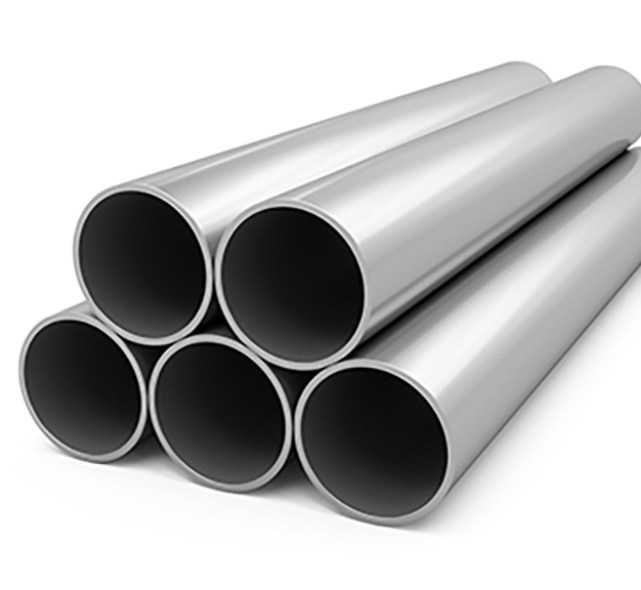
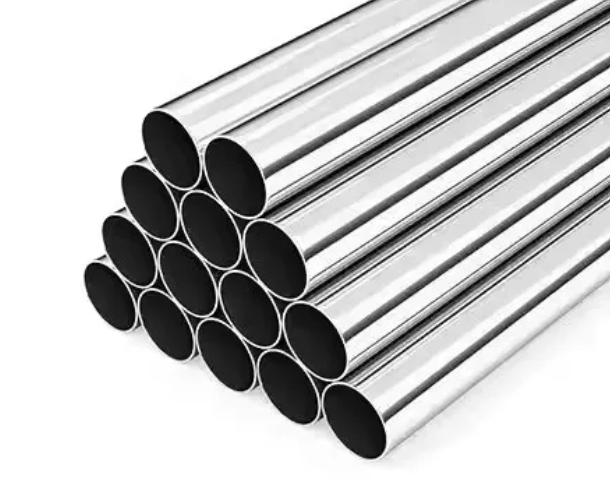
Good material can still be damaged by poor packaging, rough handling, moisture, contamination, or movement during transport. This is especially important for polished bars, precision tubes, thin-wall products, medical-grade materials, and export shipments.
ASTM D4169 provides a guide for evaluating shipping units using established test methods. While not every alloy shipment needs formal ASTM D4169 testing, the idea is useful: packaging should be considered part of the delivery quality, not an afterthought.
Packaging and Handling Checklist
| Requirement | Why It Matters |
|---|---|
| Physical protection | Prevents bending, dents, impact marks, and surface scratches |
| Moisture protection | Reduces risk of rust, staining, or surface contamination |
| Separation between pieces | Prevents metal-to-metal rubbing during transport |
| Strong bundling | Helps long bars, pipes, or tubes remain stable in transit |
| Clear labeling | Supports traceability by grade, size, heat number, and quantity |
| Lifting instructions | Reduces handling damage during loading and unloading |
| Storage guidance | Helps the buyer protect the material before use |
Buyers should specify packaging requirements when the surface, straightness, cleanliness, or traceability is important. For example, polished rods, thin-wall tubes, and precision-cut pieces may need more protective packaging than general industrial stock.
10. Have You Agreed on Communication and Document Flow?
Many alloy order problems come from unclear communication rather than poor material. A technical inquiry may involve the buyer, supplier, engineer, quality inspector, logistics team, and purchasing department. If responsibilities are unclear, small misunderstandings can delay approval or production.
Communication does not need to be complicated, but it should be structured.
Communication Checklist
| Item | What to Confirm |
|---|---|
| Main contact person | Who handles commercial questions? Who handles technical questions? |
| Technical documents | Drawings, standards, specifications, and revisions |
| Official communication channel | Email, phone, messaging app, or project platform |
| Response time | Expected reply time for normal and urgent questions |
| Change confirmation | How changes in size, quantity, standard, or delivery date are approved |
| Production updates | Whether the supplier will share progress photos or inspection updates |
| Document delivery | How MTRs, certificates, packing lists, and shipping documents are sent |
| Language and units | English or other language; metric or imperial units |
A clear communication process helps both sides confirm the same details before production, inspection, shipment, and final delivery.
Final Alloy Order Checklist
Before confirming your next alloy material order, review these ten points:
- Does the material choice match the real application, not only the datasheet?
- Have temperature, pressure, corrosion, stress, and fabrication conditions been reviewed?
- Are material documents, MTRs, certificates, and heat numbers checked?
- Do you understand the supplier’s quality control process?
- Is sample or prototype testing needed for this application?
- Have you considered total cost, not only purchase price?
- Are delivery schedule, Incoterms, and logistics clear?
- Are warranty and return terms written clearly?
- Are packaging and handling requirements suitable for the material?
- Are communication responsibilities and document flow agreed before production?
Conclusion
Confirming an alloy material order is more than checking grade, size, and price. A practical purchasing decision should connect technical requirements with real application conditions, supplier quality control, documentation, delivery, packaging, and long-term cost.
For nickel alloy and titanium alloy pipes, tubes, and bars, these checks can help buyers reduce avoidable mistakes and make better-informed procurement decisions. The goal is not to make the ordering process complicated. The goal is to make important details clear before they become costly problems later.
If you are unsure about the suitable grade, standard, certificate, testing requirement, or packaging method, it is useful to share the application environment, drawing, and inspection requirements with your supplier before confirming the order.