
Common Alloy Ordering Mistakes: How to Avoid Grade, Size, Standard, and Quantity Problems
Have you ever received an alloy shipment that looked correct on paper but still caused delays during inspection, machining, welding, or final assembly?
For nickel alloy and titanium alloy products, small purchasing details can create large downstream problems. A missing standard, unclear tolerance, incomplete certificate requirement, or wrong grade variation may lead to rework, material rejection, delayed approval, or additional procurement cost.
The most common alloy ordering mistakes are usually related to five areas: material grade, size and tolerance, applicable standards, order quantity, and communication with the supplier. By confirming these details before production or shipment, buyers can reduce avoidable risks and make the purchasing process much smoother.
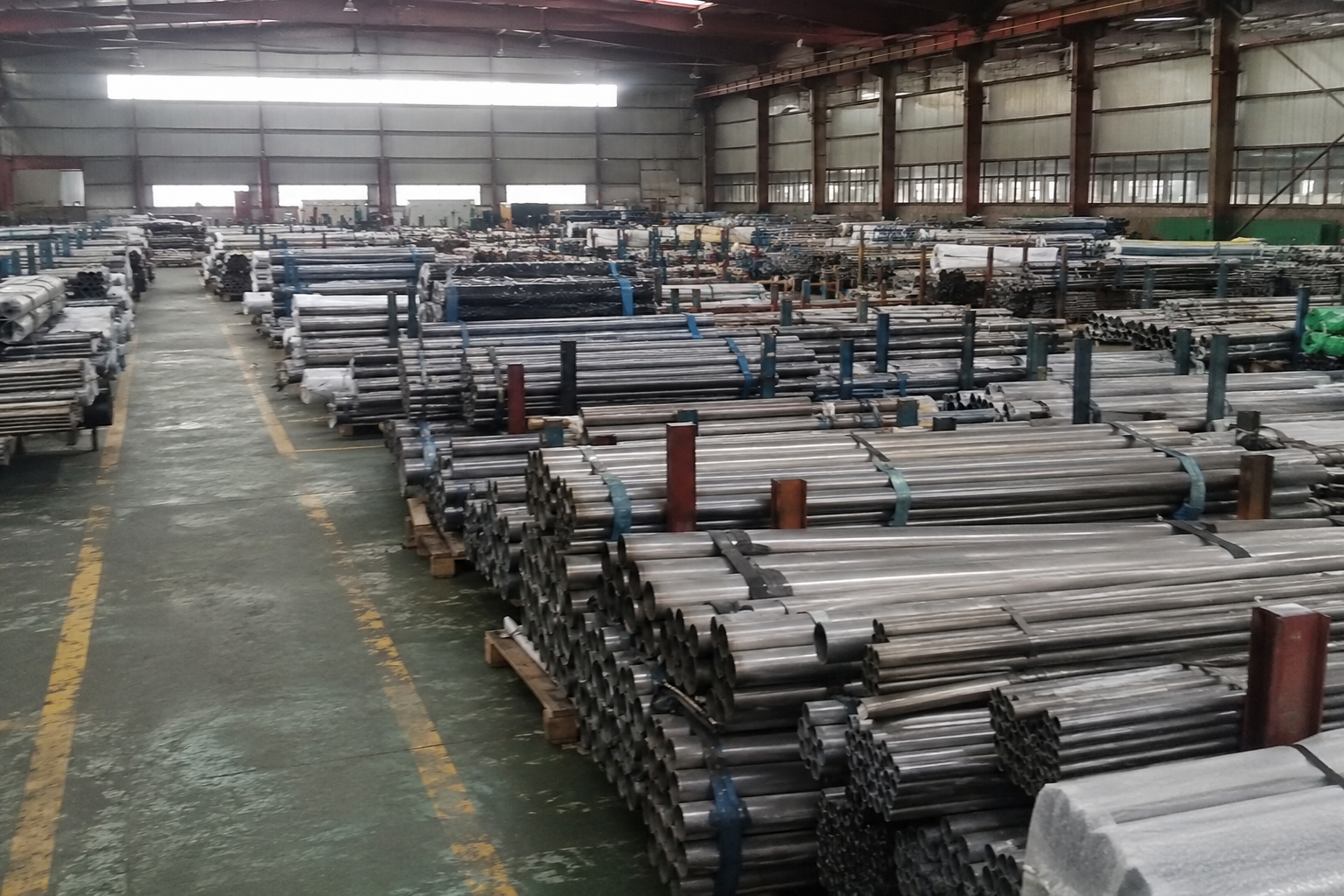
In B2B alloy procurement, the material name alone is rarely enough. A reliable inquiry should include the grade, product form, dimensions, tolerances, standard, surface condition, testing requirement, certificate requirement, quantity, delivery schedule, and application environment.
Why Is Understanding Alloy Grades More Complex Than It Seems?
An alloy grade is not just a commercial name. It represents a defined chemical composition range, expected mechanical properties, processing condition, and intended performance profile.
For example, ASTM material specifications often define more than just the alloy name. ASTM B444 for nickel-chromium-molybdenum-niobium alloy pipe and tube includes requirements related to chemical testing, tensile properties, hydrostatic testing, and nondestructive electric testing. ASTM B444 is therefore more than a label; it is a technical purchasing framework.
For titanium bars and billets, ASTM B348/B348M covers titanium and titanium alloy grades and includes chemical composition and tensile property requirements. For medical implant applications, a general titanium grade may not be enough because implant-specific standards such as ASTM F136 define chemical, mechanical, and metallurgical requirements for Ti-6Al-4V ELI alloy used in surgical implants.
What Makes Each Alloy Grade Different?
Each alloy grade has its own technical “fingerprint.” Buyers should pay attention to at least three factors:
Chemical composition
Elements such as nickel, chromium, molybdenum, titanium, niobium, iron, and carbon directly influence corrosion resistance, strength, weldability, and high-temperature performance. For stainless steels, low-carbon grades such as 316L are commonly used to reduce sensitization risk during typical welding operations. The “L” grade should not be treated as a small naming difference when welding or corrosion resistance is important. SSINA explains intergranular corrosion and low-carbon stainless grades.
Mechanical properties
Tensile strength, yield strength, elongation, hardness, ductility, and toughness affect whether the material can perform safely under load. A material suitable for a corrosion-resistant pipe may not be suitable for a high-strength shaft, fastener, spring, or aerospace part.
Corrosion resistance
Corrosion performance depends on the actual medium, temperature, concentration, flow condition, oxygen level, chloride level, pH, and stress condition. AMPP notes that material selection for corrosion control depends on corrosion resistance in the environment, design data, mechanical properties, cost, availability, maintainability, compatibility, life expectancy, and reliability. AMPP material selection guidance.
Why Does Application Context Matter?
It is not enough to say “I need Inconel,” “I need titanium bar,” or “I need stainless steel pipe.” The supplier should understand where and how the material will be used.
| Application Factor | Why It Matters | Possible Ordering Mistake |
|---|---|---|
| Operating temperature | High temperature may require oxidation resistance, creep resistance, or a specific heat-treatment condition. | Choosing a general-purpose alloy for long-term high-temperature service. |
| Corrosive environment | Acid, seawater, chloride, alkali, H2S, or mixed media require different corrosion resistance profiles. | Selecting an alloy based only on general corrosion resistance. |
| Stress and load | High-stress parts require suitable strength, ductility, fatigue resistance, or toughness. | Ordering a corrosion-resistant alloy without checking mechanical requirements. |
| Fabrication method | Welding, bending, machining, forming, and heat treatment can affect the best grade choice. | Buying a grade that is difficult to machine or weld for the intended process. |
| Industry approval | Medical, aerospace, oil and gas, power, and pressure equipment projects may require specific standards and documentation. | Ordering a commercial grade when the project requires a special standard or certificate. |
For oil and gas production systems, ISO standards also show why application context matters. ISO 21457 identifies corrosion mechanisms and parameters for material selection in pipelines, piping, and equipment, while ISO 15156-1 gives requirements and recommendations for selecting and qualifying metallic materials for H2S-containing environments.
How Can Incorrect Material Sizes Affect Production?
Incorrect sizes do not always mean the material is visibly wrong. Sometimes the material is within a general commercial tolerance but still not suitable for the buyer’s machining, assembly, welding, or cutting process.
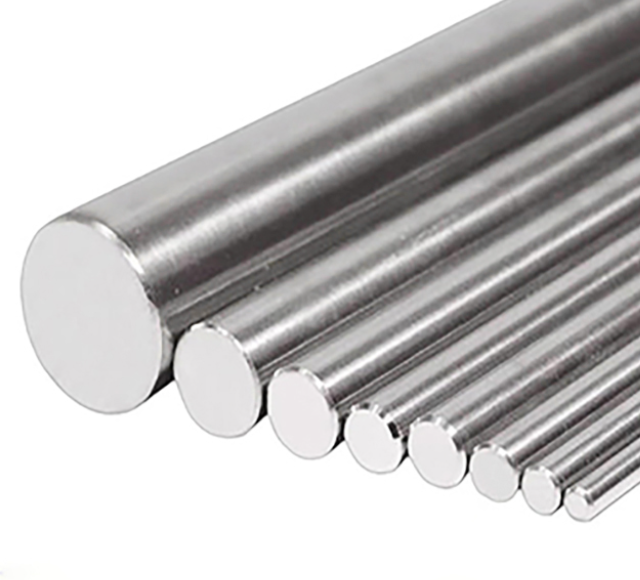
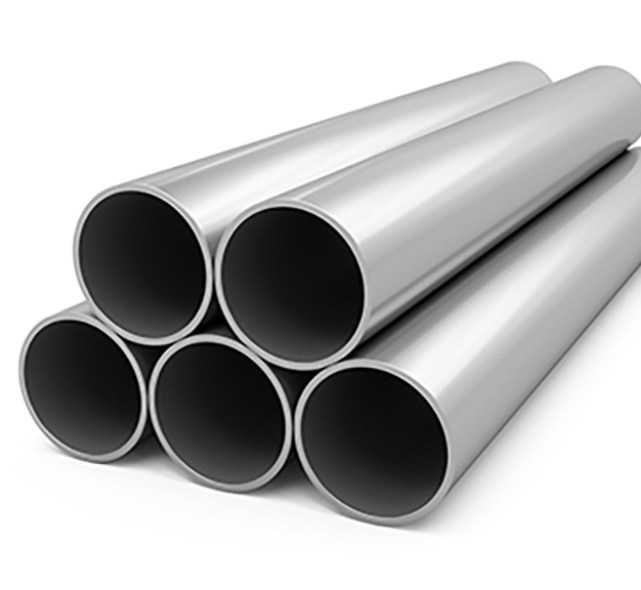
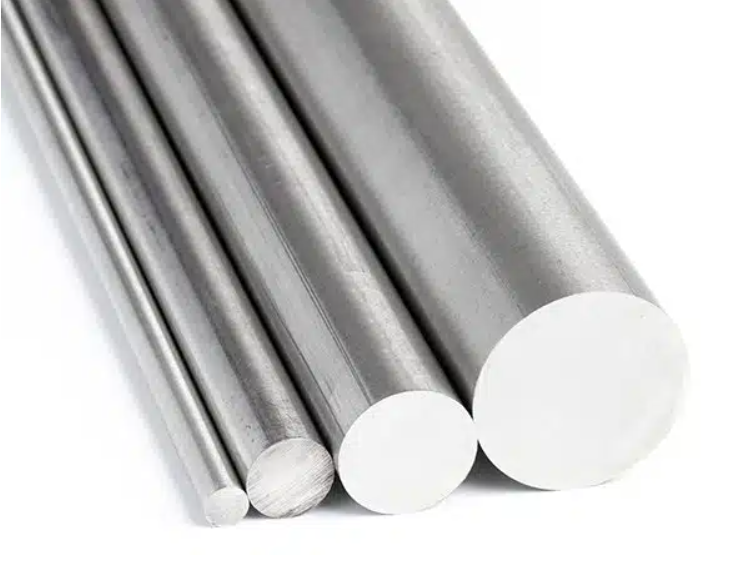
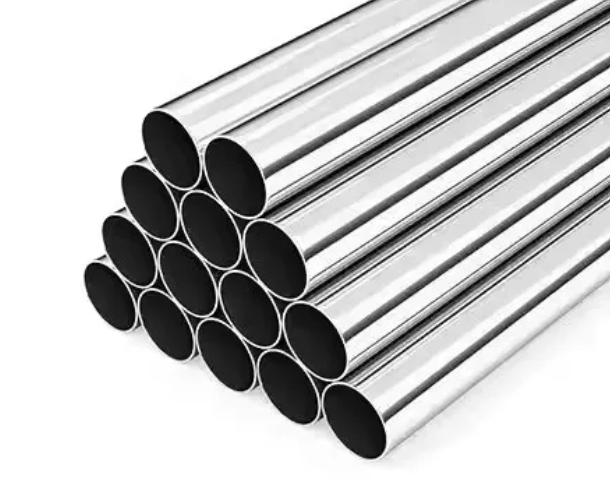
For alloy bars, tubes, and pipes, buyers should confirm both the nominal size and the tolerance. A bar diameter, tube outside diameter, wall thickness, or fixed length may need to match the buyer’s equipment, fixture, CNC chuck, drawing tolerance, or cutting plan.
Why Do Tolerances Matter?
Machining fit
If the bar diameter is too close to the upper or lower limit of a general tolerance range, it may require additional grinding, turning, or sorting before use.
Assembly fit
For pipe systems, fittings, sleeves, shafts, bushings, and precision components, dimensional mismatch can cause poor fit-up, leakage risk, extra welding preparation, or assembly delay.
Material yield and cost
For high-value alloys, extra wall thickness, oversize diameter, or unsuitable length can increase weight, cutting waste, and machining time.
Surface finish and effective size
A rough surface, peeled surface, ground surface, polished surface, pickled surface, or bright annealed surface can affect the actual processing allowance. Surface finish should be specified when it matters to the final part.
What Should Buyers Specify?
| Size Item | What to Confirm | Why It Matters |
|---|---|---|
| Outside diameter / diameter | Exact OD or bar diameter, plus tolerance | Prevents machining and assembly mismatch |
| Wall thickness | Nominal wall thickness and tolerance | Important for pressure, weight, welding, and machining |
| Length | Fixed length, random length, multiple length, or cut-to-length | Reduces cutting waste and avoids unusable short pieces |
| Straightness | Especially for long bars or tubes | Important for CNC feeding, rotation, and assembly |
| Ovality / roundness | Especially for tubes and precision bars | Helps prevent fit-up and processing problems |
| Surface finish | Pickled, polished, ground, bright annealed, peeled, or turned | Affects appearance, cleanliness, and machining allowance |
| Drawing requirement | Attach technical drawing if available | Reduces misunderstanding between buyer and supplier |
For nickel alloy seamless pipe and tube, ASTM B829 provides general requirements that are used together with specific nickel alloy pipe and tube specifications. This is why buyers should not only mention the alloy grade but also the product standard and dimensional requirements.
What Is the Real Impact of Overlooking Industry Standards?
Industry standards are not just formal words on a purchase order. They help define the material form, grade, testing requirements, inspection methods, certificate content, and acceptance criteria.
If the standard is missing or unclear, the buyer and supplier may interpret the same inquiry differently. For example, “titanium bar” is not as precise as “ASTM B348 Grade 2 titanium bar.” “Alloy 625 seamless tube” is less complete than “ASTM B444 UNS N06625 seamless tube with EN 10204 3.1 certificate.”
Why Are Standards More Than Guidelines?
They define the technical baseline
Standards can define chemical composition, tensile properties, heat treatment condition, product form, testing requirements, and acceptance criteria.
They support inspection and approval
For many industrial projects, incoming inspection teams need to compare the material test report with the purchase order and the specified standard.
They reduce ambiguity between buyer and supplier
A clear standard helps both sides understand what must be produced, tested, inspected, and documented.
They support traceability
For metallic products, EN 10204 inspection documents are widely used to confirm compliance with the order and provide test results. EN 10204 Type 3.1 requires the manufacturer to declare that the supplied products comply with the order and provide test results; the document must be validated by an authorized inspection representative independent of the manufacturing department.
What Standard Details Should Be Included?
| Standard Detail | Example | Why It Matters |
|---|---|---|
| Standard name | ASTM B444, ASTM B348, ASTM B829, ASTM F136 | Defines the technical basis |
| Alloy grade / UNS number | UNS N06625, UNS N10276, UNS R50400, UNS R56401 | Avoids confusion between similar grades |
| Product form | Seamless pipe, welded tube, bar, billet, wire, plate | Different forms may follow different standards |
| Revision year | ASTM B348/B348M-21, ASTM B444-23 | Some projects require a specific revision |
| Testing requirement | Chemical analysis, tensile test, hydrostatic test, NDT, PMI | Avoids missing inspection items |
| Certificate type | EN 10204 3.1 or 3.2 | Confirms what documentation is expected |
| Additional buyer requirement | Third-party inspection, special marking, packaging, drawing tolerance | Covers project-specific approval needs |
Are You Ordering the Right Quantity of Alloy Materials?
Quantity is not only a purchasing number. It affects price, lead time, production planning, material yield, packaging, shipping, and inventory cost.
For high-performance nickel and titanium alloys, buyers should consider both the project requirement and the practical production conditions. A very small quantity may be difficult to produce economically, while ordering too little may create a shortage if there is cutting loss, machining scrap, testing consumption, or unexpected rework.
Why Is Quantity More Than a Number?
Minimum order quantity
Special alloy grades, custom sizes, non-standard surfaces, or mill production may require a minimum order quantity. If the required quantity is below the MOQ, the buyer may need to consider stock size alternatives, combined orders, or adjusted dimensions.
Lead time
If the material must be newly produced, the buyer should consider melting, forging, rolling, drawing, heat treatment, inspection, packaging, and international shipping time.
Material yield
Cutting loss, machining allowance, test samples, trial production, and scrap should be included when calculating the purchase quantity.
Inventory cost
Ordering too much can tie up capital and storage space. Ordering too little can create shortage risk. Economic order quantity theory is commonly used to balance ordering cost, holding cost, and stockout cost. EOQ research on uncertain supply chains also notes that supplier minimum order quantity can affect ordering decisions.
How to Estimate a Better Quantity
| Quantity Factor | What to Check | Practical Result |
|---|---|---|
| Finished part requirement | Number of parts, unit weight, finished length | Defines the base quantity |
| Cutting loss | Saw kerf, end trimming, test pieces | Prevents material shortage |
| Machining allowance | Turning, grinding, drilling, boring | Ensures enough stock remains after processing |
| Scrap or rework allowance | Based on process history or new product risk | Reduces risk in trial production |
| MOQ | Supplier or mill minimum production quantity | Helps plan realistic purchasing |
| Future demand | Repeat orders, spare parts, maintenance needs | May justify combining orders |
| Storage cost | Capital, warehouse, corrosion protection, handling | Prevents excessive inventory burden |
A good inquiry does not simply ask for “best price.” It should also ask whether the supplier has stock, whether the size can be produced economically, what the MOQ is, and whether an alternative size can reduce lead time or cost.
How Does Clear Communication Prevent Alloy Order Errors?
Clear communication is one of the most effective ways to reduce alloy procurement mistakes. Many problems are not caused by bad material but by incomplete information.
ISO’s guidance on ISO 9001 in the supply chain explains that ISO 9001 does not define the requirements for the product being purchased; the buyer must clearly define needs and expectations through specifications, drawings, standards, or other documents. ISO 9001 in the supply chain.
ASQ also defines supplier quality management as a proactive and collaborative approach, and supplier selection may include specifications, testing requirements, technical support, delivery capacity, communication methods, and incoming verification. ASQ supplier quality guidance.
What Should Buyers Communicate Beyond the Basic Order?
| Communication Point | What to Provide | Why It Helps |
|---|---|---|
| Application | Chemical processing, heat exchanger, seawater system, aerospace part, medical device, etc. | Helps supplier check whether the requested grade matches the use case |
| Operating environment | Temperature, medium, pressure, chloride level, acid type, H2S, vacuum, abrasion | Helps evaluate corrosion and temperature suitability |
| Fabrication process | Welding, machining, bending, forming, heat treatment | Helps avoid processing problems |
| Critical property | Corrosion resistance, strength, hardness, ductility, cleanliness, surface finish | Helps prioritize the right technical requirement |
| Standard and certificate | ASTM/ASME/AMS/ISO/EN standard, EN 10204 3.1/3.2 | Helps inspection and approval |
| Drawing and tolerance | Technical drawing, tolerance table, fixed length, surface roughness | Reduces dimensional misunderstanding |
| Delivery requirement | Deadline, shipping method, destination port, packaging | Helps supplier check realistic lead time |
| Inspection requirement | PMI, UT, ECT, hydrostatic test, tensile test, third-party inspection | Prevents missing test documents |
| Budget and alternatives | Target budget, acceptable substitute grade, stock size options | Helps supplier suggest practical options |
A Simple Alloy Order Checklist
Before confirming an alloy order, buyers can check the following:
- Material grade and UNS number
- Product form: pipe, tube, bar, billet, wire, sheet, plate, or fitting
- Manufacturing route: seamless, welded, forged, rolled, drawn, peeled, ground, etc.
- Standard and revision year
- Size, tolerance, length, straightness, and surface finish
- Heat treatment condition
- Chemical and mechanical property requirements
- Corrosion or temperature service conditions
- Testing and inspection requirements
- Certificate requirement: EN 10204 3.1, 3.2, or other
- Marking, packing, and traceability requirement
- Quantity, MOQ, lead time, and delivery terms
- Drawing, application notes, or project specification if available
Conclusion
Avoiding alloy ordering mistakes is not only about choosing a familiar grade. It requires a complete purchasing specification that connects the grade, size, tolerance, standard, certificate, quantity, and application environment.
For nickel alloy and titanium alloy pipes, tubes, and bars, the safest approach is to confirm the technical details before production or shipment. A clear inquiry helps the supplier quote more accurately, produce more reliably, and provide documentation that matches the buyer’s inspection and project approval requirements.
If you are not sure which alloy grade, standard, tolerance, or certificate type is suitable for your project, it is better to share your drawing, application environment, and inspection requirements at the beginning. This can reduce rework, avoid misunderstanding, and make the whole alloy procurement process more predictable.