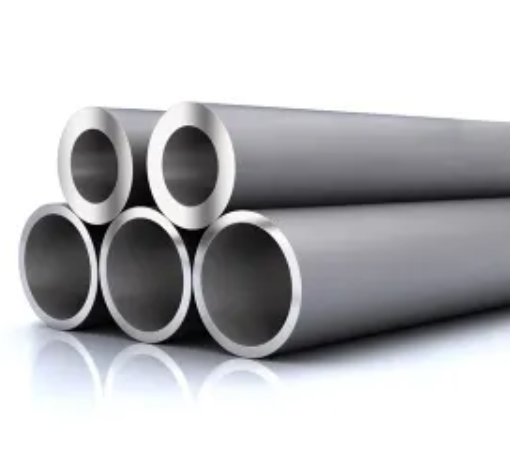

What Is Inconel 718? Properties, Standards and Applications
Struggling to find a material that can perform under extreme heat, pressure, and mechanical stress? Choosing an unsuitable alloy may increase the risk of premature failure, maintenance problems, and costly downtime. For many high-demand applications, Inconel 718 offers a proven solution.
Inconel 718, also known as UNS N07718 / W.Nr. 2.4668, is a nickel-based superalloy designed for high strength, corrosion resistance, fatigue resistance, and creep resistance at elevated temperatures. It is commonly described as a precipitation-hardenable nickel-chromium alloy and is often used in demanding environments up to about 700°C / 1300°F.
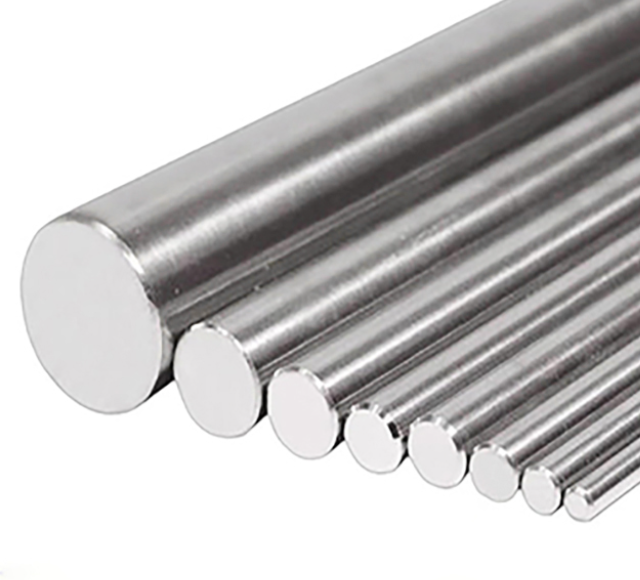
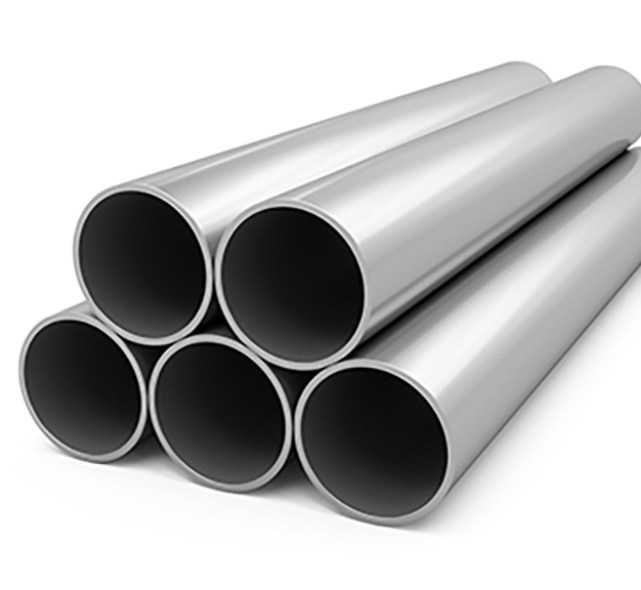
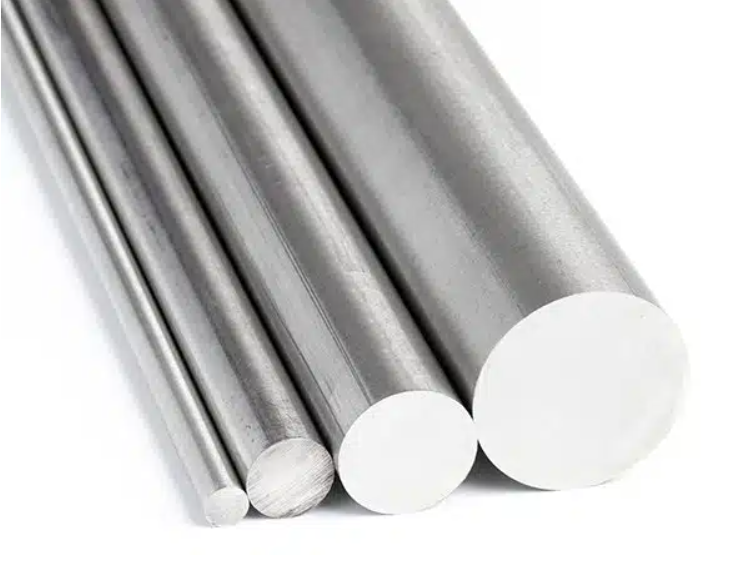
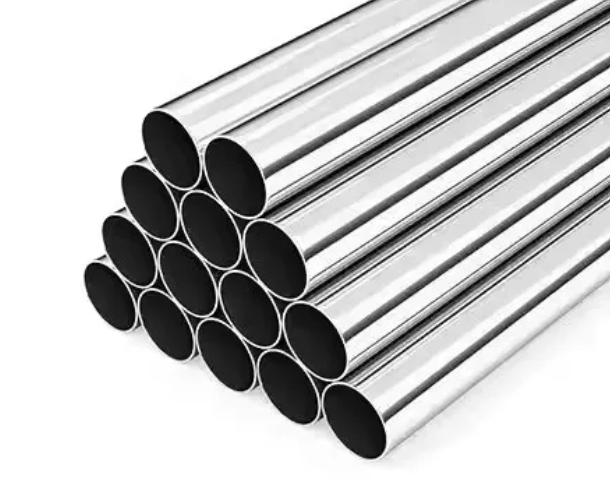
But just knowing the definition isn't enough. Based on our supply experience with nickel alloy tubes and bars, many buyers are not only asking, “What is Inconel 718?” They also want to know whether it is the right choice for their specific working condition, how to specify the correct standard, and how to verify that the delivered material meets the order requirements.
Many people first think of Inconel 718 as a corrosion-resistant nickel alloy, but its real engineering value comes from its combination of high strength, good corrosion resistance, and precipitation-hardening heat treatment. Let’s go deeper than a basic material description and focus on what matters for material selection and procurement.
How Do Inconel 718's Properties Make It So Strong?
You know Inconel 718 is often called a “superalloy,” but what does that really mean for your design? If you do not understand the source of its strength, it is difficult to specify it confidently.
Inconel 718 gets much of its strength from its chemical composition and controlled heat treatment. During aging, strengthening precipitates form inside the nickel alloy matrix. Research indexed by NASA shows that aging in Inconel 718 increases hardness through precipitate formation, which helps explain why heat treatment is so important for this alloy.
To really understand Inconel 718, you need to look at two things: its ingredients and its heat treatment. Buying Inconel 718 without specifying the required heat treatment condition can lead to confusion, because the same alloy grade can show different mechanical properties depending on whether it is supplied annealed, solution treated, or precipitation hardened.
The Chemical Recipe
The performance of Inconel 718 starts with its chemical composition. Each element plays a role in the final performance of the alloy.
| Element | Typical % | Primary Role |
|---|---|---|
| Nickel (Ni) | 50-55% | The base of the alloy, contributing toughness and corrosion resistance. |
| Chromium (Cr) | 17-21% | Helps provide oxidation and corrosion resistance. |
| Niobium + Tantalum (Nb + Ta) | 4.75-5.5% | Key strengthening elements that contribute to precipitation hardening. |
| Molybdenum (Mo) | 2.8-3.3% | Adds strength and improves resistance in certain corrosive environments. |
| Iron (Fe) | Balance | Main balance element in the alloy composition. |
| Titanium (Ti) | 0.65-1.15% | Supports precipitation-hardening response. |
| Aluminum (Al) | 0.20-0.80% | Supports precipitation-hardening response. |
The key point is that Inconel 718 is not just a simple nickel-chromium corrosion-resistant alloy. It is an age-hardenable alloy whose final strength depends strongly on its chemistry and heat treatment condition.
Heat Treatment Unlocks Its Power
Raw or annealed Inconel 718 may already have useful properties, but the required high-strength performance is usually achieved through controlled solution treatment and aging. The NASA Technical Reports Server describes aging in Inconel 718 as a process where precipitate formation causes increased hardness.
A common process involves:
-
Solution Annealing: The material is heated to dissolve strengthening elements into the matrix, followed by rapid cooling. This condition is often preferred when the material still needs machining, forming, or welding before final heat treatment.
-
Age Hardening / Precipitation Hardening: The material is then held at controlled aging temperatures. During aging, strengthening phases form inside the alloy matrix, increasing strength and hardness.
The strengthening behavior of Alloy 718 is strongly associated with niobium-containing precipitates, especially gamma double prime / Ni₃Nb-type phases. For readers who want a deeper technical explanation, research indexed by OSTI discusses gamma double prime precipitate variants and their role in Inconel 718 strengthening.
Which Inconel 718 Standard Do You Really Need?
You are ready to order, but then you see codes like AMS 5662, AMS 5663, and ASTM B637. Choosing the wrong standard may cause documentation problems, project delays, or material rejection if the delivered material does not match the purchase specification.
The standard you need depends on your industry, product form, required heat treatment condition, and end-use. AMS standards are commonly used in aerospace and high-spec engineering applications, while ASTM standards are widely used for industrial applications. These standards define product form, chemistry, mechanical properties, heat treatment condition, and testing requirements.
For example, simply asking for “Inconel 718 bar” is often not enough. A supplier needs to know whether the material is for an aerospace component, an oilfield part, a valve stem, a fastener, or a machined industrial component. The application can change the required standard, heat treatment condition, testing requirement, and certificate requirement.
Demystifying Common Standards
Let's break down the most common standards you may encounter. While they seem similar, the details matter, especially for certification and final acceptance.
| Standard | Common Product Form | Typical Industry | What It Means |
|---|---|---|---|
| AMS 5662 | Bars, forgings, rings | Aerospace and high-spec applications | SAE describes this specification as covering corrosion- and heat-resistant nickel-base alloy bars, forgings, and rings in a solution-treated condition. |
| AMS 5663 | Bars, forgings, rings | Aerospace and critical components | SAE describes this specification as covering similar product forms in solution and precipitation heat-treated condition. |
| ASTM B637 | Rod, bar, forgings, forging stock | Oil & gas, valves, industrial components | ASTM B637 covers hot- and cold-worked precipitation-hardenable nickel alloy rod, bar, forgings, and forging stock for moderate or high-temperature service. |
A Real-World Procurement Example
For example, a customer may need Inconel 718 round bars for downhole components in the oil and gas industry. If they ask for AMS 5662 only because it is a popular standard, the supplier should clarify the end-use, required strength level, heat treatment condition, and project specification.
In some non-aerospace industrial cases, ASTM B637 may meet the technical requirements more directly than an aerospace AMS specification. The correct choice should always be based on the customer’s drawing, project specification, service environment, and inspection requirements.
Always tell your supplier the end-use. A qualified supplier can use that information to help you select the most appropriate standard and avoid unnecessary over-specification.
When Should You Use Inconel 718, and How Do You Buy It Safely?
Inconel 718 is a high-performance alloy, but it is not needed for every application. Using it where a lower-cost material is sufficient may increase project cost, while buying it without proper verification may create material traceability risk.
Use Inconel 718 for critical parts in high-stress or high-temperature environments such as jet engines, gas turbines, oilfield tools, fasteners, shafts, and other demanding components. When buying, request a Material Test Certificate and consider Positive Material Identification on delivery to verify the material.
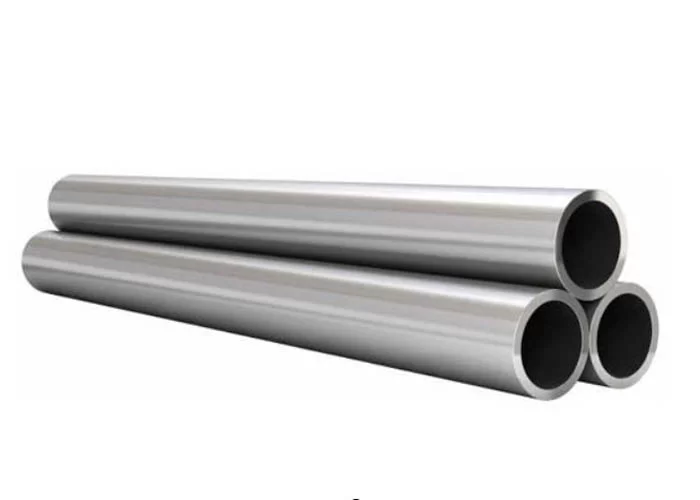
Because of its value and performance role, quality control during purchasing is important. A reliable procurement process should include material certificate review, heat treatment confirmation, dimensional inspection, and alloy verification when required.
Ideal Application Scenarios
Inconel 718 is commonly selected where strength, fatigue resistance, creep resistance, corrosion resistance, and heat resistance are required.
-
Aerospace: Inconel 718 is widely associated with turbine engine and high-strength aerospace components because of its elevated-temperature strength and fatigue/creep resistance.
-
Oil & Gas: Alloy 718 is used in demanding oilfield applications where high strength and corrosion resistance are required. Research presented by TMS on Alloy 718 for oilfield applications discusses the role of Alloy 718 in oilfield service and the importance of alloy control for these applications.
-
High-Temperature Tooling and Industrial Components: For suitable high-temperature applications such as hot-forming tools, fasteners, shafts, and other loaded components, Inconel 718 can help maintain strength better than many conventional alloys.
When to Choose a Different Material
Inconel 718 is not always the best choice.
-
For temperatures above about 700°C / 1300°F: Alloy 718 is commonly valued for creep, tensile, and rupture strength up to about 700°C. For higher temperature service, other superalloys may be more suitable depending on the stress level, service time, and oxidation requirement.
-
For low-stress, low-temperature applications: If your component operates at room temperature and is not exposed to high stress, corrosion, or heat, Inconel 718 may be over-specified. In some cases, stainless steel or another alloy may be more economical.
Your Procurement Quality Checklist
Protect your investment. Whenever you buy Inconel 718, follow these steps:
-
Demand the MTC: Request a Material Test Certificate, commonly to EN 10204 3.1 when required. The British Stainless Steel Association explains that a 3.1 inspection certificate is a statement of compliance with the order and includes results from specific inspection.
-
Confirm the Heat Treatment Condition: Be explicit. Do you need solution-treated material for machining, or aged / precipitation-hardened material for final service? This is a common point of confusion that can cause production delays.
-
Perform PMI on Arrival: Use Positive Material Identification when required. PMI is commonly performed by handheld X-ray fluorescence equipment. X-ray fluorescence is a non-destructive analytical technique used for elemental and chemical analysis, which is why it is useful for checking alloy identity.
-
Verify Dimensions: Use calipers, micrometers, or other measuring tools to confirm that the delivered bar, plate, tube, or forging meets the specified dimensions and tolerances.
-
Check Traceability: Confirm heat number, standard, size, quantity, heat treatment condition, and test results against the purchase order and MTC.
Conclusion
Inconel 718 is a high-performance nickel-based alloy for demanding applications where strength, heat resistance, corrosion resistance, fatigue resistance, and traceability matter. Understanding its properties, standards, heat treatment condition, and procurement quality controls will help you choose the right material and reduce project risk.
If you need Inconel 718 bar, tube, pipe, or customized nickel alloy material, share your standard, size, quantity, heat treatment condition, certificate requirement, and application environment with your supplier before ordering.