
What Is Inconel 625? Composition, Properties and Applications
Struggling to find an alloy for demanding service conditions? High temperatures, corrosive media, chloride-containing environments and mechanical stress can cause premature failure in many conventional materials. Inconel 625 is often selected for applications where strength, corrosion resistance and fabricability must work together.
Inconel 625, also known as UNS N06625 or W.Nr. 2.4856, is a nickel-chromium-molybdenum-niobium alloy used for its high strength, corrosion resistance and performance in severe environments. According to the Inconel overview on Wikipedia, Inconel alloys are nickel-chromium superalloys used in high-temperature, high-pressure and corrosive environments, and Alloy 625 is listed as UNS N06625.
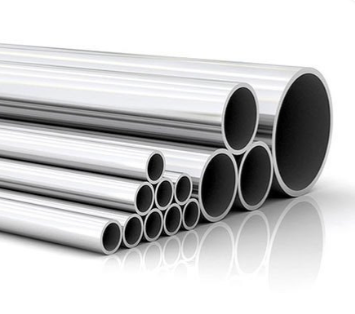
For engineers and procurement specialists, understanding Inconel 625 is not just about knowing its name. It is about confirming whether the material’s composition, mechanical properties, corrosion resistance, product form and international standards match the actual project conditions.
What gives Inconel 625 its unique composition?
Material failure in critical applications can be costly. The performance of Inconel 625 comes mainly from its nickel-chromium-molybdenum-niobium alloy system.
Inconel 625's strength and corrosion resistance are associated with nickel, chromium, molybdenum and niobium. Wikipedia’s Inconel alloy table lists Alloy 625 with nickel as the base element, chromium at 20–23%, molybdenum at 8–10%, and niobium plus tantalum at 3.15–4.15%. See: Inconel composition table.
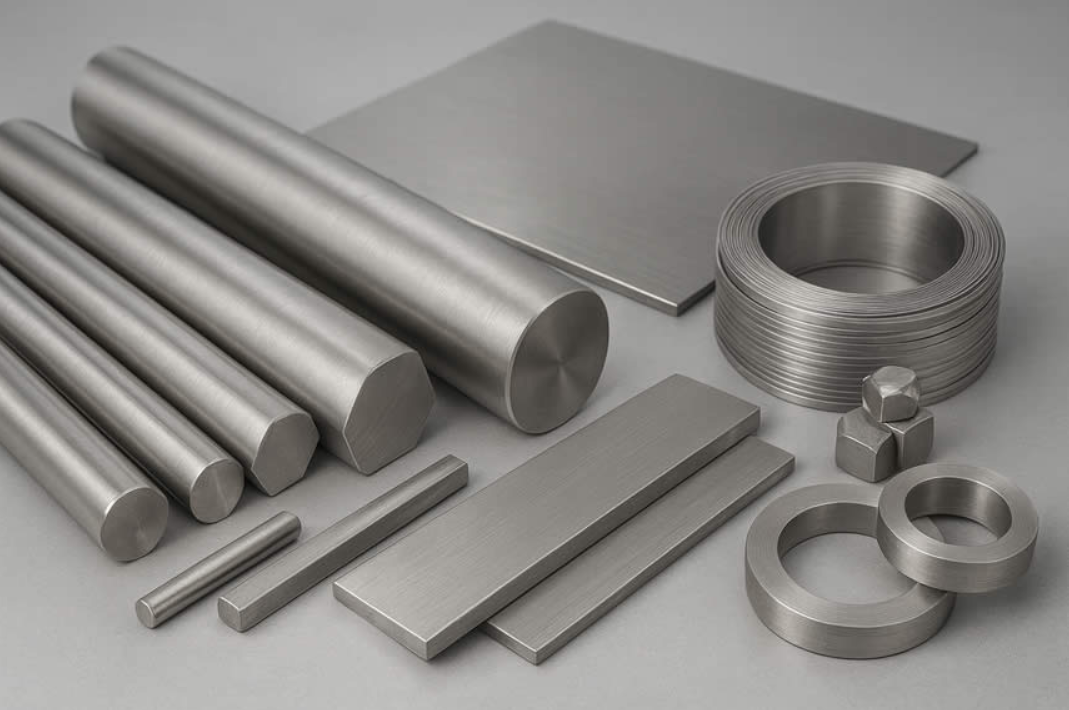
Nickel forms the base of the alloy, with a minimum content of about 58%. Chromium is typically around 20–23% and contributes to oxidation and corrosion resistance. Molybdenum, usually around 8–10%, improves resistance to localized corrosion and contributes to solid-solution strengthening. Niobium plus tantalum, typically 3.15–4.15%, also contributes to the alloy’s strengthening behavior.
For more advanced technical discussion, academic literature on Alloy 625 also studies its microstructural evolution during tensile loading, creep and high-temperature exposure. See this Materials Science and Engineering A paper on evolution of annealing twins in Inconel 625 alloy during tensile loading.
| Element | Weight % (min) | Weight % (max) |
|---|---|---|
| Nickel (Ni) | 58.0 | — |
| Chromium (Cr) | 20.0 | 23.0 |
| Molybdenum (Mo) | 8.0 | 10.0 |
| Niobium + Tantalum (Nb + Ta) | 3.15 | 4.15 |
| Iron (Fe) | — | 5.0 |
| Cobalt (Co) | — | 1.0 |
| Manganese (Mn) | — | 0.50 |
| Silicon (Si) | — | 0.50 |
| Aluminum (Al) | — | 0.40 |
| Titanium (Ti) | — | 0.40 |
| Carbon (C) | — | 0.10 |
| Sulfur (S) | — | 0.015 |
| Phosphorus (P) | — | 0.015 |
How strong are Inconel 625's mechanical properties?
Material selection for pressure equipment, aerospace parts, marine components or chemical processing systems requires more than a general description. Engineers need to check tensile strength, yield strength, elongation, hardness and the condition of the material.
Inconel 625 is known for high strength and useful ductility, but exact mechanical values depend on product form, heat treatment, size and the governing specification. The general Inconel reference explains that Inconel alloys retain strength over a wide temperature range and use solid-solution strengthening or precipitation strengthening depending on the alloy: Inconel properties.
For research-based support on mechanical behavior, this ScienceDirect review summarizes properties of Inconel 625 and Inconel 718 fabricated using direct energy deposition, including tensile properties, fatigue behavior and creep: A review on properties of Inconel 625 and Inconel 718 fabricated using direct energy deposition.
| Property | Typical Metric Value | Typical Imperial Value |
|---|---|---|
| Tensile Strength | Around 827–1034 MPa for many annealed rod/bar/plate products | Around 120–150 ksi |
| Yield Strength, 0.2% Offset | Around 414–655 MPa for many annealed rod/bar/plate products | Around 60–95 ksi |
| Elongation | About 30–60%, depending on form and condition | About 30–60% |
| Modulus of Elasticity | About 207 GPa at room temperature, annealed | About 30.1 × 10^6 psi |
For actual procurement, buyers should confirm the required mechanical properties from the applicable ASTM, ASME, AMS, EN, ISO or project specification, and verify them through the material test certificate.
What are Inconel 625's key physical properties and high-temperature performance?
Inconel 625 is often used where heat, corrosion and mechanical loading appear together. Its physical properties help engineers evaluate its suitability for high-temperature equipment, heat exchangers, piping systems and fabricated components.
Inconel 625 has a melting range of about 1290–1350°C / 2350–2460°F, according to the Inconel alloy data table on Wikipedia. See: Inconel specific data.
| Property | Metric Value | Imperial Value |
|---|---|---|
| Density | 8.44 g/cm³ | 0.305 lb/in³ |
| Melting Range | 1290–1350 °C | 2350–2460 °F |
| Thermal Conductivity at about 21°C | 9.8 W/m·°C | 68 Btu·in/ft²·h·°F |
| Specific Heat at about 21°C | 410 J/kg·°C | 0.098 Btu/lb·°F |
| Electrical Resistivity at about 21°C | 129 µΩ·cm | 776 ohm·circ mil/ft |
| Mean Linear Expansion, 70–200°F / 21–93°C | About 12.8 µm/m·°C | About 7.1 × 10^-6 in/in·°F |
For high-temperature microstructure and performance, researchers have studied Alloy 625 under creep and hot deformation conditions. For example, academic work has examined microstructural changes in alloy 625 during high-temperature creep and the flow stress behavior of Alloy 625 and Alloy 718.
Where is Inconel 625 most commonly applied?
Inconel 625 is widely used in industries where corrosion resistance, high strength, fabricability and temperature resistance are required together.
Typical application areas include chemical processing, marine engineering, aerospace, oil and gas, power generation, heat exchangers, piping systems and high-temperature components. The general Inconel overview lists chemical processing and pressure vessels, heat exchanger tubing, steam generators, nuclear pressurized water reactor components and natural gas processing among Inconel use areas: Inconel uses.
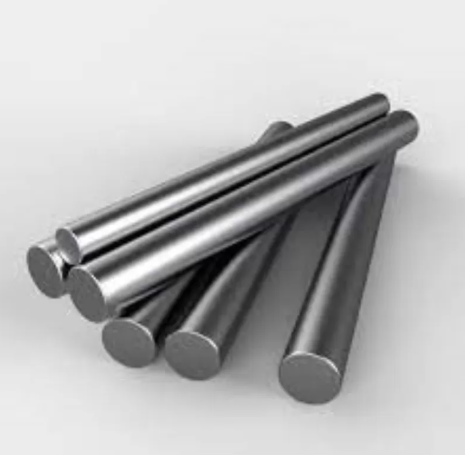
In chemical processing, Inconel 625 may be used for equipment such as reaction vessels, heat exchangers, transfer piping and valves. However, compatibility should always be checked based on the exact medium, concentration, temperature, pressure and impurity level.
In marine engineering, alloy 625 is frequently discussed for seawater and chloride-containing environments. Published corrosion literature has examined Alloy 625 in seawater conditions, including crevice corrosion behavior in natural seawater: Crevice corrosion of Alloy 625 in natural seawater.
For stress-corrosion cracking research, this open-access PMC paper studies stress corrosion cracking of additively manufactured Alloy 625.
| Industry | Typical Application Areas | Key Benefit |
|---|---|---|
| Chemical Processing | Reaction vessels, heat exchangers, transfer piping, valves | Corrosion resistance and fabricability |
| Aerospace | Exhaust systems, ducting, bellows, heat-exchanger tubing | High-temperature strength and oxidation resistance |
| Marine Engineering | Seawater components, fasteners, undersea equipment | Resistance to chloride-containing environments |
| Oil & Gas | Sour-service components, downhole equipment, valves, fittings, piping | Corrosion resistance when specified correctly |
| Power Generation | Heat exchangers, steam generators, nuclear-related components | Strength and corrosion resistance under demanding service conditions |
| Pollution Control | Scrubbers, stack liners, waste treatment equipment | Resistance to aggressive process environments |
What industry standards and certifications are vital for Inconel 625?
For industrial buyers, the material name “Inconel 625” is not enough. The purchase order should define the product form, standard, grade, heat treatment condition, dimensions, tolerance, testing, inspection and certificate requirements.
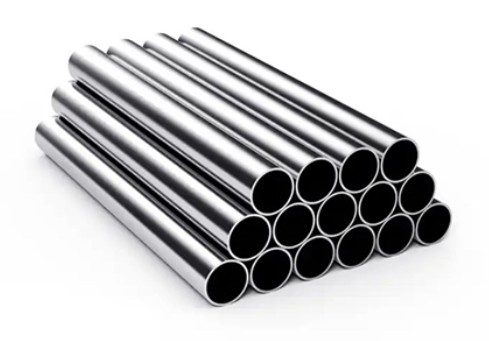
Common standards and designations for Inconel 625 include UNS N06625, W.Nr. 2.4856, ASTM B444 for pipe and tube, ASTM B446 for rod and bar, ASTM B443 for plate/sheet/strip, ASTM B366 for fittings, and NACE MR0175 / ISO 15156 for sour oil and gas environments.
Useful neutral standard sources:
- ASTM B444: Standard Specification for Nickel-Chromium-Molybdenum-Niobium Alloys and Nickel-Chromium-Molybdenum-Silicon Alloy Pipe and Tube.
- ASTM B443: Covers rolled nickel-chromium-molybdenum-columbium alloy UNS N06625 plate, sheet and strip.
- ASTM B366: Covers factory-made wrought nickel and nickel alloy fittings for pressure piping.
- ASTM Nonferrous Metal Standards: Includes B444, B704, B705, B446 and other nickel alloy standards.
- ANSI / NACE MR0175 / ISO 15156: Covers materials for H2S-containing oil and gas production environments.
| Standard / Designation | Product Form / Scope | Significance for Procurement |
|---|---|---|
| UNS N06625 | Alloy designation | Global identification of alloy 625 |
| W.Nr. 2.4856 | German / European material number | Commonly used in European specifications |
| ASTM B444 | Pipe and tube | Defines requirements for covered nickel alloy pipe and tube |
| ASTM B446 | Rod and bar | Defines requirements for rod and bar products |
| ASTM B443 | Plate, sheet and strip | Defines requirements for flat rolled products |
| ASTM B366 | Factory-made wrought fittings | Applies to nickel and nickel alloy pressure piping fittings |
| NACE MR0175 / ISO 15156 | H2S-containing oil and gas environments | Important for sour-service material selection |
How does Inconel 625 compare to other popular nickel alloys?
Choosing between Inconel 625, Inconel 600, Inconel 718 and Hastelloy C276 depends on the operating environment, required strength, temperature, corrosion mechanism, fabrication route and budget.
Inconel 625 is often selected when buyers need a balance of strength, fabricability and broad corrosion resistance. Inconel 600 is a nickel-chromium alloy for general corrosion and heat resistance; Inconel 718 is known for very high strength through precipitation hardening; Hastelloy C276 is often selected for very aggressive chemical environments, especially where reducing media are severe.
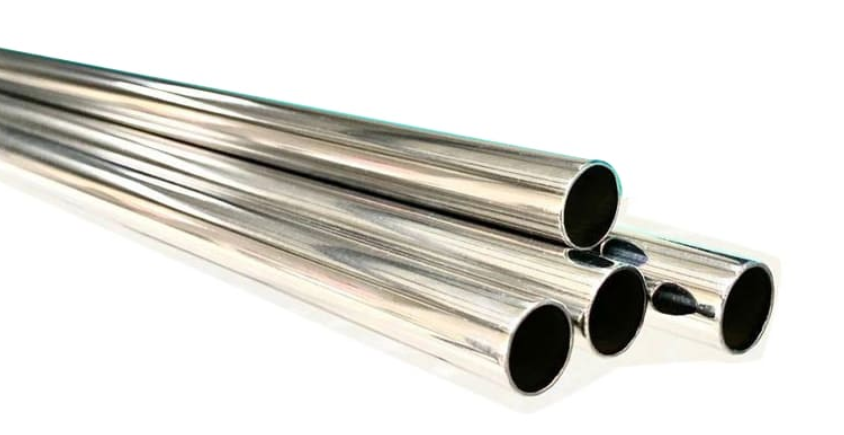
For general alloy family comparison, Wikipedia’s Inconel page provides composition and strengthening mechanism differences among Inconel 600, 625, 718 and other Inconel alloys: Inconel composition and strengthening mechanisms.
| Feature / Alloy | Inconel 625 | Inconel 600 | Inconel 718 | Hastelloy C276 |
|---|---|---|---|---|
| Main Strengthening | Solid-solution strengthening, mainly related to Mo and Nb | Solid solution | Precipitation hardening | Solid solution with high Mo and W |
| Primary Benefit | Balanced strength, corrosion resistance and weldability | General heat and corrosion resistance | Very high strength | Strong resistance in many aggressive chemical environments |
| Seawater / Chloride Resistance | Strong resistance in many seawater/chloride applications | Lower resistance to localized chloride corrosion than Mo-bearing alloys | Usually selected mainly for strength | Excellent corrosion resistance in many severe environments |
| High-Temperature Strength | Good to excellent depending on condition | Good | Excellent | Good |
| Weldability | Good with suitable procedures and filler metals | Good | More procedure-sensitive than 625 | Good with suitable procedures |
| Selection Logic | Balanced choice for many chemical, marine and high-temperature applications | General-purpose Ni-Cr alloy | Strength-critical aerospace and high-temperature components | Very severe corrosion and reducing acid conditions |
The best choice should be confirmed by an engineer based on medium, concentration, temperature, pressure, mechanical loading, fabrication method and applicable specification.
What essential certifications and inspections are needed for Inconel 625 procurement?
Buying specialized alloys without proper documentation can create traceability and quality risks. For industrial projects, certificates and inspections are often as important as the material itself.
For Inconel 625 procurement, buyers commonly request an EN 10204 3.1 material certificate, chemical composition results, mechanical property results, PMI testing, and product-specific inspections such as ultrasonic testing or hydrostatic testing when required by the standard or project specification.
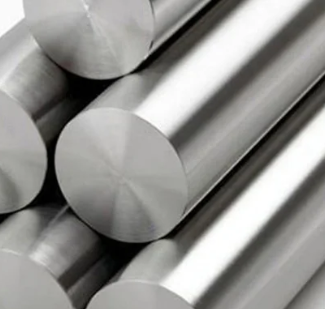
For PMI, Bruker explains that Positive Material Identification is a fast, non-destructive method for verifying the elemental composition and grade name of alloys. Element also describes PMI testing as a method used to verify the chemical composition of metals and alloys.
For microstructural verification and failure analysis, NASA explains that microstructural analysis is used in failure investigations and can support environmental degradation studies and welding qualification testing.
For pipe and tube products, ASTM B444 states that each pipe or tube shall undergo hydrostatic testing and be examined with a nondestructive electric test as prescribed: ASTM B444 testing requirements.
| Certification / Inspection | Purpose | Significance for Quality Assurance |
|---|---|---|
| EN 10204 3.1 Certificate | Material test certificate with actual test results | Supports traceability and purchase-order compliance |
| Chemical Composition Report | Confirms alloy chemistry | Helps verify UNS N06625 material identity |
| Mechanical Property Report | Confirms tensile strength, yield strength and elongation | Verifies compliance with the required specification |
| PMI Testing | Verifies alloy composition by XRF or OES | Reduces risk of material mix-up |
| Ultrasonic Testing | Detects internal discontinuities | Important for critical bars, tubes and pressure-related products |
| Hydrostatic Testing | Verifies pressure integrity for applicable pipe/tube products | Important for pressure-retaining applications |
| Third-Party Inspection | Optional independent verification by SGS, BV, TÜV or other agencies | Often required by critical projects or end users |
How can Emily PIPE support Inconel 625 buyers?
Emily PIPE is a China-based manufacturer and exporter specializing in nickel alloy tubes, nickel alloy bars, titanium alloy tubes and titanium alloy bars. With more than 15 years of production and export experience, we support industrial buyers in chemical processing, oil and gas, marine engineering, aerospace, power generation, medical equipment and other high-temperature or corrosion-resistant applications.
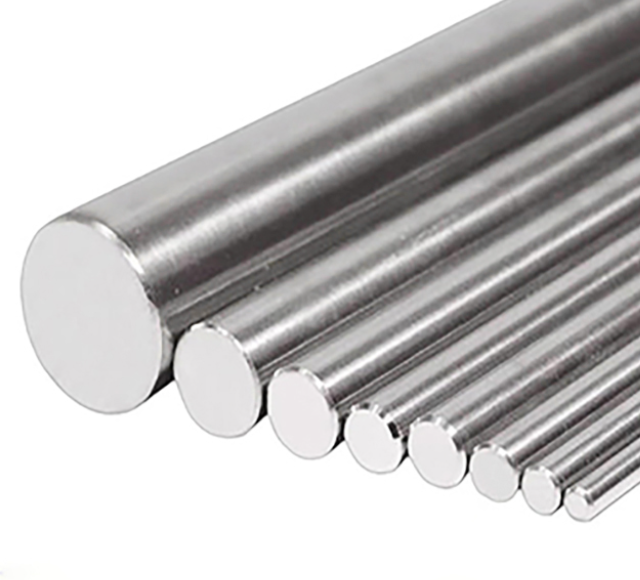
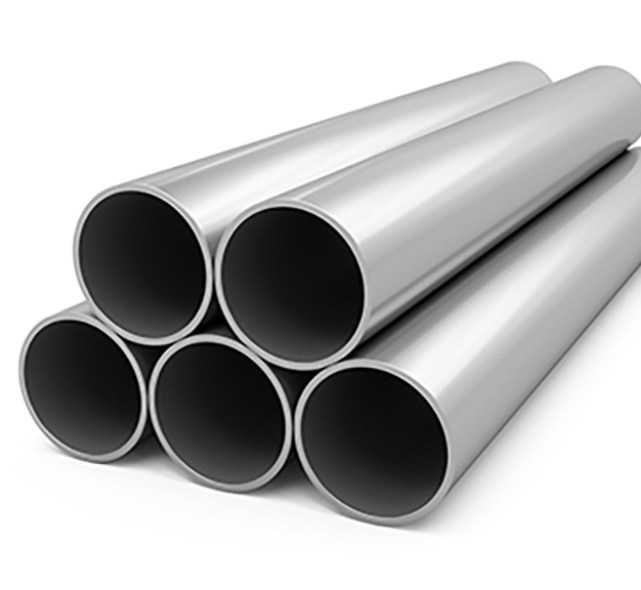
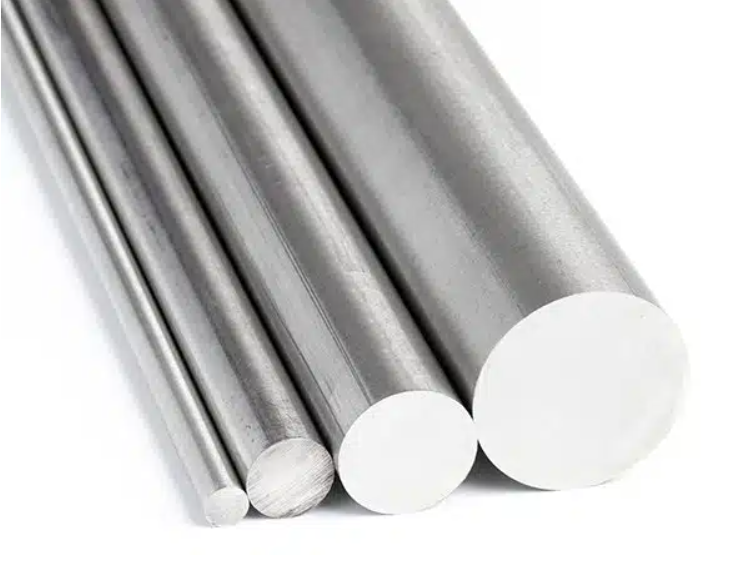
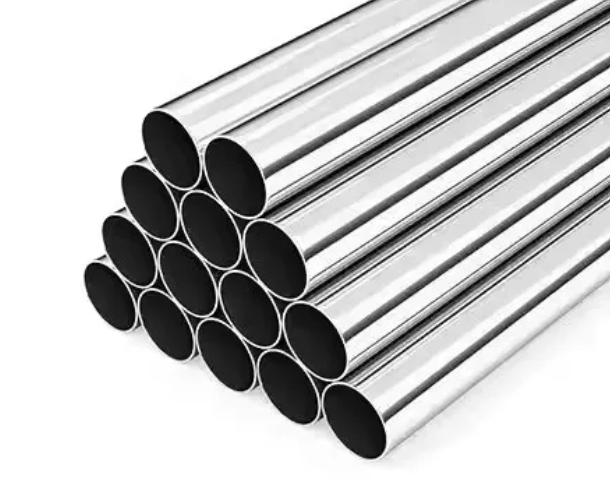
For Inconel 625 projects, we can support standard and customized specifications according to drawings, technical requirements and service environments. Common product forms include Inconel 625 seamless pipe, welded pipe, tube, bar and related alloy products. We can also support documentation and inspection requirements such as EN 10204 3.1 certificates, chemical composition reports, mechanical test reports, PMI testing, ultrasonic testing and hydrostatic testing when required.
Conclusion
Inconel 625 is a high-performance nickel-based alloy valued for its combination of strength, fabricability, corrosion resistance and high-temperature performance. Its nickel-chromium-molybdenum-niobium composition makes it suitable for demanding industries such as chemical processing, marine engineering, aerospace, oil and gas, and power generation.
However, Inconel 625 should not be selected only by name. Engineers and buyers should confirm the operating medium, temperature, pressure, design standard, product form, heat treatment condition, testing requirements and certificate requirements before procurement. For critical applications, the final decision should be based on the project specification, applicable ASTM/ASME/AMS/NACE/ISO standard, and verified material test reports.