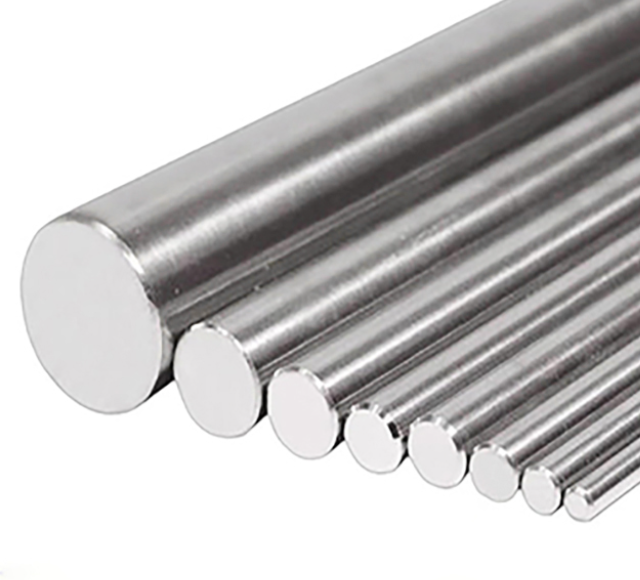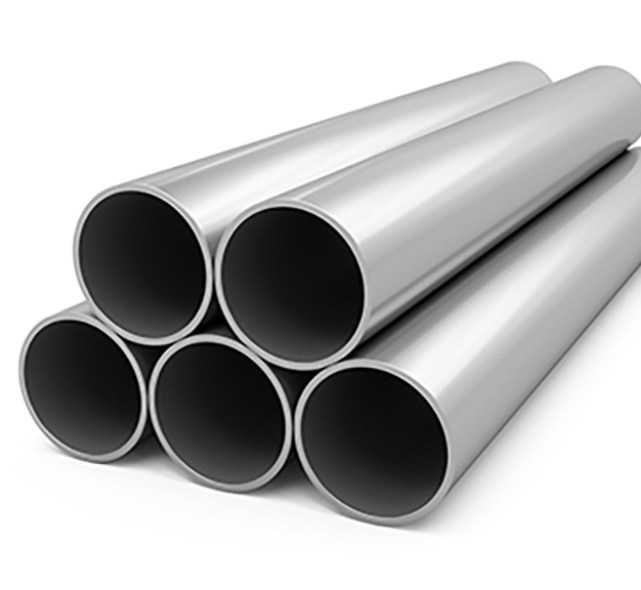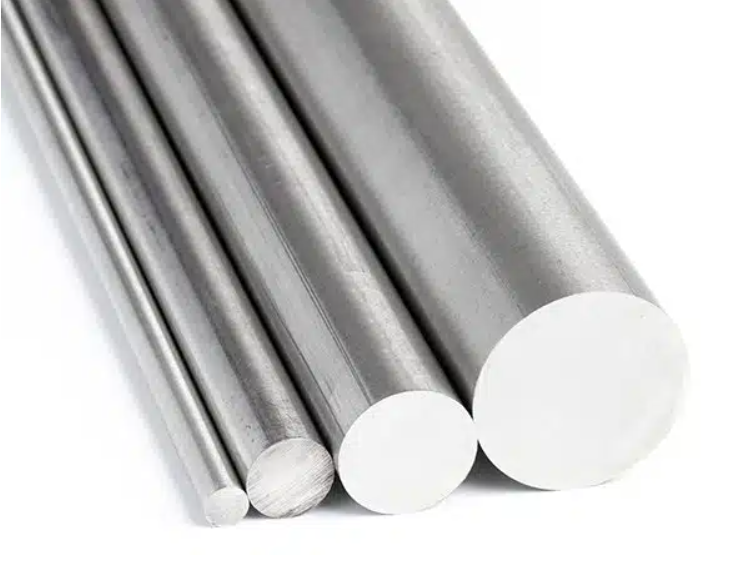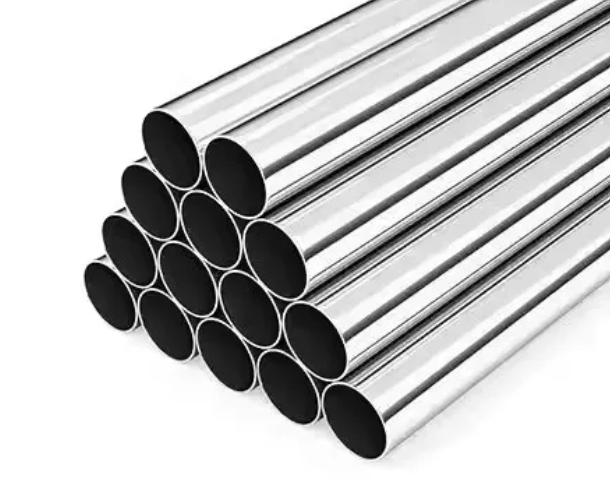

Replacement alloy materials for heat treatment furnaces should not be selected only by grade name, maximum temperature rating or lowest price.
Heat treatment furnace components may face high temperature, thermal cycling, oxidizing atmosphere, reducing atmosphere, carburizing atmosphere, nitriding atmosphere, vacuum conditions, creep load, mechanical stress, distortion risk, surface oxidation and repeated shutdown cycles.
Quick Answer:
Sourcing replacement alloy materials for heat treatment furnaces requires more than matching the old grade. Buyers should confirm furnace type, maximum temperature, atmosphere, thermal cycling, mechanical load, component function, product form, ASTM / ASME standard, heat treatment condition, MTC / MTR, heat number traceability, PMI, NDT and supplier quality control. There is no single best alloy for every furnace co# How to Source Replacement Alloys for Heat Treatment Furnaces
Are your heat treatment furnace components failing earlier than expected? Parts such as radiant tubes, furnace baskets, rollers, muffles, fixtures, trays, and support frames can suffer from distortion, cracking, oxidation, carburization, or creep after long exposure to high temperature.
Sourcing replacement alloys for heat treatment furnaces is not just about matching an alloy grade. A reliable sourcing decision should consider the furnace operating temperature, atmosphere, thermal cycling, mechanical load, manufacturing route, inspection records, and supplier process control. A technical brief from the U.S. Department of Energy on materials selection for thermal process equipment also emphasizes that high-temperature material behavior is complex and cannot be judged by temperature alone.
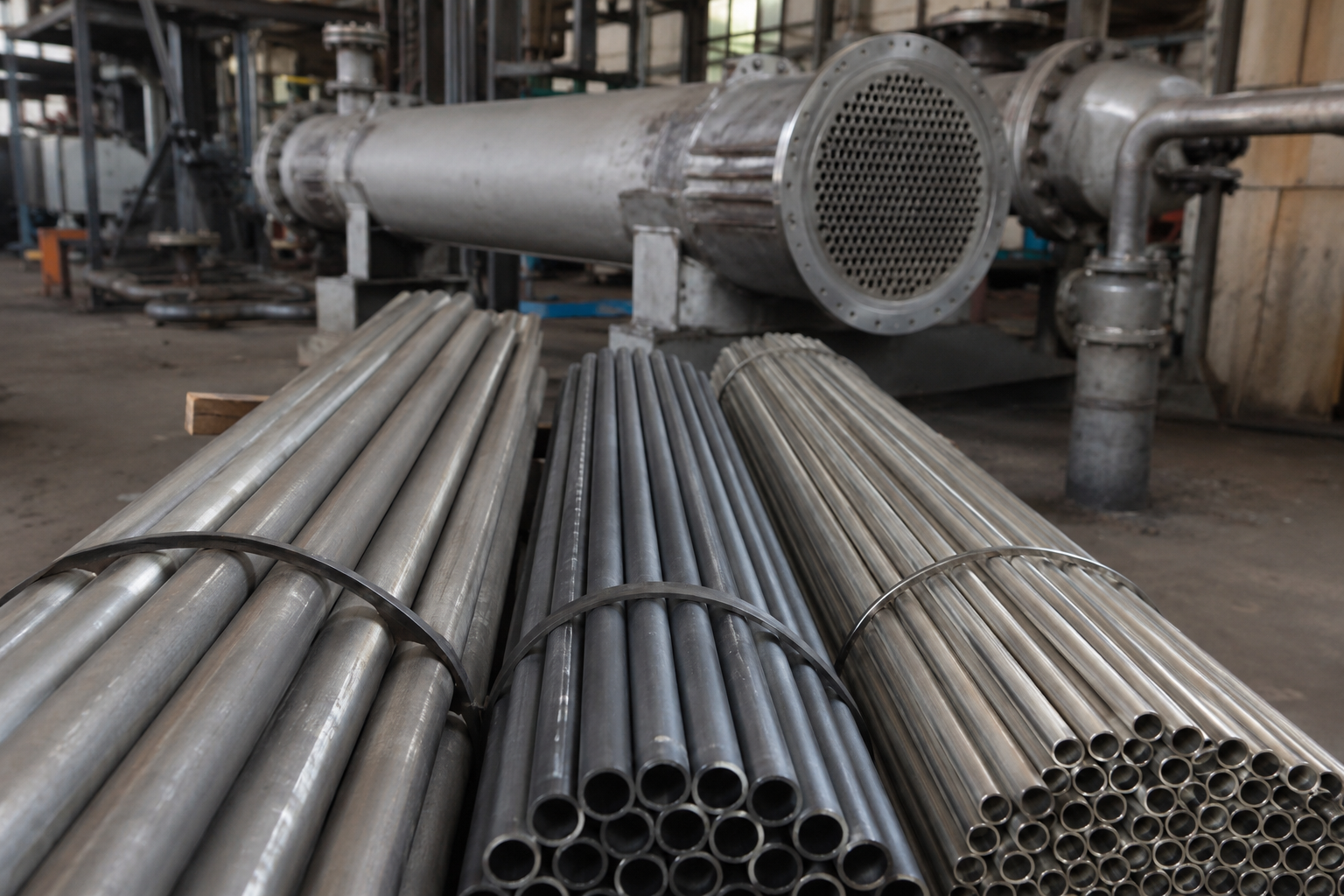
For buyers, engineers, and maintenance teams, the goal is not simply to buy a piece of metal. The real goal is to reduce replacement risk, improve component reliability, and avoid repeated sourcing mistakes.
Why There Is No Single “Best” Alloy for Every Heat Treatment Furnace
There is no universal best alloy for all heat treatment furnace applications. The right material depends on the exact service environment.
A material that performs well in an oxidizing furnace may not perform the same way in a carburizing, nitriding, reducing, or vacuum environment. A component exposed to steady high temperature may require different material properties than a component exposed to frequent heating and cooling cycles.
Before selecting replacement alloy materials, buyers should confirm these operating conditions:
- Operating temperature: What are the normal, peak, and emergency temperatures?
- Temperature pattern: Is the part exposed to stable heat or frequent thermal cycling?
- Furnace atmosphere: Is the environment oxidizing, reducing, carburizing, nitriding, vacuum, or mixed?
- Mechanical load: Is the component under bending, tension, compression, rotation, or static load?
- Creep risk: Will the part carry load for long periods at elevated temperature?
- Thermal shock: Will the component face sudden temperature changes?
- Component form: Is the part a tube, bar, plate, casting, welded assembly, or fabricated structure?
The U.S. DOE technical brief notes that selecting alloys by temperature alone is not enough. Mechanical properties, oxidation or hot corrosion resistance, cast or fabricated form, and material availability also affect the final decision.
Why Furnace Atmosphere Matters
Furnace atmosphere is one of the most important factors in alloy selection. High-temperature corrosion is not one single problem. It can include oxidation, nitridation, sulfidation, hot corrosion, molten salt corrosion, and other mechanisms. ASM International discusses these high-temperature corrosion mechanisms in relation to nickel alloys and other high-temperature materials.
For example:
- In an oxidizing atmosphere, the alloy must form a stable protective scale.
- In a carburizing atmosphere, carbon absorption may make some alloys brittle over time.
- In a nitriding atmosphere, nitrogen-related reactions can affect alloy behavior.
- In a vacuum furnace, cleanliness, outgassing, surface condition, and thermal stability may become more important.
- In a furnace with thermal cycling, oxide scale spalling, cracking, and distortion can become more severe.
This is why the same alloy name does not always guarantee the same service life in different furnaces. The real question is not “Which alloy has the highest temperature rating?” The better question is “Which alloy matches this temperature, atmosphere, load, and failure mode?”
Are Material Parameters Enough to Judge Alloy Quality?
Chemical composition and mechanical properties are important, but they are not the whole story. Two batches of the same alloy grade can still perform differently if their manufacturing routes, heat treatments, surface conditions, or inspection controls are different.
When sourcing replacement alloy materials, buyers should look beyond the basic data sheet and ask how the material was produced and verified.
Important quality factors include:
1. Melting and Remelting Route
For demanding high-temperature alloys, the melting route may affect cleanliness and structure. ASM International notes that vacuum arc remelting is widely used to improve cleanliness and refine the structure of air-melted or vacuum induction melted ingots.
This does not mean every furnace component must use VIM / VAR material. It means buyers should confirm the melting route when the application is critical, when the project specification requires it, or when previous failures suggest inclusion, segregation, or cleanliness problems.
2. Forging, Rolling, Drawing, or Fabrication
Hot working and forming can influence grain structure, dimensional stability, and internal soundness. Poorly controlled forming may leave internal stress, non-uniform structure, or weak zones that are not obvious from a simple chemical analysis.
For tubes, bars, and fabricated furnace components, buyers should confirm:
- Product form: seamless tube, welded tube, bar, plate, casting, or fabrication
- Size tolerance and straightness
- Heat treatment condition
- Surface condition
- Weld requirements, if applicable
- Inspection method and acceptance criteria
3. Heat Treatment and Microstructure
Heat treatment can change microstructure and final performance. Cambridge University’s nickel-based superalloy resource explains that solution treatment and aging can affect γ′ precipitation and grain size in nickel-based superalloys.
For replacement furnace materials, this means the buyer should not only ask for the alloy grade. The buyer should also confirm whether the material is supplied in the correct heat treatment condition for the intended service.
4. Surface Finish and Cleanliness
Surface condition can influence oxidation behavior, crack initiation, and contamination risk. Research on surface preparation and high-temperature oxidation shows that surface preparation can affect oxidation kinetics and oxide-layer behavior.
For furnace tubes, bars, and fabricated parts, surface requirements may include:
- Pickled surface
- Polished surface
- Bright annealed surface
- Ground or machined surface
- Clean inner surface for tube applications
- No heavy scale, cracks, laps, or visible defects
The correct surface finish depends on the furnace atmosphere, operating temperature, and installation requirements.
What Documents Should Buyers Request?
For industrial alloy sourcing, documents are not just paperwork. They help buyers verify whether the supplied material matches the order.
Common documents include:
- Material Test Certificate / Mill Test Report
- Chemical composition report
- Mechanical test report
- Heat number or batch number traceability
- Heat treatment record, if required
- Dimensional inspection report
- NDT report, if required
- PMI report, if required
- Packing list and material marking record
For metallic products, EN 10204 Type 3.1 inspection certificate is commonly used to confirm that the manufacturer supplies test results from specific inspection and that the document is validated by an authorized inspection representative independent of manufacturing.
However, buyers should remember that a certificate alone is not enough. The heat number on the certificate should match the physical material marking. The material description, size, standard, grade, test values, and order requirements should also be checked carefully.
What Testing and Inspection Should Be Considered?
The required testing depends on the product form and application risk. For critical furnace components, buyers may need more than chemical composition and tensile data.
Useful inspection methods may include:
- PMI testing: to verify alloy identity
- Dimensional inspection: to confirm size, wall thickness, length, and straightness
- Visual inspection: to check surface defects, scale, or obvious damage
- Ultrasonic testing: to detect internal discontinuities in suitable products
- Liquid penetrant testing: to find surface-breaking defects
- Hardness testing: when hardness or heat treatment condition is important
- Hydrostatic or pressure testing: for tube or pipe applications where required
ASNT explains that NDT methods help evaluate materials and components without destroying them. For example, ultrasonic testing can help detect internal discontinuities, while liquid penetrant testing is used to reveal surface discontinuities such as cracks, seams, and porosity.
How to Evaluate a Supplier Beyond Price
Price is important, but it should not be the only factor. A lower price may become costly if the material has weak traceability, unclear testing, poor surface condition, or inconsistent process control.
A qualified supplier should be able to explain both the material and the application. When evaluating a supplier, ask these questions:
| Evaluation Area | What to Ask | Why It Matters |
|---|---|---|
| Application understanding | Do they ask about temperature, atmosphere, cycling, load, and failure mode? | Shows whether they understand the actual service risk |
| Material verification | Can they provide MTC / MTR with heat number traceability? | Helps confirm material identity and compliance |
| Manufacturing route | Can they explain melting, forming, heat treatment, and surface process? | Process control affects consistency |
| Inspection capability | Can they provide PMI, UT, PT, dimensional inspection, or third-party inspection if required? | Reduces risk before shipment |
| Quality system | Do they operate under a recognized quality management system such as ISO 9001? | Shows quality management structure, but should not replace material verification |
| Documentation control | Are certificates, markings, and packing records consistent? | Helps prevent mixed materials and traceability problems |
| Technical support | Can they discuss alternatives when the original grade repeatedly fails? | Helps buyers avoid repeating the same sourcing mistake |
A good supplier should not simply say “yes, we can supply.” For high-temperature furnace applications, a reliable supplier should help confirm whether the requested alloy, product form, surface condition, and inspection plan match the service environment.
Common Traps When Sourcing Replacement Furnace Alloys
Trap 1: Choosing Only by Maximum Temperature
Maximum temperature is only one data point. Long-term temperature, atmosphere, load, creep, oxidation, and thermal cycling may be more important for actual service life.
Trap 2: Treating All Furnace Atmospheres the Same
An alloy used in an oxidizing furnace may not be suitable for a carburizing or nitriding furnace. Always confirm the actual gas environment and contamination risk.
Trap 3: Accepting Generic Certificates Without Checking Traceability
A certificate should match the heat number, grade, size, standard, and order requirements. If the physical marking and certificate do not match, traceability is weak.
Trap 4: Ignoring Manufacturing Route
The same alloy grade may be supplied as cast, wrought, seamless, welded, forged, rolled, or fabricated product. These forms do not always behave the same way in high-temperature service.
Trap 5: Overlooking Surface Condition
Surface scale, cracks, laps, contamination, or unsuitable finish may increase risk in certain furnace atmospheres. Surface finish should be specified clearly in the purchase order.
Trap 6: Buying Only on the Lowest Quotation
A very low price may look attractive, but buyers should compare what is included: standard, certificate type, test scope, surface condition, packing, marking, lead time, and inspection support.
Practical Sourcing Checklist Before Ordering
Before placing an order, prepare a clear technical request that includes:
- Furnace type and component name
- Current material grade and failure problem
- Operating temperature range
- Furnace atmosphere
- Thermal cycling frequency
- Mechanical load or support condition
- Required alloy grade and standard
- Product form: tube, pipe, bar, plate, or fabricated component
- Size, tolerance, length, and quantity
- Heat treatment condition
- Surface finish requirement
- Required certificate type, such as EN 10204 3.1
- Required testing: PMI, UT, PT, hardness, dimensional inspection, or third-party inspection
- Packaging, marking, and delivery requirements
This checklist helps both the buyer and supplier reduce misunderstanding before production or shipment.
Conclusion
Sourcing replacement alloys for heat treatment furnaces requires more than matching a grade name. Buyers should evaluate the full service environment, including temperature, atmosphere, thermal cycling, creep risk, mechanical load, surface condition, and previous failure mode.
The most reliable sourcing decision combines three things: correct material selection, controlled manufacturing process, and verifiable supplier documentation. When these points are confirmed before ordering, furnace components are more likely to perform consistently and replacement risks become easier to control.mponent. The suitable material depends on the actual service condition and verification requirements.
High-temperature alloy selection should start with the real working environment. Cambridge University explains that superalloys can be used at high temperatures and that creep and oxidation resistance are major design criteria: Nickel Based Superalloys - University of Cambridge.
AMPP explains that high-temperature corrosion mechanisms include carburization, metal dusting, nitriding, oxidation, sulfidation and other forms of attack: High Temperature Corrosion.
This is why replacement alloy sourcing should be treated as a technical review, not only a purchasing task.
Why There Is No Single Best Alloy for Heat Treatment Furnaces
There is no universal best alloy for every heat treatment furnace.
A radiant tube in a carburizing furnace may face a very different environment from a hearth roller in a vacuum furnace, a tray in a batch furnace or a support fixture in an air atmosphere.
Key Furnace Conditions to Confirm
| Factor | Why It Matters |
|---|---|
| Furnace Type | Heat treatment, annealing, carburizing, nitriding, sintering and vacuum furnaces have different risks |
| Maximum Temperature | Alloy strength, oxidation resistance and creep behavior change with temperature |
| Temperature Range | Minimum, normal and peak temperatures should all be reviewed |
| Thermal Cycling | Repeated heating and cooling may increase thermal fatigue risk |
| Atmosphere | Oxidizing, reducing, carburizing, nitriding, sulfur-containing or vacuum environments behave differently |
| Mechanical Load | Trays, baskets, rollers and supports may deform under load at high temperature |
| Component Function | Load-bearing, heat-transfer, support and guiding parts need different review |
| Exposure Time | Long holding time may increase creep and oxidation concerns |
| Cleaning Method | Cleaning chemicals or mechanical cleaning can affect surface condition |
| Welding / Fabrication | Welded areas may require additional inspection and process control |
| Replacement Frequency | Frequent replacement may indicate material mismatch, design issue or operating condition change |
A material that works in one furnace may not work in another. Buyers should avoid asking only:
“Which alloy is best?”
A better question is:
“Which alloy is suitable for this exact furnace temperature, atmosphere, load and component function?”
Why Material Parameters Alone Are Not Enough
A datasheet is useful, but it is not the complete answer.
Basic parameters may show chemical composition, tensile strength, yield strength, elongation, hardness and general temperature notes. These values help with initial screening, but they may not fully represent real furnace operation.
What a Datasheet May Not Fully Show
| Datasheet Item | Useful Information | What Still Needs Review |
|---|---|---|
| Chemical Composition | Confirms alloy family and UNS number | Whether chemistry suits the furnace atmosphere |
| Room-Temperature Tensile Strength | Useful baseline mechanical data | Elevated-temperature strength and creep behavior |
| Maximum Temperature Note | Helps initial screening | Atmosphere, load, cycling and exposure time |
| Oxidation Resistance Statement | Useful for comparison | Actual oxygen potential, water vapor and cycling |
| General Corrosion Resistance | Helps classify the alloy | Carburization, nitriding, sulfidation or metal dusting risk |
| Hardness | Confirms material condition | Thermal fatigue and creep behavior |
| Product Standard | Defines purchase basis | Whether extra testing or inspection is required |
| Supplier Claim | Gives marketing or technical positioning | MTC, heat number, PMI and inspection evidence |
ASTM E139 covers creep, creep-rupture and stress-rupture testing of metallic materials under constant tensile force at constant temperature: ASTM E139.
ASTM E21 covers elevated-temperature tension testing of metallic materials: ASTM E21.
These references support a practical point: for heat treatment furnace components, room-temperature data alone is not enough for high-temperature service review.
Which Alloy Families May Be Evaluated?
Different alloy families may be considered for different replacement components. The final choice should depend on service condition, product form, applicable standard and buyer qualification.
Common Alloy Families for Furnace Replacement Materials
| Alloy Family | Possible Review Area | Buyer Caution |
|---|---|---|
| Alloy 600 / UNS N06600 | Selected high-temperature furnace parts, tubes, fixtures and supports | Confirm temperature, atmosphere, stress and product form |
| Alloy 601 / UNS N06601 | Selected oxidation or carburization-related applications | Confirm actual furnace atmosphere and exposure time |
| Alloy 625 / UNS N06625 | Selected corrosion-resistant or high-strength components | Not automatically the best for every furnace component |
| Alloy 800 / 800H / 800HT | Selected high-temperature tubes, supports and structural parts where creep may matter | Confirm grade, heat treatment condition and creep-related requirements |
| Alloy 617 / UNS N06617 | Selected very high-temperature structural applications | Confirm design code, test data and availability |
| Hastelloy X | Selected high-temperature fabricated components depending on project requirement | Confirm standard, availability and service condition |
| Titanium Alloys | Selected lightweight or corrosion-resistant non-furnace-core components | Not generally used for the hottest furnace load-bearing areas |
| Stainless / Heat-Resistant Steels | Selected less severe temperature or cost-sensitive areas | Confirm oxidation, creep, scaling and atmosphere limits |
This table is not a universal recommendation. It is a starting point for technical discussion.
What Standards May Apply?
Replacement alloy materials may be supplied as bars, rods, tubes, pipes, plates or fabricated components. The correct standard depends on product form and alloy grade.
Examples of Relevant Standards
| Standard | Product Form / Use |
|---|---|
| ASTM B166 | Nickel-chromium-iron and related alloy rod, bar and wire |
| ASTM B167 | Nickel-chromium-iron and related seamless pipe and tube |
| ASTM B407 | Nickel-iron-chromium alloy seamless pipe and tube |
| ASTM B409 | Nickel-iron-chromium alloy plate, sheet and strip |
| ASTM E139 | Creep, creep-rupture and stress-rupture testing |
| ASTM E21 | Elevated-temperature tensile testing |
| ASTM E1476 | Metals identification, grade verification and sorting |
| EN 10204 3.1 / 3.2 | Inspection certificate level when required |
ASTM B166 covers nickel-chromium-iron alloys and related alloys in rod, bar and wire form: ASTM B166.
ASTM B167 covers nickel-chromium-iron alloys and related seamless pipe and tube intended for general corrosion-resistant and heat-resistant applications: ASTM B167.
ASTM B407 covers nickel-iron-chromium alloy seamless pipe and tube, including UNS N08800, N08810 and N08811: ASTM B407.
Standards define the purchase basis. They do not automatically prove that one material is suitable for every furnace condition.
Why Manufacturing Process and Quality Control Matter
Two materials with the same alloy name may still differ in actual quality if product form, processing route, heat treatment, inspection and traceability are not controlled.
Manufacturing and Quality Factors to Review
| Factor | Why It Matters |
|---|---|
| Melting Route | May affect cleanliness and specification compliance when critical service requires it |
| Forging / Rolling | Can influence grain structure, dimensional control and mechanical properties |
| Heat Treatment | Affects microstructure, strength, ductility and creep behavior |
| Cold Work | May affect strength, hardness and fabrication performance |
| Surface Condition | Can affect inspection, oxidation behavior, cleaning and crack initiation risk |
| Welding / Fabrication | Welded areas may behave differently from base metal |
| NDT | Helps screen specified discontinuities before shipment |
| Dimensional Control | Important for rollers, trays, supports and machined components |
| Batch Control | Helps prevent material mix-up |
| Record Control | Supports later troubleshooting and audit review |
A good sourcing decision should check not only “what alloy,” but also “how the material was produced, tested, documented and traced.”
What Documents Should Buyers Request?
For replacement alloy materials used in heat treatment furnaces, documentation is part of risk control.
Recommended Documents
| Document | What It Helps Verify |
|---|---|
| MTC / MTR | Batch-specific chemical composition and mechanical properties |
| Heat Number | Links material to a specific production batch |
| UNS Number | Confirms exact alloy designation |
| Product Standard | Confirms ASTM / ASME / EN / ISO basis |
| Heat Treatment Record | Confirms supplied condition when required |
| Chemical Analysis Report | Confirms alloy chemistry |
| Mechanical Test Report | Confirms tensile, yield, elongation or hardness where required |
| Elevated-Temperature Data | Useful for high-temperature design review when required |
| Creep / Rupture Data | Useful for load-bearing high-temperature components when required |
| PMI Report | Helps verify material grade and reduce mix-up risk |
| Dimensional Inspection Report | Confirms size and tolerance |
| Surface Inspection Report | Confirms visible defects and surface condition |
| NDT Report | Confirms UT, PT, RT, ECT or other inspection if specified |
| Third-Party Inspection Report | Adds independent verification when required |
| Packing List and Marking | Confirms batch separation and receiving inspection |
ASTM E1476 provides guidance for nondestructive identification, grade verification and sorting of metals: ASTM E1476.
PMI does not prove furnace performance, but it helps reduce material mix-up risk.
How to Evaluate a Supplier Beyond Price
Lowest price alone is not a complete sourcing strategy.
A supplier should be evaluated by documentation, traceability, process control and ability to understand the application.
Supplier Evaluation Checklist
| Evaluation Item | What to Ask |
|---|---|
| Application Understanding | Does the supplier ask about furnace type, temperature, atmosphere and load? |
| Grade Confirmation | Can they confirm exact alloy grade and UNS number? |
| Product Form | Can they supply the correct bar, tube, pipe or fabricated component form? |
| Standard | Which ASTM / ASME / EN / ISO standard applies? |
| MTC / MTR | Are batch-specific reports provided? |
| Heat Number Traceability | Can each piece or batch be traced? |
| Heat Treatment Control | Can supplied condition be documented when required? |
| PMI | Can grade verification be performed? |
| NDT | Can UT, PT, RT, ECT or other testing be supported if required? |
| Dimensional Control | Are size, tolerance and straightness checked? |
| Third-Party Inspection | Can SGS, BV, TÜV, LRQA, ABS or buyer-appointed inspection be arranged? |
| Quality System | Is there a documented quality management system? |
| Technical Support | Can the supplier discuss failure mode, replacement risk and material alternatives? |
| Delivery Reliability | Can lead time and packing be confirmed realistically? |
ISO explains that the ISO 9000 family consists of the best-known standard for quality management systems, ISO 9001, together with supporting standards: ISO 9000 Family.
A quality management system is useful, but it does not replace batch-specific MTC / MTR, heat number traceability or project-required inspection.
Common Sourcing Traps to Avoid
Trap 1: Buying Only by Old Grade Name
The old grade may not explain why the original component failed. Before replacing it, buyers should review the failure mode, furnace condition and any process changes.
Trap 2: Focusing Only on Maximum Temperature
Maximum temperature is important, but atmosphere, load, cycling, exposure time and component design also matter.
Trap 3: Treating Datasheets as Final Proof
Datasheets help with initial screening. They should be supported by MTC, product standard, test reports and application review.
Trap 4: Ignoring Heat Treatment Condition
Heat treatment can affect microstructure, strength, ductility and creep behavior. Buyers should confirm supplied condition when it matters.
Trap 5: Not Checking Traceability
If heat number, MTC and product marking do not match, later troubleshooting becomes difficult.
Trap 6: Assuming All Suppliers Are Equal
Different suppliers may have different process control, inspection capability, documentation quality and communication quality.
Trap 7: Selecting by Lowest Price Only
A low initial price may increase life-cycle risk if material mismatch, poor documentation or weak process control causes earlier replacement.
Why Life-Cycle Cost Matters
Replacement alloy materials for heat treatment furnaces should be evaluated by life-cycle cost, not only purchase price.
The U.S. Environmental Protection Agency defines life-cycle cost as original cost minus salvage value plus operating costs, maintenance costs, renewal costs and decommissioning costs: EPA Life Cycle and Replacement Costs.
The U.S. Department of Energy’s O&M Best Practices Guide describes reactive maintenance as allowing machinery to run to failure and repairing or replacing damaged equipment only when obvious problems occur: DOE O&M Best Practices Guide.
Cost Factors Beyond Material Price
| Cost Factor | Why It Matters |
|---|---|
| Material Price | Initial purchase cost |
| Fabrication Cost | Cutting, machining, forming or welding cost |
| Inspection Cost | PMI, NDT, dimensional and third-party inspection |
| Installation Cost | Labor, alignment and installation time |
| Downtime Cost | Production loss during furnace shutdown |
| Replacement Frequency | Shorter service intervals increase total cost |
| Emergency Delivery | Urgent replacement increases logistics cost |
| Maintenance Labor | Frequent repair increases workload |
| Product Quality Risk | Distorted or failed components may affect heat treatment consistency |
| Documentation Risk | Missing certificates may delay acceptance or audit |
| Root-Cause Investigation | Poor traceability makes failure analysis harder |
A higher-grade alloy may be justified for critical or severe-service components. But not every part needs the highest-cost alloy. The decision should be based on actual risk and operating conditions.
RFQ Checklist for Replacement Furnace Alloy Materials
Before requesting a quotation, buyers should provide a clear technical scope.
| RFQ Item | What to Provide |
|---|---|
| Furnace Type | Heat treatment, annealing, carburizing, nitriding, sintering, vacuum or other |
| Component | Roller, tray, basket, support, fixture, radiant tube, muffle, retort or bracket |
| Current Material | Existing grade and known failure issue if available |
| Desired Material | Alloy grade or open to recommendation |
| UNS Number | Exact material designation |
| Product Form | Bar, rod, tube, pipe, plate, sheet or fabricated part |
| Standard | ASTM B166, B167, B407, B409 or project specification |
| Size / Drawing | Diameter, OD, wall thickness, length, thickness, tolerance or drawing |
| Maximum Temperature | Normal and peak temperature |
| Thermal Cycling | Continuous or repeated heating and cooling |
| Atmosphere | Oxidizing, reducing, carburizing, nitriding, sulfur-containing, vacuum or mixed gas |
| Mechanical Load | Static load, impact, pressure, creep load or vibration |
| Failure Mode | Sagging, cracking, oxidation, carburization, wear or distortion |
| Heat Treatment Condition | Required condition and documentation |
| Surface Condition | Pickled, polished, machined, ground, bright or as supplied |
| Testing | Chemical, tensile, hardness, PMI, UT, PT, RT, ECT or other |
| Documentation | MTC / MTR, heat number, inspection report |
| Third-Party Inspection | Required or optional |
| Packaging | Export packing, marking and surface protection |
| Delivery | Quantity, destination and required schedule |
Example RFQ Wording
For nickel alloy bars:
“Please quote nickel alloy bars for replacement heat treatment furnace supports / rollers / trays. Material: Alloy / UNS . Standard: ASTM B166 or customer specification. Size: mm diameter / width / thickness / length. Operating temperature: °C. Atmosphere: oxidizing / carburizing / nitriding / vacuum / mixed gas. Component is load-bearing: yes / no. Please provide MTC / MTR, heat number traceability, chemical analysis, tensile test, hardness test, dimensional inspection, surface inspection and PMI option.”
For nickel alloy tubes:
“Please quote nickel alloy tubes for replacement furnace / radiant tube service. Material: Alloy / UNS . Standard: ASTM B167 / ASTM B407 or customer specification. Size: OD mm, WT mm, length mm. Maximum temperature: °C. Atmosphere: ___. Thermal cycling: yes / no. Please confirm heat treatment condition, MTC / MTR, heat number traceability, dimensional inspection, surface inspection, PMI and NDT options.”
For failure replacement review:
“Existing component failed by sagging / cracking / oxidation / carburization / distortion after approximately ___ months of service. Please review whether the current alloy, heat treatment condition, atmosphere, temperature, load or supplier documentation may need to be changed. Final material approval will be based on project specification and buyer qualification.”
This is clearer than writing:
“Please quote the best heat-resistant alloy.”
How Emily PIPE Supports Heat Treatment Furnace Material Buyers
Emily PIPE is a China-based manufacturer and exporter specializing in nickel alloy tubes, nickel alloy bars, titanium alloy tubes and titanium alloy bars. We support customers across chemical processing, oil and gas, marine engineering, aerospace, power generation, heat exchangers, heat treatment equipment and other corrosion-resistant or high-temperature applications.
For heat treatment furnace replacement material projects, we can support:
- Nickel alloy tubes and pipes
- Nickel alloy bars and rods
- Materials for furnace rollers, trays, supports, fixtures and machined components
- Alloy 600, Alloy 601, Alloy 625, Alloy 800H, Alloy 800HT, Alloy 617 and other grades according to project requirements
- ASTM B166 nickel alloy bar, rod and wire support
- ASTM B167 nickel alloy seamless pipe and tube support
- ASTM B407 nickel-iron-chromium seamless pipe and tube support
- Custom diameter, OD, wall thickness, length, tolerance and surface condition
- MTC / MTR and heat number traceability
- Dimensional and surface inspection
- PMI, chemical analysis, tensile, hardness, UT, PT and other testing support when required
- Third-party inspection support
- Export packaging and logistics support
Our role is not to claim that one alloy fits every heat treatment furnace. Our role is to help buyers clarify furnace type, component function, operating temperature, atmosphere, mechanical load, product form, standard, testing, documentation and delivery requirements before production.
If you are sourcing replacement alloy materials for heat treatment furnace components, please send the drawing, current material grade, failure mode if available, furnace atmosphere, operating temperature, load condition, product form, testing requirement, documentation requirement and destination. Our team can help review your requirements and provide a suitable quotation.
FAQ: Sourcing Replacement Alloy Materials for Heat Treatment Furnaces
1. Is there one best alloy for heat treatment furnace components?
No. The suitable alloy depends on furnace type, temperature, atmosphere, thermal cycling, mechanical load, component design and documentation requirements.
2. Should I replace the failed component with the same alloy?
Not always. If the component failed early, buyers should review failure mode, temperature, atmosphere, load, heat treatment, supplier quality and operating changes before repeating the same material.
3. Are material datasheets enough?
No. Datasheets are useful for screening, but buyers should also review MTC / MTR, heat number, product standard, heat treatment, PMI, testing and actual service conditions.
4. Why does creep resistance matter?
Creep is slow deformation under stress at high temperature. It is important for load-bearing furnace parts such as rollers, trays, baskets and supports.
5. Why does furnace atmosphere matter?
Oxidizing, reducing, carburizing, nitriding, sulfur-containing and vacuum atmospheres can create different material degradation mechanisms.
6. What documents should buyers request?
Buyers should request MTC / MTR, heat number traceability, chemical analysis, mechanical test report, heat treatment record, dimensional inspection, surface inspection, PMI and NDT reports when required.
7. Is ISO certification enough?
No. ISO quality management certification supports process control, but it does not replace batch-specific MTC / MTR, heat number traceability or project-required inspection.
8. Is the lowest-priced replacement alloy the best choice?
Not always. Buyers should compare life-cycle cost, including replacement frequency, downtime, inspection, emergency logistics, maintenance and documentation risk.
Conclusion
Sourcing replacement alloy materials for heat treatment furnaces is not a simple grade-matching task.
The right choice depends on furnace type, component function, operating temperature, atmosphere, thermal cycling, mechanical load, creep risk, oxidation risk, heat treatment condition, product form, standard, testing, traceability and supplier documentation.
For buyers, the practical approach is to define the furnace environment clearly, verify the required documents and tests, and choose a supplier who can provide traceable, inspectable and application-aware alloy materials.