
Which Nickel Alloy Spares Should Plants Keep in Stock?
Unexpected equipment failures can create production delays, emergency purchasing, maintenance overtime, expedited logistics and quality risks. For plants that use nickel alloy tubes, nickel alloy bars or nickel alloy spare parts in corrosive, high-temperature or high-pressure environments, spare part selection should not be based only on a generic material list.
Choosing the right nickel alloy spares means understanding the plant’s operating conditions, common failure modes, equipment criticality, lead time, documentation requirements and the real cost of downtime. It is not a one-size-fits-all decision. It is a risk-based material and inventory strategy.
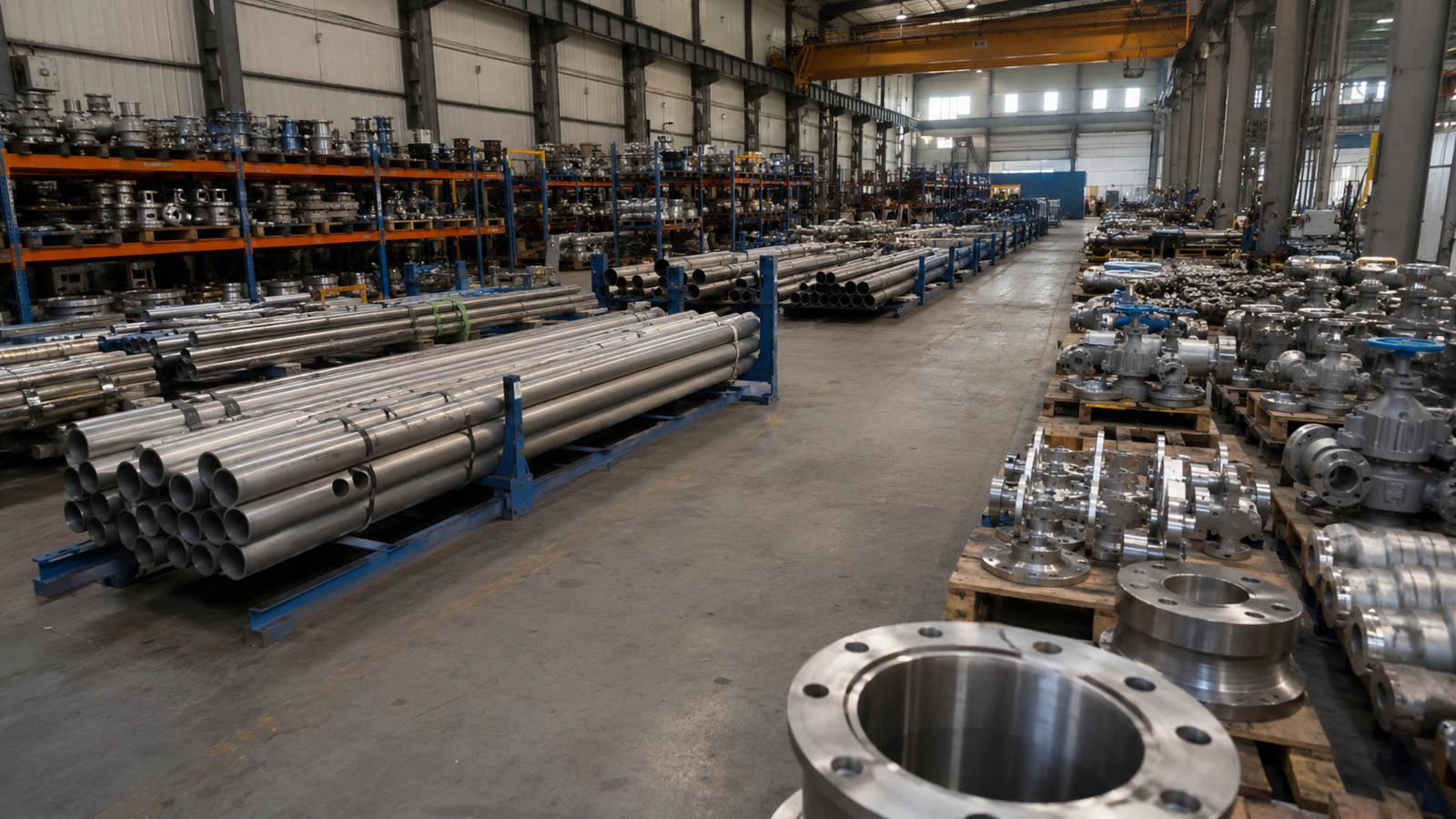
Nickel Institute explains that nickel alloys are used for corrosion resistance, high-temperature strength, oxidation resistance and demanding oil, gas and power applications. Source: Nickel Institute — Nickel Alloys
NIST also notes that manufacturing maintenance economics should consider not only repair costs, but also costs from unplanned downtime, lost sales from maintenance-related delays and quality degradation. Source: NIST — Manufacturing Machinery Maintenance
This guide explains how plant managers, engineers and procurement teams can select nickel alloy spares more systematically.
Quick Answer: Which Nickel Alloy Spares Should Plants Keep?
There is no universal list of nickel alloy spares for every plant.
A chemical plant, marine system, power generation facility, heat exchanger workshop, oil and gas project or high-temperature furnace may need different nickel alloy spare parts.
Plants Should Prioritize Nickel Alloy Spares Based On
| Factor | Why It Matters |
|---|---|
| Equipment criticality | Failure of some parts stops production or creates safety risk. |
| Failure history | Repeated failures reveal what materials or parts need improvement. |
| Operating temperature | High-temperature service may need oxidation, creep or rupture resistance. |
| Corrosive media | Acid, chloride, seawater, caustic, sour service or mixed chemicals require different alloys. |
| Mechanical stress | Pressure, vibration, cyclic loading and thermal cycling influence material selection. |
| Lead time | Long production lead times may justify stocking critical spares. |
| Replacement time | Parts that take long shutdown time may be worth stocking. |
| Inspection requirement | MTR/MTC, PMI, NDT or third-party inspection may affect availability. |
| Cost of downtime | The spare cost should be compared with production loss and emergency repair cost. |
| Supplier capability | Not every supplier can provide custom size, heat treatment, NDT or urgent delivery. |
Buyer Takeaway
The best spare inventory is not the largest inventory. It is the inventory that protects the most critical equipment from the highest-risk failures.
How Do Operating Conditions Shape Nickel Alloy Spare Selection?
Nickel alloys are not interchangeable. Different grades are selected for different corrosion, temperature and strength requirements.
Before choosing spares, plants should define the actual operating environment.
Operating Conditions to Confirm
| Operating Condition | What to Ask |
|---|---|
| Temperature | Normal temperature, maximum temperature, thermal cycling and upset temperature. |
| Pressure | Normal pressure, peak pressure and pressure cycling. |
| Corrosive media | Acid, chloride, seawater, alkali, sulfide, oxidizing or reducing environment. |
| Concentration | Chemical concentration and possible changes during operation. |
| pH | Acidic, neutral or alkaline service. |
| Flow condition | Static, turbulent, erosive, slurry or high-velocity flow. |
| Mechanical load | Static load, vibration, bending, cyclic loading or impact. |
| Welding / fabrication | Whether the spare will be welded, bent, machined or heat treated. |
| Cleaning / shutdown conditions | Cleaning chemicals may be more aggressive than normal process media. |
| Inspection requirements | MTR/MTC, NDT, PMI, corrosion testing or end-user approval. |
Why Temperature Matters
At elevated temperatures, plants may need nickel alloys with oxidation resistance, creep strength or creep-rupture resistance.
Alloy 625 is known for high tensile, creep and rupture strength, fatigue and thermal-fatigue strength, oxidation resistance and weldability. Source: Special Metals — INCONEL Alloy 625
Alloy 617 displays high levels of creep-rupture strength at very high temperatures and good resistance to oxidizing and carburizing atmospheres. Source: Special Metals — INCONEL Alloy 617
Why Corrosive Media Matters
Corrosion is not one single problem. General corrosion, pitting, crevice corrosion, intergranular corrosion and stress corrosion cracking may require different alloy choices.
HASTELLOY C-276 is described as resistant to oxidizing and non-oxidizing acids and has strong resistance to pitting and crevice attack in the presence of chlorides and other corrosive media. Source: Haynes — HASTELLOY C-276 Alloy
MONEL 400 is a nickel-copper alloy with resistance to media including seawater, hydrofluoric acid, sulfuric acid and alkalis, and is used in marine/offshore and chemical processing applications. Source: Special Metals — Quick Reference Guide
Why Mechanical Stress Matters
Some spares fail because the alloy resists corrosion but does not have enough strength, fatigue resistance or high-temperature stability for the actual load.
INCONEL 718 is a precipitation-hardenable nickel alloy known for high strength, corrosion resistance, weldability and creep-rupture strength up to about 1300°F / 700°C. Source: Special Metals — INCONEL Alloy 718
Buyer Takeaway
Do not choose nickel alloy spares by alloy name alone. Match alloy properties to temperature, chemical exposure, pressure, stress and fabrication requirements.
Which Failure Modes Should Guide Nickel Alloy Spare Decisions?
Plants often replace parts after they “corroded,” “cracked,” “leaked” or “deformed.” But these words are symptoms, not root causes.
The right spare depends on the actual failure mechanism.
Common Failure Modes
| Failure Mode | What It Looks Like | Material Selection Concern |
|---|---|---|
| General corrosion | Uniform wall loss or thinning. | Select alloy resistant to the actual chemical media. |
| Pitting corrosion | Small deep holes, often in chloride environments. | Consider Mo/Cr-containing nickel alloys and surface condition. |
| Crevice corrosion | Local attack under deposits, gaskets, clamps or stagnant areas. | Review alloy, design crevices, cleaning and operating conditions. |
| Stress corrosion cracking | Cracks caused by stress and specific corrosive environment. | Review alloy, stress level, heat treatment, hardness and media. |
| Intergranular corrosion | Attack along grain boundaries. | Review alloy condition, heat treatment, welding and ASTM G28 if required. |
| Fatigue cracking | Cracks from cyclic stress or vibration. | Review fatigue strength, geometry, surface finish and vibration control. |
| Creep deformation | Slow deformation under stress at high temperature. | Select high-temperature alloy with creep/rupture resistance. |
| Erosion-corrosion | Wall loss from high-velocity or abrasive flow. | Review flow velocity, particles, wall thickness and alloy resistance. |
| Weld-related failure | Cracking, corrosion or leakage near welds. | Review weld procedure, filler metal, heat input and inspection. |
| Mechanical wear | Contact damage, rubbing or galling. | Review hardness, surface finish, lubrication and fit-up. |
TWI explains that fatigue cracks often start at changes in section or notches where stress is raised locally, and that fatigue can occur under repeated loading. Source: TWI — Fatigue Testing
ASTM G28 is used to detect susceptibility to intergranular corrosion in wrought nickel-rich chromium-bearing alloys. Source: ASTM G28
ASTM G48 is used for pitting and crevice corrosion resistance testing of stainless steels and related alloys by ferric chloride solution. Source: ASTM G48
Buyer Takeaway
Before stocking a replacement spare, ask: “Why did the old part fail?” If the root cause is not understood, the new spare may fail the same way.
How to Match Nickel Alloy Grades With Common Plant Spare Needs
The table below is a practical starting point. Final material selection should always be confirmed according to operating conditions, project standards and engineering review.
Nickel Alloy Spare Selection Table
| Plant Condition / Risk | Possible Material Direction | Common Spare Examples | Notes |
|---|---|---|---|
| High-temperature oxidation | Alloy 600, 601, 617, 625 depending on temperature and load. | Furnace tubes, thermowells, heat shields, burner parts. | Confirm temperature, atmosphere and creep requirement. |
| High-temperature creep / rupture | Alloy 617, Alloy 718, Alloy 625 depending on stress and temperature. | Bolting, bars, high-temperature supports, custom machined parts. | Do not assume every high-temperature alloy has the same creep performance. |
| Chloride pitting / crevice risk | Alloy 625, C-276, C-22, 825 depending on media. | Tubes, fittings, heat exchanger parts, valves. | Check chloride level, temperature, pH and crevice design. |
| Aggressive acid service | C-276, C-22, Alloy 20, 825 depending on acid type and concentration. | Chemical process tubes, reactor parts, nozzles, spares. | Acid type and concentration are critical. |
| Seawater / marine service | Monel 400, Alloy 625, C-276 depending on strength and corrosion needs. | Marine tubes, pump parts, shafts, fasteners, instrument parts. | Confirm stagnant seawater, velocity and crevice conditions. |
| Sour or oil and gas service | Alloy 625, 825, 718 or other qualified grades depending on specification. | Downhole parts, tubing, valve components, fittings. | Review ISO 15156 / NACE requirements if applicable. |
| High-strength spare parts | Alloy 718, K-500 or age-hardenable nickel alloys. | Bolts, shafts, valve stems, turbine-related components. | Heat treatment and hardness must be controlled. |
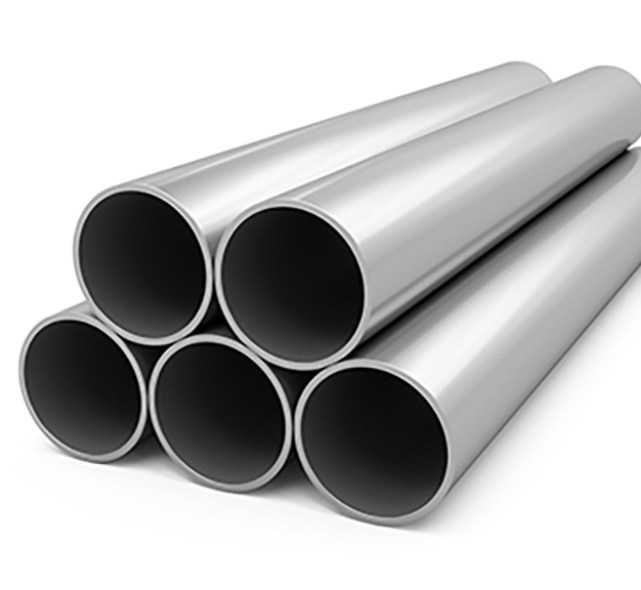
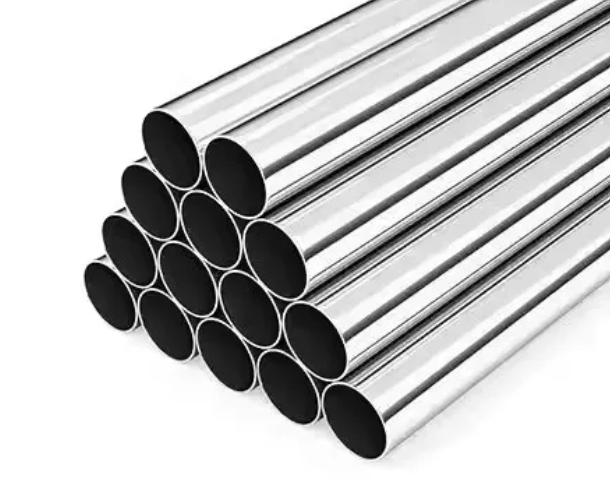
| Heat exchanger service | Alloy 625, 825, C-276, Alloy 400, ASTM B163/B704 grades depending on media. | Heat exchanger tubes, condenser tubes, tube inserts. | Confirm tube standard, wall thickness, leak testing and NDT. |
| Repeated fatigue or vibration | Alloy selection plus design review, surface finish and stress control. | Pump shafts, springs, fasteners, rotating components. | Material alone may not solve vibration-driven failure. |
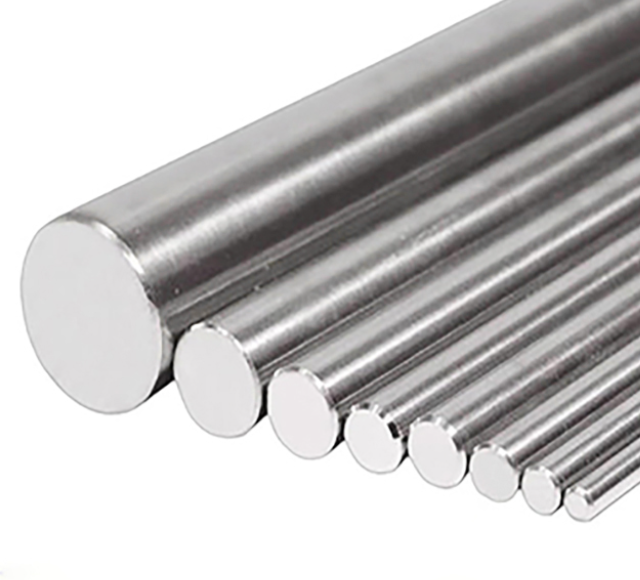
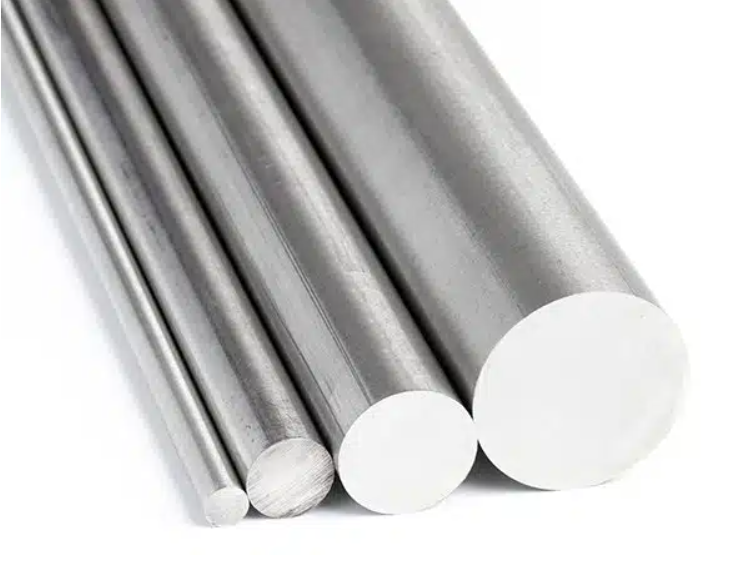
| Emergency repair stock | Standardized tube/bar sizes in most-used alloy grades. | Tubes, rods, bars, bushings, nozzles, rings. | Balance stock cost with emergency downtime risk. |
Buyer Takeaway
A spare part strategy should combine material grade, product form, dimensions, heat treatment, inspection and application risk.
How Should Plants Classify Nickel Alloy Spares?
Not every spare should be stocked at the same level. A useful approach is to classify spares by criticality.
Spare Criticality Levels
| Level | Description | Inventory Strategy |
|---|---|---|
| Critical spare | Failure stops production, creates safety risk, or has very long lead time. | Keep in stock or secure supplier agreement with reserved capacity. |
| Important spare | Failure causes reduced output, maintenance delay or expensive emergency purchase. | Keep limited stock or set reorder point. |
| Standard spare | Commonly available part with short lead time and low failure impact. | Buy as needed or keep small stock. |
| Custom spare | Non-standard size, special alloy, drawing-based part or special inspection requirement. | Plan ahead; confirm lead time and documentation before failure occurs. |
| Consumable spare | Regularly used small parts or wear items. | Stock based on usage history and reorder frequency. |
The U.S. Department of Energy’s O&M Best Practices Guide notes that run-to-failure strategies may require a large material inventory of repair parts for critical equipment that must be brought back online quickly. Source: DOE / PNNL — Operations & Maintenance Best Practices Guide
Buyer Takeaway
Criticality should reflect downtime impact, safety impact, lead time, failure frequency, replacement difficulty and supplier availability.
How to Balance Cost, Availability and Downtime Risk
The lowest material price is not always the lowest total cost.
Plants should compare:
- Cost of keeping the spare in stock
- Cost of emergency procurement
- Cost of production downtime
- Cost of repair labor and overtime
- Cost of expedited shipping
- Cost of rejected or wrong material
- Cost of repeated failure
- Cost of missing documentation or inspection approval delay
Simple Downtime Risk Calculation
Use your own plant data:
Estimated downtime cost = lost production per hour + labor cost + repair cost + logistics cost + quality/restart loss

Total outage risk = estimated downtime cost per hour × expected downtime hours