
How to Submit a Complete Nickel and Titanium Alloy Inquiry Before Quotation
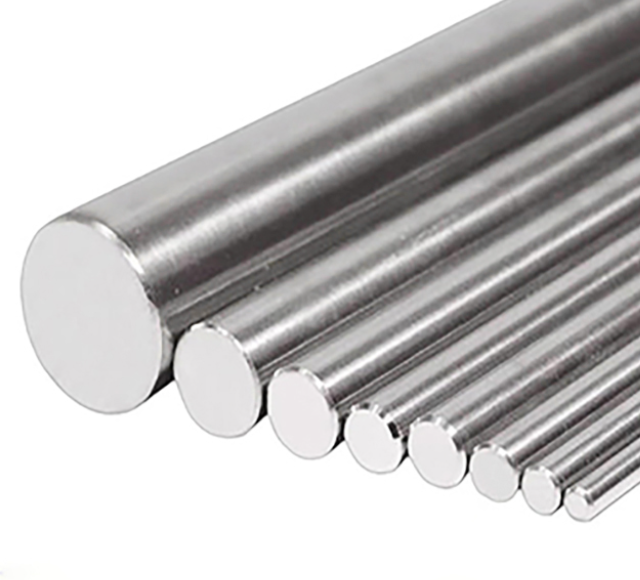
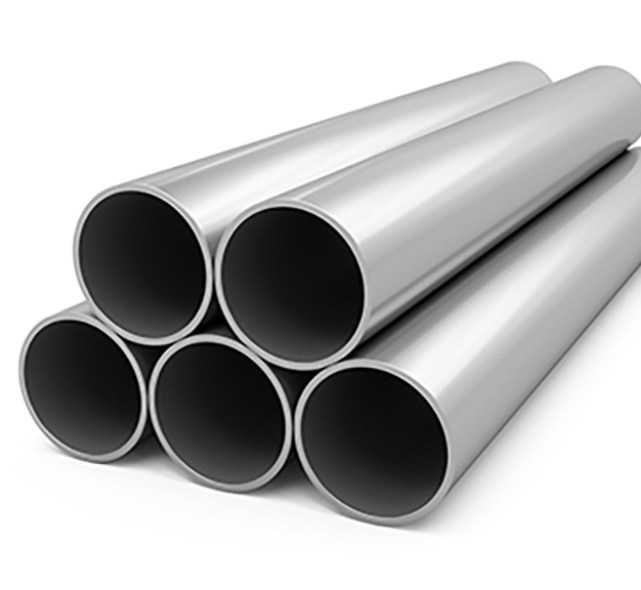
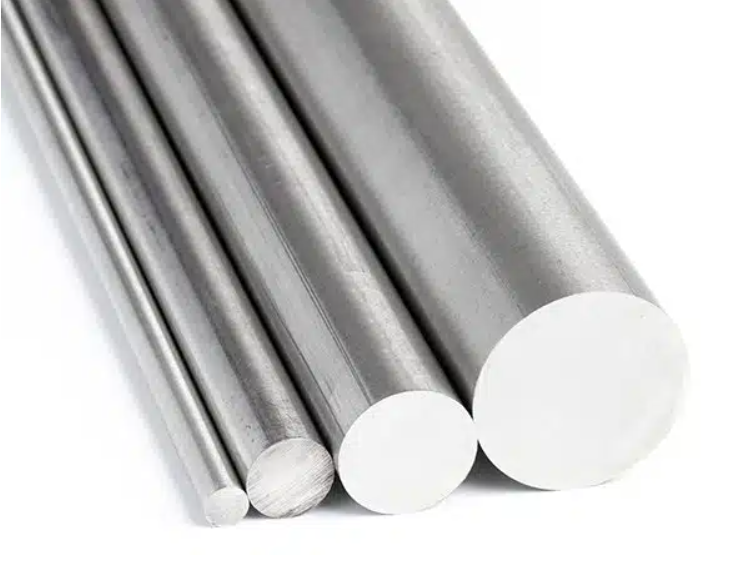
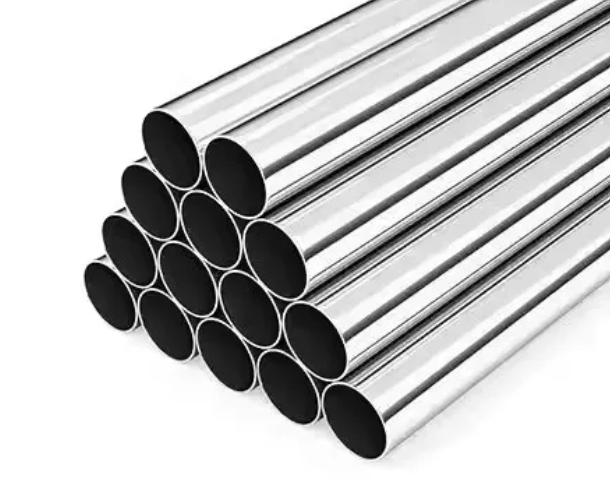
Are you trying to get a precise quotation for nickel alloy tubes, nickel alloy bars, titanium alloy tubes, or titanium alloy bars?
Many buyers send an inquiry with only material grade, size, and quantity. This may be enough for an initial budget estimate, but it is often not enough for a reliable technical quotation.
A complete alloy material inquiry should include material grade, UNS number, product form, standard, size, tolerance, quantity, application environment, temperature, pressure, chemical media, testing requirements, certificate type, heat number traceability, packing, and delivery schedule. Material selection should consider performance goals, material properties, cost, and working conditions, not only material name and size.
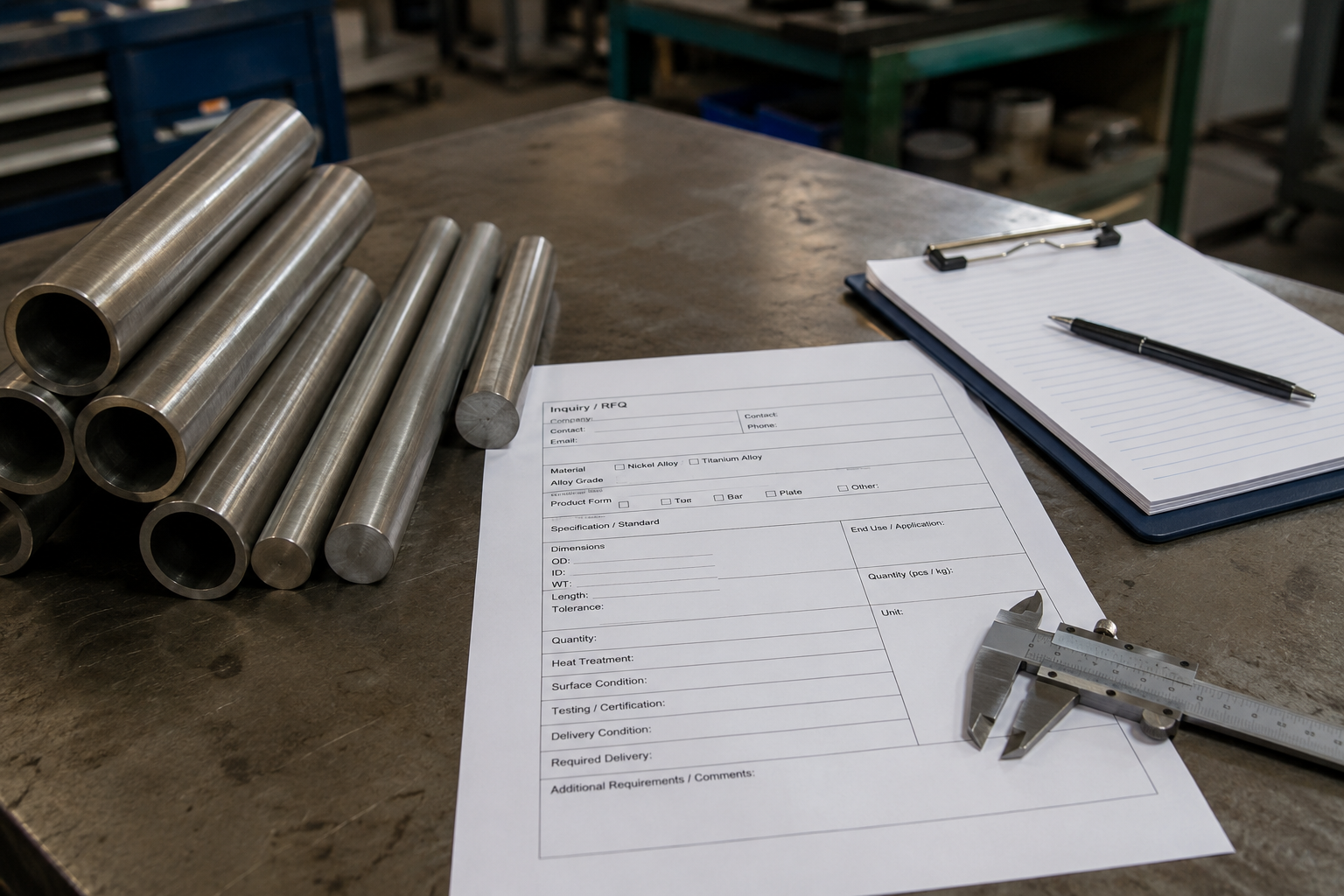
At Emily PIPE, we often receive inquiries such as “Inconel tube,” “titanium bar,” “nickel alloy pipe,” or “corrosion-resistant material.” These are useful starting points, but suppliers still need more details before confirming the final quotation.
This guide explains how suppliers review incomplete alloy material inquiries, why follow-up questions are necessary, and what buyers can prepare to receive a clearer and more accurate quotation.
Quick Answer: What Makes an Alloy Inquiry Complete?
A complete alloy inquiry gives the supplier enough information to confirm material scope, production route, inspection requirements, certificate documents, packing, and lead time.
| RFQ Item | What Buyers Should Provide | Why It Matters |
|---|---|---|
| Material Grade | Inconel 625, Inconel 718, Hastelloy C276, Monel 400, Titanium Grade 2, Titanium Grade 5 | Identifies the material family |
| UNS Number | N06625, N07718, N10276, N04400, R50400, R56400 | Reduces grade confusion |
| Product Form | Tube, pipe, bar, rod, billet, cut blank | Different forms follow different standards |
| Standard | ASTM, ASME, EN, AMS, ISO, customer specification | Defines chemistry, properties, tests, and acceptance criteria |
| Size | OD, WT, ID, diameter, length | Affects production, inspection, and price |
| Tolerance | OD, WT, length, straightness, ovality, roundness | Affects manufacturability and cost |
| Quantity | Pieces, meters, kilograms, or tons | Affects MOQ, production planning, and freight |
| Application Environment | Industry, equipment, working condition | Helps review material suitability |
| Temperature and Pressure | Maximum/minimum temperature, pressure, pressure cycles | Affects strength, creep, oxidation, and testing |
| Chemical Media | Chemical name, concentration, pH, chloride, oxygen, impurities | Affects corrosion resistance review |
| Testing Requirement | Chemical, tensile, hardness, UT, ET, PMI, hydrostatic, dimensional inspection | Defines inspection scope |
| Certificate Type | MTC/MTR, EN 10204 3.1, EN 10204 3.2, CoC | Defines document scope |
| Traceability | Heat number, marking, packing list, certificate matching | Supports material tracking |
| Delivery Requirement | Required date, Incoterms, destination, packing | Affects lead time and logistics |
The more complete the inquiry, the fewer assumptions the supplier needs to make.
Preliminary Quote vs Final Technical Quote
Sometimes buyers only need a quick price for budget planning. That is normal. However, it is important to understand the difference between a preliminary quote and a final technical quote.
| Quote Type | Based On | Suitable For | Limitation |
|---|---|---|---|
| Preliminary Quote | Material name, approximate size, quantity, general standard | Budget check, early sourcing, supplier comparison | May not include final testing, certificate, tolerance, packing, or special requirements |
| Final Technical Quote | Grade, UNS, standard, size, tolerance, application, testing, certificate, packing, lead time | Purchase order, project approval, production planning | Requires complete buyer information |
| Custom Production Quote | Drawing, special size, tolerance, surface, heat treatment, inspection, packing | Non-standard tubes, bars, cut blanks, drawing parts | Requires feasibility review |
| Critical Project Quote | Full technical scope plus third-party inspection and document package | Aerospace, pressure equipment, offshore, chemical, medical, power projects | Requires early technical coordination |
A preliminary quote can be fast. A final quote should be technically clear.
Why Do Suppliers Ask About Operating Environment?
Operating environment directly affects material review. A material that works well in one condition may not be suitable in another.
Temperature, pressure, chemical media, chloride level, pH, flow velocity, vibration, fabrication method, and service life can all affect alloy performance. Corrosion, fatigue, creep, and stress corrosion cracking depend on the combination of material, environment, and stress.
Operating Environment Checklist
| Environmental Factor | Why Suppliers Ask | What Buyers Should Provide |
|---|---|---|
| Temperature | Affects strength, oxidation, thermal cycling, and creep review | Maximum, minimum, continuous or cyclic temperature |
| Pressure | Affects wall thickness, strength, and hydrostatic testing | Design pressure, test pressure, pressure cycles |
| Chemical Media | Determines corrosion risk and alloy selection | Chemical name, concentration, pH, impurities |
| Chloride / Seawater | May increase pitting, crevice corrosion, or SCC risk | Chloride level, seawater condition, stagnant or flowing |
| Flow Velocity | High flow or slurry may increase erosion-corrosion risk | Fluid speed, particles, slurry, abrasive condition |
| Mechanical Load | Determines strength, fatigue, or deformation review | Static load, cyclic load, vibration, impact |
| Service Life | Helps define long-term performance requirement | Target operating life or maintenance interval |
| Fabrication Method | Welding, bending, forming, or machining can affect final condition | Process details after material delivery |
Pitting corrosion, crevice corrosion, and stress corrosion cracking are different corrosion-related mechanisms. This is why “corrosion resistant” is not specific enough.
For elevated-temperature service, suppliers may ask about exposure time and load because creep is time-dependent deformation under persistent stress. For vibrating or cyclic applications, suppliers may ask about fatigue because fatigue is related to crack initiation and propagation under cyclic loading.
Why Is Material Grade Alone Not Enough?
A material name is a starting point, not the full specification.
For example, “Inconel 625 tube” is more useful than “nickel alloy tube,” but the supplier may still need to confirm UNS number, ASTM/ASME standard, product form, heat treatment condition, testing, certificate, and surface requirement.
Grade Confirmation Checklist
| Confirmation Item | Why It Matters |
|---|---|
| Trade Name | Names such as Inconel, Hastelloy, Monel, or Titanium Grade 5 are commonly used in communication |
| UNS Number | Reduces confusion between similar trade names and equivalent grades |
| ASTM / ASME / EN / AMS Standard | Defines chemical limits, mechanical properties, testing, and acceptance criteria |
| Product Form | Tube, pipe, bar, rod, billet, cut blank, or machined part may follow different standards |
| Heat Treatment Condition | Annealed, solution annealed, aged, stress relieved, or cold worked condition affects properties |
| Mechanical Properties | Tensile strength, yield strength, elongation, hardness, or impact toughness may be required |
| Surface Condition | Pickled, polished, bright annealed, ground, peeled, or black surface affects use and cost |
| Certificate Requirement | MTC/MTR, EN 10204 3.1, EN 10204 3.2, or CoC should be confirmed early |
Example: Same Grade Name, Different Inquiry Scope
| Buyer Says | Supplier May Need to Confirm |
|---|---|
| Inconel 625 tube | UNS N06625, ASTM B444, seamless or welded, OD, WT, length, tolerance, MTC, hydrostatic/ET requirement |
| Inconel 718 bar | UNS N07718, ASTM B637 or AMS requirement, diameter, heat treatment, hardness, mechanical properties |
| Titanium Grade 2 tube | UNS R50400, ASTM B338 if heat exchanger tube, seamless/welded, OD, WT, length, testing |
| Titanium Grade 5 bar | UNS R56400, ASTM B348/B348M, diameter, surface, annealed condition, MTC |
| Hastelloy C276 pipe | UNS N10276, pipe/tube standard, size, corrosion media, certificate, NDT |
Precise grade confirmation helps avoid quoting a material that is close in name but different in standard, product form, condition, or inspection scope.
How Do Dimensions and Tolerances Affect the Quotation?
Dimensions and tolerances affect manufacturability, inspection, cost, and lead time.
A supplier may ask whether a tolerance is functional or simply preferred. This does not mean the supplier is challenging the design. It means the supplier needs to confirm whether the required tolerance is realistic for the alloy, size, product form, and manufacturing route.
Dimension and Tolerance Review
| Item | Supplier Needs to Confirm | Why It Matters |
|---|---|---|
| OD / ID / WT | Outer diameter, inner diameter, wall thickness | Affects tube production, pressure review, inspection |
| Bar Diameter | Diameter and tolerance | Affects machining allowance, straightness, and surface |
| Length | Random length, fixed length, cut-to-length | Affects yield, cutting, packing, and logistics |
| Straightness | Standard or special straightness | Important for long bars, tubes, and machining |
| Ovality / Roundness | Required or standard tolerance | Important for assembly and precision use |
| Wall Thickness Uniformity | Standard or special requirement | Important for pressure or heat exchanger tubes |
| Surface Roughness | Roughness value if required | Important for sealing, medical, fluid, or precision applications |
| Cutting / Deburring | Plain cut, chamfered, deburred, capped | Affects end use and packing |
| Inspection Method | Caliper, micrometer, gauge, CMM, report requirement | Defines acceptance and documentation |
Tighter tolerance usually means more production control, possible extra processing, and additional inspection. If a tolerance is not critical, confirming this early can help avoid unnecessary cost.
Why Is Delivery Schedule More Than Just a Date?
A requested delivery date affects material availability, production planning, heat treatment, testing, documentation, packing, and logistics.
For alloy tubes and bars, especially custom sizes or special testing requirements, lead time is not only manufacturing time. It also includes raw material preparation, production queue, inspection, certificate review, packing, and shipment.
Delivery Schedule Factors
| Schedule Factor | Why It Matters |
|---|---|
| Stock Availability | Stock material may ship faster, but size, certificate, and heat number must be checked |
| Custom Production | Non-standard size, tolerance, or surface may require new production |
| Raw Material Availability | Special alloy grades may require billet, tube hollow, or bar stock preparation |
| Heat Treatment | Annealing, solution treatment, aging, or stress relief adds process time |
| Testing and Inspection | UT, ET, hydrostatic, PMI, mechanical testing, or third-party inspection adds time |
| Documentation | MTC, inspection report, dimensional report, and packing list must match the order |
| Packing | Export wooden case, anti-scratch protection, end caps, heat separation |
| Logistics | Sea freight, air freight, courier, destination port, customs documents |
If an inquiry only says “ASAP,” the supplier may need to ask whether the buyer can accept stock size, alternative length, split shipment, or different packing and shipping options.
Why Do Quality and Testing Requirements Need to Be Confirmed Early?
“Standard quality” can mean different things to different buyers and suppliers.
For industrial alloy materials, quality requirements should be converted into specific standards, tests, certificates, reports, and acceptance criteria.
A Mill Test Report or Material Test Certificate certifies chemical and physical properties and states compliance with applicable standards. A heat number supports traceability by linking a metal product to a specific heat or batch.
Testing and Documentation Checklist
| Requirement | What It Supports | When It Should Be Confirmed |
|---|---|---|
| MTR / MTC | Chemistry, mechanical properties, standard compliance | Before quotation or order confirmation |
| Heat Number Traceability | Links material, label, packing list, and MTC | Before production and packing |
| EN 10204 3.1 | Manufacturer inspection certificate with test results | When required by project |
| EN 10204 3.2 | Additional independent or customer-designated inspection confirmation | Before production or shipment |
| PMI Test | Alloy identity verification | When material mix-up risk must be reduced |
| Hydrostatic Test | Pressure-tightness within the test scope | Pressure-related tube or pipe orders |
| Eddy Current Test / ET | Surface or near-surface flaw detection in conductive materials | Tubes and heat exchanger applications |
| Ultrasonic Test / UT | Internal flaw or thickness-related inspection | Critical tubes, bars, or thicker sections |
| Hardness Test | Supplied condition and machining relevance | Bars, machined blanks, heat-treated materials |
| Dimensional Report | OD, WT, diameter, length, straightness, tolerance | Precision or acceptance-critical orders |
| Surface Inspection Photos | Visual surface condition before shipment | Helpful for export and receiving inspection |
| Third-Party Inspection | Independent verification | When required by customer or project |
Eddy current testing is an electromagnetic nondestructive testing method used on conductive materials to detect and characterize surface and sub-surface flaws. Ultrasonic testing uses ultrasonic waves and is commonly used to detect internal flaws or characterize materials.
For independent laboratory testing, buyers may request ISO/IEC 17025 accredited laboratories when required. ISO/IEC 17025 sets requirements for the competence, impartiality, and consistent operation of testing and calibration laboratories.
Which Standards Are Commonly Confirmed?
The correct standard depends on product form and application. A tube standard is not the same as a bar standard.
| Product Type | Useful Standard / Source | Why It Matters |
|---|---|---|
| Nickel Alloy Seamless Pipe / Tube | ASTM B444 | Covers UNS N06625, UNS N06852, and UNS N06219 cold-worked seamless pipe and tube; includes chemical, tensile, hydrostatic, and nondestructive electric testing requirements |
| Nickel Alloy Bar / Forging Stock | ASTM B637 | Covers hot- and cold-worked precipitation-hardenable nickel alloy rod, bar, forgings, and forging stock for moderate or high-temperature service |
| Titanium Heat Exchanger Tubes | ASTM B338 | Covers seamless and welded titanium and titanium alloy tubes for condensers, evaporators, and heat exchangers |
| Titanium Bars / Billets | ASTM B348/B348M | Covers annealed titanium and titanium alloy bars and billets, including chemical composition and tensile property requirements |
| Quality Management System | ISO 9001 | Supports a quality management system, process control, customer requirement management, and continual improvement |
| Testing Laboratory Competence | ISO/IEC 17025 | Supports testing and calibration laboratory competence, impartiality, and consistent operation |
Buyers should confirm the required standard before quotation, because standards affect chemical limits, mechanical requirements, testing, acceptance criteria, and documentation.
Why Do Suppliers Ask About End-Use Application?
Even when a buyer provides grade, size, and standard, the end-use application can still matter.
A supplier may ask about application context to check whether the requested product form, condition, tolerance, test, certificate, or packing requirement is complete.
End-Use Questions Suppliers May Ask
| Supplier Question | Why It Matters |
|---|---|
| What is the component function? | Tube, shaft, fastener, heat exchanger tube, support, machined part, medical component |
| What industry is it used in? | Chemical, marine, oil and gas, aerospace, power, medical, heat exchanger |
| Will it contact chemicals or seawater? | Helps review corrosion and chloride risk |
| Will it be welded, bent, or machined? | Helps confirm formability, machinability, surface, and heat treatment |
| Will it work under vibration or cyclic load? | Helps review fatigue-related requirements |
| Will it operate at high temperature? | Helps review oxidation, creep, or heat treatment requirements |
| Will it be assembled with other metals? | Helps review galvanic corrosion and fit-up issues |
| Is there an end-user approval process? | Helps define certificate, inspection, and document package |
| Is third-party inspection required? | Affects schedule and shipment planning |
The purpose is not to replace the buyer’s engineering decision. The purpose is to avoid quoting a material that misses important application-related requirements.
How Does a Complete Inquiry Help Reduce Risk?
A complete inquiry helps both buyer and supplier reduce assumptions.
| Risk Area | What Can Go Wrong With Incomplete Inquiry | How Follow-Up Questions Help |
|---|---|---|
| Wrong Material Scope | Quote may use wrong grade, standard, form, or condition | Confirms grade, UNS, standard, form, and heat treatment |
| Over-Specification | Buyer may pay for unnecessary grade, tolerance, or tests | Confirms what is actually required |
| Under-Specification | Quote may omit NDT, certificate, tolerance, or surface finish | Defines acceptance scope early |
| Inspection Rejection | Delivered material may not match end-user requirements | Confirms standard, certificate, reports, and dimensional data |
| Document Mismatch | MTC, heat number, packing list, or label may not align | Confirms traceability and marking |
| Production Delay | Late-added tests or documents may change schedule | Confirms inspection and documents before production |
| Cost Revision | Extra tests, tighter tolerance, or special packing may be added later | Makes quotation scope clearer |
| Delivery Issue | Packing, shipping mode, destination, or Incoterms may be unclear | Confirms logistics and export documents |
A complete inquiry does not make procurement more complicated. It helps make the quotation more transparent.
What Can the Supplier Support, and What Should the Buyer Decide?
A supplier can support material review and quotation, but final design suitability should be approved by the buyer’s engineering team, end user, or project authority.
| Topic | Supplier Can Support | Buyer / Engineer Should Confirm |
|---|---|---|
| Material Options | Suggest possible nickel or titanium alloy options based on supplied conditions | Final material approval |
| Grade Identification | Confirm trade name, UNS number, equivalent grade, and standard | Whether substitution is acceptable |
| Product Form | Tube, pipe, bar, billet, or cut blank supply options | Final design requirement |
| Manufacturing Route | Explain available production and finishing methods | Whether route meets project requirement |
| Testing Scope | Provide UT, ET, PMI, hydrostatic, hardness, tensile if required | Which tests are mandatory |
| Certificate Scope | Provide MTC, EN 10204 3.1/3.2, CoC when required | Project certificate requirement |
| Traceability | Provide heat number, marking, packing list, MTC | Acceptance criteria |
| Lead Time | Confirm stock, custom production, and delivery options | Project schedule |
| Packing and Logistics | Suggest export packing and shipping mode | Final delivery requirement |
| Application Questions | Identify missing technical information | Final service suitability |
This boundary keeps the inquiry process practical and responsible.
FAQ: Incomplete Alloy Material Inquiries
Why do suppliers ask about operating environment?
Because alloy performance depends on temperature, pressure, chemical media, chloride level, stress, flow condition, fabrication method, and service life. A grade name alone may not describe these conditions.
Can I get a quote with only grade and size?
Yes, but it may be only a preliminary quote. A final technical quotation usually needs standard, product form, tolerance, quantity, certificate, testing, surface condition, and delivery details.
Why do suppliers ask for the UNS number?
The UNS number helps avoid confusion between trade names, similar grades, and equivalent materials. It is especially useful for international procurement.
Why do suppliers ask about standards?
Standards such as ASTM, ASME, EN, AMS, or customer specifications define chemistry, mechanical properties, product condition, tests, and acceptance criteria.
Why do suppliers ask about testing and certificates?
Testing and certificates define the inspection scope and documentation package. They may affect production planning, inspection time, cost, and delivery schedule.
Is “standard quality” enough?
Not always. Buyers should define which standard, certificate, test reports, dimensional inspection, surface requirement, and traceability level are needed.
Can the supplier decide the final material for my application?
A supplier can help review material options and identify missing information, but final application suitability should be confirmed by the buyer’s engineer, end user, or project authority.
Is the cheapest quotation always the best option?
Not always. A low quote may omit testing, certificate, traceability, tolerance, surface finish, packing, or third-party inspection requirements that the project later needs.
How Can Emily PIPE Help Confirm Alloy Material Inquiries?
Emily PIPE supplies nickel alloy tubes, nickel alloy bars, titanium alloy tubes, and titanium alloy bars for global industrial customers. We support standard and customized specifications according to drawings, technical requirements, and application environments.
For incomplete or early-stage inquiries, we can help review:
- nickel alloy and titanium alloy grade options
- UNS number and equivalent grade confirmation
- ASTM / ASME / EN / ISO / AMS standard requirements
- tube OD, wall thickness, length, and tolerance
- bar diameter, length, straightness, and surface condition
- seamless or welded tube requirements
- heat treatment condition
- surface finish and packaging protection
- cut-to-length and machining allowance requirements
- MTR/MTC and heat number traceability
- UT, ET, PMI, hydrostatic, hardness, and dimensional inspection requirements
- EN 10204 3.1 / 3.2 certificate requirements
- third-party inspection coordination
- export packing and shipment documents
We recommend sharing as much information as possible at the RFQ stage, including grade, UNS number, standard, product form, size, quantity, application environment, testing requirement, certificate type, and delivery schedule. This helps us prepare a clearer quotation and reduce misunderstanding.
Conclusion
Incomplete alloy material inquiries are common, especially when buyers are still in the early sourcing stage. Follow-up questions are not unnecessary complications. They are part of responsible material review and quotation.
A complete inquiry helps align material grade, product form, standard, testing, certificate, manufacturing route, cost, and delivery with the real project requirement.
If you are sourcing nickel alloy tubes, nickel alloy bars, titanium alloy tubes, or titanium alloy bars, you can send us your grade, UNS number, standard, size, quantity, application environment, testing requirement, certificate type, and delivery requirement. Our team can help review the scope and provide a quotation based on your project needs.