
Industrial equipment does not only cost money when it is purchased. It also creates costs during installation, operation, maintenance, inspection, repair, shutdown, replacement, and disposal.
For equipment exposed to corrosive environments, material selection can have a major influence on long-term cost. A lower initial material price may look attractive, but if corrosion leads to frequent repair, unplanned downtime, or early replacement, the total cost can become much higher.
Quick Answer:
Corrosion-resistant materials can help reduce equipment life-cycle costs when they are correctly selected for the actual service environment. Nickel alloys, titanium alloys, stainless steels, and other corrosion-resistant materials may reduce maintenance frequency, replacement risk, downtime, leakage risk, and long-term reliability problems. However, no material is universally best. Buyers must evaluate corrosion media, temperature, pressure, mechanical stress, fabrication, availability, system compatibility, and total cost of ownership before selecting a material.
The U.S. Environmental Protection Agency defines life cycle cost as the total cost of an item throughout its life, including planning, design, acquisition, operation, maintenance, and disposal: EPA Life Cycle and Replacement Costs.
Corrosion is not only a surface problem. NASA defines corrosion as the degradation of a metal due to reaction with its environment, and explains that degradation can mean deterioration of physical properties: NASA Corrosion Fundamentals.
This is why corrosion-resistant material selection should be treated as a life-cycle decision, not only a purchase price decision.
Is Initial Purchase Price the Only Cost to Consider?
No. Initial purchase price is only one part of total equipment cost.
For industrial systems, real cost may include:
- Material purchase
- Fabrication
- Welding or machining
- Installation
- Inspection
- Maintenance
- Cleaning
- Repair
- Replacement
- Production loss during shutdown
- Safety review
- Disposal
- Documentation and quality control
The initial material price should not be evaluated alone. Buyers should compare total life-cycle cost, including maintenance, repair, downtime, replacement frequency, and operational risk.
In many projects, standard materials may have a lower purchase price. However, if they are not suitable for the corrosive environment, they may require more frequent maintenance or earlier replacement. In aggressive chemical, seawater, high-temperature, or chloride-containing environments, corrosion-resistant alloys may offer better long-term value when properly selected.
This does not mean the most expensive alloy is always the best choice. It means the selected material should match the real operating environment and the expected service life.
Short-Term Cost vs Long-Term Cost
| Cost Factor | Lower Initial Price Material | Correctly Selected Corrosion-Resistant Material |
|---|---|---|
| Initial Purchase Price | Lower | Higher |
| Corrosion Risk | May be higher in aggressive environments | Lower when matched to the service environment |
| Maintenance Frequency | May be more frequent | May be reduced |
| Replacement Frequency | May be higher | May be reduced |
| Downtime Risk | May increase if corrosion causes failure | May decrease when material is suitable |
| Inspection Burden | May increase | May be more predictable |
| Total Life-Cycle Cost | May become higher over time | May be lower over the full service period |
Life-cycle costing helps buyers compare different material options more realistically. It shifts the question from “Which material is cheaper today?” to “Which material creates the best long-term value for this application?”
Does One Material Work Best for All Corrosion Problems?
No. There is no single “best” corrosion-resistant material for every environment.
A material’s corrosion resistance depends on the specific service conditions, including chemical agents, concentration, temperature, pH, chloride level, oxygen content, flow velocity, deposits, pressure, mechanical stress, and contact with other metals.
AMPP states that no material is resistant to all corrosive situations, and that materials selection is critical to preventing many types of failures: AMPP Materials Selection and Design for Corrosion Control.
NIST corrosion performance databases also show why corrosion evaluation must be connected to specific environments. The data describe material observations in corrosive environments under particular conditions such as concentration and temperature: NIST Corrosion Performance Databases.
This is why buyers should avoid asking only, “Which material is most corrosion resistant?” A better question is: “Which material is most suitable for this exact environment?”
Why Corrosion Resistance Is Context-Specific
| Environmental Factor | Why It Matters |
|---|---|
| Chemical Type | Acids, alkalis, chlorides, seawater, brines, gases, and cleaning chemicals attack materials differently |
| Concentration | A material may resist a diluted chemical but not a concentrated one |
| Temperature | Higher temperature can accelerate corrosion and change material behavior |
| pH | Acidic or alkaline environments can change corrosion mechanisms |
| Oxygen Level | Some passive alloys depend on stable oxide films |
| Flow Velocity | High velocity may increase erosion-corrosion risk |
| Deposits and Crevices | Localized areas may promote pitting or crevice corrosion |
| Mechanical Stress | Stress may contribute to cracking in certain environments |
| Dissimilar Metals | Galvanic corrosion may occur when different metals contact each other in an electrolyte |
NASA explains that galvanic corrosion occurs when different metals are electrically coupled in the same electrolyte, and that control can involve using metals closer together in the galvanic series or electrically isolating them: NASA Forms of Corrosion.
How Do Nickel Alloys and Titanium Alloys Fit into Corrosion-Resistant Material Selection?
Nickel alloys and titanium alloys are both important corrosion-resistant material families, but they solve different problems. They should not be selected only by material name.
Nickel Alloys
Nickel alloys are widely used in chemical processing, oil and gas, heat exchangers, marine systems, high-temperature equipment, and other demanding environments. Depending on the grade, nickel alloys may offer resistance to acids, alkalis, chlorides, oxidation, high temperature, and stress-related corrosion mechanisms.
However, different nickel alloys are designed for different environments. For example, Inconel 625, Inconel 718, Hastelloy C276, Hastelloy C22, Monel 400, Alloy 825, and Alloy 20 are not interchangeable. Buyers should confirm the exact medium, temperature, concentration, pressure, and applicable standard before choosing a grade.
Titanium Alloys
Titanium is often considered where corrosion resistance, low density, and strength-to-weight ratio are important. The Royal Society of Chemistry explains that titanium forms a thin protective oxide layer, which helps explain its corrosion resistance: Royal Society of Chemistry - Titanium.
Titanium tubes and bars may be considered for seawater systems, heat exchangers, chemical processing, medical equipment, aerospace components, and other applications. However, titanium is not automatically suitable for every reducing acid, high-temperature, or hydrogen-related environment. Buyers should review the actual service conditions and applicable standards before selection.
Stainless Steels and Other Materials
Stainless steels, duplex steels, plastics, coatings, and nonmetallic materials may also be valid options depending on the environment. Corrosion-resistant material selection should compare technical suitability, fabrication, availability, cost, inspection, and maintenance requirements.
What Factors Matter Most When Selecting Corrosion-Resistant Materials?
Corrosion resistance is important, but it is not the only factor. A material that resists corrosion may still be unsuitable if it is too weak, too difficult to weld, unavailable in the required size, or incompatible with other materials in the system.
A strong material selection process should evaluate corrosion resistance together with mechanical properties, manufacturability, availability, thermal behavior, system compatibility, inspection needs, and life-cycle cost.
The UK Health and Safety Executive lists multiple material selection factors, including tensile strength, toughness, hardness, fatigue resistance, creep resistance, low and high temperature effects, corrosion resistance, ease of fabrication, availability, and cost: HSE Design Codes - Plant.
Key Material Selection Factors
| Selection Factor | Why It Matters for Life-Cycle Cost |
|---|---|
| Corrosion Resistance | Reduces degradation risk in the service environment |
| Mechanical Strength | Supports pressure, load, impact, and structural requirements |
| Fatigue Resistance | Important for vibration, cyclic pressure, and rotating equipment |
| Creep Resistance | Important for long-term high-temperature service |
| Manufacturability | Welding, machining, forming, bending, and cutting affect fabrication cost |
| Availability | Long lead times or limited sizes can delay projects |
| Surface Condition | Affects cleaning, corrosion behavior, sealing, and fatigue |
| Thermal Expansion | Important for heat exchangers and high-temperature systems |
| Galvanic Compatibility | Prevents accelerated corrosion when dissimilar metals contact each other |
| Inspection Requirements | Testing and documentation affect quality assurance and cost |
| Total Cost of Ownership | Helps compare initial cost with maintenance and replacement cost |
A suitable material should satisfy the technical requirements while also being practical to produce, fabricate, inspect, and maintain.
How Can Corrosion-Resistant Materials Reduce Life-Cycle Costs?
Corrosion-resistant materials may reduce life-cycle costs in several ways when correctly selected.
1. Reduced Maintenance
If the material better resists the actual corrosive medium, the equipment may require fewer repairs, fewer replacements, and less frequent emergency maintenance.
2. Reduced Downtime Risk
Unplanned shutdowns can be more expensive than the material itself. Corrosion-resistant alloys may help reduce the risk of leakage, wall thinning, cracking, or premature failure when matched to the application.
3. Longer Replacement Intervals
A material with better corrosion resistance may extend the interval between replacements. This can reduce labor cost, procurement cost, and production interruption.
4. Improved Reliability
Correct material selection can support more stable equipment performance, especially in chemical plants, seawater systems, heat exchangers, power generation, oil and gas, and high-temperature environments.
5. Lower Total Cost of Ownership
A higher initial material price may be justified if it reduces long-term maintenance, downtime, replacement, and inspection costs. This should be evaluated by life-cycle cost comparison, not by unit price alone.
How Does a Supplier’s Knowledge Help Reduce Costs?
A supplier cannot replace the buyer’s engineering design authority, but a knowledgeable supplier can help buyers ask better questions before purchasing.
A supplier with application knowledge can help buyers review the working environment, confirm standards, compare alloy options, check fabrication feasibility, prepare documentation, and avoid incomplete specifications that may create cost later.
A supplier should ask:
- What is the working medium?
- What is the chemical concentration?
- What is the operating temperature?
- What is the pressure?
- Are chlorides present?
- Is there risk of erosion or abrasion?
- Will the part be welded or machined?
- Is galvanic corrosion possible?
- What standard is required?
- What testing is needed?
- Is MTR and heat number traceability required?
- What service life or maintenance interval is expected?
These questions help the buyer avoid choosing a material only by grade name or price.
Supplier Value in Life-Cycle Cost Reduction
| Supplier Support | How It Helps |
|---|---|
| Application Review | Connects material choice with real operating conditions |
| Alloy Comparison | Helps compare nickel alloy, titanium alloy, stainless steel, and other options |
| Standard Confirmation | Checks ASTM, ASME, EN, ISO, NACE, AMS, or customer specification |
| Fabrication Discussion | Helps avoid welding, machining, or forming problems |
| Documentation Support | Provides MTR, heat number, inspection report, and certificates |
| Quality Inspection | Helps verify dimensions, surface condition, chemistry, and mechanical properties |
| Customization | Supports required size, tolerance, surface finish, and length |
| Long-Term Communication | Helps improve repeat orders and technical consistency |
Buyer Checklist for Corrosion-Resistant Material Selection
Before placing an order, buyers should provide detailed application information.
| RFQ Item | Example |
|---|---|
| Product Form | Pipe, tube, bar, rod, forged bar |
| Alloy Grade | Inconel 625, Hastelloy C276, Alloy 825, Monel 400, Grade 2 Titanium, Ti-6Al-4V |
| Standard | ASTM, ASME, EN, ISO, NACE, AMS, customer specification |
| Size | OD, wall thickness, diameter, length |
| Surface Condition | Pickled, polished, bright annealed, peeled, ground, machined |
| Working Medium | Seawater, acid, alkali, brine, steam, gas, chloride solution |
| Chemical Concentration | Specific concentration or process range |
| Temperature | Normal and maximum operating temperature |
| Pressure | Normal and maximum operating pressure |
| Flow Condition | Static, flowing, high velocity, erosion risk |
| Mechanical Load | Static load, vibration, fatigue, impact |
| Fabrication | Welding, bending, machining, forming, threading |
| Testing | PMI, UT, ECT, hydrostatic, tensile, hardness, corrosion test |
| Documentation | MTR, heat number, certificate, inspection report |
| Quantity and Delivery | Weight, pieces, destination, required lead time |
The more complete the application information, the more accurate the material recommendation and quotation can be.
How Emily PIPE Supports Corrosion-Resistant Alloy Buyers
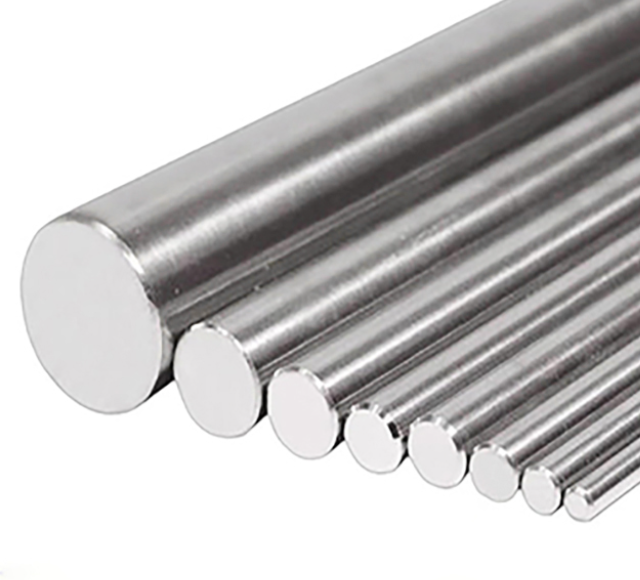
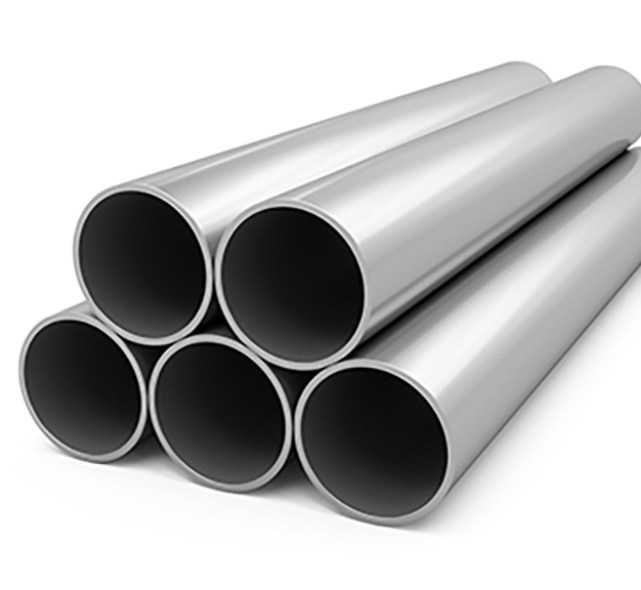
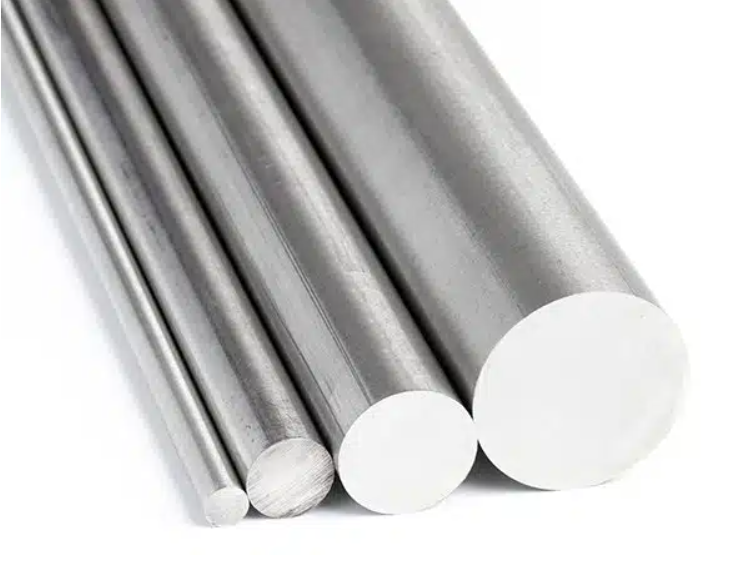
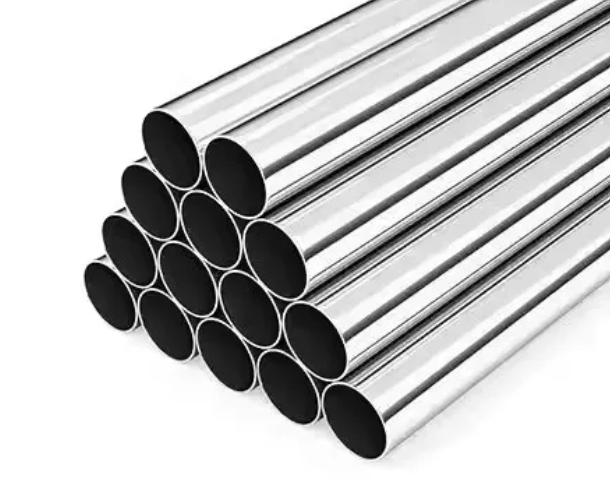
Emily PIPE is a China-based manufacturer and exporter specializing in nickel alloy tubes, nickel alloy bars, titanium alloy tubes, and titanium alloy bars. We support customers across chemical processing, oil and gas, marine engineering, aerospace, power generation, medical equipment, heat exchangers, and other high-temperature or corrosion-resistant applications.
We can support buyers with:
- Nickel alloy pipe and tube supply
- Nickel alloy bar and rod supply
- Titanium alloy tube and pipe supply
- Titanium alloy bar and rod supply
- Standard and customized specifications
- Material grade selection support
- Application-based technical communication
- MTR and heat number traceability
- Dimensional and surface inspection
- Custom length, tolerance, and surface requirements
- Export packaging and logistics support
If you are selecting corrosion-resistant nickel alloy or titanium alloy materials for a specific project, please send your grade, standard, size, working medium, temperature, pressure, surface condition, testing requirements, documentation requirements, and destination. Our team can help review the material requirements and provide a suitable quotation.
FAQ: Corrosion-Resistant Materials and Life-Cycle Cost
1. Do corrosion-resistant materials always reduce life-cycle cost?
Not always. They can reduce life-cycle cost when correctly selected for the service environment. If the alloy is over-specified or mismatched, it may increase cost without adding real value.
2. Why is initial purchase price not enough for material selection?
Initial price does not include maintenance, repair, downtime, replacement, inspection, disposal, and operational risk. Life-cycle cost gives a more complete view.
3. Is there one best corrosion-resistant alloy?
No. AMPP notes that no material is resistant to all corrosive situations. The best choice depends on medium, concentration, temperature, pressure, chloride level, oxygen content, stress, and design.
4. When should buyers consider nickel alloys?
Nickel alloys may be considered for chemical processing, high-temperature service, oil and gas, seawater systems, heat exchangers, and other aggressive environments. The exact grade must be selected according to the application.
5. When should buyers consider titanium alloys?
Titanium alloys may be considered for seawater, heat exchangers, medical, aerospace, and certain chemical applications where corrosion resistance and low density are important. The final choice depends on the service environment.
6. What causes galvanic corrosion?
Galvanic corrosion can occur when dissimilar metals are electrically connected in an electrolyte. System design should consider metal compatibility and electrical isolation where needed.
7. What information should I provide for a corrosion-resistant material quotation?
You should provide product form, grade, standard, size, working medium, chemical concentration, temperature, pressure, flow condition, fabrication method, testing requirements, documentation requirements, and destination.
8. Can a supplier guarantee that corrosion will never occur?
No responsible supplier should guarantee that corrosion will never occur. Corrosion depends on material, environment, design, fabrication, installation, operation, and maintenance. A supplier can help reduce risk by supporting correct material selection and documentation.
Conclusion
Corrosion-resistant materials can help reduce equipment life-cycle costs, but only when they are selected according to the real operating environment. The lowest initial material price may not provide the best long-term value if corrosion leads to frequent maintenance, replacement, or downtime.
Buyers should evaluate corrosion resistance together with mechanical properties, manufacturability, availability, system compatibility, testing, documentation, and total cost of ownership.
For nickel alloy and titanium alloy pipes, tubes, bars, and rods, the right material is not simply the most expensive or most corrosion-resistant option. It is the material that best matches the working medium, temperature, pressure, fabrication process, inspection requirements, and long-term life-cycle cost target.