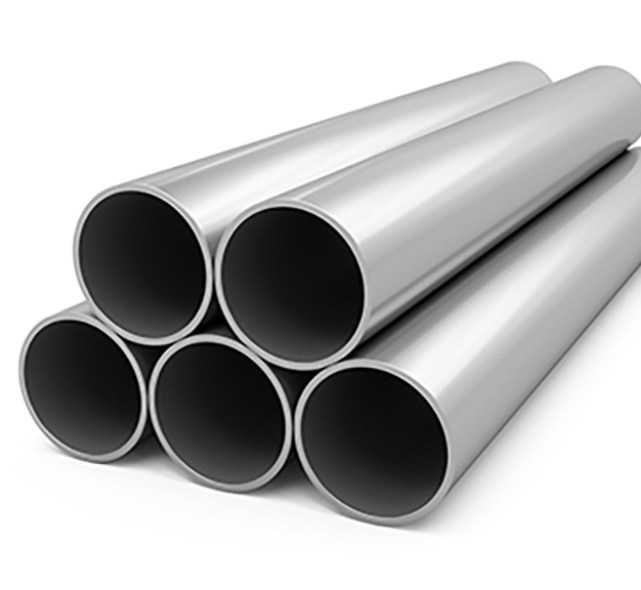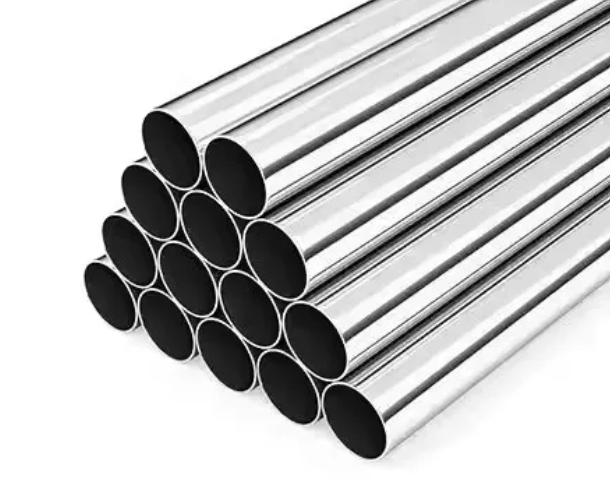

Choosing the right tube material for a heat exchanger is not about finding one universal “best” material. It is about matching the tube material to the actual operating medium, temperature, pressure, flow condition, fouling risk, corrosion risk, fabrication method, standard, inspection requirement, and life-cycle cost target.
A material that works well in one heat exchanger may be unsuitable in another. For example, seawater cooling, chemical processing, steam service, high-temperature gas, brine, acidic media, and wastewater systems may all require different tube material strategies.
Quick Answer:
The right heat exchanger tube material is the one that best matches the real service conditions. Buyers should evaluate corrosion resistance, temperature, pressure, flow velocity, fouling, erosion, fatigue, tube standard, surface condition, manufacturability, availability, MTR, inspection records, and life-cycle cost. Stainless steel, duplex stainless steel, nickel alloys, titanium alloys, copper alloys, and other materials can all be suitable in different applications, but none is universally best.
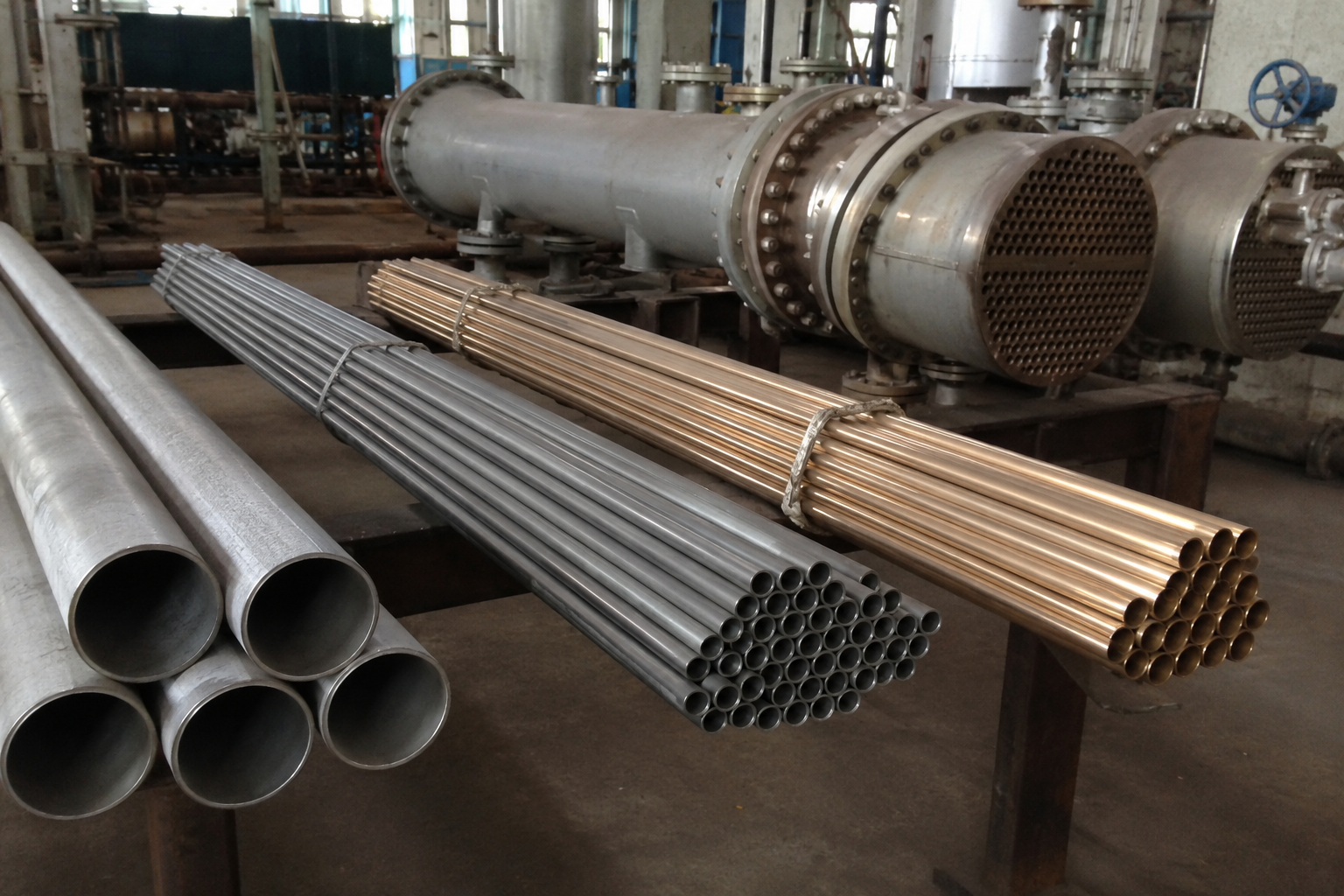
The UK Health and Safety Executive lists multiple factors for material selection, including tensile strength, toughness, fatigue resistance, creep resistance, corrosion resistance, fabrication, availability, and cost: HSE Design Codes - Plant.
AMPP also states that no material is resistant to all corrosive situations and that material selection is critical to preventing many types of failures: AMPP Materials Selection and Design for Corrosion Control.
This is why heat exchanger tube material selection should always begin with the application, not only with the material name.
Why Is “Best Material” a Misleading Idea for Heat Exchanger Tubes?
Many buyers ask suppliers, “Which tube material is best for heat exchangers?”
The problem is that “best” has no clear meaning unless the application is defined.
Best for seawater cooling?
Best for hydrochloric acid?
Best for high-temperature steam?
Best for low initial price?
Best for long service life?
Best for welding?
Best for fast delivery?
Each question may lead to a different answer.
The idea of a single best heat exchanger tube material is misleading because material performance depends on operating medium, temperature, pressure, corrosion mechanism, flow condition, fouling risk, fabrication method, standard, and budget.
Common Tube Material Options
| Material Type | Common Review Areas | Possible Advantages | Possible Limitations |
|---|---|---|---|
| Carbon Steel | Low-risk fluids, cost-sensitive systems | Lower initial cost, easy availability | Limited corrosion resistance |
| Stainless Steel | General industrial heat exchangers | Good mechanical properties, broad availability | May face chloride pitting or SCC in some conditions |
| Duplex Stainless Steel | Chloride-containing or higher-strength needs | Higher strength, better chloride resistance than many austenitic stainless steels | Welding and phase balance need control |
| Nickel Alloys | Aggressive chemicals, high temperature, selected chloride or acid service | Strong corrosion and high-temperature performance depending on grade | Higher cost, longer lead time |
| Titanium Alloys | Seawater, brine, selected oxidizing environments, heat exchangers | Strong seawater corrosion resistance, low density | Not suitable for every reducing acid or high-temperature condition |
| Copper Alloys | Traditional condenser and cooling applications | Good thermal conductivity | May be limited by erosion, ammonia, sulfides, or water chemistry |
These are general categories. Final selection must be based on the actual working medium and system design.
Standards Also Depend on Material Type
Different tube materials may follow different standards.
| Tube Material | Example Standard | Scope Example |
|---|---|---|
| Titanium / Titanium Alloy Tubes | ASTM B338 | Seamless and welded titanium alloy tubes for surface condensers, evaporators, and heat exchangers |
| Nickel / Nickel Alloy Tubes | ASTM B163 | Seamless nickel and nickel alloy tubes for condenser and heat-exchanger service |
| Ferritic / Austenitic Steel Tubes | ASTM A213 | Seamless ferritic and austenitic steel boiler, superheater, and heat-exchanger tubes |
ASTM B338 covers seamless and welded titanium and titanium alloy tubes intended for surface condensers, evaporators, and heat exchangers: ASTM B338.
ASTM B163 covers seamless nickel and nickel alloy tubes for condenser and heat-exchanger service: ASTM B163.
ASTM A213 covers seamless ferritic and austenitic steel boiler, superheater, and heat-exchanger tubes: ASTM A213.
This means buyers should not only ask for a material grade. They should also confirm the correct tube standard, product form, testing, tolerance, and documentation.
How Do Operating Conditions Change Material Performance?
Datasheets are useful, but they are not the complete answer.
A datasheet may show chemical composition, tensile strength, yield strength, elongation, hardness, or typical corrosion information. These values help buyers compare materials, but they must be interpreted together with real operating conditions.
Heat exchanger tube material performance can change with temperature, pressure, chemical concentration, flow velocity, fouling, deposits, cleaning chemicals, oxygen level, chlorides, vibration, and start-stop cycles.
The NIST corrosion performance database describes observations of materials in corrosive environments under particular conditions such as concentration and temperature: NIST Corrosion Performance Databases.
NASA defines corrosion as degradation of a metal due to reaction with its environment and explains that degradation means deterioration of physical properties: NASA Corrosion Fundamentals.
Important Operating Conditions
| Operating Condition | Why It Matters |
|---|---|
| Process Medium | Different acids, alkalis, seawater, brines, steam, gases, or wastewater attack materials differently |
| Chemical Concentration | A material may resist a diluted chemical but not a concentrated one |
| Temperature | Higher temperature can accelerate corrosion and affect strength, creep, or oxidation behavior |
| Pressure | Pressure affects tube wall design, stress, and safety margin |
| Flow Velocity | Influences heat transfer, erosion-corrosion risk, vibration, and fouling behavior |
| Fouling | Deposits reduce heat transfer and may create localized corrosion zones |
| Cleaning Chemicals | Cleaning media may be more aggressive than normal process fluid |
| Start-Stop Cycles | Thermal cycling and pressure cycling may increase fatigue risk |
| Impurities | Trace chlorides, sulfur compounds, oxygen, or solids may change corrosion behavior |
| Tube Surface Finish | Surface condition can affect fouling, cleaning, corrosion initiation, and inspection |
Fouling and Heat Transfer
Heat exchanger material selection should also consider fouling, not only corrosion.
Fouling layers can reduce heat transfer. A Springer paper on heat exchanger fouling notes that as fouling layer thickness increases, heat transfer decreases, and flow cross-section in confined channels can change: Towards a Common Taxonomy for Heat Exchanger Fouling.
This means a tube material that resists corrosion may still perform poorly if fouling, scaling, or deposits are not controlled.
Fatigue and Thermal Cycling
Heat exchangers may experience pressure cycling, vibration, thermal cycling, and start-stop operation. These conditions can create fatigue risk.
MIT material on fatigue explains that fatigue damage can accumulate under repeated loads that may be well below the yield point: MIT Fatigue.
For heat exchanger buyers, this means static tensile strength is not enough. Vibration, tube support design, pressure cycles, and surface condition should also be reviewed.
High-Temperature Service
For high-temperature heat exchangers, creep and oxidation resistance may become important. University of Cambridge material on nickel-based superalloys explains that creep and oxidation resistance are prime design criteria for superalloys used at high temperatures: Nickel Based Superalloys - University of Cambridge.
This is why room-temperature mechanical data should not be used alone for high-temperature service.
How Should Buyers Compare Stainless Steel, Nickel Alloy, and Titanium Tubes?
The correct comparison depends on the application.
Stainless Steel Tubes
Stainless steels are widely used in heat exchangers because they are available, familiar, and suitable for many moderate environments.
They may be suitable for:
- General industrial fluids
- Steam and condensate in controlled environments
- Food and pharmaceutical systems
- Moderate chemical service
- Lower-cost heat exchanger designs
However, stainless steels may face problems in chloride-containing environments, stagnant areas, crevices, or certain acidic conditions. Buyers should review pitting, crevice corrosion, stress corrosion cracking, and cleaning chemicals before selection.
Duplex Stainless Steel Tubes
Duplex stainless steels may be considered when higher strength and improved chloride resistance are needed compared with common austenitic stainless steels.
They may be evaluated for:
- Seawater-related systems
- Brackish water
- Chemical processing
- Higher-pressure heat exchangers
- Applications where strength-to-weight balance matters
However, duplex stainless steel requires proper welding, heat treatment, and phase balance control. It is not automatically suitable for every chloride or chemical environment.
Nickel Alloy Tubes
Nickel alloys may be considered for aggressive chemical service, high-temperature environments, selected acid media, chloride-containing conditions, and demanding heat exchanger applications.
Examples include:
- Inconel 625
- Inconel 600
- Incoloy 800 / 800H
- Alloy 825
- Hastelloy C276
- Hastelloy C22
- Monel 400
- Alloy 20
Different nickel alloys are designed for different service conditions. They should not be treated as interchangeable.
Nickel alloy tube selection should consider:
- Acid type
- Chloride level
- Oxidizing or reducing condition
- Temperature
- Pressure
- Welding requirement
- Heat treatment condition
- Standard
- MTR and inspection records
Titanium Tubes
Titanium tubes are often considered for seawater cooling, condensers, evaporators, desalination systems, offshore systems, and selected chemical heat exchangers.
The Royal Society of Chemistry notes that titanium is resistant to seawater and is used in marine applications: Royal Society of Chemistry - Titanium.
Titanium is not suitable for every environment. Reducing acids, high-temperature hydrogen-related conditions, special cleaning chemicals, or crevice-prone designs may require careful review.
For heat exchanger applications, buyers often reference ASTM B338 for titanium tubes.
What Role Does Buyer-Supplier Collaboration Play?
Heat exchanger tube material selection works best when the buyer and supplier exchange detailed application information.
The buyer understands the process.
The supplier understands the material, production, standards, inspection, and documentation.
Buyer-supplier collaboration helps reduce material selection mistakes by clarifying operating conditions, cleaning cycles, corrosion risks, tube standard, testing requirements, tolerance, surface condition, MTR, and delivery expectations.
Questions Suppliers Should Ask
| Question | Why It Matters |
|---|---|
| What fluid flows inside the tube? | Tube-side corrosion and fouling risk |
| What fluid contacts the outside of the tube? | Shell-side corrosion and fouling risk |
| What are the maximum and minimum temperatures? | Corrosion, strength, creep, and thermal fatigue |
| What are the normal and maximum pressures? | Tube wall and mechanical design review |
| Are chlorides present? | Pitting, crevice corrosion, and SCC review |
| Is the medium oxidizing or reducing? | Affects alloy family selection |
| Are there solids or particles? | Erosion and abrasion risk |
| Is fouling expected? | Cleaning, surface finish, and maintenance planning |
| What cleaning chemicals are used? | Cleaning fluid may be more aggressive than process fluid |
| Is the system continuous or start-stop? | Thermal fatigue and pressure cycling |
| Is welding or tube expansion required? | Fabrication and installation review |
| What standard is required? | ASTM, ASME, EN, ISO, or customer specification |
| What documents are required? | MTR, heat number, inspection report, third-party inspection |
Hidden Conditions Buyers Should Not Ignore
Many heat exchanger failures or performance problems come from conditions that were not clearly stated in the purchase inquiry.
Buyers should mention:
- Cleaning chemicals
- Shutdown conditions
- Stagnant zones
- Upset conditions
- Startup and shutdown frequency
- Fouling history
- Previous failure mode
- Tube vibration history
- Tube sheet material
- Gasket material
- Water treatment chemicals
- Expected inspection interval
These details help suppliers provide a more realistic material recommendation.
How Can Smart Tube Material Choices Reduce Future Operational Risks?
The lowest initial material cost is not always the lowest total cost.
If a tube material is poorly matched to the operating environment, the heat exchanger may face leakage, fouling, cleaning problems, corrosion, tube thinning, fatigue cracking, reduced heat transfer, emergency shutdown, and early replacement.
Smart tube material selection can reduce future operational risk by matching material properties to corrosion environment, temperature, pressure, flow condition, fouling risk, fabrication needs, inspection requirements, and expected service life.
The U.S. Environmental Protection Agency defines life-cycle cost as original cost minus salvage value plus operating costs, maintenance costs, renewal costs, and decommissioning costs: EPA Life Cycle and Replacement Costs.
The U.S. Department of Energy’s O&M Best Practices Guide notes that reactive maintenance can involve increased cost due to unplanned downtime, labor, repair or replacement, secondary damage, and inefficient use of staff resources: DOE O&M Best Practices Guide.
Initial Price vs Life-Cycle Cost
| Cost Factor | Lower Initial Price Material | Better-Matched Tube Material |
|---|---|---|
| Purchase Price | Lower | Higher |
| Corrosion Risk | May be higher if mismatched | Lower when matched to service |
| Fouling / Cleaning Burden | May be higher depending on surface and fluid | More predictable when selected and maintained properly |
| Downtime Risk | May increase if leakage or failure occurs | May decrease when material fits the application |
| Replacement Frequency | May be higher | May be lower |
| Inspection Burden | May increase | Can be planned more effectively |
| Total Life-Cycle Cost | May become higher over time | May be lower over service life |
This does not mean buyers should always select the most expensive material. It means buyers should evaluate the full operating cost and risk profile.
What Documents and Tests Should Buyers Check?
For heat exchanger tube procurement, documentation is part of quality control.
Buyers should request documents that verify the delivered material, not only general product claims.
Important documents may include MTR, heat number, chemical composition, mechanical properties, standard confirmation, dimensional inspection, surface inspection, NDT reports, PMI / grade verification, and third-party inspection when required.
ASTM E8/E8M covers tension testing of metallic materials and determination of yield strength, tensile strength, elongation, and reduction of area: ASTM E8/E8M.
ASTM E1476 provides guidance for metals identification, grade verification, and sorting: ASTM E1476.
Documentation Checklist
| Document / Test | What It Confirms |
|---|---|
| MTR / MTC | Batch-specific chemistry and mechanical properties |
| Heat Number | Traceability to production batch |
| Standard Confirmation | ASTM, ASME, EN, ISO, or customer specification |
| Chemical Analysis | Alloy composition |
| Tensile Test | Yield strength, tensile strength, elongation |
| Hardness Test | Hardness requirement if specified |
| PMI / Grade Verification | Reduces risk of alloy mix-up |
| Dimensional Inspection | OD, wall thickness, length, tolerance |
| Surface Inspection | Surface condition and visible defects |
| Eddy Current / UT | Tube integrity depending on project requirement |
| Hydrostatic Test | Pressure integrity when required |
| Third-Party Inspection | Independent verification for critical projects |
Buyer Checklist: How to Choose Heat Exchanger Tube Material
Before requesting a quotation, buyers should prepare the following information.
| RFQ Item | What to Provide |
|---|---|
| Heat Exchanger Type | Shell and tube, condenser, evaporator, cooler, heater |
| Tube Material | Stainless steel, duplex, nickel alloy, titanium, copper alloy, or open to recommendation |
| Standard | ASTM B338, ASTM B163, ASTM A213, ASME, EN, ISO, customer specification |
| Product Type | Seamless tube, welded tube, U-tube, straight tube |
| Size | OD, wall thickness, length |
| Tolerance | Standard or custom tolerance |
| Tube-Side Medium | Chemical, seawater, steam, brine, gas, process fluid |
| Shell-Side Medium | Cooling water, steam, gas, chemical, process fluid |
| Temperature | Normal, maximum, startup, shutdown, cleaning |
| Pressure | Operating pressure, design pressure, pressure surge |
| Flow Condition | Velocity, turbulence, vibration, stagnant zones |
| Corrosion Risk | Pitting, crevice corrosion, SCC, oxidation, galvanic corrosion |
| Fouling Risk | Scale, biological fouling, solids, deposits |
| Cleaning Method | Mechanical cleaning, chemical cleaning, cleaning frequency |
| Fabrication | Welding, bending, tube expansion, flanging |
| Surface Condition | Pickled, polished, bright annealed, clean ID / OD |
| Testing | PMI, eddy current, UT, hydrostatic, tensile, hardness |
| Documentation | MTR, heat number, certificate, inspection report |
| Inspection | Internal, customer, or third-party inspection |
| Delivery | Quantity, packaging, destination, lead time |
This checklist helps suppliers provide a more accurate recommendation and helps buyers avoid incomplete specifications.
How Emily PIPE Supports Heat Exchanger Tube Buyers
Emily PIPE is a China-based manufacturer and exporter specializing in nickel alloy tubes, nickel alloy bars, titanium alloy tubes, and titanium alloy bars. We support customers across chemical processing, oil and gas, marine engineering, aerospace, power generation, medical equipment, heat exchangers, and high-temperature or corrosion-resistant applications.
For heat exchanger tube projects, we can support:
- Nickel alloy seamless tubes
- Nickel alloy welded tubes
- Titanium seamless tubes
- Titanium welded tubes
- ASTM B338 titanium tube requirements
- ASTM B163 nickel alloy tube requirements
- Custom tube size, length, tolerance, and surface condition
- MTR / MTC and heat number traceability
- Dimensional and surface inspection
- PMI, eddy current, UT, hydrostatic, tensile, hardness, and other testing support when required
- Third-party inspection support
- Export packaging and logistics support
Our role is not to claim that one tube material is always the best. Our role is to help buyers review application conditions, confirm material requirements, prepare documentation, and supply alloy tubes that match the required standard and project environment.
If you are selecting tube materials for heat exchangers, please send your tube material, standard, size, tube-side medium, shell-side medium, temperature, pressure, flow condition, corrosion risk, fouling risk, cleaning method, testing requirement, documentation requirement, and destination. Our team can help review your requirements and provide a suitable quotation.
FAQ: Heat Exchanger Tube Material Selection
1. What is the best tube material for heat exchangers?
There is no single best tube material for every heat exchanger. The best choice depends on medium, temperature, pressure, corrosion risk, flow, fouling, fabrication, standard, and life-cycle cost.
2. When should titanium tubes be considered?
Titanium tubes may be considered for seawater, brine, condensers, evaporators, desalination, marine systems, and selected chemical applications. Final selection should consider ASTM B338, temperature, crevice risk, fouling, and cleaning method.
3. When should nickel alloy tubes be considered?
Nickel alloy tubes may be considered for aggressive chemical environments, selected acid service, high-temperature applications, chloride-containing media, and demanding heat exchanger conditions. The exact grade must match the application.
4. Are stainless steel tubes enough for heat exchangers?
Stainless steel tubes are suitable for many general heat exchanger applications, but they may not be enough for chloride-rich, highly corrosive, high-temperature, or severe cleaning environments.
5. Why does fouling matter in tube material selection?
Fouling reduces heat transfer and may change flow conditions. It can also create deposits that increase localized corrosion risk. Material selection should consider fouling and cleaning strategy.
6. Are datasheet values enough for choosing tube material?
No. Datasheets are useful starting points, but buyers should also evaluate actual service conditions, process variations, cleaning chemicals, temperature cycles, pressure cycles, and fouling history.
7. What documents should buyers request?
Buyers should request MTR / MTC, heat number, chemical composition, mechanical properties, standard confirmation, dimensional report, surface inspection, and required NDT or third-party inspection reports.
8. How can suppliers help with material selection?
A supplier can help by asking about operating media, temperature, pressure, corrosion risk, fouling, cleaning method, standard, testing, surface condition, and documentation. This helps reduce material mismatch risk.
Conclusion
Choosing the right heat exchanger tube material is a technical and economic decision. It should not be based only on the cheapest price, a general datasheet, or a single property.
A reliable selection process should consider operating medium, temperature, pressure, corrosion, fouling, flow velocity, fatigue, fabrication, surface condition, standards, inspection, documentation, and life-cycle cost.
For nickel alloy and titanium alloy heat exchanger tubes, the right material is not simply the most expensive or most corrosion-resistant option. It is the material that best matches the real application and helps reduce leakage, fouling, downtime, maintenance, and replacement risk over the full service life.