
Why Do FGD Systems Need Acid and Chloride Resistant Materials?
Flue Gas Desulfurization (FGD) systems operate in some of the most challenging corrosion environments in power plants and industrial emission-control systems. Wet flue gas, acidic condensate, chloride-rich slurry, fluorides, low pH zones, deposits, abrasion and thermal changes can all affect material performance.
For buyers, the key question is not only:
Which material is corrosion resistant?
A better question is:
Which material is corrosion resistant in the exact FGD zone, chemistry, temperature, pH, chloride level, slurry condition and operating cycle?
Acid and chloride resistant materials are important for FGD systems because wet FGD environments can create corrosion, pitting, crevice corrosion, acid attack, erosion-corrosion, deposit-related corrosion and premature material failure. Correct material selection helps reduce leakage risk, repair shutdowns, replacement cost and unplanned maintenance.
EPA notes that both acids in flue gas and sorbent slurry can cause significant corrosion in wet FGD systems, and that the sorbent slurry is abrasive and can cause pitting of materials. Source: EPA — Wet and Dry Scrubbers for Acid Gas Control
ASM International explains that FGD systems can experience corrosion problems in different operating zones, including crevice corrosion, pitting corrosion and acid attack. Source: ASM — Corrosion of Flue Gas Desulfurization Systems
Quick Answer: Why Are Acid and Chloride Resistant Materials Needed in FGD Systems?
FGD systems need acid and chloride resistant materials because the environment is not only wet. It is chemically and mechanically aggressive.
Main Material Risks in FGD Systems
| Risk Factor | Why It Matters |
|---|---|
| Low pH | Acidic condensate and slurry can increase corrosion risk. |
| High chloride level | Chlorides can promote pitting, crevice corrosion and stress corrosion cracking in susceptible alloys. |
| Fluorides | Fluorides may increase corrosion risk, especially under deposits or in localized areas. |
| Sulfur compounds | Sulfur oxides and acidic condensates contribute to acid attack. |
| Wet/dry zones | Repeated wetting and drying can concentrate salts and acids. |
| Deposits and scaling | Chlorides and fluorides may concentrate beneath deposits. |
| Abrasive slurry | Limestone slurry, gypsum and fly ash can cause erosion or erosion-corrosion. |
| Flow velocity | High velocity can accelerate erosion-corrosion in lines, nozzles and pumps. |
| Temperature variation | Temperature affects corrosion rate and condensation behavior. |
| Welded areas | Welds and heat-affected zones may behave differently from base metal. |
A report on materials for FGD systems notes that beneath deposits, chlorides and fluorides can concentrate and pH values can be as low as 1, creating crevice corrosion risk. Source: Materials for FGD Systems
Buyer Takeaway
FGD material selection must consider chemistry, abrasion and system zone together. Looking only at a general corrosion chart is not enough.
Why Is “Good Enough” Material Selection a Hidden Cost Trap?
Choosing a lower-cost material may look attractive during procurement. But if the material does not match the FGD environment, the total cost may become much higher.
Possible Hidden Costs
| Cost Category | Possible Impact |
|---|---|
| Material replacement | Frequent replacement of corroded tubes, pipes, liners, fasteners or internals. |
| Emergency repair | Higher labor cost, urgent fabrication and expedited logistics. |
| Production downtime | Loss of operation during repair or shutdown. |
| Inspection cost | More frequent inspection, monitoring and outage work. |
| Leakage control | Acidic slurry or condensate leakage may require containment and cleanup. |
| Safety management | Corrosion-related leaks may increase personnel and environmental control risk. |
| Design change | Repeated failure may require redesign or material upgrade. |
| Documentation delay | Missing MTR/MTC or inspection records may delay project acceptance. |
NIST reports that maintenance economics should consider direct repair costs, unplanned downtime, lost sales from maintenance-related delays and quality degradation. Source: NIST — Economics of Manufacturing Machinery Maintenance
NIST also explains that total cost of ownership considers costs beyond purchase price, including freight, longer lead times, higher inventory costs and overhead. Source: NIST — Supply Chain Management
Buyer Takeaway
For FGD systems, the lowest initial material price is not always the lowest lifetime cost.
How Do Operating Conditions Make FGD Material Selection Complex?
FGD systems are dynamic. The material may not see one stable condition every day.
Operating Conditions to Confirm
| Operating Condition | Why It Matters |
|---|---|
| pH range | Low pH increases acid corrosion risk. |
| Chloride concentration | High chloride levels increase localized corrosion risk. |
| Fluoride concentration | Fluorides may worsen corrosion under certain conditions. |
| Temperature | Higher temperature may accelerate corrosion. |
| Wet/dry cycling | Evaporation can concentrate salts and acids. |
| Slurry solids | Suspended solids can create abrasion. |
| Flow velocity | High velocity may increase erosion-corrosion. |
| Startup/shutdown | Upset conditions may be more aggressive than normal operation. |
| Oxygen content | Oxidizing conditions may change corrosion behavior. |
| Deposits and scaling | Under-deposit corrosion can create localized attack. |
| Weld quality | Poor welds, wrong filler or heat-affected zones may reduce resistance. |
| Cleaning chemicals | Maintenance chemicals may be different from normal slurry chemistry. |
A Babcock Power technical publication notes that the main corrosion parameters in the flue gas and scrubbing liquid environment include temperature, pH and chloride content, and that severe corrosion is anticipated under deposits and scaling residues because chloride concentration can increase, leading to crevice corrosion and pitting. Source: Babcock Power — FGD Technology Developments
Buyer Takeaway
Material selection should be based on normal conditions, maximum conditions and upset conditions.
Why Can’t One Material Solve Every FGD Corrosion Problem?
Different areas of an FGD system face different corrosion and wear mechanisms. One material may be over-specified in one zone and under-specified in another.
FGD System Zones and Material Challenges
| FGD Zone | Main Challenge | Material Selection Concern |
|---|---|---|
| Absorber inlet / quench zone | Hot flue gas, wet/dry cycling, acid dew point, deposits. | High resistance to acid attack, chloride concentration and scaling. |
| Absorber tower / reaction tank | Low pH, high chlorides, slurry, abrasion. | Pitting, crevice corrosion, erosion-corrosion and weld-zone resistance. |
| Spray headers / nozzles | High flow, slurry abrasion, blockage, localized wear. | Erosion-corrosion and corrosion-resistant lining or alloy selection. |
| Mist eliminator area | Wet deposits, chlorides, cleaning cycles. | Corrosion, scaling and chemical cleaning resistance. |
| Outlet ductwork | Wet acidic gas, condensation, reheat/bypass mixing. | Acid condensate, pitting and crevice corrosion. |
| Stack liner | Wet flue gas, condensate, thermal cycling, liquid collection. | Acidic condensate resistance and wet stack design compatibility. |
| Slurry piping | Abrasive slurry, high flow, low pH. | Erosion-corrosion resistance and lining selection. |
| Pumps / impellers | Slurry abrasion and corrosion. | Balance between corrosion resistance and erosion resistance. |
| Fasteners / supports | Acid mist, condensation, crevices, galvanic contact. | Localized corrosion, SCC and mechanical strength. |
EPRI equipment guidance notes that although C-276 has outstanding corrosion resistance in an FGD environment, some systems reported abrasion wear on C-276 impeller blades, showing that corrosion resistance alone may not solve erosion problems. Source: EPRI — Flue Gas Desulfurization Equipment Issues Guidelines
The Revised Wet Stack Design Guide emphasizes that wet stack design must consider absorber outlet ducts, stack liner geometry, liquid collection, drainage and favorable wet operation. Source: Revised Wet Stack Design Guide
Buyer Takeaway
FGD systems should be evaluated by zone. Absorber, ductwork, stack liner and slurry piping may need different materials or linings.
What Corrosion Mechanisms Should Buyers Consider?
FGD failures are not always caused by simple uniform corrosion.
Common FGD Corrosion and Degradation Mechanisms
| Mechanism | What It Means | Where It May Appear |
|---|---|---|
| General corrosion | Uniform metal loss over a surface. | Acidic condensate zones, slurry-contact surfaces. |
| Pitting corrosion | Small, deep localized attack. | Chloride-rich wet areas, deposits, stainless steel surfaces. |
| Crevice corrosion | Local corrosion in gaps, under deposits or stagnant zones. | Gaskets, bolted joints, deposits, lining defects. |
| Stress corrosion cracking | Cracking caused by tensile stress plus corrosive environment. | Susceptible alloys under chloride-containing conditions. |
| Under-deposit corrosion | Corrosion beneath scale, sludge or deposits. | Absorber inlet, tank bottom, low-flow areas. |
| Erosion-corrosion | Combined chemical corrosion and mechanical wear. | Slurry lines, pumps, spray nozzles, impellers. |
| Acid dew point corrosion | Condensation of acidic species from flue gas. | Inlet/outlet ductwork, stack liner, wet/dry transition zones. |
| Weld corrosion | Local attack at welds or heat-affected zones. | Fabricated tanks, liners, ductwork and piping. |
| Galvanic corrosion | Accelerated corrosion due to dissimilar metal contact. | Fasteners, supports, mixed-material assemblies. |
Buyer Takeaway
If the failure mechanism is not understood, replacing the part with the same material may repeat the same problem.
What Materials Are Commonly Considered for FGD Systems?
There is no single correct material for all FGD systems. Common material strategies may include metallic alloys, linings, coatings, FRP and hybrid solutions.
Candidate Materials and Their General Direction
| Material / Strategy | General Strength | Possible FGD Use Direction | Buyer Caution |
|---|---|---|---|
| Rubber-lined carbon steel | Cost-effective corrosion barrier in many slurry zones. | Absorber tanks, piping, vessels. | Lining damage can expose carbon steel quickly. |
| FRP | Good corrosion resistance and low weight. | Stack liners, storage tanks, slurry piping, ducts. | Temperature, fire, mechanical load and installation quality must be reviewed. |
| Coated carbon steel | Lower initial cost. | Ductwork, structural areas, some lined components. | Coating damage, maintenance interval and surface preparation are critical. |
| 316L stainless steel | Useful in mild environments. | Less aggressive areas, auxiliary systems. | May be insufficient for high chloride, low pH or wet/dry FGD zones. |
| Duplex / super duplex stainless steel | Higher strength and chloride resistance than common austenitic stainless steels. | Selected piping, supports or moderately aggressive zones. | Not universal for very low pH/high chloride FGD slurry. |
| 6% Mo stainless steel | Better localized corrosion resistance than 316L. | Selected FGD zones with higher chloride exposure. | Must be matched to pH, temperature and chloride level. |
| Inconel 625 / UNS N06625 | Strong resistance to pitting, crevice corrosion and chloride stress corrosion cracking. | Ducts, liners, spray components, severe chloride zones. | Cost and erosion resistance must be reviewed. |
| Hastelloy C-276 / UNS N10276 | Strong resistance to general corrosion, SCC, pitting and crevice corrosion in severe environments. | Absorber liners, ducts, dampers, severe FGD corrosion zones. | May still need erosion protection in slurry-wear areas. |
| Alloy 22 / C-22 / UNS N06022 | Strong resistance to general and localized corrosion; used in pollution control and FGD. | Oxidizing chloride-containing FGD zones, liners, severe corrosion areas. | Cost, availability and weld filler selection matter. |
| Alloy 59 / 686 / other Ni-Cr-Mo alloys | High resistance in very severe chloride/low pH conditions. | Severe absorber or duct zones. | Confirm availability, fabrication and project history. |
| Titanium alloys | Useful in some acidic condensate or wet stack applications. | Certain stack or condensate zones where validated. | Fluoride conditions can be dangerous for titanium; chemistry must be verified. |
INCONEL alloy 625 has high molybdenum content that makes it very resistant to pitting and crevice corrosion, and high nickel content provides resistance to chloride-ion stress-corrosion cracking. Source: Special Metals — INCONEL Alloy 625
INCONEL alloy C-276 is described as resistant to general corrosion, stress-corrosion cracking, pitting and crevice corrosion in a broad range of severe environments. Source: Special Metals — INCONEL Alloy C-276
INCONEL alloy 22 has applications in pollution control, including flue gas desulfurization, and provides resistance to general corrosion, pitting, crevice corrosion, intergranular attack and stress corrosion cracking. Source: Special Metals — INCONEL Alloy 22
Buyer Takeaway
Material selection should balance corrosion resistance, erosion resistance, fabrication, lining integrity, inspection, cost and service zone.
How Should Buyers Evaluate Supplier Claims?
For FGD materials, buyers should not rely only on alloy names or marketing statements.
Questions to Ask Suppliers
| Question | Why It Matters |
|---|---|
| What exact alloy and UNS number are supplied? | Prevents confusion between similar alloy families. |
| Which standard applies? | ASTM, ASME, EN or project specification should be clear. |
| Can you provide MTR/MTC with heat number traceability? | Verifies chemistry, mechanical properties and lot identity. |
| Can you provide PMI if required? | Helps prevent material mix-up. |
| Can you provide NDT or dimensional reports? | Important for pipes, tubes, bars, plates and fabricated parts. |
| Do you have FGD or similar corrosion-service experience? | Field history can help screen risk. |
| Can you support corrosion testing? | Useful when chemistry is severe or uncertain. |
| How does your data match my pH/chloride/temperature condition? | Avoids applying irrelevant lab data. |
| What welding filler and procedure are recommended? | Weld zones may be corrosion-sensitive. |
| What packing and marking prevent mix-up and damage? | Important for traceability and installation control. |
Useful Documents
| Document | What It Verifies |
|---|---|
| MTR / MTC | Chemical composition, mechanical properties, heat number and standard compliance. |
| EN 10204 3.1 certificate | Batch-specific test results and order compliance. |
| PMI report | Alloy identity verification. |
| Dimensional report | OD, ID, wall thickness, diameter, length or plate thickness. |
| NDT report | UT, PT, ET or other test if required. |
| Corrosion test report | ASTM G48, G28, G31 or project-specific testing if required. |
| Welding documentation | WPS/PQR, filler metal and weld inspection if fabricated. |
| Third-party inspection report | Independent verification for critical orders. |
| ISO 9001 certificate | Quality management system evidence. |
| ISO/IEC 17025 lab report | Laboratory competence for valid test results. |
EN 10204 Type 3.1 inspection certificates provide actual test results from the supplied material lot. Source: EN 10204 Type 3.1 Inspection Certificates
ISO 9001 defines requirements for establishing, implementing, maintaining and continually improving a quality management system. Source: ISO 9001 — Quality Management Systems
ISO/IEC 17025 enables laboratories to demonstrate that they operate competently and generate valid results. Source: ISO — ISO/IEC 17025
Important Caution
MTR/MTC and ISO 9001 do not prove that a material will survive a specific FGD environment. They support identity, traceability and quality management. Corrosion suitability still depends on FGD chemistry, operating zone, design and validation.
How Should Buyers Build an RFQ for FGD Materials?
A strong RFQ should describe the FGD environment, not only the alloy name.
RFQ Checklist
| RFQ Item | What to Specify |
|---|---|
| FGD system type | Wet limestone, lime, seawater FGD, dry/semi-dry or other system. |
| Equipment zone | Absorber, inlet duct, outlet duct, stack liner, slurry pipe, spray header, pump, fastener, support. |
| Product form | Tube, pipe, bar, plate, sheet, flange, fitting, fastener or custom fabrication. |
| Candidate material | 625, C-276, C-22/22, 59, 686, duplex, super-austenitic stainless, titanium, FRP or lined steel. |
| Standard | ASTM, ASME, EN, project specification or drawing. |
| pH range | Normal pH, minimum pH and upset pH. |
| Chloride level | Normal and maximum chloride concentration. |
| Fluoride level | Important for localized corrosion and titanium compatibility. |
| Temperature | Normal, peak and startup/shutdown conditions. |
| Slurry solids | Gypsum, fly ash, limestone, abrasive particles and solids percentage. |
| Flow velocity | Static, low-flow, high-flow, turbulent or slurry circulation. |
| Wet/dry cycling | Condensation, evaporation, wet stack operation or intermittent service. |
| Deposits/scaling | Scaling, sludge, under-deposit corrosion risk. |
| Welding/fabrication | Welding, bending, rolling, forming, cladding, wallpapering or lining. |
| Inspection | PMI, UT, PT, ET, hydrostatic, dimensional report or third-party inspection. |
| Certificate | EN 10204 3.1 / 3.2, MTR/MTC, CoC or project-specific certificate. |
| Corrosion testing | ASTM G48, G28, G31, coupon testing or customer-specific test if needed. |
| Lead time | Shutdown schedule, emergency repair or planned project delivery. |
Example RFQ Message
We need corrosion-resistant alloy material for a wet FGD absorber outlet duct and slurry-contact components. Please quote nickel alloy options such as Alloy 625, C-276 and Alloy 22 based on the following conditions: pH 1.5–3.5, chloride level up to 60,000 ppm, fluoride present, operating temperature 55–80°C, wet/dry cycling and possible under-deposit corrosion. Product forms include sheet/plate, pipe/tube and bar for fabricated supports. Please provide ASTM/ASME standard, UNS number, EN 10204 3.1 MTC, heat number traceability, PMI option, dimensional report, NDT availability, corrosion test option, MOQ, lead time and packing details.
Buyer Takeaway
The more FGD operating data you provide, the more realistic the material recommendation can be.
Common Mistakes Buyers Should Avoid
1. Choosing Material Only by Alloy Name
C-276, 625, Alloy 22, Alloy 59, duplex stainless steel and FRP are not interchangeable.
2. Ignoring Chloride Level
Chloride concentration is one of the most important corrosion factors in many wet FGD systems.
3. Ignoring pH and Temperature
Low pH and higher temperature can make the environment much more aggressive.
4. Ignoring Deposits and Scaling
Under-deposit zones can be more corrosive than the bulk slurry.
5. Treating Corrosion and Erosion as the Same Problem
A material with excellent corrosion resistance may still suffer erosion in slurry service.
6. Using One Material Everywhere
Absorber, duct, stack liner and slurry piping may need different material or lining strategies.
7. Relying Only on MTR/MTC
MTR/MTC proves material identity and standard compliance, not guaranteed FGD service life.
8. Forgetting Weld Zones
Weld filler, weld quality and heat-affected zones can affect corrosion resistance.
9. Ignoring Wet Stack Design
Stack and duct corrosion depend not only on material, but also liquid collection, drainage and wet operation design.
10. Choosing Only by Initial Price
Lifecycle cost, maintenance, downtime, replacement and safety controls should be included.
FAQ: Acid and Chloride Resistant Materials for FGD Systems
1. What makes FGD systems corrosive?
Wet FGD systems may contain acidic condensate, low pH slurry, chlorides, fluorides, sulfur compounds, abrasive solids, deposits and wet/dry cycling.
2. Why are chlorides important in FGD material selection?
Chlorides can promote localized corrosion such as pitting, crevice corrosion and stress corrosion cracking in susceptible materials.
3. Is 316L stainless steel suitable for FGD systems?
It may be suitable in some less aggressive areas, but high chloride, low pH, wet/dry and slurry zones often require more resistant materials or linings.
4. Is Inconel 625 used in FGD systems?
Alloy 625 is considered in some FGD applications because of its resistance to pitting, crevice corrosion and chloride stress corrosion cracking, but erosion risk and cost must still be reviewed.
5. Is Hastelloy C-276 suitable for FGD systems?
C-276 is often considered for severe FGD corrosion zones because it resists general corrosion, stress corrosion cracking, pitting and crevice corrosion in many severe environments.
6. Is Alloy 22 / C-22 used in FGD systems?
Alloy 22 has applications in pollution control including flue gas desulfurization, and offers strong resistance to localized corrosion and stress corrosion cracking.
7. Can one material be used for the whole FGD system?
Sometimes a project may standardize materials, but different zones often face different corrosion and erosion risks. Zone-based review is safer.
8. Does MTR/MTC prove FGD corrosion resistance?
No. MTR/MTC verifies material chemistry, mechanical properties and standard compliance. It does not guarantee performance in a specific FGD environment.
9. Should buyers request corrosion testing?
For severe or uncertain FGD conditions, buyers may request ASTM G48, ASTM G28, ASTM G31, coupon testing or project-specific corrosion testing.
10. What information should buyers send to suppliers?
Send FGD zone, pH, chloride level, fluoride level, temperature, slurry solids, flow velocity, wet/dry cycling, product form, material standard, inspection requirement and certificate requirement.
Conclusion
FGD systems need acid and chloride resistant materials because wet FGD environments can combine low pH, chlorides, fluorides, acidic condensate, slurry abrasion, deposits, wet/dry cycling and localized corrosion risks.
The right material is not chosen by alloy name alone. Buyers should evaluate the exact FGD zone, chemistry, pH, chloride level, temperature, flow condition, erosion risk, weld condition, documentation and lifecycle cost.
Materials such as rubber-lined steel, FRP, coated steel, duplex stainless steel, 6% Mo stainless steel, Inconel 625, Hastelloy C-276, Alloy 22 and other Ni-Cr-Mo alloys may all be considered depending on the FGD zone and operating condition.
For critical projects, the safest approach is to define the service environment clearly, compare corrosion and erosion risks separately, verify material certificates, and request proper inspection or corrosion testing when needed.
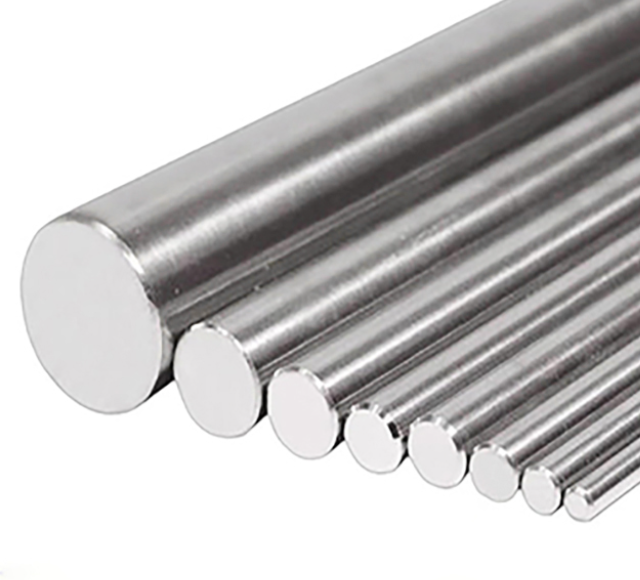
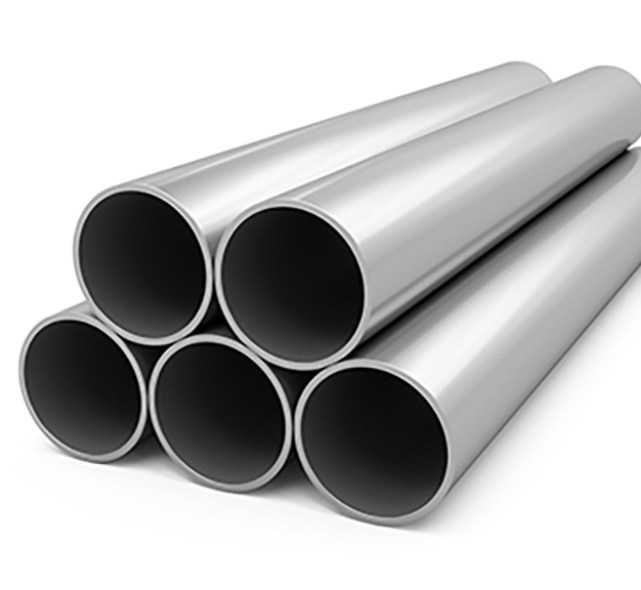
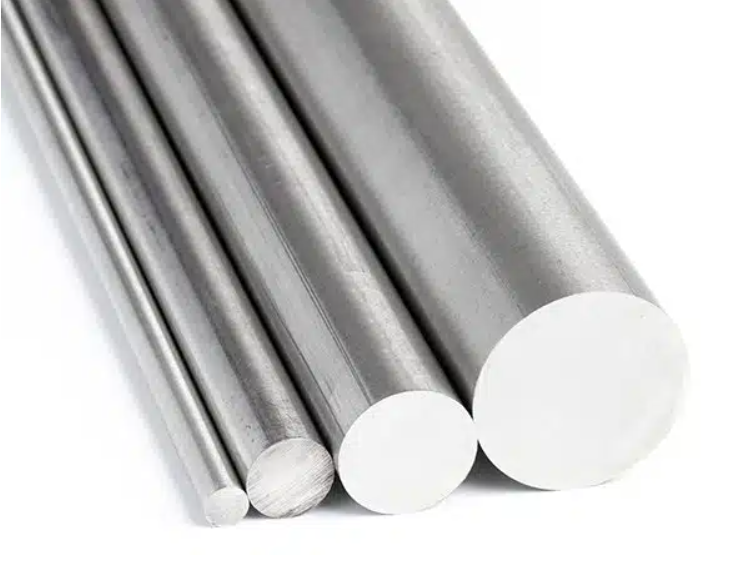
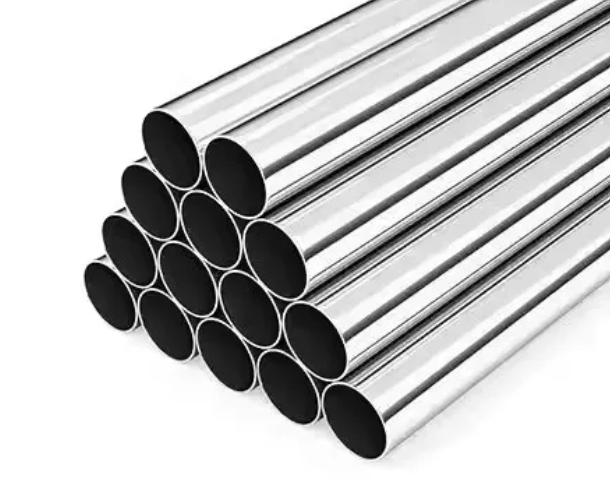
Emily PIPE supplies nickel alloy tubes, nickel alloy bars, titanium alloy tubes and titanium alloy bars for global industrial applications. If you are selecting corrosion-resistant alloy material for FGD absorbers, ducts, stack liners, slurry lines, spray headers or related equipment, you can send your material grade, UNS number, size, drawing, pH, chloride level, temperature, inspection requirement and certificate requirement for technical review and quotation.