
What is Inconel 600? Classic Nickel-Chromium-Iron High-Temperature Alloy Explained?
Choosing the right high-temperature alloy can be tricky. You want performance but also value. Picking the wrong one means costly failures or overspending. Understanding Inconel 600 helps you make smart choices.
Inconel 600 is a nickel-chromium-iron alloy known for good oxidation resistance at high temperatures, up to 1200°C, and resistance to various corrosive media.1 It is a cost-effective choice for many oxidizing environments2 where its stable chromium oxide layer offers protection, unlike more expensive alloys needed for reducing or mixed conditions.
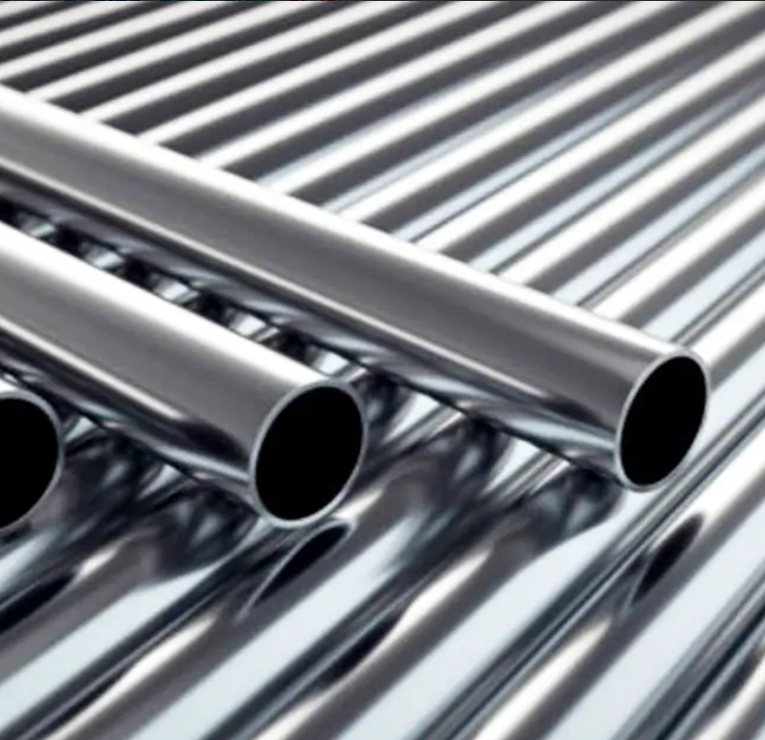
When I talk to customers, I often hear about the challenges of material selection. It is not just about specs on paper. It is about real-world conditions and making the right call. We have seen many situations where a deeper look at Inconel 600 can save a project both time and money.
Is Inconel 600 the Right Choice for Your High-Temperature Application?
You need an alloy that withstands extreme heat. But high temperature alone is not enough. Not all "high-temp" alloys are equal. Inconel 600 offers specific advantages for certain environments.
Inconel 600 excels in oxidizing atmospheres up to 1200°C due to its high nickel content and protective chromium oxide layer.3 It resists many corrosive chemicals, making it suitable for chemical processing, heat-treating, and nuclear applications4, provided reducing conditions are not dominant.
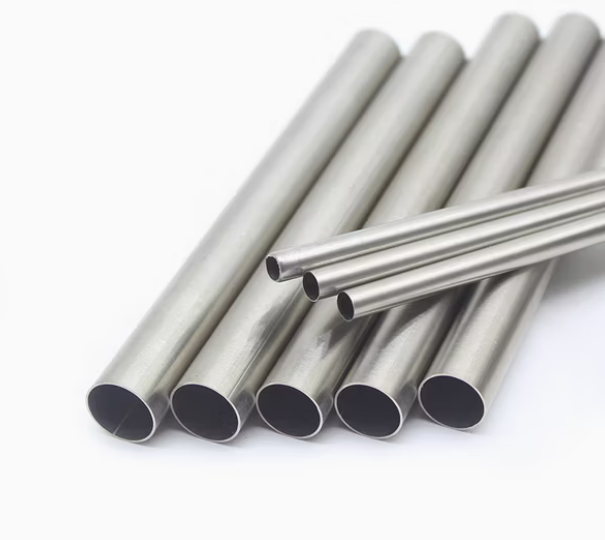
When customers simply say "high temp," I always ask about the atmosphere their equipment will operate in. This is a critical point many overlook. Inconel 600 performs very well in oxidizing environments. In these conditions, its chromium content forms a stable, protective chromium oxide layer on the surface. This layer prevents further corrosion.5 Think of processes like heat treatment furnaces or certain power generation components where oxygen is present. However, its performance changes significantly in reducing or mixed atmospheres. In these conditions, the protective oxide layer can break down. This leaves the material vulnerable to attack.6 For example, if your application involves high-temperature hydrogen or carbon monoxide, Inconel 600 might not be the best option.7 This is where alloys like Inconel 625 often become necessary. Inconel 625, with its higher molybdenum content, offers better resistance in a broader range of corrosive environments, including reducing and mixed acid service, and it handles pitting corrosion more effectively.8 The price gap between Inconel 600 and 625 is significant.9 Many buyers overspend on 625 when 600 would be perfectly adequate for their specific oxidizing environment. Conversely, some try to use 600 in conditions that are too aggressive, leading to premature failure. My advice is always to match the alloy to the exact operating conditions, not just a generic temperature requirement. This balance helps customers avoid both overspending and unexpected material breakdowns.
| Feature | Inconel 600 | Inconel 625 |
|---|---|---|
| Primary Use | Oxidizing atmospheres, general corrosion | Reducing/mixed atmospheres, pitting, crevice corrosion, strong acids |
| Temp Range (Ox) | Up to 1200°C | Up to 980°C (better long-term stability and strength than 600 at high temps) |
| Key Element | Nickel (72% min), Chromium (14-17%), Iron (6-10%) | Nickel (61% min), Chromium (20-23%), Molybdenum (8-10%), Niobium (3.15-4.15%) |
| Corrosion Res. | Good in oxidizing acids, alkaline solutions | Excellent in various acids, seawater, reducing/oxidizing environments |
| Cost | More cost-effective for suitable applications | Higher cost due to advanced properties |
Are You Asking for the Correct Inconel 600 Product Form?
You have a part design in mind. But ordering the right material goes beyond just "Inconel 600." The product form matters for performance and compliance. Misunderstandings can cause project delays.
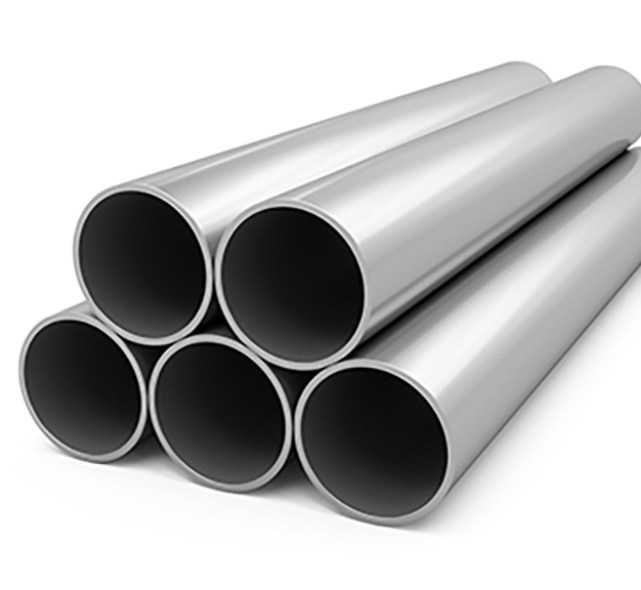
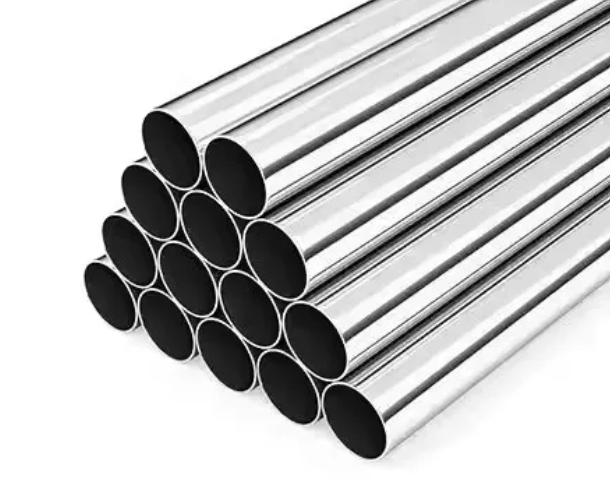
When sourcing Inconel 600, carefully distinguish between seamless and welded pipe. ASTM B167 specifically covers seamless pipe10, while other standards apply to welded forms. Specifying the correct manufacturing method is crucial for meeting application requirements and avoiding compliance issues.
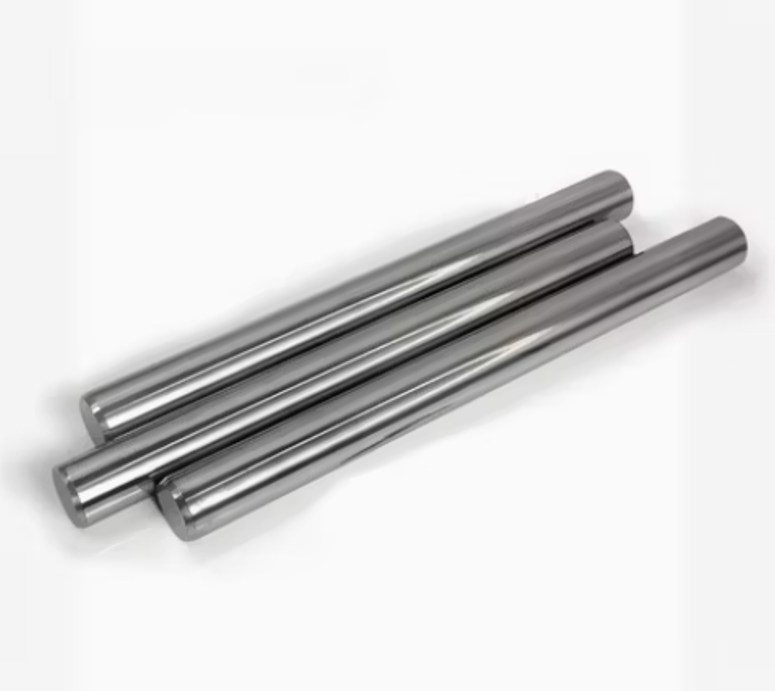
I remember one customer asking for "ASTM B167 compliant welded pipe" for their heat exchanger. This immediately flagged a misunderstanding. ASTM B167 is a standard specifically for seamless nickel-chromium-iron alloy pipes and tubes. It defines the manufacturing process where the pipe is extruded or pierced from a solid billet, resulting in a continuous, weld-free structure. When a customer mentions "B167" and "welded" in the same breath, it shows they might not fully grasp the specification language. Welded pipes, made by forming a sheet and welding the seam, fall under different ASTM standards, such as ASTM B517 or B619 for welded tubing or pipe.11 The choice between seamless and welded is not trivial. Seamless pipes generally offer higher pressure ratings and better structural integrity for critical applications. They are preferred in high-pressure steam lines, nuclear systems, or environments where any potential weld defect could lead to catastrophic failure.12 Welded pipes are often more cost-effective. They are suitable for less critical applications or where the design allows for their use. It is vital to clarify the actual application requirement early on. Does the design explicitly call for seamless construction due to pressure or fatigue concerns? Or is a cost-effective welded solution acceptable? My team always takes the time to explain these differences. This ensures the customer receives the correct product form. It helps avoid rejections or costly mistakes during project installation.
| Feature | Seamless Pipe | Welded Pipe |
|---|---|---|
| Manufacturing | Extruded or pierced from solid billet | Formed from flat strip/plate, then welded along seam |
| Standard Example | ASTM B167 (for Inconel 600) | ASTM B517, B619 (for Inconel 600) |
| Structural Int. | Uniform grain structure, no weld seam | Contains a weld seam, potentially a weaker point |
| Pressure Rating | Generally higher pressure capabilities | Lower pressure capabilities (varies with weld quality) |
| Cost | Higher production cost | Lower production cost |
| Applications | High-pressure, critical systems, fatigue resistance | General-purpose, cost-sensitive, less critical systems |
How Can You Be Sure Your Inconel 600 Material is Compliant?
You have picked your alloy and ordered it. But how do you verify you received what you paid for? Material compliance is vital, especially for critical projects. Misinformation can put your whole operation at risk.
Verifying Inconel 600 material compliance involves meticulously checking documentation like material test reports (MTRs). Understanding the difference between EN 10204 3.1 and 3.2 certifications is essential; 3.1 is manufacturer-certified, while 3.2 includes third-party verification, critical for high-risk applications.
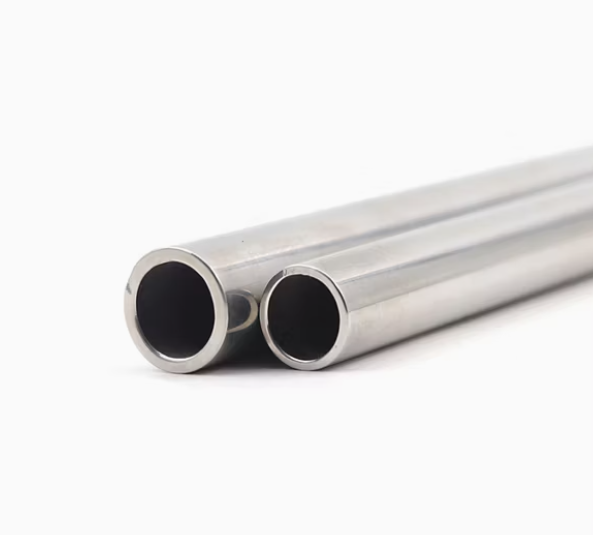
Many procurement teams, especially those new to sourcing high-performance alloys, struggle with understanding material certifications. This is particularly true when it comes to EN 10204 standards, specifically the difference between a 3.1 and a 3.2 certificate. A 3.1 certificate is issued by the manufacturer. It confirms that the supplied material meets the order requirements based on their internal testing and quality control. It is signed by the manufacturer's authorized representative. While generally reliable, for high-risk applications like nuclear power plants, chemical processing facilities, or pressure vessels, a 3.1 certificate might not be enough. This is where the 3.2 certificate comes in. A 3.2 certificate means that an independent third-party inspection body, along with the manufacturer’s authorized representative, has verified the material's compliance. This third party witnesses the testing and reviews the results. This provides an additional layer of assurance. My team always advises customers to clarify their project's exact requirements for documentation. If your project demands the highest level of scrutiny, such as for regulatory compliance in specific industries, you must ask for a 3.2 certificate. Simply requesting "full certification" can lead to receiving only 3.1, which might not meet your project's risk management or audit needs. Beyond certificates, always conduct visual and dimensional checks upon arrival. Make sure the material matches the physical description. Check for proper labeling and traceability information. This vigilance helps catch non-compliant substitutes and protects your project's integrity.
| Certification | Issuer | Verification Level | Suitable Applications |
|---|---|---|---|
| EN 10204 3.1 | Manufacturer (internal quality department) | Manufacturer's own tests, signed by authorized representative | Standard industrial, general engineering, less critical roles |
| EN 10204 3.2 | Manufacturer + Independent Inspection Body | Independent third-party witnesses tests, reviews results, signs | High-risk industries, nuclear, pressure vessels, chemical plants, projects with strict regulatory oversight |
| Trust Level | Good | Highest | |
| Cost Imp. | Included in material cost | May incur additional cost for third-party services |
Conclusion
Inconel 600 is a powerful, cost-effective alloy for specific high-temperature oxidizing applications. Understanding its limits, product forms, and verification needs ensures successful project outcomes.
"Oxidation resistance of nickel-based superalloy Inconel 600 in air at ...", This source provides an overview of Inconel 600's material properties, confirming its oxidation resistance up to 1200°C and general resistance to corrosive media. Evidence role: general_support; source type: research. Supports: the general properties of Inconel 600, including its oxidation resistance up to 1200°C and resistance to various corrosive media.. ↩
"Nickel Alloy 600 & Inconel 600: High Temperature Performance ...", This source discusses the economic considerations and material selection guidelines for high-temperature alloys, supporting Inconel 600's general cost-effectiveness in suitable oxidizing environments. Evidence role: general_support; source type: other. Supports: the general cost-effectiveness of Inconel 600 for applications in oxidizing environments compared to more specialized alloys.. ↩
"Oxidation resistance of nickel-based superalloy Inconel 600 in air at ...", This source explains the metallurgical principles behind Inconel 600's high-temperature oxidation resistance, detailing the formation and stability of the chromium oxide layer and the contribution of its nickel content. Evidence role: mechanism; source type: research. Supports: the mechanism by which Inconel 600 achieves oxidation resistance in oxidizing atmospheres up to 1200°C, specifically mentioning the role of its high nickel content and the formation of a protective chromium oxide layer.. ↩
" Long-Term Initiation Time for Stress-Corrosion Cracking of Alloy 600 ...", This source lists typical applications for Inconel 600, confirming its suitability for chemical processing, heat-treating, and nuclear environments. Evidence role: general_support; source type: encyclopedia. Supports: the common industrial applications of Inconel 600, including its use in chemical processing, heat-treating equipment, and nuclear systems.. ↩
"Effect of chemical passivation on corrosion behavior and ion release ...", . This source details the passivation mechanism in chromium-containing alloys, explaining how the formation of a stable chromium oxide layer provides corrosion protection. Evidence role: mechanism; source type: research. Supports: the mechanism by which chromium forms a stable, protective oxide layer on the surface of nickel-chromium alloys, thereby preventing further corrosion.. ↩
"Oxidation resistance of nickel-based superalloy Inconel 600 in air at ...", This source discusses the limitations of Inconel 600's corrosion resistance in reducing and mixed gas environments, attributing its vulnerability to the instability of the chromium oxide layer. Evidence role: mechanism; source type: research. Supports: the vulnerability of Inconel 600 in reducing or mixed atmospheres, specifically explaining how the protective chromium oxide layer can break down under these conditions, leading to material degradation.. ↩
" Corrosion Test Results for Inconel 600 vs Inconel–Stainless UG ...", This source provides examples or studies indicating that Inconel 600 may not be the optimal choice for applications exposed to high-temperature hydrogen or carbon monoxide, citing specific performance issues. Evidence role: case_reference; source type: research. Supports: the unsuitability of Inconel 600 for applications involving high-temperature hydrogen or carbon monoxide environments due to potential material degradation.. ↩
"INCONEL alloy 625", This source details the metallurgical properties of Inconel 625, confirming its enhanced resistance to a broader range of corrosive environments, including reducing and mixed acids, and its improved pitting corrosion resistance due to molybdenum. Evidence role: general_support; source type: research. Supports: the superior corrosion resistance of Inconel 625 compared to Inconel 600, particularly in reducing and mixed acid service and against pitting corrosion, attributing this to its higher molybdenum content.. ↩
"Inconel 600 vs Inconel 625 Round Bars - Amco Metals", This source discusses market pricing trends and cost factors for various nickel alloys, indicating a notable price disparity between Inconel 600 and Inconel 625. Evidence role: general_support; source type: other. Supports: the general observation of a significant price difference between Inconel 600 and Inconel 625 in the market.. ↩
"B167 Standard Specification for Nickel-Chromium-Iron Alloys (UNS ...", This source, from an authoritative standards body, confirms that ASTM B167 specifically covers seamless pipe and tube made from nickel-chromium-iron alloys. Evidence role: definition; source type: institution. Supports: that ASTM B167 is the standard specification for seamless nickel-chromium-iron alloy pipe and tube.. ↩
"B517 Standard Specification for Welded Nickel-Chromium-Iron-Alloy ...", This source, from an authoritative standards body, confirms that ASTM B517 and ASTM B619 are applicable standards for welded nickel alloy pipe and tubing. Evidence role: definition; source type: institution. Supports: that ASTM B517 and ASTM B619 are relevant standards for welded nickel-chromium-iron alloy pipe and tubing.. ↩
"Seamless vs Welded Steel Pipe - Hayward Pipe & Supply Co, Inc", This source discusses the engineering considerations for pipe selection, highlighting the enhanced pressure capabilities and structural reliability of seamless pipes for demanding applications. Evidence role: general_support; source type: research. Supports: the general advantages of seamless pipes over welded pipes in terms of higher pressure ratings and superior structural integrity, particularly for critical applications such as high-pressure steam lines and nuclear systems.. ↩