
High temperature, corrosive gases, thermal cycling and mechanical stress can accelerate the degradation of unsuitable furnace tubes and radiant tubes. This may lead to distortion, cracking, scaling, carburization, creep deformation, leakage or unplanned replacement.
Selecting a nickel alloy tube for furnaces and radiant tubes is not about finding one universal “best” alloy. It is about matching the alloy to the actual furnace environment, component function, temperature, atmosphere, stress level, exposure time, inspection requirement and supplier documentation.
Quick Answer:
There is no single best nickel alloy tube for all furnace and radiant tube applications. The suitable choice depends on maximum metal temperature, furnace atmosphere, oxidation risk, carburization risk, sulfidation risk, creep load, thermal cycling, tube design, product standard, heat treatment condition, MTR / MTC, heat number traceability, PMI and supplier quality control. Alloy 600, Alloy 601, Alloy 625 and Alloy 800H / 800HT may all be evaluated in different scenarios, but final selection should be based on real service conditions rather than only datasheet values or initial price.
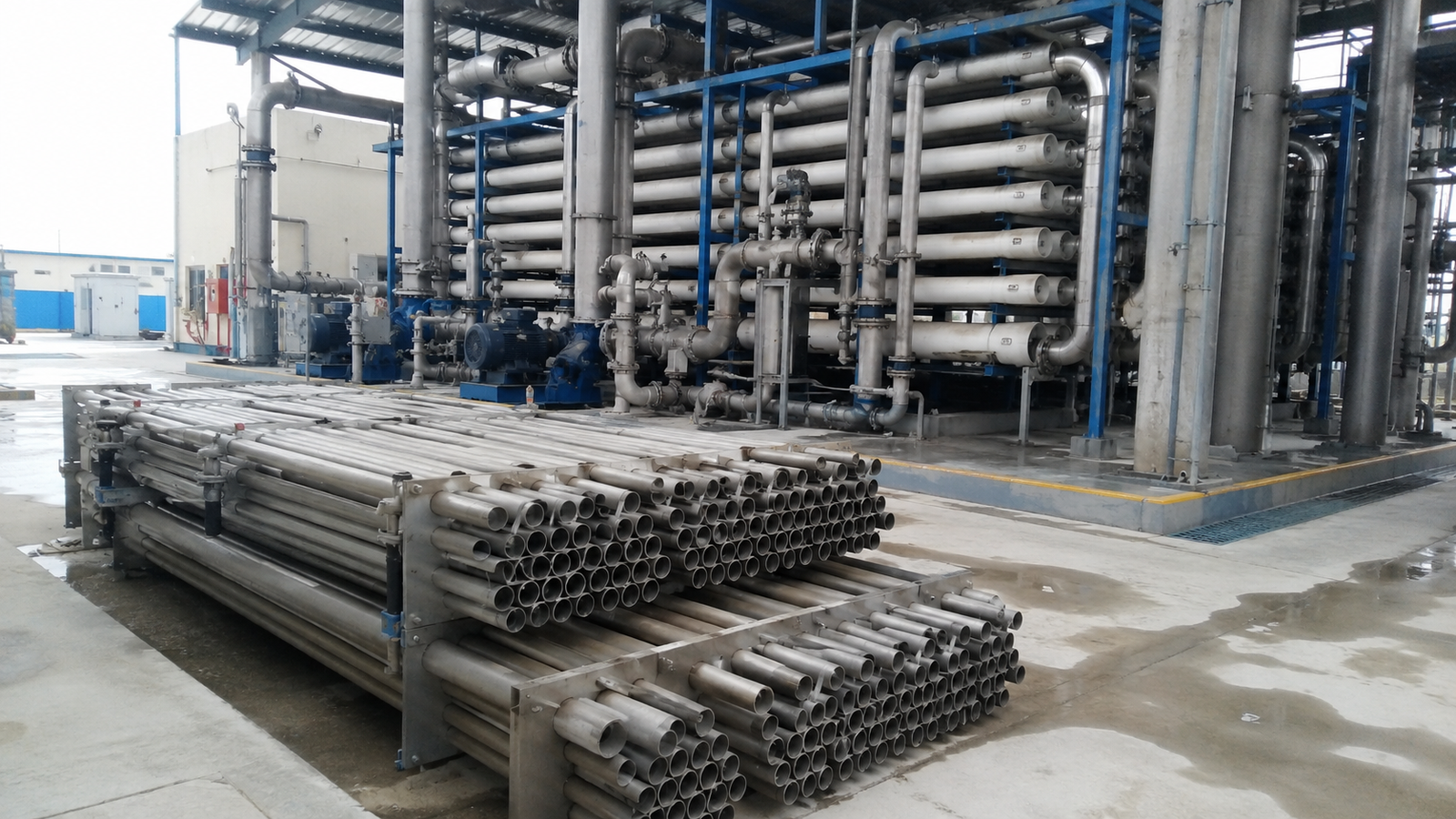
Cambridge University explains that superalloys can be used at high temperatures and that creep and oxidation resistance are major design criteria: Nickel Based Superalloys - University of Cambridge.
AMPP notes that alloys often rely on oxidation reactions to develop protective scales that help resist high-temperature corrosion attacks such as sulfidation and carburization: AMPP High-Temperature Corrosion.
This is why furnace tube selection should begin with the actual service environment.
Is There a Single “Best” Nickel Alloy Tube for All Furnaces?
No.
A radiant tube in a heat treatment furnace, a tube in a carburizing furnace, a muffle tube, a retort tube, a reformer-related tube and a high-temperature process tube may face different combinations of temperature, gas chemistry, thermal cycling and mechanical load.
Key Furnace Conditions to Confirm
| Condition | Why It Matters |
|---|---|
| Maximum Metal Temperature | Alloy strength, oxidation behavior and creep resistance change with temperature |
| Operating Temperature Range | Continuous and peak temperatures may require different review |
| Thermal Cycling | Repeated heating and cooling may create thermal fatigue and cracking risk |
| Furnace Atmosphere | Oxidizing, reducing, carburizing, nitriding, sulfur-containing or vacuum atmospheres behave differently |
| Carbon Activity | Important for carburization and metal dusting risk |
| Sulfur Content | Sulfur-containing gases may accelerate high-temperature corrosion |
| Water Vapor / Steam | Can change oxidation and scale behavior |
| Mechanical Load | Load-bearing tubes may need creep review |
| Internal / External Pressure | Tube wall thickness and pressure integrity may matter |
| Flow Velocity | Gas flow and particles may contribute to erosion or surface wear |
| Welding / Fabrication | Welded areas may behave differently from base metal |
| Exposure Time | Long-term service requires more than short-term strength data |
A material that works well in one furnace may not be suitable in another.
How Different Furnace Atmospheres Affect Tube Selection
A furnace tube does not only face heat. It also faces the chemistry of the furnace atmosphere.
Common Furnace Atmospheres and Material Risks
| Atmosphere / Condition | Main Risk | Buyer Review Point |
|---|---|---|
| Oxidizing Atmosphere | Scale formation, oxidation loss, surface degradation | Is the alloy designed to form a stable protective scale? |
| Carburizing Atmosphere | Carbon diffusion, embrittlement, microstructure change | Is carburization resistance required? |
| Nitriding Atmosphere | Surface hardening, cracking risk in some conditions | Is nitriding exposure part of the process? |
| Sulfur-Containing Gas | Sulfidation and accelerated high-temperature corrosion | Is sulfur level known and controlled? |
| Reducing Atmosphere | Different oxide stability and corrosion behavior | Is the alloy compatible with the gas chemistry? |
| Vacuum Furnace | Cleanliness, distortion, outgassing and thermal stability | Is surface cleanliness or dimensional stability important? |
| Mixed Atmosphere | Multiple degradation mechanisms | Is testing or service history available for similar conditions? |
Because of these differences, a general phrase such as “heat resistant nickel alloy tube” is not enough for a purchase specification.
Which Nickel Alloy Tubes May Be Evaluated?
Nickel alloys are not interchangeable. Each grade has different chemistry, strength, oxidation behavior, creep behavior, carburization resistance and cost.
Practical Alloy Review Table
| Alloy Family | Possible Furnace / Radiant Tube Evaluation Area | Buyer Caution |
|---|---|---|
| Alloy 600 / UNS N06600 | Selected heat treatment tubes, muffles, retorts and general high-temperature components | Confirm maximum temperature, atmosphere, stress and applicable standard |
| Alloy 601 / UNS N06601 | Selected components where oxidation and carburization resistance are important | Confirm atmosphere, exposure temperature, fabrication and inspection scope |
| Alloy 625 / UNS N06625 | Selected corrosion-resistant or high-strength tube applications | Not automatically the best choice for every high-temperature radiant tube; confirm temperature and product standard |
| Alloy 800 / 800H / 800HT / UNS N08800 / N08810 / N08811 | Selected high-temperature tubes, process tubes and structural components where creep strength may matter | Confirm supplied grade, heat treatment, creep requirement and design code |
| Alloy 617 / UNS N06617 | Selected very high-temperature structural applications | Confirm design requirements, availability and test data |
| Alloy C276 / UNS N10276 | Selected aggressive chemical corrosion environments | More relevant to chemical corrosion than general furnace heat resistance |
| Nickel 200 / UNS N02200 | Selected reducing or alkaline-related environments | Usually not a general high-temperature furnace tube solution |
This table is only a starting point. Final selection should be based on engineering review and actual service conditions.
Relevant Product Standards
ASTM B167 covers nickel-chromium-aluminum, nickel-chromium-iron and related seamless pipe and tube products, including UNS N06600 and UNS N06601: ASTM B167.
ASTM B407 covers nickel-iron-chromium alloy seamless pipe and tube, including UNS N08800, UNS N08810 and UNS N08811: ASTM B407.
ASTM B444 covers nickel-chromium-molybdenum-columbium alloys such as UNS N06625 in pipe and tube form: ASTM B444.
These standards help define the purchase basis. They do not automatically prove that a tube is suitable for every furnace atmosphere or every service temperature.
How Do Technical Specifications Translate to Real Furnace Performance?
Technical data is useful only when buyers understand how it relates to furnace operation.
A room-temperature tensile value does not fully explain what will happen after long exposure to high temperature, cyclic heating, carburizing gas or creep load.
Important Properties for Furnace Tubes
| Property | Why It Matters |
|---|---|
| Creep Strength | Helps evaluate long-term deformation under load at high temperature |
| Creep-Rupture Data | Helps understand time-to-rupture behavior under stress and temperature |
| Elevated-Temperature Tensile Strength | More relevant than room-temperature strength for hot service |
| Oxidation Resistance | Helps resist scale formation and material loss in oxidizing atmospheres |
| Carburization Resistance | Important in carbon-rich furnace atmospheres |
| Sulfidation Resistance | Important where sulfur-containing gases are present |
| Thermal Fatigue Resistance | Important for repeated heating and cooling cycles |
| Dimensional Stability | Important for radiant tubes, muffles, retorts and fixtures |
| Weldability | Important for fabricated tube assemblies |
| Surface Condition | Can affect oxidation, scaling, cleaning and inspection |
ASTM E139 covers creep, creep-rupture and stress-rupture testing of metallic materials under constant tensile force at constant temperature: ASTM E139.
ASTM E21 covers elevated-temperature tension testing of metallic materials: ASTM E21.
These standards support one important point: high-temperature tube selection should not rely only on room-temperature mechanical data.
Why Creep Matters for Furnace and Radiant Tubes
Creep is slow, permanent deformation under stress at elevated temperature.
For furnace tubes, creep may appear as:
- Sagging
- Bowing
- Distortion
- Wall thinning interaction
- Loss of alignment
- Reduced dimensional stability
- Tube rupture in severe cases
Buyer Questions About Creep
| Question | Why It Matters |
|---|---|
| Is the tube load-bearing? | Load-bearing tubes need creep review |
| Is the tube horizontal or vertical? | Horizontal tubes may sag under weight |
| What is the maximum metal temperature? | Creep risk increases with temperature |
| How long is the expected exposure time? | Long service requires time-dependent review |
| Is internal pressure present? | Pressure adds hoop stress |
| Is cyclic heating involved? | Thermal fatigue and creep may interact |
| Is creep test data required? | Critical designs may need more than general tensile data |
For radiant tubes and high-temperature furnace tubes, buyers should ask whether creep, creep-rupture or elevated-temperature tensile data is needed for the project.
Why Oxidation and Carburization Matter
A furnace tube surface is constantly interacting with the furnace atmosphere.
In oxidizing conditions, the alloy may form oxide scale. In some alloys and atmospheres, this scale can be protective. In others, it may spall, grow too quickly or fail to protect the base metal.
In carburizing conditions, carbon may diffuse into the metal and change its microstructure. This can reduce ductility or create cracking risk in severe conditions.
Oxidation and Carburization Checklist
| Item | What to Confirm |
|---|---|
| Oxygen Potential | Is the furnace atmosphere oxidizing or reducing? |
| Carbon Activity | Is carburization possible? |
| Sulfur Content | Is sulfidation possible? |
| Water Vapor | Is steam or water vapor present? |
| Temperature Cycling | Will oxide scale repeatedly grow and spall? |
| Surface Finish | Is the surface condition suitable for high-temperature exposure? |
| Cleaning Method | Will cleaning damage or remove protective scale? |
| Process Upsets | Can temporary atmosphere changes occur? |
AMPP’s high-temperature corrosion discussion supports the need to review oxidation, carburization and sulfidation together with alloy chemistry and protective scale behavior.
Can Buyers Trust Every Supplier Claim?
A supplier may say:
- “This alloy is heat resistant.”
- “This tube is suitable for furnaces.”
- “This is high-temperature material.”
- “This is equivalent to the required grade.”
These statements are not enough.
Buyers should request documents that link the supplied material to the actual batch and standard.
Supplier Verification Checklist
| Verification Item | What to Ask |
|---|---|
| Exact Grade | What is the exact alloy grade and UNS number? |
| Product Form | Tube, pipe, bar, sheet, plate or fabricated part? |
| Standard | ASTM B167, B407, B444 or another standard? |
| Heat Number | Can each tube be traced to heat number? |
| MTR / MTC | Are batch-specific chemical and mechanical results provided? |
| Heat Treatment | What condition is supplied? |
| PMI | Can grade verification be performed? |
| Dimensional Inspection | Are OD, wall thickness, length and tolerance checked? |
| Surface Inspection | Are surface defects, scale and scratches inspected? |
| NDT | Is UT, ECT, PT, RT or hydrostatic testing required? |
| Third-Party Inspection | Can independent inspection be arranged? |
| Packaging | Can tubes be protected during export and storage? |
ASTM E1476 provides guidance for nondestructive identification, grade verification and sorting of metals: ASTM E1476.
PMI does not prove furnace performance, but it helps reduce material mix-up risk.
What Common Mistakes Do Buyers Make?
1. Selecting by Maximum Temperature Only
Maximum temperature is important, but it is not the only factor. Atmosphere, load, cycling and exposure time also matter.
2. Ignoring Furnace Atmosphere
A tube in an oxidizing furnace and a tube in a carburizing furnace may require different alloy review.
3. Using Room-Temperature Data for Hot Service
Room-temperature tensile data does not fully represent creep, oxidation or thermal fatigue performance.
4. Treating Alloy 625 as a Universal High-Temperature Solution
Alloy 625 has useful strength and corrosion resistance, but it should not be selected automatically for every furnace or radiant tube. Buyers should confirm temperature, stress, atmosphere and product standard.
5. Not Confirming Heat Treatment
Heat treatment can affect strength, microstructure, creep behavior and fabrication performance.
6. Not Linking MTR to Heat Number
An MTR must match the supplied material. Heat number marking and packing documents should be consistent.
7. Choosing by Lowest Initial Price Only
A lower-priced tube may create higher life-cycle cost if it increases replacement, downtime, inspection disputes or emergency procurement.
Why Life-Cycle Cost Matters
For furnace tubes and radiant tubes, purchase price is only one part of cost.
Buyers should also consider:
- Installation cost
- Inspection cost
- Fabrication cost
- Downtime cost
- Replacement frequency
- Emergency logistics
- Maintenance labor
- Lost production
- Quality impact
- Documentation risk
The U.S. Environmental Protection Agency defines life-cycle cost as the total cost of an item throughout its life, including planning, design, acquisition, operation, maintenance and disposal costs, less residual value: EPA Life Cycle and Replacement Costs.
The U.S. Department of Energy’s O&M Best Practices Guide describes reactive maintenance as allowing machinery to run to failure and repairing or replacing damaged equipment only when obvious problems occur: DOE O&M Best Practices Guide.
A higher-grade alloy may be justified when the tube is critical, the furnace atmosphere is severe, or replacement is difficult. But not every application needs the highest-cost alloy. The right decision depends on risk, service condition and verification requirement.
RFQ Checklist for Furnace and Radiant Tube Buyers
Before asking for a quotation, buyers should prepare a clear technical scope.
| RFQ Item | What to Provide |
|---|---|
| Furnace Type | Heat treatment, carburizing, annealing, sintering, cracking, reformer or other |
| Component | Radiant tube, furnace tube, muffle, retort, support tube or process tube |
| Alloy Grade | Alloy 600, 601, 625, 800H, 800HT or open to recommendation |
| UNS Number | Exact material designation |
| Product Standard | ASTM B167, ASTM B407, ASTM B444 or customer specification |
| Tube Type | Seamless, welded or fabricated |
| Size | OD, wall thickness, length and tolerance |
| Maximum Metal Temperature | Normal and peak temperature |
| Temperature Cycling | Continuous or cyclic operation |
| Atmosphere | Oxidizing, reducing, carburizing, nitriding, sulfur-containing, vacuum or mixed gas |
| Mechanical Load | Static load, pressure, creep load, vibration or thermal fatigue |
| Surface Condition | Pickled, bright, polished, ground or as supplied |
| Heat Treatment | Supplied condition and heat treatment record requirement |
| Testing | Chemical, tensile, hardness, PMI, UT, ECT, hydrostatic or other |
| Documentation | MTR / MTC, heat number, inspection report |
| Third-Party Inspection | Required or optional |
| Packaging | End protection, marking and export packing |
| Delivery | Quantity, destination and required lead time |
This helps suppliers quote the same technical scope and reduces misunderstanding.
Example RFQ Wording
For Alloy 600 / 601 furnace tubes:
“Please quote nickel alloy seamless tubes for furnace / radiant tube service. Material: Alloy / UNS . Standard: ASTM B167 or customer specification. Size: OD mm, WT mm, length mm. Furnace atmosphere: oxidizing / carburizing / reducing / sulfur-containing / vacuum. Maximum operating temperature: °C. Please provide MTR / MTC, heat number traceability, chemical analysis, tensile test, hardness test, dimensional inspection, surface inspection and PMI option.”
For Alloy 800H / 800HT tubes:
“Please quote nickel-iron-chromium alloy seamless tubes according to ASTM B407. Material: UNS N08810 / N08811. Application: high-temperature furnace tube / radiant tube / process tube. Please confirm heat treatment condition, mechanical properties, creep-related data if required, MTR / MTC, heat number traceability, dimensional report and third-party inspection option.”
For Alloy 625 tubes:
“Please quote Alloy 625 / UNS N06625 tubes according to ASTM B444. Application: selected high-temperature or corrosion-resistant furnace component. Please confirm whether the proposed condition is suitable for the stated temperature, atmosphere, stress and exposure time. Final approval will be based on project specification and buyer qualification.”
This is clearer than writing:
“Please quote the best nickel alloy tube for furnace use.”
How Emily PIPE Supports Furnace Tube Buyers
Emily PIPE is a China-based manufacturer and exporter specializing in nickel alloy tubes, nickel alloy bars, titanium alloy tubes and titanium alloy bars. We support customers across chemical processing, oil and gas, marine engineering, aerospace, power generation, heat exchangers, furnace-related equipment and other corrosion-resistant or high-temperature applications.
For furnace and radiant tube projects, we can support:
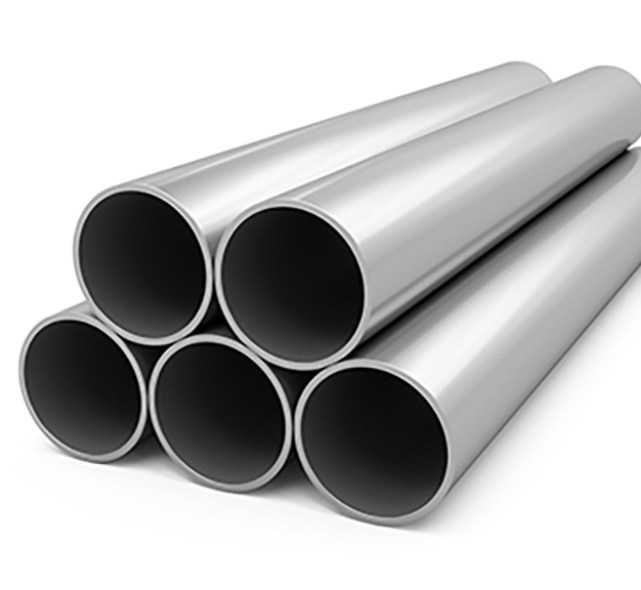
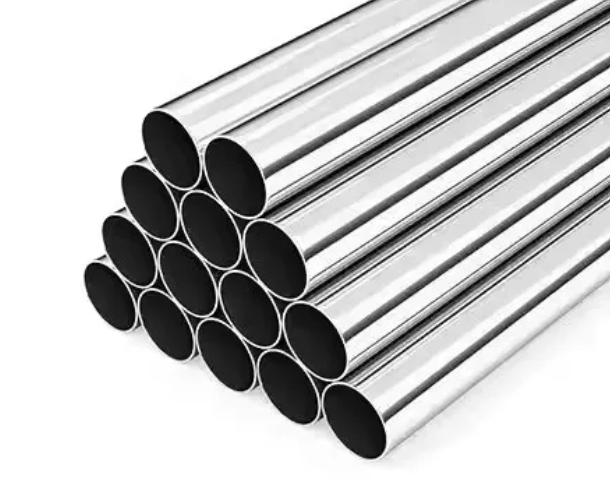
- Nickel alloy seamless tubes and pipes
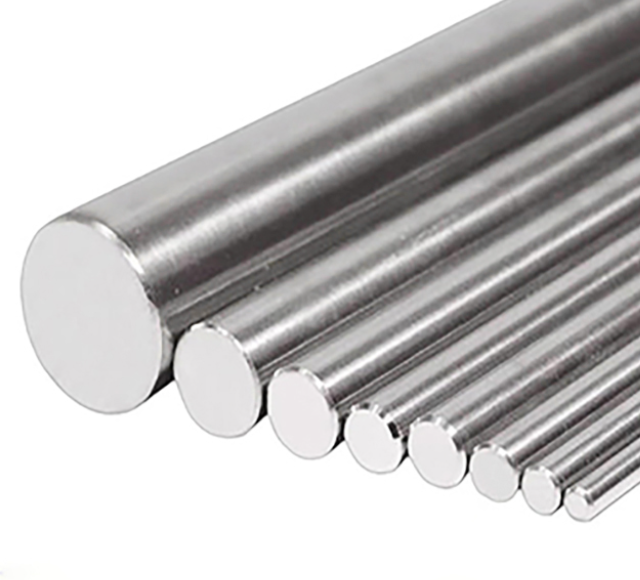
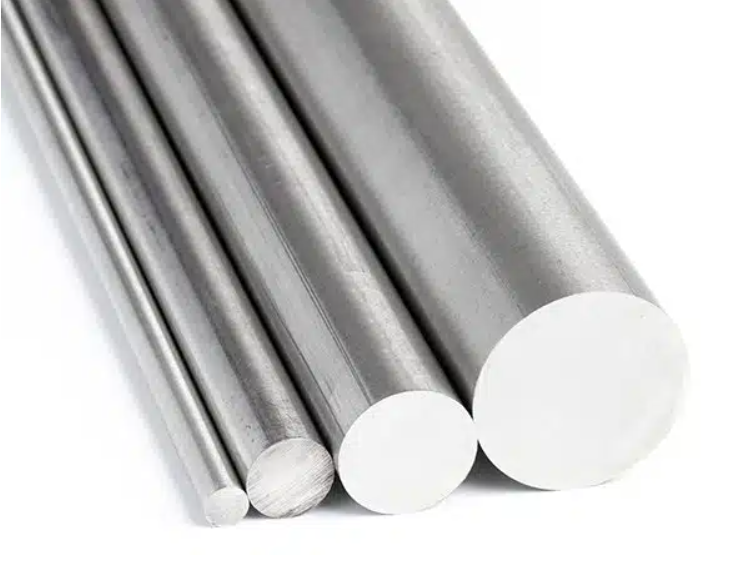
- Nickel alloy bars for machined furnace components
- Alloy 600, Alloy 601, Alloy 625, Alloy 800H, Alloy 800HT and other grades according to project requirements
- ASTM B167 nickel alloy pipe and tube support
- ASTM B407 nickel-iron-chromium alloy seamless pipe and tube support
- ASTM B444 Alloy 625 pipe and tube support
- Custom OD, wall thickness, length, tolerance and surface condition
- MTR / MTC and heat number traceability
- Dimensional and surface inspection
- PMI, chemical analysis, tensile, hardness, UT, ECT, hydrostatic and other testing support when required
- Third-party inspection support
- Export packaging and logistics support
Our role is not to claim that one nickel alloy tube fits every furnace. Our role is to help buyers clarify furnace type, temperature, atmosphere, stress condition, product standard, testing, documentation and delivery requirements before production.
If you are sourcing nickel alloy tubes for furnaces, radiant tubes, muffles, retorts or high-temperature process components, please send the drawing, material grade, UNS number, product form, furnace atmosphere, operating temperature, mechanical load, testing requirement, documentation requirement and destination. Our team can help review your requirements and provide a suitable quotation.
FAQ: Nickel Alloy Tubes for Furnaces and Radiant Tubes
1. Is there one best nickel alloy tube for all furnaces?
No. The suitable alloy depends on furnace temperature, atmosphere, thermal cycling, mechanical load, tube design, product standard and inspection requirements.
2. What conditions should buyers confirm first?
Buyers should confirm maximum metal temperature, furnace atmosphere, oxidation risk, carburization risk, sulfidation risk, creep load, thermal cycling, tube size and required standard.
3. Are datasheets enough for furnace tube selection?
No. Datasheets are useful for screening, but buyers should also review real furnace conditions, product form, heat treatment, MTR / MTC, heat number, testing and supplier documentation.
4. Why does creep matter?
Creep is slow deformation under stress at high temperature. It can cause sagging, distortion or failure in furnace tubes exposed to long-term load.
5. Why does furnace atmosphere matter?
Different atmospheres create different risks. Oxidizing, carburizing, nitriding, sulfur-containing, reducing and vacuum environments may require different alloy evaluations.
6. What standards may apply?
ASTM B167, ASTM B407 and ASTM B444 may apply depending on alloy grade and product form. Project-specific ASTM, ASME, EN or customer standards may also apply.
7. What documents should buyers request?
Buyers should request MTR / MTC, heat number traceability, chemical analysis, mechanical test report, heat treatment record, dimensional report, surface inspection, PMI and NDT reports when required.
8. Is the cheapest furnace tube the best value?
Not always. Buyers should compare life-cycle cost, including replacement, downtime, maintenance, emergency logistics, inspection and documentation risk.
Conclusion
Nickel alloy tube selection for furnaces and radiant tubes should not be based only on alloy name, datasheet values or initial price.
The right choice depends on maximum temperature, furnace atmosphere, oxidation, carburization, sulfidation, creep load, thermal cycling, tube design, product standard, testing, traceability and supplier verification.
For buyers, the practical approach is to define the furnace environment clearly, select the correct alloy family and standard, verify the supplier’s documentation, and evaluate life-cycle cost instead of only purchase price.