
How Should Buyers Select and Export Long-Length Titanium and Nickel Alloy Tubes?
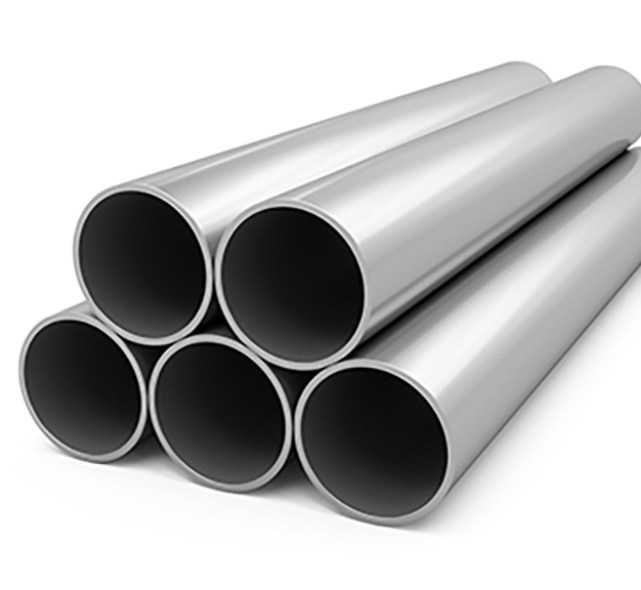
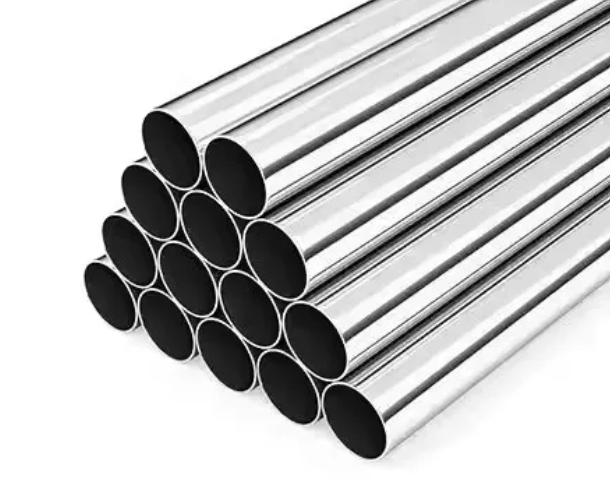
Long-length titanium tubes and nickel alloy tubes are widely used in heat exchangers, chemical processing, seawater systems, oil and gas, power generation, marine engineering, aerospace equipment, pressure systems, and other demanding industrial projects.
For buyers, ordering long-length alloy tubes is not only about selecting a material grade and confirming OD, wall thickness, and length. Long-length tubes bring additional risks in manufacturing, inspection, straightness control, surface protection, packing, logistics, export documentation, and final installation.
Selecting and exporting long-length titanium and nickel alloy tubes requires a complete review of application conditions, material grade, dimensional tolerance, straightness, wall thickness consistency, surface condition, NDT requirements, MTC/MTR traceability, supplier capability, export packing, shipping method, customs documentation, and destination-market compliance.
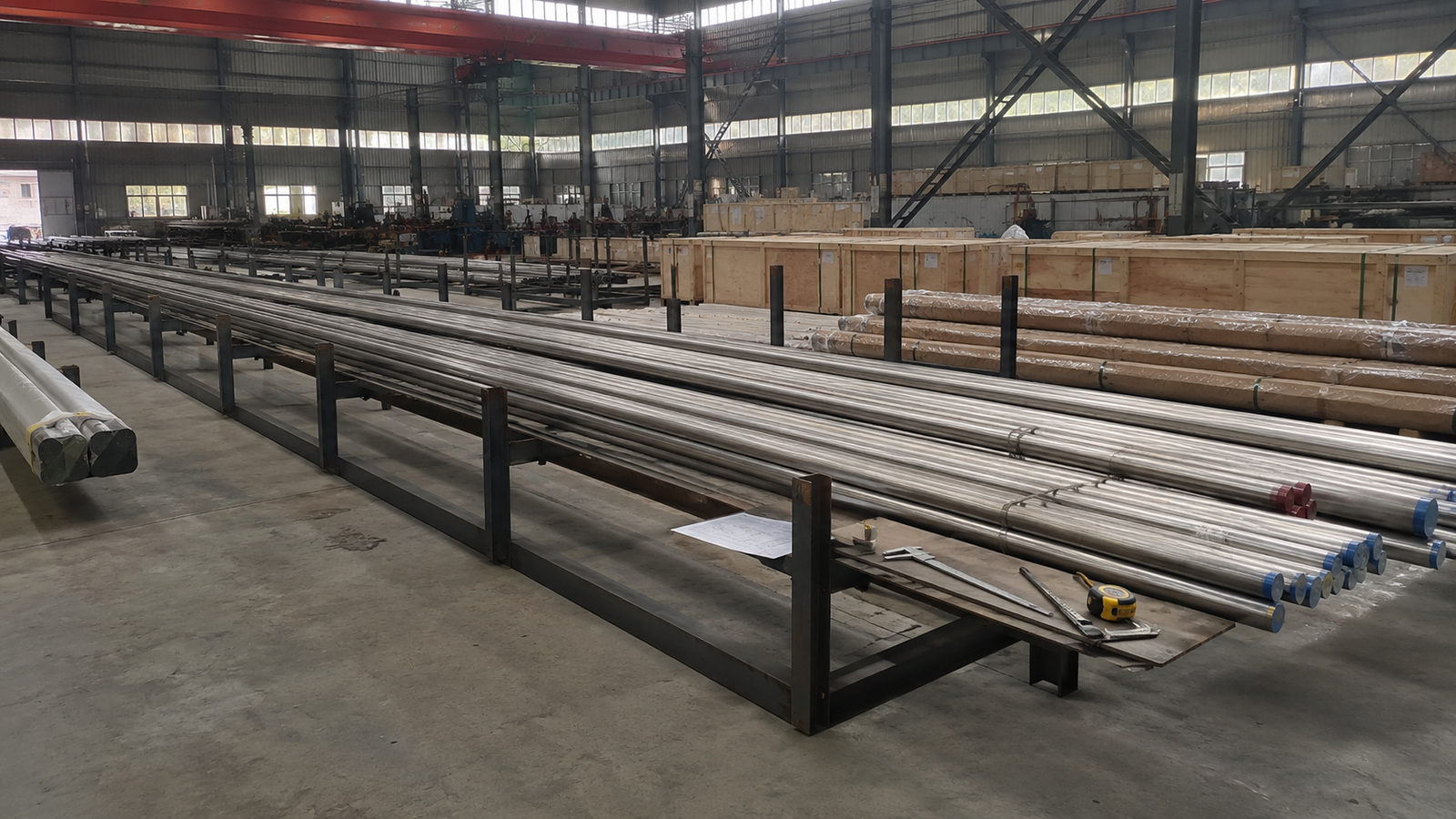
For industrial buyers, the key question is not only “Can the supplier make this tube length?” A better question is: Can the supplier produce, inspect, pack, protect, export, and document the long-length tubes so they arrive usable and compliant for the final project?
This guide explains what buyers should confirm before ordering long-length titanium and nickel alloy tubes for international projects.
Quick Answer: What Makes Long-Length Alloy Tubes More Complex?
Long-length alloy tubes are more complex because small variations or handling problems can become more serious over a long distance. A short tube may be easier to inspect, pack, handle, and install. A long tube needs more careful control.
| Risk Area | Why It Matters for Long-Length Tubes |
|---|---|
| Straightness | Long tubes may be difficult to install if straightness is not controlled. |
| Wall thickness consistency | Local wall reduction may affect pressure margin, corrosion allowance, or inspection acceptance. |
| Ovality / roundness | Long tubes may need to fit into tube sheets, clamps, supports, or bending equipment. |
| Surface protection | Scratches, dents, or handling marks can occur during production, packing, or shipment. |
| Internal cleanliness | Long ID surfaces may be harder to inspect and clean. |
| NDT coverage | UT, ET, hydrostatic, pneumatic, or other testing may be required depending on the standard and application. |
| Packing strength | Long tubes need internal support, end protection, and export-safe packaging. |
| Logistics planning | Long length may affect container loading, truck handling, port operations, and freight cost. |
| Documentation | MTC/MTR, dimensional report, NDT report, packing list, HS code, and certificate requirements should be aligned. |
| Destination compliance | PED, ISO 15156 / NACE, AS9100, customer drawings, or project specifications may apply depending on use. |
ASTM B338 covers seamless and welded titanium and titanium alloy tubes for surface condensers, evaporators, and heat exchangers. It also describes testing requirements such as ultrasonic, hydrostatic, pneumatic, or electromagnetic testing depending on the tube type. Source: ASTM B338
ASTM B444 covers UNS N06625 and related nickel alloy seamless pipe and tube and includes hydrostatic testing and nondestructive electric testing requirements. Source: ASTM B444
Buyer Takeaway
Long length makes manufacturing control, inspection, handling, and shipping more important. Buyers should evaluate the full supply chain, not only the alloy grade.
Are Basic Specifications Enough for Long-Length Tubes?
No. Basic specifications are necessary, but they are not enough for many long-length alloy tube projects.
A purchase request such as:
Titanium Grade 2 tube, OD 25.4 mm × WT 1.2 mm × 12 m length
is a useful starting point, but it does not fully answer the questions needed for production, inspection, export, or installation.
What Basic Specifications May Not Fully Define
| Basic Item | What Still Needs to Be Confirmed |
|---|---|
| Material grade | UNS number, ASTM/ASME/EN standard, heat treatment condition, service suitability. |
| OD and wall thickness | Tolerance, ovality, wall variation, minimum wall or average wall requirement. |
| Length | Fixed length, random length, length tolerance, maximum transportable length. |
| Surface condition | Pickled, polished, bright annealed, cleaned, capped, ID/OD protection. |
| Straightness | Standard straightness or project-specific straightness requirement. |
| Tube type | Seamless, welded, welded/cold worked, heat exchanger tube, custom tube. |
| Inspection | Dimensional report, UT, ET, hydrostatic, pneumatic, PMI, third-party inspection. |
| Certificate | EN 10204 3.1, MTC/MTR, heat number traceability, NDT reports, packing records. |
| Application | Heat exchanger, chemical process, seawater system, pressure service, aerospace, medical, oil and gas. |
| Export method | Container loading, wooden case, bundle support, ISPM 15, HS code, Incoterms. |
ASTM B163 covers seamless nickel and nickel alloy tubes for condenser and heat-exchanger service and includes outside diameter with average wall or outside diameter with minimum wall tube. Source: ASTM B163
ASTM B704 covers welded UNS N06625, UNS N06219, and UNS N08825 nickel alloy tubes for boilers, heat exchangers, and condensers for corrosion-resisting low- or high-temperature service. Source: ASTM B704
Buyer Takeaway
A long-length tube that matches the grade and nominal size may still be unsuitable if straightness, wall tolerance, NDT, surface condition, end protection, or packing requirements are missing.
How Do Usage Scenarios Dictate Material and Specification?
The correct long-length tube specification depends on the end-use environment. Titanium and nickel alloys are not selected by grade name alone. The service media, temperature, pressure, flow condition, corrosion mechanism, cleaning method, welding method, and destination regulation all matter.
Application-Based Specification Priorities
| Application | Key Questions Buyers Should Ask |
|---|---|
| Heat exchanger | Is the tube seamless or welded? What are OD, wall thickness, straightness, tube length, surface condition, tube-to-tubesheet method, and leak test requirements? |
| Chemical processing | What chemicals, concentration, temperature, pressure, pH, chloride content, flow rate, and cleaning method are involved? |
| Seawater / desalination | Is the tube exposed to seawater, brine, deposits, crevices, biofouling, or stagnant conditions? |
| Oil and gas | Is sour service involved? Is ISO 15156 / NACE MR0175 required? What are H₂S, CO₂, chloride, pH, temperature, and pressure conditions? |
| Pressure equipment | Does PED, ASME, customer code, or third-party inspection apply? What is the design pressure and temperature? |
| Aerospace | Is AS9100, AMS, customer drawing, traceability, or special inspection required? |
| Medical / high-purity | Are surface finish, cleanliness, material documentation, biocompatibility-related data, or customer validation records required? |
| Marine engineering | What are the seawater exposure, splash zone, galvanic contact, external protection, and packing requirements? |
TIMET notes that titanium has excellent resistance to corrosion by neutral chloride solutions, while crevice corrosion can be a limiting factor in aqueous chloride environments. Source: TIMET — Corrosion Resistance of Titanium
The Nickel Institute explains that nickel is important in reducing the rate at which pitting and crevice corrosion propagate. Source: Nickel Institute — The Nickel Advantage
ISO 15156-1:2020 gives requirements and recommendations for selecting and qualifying metallic materials for H₂S-containing environments in oil and gas production. Source: ISO 15156-1:2020
Buyer Takeaway
The same long-length tube may be acceptable for one application and unsuitable for another. Always share the actual operating environment before confirming material and specification.
Why Do Long-Length Tubes Need More Careful Dimensional Control?
Long-length tubes may amplify dimensional problems. Straightness, ovality, wall thickness variation, length tolerance, and end squareness can affect installation, welding, tube bundle assembly, bending, and inspection.
Important Dimensional Items
| Item | Why It Matters |
|---|---|
| Straightness | Long tubes may not align correctly in tube bundles, supports, or automated equipment if straightness is poor. |
| Wall thickness tolerance | Affects pressure margin, corrosion allowance, heat transfer, welding, and tube expansion. |
| OD tolerance | Affects tube-to-tubesheet fit, clamps, supports, bending tools, and fittings. |
| ID requirement | Affects flow, cleaning, inserted components, and pressure drop. |
| Ovality | Affects fit-up, sealing, bending, and tube sheet expansion. |
| Length tolerance | Important for fixed-length installation, bundles, container loading, and cutting allowance. |
| End squareness | Affects welding, sealing, facing, flaring, and tube-to-tubesheet work. |
| Surface finish | Affects corrosion, cleanability, inspection, and packing protection. |
Buyer Takeaway
For long-length tubes, a dimensional report can be more useful than a general statement such as “standard tolerance.” Buyers should confirm which dimensions are measured and reported.
What Quality Documents Should Buyers Request?
Documentation helps verify that the supplied tubes match the order. However, different documents prove different things.
A common misunderstanding is that MTC/MTR proves everything. In reality, MTC/MTR mainly confirms material traceability, chemical composition, mechanical properties, heat treatment condition, and standard compliance. Dimensional fit and surface condition may need separate reports.
Key Documents
| Document | What It Usually Confirms |
|---|---|
| MTC / MTR | Material grade, UNS number, heat number, chemical composition, mechanical properties, heat treatment, standard compliance. |
| EN 10204 3.1 certificate | Batch-specific test results and statement of compliance with the order. |
| Dimensional inspection report | OD, wall thickness, length, straightness, ovality, ID if required. |
| NDT report | UT, ET, hydrostatic, pneumatic, or other test results. |
| PMI report | Positive material identification for alloy verification. |
| Surface inspection report | Surface finish, roughness, visual inspection, cleaning or polishing condition. |
| Packing photos | Export packing condition, end caps, supports, marking, case condition. |
| Third-party inspection report | Independent verification when required by customer or project. |
EN 10204 Type 3.1 inspection documents include a statement of compliance with the order and supplied test results. Source: EN 10204 Type 3.1 Inspection Documents
Buyer Takeaway
For critical long-length tube projects, buyers should request both material documents and inspection documents. MTC/MTR alone may not prove straightness, ovality, length, surface condition, or packing quality.
How Should Buyers Evaluate Supplier Claims?
A supplier may say “high quality,” “export standard packing,” “strict inspection,” or “meets ASTM.” Buyers should ask for evidence.
Supplier Evaluation Questions
| Question | Why It Matters |
|---|---|
| Which standard will be applied? | Confirms ASTM, ASME, EN, ISO, DIN, JIS, AMS, or customer drawing basis. |
| Can you meet the required length? | Long length may affect production, straightness, inspection, and transport. |
| What is your maximum controllable straightness? | Important for installation and tube bundle assembly. |
| Can you provide wall thickness and OD inspection data? | Confirms dimensional consistency. |
| What NDT can be provided? | UT, ET, hydrostatic, pneumatic, or PMI may be required. |
| Can you provide EN 10204 3.1 MTC/MTR? | Confirms material traceability and batch-specific test results. |
| Is your QMS certified? | ISO 9001 or industry-specific systems may be required. |
| Do you have aerospace-related QMS certification if needed? | AS9100 may be required in aerospace supply chains. |
| Can third-party inspection be arranged? | Useful for high-value or critical export orders. |
| How will long tubes be packed and supported? | Prevents bending, scratching, moisture exposure, and end damage. |
| Can you provide packing photos before shipment? | Helps confirm export readiness before dispatch. |
ISO 9001 is a globally recognized standard for quality management systems and defines how to establish, implement, maintain, and continually improve a QMS. Source: ISO 9001
IAQG 9100 standardizes quality management system requirements for aviation, space, and defense organizations and can be used across the supply chain. Source: IAQG 9100
Buyer Takeaway
Supplier evaluation should be evidence-based. Buyers should confirm documents, testing, process capability, packing plan, and export experience before approving a long-length tube order.
What Export Risks Are Unique to Long-Length Alloy Tubes?
Exporting long-length tubes introduces risks beyond manufacturing. Even a qualified tube can arrive damaged or delayed if packing, logistics, customs, and documents are not controlled.
Export Risk Areas
| Export Risk | Why It Matters |
|---|---|
| Bending during transport | Long tubes need support along the full length. |
| Surface scratches | Titanium and nickel alloy tubes may require protected surfaces for corrosion, cleanliness, or appearance. |
| End damage | Tube ends may need caps, bevel protection, or wooden spacers. |
| Moisture exposure | Sea freight and port storage can create condensation or packing damage. |
| Oversize cargo planning | Long tubes may affect container selection, truck loading, and freight cost. |
| Wood packaging compliance | Export wooden crates may need ISPM 15 compliance depending on destination. |
| HS code accuracy | Wrong classification may cause customs questions, duty issues, or clearance delays. |
| Incoterms misunderstanding | Buyer and seller must understand cost, risk, insurance, and delivery responsibility. |
| Documentation mismatch | Invoice, packing list, MTC, certificate, and customs information should match. |
| Labeling / marking | Heat number, size, grade, country of origin, and package marking should be clear. |
ISPM 15 regulates wood packaging material in international trade to reduce the risk of introducing or spreading quarantine pests. Source: IPPC — ISPM 15
The World Customs Organization states that the Harmonized System is used by more than 200 countries and economies as the basis for customs tariffs and international trade statistics. Source: WCO — Harmonized System Overview
ICC Incoterms® 2020 provides rules that help users select the appropriate Incoterms rule for sale transactions. Source: ICC — Incoterms 2020
Buyer Takeaway
For long-length alloy tubes, export planning should begin before production is finished. Packing method, shipping route, customs documents, and delivery terms should be confirmed early.
How Should Long-Length Tubes Be Packed for Export?
Packing is not a minor detail. Long-length tubes are more vulnerable to bending, scratching, end damage, and movement inside the package.
Packing Items Buyers Should Confirm
| Packing Item | Why It Matters |
|---|---|
| Strong wooden case or steel frame | Helps protect long tubes during lifting and transport. |
| Internal supports | Prevents sagging or bending inside the package. |
| Separated bundles | Reduces tube-to-tube rubbing and surface damage. |
| End caps | Protects ID cleanliness and tube ends. |
| Moisture protection | Reduces risk of condensation and packing damage. |
| Surface wrapping | Protects polished, pickled, or cleaned surfaces. |
| Clear marking | Shows grade, size, heat number, package number, and handling direction. |
| Forklift/lifting design | Helps avoid package deformation during loading. |
| Packing photos | Allows buyer approval before shipment. |
| ISPM 15 marking | Required for many international wooden packaging shipments. |
Buyer Takeaway
“Export standard packing” is too vague for critical long-length tubes. Buyers should request packing details, photos, and package dimensions before shipment.
What Should Buyers Confirm for Destination-Market Compliance?
Destination-market requirements depend on the application and country. Not every project needs PED, AS9100, NACE MR0175, or medical documentation. But buyers should check early because missing compliance requirements can delay approval.
Possible Compliance Requirements
| Requirement | When It May Matter |
|---|---|
| PED 2014/68/EU | Pressure equipment placed on the EU market. |
| ASME / customer pressure code | Pressure systems and process equipment. |
| ISO 15156 / NACE MR0175 | Oil and gas sour service with H₂S-containing environments. |
| AS9100 | Aerospace, aviation, space, or defense supply chain. |
| AMS material specification | Aerospace material procurement. |
| EN 10204 3.1 / 3.2 | Material traceability and inspection documents. |
| Customer drawing | Project-specific dimensions, tolerance, testing, and acceptance criteria. |
| Third-party inspection | Critical projects, pressure equipment, or buyer requirement. |
| Import customs requirement | HS code, country of origin, invoice, packing list, and import license if applicable. |
| Wood packaging rules | ISPM 15 for wooden packing materials where required. |
The European Commission states that the Pressure Equipment Directive 2014/68/EU applies to the design, manufacture, and conformity assessment of stationary pressure equipment with maximum allowable pressure greater than 0.5 bar. Source: European Commission — Pressure Equipment Directive
Buyer Takeaway
Compliance should be checked before order confirmation, not after shipment. The supplier cannot prepare correct documents if the compliance requirements are not communicated.
Buyer Checklist: What to Confirm Before Ordering Long-Length Alloy Tubes
| RFQ Item | What to Provide |
|---|---|
| Material grade | Titanium Grade 2, Grade 5, Grade 7, Alloy 625, Alloy 718, Alloy C-276, Alloy 825, Alloy 400, etc. |
| UNS number | R50400, R56400, R52400, N06625, N07718, N10276, N08825, N04400, etc. |
| Standard | ASTM B338, ASTM B444, ASTM B163, ASTM B704, ASME, EN, ISO, AMS, customer drawing. |
| Tube type | Seamless, welded, welded/cold worked, heat exchanger tube, custom tube. |
| Dimensions | OD, ID if required, wall thickness, length, tolerance. |
| Long-length requirement | Fixed length, random length, maximum length, length tolerance, container loading limit. |
| Straightness | Standard straightness or project-specific straightness. |
| Wall requirement | Nominal wall, average wall, minimum wall, wall tolerance. |
| Surface condition | Pickled, polished, bright annealed, ground, cleaned, capped, electropolished if needed. |
| End condition | Square cut, bevelled, faced, deburred, capped, welding preparation. |
| Application | Heat exchanger, chemical processing, seawater, oil and gas, pressure equipment, aerospace, medical, marine. |
| Service environment | Temperature, pressure, fluid, chloride, acid, caustic, H₂S, seawater, vibration, thermal cycling. |
| Secondary process | Welding, bending, expanding, flaring, machining, polishing, heat treatment. |
| Inspection | Dimensional report, UT, ET, hydrostatic test, pneumatic test, PMI, third-party inspection. |
| Certificates | EN 10204 3.1 / 3.2, MTC/MTR, NDT report, PMI report, inspection photos. |
| Export terms | FOB, CFR, CIF, DAP, DDP or other Incoterms rule. |
| Packing | Wooden case, steel frame, internal support, end caps, moisture protection, ISPM 15. |
| Customs documents | Commercial invoice, packing list, HS code, certificate of origin if required. |
Example RFQ Message
We need long-length Titanium Grade 2 seamless tubes, UNS R50400, per ASTM B338. Size: OD 25.4 mm × WT 1.2 mm × length 12,000 mm. The tubes will be used in a seawater heat exchanger and expanded into a tubesheet. Please confirm maximum available length, OD tolerance, wall thickness tolerance, straightness, ovality, ID/OD surface condition, tube end protection, EN 10204 3.1 MTC, heat number traceability, ultrasonic or hydrostatic/pneumatic test availability, dimensional inspection report, third-party inspection option, export packing method, ISPM 15 wooden case availability, package dimensions, HS code, lead time, MOQ, and Incoterms quotation.
This is much clearer than simply asking:
Please quote long titanium tubes.
Common Mistakes When Buying Long-Length Titanium and Nickel Alloy Tubes
1. Only Confirming Alloy Grade
Material grade is important, but long-length projects also need tolerance, straightness, NDT, surface condition, packing, and documentation review.
2. Not Sharing the Application
A supplier cannot recommend the correct material or inspection plan without knowing the service environment.
3. Ignoring Straightness
Long tubes may be difficult to install if straightness is not suitable for the application.
4. Ignoring Wall Thickness Consistency
Wall variation can affect pressure margin, corrosion allowance, heat transfer, welding, and tube expansion.
5. Treating MTC as Complete Proof
MTC/MTR verifies material data. It may not prove dimensional tolerance, straightness, surface finish, NDT, or packing condition.
6. Not Confirming NDT
Critical projects may require UT, ET, hydrostatic, pneumatic, PMI, or third-party inspection.
7. Using Vague Packing Requirements
“Export packing” is not enough for long-length tubes. Packing design should protect against bending, scratching, moisture, and end damage.
8. Forgetting Export Documents
Invoice, packing list, HS code, certificate of origin, MTC, and inspection documents should be consistent.
9. Ignoring Destination Compliance
PED, ISO 15156 / NACE, AS9100, AMS, EN 10204, or customer-specific requirements should be confirmed before production.
10. Choosing Only by Lowest Price
A cheaper tube may become expensive if it causes inspection rejection, transport damage, customs delay, or rework.
FAQ: Long-Length Titanium and Nickel Alloy Tubes
1. What is considered a long-length alloy tube?
There is no universal definition. In procurement, long length usually means tube length that creates additional production, straightness, inspection, packing, or transport challenges.
2. Are long-length titanium tubes difficult to export?
They can be exported successfully, but packing, straightness protection, container loading, end protection, documentation, and customs requirements should be confirmed early.
3. What documents should buyers request?
Buyers may request EN 10204 3.1 MTC/MTR, heat number traceability, dimensional report, NDT report, PMI report, surface inspection report, packing photos, and third-party inspection if required.
4. Which standards are common for titanium and nickel alloy tubes?
Common standards include ASTM B338 for titanium heat exchanger tubes, ASTM B444 for Alloy 625 seamless pipe and tube, ASTM B163 for nickel alloy condenser and heat exchanger tubes, and ASTM B704 for welded nickel alloy tubes.
5. Why does straightness matter for long tubes?
Straightness affects installation, tube bundle assembly, support alignment, machining, and automation. Long tubes can be harder to handle if straightness is not controlled.
6. Why is packing important for long-length tubes?
Long tubes are more vulnerable to bending, scratching, end damage, and movement during transport. Packing should include support, separation, end caps, and moisture protection.
7. Does ISO 9001 prove product quality?
ISO 9001 supports quality management system control, but product quality still needs order-specific inspection records, material certificates, and test reports.
8. When is ISO 15156 / NACE MR0175 required?
It may be required for oil and gas equipment used in H₂S-containing sour service environments. Buyers should confirm service conditions and project requirements.
9. Is PED required for all tubes exported to Europe?
No. PED applies to pressure equipment within its scope, not every tube shipment. However, if tubes are used in pressure equipment for the EU market, PED-related requirements may affect material documents and conformity assessment.
10. What should buyers include in an RFQ?
Buyers should include material grade, UNS number, standard, OD, wall thickness, length, tolerance, straightness, surface condition, end condition, application, service environment, inspection requirement, certificate requirement, packing method, shipping terms, and destination country.
Conclusion
Long-length titanium and nickel alloy tubes require more than a simple material and size check. The buyer should review the complete chain: application, material grade, dimensional tolerance, straightness, wall consistency, surface condition, NDT, MTC/MTR, supplier capability, export packing, logistics, customs documents, and destination-market compliance.
For buyers, the safest approach is to define the real application first. Then confirm the correct material, standard, tube length, tolerance, inspection, certificate, packing method, and export terms before production begins.
Emily PIPE supplies nickel alloy tubes, nickel alloy bars, titanium alloy tubes, and titanium alloy bars for global industrial applications. If you are preparing a long-length titanium or nickel alloy tube project, you can send your material grade, UNS number, OD, wall thickness, length, tolerance, application environment, inspection requirement, certificate requirement, packing requirement, and destination country for technical review and quotation.