
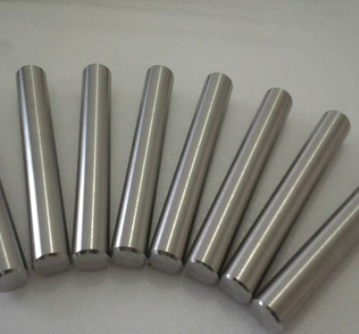
As the most corrosion-resistant pure titanium material for automotive applications, Titanium Grade 7 bar delivers equivalent mechanical properties to Grade 2 while providing 10x better crevice corrosion resistance, making it the ultimate solution for long-lasting, maintenance-free automotive components where corrosion failure is unacceptable.
| Item | Details |
|---|---|
| Executive Standards | 1. International Material Standards: ASTM B348, ASTM F67, AMS 4914, DIN 17860, ISO 5832-7
2. Automotive Industry Standards: IATF 16949, ISO 9001, ISO 14001, VDA 6.3 3. Corrosion Testing Standards: ASTM G48 (Crevice Corrosion), ASTM G31 (Immersion Corrosion), ASTM G36 (Stress Corrosion Cracking) 4. General Testing Standards: ASTM E8 (Tensile), ASTM E23 (Impact) |
| Material Grade | 1. Main Grade: Titanium Grade 7 (Ti-0.2Pd, Palladium-Alloyed Pure Titanium, Extreme Corrosion Resistant Automotive Grade)
2. International Designations: UNS R52400, W.Nr. 3.7235, Ti-0.2Pd 3. Equivalent Grades: GB TA9, JIS TP350C, fully compatible with all global automotive manufacturing standards |
| Chemical Composition (Weight %) | 1. Titanium (Ti): 99.0% minimum
2. Palladium (Pd): 0.12 – 0.25 (unique alloying element for enhanced crevice corrosion resistance) 3. Oxygen (O): ≤0.25 4. Iron (Fe): ≤0.30 5. Carbon (C): ≤0.08 6. Nitrogen (N): ≤0.03 7. Hydrogen (H): ≤0.015 8. Other Elements (each): ≤0.10 9. Other Elements (total): ≤0.40 |
| Mechanical Properties (Annealed State) | 1. Tensile Strength: 345 – 515 MPa (identical to Grade 2)
2. 0.2% Yield Strength: ≥275 MPa (identical to Grade 2) 3. Elongation (δ5): ≥20% (excellent formability for complex automotive components) 4. Reduction of Area (ψ): ≥40% 5. Hardness (HB): 110 – 170 6. Density: 4.53 g/cm³ (45% lighter than steel) 7. Melting Point: 1668℃ 8. Thermal Conductivity: 16.0 W/(m·K) 9. Corrosion Performance: No crevice corrosion after 30 days in boiling 6% FeCl₃ solution (Grade 2 fails within 72 hours) |
| Dimensional Tolerance (Automotive Grade Precision) | 1. Diameter Tolerance: Precision Grade (≤50mm): ±0.04mm; Standard Grade (50-100mm): ±0.08mm; Heavy Section (100-300mm): ±0.15mm
2. Length Tolerance: Fixed Length (1m-6m): ±0.4mm/m; Maximum Full-Length Tolerance: ≤1.5mm; Custom Length up to 12m available 3. Straightness: ≤0.25mm/m, Full-Length Straightness Error: ≤0.8mm/6m 4. Roundness: ≤0.01mm (≤50mm); ≤0.015mm (50-100mm); ≤0.02mm (100-300mm) 5. Surface Finish: Ra ≤1.6μm standard, optional electropolished finish Ra ≤0.4μm for enhanced corrosion resistance |
| Why the Automobile Manufacturing Industry Uses This Material (Detailed) | 1. Unmatched Crevice Corrosion Resistance in Automotive Environments: The addition of 0.12-0.25% palladium creates a catalytic effect that enhances the formation and repair of the protective titanium oxide film, even in oxygen-deprived crevice environments where mud, salt and debris accumulate. Unlike Grade 2 titanium and 316L stainless steel which suffer from catastrophic crevice corrosion in underbody components within 3-5 years, Titanium Grade 7 remains completely corrosion-free for 20+ years. This eliminates the single most common cause of chassis and underbody component failure in coastal and cold climate regions.
2. Superior Resistance to Alternative Fuels and Reducing Acids: As the global adoption of ethanol-blended fuels (E10, E15, E85) and biodiesel accelerates, corrosion has become a major issue for fuel system components. Ethanol absorbs water and increases chloride ion concentration, causing severe corrosion in steel, aluminum and even Grade 2 titanium components. Titanium Grade 7 is completely resistant to all ethanol blends, biodiesel and reducing acids, making it the only reliable material for modern fuel systems. 3. Perfect Compatibility with Existing Manufacturing Processes: Despite its superior corrosion resistance, Titanium Grade 7 has identical mechanical properties and cold formability to Grade 2 titanium. It can be bent, forged, machined, drilled and welded using exactly the same equipment and processes as Grade 2, requiring no additional investment in manufacturing infrastructure or retraining of personnel. This seamless integration makes it easy for manufacturers to switch to Grade 7 for critical components without disrupting production. 4. Enhanced Hydrogen Embrittlement Resistance: Palladium alloying significantly reduces hydrogen absorption compared to unalloyed titanium grades. This makes Grade 7 immune to hydrogen embrittlement in cathodic protection systems, acidic road environments and high-temperature fuel systems, eliminating a major safety concern for chassis and underbody components. 5. Lifetime Maintenance-Free Performance: Titanium Grade 7 components require no painting, coating or corrosion protection of any kind. Unlike steel components which need regular inspection and re-coating, and stainless steel components which eventually develop pitting and crevice corrosion, Grade 7 components will maintain their appearance and performance for the entire lifetime of the vehicle without any maintenance. This significantly reduces warranty claims and recall costs for automotive manufacturers. 6. Cost-Effective Total Lifecycle Solution: While Titanium Grade 7 has a higher initial material cost than steel and Grade 2 titanium, its lifetime maintenance-free performance and elimination of warranty claims result in a 30-50% lower total lifecycle cost. For vehicles sold in regions with heavy road salt usage or coastal areas, the cost savings over the vehicle’s lifetime are substantial. |
| Application Scenarios & Corresponding Customers (Detailed) | Application Scenarios:
1. Extreme Environment Chassis Components: Frame cross tubes, subframe brackets, suspension control arms, stabilizer bar links, shock absorber mounting tubes and brake line brackets. These components are constantly exposed to road salt, mud and debris, making them highly susceptible to crevice corrosion. Grade 7 is the only material that can provide reliable performance in these conditions for 10+ years. 2. Alternative Fuel System Components: High-pressure fuel injection lines, fuel rail tubes, fuel tank filler necks, fuel pump housings and evaporative emission control tubes. Grade 7’s excellent resistance to ethanol-blended fuels and biodiesel makes it ideal for modern fuel systems, eliminating corrosion-related fuel leaks and fire hazards. 3. Cooling System Components: Radiator tube supports, heater core tubes, engine coolant line brackets and battery thermal management system tubes for electric vehicles. It resists corrosion from coolant additives and chloride-contaminated water, preventing coolant leaks that can cause engine overheating or battery damage. 4. Exhaust System Components: Exhaust hangers, muffler brackets, heat shield supports and exhaust manifold brackets. These components operate in high-temperature, high-humidity environments with constant exposure to road salt, making them prone to corrosion failure. 5. Electric Vehicle (EV) Critical Components: Battery pack structural tubes, battery tray reinforcements, cooling system manifolds and high-voltage cable conduits. Grade 7’s non-magnetic properties and exceptional corrosion resistance ensure the safety and reliability of critical EV components, preventing battery fires caused by corrosion-induced short circuits. 6. Commercial and Fleet Vehicles: School buses, delivery trucks, garbage trucks and municipal vehicles. These vehicles operate year-round in all weather conditions and have longer service lives than passenger cars, making corrosion resistance even more critical. 7. Marine and Amphibious Vehicles: Vehicles designed for use in coastal areas, on beaches or in water, where they are constantly exposed to saltwater spray and immersion. Corresponding Customers: 1. Global automotive OEMs with significant sales in coastal and cold climate regions (Ford, General Motors, Stellantis, Volkswagen Group, Toyota) 2. Electric vehicle manufacturers targeting global markets (Tesla, BYD, NIO, Xpeng, Rivian) 3. Automotive tier 1 suppliers specializing in chassis systems, fuel systems and exhaust systems 4. Commercial vehicle manufacturers (Daimler Truck, Volvo Trucks, Navistar, PACCAR) 5. Municipal and government fleet operators with vehicles operating in harsh winter conditions 6. Marine and amphibious vehicle manufacturers 7. Automotive aftermarket companies producing corrosion-resistant replacement parts for older vehicles |
| Corresponding User Needs in Automobile Manufacturing Industry (Detailed) | 1. Zero Crevice Corrosion Demand: Manufacturers operating in coastal and cold climate regions face massive warranty and recall costs due to crevice corrosion of underbody components. They need materials that can provide 10+ years of corrosion-free performance without any maintenance.
2. Alternative Fuel Compatibility Demand: With the global push for renewable fuels, manufacturers need materials that can withstand the corrosive effects of ethanol blends and biodiesel. Titanium Grade 7 is the only cost-effective material that meets this requirement. 3. Zero Production Line Modification Demand: Manufacturers cannot afford to invest in new equipment or modify existing production lines for specialty materials. Grade 7’s identical formability to Grade 2 allows for seamless integration into existing manufacturing processes with zero additional investment. 4. Warranty Cost Reduction Demand: Corrosion-related warranty claims cost the global automotive industry over $10 billion annually. Grade 7’s lifetime corrosion resistance eliminates these claims, significantly reducing manufacturers’ long-term liability and improving profitability. 5. Hydrogen Embrittlement Resistance Demand: Hydrogen embrittlement is a major failure mode for titanium components in automotive applications. Grade 7’s excellent hydrogen resistance eliminates this failure mode, significantly improving component reliability and safety. 6. Extended Service Life Demand: Commercial and electric vehicles require 15-20 year service lives. Grade 7’s exceptional durability ensures components will last the entire life of the vehicle without degradation. 7. EV Battery Safety Demand: Electric vehicle battery packs are extremely sensitive to moisture and coolant leaks. A single coolant leak can cause a battery fire costing tens of thousands of dollars. Manufacturers need materials with absolute reliability for battery cooling system components. 8. Consistent Quality Demand: Automotive manufacturing requires materials with highly consistent chemical composition and mechanical properties. Manufacturers need suppliers who can precisely control palladium content and other critical parameters to ensure consistent corrosion resistance across all batches. |
| Common Related Products in Automobile Manufacturing Industry | 1. Titanium Grade 7 Tube: Used for manufacturing fluid transfer lines, exhaust components and cooling system tubes
2. Titanium Grade 7 Sheet/Plate: Used for underbody protection panels, heat shields, battery trays and structural components 3. Titanium Grade 7 Welding Wire: ERTi-7 welding wire specifically designed for welding Grade 7 components, ensuring weld joints retain full corrosion resistance 4. Titanium Grade 11 Bar: Used for moderate corrosion environments, providing 90% of Grade 7’s performance at 20-30% lower cost 5. Titanium Grade 2 Bar: Used for applications where crevice corrosion is not a concern, providing the lowest cost titanium solution 6. Titanium Grade 7 Chassis Components: Pre-formed chassis tube assemblies, subframe brackets and suspension parts ready for installation 7. Titanium Grade 7 Fuel System Assemblies: Pre-bent fuel lines, fuel rails and fuel tank components with end fittings 8. Titanium Grade 7 Exhaust Brackets: Complete exhaust hanger and bracket kits for corrosion-free exhaust system mounting 9. Titanium Grade 7 Fasteners: High-corrosion-resistant bolts, nuts, screws and studs for underbody assembly |
| Why Choose Us (Emily PIPE) | 1. 20+ Years of Titanium Automotive Expertise: We have been supplying corrosion-resistant titanium materials to the global automotive industry for over 20 years, with deep understanding of the unique challenges of underbody and fluid system applications.
2. IATF 16949 Certified: Our production facilities are fully certified to IATF 16949, the international standard for automotive quality management systems, ensuring compliance with the strictest automotive industry requirements. 3. Grade 7 Specialization: We specialize in producing high-quality Titanium Grade 7 bar with precise control over palladium content (±0.02%) to ensure consistent and reliable corrosion resistance. 4. In-House Corrosion Testing Laboratory: We operate a fully equipped corrosion testing laboratory that can perform ASTM G48 crevice corrosion testing and other specialized tests, providing third-party verified corrosion performance data. 5. Full Material Traceability: Every bar comes with a unique heat number and complete traceability documentation from raw material ore to finished product, including palladium content verification, meeting automotive industry traceability requirements. 6. High-Volume Production Capacity: We maintain large-scale production facilities dedicated to automotive-grade titanium tubing, ensuring we can meet the high-volume demands of global automotive programs with consistent quality. 7. Global One-Stop Service: We handle everything from material production and custom processing to international shipping and customs clearance, with reliable logistics partners ensuring on-time delivery to any automotive manufacturing facility worldwide. |
| Inquiry Guidance Words | 1. If you need extreme corrosion-resistant Titanium Grade 7 bar for vehicles operating in coastal or cold climate regions, please send us your specific requirements including dimensions, quantity, required certifications and delivery date, and we will provide a detailed quotation within 12 hours.
2. For any questions about crevice corrosion resistance, ethanol fuel compatibility, production line integration or automotive application recommendations, our titanium alloy specialists are available to assist you promptly. 3. Emily PIPE is your trusted partner for high-performance automotive titanium materials. Contact us today to discuss how our Titanium Grade 7 bar can help you eliminate corrosion-related warranty claims and improve the long-term reliability of your vehicles. |
| Supplementary Information | 1. Comprehensive Test Reports: Each batch comes with a full Material Test Report (MTR) including chemical composition analysis (with verified palladium content), mechanical properties testing and optional crevice corrosion test results.
2. 100% Non-Destructive Testing: All bars undergo 100% ultrasonic testing and surface inspection to ensure no internal or surface defects. 3. Value-Added Processing: We offer comprehensive value-added services including precision cutting, forging, machining and assembly, providing ready-to-install components. 4. Professional Automotive Packaging: We use protective plastic caps on both ends, anti-corrosion wrapping and wooden crates to prevent damage during transportation. 5. Urgent Order Support: We maintain a large inventory of standard Titanium Grade 7 bar sizes, enabling us to fulfill urgent orders within 7-15 days. 6. Prototype Development Support: We support small batch prototype orders with fast turnaround times to help you accelerate product development and testing. 7. After-Sales Service: We provide lifetime technical support for all our products, including on-site assistance for machining and welding issues. 8. Sustainability Commitment: All our titanium products are manufactured using sustainable practices and are 100% recyclable, helping you meet your environmental targets. |