
| Item | Details | ||||||||||||||||||||||||||||||||||||
|---|---|---|---|---|---|---|---|---|---|---|---|---|---|---|---|---|---|---|---|---|---|---|---|---|---|---|---|---|---|---|---|---|---|---|---|---|---|
| Page Purpose and Product Position |
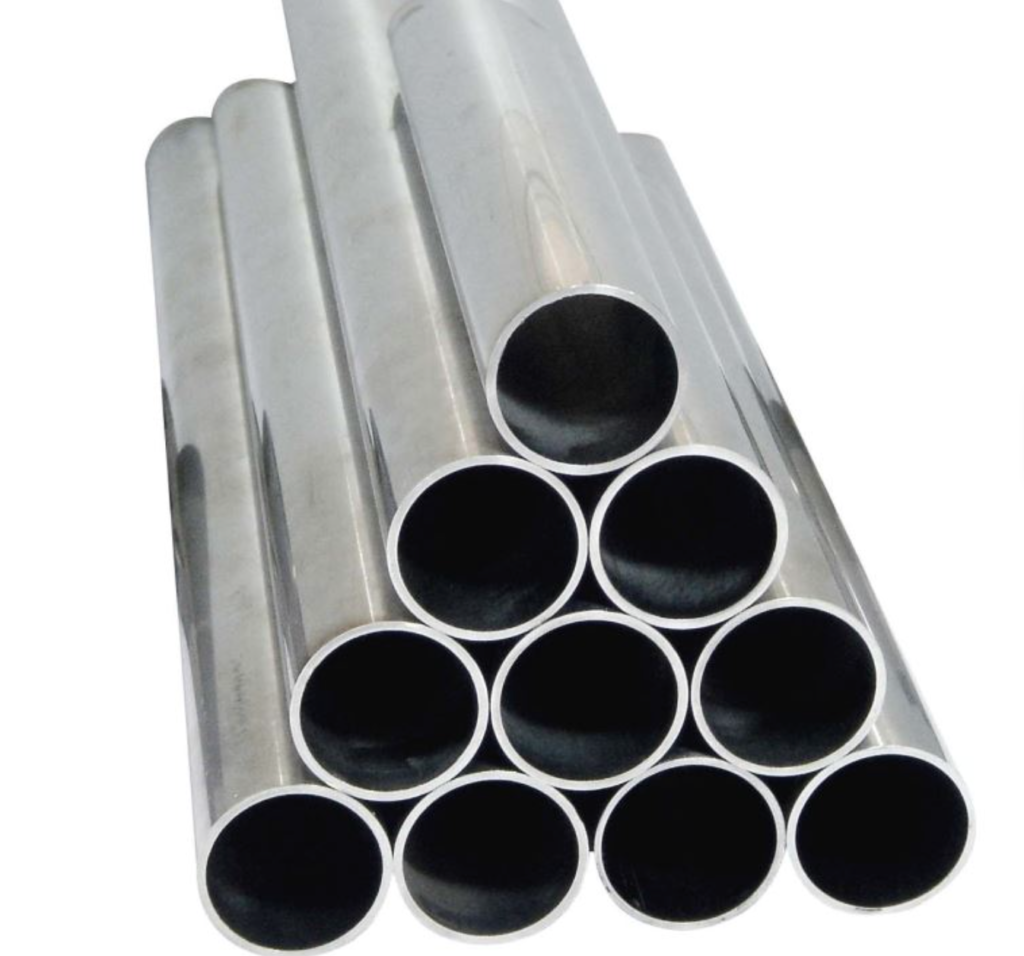
This page focuses on Hastelloy C276 / Alloy C276 pipe for chemical processing, acid transfer, pollution control, pickling, waste treatment, scrubbers, reactors, columns, and other corrosive process-piping applications. For the complete commercial range covering seamless pipe, seamless tube, welded pipe, and welded tube, see the Hastelloy C276 Pipe & Tube main product page. This application page does not replace corrosion engineering, piping design, welding qualification, code calculations, or end-user material approval. |
||||||||||||||||||||||||||||||||||||
| Material Identification |
1. Material: Alloy C276. 2. Common Search Name: Hastelloy C276. 3. UNS Designation: UNS N10276. 4. Werkstoff Number: W.Nr. 2.4819. 5. Alloy Family: Nickel-chromium-molybdenum-tungsten corrosion-resistant alloy. 6. Primary Product Forms: Seamless process pipe, seamless tube, welded process pipe, welded tube, straight lengths, cut lengths, and project-specific tubular components. Purchase documents should state the UNS number, product form, seamless or welded construction, product standard, dimensions, condition, testing, and documentation. A trade name alone is not a complete material specification. |
||||||||||||||||||||||||||||||||||||
| Quick Buyer Summary |
Alloy C276 is frequently shortlisted where chemical equipment may encounter mixed oxidizing and reducing chemicals, hydrochloric acid, contaminated sulfuric or phosphoric acid, wet chlorine compounds, ferric or cupric chlorides, sour fluids, deposits, or localized-corrosion risks. Its chemistry supports broad corrosion resistance, but it is not universally suitable for every acid, concentration, temperature, contaminant, pressure, flow condition, weld, or cleaning route. The useful procurement question is not only “Is C276 corrosion resistant?” It is whether the selected UNS N10276 product form, standard, construction, wall thickness, condition, inspection plan, documentation package, and fabrication route suit the actual process. |
||||||||||||||||||||||||||||||||||||
| Primary Product and Piping Standards |
Do not list ASTM product standards, ASME B31.3, pressure-vessel rules, PED, and welding qualifications as though they are interchangeable certificates. Each has a different scope. |
||||||||||||||||||||||||||||||||||||
| Nominal Chemical Composition Direction |
Typical Alloy C276 composition direction. Final acceptance follows the ordered material standard and heat-specific MTR/MTC.
The website composition table does not replace heat-specific chemistry, product-standard limits, or buyer-approved material certificates. |
||||||||||||||||||||||||||||||||||||
| Mechanical Property Direction |
Mechanical acceptance depends on the ordered standard, construction, delivery condition, dimensions, wall thickness, and test specimen. For solution-annealed UNS N10276 seamless pipe and tube under ASTM B622, commonly referenced room-temperature minimum values include approximately 690 MPa tensile strength, 283 MPa 0.2% yield strength, and 40% elongation. Do not use one generic tensile range, hardness range, elevated-temperature value, or maximum service temperature as a universal guarantee for every product form or finished chemical piping component. |
||||||||||||||||||||||||||||||||||||
| Why Alloy C276 Is Considered |
Alloy C276 combines high nickel, chromium, molybdenum, and tungsten contents with low carbon and silicon levels. This chemistry supports resistance to stress-corrosion cracking, pitting, crevice attack, and general corrosion in many aggressive chemical environments. Molybdenum contributes to performance in many reducing environments. Chromium supports resistance in oxidizing media. Tungsten contributes to resistance against localized attack. Low carbon and silicon help reduce certain weld-related corrosion concerns. Actual performance still depends on chemistry, concentration, metal temperature, aeration, redox potential, pressure, flow, solids, deposits, crevices, welding, contamination, and shutdown practice. |
||||||||||||||||||||||||||||||||||||
| Chemical-Service Screening Matrix |
|
||||||||||||||||||||||||||||||||||||
| Process Data Required Before Approval |
|
||||||||||||||||||||||||||||||||||||
| Alloy C276 vs Common Alternatives |
Selection should not be based only on initial price, one corrosion chart, one PREN value, or one laboratory result. |
||||||||||||||||||||||||||||||||||||
| Pipe and Tube Supply Options |
Supply can be reviewed for: 1. ASTM B622 seamless pipe and tube. 2. ASTM B619/B619M welded process pipe. 3. ASTM B626 welded heat-exchanger, condenser, or general-corrosion tube. 4. NPS and schedule pipe dimensions. 5. Custom outside diameter and wall-thickness tube dimensions. 6. Straight lengths, random lengths, fixed lengths, and cut pieces. 7. Plain, beveled, faced, chamfered, or drawing-specific ends. 8. Annealed and descaled, pickled, polished, machined, or project-specific surfaces. 9. Cutting, bending, flaring, expanding, swaging, machining, threading, marking, and fabrication review where technically applicable. |
||||||||||||||||||||||||||||||||||||
| Seamless vs Welded Chemical Process Pipe |
Seamless and welded products are not automatically interchangeable. The design code, corrosion environment, dimensions, pressure, inspection plan, delivery schedule, and lifecycle cost should determine the permitted construction. |
||||||||||||||||||||||||||||||||||||
| Dimensions and Tolerances |
The purchase order should define: 1. Pipe or tube designation. 2. NPS, schedule, OD, nominal wall, average wall, or minimum wall. 3. Seamless or welded construction. 4. Random, double-random, fixed, or cut length. 5. OD, wall, ovality, straightness, length, squareness, and end-preparation tolerances. 6. Internal and external surface requirements. 7. Measurement method, sampling frequency, acceptance criteria, and report format. One fixed tolerance table should not be applied to every diameter, wall, construction, length, or processing route. Tighter tolerances require feasibility and yield review. |
||||||||||||||||||||||||||||||||||||
| ASME B31.3 Responsibility Boundary |
ASTM B622, ASTM B619/B619M, or ASTM B626 confirms the ordered material product within the relevant standard. It does not independently establish the completed chemical piping system’s design pressure, required wall, corrosion allowance, flexibility, fatigue, support design, branch reinforcement, examination category, or final pressure test. For an ASME B31.3 project, the responsible piping designer should confirm: 1. Code edition and fluid-service category. 2. Material listing and allowable stress. 3. Design pressure and design temperature. 4. Required wall calculation and corrosion allowance. 5. Fittings, flanges, valves, gaskets, and branch connections. 6. Welding procedures, qualifications, heat treatment, examination, and acceptance criteria. 7. Flexibility, thermal expansion, vibration, fatigue, supports, and cyclic operation. 8. Finished-system leak or pressure testing. A supplier should not describe a single pipe as “fully ASME B31.3 compliant” without defining the complete system and contractual scope. |
||||||||||||||||||||||||||||||||||||
| Welding and Fabrication |
Alloy C276 can be welded and fabricated using qualified procedures suitable for nickel-chromium-molybdenum alloys. Important controls include: 1. Removal of oils, grease, sulfur, lead, zinc, paint, marking compounds, and other contaminants. 2. Correct filler metal and qualified welding procedure. 3. Joint preparation, shielding, purge, heat input, interpass temperature, and travel speed. 4. Weld-profile control and examination of the weld and heat-affected zone. 5. Post-weld cleaning and oxide removal. 6. Review of forming strain, wall thinning, ovality, springback, and dimensional recovery. Low carbon and silicon reduce some weld-related sensitization concerns, but they do not prove that every welded component retains “100% corrosion resistance,” nor do they remove project-specific heat-treatment or qualification requirements. |
||||||||||||||||||||||||||||||||||||
| Heat Treatment and Surface Condition |
Alloy C276 pipe and tube are supplied in the heat-treated condition required by the governing product standard and purchase order. Hot forming, heavy cold work, welding, repair welding, or fabrication may require renewed metallurgical review and, where specified, solution annealing and rapid cooling. The RFQ should confirm: 1. Annealed and descaled, pickled, bright, polished, machined, or project-specific finish. 2. Internal and external roughness where applicable. 3. Acceptance limits for scale, pits, seams, laps, scratches, dents, stains, weld discoloration, and handling marks. 4. Degreasing, chloride, sulfur, iron-contamination, oxygen-service, pharmaceutical, or high-purity cleaning requirements. A smooth surface alone does not qualify a pipe for clean, sterile, pharmaceutical, semiconductor, oxygen, or food-contact service. |
||||||||||||||||||||||||||||||||||||
| Inspection and Testing |
Inspection can be arranged according to the applicable standard and purchase order, including: 1. Heat-specific chemical composition and mechanical-property verification. 2. OD, wall thickness, schedule, length, straightness, ovality, end preparation, and visual surface inspection. 3. Hydrostatic or nondestructive electric testing as required by the applicable standard. 4. Eddy-current, ultrasonic, radiographic, pneumatic, leak, or dye-penetrant testing when technically applicable and contractually specified. 5. Positive Material Identification. 6. Hardness, flattening, flaring, bend, microstructure, pitting, crevice, or project-specific corrosion testing when relevant. 7. Third-party inspection at agreed hold or witness points. “100% tested” is incomplete unless the method, coverage, calibration, frequency, sensitivity, acceptance criteria, and report scope are defined. |
||||||||||||||||||||||||||||||||||||
| Laboratory Corrosion Data and ASTM G48 |
ASTM G48 ferric-chloride testing can support comparative screening of pitting and crevice-corrosion resistance. Critical pitting or crevice temperatures from laboratory tests are not universal process-operating limits. They do not reproduce every acid mixture, contaminant, weld, stress, deposit, crevice, flow condition, cleaning cycle, or shutdown event. For high-consequence chemical service, buyers should combine published data with the actual process description, corrosion-coupon testing, laboratory immersion testing, pilot testing, or relevant field experience. |
||||||||||||||||||||||||||||||||||||
| Certificates and Traceability |
Available documentation can include: 1. Heat-specific MTR/MTC showing grade, UNS number, product standard, chemistry, mechanical properties, construction, condition, dimensions, and heat number. 2. Heat and lot traceability linked to pipe marking, labels, packing lists, and inspection reports. 3. EN 10204 3.1 documentation when contractually required. 4. Dimensional, PMI, hydrostatic, ET, UT, RT, PT, hardness, corrosion, and third-party reports when ordered. 5. Certificate of Conformance and project-specific release documentation. 6. ASME, PED, ISO 15156/NACE, or regulated-industry documentation only when the exact contractual requirements have been reviewed. Traceability normally begins with identifiable heat, melt, or lot records. Do not promise traceability “from raw-material ore” unless a verifiable contractual chain exists. |
||||||||||||||||||||||||||||||||||||
| Typical Chemical-Industry Equipment |
|
||||||||||||||||||||||||||||||||||||
| Common Procurement Risks |
1. Ordering only by “Hastelloy C276” without a UNS number and product standard. 2. Confusing pipe dimensions with tube dimensions. 3. Treating ASTM B622, B619, B626, and ASME B31.3 as the same type of document. 4. Assuming seamless and welded construction are interchangeable. 5. Using one corrosion chart without actual contaminants, temperature, or process cycling. 6. Applying a laboratory pitting temperature as an operating-temperature guarantee. 7. Specifying “chemical grade,” “high-pressure grade,” or “precision grade” without measurable acceptance criteria. 8. Requiring “100% testing” without defining the method and acceptance criteria. 9. Omitting weld, forming, cleaning, surface, or end-preparation requirements. 10. Selecting material only by initial price instead of lifecycle and failure consequence. |
||||||||||||||||||||||||||||||||||||
| What Emily PIPE Can Review |
1. Alloy C276 / UNS N10276 identification. 2. ASTM B622 seamless pipe and tube, ASTM B619/B619M welded pipe, or ASTM B626 welded tube. 3. NPS, schedule, OD, wall thickness, length, quantity, construction, and delivery condition. 4. Cut lengths, end preparation, bending, machining, marking, and project-specific processing. 5. Dimensional, surface, PMI, hydrostatic, ET, UT, RT, PT, leak, corrosion, and third-party inspection requirements. 6. MTR/MTC, heat and lot traceability, EN 10204 3.1, CoC, and project documents. 7. Export packing, end protection, heat separation, destination marking, and delivery schedule. 8. Process chemistry and service data for preliminary material-review discussion. Final engineering approval remains with the responsible designer or end user. |
||||||||||||||||||||||||||||||||||||
| RFQ Information Required |
1. Alloy C276 / UNS N10276 confirmation. 2. ASTM, ASME, EN, or customer standard and edition. 3. Pipe or tube and seamless or welded construction. 4. NPS or OD, schedule or wall thickness, length, quantity, and tolerance. 5. Nominal, average, or minimum-wall requirement where applicable. 6. Delivery condition, surface finish, cleanliness, end preparation, bending, or fabrication requirements. 7. Process fluid, acid type, concentration, pH, chlorides, fluorides, sulfur compounds, oxidizers, solids, dissolved metals, and impurities. 8. Operating and design temperature, pressure, vacuum, surge, cyclic, startup, shutdown, upset, and cleaning conditions. 9. Flow velocity, slurry content, deposits, crevices, dead legs, and erosion risk. 10. Piping code, corrosion allowance, welding, heat-treatment, and examination requirements. 11. Hydrostatic, electric, ET, UT, RT, PT, PMI, hardness, corrosion, dimensional, or third-party inspection requirements. 12. MTR/MTC, EN 10204 3.1, CoC, ISO 15156/NACE, ASME, PED, or customer-specific documentation. 13. Destination, Incoterms, packaging, marking, and required delivery date. |
||||||||||||||||||||||||||||||||||||
| Buyer Questions |
Is Alloy C276 resistant to every chemical? Which standard covers seamless C276 chemical process pipe? Which standard covers welded C276 process pipe? Can this page prove ASME B31.3 compliance? Does C276 require no post-weld heat treatment in every project? Can C276 be used for hydrochloric acid? Does an ASTM G48 result guarantee plant performance? Can seamless and welded C276 pipe be substituted? Which documents can be supplied? |
||||||||||||||||||||||||||||||||||||
| Related Technical Guidance |
For broader product supply, see the Hastelloy C276 Pipe & Tube main product page. For material background, see Hastelloy C-276 composition, properties, and application guidance. For acid-leaching comparison, see Hastelloy C276 vs Titanium Grade 7 for mining acid leaching. |
Packaging
Export packaging is selected according to construction, diameter, wall thickness, length, quantity, surface condition, end preparation, and transport method. Options can include bundling, waterproof wrapping, wooden cases, end protection, separators, secure supports, heat separation, and clear identification.
Get Consultation & Quote
Send the Alloy C276 standard, product form, construction, size, wall thickness, length, quantity, chemical process data, temperatures, pressures, inspection requirements, certificate requirements, destination, and delivery date to emilymetalsh@163.com.