
| Item | Details | ||||||||||||||||||||||||
|---|---|---|---|---|---|---|---|---|---|---|---|---|---|---|---|---|---|---|---|---|---|---|---|---|---|
| Product Identification |
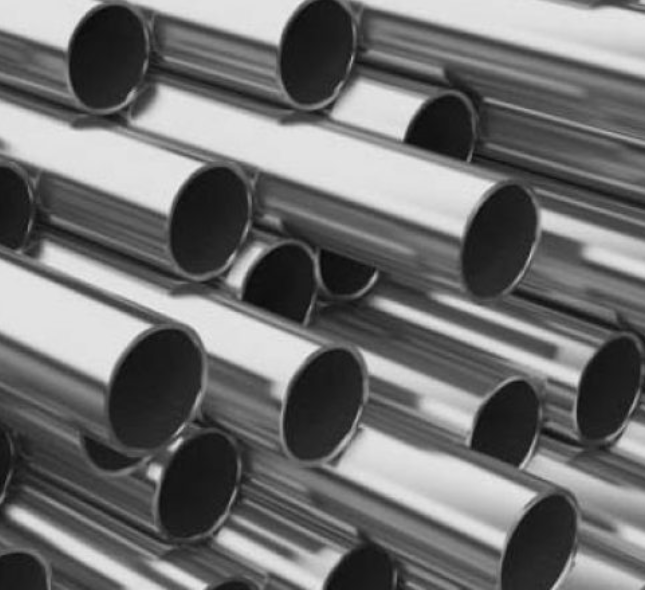
1. Material: Alloy 825. 2. UNS Designation: UNS N08825. 3. Werkstoff Number: W.Nr. 2.4858. 4. Alloy Type: Titanium-stabilized nickel-iron-chromium-molybdenum-copper alloy. 5. Primary Product Forms: Seamless pipe, seamless tube, welded pipe, welded tube, straight lengths, cut lengths, and project-specific tubular components. 6. Commercial Description: Alloy 825 pipe, Alloy 825 tube, nickel alloy 825 pipe, or UNS N08825 tubular product. |
||||||||||||||||||||||||
| Standards and Product Scope |
The purchase order should state the exact standard, edition, construction, condition, dimensions, tests, inspection documents, and supplementary requirements. ASTM B829 provides general requirements used with ASTM B423 seamless nickel-alloy pipe and tube. |
||||||||||||||||||||||||
| Chemical Composition (Weight %) |
Reference limits for UNS N08825. Final acceptance follows the governing standard and heat-specific MTR/MTC.
Heat-specific chemistry should remain linked to the physical pipe or tube through heat and lot identification. |
||||||||||||||||||||||||
| Mechanical Properties |
Mechanical requirements depend on product standard, construction, condition, wall thickness, diameter, and specimen orientation. For annealed UNS N08825 seamless pipe and tube under ASTM B423, commonly referenced minimum room-temperature values are:
These values are procurement references, not universal guarantees for every welded, cold-worked, specially heat-treated, or fabricated product. Final acceptance follows the ordered standard and heat-specific certificate. |
||||||||||||||||||||||||
| Typical Physical Properties |
Typical values only; they are not product-acceptance limits.
Actual properties vary with temperature, composition, processing history, and test method. |
||||||||||||||||||||||||
| Corrosion-Resistance Direction |
Alloy 825 combines nickel, chromium, molybdenum, copper, and titanium to provide useful resistance in a range of reducing and oxidizing environments. It is commonly evaluated for sulfuric-acid, phosphoric-acid, sour-service, pickling, chemical-processing, and selected chloride-containing environments. Nickel supports resistance to chloride-ion stress-corrosion cracking; molybdenum and copper contribute in certain reducing media; chromium supports resistance in oxidizing conditions. Alloy 825 should not be described as resistant to every acid, chloride concentration, seawater condition, or oxidizing contaminant. Performance depends on concentration, temperature, aeration, impurities, velocity, deposits, crevices, weld condition, and cleaning chemistry. |
||||||||||||||||||||||||
| Acid and Chloride Selection Boundary |
|
||||||||||||||||||||||||
| Sour-Service and NACE Boundary |
Alloy 825 is used in selected oil-and-gas and sour-service equipment, but the alloy name alone does not establish compliance with ISO 15156 / NACE MR0175. Confirm the applicable edition, product form, condition, hardness, cold work, heat treatment, environmental limits, design requirements, and end-user approval. A quality-system certificate or Alloy 825 MTR does not independently approve a finished component for every H₂S-containing service. |
||||||||||||||||||||||||
| Seamless vs Welded Construction |
Seamless and welded products should not be treated as interchangeable unless the governing project specification permits both constructions. |
||||||||||||||||||||||||
| Available Product Forms and Processing |
Supply options can include, subject to specification and feasibility review: 1. Seamless pipe and tube. 2. Welded pipe and welded heat-exchanger tube. 3. Straight lengths, random lengths, fixed lengths, and cut pieces. 4. Plain, beveled, or project-specific end preparation. 5. Annealed and pickled, descaled, polished, or other specification-controlled surfaces. 6. Cutting, facing, chamfering, beveling, threading, bending, and drawing-controlled processing. 7. Heat and lot separation, customer marking, and export packing. |
||||||||||||||||||||||||
| Dimensions, Tolerances, and Wall Basis |
1. OD, ID, nominal pipe size, schedule, wall thickness, and length should be stated clearly. 2. Tube orders should identify minimum-wall or average-wall basis where the governing standard provides that distinction. 3. Diameter, wall, ovality, straightness, cut length, end preparation, and surface requirements follow the ordered standard unless tighter values are agreed in writing. 4. Tighter tolerances require review of manufacturing route, size, wall, length, finish, measurement method, sampling, yield, cost, and lead time. 5. Finished-component drawings should distinguish raw-material tolerances from final-machined dimensions. |
||||||||||||||||||||||||
| Heat Treatment and Delivery Condition |
Alloy 825 is generally supplied in an annealed condition controlled by the governing product specification. The correct heat treatment depends on product form, section size, prior processing, standard, and required corrosion and mechanical properties. A generic stress-relief temperature should not be applied to every Alloy 825 pipe or tube. Additional heating may affect stabilization, precipitation, oxide condition, dimensions, and corrosion behaviour. Post-supply heat treatment, hot forming, welding, or repair should follow a qualified procedure and may require renewed testing or customer approval. |
||||||||||||||||||||||||
| Welding and Fabrication |
Alloy 825 can be welded and fabricated using procedures appropriate for nickel-iron-chromium alloys. Important controls include clean joint surfaces; suitable filler metal; qualified welding procedure; controlled heat input and interpass temperature; protection from sulfur, lead, zinc, oil, and other contaminants; weld and HAZ inspection; and compatible cleaning or oxide-removal procedures. ASTM pipe or tube certification does not approve a finished welded assembly or pressure system. |
||||||||||||||||||||||||
| Typical Application Screening |
Alloy 825 pipe and tube may be evaluated for: 1. Sulfuric- and phosphoric-acid process piping and equipment. 2. Chemical-transfer lines, reactors, vessels, scrubbers, and associated tubing. 3. Pickling equipment and acid-recovery systems. 4. Oil-and-gas production, sour-service, injection, and processing equipment where applicable material rules are satisfied. 5. Pollution-control, flue-gas-cleaning, and waste-treatment systems after chemistry and temperature review. 6. Heat exchangers, condensers, and coolers using the correct tube standard and joint design. 7. Marine, brine, geothermal, and water-treatment components after localized-corrosion and galvanic review. 8. Nuclear fuel reprocessing or regulated service only when the exact project specification, source approval, tests, and documents are satisfied. These are screening directions and do not replace engineering or end-user approval. |
||||||||||||||||||||||||
| Application-Specific Pages |
1. See Alloy 825 heat-exchanger tube and condenser applications. 2. See Alloy 825 process pipe for chemical-industry applications. This page remains the general Alloy 825 pipe and tube procurement page. |
||||||||||||||||||||||||
| Critical Limits Buyers Should Review |
Confirm tube-side and shell-side chemistry; concentration; pH; impurities; continuous, peak, startup, shutdown, and cleaning temperatures; pressure and vacuum; fatigue and vibration; chlorides, fluorides, sulfur compounds, and oxidizing contaminants; flow velocity and solids; stagnation, deposits, and crevices; fabrication route; galvanic contact; governing pressure code; NACE/ISO rules; and failure consequence. |
||||||||||||||||||||||||
| Inspection and Testing |
Inspection can be arranged according to the standard and purchase order, including: 1. Heat-specific chemistry and mechanical-property verification. 2. OD, wall, length, straightness, ovality, end preparation, and surface inspection. 3. Hydrostatic or nondestructive electric testing required by the product standard. 4. Eddy-current, ultrasonic, pneumatic, leak, or other NDT when method and acceptance criteria are specified. 5. PMI, hardness, corrosion, microstructure, flattening, flaring, bend, or additional testing when applicable. 6. Third-party inspection at agreed witness or hold points. “100% tested” is incomplete unless method, coverage, calibration, sensitivity, frequency, and acceptance criteria are stated. |
||||||||||||||||||||||||
| Certificates and Traceability |
Documentation can include heat-specific MTR/MTC; heat and lot traceability linked to marking and packing; EN 10204 3.1 documentation when required; dimensional, PMI, hydrostatic, ET, UT, hardness, corrosion, or third-party reports when ordered; and customer-specific release documents when agreed. NACE/ISO, pressure-code, or regulated-project documentation is available only when the exact contractual requirements have been reviewed and confirmed. |
||||||||||||||||||||||||
| Packaging and Marking |
Pipe and tube can be bundled, wrapped, or packed in export wooden cases according to size, wall, length, quantity, finish, and transport method. Available controls can include end protection, separators, moisture-resistant wrapping, secure supports, heat separation, and labels showing Alloy 825, UNS N08825, standard, construction, condition, size, heat number, lot number, quantity, and purchase-order reference. |
||||||||||||||||||||||||
| Why Choose Emily PIPE |
1. More than 20 years of alloy-material production and export experience. 2. Supply support for standard and project-specific nickel-alloy pipe and tube. 3. Review of grade, UNS number, standard, construction, size, condition, tolerance, processing, inspection, documentation, and packing before quotation. 4. Heat and lot traceability according to agreed requirements. 5. PMI, dimensional, surface, mechanical, hydrostatic, eddy-current, ultrasonic, and third-party inspection support when specified and technically applicable. 6. Cutting, end preparation, marking, heat separation, and export packaging subject to feasibility confirmation. |
||||||||||||||||||||||||
| RFQ Information Required |
For an accurate quotation, provide: 1. Alloy 825 / UNS N08825 confirmation. 2. ASTM B423, B705, B704, B163, ASME, EN, or customer specification and edition. 3. Seamless or welded construction. 4. Pipe or tube designation, OD or NPS, wall or schedule, length, and quantity. 5. Minimum-wall or average-wall requirement where applicable. 6. Condition, surface finish, end preparation, bending, forming, or fabrication. 7. Operating and design temperature, pressure, vacuum, and cyclic conditions. 8. Process fluid, concentration, pH, chlorides, fluorides, sulfur compounds, solids, impurities, and flow. 9. Hydrostatic, ET, UT, PMI, hardness, corrosion, dimensional, or third-party inspection. 10. MTR/MTC, EN 10204 3.1, CoC, NACE/ISO, pressure-code, or customer documents. 11. Destination, Incoterms, packing, marking, and required delivery date. |
||||||||||||||||||||||||
| Buyer Questions |
What is Alloy 825 pipe? Is ASTM B425 correct for Alloy 825 pipe? Is Alloy 825 the same as Alloy 625? Can Alloy 825 be used for sulfuric acid? Is Alloy 825 automatically NACE compliant? Can seamless and welded Alloy 825 pipe be substituted? Which documents can be supplied? |
Packaging
Export packaging is selected according to pipe or tube construction, diameter, wall thickness, length, quantity, surface condition, and transport method. Available controls can include bundling, waterproof wrapping, wooden cases, end protection, separators, secure supports, heat separation, and clear product identification.
Get Consultation & Quote
Send the Alloy 825 standard, construction, size, wall, length, quantity, operating conditions, inspection requirements, certificate requirements, destination, and delivery date to emilymetalsh@163.com.