
| Item | Details | ||||||||||||||||||
|---|---|---|---|---|---|---|---|---|---|---|---|---|---|---|---|---|---|---|---|
| Product Identification |
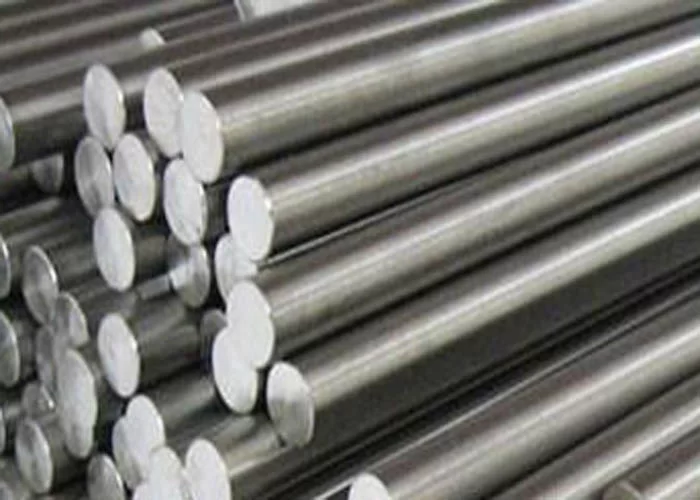
1. Material: Nickel 200. 2. UNS Designation: UNS N02200. 3. Product Form: Solid nickel rod and bar. 4. Primary Product Standard: ASTM B160/B160M-24, or the contractually specified edition. 5. Available Cross-Sections: Round, square, hexagonal, and rectangular solid sections can be reviewed according to the applicable standard, manufacturing route, size, and quantity. 6. Commercial Description: Nickel 200 bar, pure nickel rod, commercially pure wrought nickel bar, or UNS N02200 bar. |
||||||||||||||||||
| Standard Scope |
ASTM B160/B160M covers Nickel 200 (UNS N02200), low-carbon Nickel 201 (UNS N02201), and solution-strengthened Nickel 211 (UNS N02211) in specified hot-worked, cold-worked, or annealed rod and bar conditions. The governing standard controls chemical composition, mechanical requirements, dimensions, tolerances, sampling, testing, workmanship, marking, and certification. The applicable edition and all supplementary requirements should be stated in the purchase order. Important: Nickel 200 and Nickel 201 are separate grades. This page is positioned specifically for Nickel 200 / UNS N02200 and should not be used as a substitute for Nickel 201 when low-carbon high-temperature service is required. |
||||||||||||||||||
| Chemical Composition (Weight %) |
Reference limits for Nickel 200 / UNS N02200. Final acceptance shall follow the current purchase specification and heat-specific Material Test Certificate.
Heat-specific chemistry should be reported on the MTR/MTC and linked to the physical bars through heat or lot identification. |
||||||||||||||||||
| Nickel 200 vs Nickel 201 |
Do not treat the two grades as automatically interchangeable. Service temperature, carbon limit, fabrication route, governing code, and customer approval should be reviewed before selection. |
||||||||||||||||||
| Typical Physical Properties |
Typical reference values only; they are not ASTM B160 acceptance limits.
Actual values vary with temperature, product condition, composition, and test method. |
||||||||||||||||||
| Mechanical Properties |
Mechanical requirements depend on product condition, size, and the governing edition of ASTM B160/B160M. The purchase order should state whether hot-worked, cold-worked, annealed, or another permitted condition is required. Nominal producer reference ranges for Nickel 200 rod and bar:
These ranges are general technical references and must not replace the mechanical requirements of the ordered standard, size, condition, or heat-specific certificate. |
||||||||||||||||||
| Temperature Selection Boundary |
Nickel 200 is generally used below approximately 315°C (600°F) for prolonged service. Extended exposure at higher temperatures may create graphitization risk and reduce material properties. For sustained service above approximately 315°C, Nickel 201 is commonly preferred because of its lower carbon content. The final temperature limit must follow the applicable code, component design, stress level, atmosphere, fabrication route, and customer approval. A temperature statement on a material datasheet does not independently establish an allowable design temperature for a finished component. |
||||||||||||||||||
| Corrosion Resistance Direction |
Nickel 200 is useful in many reducing environments and is particularly associated with resistance to caustic alkalis. It may also perform in selected water, organic-acid, and non-aerated acid services. Suitability changes with concentration, temperature, aeration, oxidizing contaminants, velocity, deposits, crevices, and galvanic contact. It should not be described as resistant to every acid or every chloride environment. In flowing seawater, Nickel 200 may provide useful performance, while stagnant or low-velocity seawater with deposits or biological fouling can create severe localized attack. Real service chemistry and equipment geometry must therefore be reviewed. |
||||||||||||||||||
| Typical Application Screening |
Nickel 200 bar can be evaluated for: 1. Caustic soda and alkali-handling equipment. 2. Chemical-processing components exposed to compatible reducing media. 3. Electrical and electronic components requiring nickel conductivity, magnetic response, or corrosion resistance. 4. Plating bars, electrodes, anodes, and process hardware where the material specification permits Nickel 200. 5. Food-processing and product-purity equipment where the complete process chemistry is compatible. 6. Machined shafts, fasteners, spacers, pins, valve components, instrument parts, and custom hardware. 7. Selected marine, water-treatment, and industrial components after flow, fouling, deposit, and galvanic conditions are assessed. These examples are preliminary screening references and do not replace engineering approval for the finished component. |
||||||||||||||||||
| Application Limits Buyers Should Review |
Before selection, review: 1. Continuous and peak temperature. 2. Chemical concentration, pH, aeration, and oxidizing contaminants. 3. Chlorides, sulfur compounds, ammonia, fluorides, and process impurities. 4. Stagnant areas, crevices, deposits, and biological fouling. 5. Mechanical loading, fatigue, wear, erosion, and galling. 6. Galvanic contact with less-noble metals. 7. Welding, brazing, machining, heat treatment, and cleaning route. 8. Governing design code and customer material approval. |
||||||||||||||||||
| Product Forms, Size, and Length |
1. Round bar, rod, square bar, hexagonal bar, and rectangular bar can be reviewed within the applicable production range. 2. Standard mill lengths, fixed lengths, cut pieces, and machining blanks can be supplied subject to material availability and order quantity. 3. Diameter, cross-section, length, straightness, out-of-roundness, edge condition, and end condition should be specified in the RFQ. 4. Tighter-than-standard tolerances require a feasibility review covering production route, finish, measurement method, inspection frequency, yield, and lead time. 5. Finished-component drawings should include machining allowance and datum requirements where dimensional control is critical. |
||||||||||||||||||
| Surface Condition and Processing |
Available surface and processing options can include, subject to review: 1. Hot-worked, cold-worked, annealed, pickled, peeled, turned, ground, or polished bar. 2. Saw cutting and fixed-length preparation. 3. Facing, chamfering, deburring, drilling, threading, turning, milling, and CNC machining. 4. Centerless grinding for tighter diameter and surface requirements. 5. Customer-specific marking, identification, and heat separation. Surface roughness and finish must be defined by measurable acceptance criteria rather than general terms such as “bright” or “precision.” |
||||||||||||||||||
| Machining and Fabrication Guidance |
Nickel 200 is ductile and fabricable, but its machining behaviour differs from carbon steel. Work hardening, tool pressure, heat generation, and built-up edge should be controlled through suitable tooling, rigid setup, feed, speed, and coolant selection. Machining allowance should account for bar tolerance, straightness, surface scale, chucking, and final inspection. Threads, deep holes, thin sections, and fatigue-sensitive surfaces may require additional process control. Welding, brazing, or high-temperature fabrication should follow qualified procedures and the correct material-selection boundary between Nickel 200 and Nickel 201. |
||||||||||||||||||
| Inspection and Testing |
Inspection can be arranged according to the standard and purchase order, including: 1. Chemical-composition verification. 2. Tensile and hardness testing when required by the ordered condition and standard. 3. Dimensional inspection for diameter or cross-section, length, straightness, and agreed tolerances. 4. Surface and workmanship inspection. 5. Positive Material Identification when specified. 6. Ultrasonic or other nondestructive examination when a method, reference standard, coverage, sensitivity, and acceptance criteria are defined. 7. Third-party inspection at agreed witness or hold points. A general statement such as “100% tested” is not sufficient unless the method and acceptance basis are clearly stated. |
||||||||||||||||||
| Certificates and Traceability |
Documentation can include: 1. Material Test Certificate with heat-specific chemistry and mechanical properties. 2. ASTM B160/B160M compliance statement for the ordered product. 3. Heat and lot traceability linked to labels, packing list, and test reports. 4. EN 10204 3.1 documentation when contractually required. 5. Dimensional, PMI, hardness, UT, or third-party inspection reports when ordered. 6. Certificate of Conformance and customer-specific release documents when agreed. Certificate requirements should be confirmed before production because they affect material sourcing, testing, documentation, and lead time. |
||||||||||||||||||
| Packaging and Marking |
1. Bars can be bundled, wrapped, or packed in export wooden cases according to diameter, length, quantity, surface finish, and transport method. 2. Ground or polished bars can receive separators and additional surface protection. 3. Moisture-resistant wrapping and secure supports can be used for export shipment. 4. Different heats, lots, sizes, and conditions can be separated and clearly identified. 5. Labels can include Nickel 200, UNS N02200, ASTM B160/B160M, condition, size, heat number, lot number, quantity, and purchase-order reference. |
||||||||||||||||||
| Why Choose Emily PIPE |
1. More than 20 years of alloy-material production and export experience. 2. Supply support for standard and project-specific nickel bar requirements. 3. Review of grade, standard, size, condition, tolerance, finish, machining, inspection, documentation, and packing before quotation. 4. Heat and lot traceability according to agreed purchase requirements. 5. PMI, dimensional, surface, mechanical, ultrasonic, and third-party inspection support when specified and technically applicable. 6. Cutting, grinding, machining coordination, marking, and export packaging services subject to feasibility confirmation. 7. Direct communication for drawings, service conditions, delivery requirements, and technical clarification. |
||||||||||||||||||
| RFQ Information Required |
For an accurate quotation, please provide: 1. Nickel 200 / UNS N02200 confirmation. 2. ASTM B160/B160M edition or other governing specification. 3. Cross-section and size: round diameter, square/hex size, or rectangular dimensions. 4. Length, quantity, unit of measurement, and annual or project demand. 5. Hot-worked, cold-worked, annealed, or other specified condition. 6. Diameter, length, straightness, surface, roughness, and machining requirements. 7. Chemical, mechanical, dimensional, PMI, UT, hardness, or third-party inspection requirements. 8. MTR/MTC, EN 10204 3.1, CoC, or customer-specific documentation. 9. Service medium, concentration, temperature, pressure, load, and failure consequence when material review is requested. 10. Destination, Incoterms, packing, marking, and required delivery date. |
||||||||||||||||||
| Buyer Questions |
What is Nickel 200 bar? What is the difference between Nickel 200 and Nickel 201? Does ASTM B160 cover both rod and bar? Can custom dimensions and cut lengths be supplied? Is Nickel 200 resistant to all acids and seawater conditions? Which documents are available? |
Packaging
Export packaging is selected according to bar size, length, quantity, finish, and transport method. Available controls can include bundling, waterproof wrapping, surface separators, wooden cases, heat separation, secure supports, and clear product identification.
Get Consultation & Quote
Send the grade, ASTM B160/B160M edition, size, length, quantity, condition, tolerance, surface finish, machining requirements, inspection documents, destination, and delivery date to emilymetalsh@163.com. Service chemistry and temperature can also be provided when material-selection review is required.